Sapporo restaurant guide
Plan best restaurants in sapporo with top picks, neighborhood context, timing tips, and practical booking advice for a smoother trip.
On this page
Best Restaurants In Sapporo
Sapporo's culinary scene rivals Japan's best food destinations. From morning markets bursting with fresh crab to late-night dessert shops, this Hokkaido capital offers world-class dining at every price point. The city excels at turning premium local ingredients—Hokkaido milk, sea urchin, snow crab, and beef—into distinctive regional dishes like miso ramen and soup curry.
First-time visitors often feel overwhelmed by the sheer density of quality restaurants. Many of the best spots hide on upper floors of commercial buildings or tucked into narrow basement alleys. The key to success is knowing where to go, when to arrive, and what to book in advance. Learning about famous Sapporo food traditions helps narrow down your must-eat list.
This guide covers the specific restaurants and venues that stand out in 2026. You'll find practical details like opening hours, booking requirements, and how to beat the crowds. Whether you seek Michelin-level crab courses or casual ramen bowls, strategic planning ensures you experience the best Sapporo dining has to offer.
Free: The Sapporo Essentials guide
Top things to do, where to stay, a perfect day plan, getting around, and the best time to go — a Sapporo mini-guide you can take offline.
Nijo Market: Seafood at Source
Nijo Market (二条市場) is Sapporo's most famous outdoor seafood market, and your best bet for ultra-fresh kaisendon bowls and live crab. Located in the city center, the market buzzes with morning activity from 7:00 AM onward. Most stalls close by 4:00 PM, so plan an early or mid-morning visit to avoid disappointment.
Expect to pay 2,500 to 5,000 yen for a premium kaisendon (sashimi rice bowl) depending on the fish selection. Stalls allow you to point at live crab for immediate preparation on-site. Many vendors speak basic English and display plastic models showing portion sizes and prices. The market opens every day except Sundays and select holidays—check ahead if visiting during a national holiday. Winter visits bring seasonal snow crab and sea urchin at peak freshness.
Daiichi Kaisenmaru and Donburi Chaya are two standout market restaurants. Both open at 7:00 AM but have only 8-12 seats, so arrive at least 30 minutes before opening to secure a spot. The catch changes daily, so seasonal availability affects both menu options and price. Winter months (November to February) bring the best snow crab and sea urchin. Arrive with cash or a Suica card—some stalls still operate cash-only.
The market setting provides an authentic local experience that restaurant dining cannot replicate. Tourist guides and vloggers have made Nijo Market popular, so expect crowds during 9:00–11:00 AM. Early birds who arrive before 8:00 AM enjoy both shorter waits and fresher pick-first access to the day's catch.
Soup Curry King: Sapporo's Signature Broth
Soup Curry King is one of Sapporo's two most famous soup curry restaurants, celebrated for its broth depth and vegetable variety. Soup curry originated here in Hokkaido and differs from typical Japanese curry—thinner broth, heavier vegetables, more aromatic spice. Located in the city center (address: 〒060-0062 札幌市中央区南2条西3丁目13-4, Kataokaビル B1), the restaurant sits in a basement space.
A standard bowl costs 1,200 to 1,800 yen depending on protein choice (chicken, seafood, or vegetarian). You can customize spice level from mild to extremely hot, choose your rice portion size, and add extra vegetables or chashu pork. Wait times run 30-45 minutes during lunch (11:30 AM–1:30 PM) and dinner (6:00–8:00 PM) peaks on weekends. Walk-in only—no reservations. Arrive at 11:00 AM or after 2:00 PM for shorter waits.
The soup curry broth takes 6+ hours to prepare daily, so flavor quality remains consistent year-round. Most diners spend 20-30 minutes at their table, so chair turnover moves steadily despite the line. Many locals squeeze fresh lemon over their rice for extra brightness. First-timers should order medium spice level—Hokkaido's aromatic blend differs from Indian curry and can surprise very sensitive palates.
Soup Curry King competes directly with Soup Curry Yellow (another famous spot), and both are worth trying if you have two soup curry visits planned. Soup Curry King offers more vegetable variety and chutzpah of portions, while Soup Curry Yellow uses coconut milk for a richer broth. Locals debate the merits endlessly, so treat both as essential to your Sapporo education.
Kani Honke: Premium Crab Experience
Kani Honke is Sapporo's most famous specialty crab restaurant, opened in 1971 and now a destination dining fixture. The main branch (Sapporo Ekimae store) sits two blocks from Sapporo Station in the Chuo Ward. You dine in private tatami mat rooms served by staff in traditional kimono, creating an authentic Japanese fine-dining experience. This is Sapporo's restaurant for special occasions.
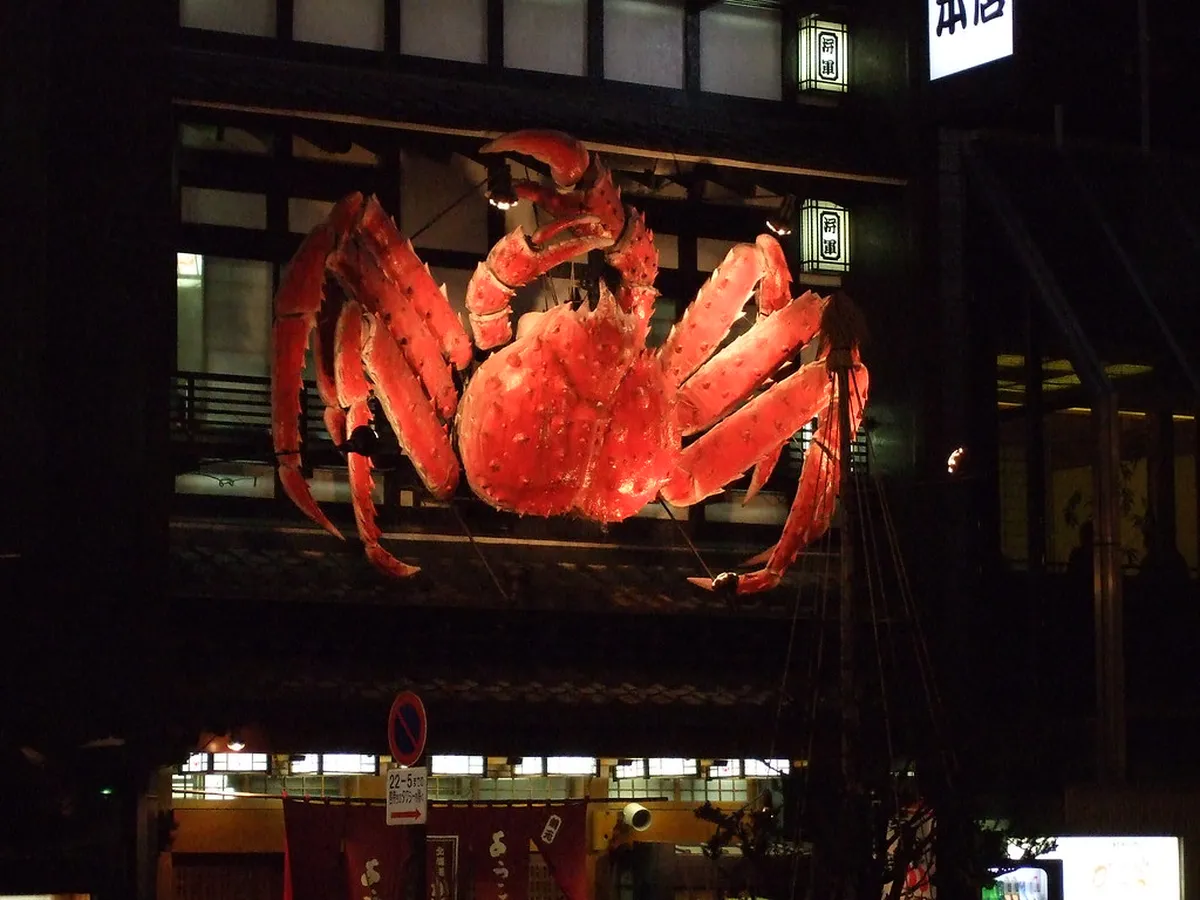
Expect course menus to run 7,600 to 18,000 yen per person depending on the course tier. The Jyuraku Kaiseki (medium course) at 7,600 yen offers an excellent introduction: multiple crab preparations (sashimi, grilled leg, in rice risotto) plus seasonal vegetables and soup. Higher courses add more crab volume and premium protein options. À la carte dining is available but rarely cheaper than courses. Book at least 3-5 days ahead via phone or website; same-day walk-ins rarely secure seating.
Spring and summer are peak season for crab, though Hokkaido snow crab (seasonal November–February) commands the highest price and best quality. The restaurant sources crab daily from local fisheries, so each season offers distinct flavor profiles. Plan a full 2-hour experience—course progression is unhurried and part of the cultural dining ritual.
Kani Honke attracts affluent locals, tourists, and business groups, so noise levels can spike during lunch (11:30 AM–1:30 PM). The private tatami room setup limits this disruption compared to open-floor restaurants. Solo travelers are welcome and encouraged; staff provide personalized recommendations and explanation of each dish.
Ramen Alley: Miso Broth Tradition
Ganso Ramen Yokocho (Ramen Alley) is a narrow lane in the Susukino district housing 17 tiny ramen shops, each serving a distinct miso broth interpretation. The alley has operated since the 1950s and remains largely unchanged—wood-fired stoves, counter-only seating for 6-10 diners per shop, local regulars who hold the same seat nightly. This is Sapporo's most atmospheric ramen experience and a must-visit for noodle enthusiasts.
A standard miso ramen bowl costs 800 to 1,200 yen. Most shops add Hokkaido butter for richness, corn for sweetness, and chashu pork as standard. The broth simmers for 12+ hours daily, developing complex umami depth. Each shop jealously guards its recipe, so flavors vary noticeably shop to shop—some brighter and herb-forward, others deep and porcine. Try Sapporo Ramen Haruka or Teshikaga Ramen if shops listed online still operate.
Ramen Alley opens around 10:30 AM and closes by 10:00 PM. Lunch crowds peak 11:30 AM–1:00 PM; dinner crowds peak 6:00–8:00 PM. Off-peak hours (2:00–5:00 PM) offer walk-in ease. Most shops operate cash-only and have no English menus, but plastic bowl samples on display help with ordering. Expect to eat quickly—the social contract of counter seating requires brisk turnover to respect the queue.
Each shop displays its noren (fabric curtain) name, and many feature photos of famous visitors or local food writers. Shop-hopping is encouraged—order a smaller bowl at one shop and a different shop later. The alley sits in Susukino, so pair ramen with nightlife exploration or arrive for late-night post-drinks warmth.
Sushi and Kaisendon: Fresh Fish
Sapporo's conveyor belt sushi restaurants (kaiten-zushi) offer ultra-fresh Hokkaido seafood at fraction-of-omakase prices. Toriton is the most famous, with multiple locations around the city. The Toyohira and Kita 8 branches draw consistent lines—plan to arrive 30-45 minutes before opening (usually 10:00 AM or 5:00 PM) to minimize wait. Each plate costs 200 to 600 yen depending on fish rarity.
The ordering system at Toriton uses tabletop kiosks where you customize rice thickness and wasabi level—a convenience not found at traditional sushi bars. A typical meal for two costs 3,000 to 5,000 yen including beverages and dessert. The belt circulates specialty dishes alongside standard offerings, so adventurous eaters can sample uni, otoro, and fatty tuna without committing to a full omakase course.
Quality at kaiten-zushi remains high because turnover is extreme—fish that doesn't move rotates off within 30 minutes. Hokkaido seafood seasons affect availability: summer brings best uni (sea urchin), winter brings snow crab and scallops. Lunch hours (11:30 AM–1:30 PM) attract office workers and tourists; dinner (6:00–8:00 PM) draws families and couples. Arrive between 2:00–4:30 PM for empty dining rooms.
Alternative sushi spots like Kaitensushi Pasaaru offer similar quality at slightly lower prices (each plate 180-450 yen). Less famous means shorter waits but equally fresh fish. For something more premium, AZUMASI pairs sake-steamed oysters and scallop dishes in an intimate bar setting, though costs run higher (expect 5,000-8,000 yen per person).
Lamb BBQ (Jingisukan): Gathering Food
Jingisukan (ジンギスカン), or Genghis Khan BBQ, is a social dining ritual unique to Hokkaido. Lamb cooks on a dome-shaped metal skillet surrounded by vegetables. The Sapporo Beer Garden is the most famous venue, offering all-you-can-eat lamb and vegetables paired with beer. Prices run 4,000–5,500 yen per person depending on the menu tier. This experience is less about fine dining and more about group bonding, alcohol consumption, and late-night fun.
The Beer Garden opens 5:00 PM–11:00 PM (hours vary seasonally) and accepts reservations for groups of 4+. Walk-ins sometimes secure seating during 5:00–6:30 PM or after 9:00 PM. The venue sits inside a large pavilion with heavy ventilation, so dress accordingly—the smell of grilled lamb clings to clothes. Plan 2 hours per reservation slot; tables turn over quickly so arrive early if you walk in.
Mutton (locally raised older lamb) tastes stronger than New Zealand lamb but is considered more authentic. First-timers often choose the "lamb and seafood" menu which balances beef, chicken, scallop, and shrimp. Staff ushers diners through cooking technique on a demo plate first. Vegetables replenish automatically, but proteins are per-serving. The cultural experience often outweighs the food quality—sing drinking songs, make new friends, and embrace the convivial chaos.
Alternative jingisukan restaurants like Sapporo Nougakkou's nearby shops offer similar experiences at lower prices (2,000-3,000 yen per person). These spots are smaller and quieter, suited to couples or travelers seeking atmosphere without raucousness. Reservation policies are stricter, so call ahead.
Crab and Seafood Splurges
Beyond Kani Honke, Sapporo offers specialty seafood experiences worth a splurge. Daiichi Kaisenmaru (at Nijo Market) serves kaisendon with 6-8 varieties of daily fish for 2,900-5,000 yen—a fraction of Kani Honke's cost with equally spectacular freshness. AZUMASI pairs sake-steamed oysters and scallop dishes in an intimate 10-seat bar, costing 5,000-8,000 yen per person but delivering restaurant-grade technique at market-fresh quality.
Kani Honke and these alternatives differ in experience: Kani Honke offers ceremony, privacy, and multi-course refinement. Market restaurants (Daiichi, Donburi Chaya) offer speed, informality, and pure ingredient showcase. AZUMASI splits the difference—chef-driven preparation in casual seating. Pick based on occasion: Kani Honke for business dinners or anniversaries, markets for time-pressed lunch, AZUMASI for solo travelers seeking chef interaction.
Winter (November–February) brings peak snow crab season, driving up prices but ensuring best quality. Spring and summer favor uni (sea urchin) and hotate (scallop). Book Kani Honke 3-5 days ahead; Nijo Market stalls need only walk-in timing strategy. AZUMASI accepts walk-ins but becomes full during 7:00–8:30 PM dinner service—call ahead during peak hours.
Sweet Finales: Dessert Culture
Sapporo has a distinctive dessert tradition centered on Hokkaido milk, parfaits, and ice cream. A local custom called "shime parfait" involves eating an elaborate sundae after a savory meal—dessert as formal course ending rather than afterthought. Sapporo Confectionary/Times Square (Susukino store) serves famous custard-flavored soft serve (300-400 yen) beneath the iconic Nikka Whiskey sign. It operates take-out only, 10:00 AM–11:00 PM daily, and has zero seating, so eat while walking or visit nearby izakayas.
Milk & Parfait Yotsuba White Cosy operates only at New Chitose Airport (departures area, Terminal 2, 2nd floor). Known for unexpected flavors like vanilla-and-corn ice cream, the stand attracts curious travelers with 30-60 minutes before departure. Prices run 400-600 yen. If you have airport time, seek it out for Instagram-worthy novelty; don't make a city detour.
Petite Chevre Hokkaido (underground Aurora Town, near Odori Park) specializes in goat's milk ice cream (600-800 yen)—creamy, smooth, and less aggressive than you'd expect. The store also sells packaged goat's milk products to take home. Seasonal toppings change monthly, so repeat visits reveal new flavors. Expect 15-30 minute waits during prime afternoon hours (2:00–5:00 PM).
Initial (Minami 3 Jonishi area) serves arguably Sapporo's best parfaits (2,000 yen), featuring entire meals of fruit, cream, and cake rather than commercial softness. Waits often exceed 45 minutes, and the staff directs overflow customers to wait outdoors on building stairs—brutal in winter. Reserve in advance if possible, or visit 10:00–11:00 AM before crowds form. The quality justifies the effort and wait.
Nijo Market is best visited before 8 AM for the freshest seafood and single-digit wait times. Arrive with cash or a Suica card — some stalls are still cash-only. The market is closed on Sundays and select national holidays.
| Restaurant | Specialty | Price Range | Reservation | Best Timing |
|---|---|---|---|---|
| Nijo Market (Daiichi Kaisenmaru) | Kaisendon seafood bowl | ¥2,500–5,000 | Walk-in only | Before 8 AM |
| Soup Curry King | Sapporo-style soup curry | ¥1,200–1,800 | Walk-in only | 11 AM or after 2 PM |
| Kani Honke | Premium crab courses | ¥7,600–18,000 | 3–5 days ahead | Lunch 11 AM |
| Ramen Alley (Ganso Yokocho) | Sapporo miso ramen | ¥800–1,200 | Walk-in only | 2 PM–5 PM off-peak |
| Toriton (kaiten-zushi) | Conveyor belt sushi | ¥200–600/plate | Walk-in only | 2 PM–4:30 PM |
| Sapporo Beer Garden | All-you-can-eat Jingisukan | ¥4,000–5,500 | Recommended for 4+ | 5 PM–6:30 PM |
Timing Strategy: Beat the Crowds
Sapporo's best restaurants cluster into two busy windows: lunch (11:30 AM–1:30 PM) and dinner (6:00–8:00 PM). Tourist-heavy venues like Toriton sushi and Ramen Alley see the worst congestion during these windows, with waits regularly exceeding 30-45 minutes on weekends. Strategic timing can cut your waiting time in half.
Off-peak hours to target: Ramen Alley (2:00–4:30 PM), Nijo Market (before 8:00 AM or after 2:00 PM), Sapporo Beer Garden (5:00–6:00 PM arrival), Kani Honke (book in advance for 11:00 AM or 1:30–2:30 PM windows). Many restaurants close between lunch and dinner (typically 2:00–5:00 PM), so early dinner (5:00–6:00 PM) can mean short waits at venues that close or thin by 5:30 PM.
Nijo Market requires the earliest discipline—arrive before 7:30 AM for premier stall access and single-digit wait times. Conveyor belt sushi improves after 1:30 PM once office workers return to work; 2:00–4:00 PM is quiet. Weekday lunch (Monday–Friday) sees 40% fewer tourists than Saturday–Sunday, so adjust your itinerary if possible.
Book in advance for any fine dining: Kani Honke (3-5 days), AZUMASI (1-2 days minimum during peak), and Sapporo Beer Garden (for groups 4+). Walk-in venues (Nijo Market, Ramen Alley, soup curry) accept queuing; plan buffer time in your itinerary. Arrive hungry and ready to stand—Sapporo rewards patients with extraordinary meals.
Frequently Asked Questions
What is the average cost of a meal in Sapporo?
A casual lunch at a Sapporo restaurant costs between 1,000 and 1,500 yen. Dinner at an izakaya or specialty BBQ spot typically ranges from 3,000 to 5,000 yen. Prices are slightly higher when visiting Sapporo in winter due to seasonal demand.
Do I need to make reservations for restaurants in Sapporo?
Reservations are recommended for popular Jingisukan and high-end sushi spots. Most ramen shops and soup curry cafes operate on a walk-in basis with a queue system. Peak weekend hours from 6:00 PM to 8:00 PM are the busiest times.
Are there vegetarian options at most Sapporo restaurants?
Vegetarian options are increasing but can still be limited in traditional meat-heavy shops. Soup curry restaurants are usually the best bet for vegetable-focused meals. Always check menus online or look for the green leaf symbol at major chains.
Is tipping expected at restaurants in Japan?
Tipping is not practiced in Japan and can sometimes be seen as confusing or rude. The price listed on the menu or bill is exactly what you should pay. Some high-end venues may include a service charge in the final total.
Most restaurants in Sapporo do not accept tips — leaving money on the table can cause confusion. Some high-end venues add a service charge to the final bill. The price on the menu is exactly what you pay unless a service charge is listed.
Sapporo is a world-class food destination that rewards strategic planning. From early mornings at Nijo Market to late-night soup curry and parfait finales, each meal tells a story of Hokkaido's agricultural excellence and culinary innovation. The city's vertical restaurant scene means that your best meal might hide three floors above a nondescript office building entrance.
The key to dining success in Sapporo is timing and reservation discipline. Book Kani Honke days in advance for special occasions. Arrive before 8:00 AM at Nijo Market. Queue off-peak hours at Ramen Alley. These logistics turn a good trip into a transformative food pilgrimage.
In 2026, Sapporo continues to balance tradition—80-year-old ramen shops, century-old dessert stands—with innovation in beverage culture and fusion techniques. Combine famous venues like Soup Curry King and Kani Honke with smaller discoveries like AZUMASI or neighborhood izakayas recommended by staff. Your itinerary will be richer for the mix.
See our main Sapporo attractions guide for the broader city overview. Plan your visits around the different districts to experience the full variety. Take the time to explore things to do in Sapporo and follow locals' recommendations—your efforts will be rewarded with some of the best meals in Japan.
Free: The Sapporo Essentials guide
Top things to do, where to stay, a perfect day plan, getting around, and the best time to go — a Sapporo mini-guide you can take offline.
You might also like

Continue reading
More guides you'll find useful