Sapporo winter guide (2026)
Plan your perfect Sapporo winter trip with our guide to the 11 best things to do, from the Snow Festival to hidden onsens. Updated for 2026 travel.
On this page
11 Essential Things to Know for Visiting Sapporo in Winter
Sapporo in winter is unlike any other Japanese city—a place where ancient traditions meet cutting-edge infrastructure, all blanketed in pristine snow. From the world-famous Snow Festival that draws hundreds of thousands each February to hidden hot springs and legendary ramen shops, Hokkaido's capital becomes a winter bucket-list destination. Updated in May 2026, this guide covers the 11 essential things you need to know before you go, from the moment you land at New Chitose Airport to your final soak in a steaming onsen.
Whether you're a first-timer planning a three-day visit or an experienced Japan traveler looking to explore beyond the festival crowds, this guide will help you navigate the city's unique challenges and maximize your time. The real magic of winter Sapporo isn't just the famous Sapporo Snow Festival at Odori Park—it's the reliable infrastructure that lets you stay warm while exploring
, the local food culture that thrives in the cold, and the day trips that showcase Hokkaido's natural beauty. This is your complete roadmap to an unforgettable winter adventure.Free: The Sapporo Essentials guide
Top things to do, where to stay, a perfect day plan, getting around, and the best time to go — a Sapporo mini-guide you can take offline.
Why Sapporo in Winter is Bucket-List Worthy
Traveling to Hokkaido in the coldest months requires preparation, but the reward is a landscape that genuinely looks like a postcard come to life. The city infrastructure is built for sub-zero temperatures, with heated sidewalks, massive underground shopping malls, and a subway system that never stops running. You'll never feel stranded by heavy snowfall because the transport network is extraordinarily reliable—trains and buses operate on schedule even during blizzards.
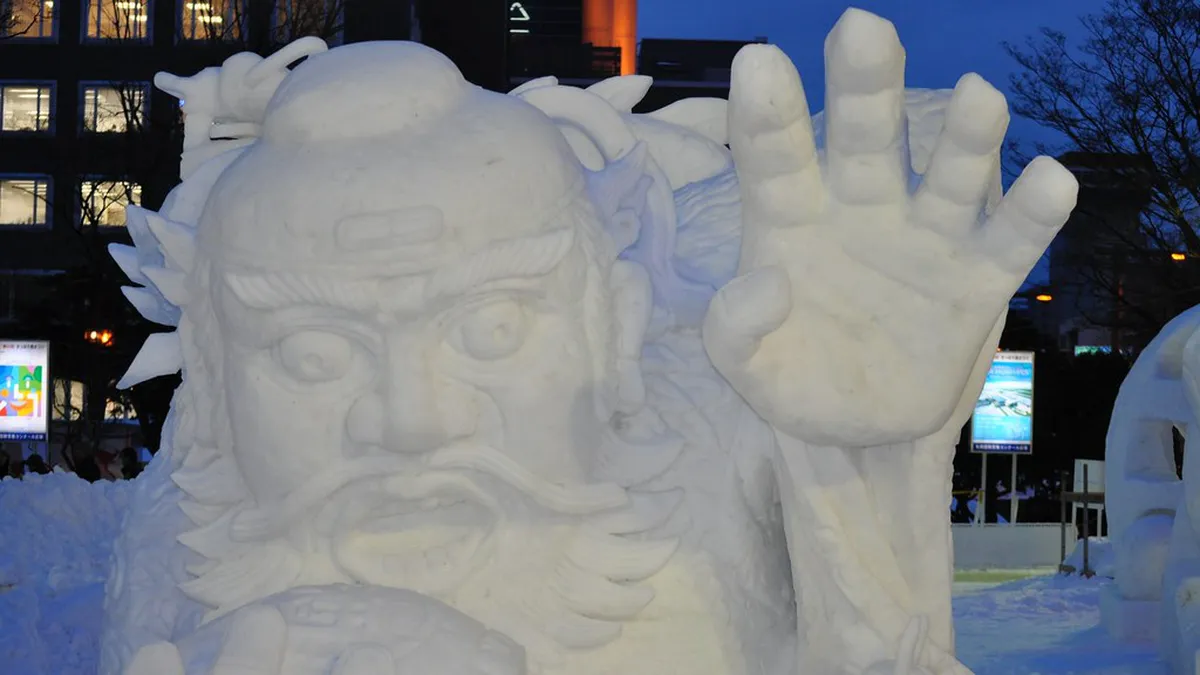
The atmosphere during the Sapporo Snow Festival is particularly magical at night. Ice bars serve piping-hot drinks from glasses carved from ice, while colorful neon lights reflect off the frozen sculptures. The festival sculptures—some three stories tall—create an immersive sensory experience that justifies the long flight or train ride north. Expect crowds, but the collective festive spirit makes even the busiest streets feel welcoming and alive. This is one of the few places on Earth where winter doesn't feel like a hardship—it feels like celebration.
Best Things to Do in Sapporo
The following list highlights the most essential winter experiences in Sapporo. You'll find a mix of world-famous landmarks and local favorites that capture the city's unique character. Each location has been vetted for accessibility during the snowy months, with practical details on opening hours, costs, and how to reach them using Sapporo's excellent public transit. Most attractions cluster around the central subway lines, making it easy to plan efficient routes through neighborhoods.
Central Sapporo is very walkable once you're near the subway, but some gems require a short bus or train ride. After dark, the city transforms with illuminations and cozy basement bars tucked below street level. For complete evening options, check out what to do in Sapporo at night in winter for the best after-dark vibes. Or explore the broader Sapporo attractions guide for comprehensive coverage of the city.
- Sapporo Snow Festival at Odori Park
- This world-famous event features massive snow sculptures that line the city's central park for several blocks.
- The site is free to enter and remains open 24 hours daily with lights until 10 pm.
- Most visitors spend two hours wandering the path, which is easily reached via the Odori Subway Station.
- Wear spiked shoe attachments to avoid slipping on the packed snow paths between the giant carvings.
- Susukino Ice World Sculptures
- Located in the city's main entertainment district, this display focuses on intricate, crystal-clear ice carvings.
- The event is free and open all day, though the neon lights at night provide the best photos.
- You can walk here in ten minutes from Odori Park or take the subway to Susukino Station.
- Stop by the ice bar for a drink served in a glass made entirely of frozen water.
- Mt. Moiwa Ropeway Viewpoint
- This cable car takes you to a summit offering a 360-degree view of the glittering city lights.
- Round-trip tickets cost ¥2,100 per adult, and the ropeway typically operates from 10:30 am to 10 pm.
- The base station is accessible via the city streetcar followed by a short, free shuttle bus ride.
- I suggest arriving thirty minutes before sunset to watch the city transition into its night-time glow.
- The Historic Sapporo Beer Museum
- This red-brick landmark offers a deep look into Japan's brewing history and the development of Hokkaido.
- Entry is free, though a premium guided tour with tastings costs around ¥1,000 for adults.
- The museum is open from 11 am to 6 pm, located a short bus ride from Sapporo Station.
- Check the Sapporo Beer Museum Map to find the correct entrance gate in the large park complex.
- Nijo Fish Market Seafood Breakfast
- This bustling market is the best place to sample fresh Hokkaido crab and sea urchin bowls.
- Entry is free, but a high-quality seafood bowl typically ranges from ¥2,500 to ¥5,000 per person.
- Stalls generally open at 7 am and close by 5 pm in the central Chuo Ward.
- Go early in the morning to secure a seat at the smaller, more authentic counter-style restaurants.
- Moerenuma Park Art Landscape
- Designed by Isamu Noguchi, this massive park becomes a minimalist sculpture of white snow in winter.
- Access to the park is free, and the glass pyramid building is open from 9 am to 5 pm.
- You will need to take the Toho subway line and then a bus to reach this outer district.
- Rent a sled at the pyramid to slide down the man-made hills for a fun local experience.
- Jozankei Onsen Hot Springs
- This hot spring town sits in a scenic valley just outside the city, perfect for a snowy soak.
- Day-use bath fees range from ¥1,000 to ¥1,800, with most facilities open from 10 am to 8 pm.
- The 'Kappa Liner' bus runs directly from Sapporo Station and takes about one hour each way.
- Visit during the Yukitouro festival in February to see hundreds of snow lanterns surrounding the local shrine.
- Shiroi Koibito Park Factory
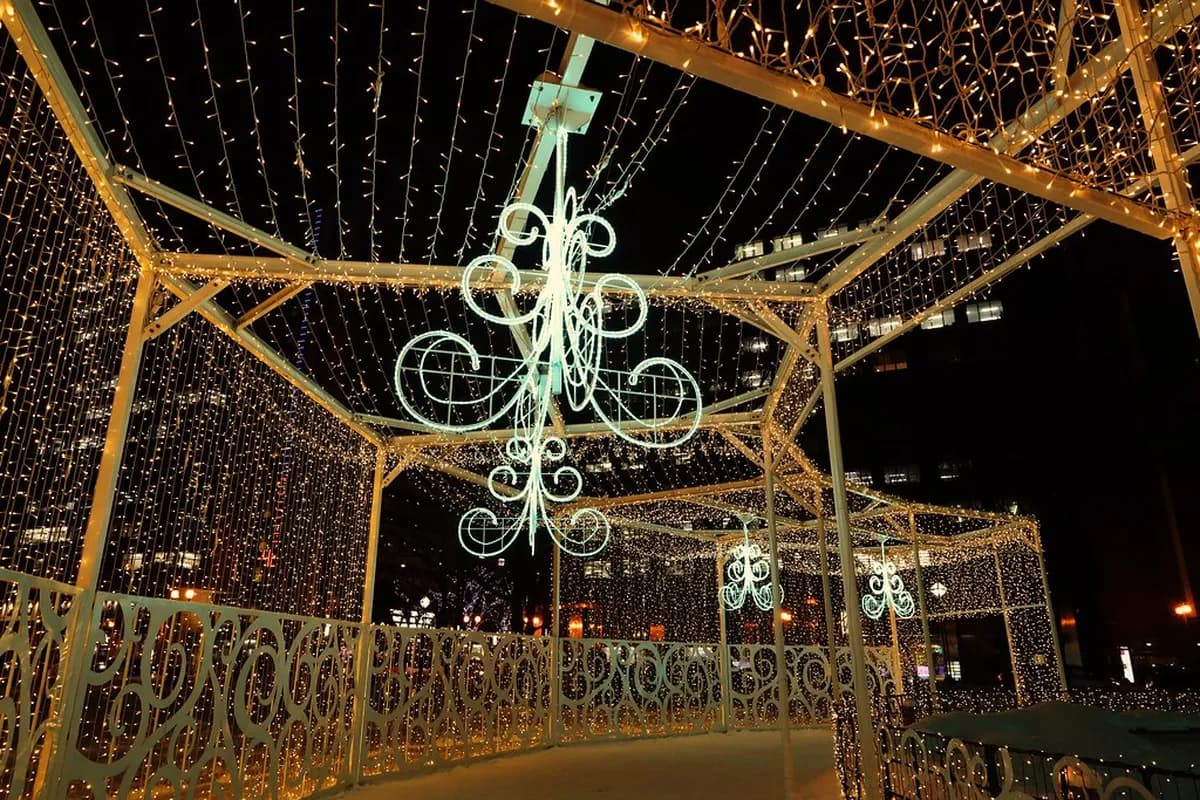
- This chocolate-themed park features a beautiful winter illumination display and a working cookie factory tour.
- Adult admission is ¥800, and the park is open daily from 10 am until 5 pm.
- Take the Tozai subway line to Miyanosawa Station and walk about seven minutes to the entrance.
- The outdoor garden is free to enter and offers some of the best holiday photo spots in town.
- Otaru Canal Day Trip
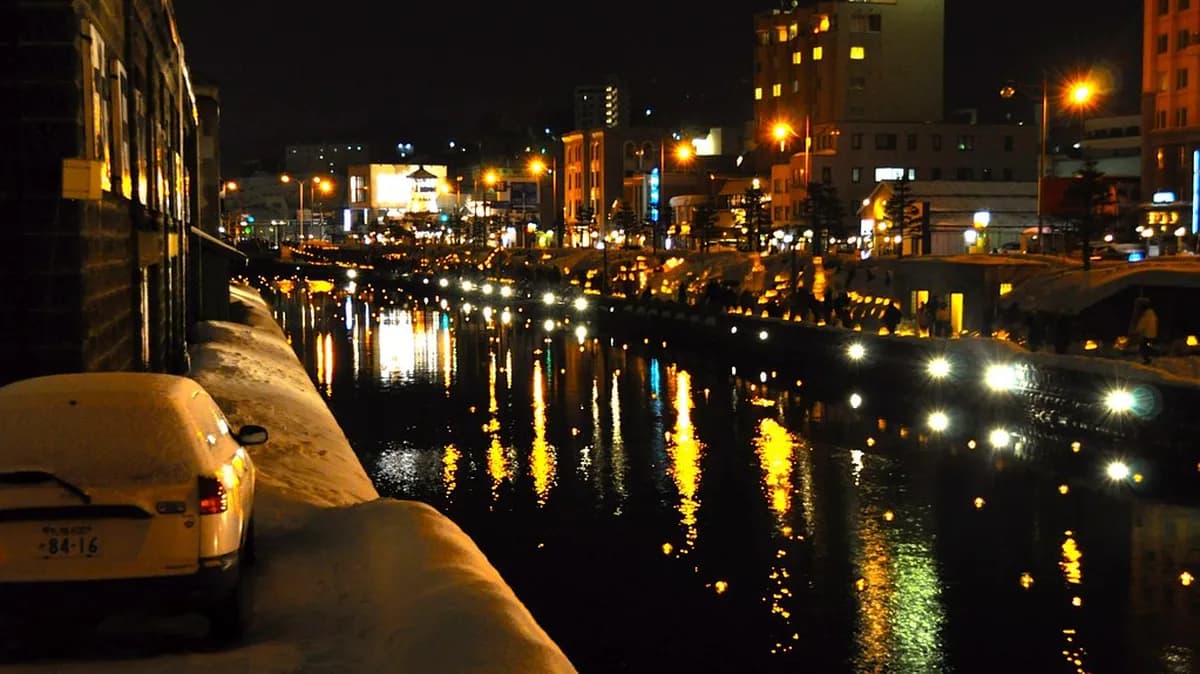
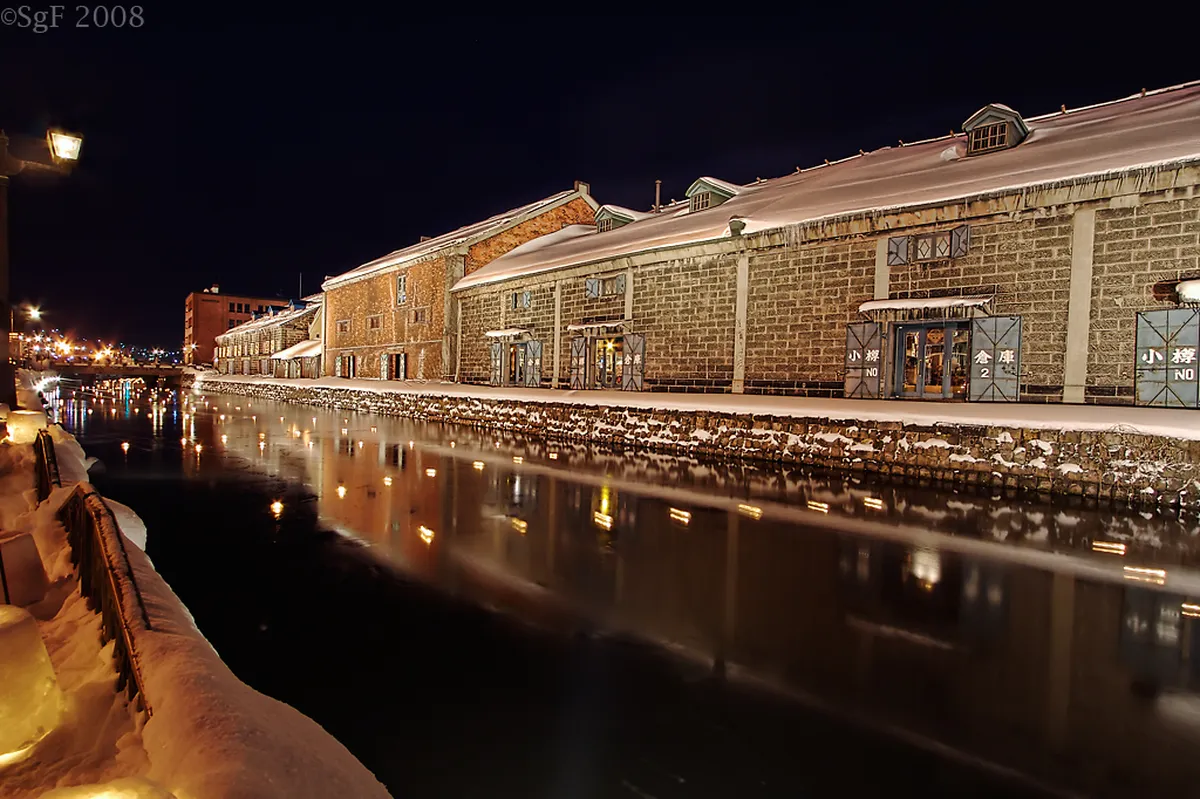
- This nearby port town is famous for its gas-lit canal and historic stone warehouses covered in snow.
- Walking the canal is free, while the local glass and music box shops have varying hours.
- The JR train from Sapporo takes only 35 minutes and costs about ¥750 each way.
- Stay for the evening when the 'Snow Light Path' festival lanterns are lit along the frozen water.
- Hokkaido Shrine Forest Walk
- The city's most important Shinto shrine looks stunning when the traditional gates are draped in thick snow.
- There is no admission fee, and the grounds are typically open from 7 am until 4 pm.
- It is located in Maruyama Park, which is a short walk from the Maruyama-koen Subway Station.
- Buy a hot cup of amazake from the small stall near the entrance to warm your hands.
- Sapporo Teine Ski Resort
- This resort offers world-class powder snow and views of the Ishikari Bay from the summit.
- A full-day lift pass costs around ¥6,500, with the slopes generally open from 9 am to 5 pm.
- Take a train to Teine Station and then a short fifteen-minute bus to the Highland Zone.
- The Olympic Zone features the original cauldron from the 1972 Winter Games, which is great for photos.
My Suggested 3-Day Winter Sapporo Itinerary
Three days is the ideal length for a Sapporo winter trip. This timeframe lets you explore the main Snow Festival sites, experience the city's food and culture, and take at least one day trip outside the city without feeling rushed. Here's how to structure your time for maximum impact.
Day 1: Sapporo Highlights and Snow Festival (Odori Park) — Start at Sapporo Station and use the underground Chi-Ka-Ho walkway (Sapporo Ekimae-dori underground) to reach Odori Subway Station without stepping into the cold. Spend your morning at the Sapporo Clock Tower and Hokkaido Government Office, both within walking distance. These landmarks are better visited in daylight to appreciate their architecture and historical significance. For lunch, grab fresh seafood at Nijo Market or ramen from a local spot. Spend your afternoon at Odori Park exploring the main Sapporo Snow Festival site—walk the 1.5 km stretch to see all the snow sculptures, many of which change each day. Watch the sunset from the Sapporo TV Tower observation deck (round-trip ¥1,000), then return to Odori as the sculptures light up with projection mapping. This is when the festival truly comes alive.
Day 2: Sapporo Beer Museum and Snow Festival (Susukino) — Take bus #188 from Sapporo Station to the historic Sapporo Beer Museum (7-minute ride). Entry is free; skip the paid premium tour unless you're a beer enthusiast. Spend 90 minutes exploring the museum and sampling beers in the tasting hall (drinks ¥240–¥600 each). Lunch at the Sapporo Beer Garden next door offers all-you-can-eat Genghis Khan (lamb BBQ) for around ¥3,600 per person. Head back to central Sapporo and take the Tozai subway line to Maruyama-koen Station to visit Hokkaido Shrine and the snowy Maruyama Park—a quieter, more local experience than the festival crowds. In the evening, take the Sapporo Shinden tram to Ropeway Iriguchi Station, then ride the Mt. Moiwa ropeway (¥2,100 round trip) to see the city glitter at night from 531 meters up. Finish by exploring the Susukino Snow Festival site with its intricate ice sculptures lit by neon lights. Nikko offers similar winter brilliance with temple scenery.
Day 3: Day Trip to Otaru — Take the rapid JR train from Sapporo Station to Otaru (35 minutes, ¥750 each way). Pick up a free map at Otaru Station's Tourist Information. Start at Sankaku Market for fresh seafood breakfast. Walk to the picturesque Otaru Canal, famous for its historic stone warehouses and—if you visit in early February—the Snow Light Path Festival with snow candles lining the frozen waterfront. Explore Sakaimachi Shopping Street for glassware and local crafts. Have lunch at a sushi restaurant overlooking the canal. Consider pairing this with a broader Sapporo itinerary to maximize your exploration. If timing allows, ride the Tenguyama Ropeway (¥1,500 round trip) for views of the snowy port. Return to Sapporo by early evening to relax at your hotel onsen.
The Chi-Ka-Ho underground walkway connects Sapporo Station to Odori to Susukino without stepping into the cold. Use it during whiteouts or extreme wind chill to stay warm between outdoor activities — the network runs through heated department stores and shopping malls.
| Activity | Cost | Hours | Access |
|---|---|---|---|
| Snow Festival (Odori Park) | Free | 24 hrs (lights until 10 PM) | Odori Subway Station |
| Mt. Moiwa Ropeway | ¥2,100 round-trip | 10:30 AM–10 PM | Tram + shuttle bus |
| Sapporo Beer Museum | Free (tours ¥1,000) | 11 AM–6 PM | Bus from Sapporo Station |
| Shiroi Koibito Park | ¥800 adult | 10 AM–5 PM | Tozai line to Miyanosawa |
| Sapporo Teine Ski Resort | ¥6,500 day pass | 9 AM–5 PM | Train + bus to Teine Station |
| Jozankei Onsen | ¥1,000–1,800 | 10 AM–8 PM | Kappa Liner bus (~1 hr) |
Best Ski Resorts Around Sapporo
Sapporo is surrounded by world-class ski areas, with several just a short train or bus ride from the city center. Sapporo Teine Ski Resort (15 minutes by train + bus) offers both the Highland Zone and Olympic Zone, where the 1972 Winter Olympics were held. A full-day lift pass costs around ¥6,500, and the terrain suits intermediates to advanced skiers. Bankei Ski Area is best for families and beginners, with gentle slopes and a more relaxed atmosphere—also accessible by train and shuttle from Sapporo Station. Sapporo Kokusai Ski Resort is smaller but packed with fresh powder and fewer crowds, making it ideal for those seeking an off-the-beaten-path experience. For a more complete overview of winter things to do in Sapporo, consult the main attractions guide.
If you're not an active skier but want the mountain experience, ride the Sapporo Okurayama Observation Lounge Lift (¥6.64 for a round-trip ticket) to the 1972 Olympic jump platform for spectacular views. January and February offer the most reliable snow, while March still provides excellent conditions with more daylight. Consider purchasing a regional Hokkaido train pass if you plan multiple ski days, as it pays for itself quickly and simplifies transport logistics.
Day Trips from Sapporo
Otaru (35 minutes by train) is the obvious choice and shouldn't be missed. This picturesque port town offers glassware shops, music box museums, sake breweries, and the frozen Otaru Canal lined with snow candles during the Snow Light Path Festival. Jozankei Onsen (1 hour by bus) is a hot spring resort nestled in a snowy valley. Day-use bath fees range from ¥1,000 to ¥1,800, and the Kappa Liner Express bus departs directly from Sapporo Station. Visit during the Yukitouro festival in February to see hundreds of snow lanterns illuminating the shrine. Shiroi Koibito Park (45 minutes by bus) is a chocolate and sweets factory with beautiful winter illuminations, admission ¥800. If you're interested in nature and don't mind a longer journey, Asahikawa (2 hours by train) offers the Sounkyo Ice Fall Festival—one of Japan's most dramatic winter light shows—along with access to Mt. Asahi, Hokkaido's tallest mountain.
Food and Drink in Sapporo
Sapporo's culinary reputation is built on winter specialties that shine when the temperature drops. Miso Ramen (Sapporo Ramen) is the city's signature dish—a rich miso broth with chashu pork, corn, and a soft-boiled egg. It's comfort food that justifies standing in a queue at a local ramen alley. Soup Curry (Sapporo Soup Curry) is another winter staple, featuring aromatic broth loaded with tender meat and vegetables, spiced with cumin and coriander. Most places let you adjust heat level. Fresh Seafood is available year-round, but winter is peak season for crab, sea urchin (uni), and scallops (hotate). Visit Nijo Market (near Sapporo Station) or the smaller Jogai Outer Market for seafood bowls and sushi—expect to pay ¥2,500 to ¥5,000 per person for quality. Sapporo Beer is Japan's oldest beer, brewed locally since 1877. The Sapporo Beer Museum offers free entry and tasting opportunities. For a full dining experience, the Sapporo Beer Garden serves all-you-can-drink beer paired with Genghis Khan lamb BBQ (advance reservation required during the festival). Food stalls at the Snow Festival sites offer quick bites but are often crowded and overpriced—better to duck into a basement mall or local izakaya for more authentic, affordable meals.
Getting to and Around Sapporo
Flying to New Chitose Airport is the primary route for most international visitors. New Chitose is 60 km south of Sapporo city center. The Airport Express train departs every 15 minutes and reaches Sapporo Station in 35–40 minutes (cost: ¥1,090 on local service or around ¥1,500–¥2,000 for express services). You can pay with an IC card (Suica, Pasmo) or purchase single tickets at automatic machines. The journey is covered by the Japan Rail Pass and regional Hokkaido passes.
Getting Around the City is straightforward: the subway (three lines: Namboku, Tozai, and Toho) is unaffected by snow and runs reliably every few minutes. Buy a prepaid IC card or single-trip tickets at station counters. Buses are also available but may experience minor delays during heavy snowfall. The Chi-Ka-Ho underground walkway connects Sapporo Station, Odori, and Susukino—use it during whiteouts or bitterly cold winds to avoid the surface entirely. Transport passes are worth considering: if you're staying 3+ days and planning day trips to Otaru or ski resorts, a 3-day regional Hokkaido pass (around ¥2,700) pays for itself. The full Japan Rail Pass (7, 14, or 21 days) covers unlimited train travel across Hokkaido and beyond, making it ideal if you're combining Sapporo with other regions.
Where to Stay in Sapporo
Accommodation in Sapporo fills quickly during the Snow Festival (typically February 4–11 in 2026). Book at least 3–4 months in advance if visiting during this peak period. Prices spike 50–100% above regular rates. The best location is near Odori Station or Sapporo Station, as both are central hubs with easy subway access to all attractions. Odori area hotels put you steps from the main festival site and downtown shopping. Sapporo Station area hotels offer convenience for arrival and departures but require a quick subway ride to reach festival venues.
For mid-range options, Dormy Inn Premium Sapporo Hot Spring and Dormy Inn Sapporo Annex Hot Spring offer excellent value with on-site public onsen (hot spring baths)—a huge plus after a cold day exploring. JR Tower Hotel Nikko Sapporo is higher-end with luxury views and spa facilities. Budget travelers should look for hotels with onsen facilities rather than standard showers; after hours in the snow, soaking in a large communal bath is restorative in ways a regular shower cannot match. Book early and compare prices on Booking.com and Agoda to secure the best rates.
Dragging a standard rolling suitcase through 20+ cm of packed snow is nearly impossible. Use Yamato Transport's luggage forwarding service (¥2,000–3,000 per bag) to deliver your suitcase to your hotel, or travel with carry-on only to avoid post-arrival chaos.
My Top Tips for Visiting Sapporo in February for the Snow Festival
Pack a Winter Survival Kit — Temperatures drop to -5°C to -15°C (23°F to 5°F) in February, occasionally colder. Bring thermal underwear, wool socks, insulated waterproof winter boots with good grip (spiked attachments are available at convenience stores for ¥500–¥1,500), a heavy parka, hat, gloves, and scarf. Layering is critical: you'll sweat indoors in heavy coats and freeze the moment you step outside. Pack kairo (disposable heat packs, ¥100–¥200 each at convenience stores like FamilyMart and Lawson) to slip into your pockets or coat sleeves. A second pair of dry socks for evening is a lifesaver. Avoid cotton; choose synthetic or wool for insulation when wet.
Luggage Logistics in Deep Snow — This detail trips up first-time winter travelers. If you arrive during or shortly after heavy snowfall, dragging a standard rolling suitcase through 20+ cm (8+ inches) of packed snow and slush is nearly impossible. Solutions: (1) Use a luggage forwarding service (Yamato Transport and others deliver suitcases to your hotel within 24 hours from the airport for ¥2,000–¥3,000 per bag); (2) Travel light and pack only carry-on; (3) Request hotel luggage storage and pick up your main bag on checkout day. Many travelers skip this step and regret it immediately upon arrival.
Booking and Timing — The Sapporo Snow Festival is incredibly popular. Hotels sell out 5–6 months in advance. If you're flexible, visiting January (better powder for skiing, still festive) or early March (fewer crowds, improving weather) saves money and stress. The 2026 festival runs February 4–11; avoid the peak weekend crowds by arriving mid-week. Book restaurants with advance reservations during festival week; otherwise, expect 30–60 minute queues.
Escape the Cold When Needed — The underground Chi-Ka-Ho walkway is your secret weapon. It connects Sapporo Station to Odori to Susukino without stepping into the cold. Use it during whiteouts, extreme wind chill, or simply to warm up between outdoor activities. Department stores and shopping malls along the route offer heated respite. Never push through the cold if you're uncomfortable—the infrastructure exists to help you stay warm while still exploring.
Spots in Sapporo That Aren't Worth the Visit
Sapporo Clock Tower is historic—built in 1878 as a drill hall for Hokkaido University's agricultural college—but the outdoor viewing is disappointing. It's surrounded by modern office buildings that kill the visual appeal, and many travelers find paying for the small indoor museum (with limited exhibition space) not worth the time. A 30-second photo from the street is sufficient. Spend your time instead on the vibrant Sapporo famous food scene and actual festival sites nearby.
Festival Food Stalls at Odori Park look atmospheric but are aggressively overpriced and often low-quality. A bowl of ramen or corn skewer that costs ¥1,500–¥2,000 at the stalls is ¥800–¥1,000 in local restaurants. The crowds create 30–45 minute waits. Use festival stalls only for small snacks (hot chocolate, grilled corn) or drinks. For actual meals, duck into any basement mall connected to the subway—you'll find better food at half the price with no queue.
Japan on a Budget: Saving Tips for Your Trip
Transport — A 3-day regional Hokkaido pass (¥2,700–¥3,000) covers unlimited train and bus travel and pays for itself in just two day trips to Otaru and one ski resort visit. Buying individual tickets quickly exceeds this cost. The Japan Rail Pass (7-day pass ¥29,650) is better if you're doing longer regional travel across Hokkaido or Honshu, but overkill for a Sapporo-only trip.
Accommodation — Visit outside the peak Snow Festival week (February 4–11) to cut accommodation costs in half. Hotels in early February or late February are 40–50% cheaper. Booking 4+ months in advance locks in lower rates even during festival week. Consider staying one train stop away from Odori (still just 5 minutes by subway) where prices drop significantly.
Food — Eat breakfast at your hotel or a convenience store (¥500–¥1,000). Lunch at local ramen shops or seafood markets costs ¥1,000–¥2,000 and is superior to tourist restaurants. Dinner at a standing-counter sushi bar or izakaya runs ¥2,000–¥3,000. Avoid restaurants with English menus near festival sites—they're tourist traps. Explore basement food floors in department stores like Daimaru and Parco for affordable, high-quality options.
Activities — Many winter attractions are free: walking Odori Park, exploring Otaru Canal, visiting Hokkaido Shrine and Maruyama Park. Pay-entry sites like Mt. Moiwa (¥2,100) and the TV Tower (¥1,000) are worth it, but skip smaller paid attractions. Book combination tickets on Klook or GetYourGuide in advance for 10–20% discounts on major activities.
Frequently Asked Questions
What is the best month to visit Sapporo for snow?
February is the best month to visit because it hosts the famous Snow Festival and has the most reliable snow cover. January also offers excellent powder for skiing, though temperatures are often at their lowest during this time.
Is the Sapporo Snow Festival free?
Yes, the main displays at Odori Park and the ice sculptures in Susukino are entirely free for the public to view. Some satellite sites like Tsudome may have small fees for specific snow activities or sliding areas.
How many days do you need in Sapporo during winter?
Three to four days is the ideal amount of time to see the city landmarks and the main festival sites. This allows for one full day in the center and two days for suburban attractions or day trips.
Sapporo in winter is a destination that rewards those who prepare for the cold with unforgettable sights. Whether you are marvelling at giant ice sculptures or soaking in a forest onsen, the magic is undeniable. I hope this guide helps you navigate the city with confidence and discover the best of Hokkaido. Safe travels and enjoy the incredible 'JaPow' that makes this region so special.
Free: The Sapporo Essentials guide
Top things to do, where to stay, a perfect day plan, getting around, and the best time to go — a Sapporo mini-guide you can take offline.
You might also like


Continue reading
More guides you'll find useful