Sapporo Snow Festival guide
Plan your trip to the Sapporo Snow Festival with our expert guide. Includes venue maps, 3-day itineraries, clothing tips, and booking reminders.
On this page
Sapporo Snow Festival guide
The Sapporo Snow Festival stands as one of the most iconic winter celebrations in the world. Every February, millions of visitors travel to Hokkaido to witness massive sculptures made entirely of snow and ice.
Planning your visit early ensures you find better accommodations and avoid the highest winter rates. This guide covers the annual festival timing, main venues, and the best local food to eat during Sapporo winter guide months.
Whether you want to see giant art or enjoy snow slides, this festival offers something for every type of traveler.
Get ready to explore a frozen wonderland that transforms the city into a sparkling gallery of ice.Free: The Sapporo Essentials guide
Top things to do, where to stay, a perfect day plan, getting around, and the best time to go — a Sapporo mini-guide you can take offline.
What is the Sapporo Snow Festival? (History & Celebration)
The festival began in 1950 when local junior and high school students built six snow statues in a corner of the Odori Park as a winter community event. Approximately 50,000 people attended, far exceeding organizers' expectations and establishing the festival as an annual tradition.
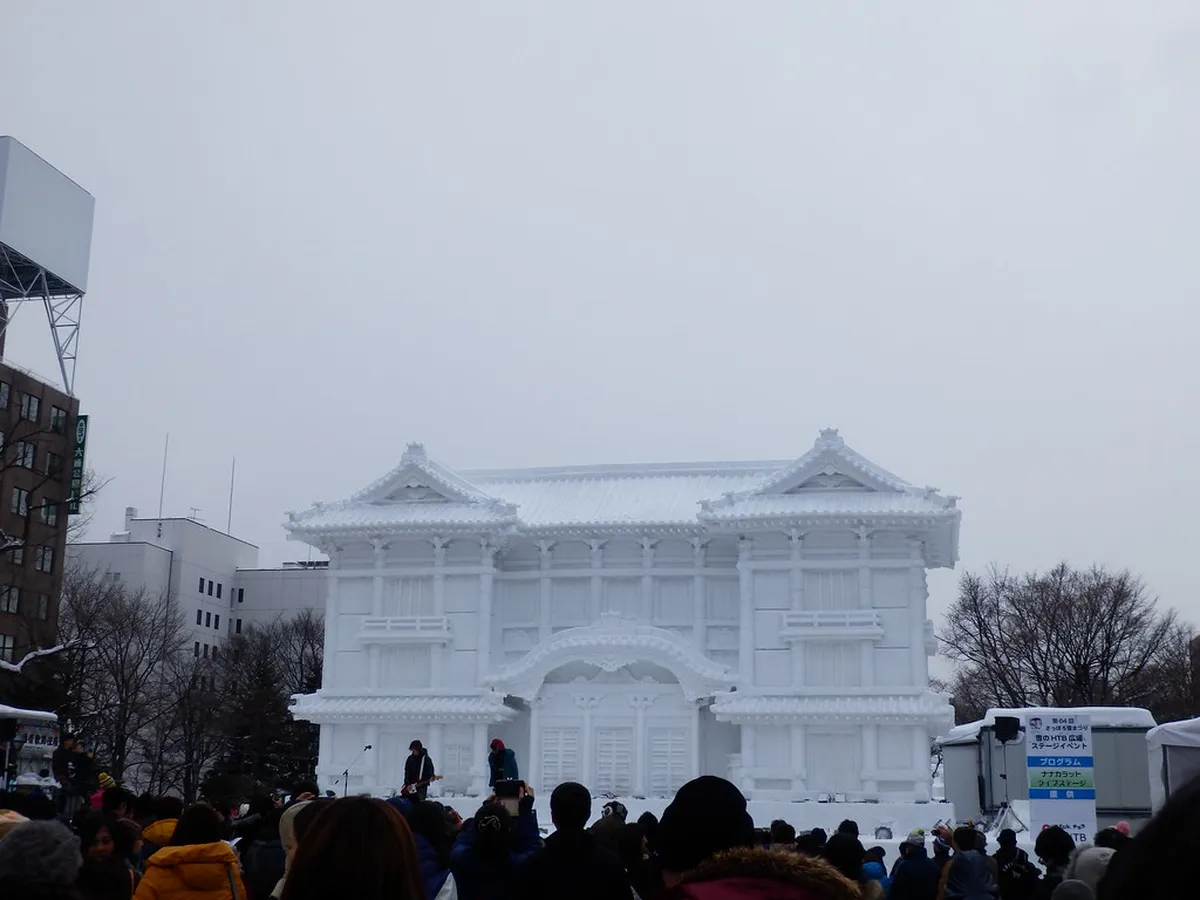
Today, the Japan Self-Defense Forces participate by creating the largest and most complex snow structures on display. Their involvement, which began in 1955, transformed the grassroots event into a world-class spectacle. By 1972, the festival gained international visibility during the Winter Olympics held in Sapporo.
The 2026 edition marks the 76th iteration of this cultural festival. It now attracts over 2 million visitors annually from around the world. The festival celebrates the beauty of Hokkaido's winter landscape while showcasing incredible engineering and artistic talent—from traditional Japanese themes to contemporary pop culture characters and historical landmarks.
Beyond aesthetics, the event fosters international friendship through the shared love of winter art. The International Snow Sculpture Contest draws competitors from dozens of countries, and you can often watch artists working on their sculptures throughout the festival period. Visitors can see structures that reach several stories high and observe the engineering ingenuity required to keep them from melting despite outdoor conditions.
2026 & 2027 Festival Dates and Timing
The 76th edition of the Sapporo Snow Festival runs from February 4–11, 2026. The Sapporo Snow Festival official event page is the authoritative source for confirmed dates. Plan around the first or second week of February, though 2027 dates have not yet been announced.
The sculptures are best viewed during the day for detail and clarity of the artistic carvings. At night, the spectacular light displays and projection mapping transform the festival into a glowing winter spectacle. Most venues illuminate the sculptures from sunset until approximately 10:00 PM or 11:00 PM each evening.
2026 features special projection mapping themes at different Odori Park blocks. At Odori 5-chome, the theme celebrates thoroughbred racehorses (fitting since 2026 marks the Year of the Horse in the Asian zodiac), while Odori 8-chome features the Tsuruga Castle—a reconstructed Fukushima landmark associated with samurai history.
The Three Main Venues: Odori Park, the Susukino, and Tsudome
The festival takes place across three distinct locations that offer different experiences for visitors of all ages. Choosing which site to visit depends on whether you prefer massive sculptures, intimate ice carvings, or hands-on snow activities.
At the Sapporo Snow Festival Odori Park: 8 Essential Tips for Your Visit site, you will find the largest snow sculptures spanning 1.5 kilometers across multiple city blocks. This central location serves as the heart of the festival and hosts the most food stalls, stages, and the International Snow Sculpture Contest. Access via the Nanboku or Toho subway lines takes less than 10 minutes from Sapporo Station.
The Susukino Sapporo Snow Festival: 7 Essential Visitor Tips site focuses on intricate ice carvings, including sculptures with frozen fish and seafood encased inside. The entertainment district's neon lights create a magical nighttime atmosphere unavailable at other venues. Ice bars allow visitors to sip drinks from glasses carved from ice. Susukino Station (Nanboku Line, one minute from Odori) puts you steps from the displays.
Families often prefer the Tsudome site because it features large snow slides, snow rafting tubes, and indoor gourmet food stalls. This venue is located about 10 kilometers from central Sapporo and is accessible via a 15-minute train ride to Sakaemachi Station, followed by either a 12-minute walk or a ¥200 shuttle bus.
Venue Comparison: Which Site is Right for You?
| Venue | Best For | Crowd Level | Time Needed | Open Hours |
|---|---|---|---|---|
| Odori Park | Giant sculptures, projection mapping, skating rink | Very High (peak tourist draw) | 2–3 hours | 24 hours (lights off ~10–11pm) |
| Susukino | Ice bars, intricate carvings, nightlife | Moderate (evening focus) | 1–1.5 hours | 24 hours (lights off ~11pm) |
| Tsudome | Families, snow slides, indoor breaks | Low to Moderate (outside city) | 2–4 hours | 9am–5pm daily |
Special 2026 Edition Highlights
The 76th edition running February 4–11, 2026 features unique projection mapping installations not present every year. Odori Park's 5-chome block showcases a projection mapping theme celebrating thoroughbred racehorses—a fitting tribute since 2026 marks the Year of the Horse in the Asian zodiac. Sapporo has been a historic center for horse breeding since the Meiji period, making this thematic choice locally significant.
At Odori Park's 8-chome block, a separate projection mapping display honors Tsuruga Castle, a reconstructed fortress in Fukushima associated with samurai history. This venue also features a special booth serving Aizu sake and local Fukushima cuisine, creating a cultural exchange between Hokkaido and other Japanese regions.
Additionally, Odori 10-chome hosts an interactive illuminated giant snow sculpture where visitors can press a button to trigger a synchronized light-up show accompanied by music. These additions make the 2026 festival particularly memorable for photography and evening visits.
The 2026 festival runs February 4–11. Sculptures are most pristine in the first 3–4 days; by day 7–8, they may show melting and discoloration from foot traffic. Plan your visit early in the week for the best photography conditions.
Sapporo Snow Festival 3-Day Itinerary
A well-planned the Sapporo itinerary helps you see all the major sculptures without feeling rushed by the large crowds. Three days is the ideal amount of time to explore the three main venues and enjoy local Hokkaido cuisine.
Start your first day in the city center to get your bearings and see the most famous giant sculptures. Use your second day for active play at the Tsudome site and your third day for exploring nearby cultural spots.
Following a structured plan allows you to balance outdoor sightseeing with indoor breaks to stay warm during the freezing temperatures. This schedule ensures you do not miss the magical evening illuminations that bring the ice to life.
- Day One Highlights
- Morning: Odori giant sculptures
- Evening: TV Tower view
- Dinner: Miso ramen alley
- Day Two Highlights
- Morning: Tsudome snow slides
- Afternoon: the Hokkaido Shrine visit
- Night: Susukino ice sculptures
- Day Three Highlights
- Morning: Nijo Fish Market
- Afternoon: Mt. Moiwa Ropeway
- Evening: Otaru Snow Path
Book accommodation 4–6 months ahead — hotels near Sapporo and Odori stations fill up by September. Early bookings in 2025 cost ¥6,500–8,000 per night; late bookings often exceed ¥20,000. Consider staying in nearby Otaru (20 min by train) if central options are full.
Essential Travel Tips: Clothing, Booking, and Budget
Staying warm is the most important part of enjoying the festival because temperatures in Sapporo average around −2°C (28°F) in February, with wind chill dropping it further. Layer your clothing: thermal heat-tech base layers, a waterproof insulated winter jacket, thermal leggings, thick socks, and waterproof boots are non-negotiable.
Purchase "Kairo" heat packs from local convenience stores (¥100–300 each) to keep your hands and feet warm. Strategic placement matters: position one on your lower back to maintain core warmth, one in each glove or mitten, and place one in your camera bag or coat pocket. This protects both your hands and your camera battery, which drains 50% faster in sub-zero temperatures.
Walking on packed snow and ice is extremely slippery. Buy non-slip shoe attachments called "suberidome" or ice cleats at New Chitose Airport or Sapporo Station (¥1,500–3,000). These metal crampon-style devices wrap around your boot soles and provide essential grip. Even experienced hikers slip without them on Sapporo's icy downtown streets. Some travelers bring gaiters to keep snow out of their boots.
Book your accommodation and flights early to avoid price surges. Tour reservations typically open in August, hotels sell out by September–October, and by December only premium properties remain available. For reference, early bookings in 2025 cost ¥6,500–8,000 per night; late bookings often exceed ¥20,000. If central hotels are full, consider staying in nearby Otaru (20 minutes by train) or Chitose (near the airport, 40 minutes by train) and commuting daily.
Agoda Sapporo Hotels offers good availability, but book by September for mid-range options.
Getting to and Around Sapporo
Most international travelers arrive by flying into New Chitose Airport (45 km south of Sapporo). The flight from Tokyo takes 1.5–2 hours; budget carriers like Airdo, Jetstar, and Peach often offer tickets under ¥10,000 one-way in off-peak months. A direct train from New Chitose Airport to Sapporo Station takes 40 minutes and costs ¥1,070.
If you prefer a scenic journey, the Tokyo to Sapporo Train: 8 Essential Tips for Your Journey route combines the Shinkansen to Hakodate (4–4.5 hours) with a limited express train to Sapporo (another 4.5 hours). Travelers using a Japan Rail Pass may find this cost-effective, though the journey is long. For more details, see the Tokyo to Sapporo travel article.
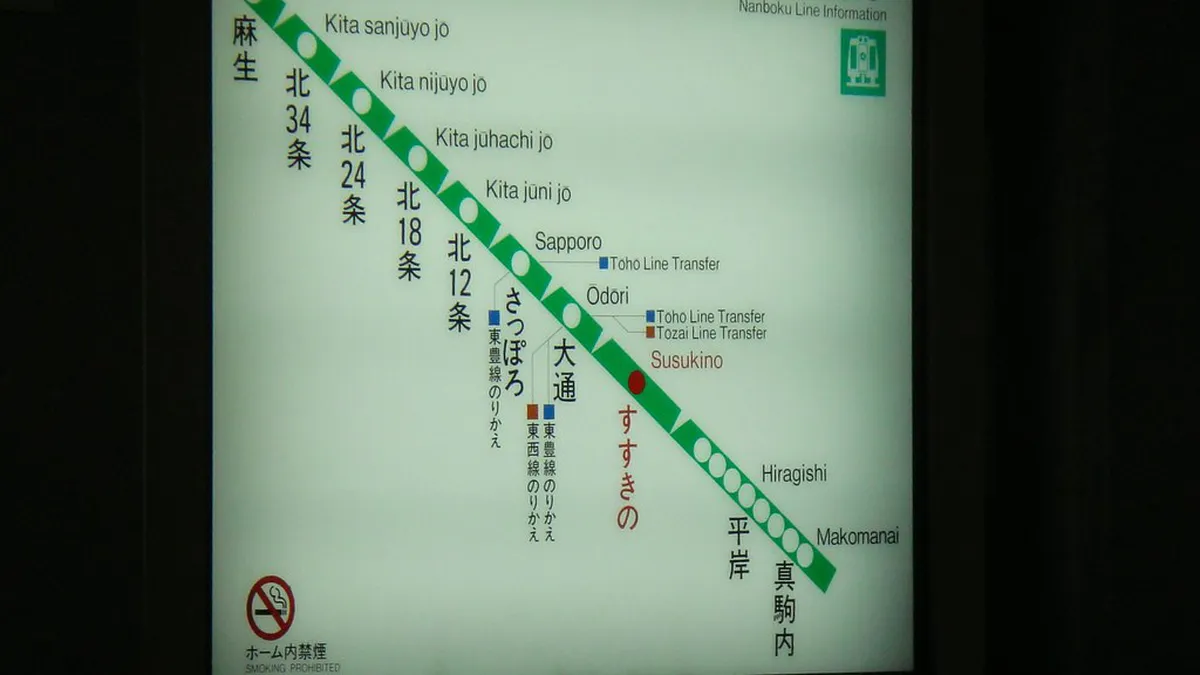
Once in the city, the subway system is the most efficient way to reach festival venues. The Nanboku Line runs north–south, connecting Sapporo Station to Odori Park (9 minutes) and Susukino (10 minutes). The Toho Line extends east–west. Both lines offer day passes for around ¥1,000, and single rides cost ¥200–210. Odori Park and Susukino are also only a 10-minute walk apart, so many visitors walk between them overground or through the extensive underground arcade tunnels that connect to most subway exits.
Beyond the Sculptures: Winter Activities in Sapporo
Sapporo offers much more than just snow art, with a vibrant food scene that is perfect for cold winter nights. You must try Sapporo famous foods like steaming bowls of miso ramen or spicy soup curry to warm up.
After the sun sets, there are many options for Things to Do in Sapporo at Night in Winter beyond the main festival sites. The Susukino district is filled with cozy bars and restaurants that stay open late into the freezing night.
A short train ride to the nearby town of Otaru allows you to see the beautiful Snow Light Path Festival along the canal. This smaller event provides a romantic and peaceful atmosphere that contrasts with the busy energy of the main Sapporo venues.
Visiting the Sapporo Beer Museum or the Shiroi Koibito Park chocolate factory offers fun indoor activities when you need a break from the wind. These attractions provide a glimpse into the city's industrial history and famous local exports.
Frequently Asked Questions
What is there to see and do at the Sapporo Snow Festival?
Visitors can view hundreds of snow and ice sculptures ranging from small statues to massive buildings. You can also enjoy snow slides, ice bars, and delicious local street food at the three main venues. Many guests also attend the International Snow Sculpture Contest to watch artists work in real time.
What does the Sapporo Snow Festival celebrate?
The festival celebrates the beauty of the Hokkaido winter and the creativity of the local community. It began as a way to bring joy to the city during the cold months. Today, it serves as a major cultural event that showcases international art and Japanese engineering through snow construction.
Where is the snow festival located in Sapporo?
The festival is located at three main sites including Odori Park in the city center and the Susukino district. The third site is the Tsudome Community Dome, which is a short shuttle ride away. Each location offers a unique theme, from giant sculptures to family-friendly snow activities.
How long does the Sapporo Snow Festival last?
The event typically lasts for about eight days during the first or second week of February. Most sculptures are available for viewing 24 hours a day, though light displays usually end around 10:00 PM.
How do you get to the Sapporo Snow Festival from Tokyo?
The fastest way is to take a 90-minute flight from Haneda or Narita Airport to New Chitose Airport. Alternatively, you can take the Shinkansen bullet train to Hakodate and transfer to a limited express train. Both options provide easy access to the winter festivities in central Sapporo.
The Sapporo Snow Festival is a bucket-list experience that showcases the incredible beauty of a Japanese winter. By planning your dates and packing the right gear, you can fully enjoy the massive sculptures and festive atmosphere.
Remember to book your hotels early and explore all three venues to get the most out of your trip. This frozen wonderland offers memories that will last a lifetime for every traveler who visits Hokkaido.
See our main Sapporo attractions guide for the broader city overview.
Free: The Sapporo Essentials guide
Top things to do, where to stay, a perfect day plan, getting around, and the best time to go — a Sapporo mini-guide you can take offline.
You might also like

Continue reading
More guides you'll find useful