
Sapporo Snow Festival Time: Dates and Guide
Planning your Sapporo Snow Festival time? Learn the usual early-February window, best times to visit Odori Park, and how long to stay for the full experience.
On this page
The Sapporo Snow Festival 2026 runs February 4–11, eight magical days when Hokkaido's capital transforms into an open-air gallery of snow and ice sculptures. Most visitors need 3 days to experience all three main sites fully: Odori Park, Susukino, and Tsudome.
Updated in May 2026, this practical guide covers the exact dates, best times of day to visit, transportation specifics, booking timelines, and crowd-dodging tactics you need to plan your trip properly. Unlike generic guides, we focus on the festival itself—not alternatives during other seasons. Looking for broader Sapporo attractions or a Tokyo comparison? This timing guide pairs naturally with your full Sapporo itinerary.
Official Sapporo Snow Festival Dates for 2026 and 2027
The Sapporo Snow Festival 2026 runs from Wednesday, February 4 to Wednesday, February 11 — eight consecutive days. The 2027 festival follows the same early-February window, typically announced by October of the preceding year. This locked-in timing makes planning easier than many other Japanese festivals. For more on the Sapporo Snow Festival itself, see our full event guide. The exact dates are set years in advance because of the festival's massive logistical requirements—securing the city, coordinating international sculptors, and mobilizing volunteer teams.
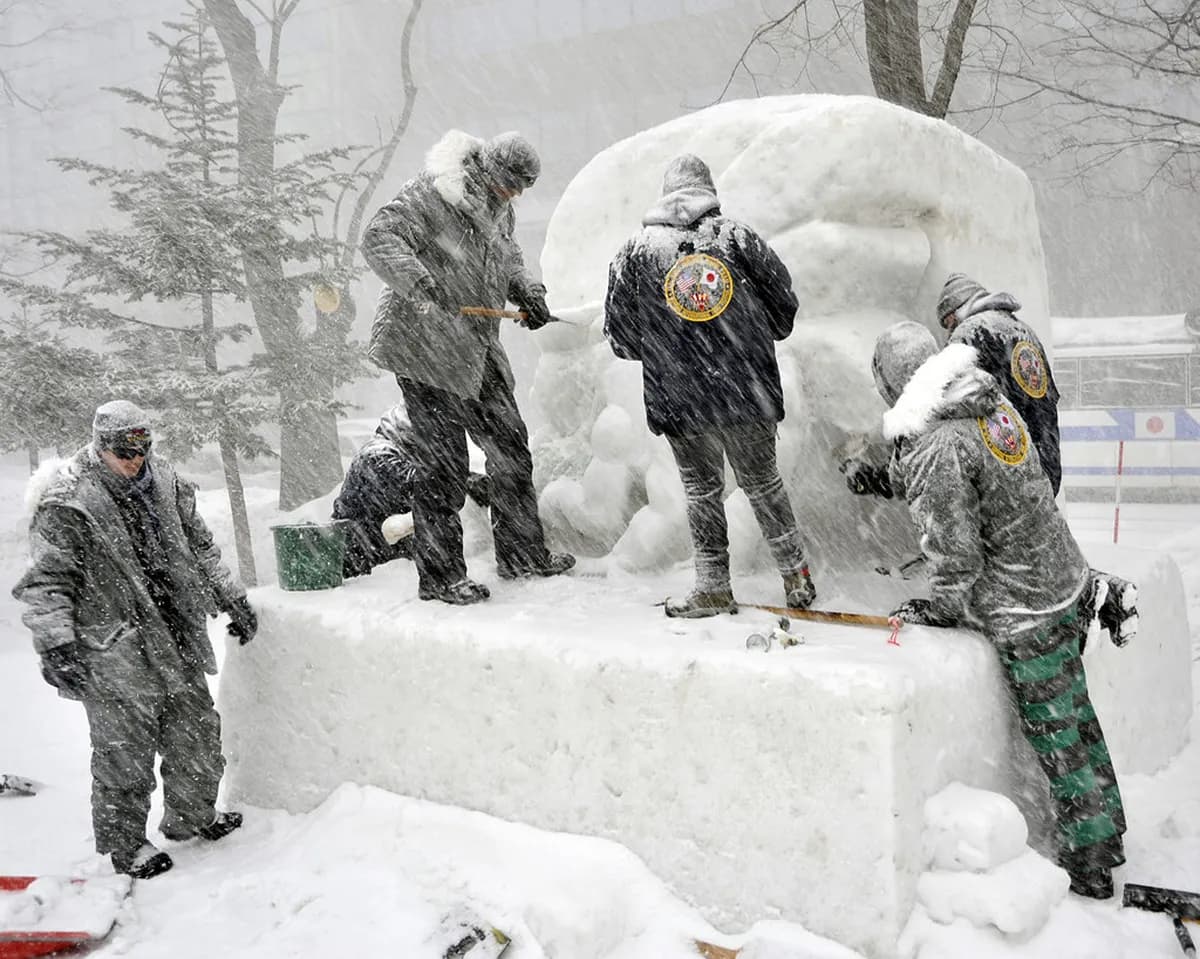
The official opening ceremony kicks off at 10:15 AM on the first day, usually at HBC Square near Odori Station. Visiting on opening day (February 4) is a rare opportunity to see the International Snow Sculpture Contest underway—artists from around the world work actively carving sculptures, and you can watch them refine details. Most casual visitors arrive days 2–5 for the most pristine sculptures, as snow can start to show wear, discoloration, and minor melting toward the end of the festival week. Photos taken on day 2 look dramatically better than day 8.
After the festival closes on February 11, bulldozers begin demolishing the art the next morning. While bittersweet, this demolition happens fast for safety and drainage reasons—the heavy sculptures melt unpredictably and can become hazards. Plan to visit before the final night if seeing perfect, intact sculptures matters to you. Some travelers specifically aim for the opening days (Feb 4–5) when sculptures are flawless; others enjoy the "lived-in" look by the final weekend. For details on festival tickets, see our Sapporo Snow Festival tickets guide.
Best Time of Day to Visit: Illuminations vs. Day Trips
The Sapporo Snow Festival is best experienced in two phases: daytime to see sculpture detail and form, and nighttime (4:30–11:00 PM) to enjoy illuminations. Most experts recommend arriving before sunset (around 4:30 PM in early February) to see both perspectives in one visit.
The "blue hour" between 4:30–5:30 PM offers the most photogenic light—a deep twilight sky that makes illuminated ice sculptures appear almost fluorescent. This window is ideal for photographers and lasts just one hour before darkness. After 5:30 PM, floodlights dominate and the sky turns black.
Odori Park illuminations run until 10:00 PM nightly. Susukino's ice sculptures stay lit until 11:00 PM (10:00 PM on the final night). Tsudome closes much earlier—typically 5:00 PM—so it's best tackled during daytime. If you visit just one site at night, choose either Odori Park (largest sculptures, most dramatic lighting) or Susukino (intricate ice work, atmospheric district).
How Much Time to Budget for the Full Experience
Three days is the ideal minimum to experience all three festival sites without rushing. Day 1 covers Odori Park (allow 2–3 hours to walk the full 1.5-km stretch), Day 2 covers Tsudome in the afternoon (2–3 hours, closer to 4 with family activities), and Day 3 splits between revisiting Odori or exploring Susukino after dark (1–2 hours per site).
If you have only one day, prioritize Odori Park during daytime and Susukino in the evening—both are within a 10-minute walk of each other downtown. Skip Tsudome if time is tight unless you have young children; it's 30 minutes away and most worthwhile activities are during daylight hours.
Four days is comfortable and allows flexibility for weather, longer meals, or souvenir shopping. Five days or more lets you explore other Sapporo attractions—the Sapporo Clock Tower, Beer Museum, or nearby hot springs—alongside the festival.
The Three Main Sites: Odori Park, Susukino, and Tsudome
Odori Park – The primary venue stretches 1.5 kilometers through downtown Sapporo, divided into sections (chome) numbered 1–11. The largest snow sculptures dominate here, including massive art installations created by Japan's Self-Defense Forces and international teams—some are five or six stories tall. The park is open 24 hours, with illuminations from sunset to 10:00 PM. Allow 2–3 hours to walk the full length; start at Chome 1 (near Sapporo TV Tower) for easier subway access. You'll encounter food stalls, souvenir shops, and local attractions scattered throughout. The International Snow Sculpture Contest occupies Chome 11, where you can see preliminary works and sculptures still in progress.
Susukino – Located in the nightlife district just 10 minutes' walk from Odori Park, Susukino showcases intricate ice sculptures (often freestanding or carved into ice bars) lit by internal neon lights. This site is dramatically better at night and is best paired with dinner—local restaurants (Jingisukan grilled lamb, ramen, fresh seafood) line the streets. Illuminations run until 11:00 PM (10:00 PM on the final night). Daytime visits see sculptures still under construction and the atmosphere feels flat; the district's bar-oriented vibe also makes it feel unwelcoming during daylight.
Tsudome (Community Dome) – Offering snow slides, snow mazes, indoor fairground rides, and family-friendly activities, Tsudome is 30 minutes from downtown (15 minutes to Sakaemachi Station via Toho Line subway, then shuttle or 12-minute walk). It opens 9:00 AM–5:00 PM daily and is best visited mid-morning to avoid afternoon queues and lunchtime crowds. Shuttle buses run every 5–10 minutes for ¥200 cash (cash only, no cards). Most attractions are free, though some rides (snow rafting, paid slides) charge extra. Indoor facilities include food stalls and heated rest areas—essential for families with young children.
The "blue hour" between 4:30–5:30 PM is the most photogenic light window at Odori Park — a deep twilight sky makes illuminated ice sculptures appear almost fluorescent. This window lasts just one hour before the sky turns fully black, so plan your arrival accordingly.
| Site | Opening Hours | Illuminations Until | Best Visit Time |
|---|---|---|---|
| Odori Park | 24 hours | 10:00 PM nightly | Morning + blue hour (4:30–5:30 PM) |
| Susukino | 24 hours | 11:00 PM (10 PM last night) | After dark, evening |
| Tsudome | 9:00 AM – 5:00 PM | N/A (closes early) | Mid-morning (before 11 AM) |
Weather and Packing: Staying Warm in Hokkaido's Peak Winter
February temperatures in Sapporo average -2.2°C (28°F), with lows dropping to -11°C (12°F) and occasional snowfall. Hokkaido's snow is notably drier than coastal Japan, so the cold feels less biting—but windchill on exposed skin is real. Layering is non-negotiable: you'll move constantly between freezing outdoor festivals and overheated subway cars and restaurants. For Sapporo winter essentials and planning, consider extending your trip beyond just the festival week.
Essential gear includes waterproof insulated boots (ice cleats / suberidome attachments save you from falls), thick thermal underwear (Uniqlo Heattech works well), insulated gloves, a wool hat covering your ears, and a scarf. Kairo hand and toe warmers (hokkairo) cost ¥100–200 at any convenience store and last 8–12 hours—buy several packs. Waterproof pants are optional but helpful if you plan snow activities at Tsudome.
Don't underestimate the wind: Sapporo's grid-pattern streets offer little shelter. Windproof outer layers matter more than bulk. Bring tissues for runny noses and lip balm. Inside shops, it's often 25°C (77°F)—the temperature swings are jarring, so avoid tight jackets that won't compress into your bag.
Essential Planning: When to Book for the Best Rates
Timing your bookings is crucial—the Sapporo Snow Festival attracts 2 million visitors and prices spike dramatically. Hotel rates can double or triple compared to off-season months. Booking timelines vary by season and package type.
Hotels: Reserve by September for good choices and rates. Many quality rooms are fully booked by October. Budget hotels fill by December. If you're only visiting a weekend within the festival (Feb 8–9 sees the most domestic crowds), book even earlier—June or July.
Flights: Domestic flights become expensive after October. International travelers should check in August. Cheaper carriers (Jetstar, Peach, Spring Japan, Airdo) fill faster than ANA/JAL. Arriving a day early or leaving a day late often saves significantly—weekday travel costs 20–30% less than weekend slots.
Tours and guides: Large travel agencies open reservations in August. Smaller operators start in September. Private guide slots vanish by October. If you want a tour, lock it in by late summer.
Avoid peak pricing: Weekdays (Feb 4–7 and Feb 9–10) cost less than weekends (Feb 8–9). The first few days (Feb 4–6) are less crowded than mid-festival. Post-festival spillover visitors (Feb 12–15) find availability but miss the event itself.
Transportation: Getting to and Around Sapporo
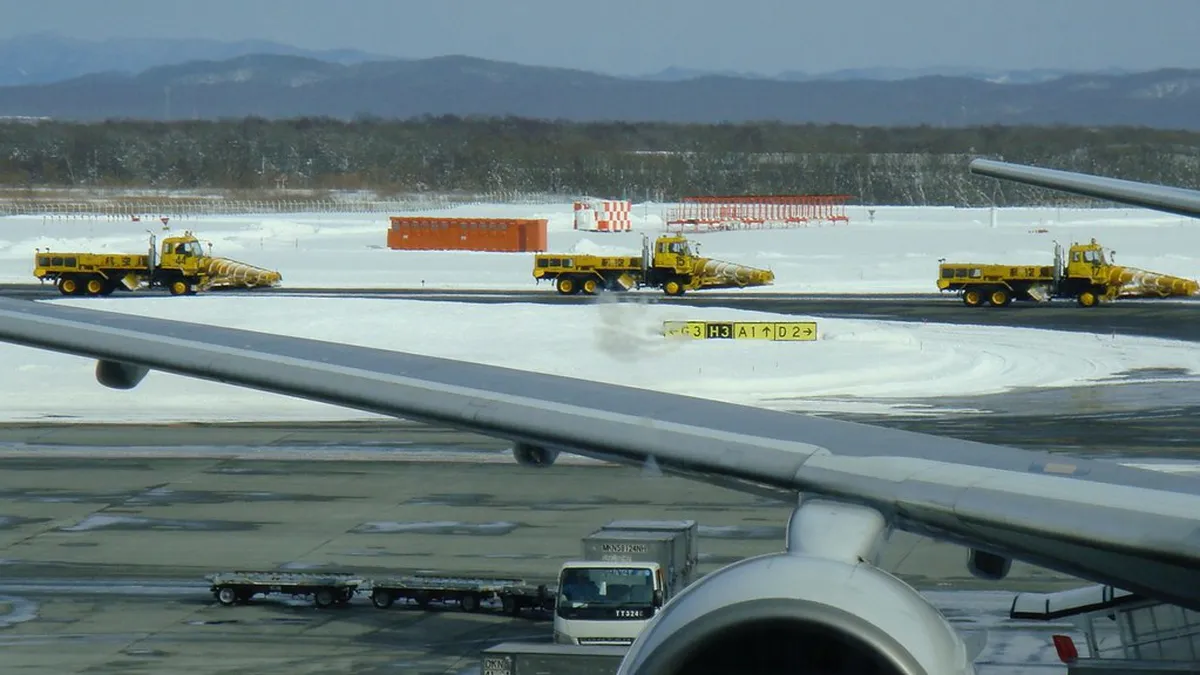
From Tokyo: Flying to New Chitose Airport (CTS) is fastest—1.5–2 hours, starting at ¥3,200–5,000 one-way on budget carriers (Jetstar, Peach, Airdo). From the airport, the JR Airport Express train reaches downtown Sapporo Station in 36 minutes for ¥1,150. Alternatively, take the Shinkansen to Shin-Hakodate-Hokuto (4–4.5 hours), then limited express to Sapporo (4.5 hours)—slower but scenic and covered by Japan Rail Pass if you have one.
Within Sapporo: The subway is your best tool. Odori Station (Namboku or Toho lines) reaches Odori Park in under 10 minutes from Sapporo Station. Susukino Station (Namboku Line) is just one more minute. For Tsudome, take the Toho Line to Sakaemachi Station (15 minutes), then either walk 12 minutes or take the shuttle bus (¥200 cash, every 5–10 minutes, 9:40 AM–2:30 PM from station, 12:00 PM–4:20 PM return).
Much of downtown connects via underground shopping arcades and tunnels—useful during heavy snow. Sapporo's streets follow a logical grid system (blocks are numbered by distance from Odori and Soseigawa parks), so navigation is easier than most Japanese cities. No subway pass needed for festival; single rides cost ¥210–220.
Hotels and flights sell out fast: book by September for mid-range options, or earlier for peak weekend stays (Feb 8–9). Prices can double or triple compared to off-season rates during festival week. Consider arriving on a weekday (Tuesday–Thursday) to save on both accommodation and crowds.
Avoiding Crowds: Best Hours and Days to Visit
The Sapporo Snow Festival attracts roughly 2 million visitors over eight days, with dramatic crowd fluctuations. Strategic timing can cut your wait times and congestion by 40–60%. Understanding crowd patterns transforms your experience from shoulder-to-shoulder chaos to manageable flows of people.
Best hours: Visit Odori Park between 8:00–9:00 AM when the park is nearly empty and illuminations have just switched off. Tour groups typically arrive 10:00 AM–2:00 PM. Evening crowds peak 6:00–8:00 PM—avoid this window entirely if possible. Families with young children dominate late afternoons (3:00–5:00 PM). If you dislike crowds, split your time: early morning for photography and calm exploration, skip the 6:00–8:00 PM window, or return very late (after 9:00 PM) when families leave. Blue hour sunset photography is still possible but crowded; consider going at dawn instead.
Best days: Weekdays (Tuesday–Thursday, Feb 4–6 and Feb 10) are notably quieter than weekends. Friday February 7 and Monday February 10 are moderate. Weekend days (February 8–9) see 30% higher crowds, especially mid-morning and late afternoon. Arriving or leaving on a weekday saves money and crowds. If your schedule allows, aim for Tuesday or Wednesday—the absolute quietest days.
Tsudome: Arrive before 11:00 AM or after 2:00 PM to avoid the peak lunch rush. The outdoor snow slides have longer waits mid-afternoon (3:00–4:00 PM) when families finish lunch. This site's advantage is its lower overall crowds compared to Odori; even "peak" times here feel moderate.
Frequently Asked Questions
When is the Sapporo Snow Festival in 2026?
The festival usually runs for about eight days in early February. Most headline events happen in Odori Park. Sculptures are demolished shortly after the festival closes.
How many days do you need for the Sapporo Snow Festival?
Three days is the ideal length for most visitors. This allows one day for Odori Park and Susukino. Use the second day for the Tsudome site.
What time do the lights go off at the Sapporo Snow Festival?
Illuminations at Odori Park usually turn off at 10:00 PM. The Susukino site stays lit until 11:00 PM. Tsudome activities end earlier in the afternoon.
The Sapporo Snow Festival 2026 (February 4–11) is a must-see winter event combining art, food, and Hokkaido's unique snow culture. Plan for three days minimum, book hotels and flights by September, and aim for weekday arrival to beat crowds and peak pricing.
Visit Odori Park in the morning and evening to see sculptures in both daylight and illuminated form. Experience the blue hour (4:30–5:30 PM) for the best photography. Susukino's ice bars and intricate sculptures shine after dark. Tsudome offers family-friendly snow activities in the daytime. Layer up, carry kairo heat packs, and wear ice cleats—the cold is real but manageable with proper gear.
See our complete Sapporo Snow Festival guide for even more details, and check out the broader Sapporo attractions to extend your trip beyond the festival week.
Free: The Sapporo Essentials guide
Top things to do, where to stay, a perfect day plan, getting around, and the best time to go — a Sapporo mini-guide you can take offline.
You might also like


Continue reading
More guides you'll find useful


