Sapporo Snow Festival Tickets: 8 Things to Know Before You Go
Do you need tickets for the Sapporo Snow Festival? Learn about upcoming dates, free vs. paid sites, booking tours, and essential winter travel tips.
On this page
I've visited the Sapporo Snow Festival multiple times and the scale of the ice sculptures always surprises me. Updated in May 2026. Late-night arrivals can leave you with fewer airport-to-city options, so check train and bus schedules before you fly.
Most visitors assume they need expensive Sapporo Snow Festival guide entry passes to see the famous art.
The reality is much more budget-friendly because the primary viewing areas are completely open to the public. You can walk through the heart of the city and see massive snow structures without spending a yen.This guide covers the usual festival timing, free entry areas, and the specific costs for family-friendly snow slides. If you are planning a trip, check the Sapporo Tourist Association Official Site for the latest event map. Understanding the logistics early will help you avoid the common mistakes made by first-time winter travelers in Hokkaido.
Do You Need Tickets for the Sapporo Snow Festival?
The main festival sites at Odori Park and Susukino are entirely free for all visitors to explore. You do not need to purchase a general entry ticket for these famous outdoor sculpture galleries. The sculptures are viewable 24 hours a day, though illuminations typically turn off around 10 p.m.
Some specific attractions at the Tsudome site require a small fee for participation in snow activities. Individual rides like the ice slide cost approximately ¥600 / ~$4 per person. Most of the outdoor Tsudome activities are free, but you pay only for attractions you choose to do. Budget travelers can enjoy the entire Odori Park and Susukino ice carvings without spending anything on entry.
Sapporo Snow Festival 2026 and 2027 Dates
2026: February 4–11 (8 days). 2027: February 3–10 (8 days). The festival always takes place in early February when Hokkaido's winter conditions are most stable for ice sculptures.
Book your flights and hotels at least three to six months in advance, as Sapporo fills up quickly during festival week. Good mid-range accommodation is usually fully booked by October for the following year's festival. Arriving a day or two before the official start gives you a smaller crowd experience and allows you to see the final construction touches on major sculptures.
Exploring the Three Main Festival Sites
Odori Park serves as the main stage for the massive snow sculptures that define the festival. This site stretches through the center of the city and features the International Snow Sculpture Contest. You can find plenty of local Sapporo food like grilled corn and hot cocoa here.
The Susukino site is famous for its intricate ice carvings and neon-lit atmosphere. Located in the entertainment district, these sculptures are best viewed after the sun goes down. Many of the ice blocks contain real seafood or decorative elements frozen inside the clear structures.
Tsudome is the community site focused on physical activities like snow rafting and massive ice slides. This location is a bit further from the center but offers indoor spaces for warming up. It is the only site that requires small fees for specific interactive snow attractions and games.
Booking Sapporo Snow Festival Tours and Packages
Choosing between a DIY trip and a guided tour depends on your comfort level with winter travel and icy conditions. Here's a quick comparison: DIY planning gives you maximum flexibility to explore at your own pace, eat at local restaurants of your choice, and stay in budget-friendly accommodation near subway lines. You control the itinerary entirely. However, you'll need to navigate the subway, manage translations, and handle any travel disruptions yourself. Guided group tours (¥150,000–¥300,000 / ~$1,020–$2,040 per person) provide private transportation, pre-booked 3-star or 4-star hotels in prime locations, meals at established restaurants, and a professional guide available 24/7. The trade-off is less flexibility and less interaction with local restaurant culture.
Most large travel agencies begin accepting bookings in August for the upcoming February festival, with smaller operators starting in September. If you book early (by September), you secure better hotel rates and flight options. For a weekend visit, book even earlier to guarantee central lodging. Many travelers split the difference: book DIY accommodation through Agoda or Booking.com, then purchase just a one-day guided tour for Tsudome or a specialized activity like the Jingisukan (grilled lamb) restaurant tour.
Recommended 3-Day Winter Itinerary
Three days is the ideal length to experience all three main festival sites without rushing. Timing and weather are critical—aim to visit early in the festival week when sculptures are freshest and crowds are smaller. Each day follows a logical geographic path to minimize backtracking via the subway.
Day 1: Arrival & Odori Park (afternoon/evening). Arrive at New Chitose Airport in the morning and take the 40-minute JR airport express train (¥1,150 / ~$8) into Sapporo Station. Drop your luggage at the hotel and head straight to Odori Park via the Namboku or Toho subway line (about 10 minutes from Sapporo Station). Start at the eastern end near Sapporo TV Tower (Chōme 1) and walk west toward Nishi-Jūitchōme Station, covering sections 1–6 in the first afternoon (roughly 1.5 hours). The walk is easier from the east because you start at a major subway exit. Eat lunch at one of the ramen stalls in the park—try the famous Keyaki restaurant if you have time. In the evening, revisit the same sections with their illuminations turned on (dusk around 4:30 p.m. in February). The sculptures are transformed by light and look entirely different from the daytime view.
Day 2: Susukino ice sculptures & full Odori Park walkthrough. Start the day with breakfast or coffee, then head back to Odori Park and cover the remaining sections (7–11). This takes another 2–3 hours if you walk slowly and stop for photos. After Odori Park, take the Namboku Line south one stop (1 minute) to Susukino Station. The ice sculptures here are much smaller and more intricate than the snow sculptures in Odori Park, and the district is famous for nightlife. Susukino is lackluster during daytime, so visit in the evening when the neon lights and bars come alive. Book dinner in advance at a local Jingisukan (grilled lamb) restaurant like Shimadaya or Daruma—these are quintessential Hokkaido experiences and fill up quickly. After dinner, explore the illuminated ice sculptures and outdoor ice bars. The walk between Odori and Susukino takes about 10 minutes if you travel underground through the tunnel network.
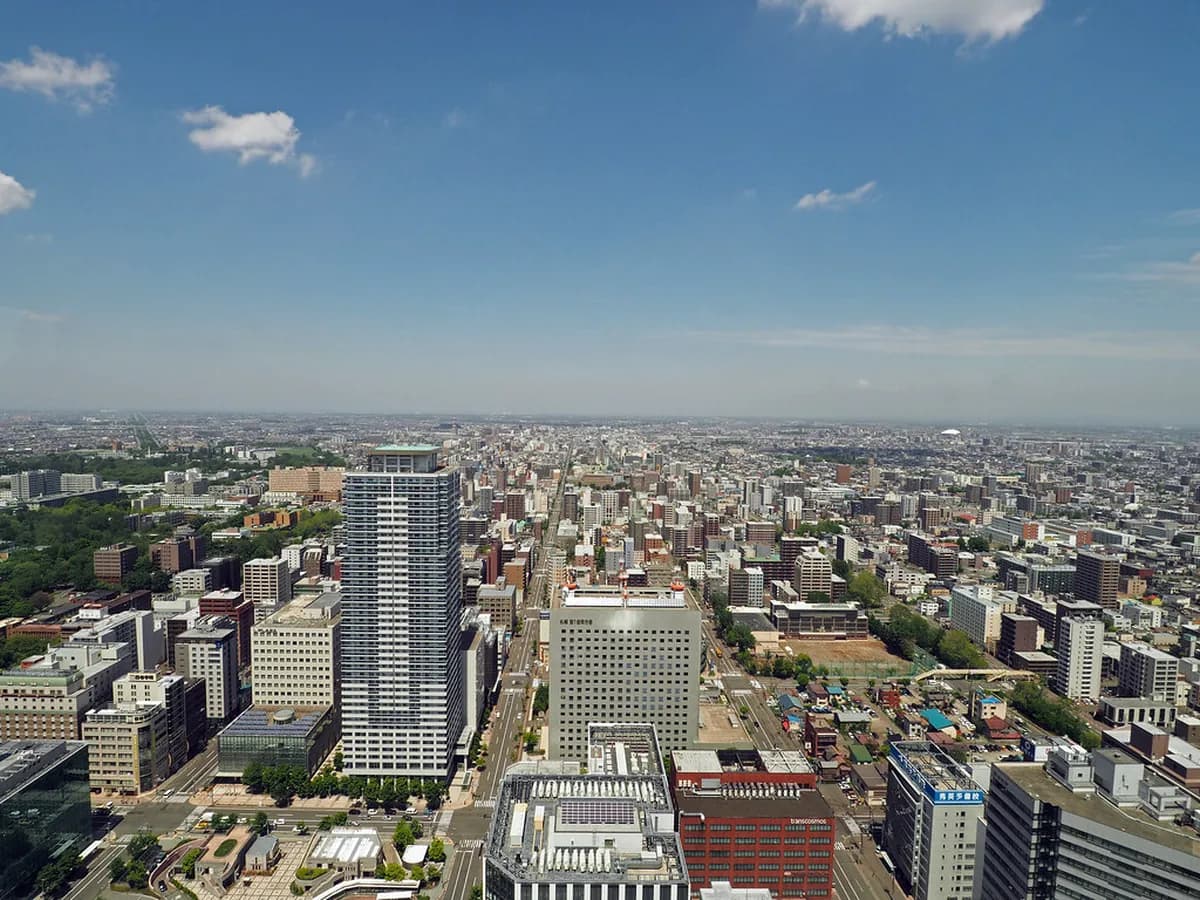
Day 3: Tsudome site & family activities. On your final day, prioritize Tsudome because it closes at 5 p.m. (unlike the other sites). Travel via the Toho subway line to Sakaemachi Station (about 30 minutes from central Sapporo), then either walk 12 minutes or take the shuttle bus (¥200 / ~$1.50, cash only; buses run every 5–10 minutes from 9:40 a.m. to 2:30 p.m.). Spend the morning exploring the outdoor snow play areas—most are free. Lunch at the indoor venue, which has excellent Hokkaido ramen, corn butter dishes, and seafood. Try snow rafting if you're adventurous (paid activity) or simply enjoy the free sledding slopes. After Tsudome, catch the return bus back to Sakaemachi Station and head either back to Odori/Susukino for one final evening of illuminations or to JR Tower Observatory (connected to Sapporo Station) for a glittering cityscape view before flying home the next day.
The main festival sites at Odori Park and Susukino are entirely free. The only paid attractions are specific activities at Tsudome (such as the ice slide at ¥600/person) and the Sapporo Snow Festival Museum entry at ¥600 for adults.
Best Places to Stay in Sapporo for the Festival
Staying near Odori Park is the most convenient option for visiting the main sculpture sites. I recommend staying at the Hotel MyStays Premier Sapporo Park for easy park access. Rooms in this area are expensive during the festival and should be booked months in advance.
Susukino is another great neighborhood with many hotels and vibrant nightlife options for visitors. You can find the best restaurants in Hokkaido within walking distance of Susukino hotels. Budget travelers might consider staying in nearby Otaru or Chitose to save on accommodation costs.
The subway system makes it easy to reach the festival sites from almost any city neighborhood. Ensure your hotel is within a five-minute walk of a station to minimize outdoor exposure. Hokkaido hotels are very warm inside, so you will only need your heavy gear for walking.
Transportation: Getting to Sapporo and Around the City
Many travelers arrive by train from Tokyo using the high-speed Shinkansen network. The journey takes about eight hours and requires a transfer at Hakodate for the local express. Consult the Japan Rail Pass Info to see if a pass saves you money.
Flying is the fastest method, with flights from Tokyo taking only 90 minutes to reach Sapporo. Read this Tokyo to Sapporo Travel Article for a full comparison of costs and times. The JR Hokkaido trains connect the airport to the city center in about 40 minutes.
Within the city, the three subway lines are the most efficient way to travel between sites. A one-day subway pass costs ¥830 / ~$6 and is perfect for festival hopping. Walking is possible between Odori and Susukino, but the paths are often very crowded and icy.
- Compare your Sapporo transport options.
- Domestic flights take 90 minutes and cost ¥14,000 / ~$95 with frequent departures.
- The Shinkansen train takes 8 hours and costs ¥27,000 / ~$184 per person.
- Local subway rides cost ¥210 / ~$1.50 and run every 5 to 7 minutes.
- Airport express trains take 40 minutes and cost ¥1,150 / ~$8 per one-way trip.
Book flights and accommodation 4–6 months in advance. Hotels near Odori Park fill up by September for the February festival, and budget options are fully booked by December. Festival week prices can triple compared to other February dates.
| Transport Option | Journey Time | Cost | Notes |
|---|---|---|---|
| Domestic flight (Tokyo) | 90 minutes | ¥14,000 (~$95) | Budget carriers available |
| Shinkansen (Tokyo) | ~8 hours | ¥27,000 (~$184) | Transfer at Hakodate |
| Airport express (New Chitose) | 40 minutes | ¥1,150 (~$8) | To Sapporo Station |
| Subway single ride | – | ¥210 (~$1.50) | Every 5–7 minutes |
| Subway day pass | – | ¥830 (~$6) | Ideal for festival hopping |
Sapporo Snow Festival Museum and Year-Round Attractions
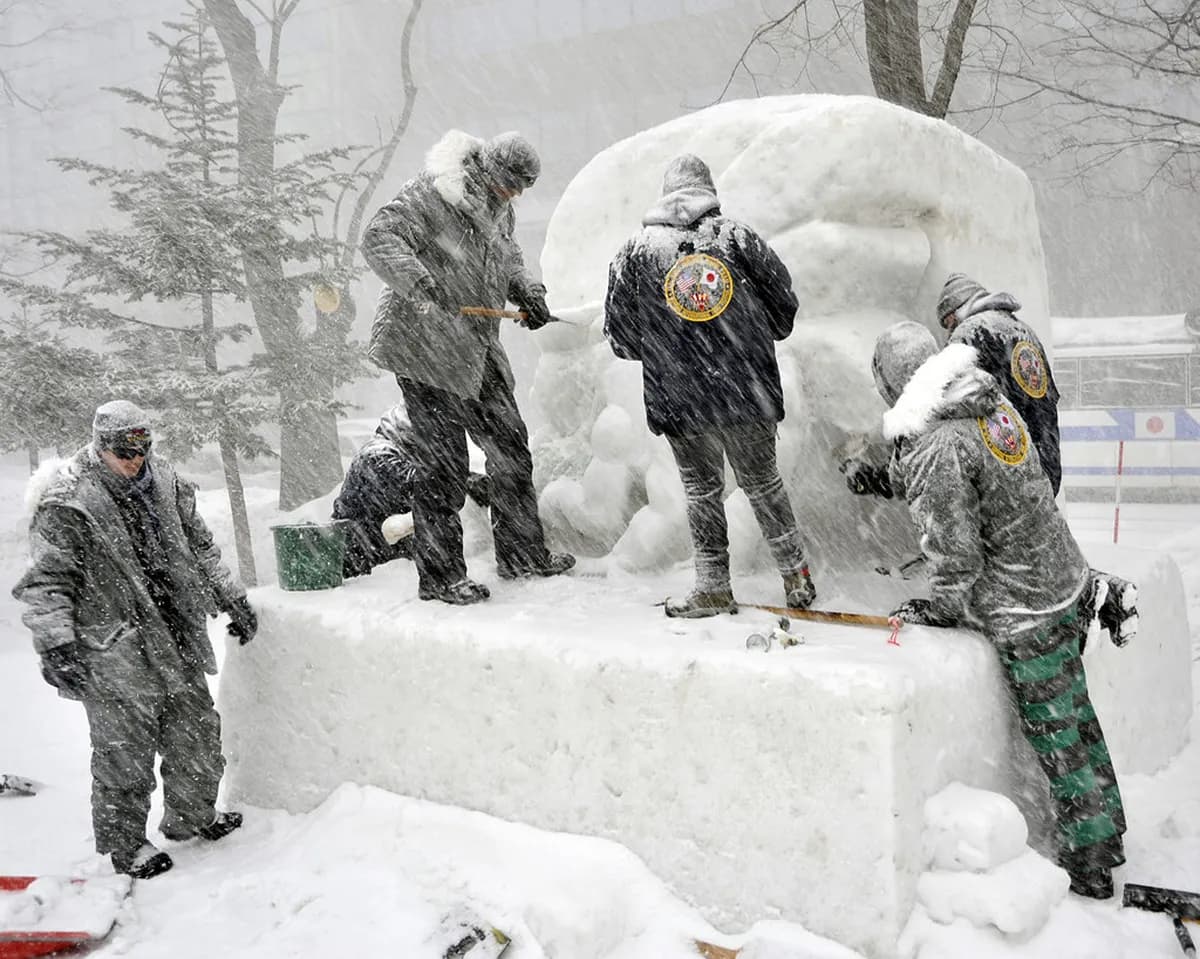
The Sapporo Snow Festival Museum, located at Hitsujigaoka Observation Hill, is open year-round and provides valuable context for the festival's 75+ year history. Entry costs ¥600 / ~$4 per adult. Inside, you'll find models of past sculptures, photographs from the 1950s when local high school students created just six snow statues, and information about the Self-Defense Forces' role in constructing massive modern sculptures. The museum is small but worth 30–45 minutes if you're interested in the festival's history.
The observation hill itself also offers panoramic views of Sapporo and the snowy mountains beyond—a peaceful escape from the crowded festival sites. From Fukuzumi Station (accessible via the Toho Line), it's a 10-minute bus ride to reach the museum. If you visit Sapporo outside February, this museum is one of the few places where you can experience the festival's spirit year-round.
Frequently Asked Questions
Is the Sapporo Snow Festival free to attend?
Yes, the main festival sites at Odori Park and Susukino are free for everyone. You only need to pay for food, drinks, or specific snow activities at the Tsudome site. Most visitors do not spend any money on entry tickets.
When should I book my hotel for the festival?
You should book your accommodation at least six months in advance for the best prices. Hotels near Odori Park fill up very quickly during the first week of February. Prices can double if you wait until the last minute.
How do I get from Tokyo to Sapporo?
The fastest way is a 90-minute flight from Haneda or Narita airport to New Chitose. You can also take the Shinkansen train, which takes about eight hours in total. Flying is usually the most convenient and cost-effective option.
The Sapporo Snow Festival is a bucket-list experience that requires careful planning but offers incredible rewards. By focusing on the free sites and preparing for the cold, you can enjoy the world's best ice art. Remember to book your flights and hotels early to avoid the steep price increases in February.
Whether you are sliding down ice ramps at Tsudome or admiring carvings in Susukino, the atmosphere is magical. Enjoy the local food and the stunning winter scenery of Hokkaido during your unforgettable visit. Stay warm and safe while exploring the beautiful streets of Sapporo this winter season.
Free: The Sapporo Essentials guide
Top things to do, where to stay, a perfect day plan, getting around, and the best time to go — a Sapporo mini-guide you can take offline.
You might also like

Continue reading
More guides you'll find useful