
Sapporo famous foods (2026)
Discover the best sapporo famous food with this guide to miso ramen, soup curry, and fresh seafood. Includes top restaurant picks and local dining tips.
On this page
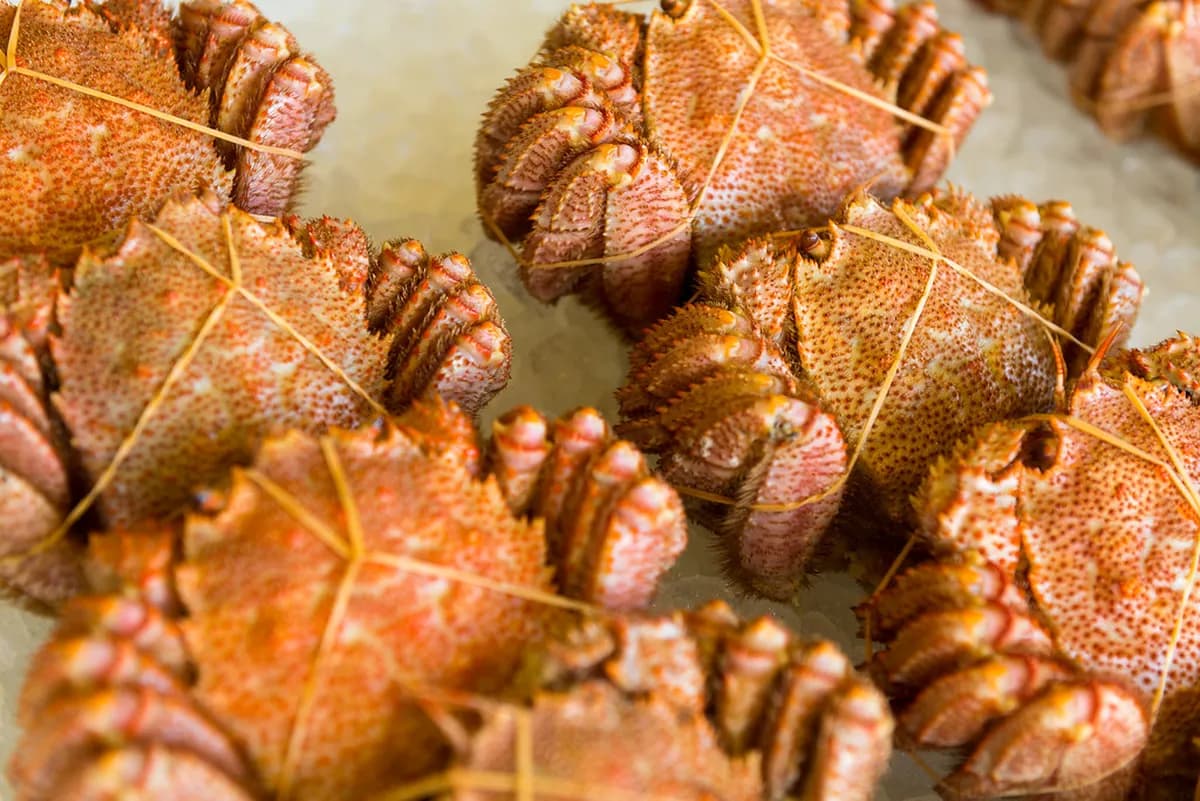
After five winters exploring the snowy streets of Hokkaido, I still dream of the rich, buttery broth found in Susukino. Sapporo famous food is more than just a meal; it is a cultural cornerstone of Japan's northern frontier. This guide was refreshed in May 2026 to reflect current dining trends, seasonal specialties, and planning notes. Hokkaido acts as the primary agricultural hub for the entire country, providing a level of freshness rarely seen in Tokyo. From the creamy dairy of the northern pastures to the briny treasures of the Okhotsk Sea, every bite tells a story of the land. Our editors have spent weeks testing these locations to ensure you find the most authentic flavors available. Whether you are visiting for the Sapporo Snow Festival guide or a summer escape, the local cuisine remains a top priority. This list focuses on the specific dishes that define the city's identity and the best places to find them. Prepare your appetite for a journey through steaming ramen bowls and overflowing seafood platters.
Miso Ramen at Ganso Ramen Yokocho
Miso ramen is the undisputed signature of Sapporo's food identity. This narrow alleyway in Susukino is the birthplace of the city's legendary miso-based noodle soup, where at least 17 ramen shops operate side-by-side in a historic laneway. The broth is typically rich and deeply savory, made by simmering pork bones with miso paste to create an umami-forward base. A knob of Hokkaido butter and sweet corn kernels traditionally top the thick, curly noodles, adding richness and textural contrast.
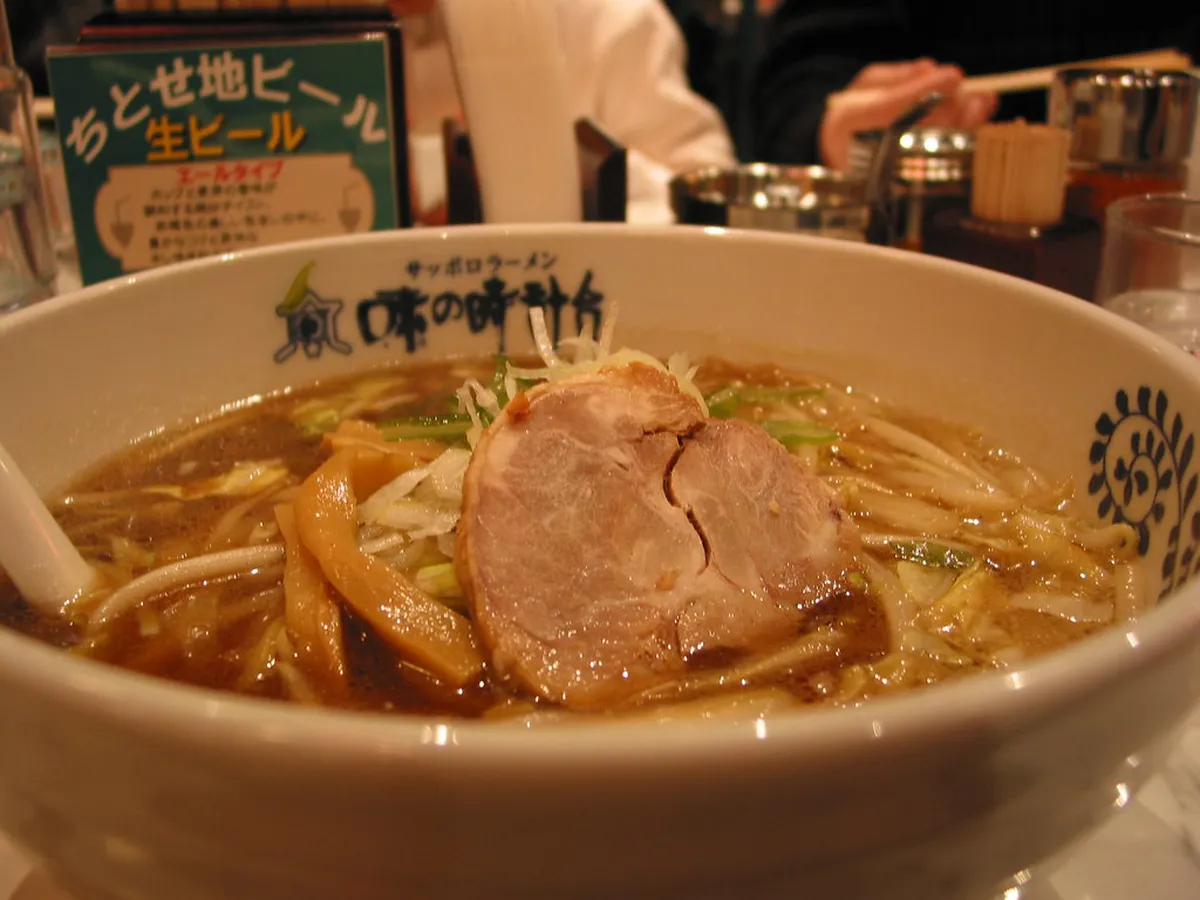
Most shops in Ganso Ramen Yokocho are open daily from 11am to 3am, with bowls ranging from $8 to $16 per person. Take the subway to Susukino Station and look for the neon sign marking the entrance—you cannot miss the laneway. Sapporo Ramen Haruka is the most famous, featuring perfectly chewy aged noodles that have been developing their character for weeks. Arrive early or during off-peak hours to avoid queues that can stretch around the block.
Most Ganso Ramen Yokocho shops are open until 3 am — a late-night visit after exploring Susukino means shorter queues and a more atmospheric experience than the lunchtime rush.
Soup Curry King (The Hokkaido Original)
Soup curry is arguably Sapporo's most distinctive dish—unlike the thick, sweet curries found in the rest of Japan, this Hokkaido specialty features a thin, spicy broth loaded with flash-fried vegetables and tender bone-in chicken. The dish originated in Sapporo in the 1970s and remains unique to Hokkaido, making it a must-try for visitors. The broth is complex, with hints of Thai and Indian curry influences, and far more aggressive than typical Japanese comfort food.
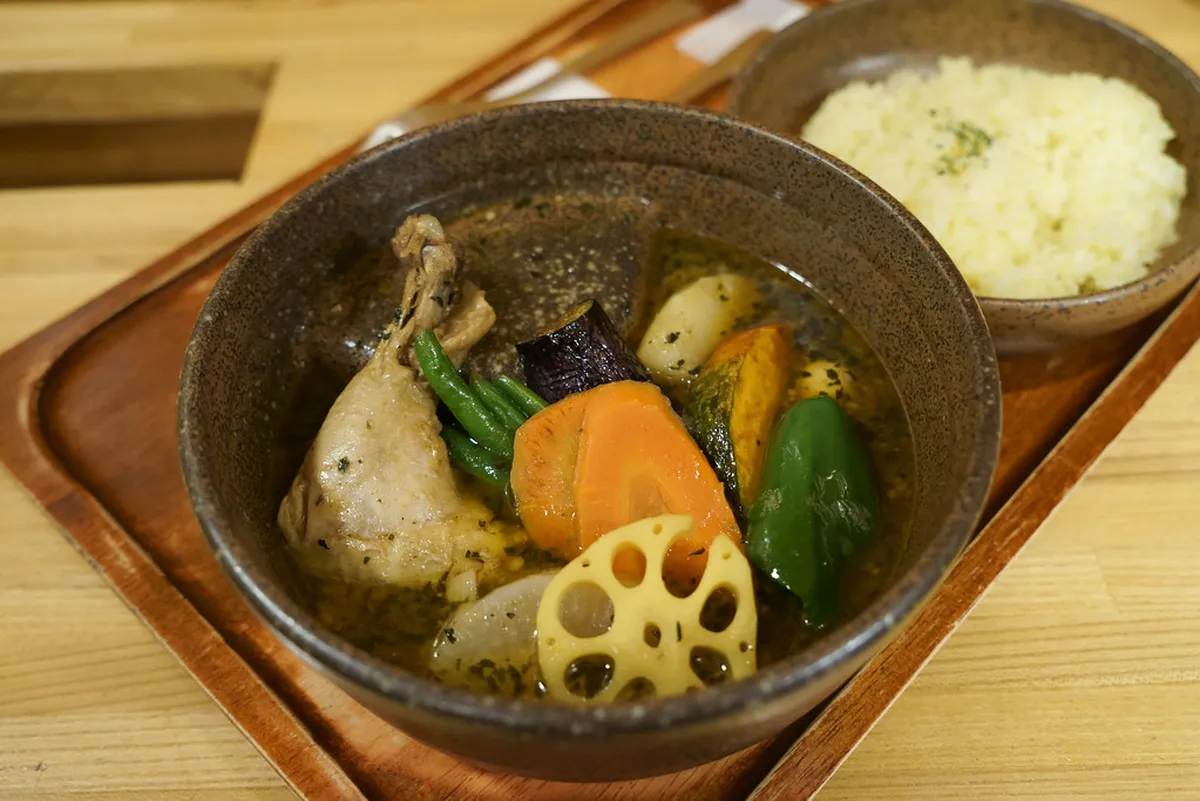
Soup Curry King is the most popular destination and you will always find a line, but it is worth the wait. You can customize your spice level from mild (level 1) to volcanic (level 10), and choose from various protein bases including tender chicken leg, seafood, or vegetables. A full set including rice, a lassi drink, and a side of vegetables costs between $12 and $22. The main branch is open from 11:30am to 9:30pm and is a short walk from Minami-Hiragishi Station. Pro tip: order the cheese-topped rice to help balance the intense spice and add richness to the dish.
How to Order Soup Curry Like a Local
First-time soup curry diners often find the customization options overwhelming. Start with spice level 3 (mild-to-moderate)—even experienced spicy food lovers find levels 6+ genuinely painful. The "base" typically refers to your broth choice: seafood bases (using scallop or dashi) are lighter and more delicate, while pork or chicken bases are deeper and richer. Most restaurants offer photo menus, so you can point to your desired protein and vegetables without speaking Japanese.
The vegetables in authentic soup curry are flash-fried before being added to the broth, giving them a crispy exterior while the interiors soften slightly in the soup. Common options include pumpkin, sweet potato, lotus root, broccoli, and eggplant. Many restaurants allow you to substitute vegetables, so ask if you have preferences. Pair your soup curry with the complementary rice and enjoy mixing the two together—the curry-soaked rice becomes the best part of the meal.
Fresh Seafood at Nijo Market
Nijo Market is one of Hokkaido's most prized seafood destinations and a genuine local favorite since 1956. Located just a ten-minute walk from Odori Park, this historic market buzzes with energy from early morning until early evening. Unlike the overcrowded Tsukiji in Tokyo, Nijo retains an authentic, working-market atmosphere where local business people and chefs source their daily catch. The market is open every day from around 7am to 6pm, though individual stalls may have their own operating hours.
The specialty here is kaisen-don—colorful bowls featuring generous portions of fatty tuna, salmon roe, sweet scallops, and sea urchin served over vinegared sushi rice. Prices vary by the type and freshness of fish, but usually fall between $15 and $45 per bowl. Arrive before 8am to experience the market at its quietest and to secure the best cuts before the daily rush. The market features roughly 50 vendors, most offering both fresh seafood to purchase and on-site seating where you can enjoy a meal prepared to order.
Genghis Khan (Jingisukan) Grilled Lamb
Genghis Khan, or jingisukan as it is known in Japanese, is a distinctly Hokkaido dining experience named after the Mongolian explorer. The dish involves grilling succulent lamb and vegetables on a convex metal skillet shaped like Genghis Khan's helmet, a tradition that originated in 1930s Sapporo. The meat is notably tender and not gamey as you might expect from lamb—this is due to Hokkaido's cold climate and local breeding practices that produce exceptionally high-quality lamb.
Diners cook their own meat and vegetables at the table, dipping each bite into a soy-based sauce or miso sauce provided by the restaurant. A standard serving of meat and vegetables costs approximately $10 to $18, though most groups order multiple rounds to experience different cuts. Genghis Khan restaurants in Susukino typically open at 5pm and stay busy until the early morning hours. Expect a wait at any of the popular Susukino locations as these tiny shops rarely take reservations. The Sapporo Beer Garden (detailed below) offers the most famous version of this experience in a historic setting.
Sushi Toriton (Premium Conveyor Belt)
Toriton is proof that conveyor belt sushi can rival high-end omakase in terms of freshness and portion quality. This local Sapporo chain sources scallops and salmon directly from Hokkaido waters, resulting in pieces that are substantially larger and more pristine than Tokyo equivalents. The shop uses a modern ordering system where you select items on a digital tablet at your seat, allowing the kitchen to prepare each piece to order rather than relying on pre-made stock circulating on the belt.
Most diners spend between $20 and $40 for a very satisfying meal featuring 15-20 premium plates. The Toyohira branch is open from 11am to 10pm daily and is best reached by a short taxi ride from central Sapporo. The scallop (hotate) is particularly noteworthy—sweet, buttery, and served in pieces that are nearly 3 inches in diameter. Use the tablet system to order fresh pieces directly to your seat rather than picking from the circulating belt, ensuring maximum freshness.
Tsukko Meshi (Overflowing Salmon Roe)
Tsukko Meshi is a theatrical and uniquely Sapporo dining experience where staff perform an energetic chant while piling salmon roe (ikura) onto your rice bowl. The bowl is intentionally filled until the ikura literally spills over the sides, creating a decadent and visually stunning seafood mountain. Each pearl of ikura bursts in your mouth, releasing briny ocean flavors. What sets this experience apart from regular ikura bowls is the "performance" element and the strict restaurant rule: you must finish every grain of rice and every piece of roe, as it is considered wasteful and disrespectful not to.
Located at Hachikyo (also spelled Umi Hachikyo) in Susukino, this specialty dish costs about $35 and requires a reservation at least one week in advance during peak season. The restaurant is open from 6pm to midnight and the atmosphere is loud and festive, making it a highlight for groups looking for a memorable, interactive dinner. The "no leftovers" rule is strictly enforced—this is not a casual warning but an actual expectation backed by the restaurant's philosophy.
Hachikyo's Tsukko Meshi requires a reservation at least one week in advance during peak season, and the strict "no leftovers" policy applies — diners who leave food must pay a fine. Order only if you are hungry enough to finish a full salmon roe bowl.
Kani Honke (Hokkaido King Crab Specialty)
For a more formal dining experience, Kani Honke is the gold standard for crab in Sapporo. This multi-story restaurant near Sapporo Station specializes in elaborate crab courses featuring King crab, Snow crab, and Hair crab, all prepared in multiple styles. Each diner is ushered into a private tatami room and served by staff dressed in traditional kimono. The level of presentation and care is exceptional—each dish is a work of art designed to showcase the crab's natural flavors and textures.
Course meals typically range from $60 to $160 per person depending on the seasonal crab availability and the specific course selected. Options include crab sashimi (raw, sweet, and delicate), grilled crab, tempura crab, and a rich miso-based hot pot featuring crab shell and meat. The landmark building is open from 11:30am to 10pm daily. Reservations are essential and can be made in English through their website. For budget-conscious diners, the lunch sets offer the same luxury experience at considerably lower prices.
Zangi (Hokkaido Style Deep Fried Chicken)
Zangi is Hokkaido's distinctive take on chicken karaage, characterized by a thicker, more flavorful batter and a soy-ginger marinade that distinguishes it from the standard version found elsewhere in Japan. The meat is marinated before breading, then deep-fried until golden and crispy, resulting in a crust that is substantially more flavorful than regular karaage. It is the ultimate pairing with a cold beer at any of the city's numerous basement izakayas and is available in nearly every casual dining establishment.
A plate of five to six large pieces usually costs between $6 and $12 at most casual eateries. Most izakayas serve zangi from 5pm until late, and excellent versions can be found in the Sapporo nightlife districts, particularly Susukino. Look for shops that serve it with a side of spicy mayo or a tangy ponzu sauce for extra flavor complexity. Zangi is one of the most affordable items on this list and represents authentic Hokkaido comfort food.
Butadon (Sweet and Savory Pork Rice Bowl)
While butadon originated in Obihiro (a city 100km south of Sapporo), this grilled pork bowl has become a staple comfort meal throughout Hokkaido and a must-try when visiting Sapporo. Thick slices of pork are charcoal-grilled with a sweet soy glaze (tare sauce) until the edges caramelize slightly, then served over a bed of steaming white rice. The meat is typically sliced thinner than Western pork cutlets but thicker than traditional karaage preparation, creating a tender, flavorful base for the sweet sauce.
A standard bowl costs between $10 and $18 depending on the meat portion and side dishes. The branch inside the Stellar Place mall at Sapporo Station is open from 11am to 9pm daily and is conveniently located for travelers arriving by train. This is an excellent quick meal for those who want something hearty and fast without sacrificing quality. The simplicity of the dish—pork, sauce, rice—belies its popularity; many locals consider butadon the quintessential Hokkaido quick meal.
Hokkaido Milk Soft Serve and Dairy Treats
The high fat content of Hokkaido milk results in soft-serve ice cream that is incredibly creamy and rich, almost buttery on the tongue. Hokkaido produces over 50% of Japan's dairy, thanks to its cold climate and wide green pastures ideal for raising grass-fed cows. You can find soft-serve stalls throughout Sapporo, often featuring seasonal flavors like melon, lavender, or corn. A single cone usually costs between $3 and $6 and is available at most tourist hubs.
Kinotoya Bake shop near Susukino Station is a local favorite known for their exceptionally tall and dense soft-serve swirls. Milk Mura, another popular destination, offers Hokkaido milk soft-serve topped with liqueurs and seasonal sauces. During the summer months, stalls in Odori Park operate from 10am to 6pm, providing a perfect cool-down snack while exploring the city's largest park. Even in winter, many shops remain open, as locals and tourists happily eat ice cream in Sapporo year-round.
Sapporo Beer Garden and Museum
This historic red-brick building offers an all-you-can-eat Genghis Khan experience paired with fresh local brews in a setting that celebrates Sapporo's brewing heritage. Dining in the Kessel Hall allows you to eat under massive copper brewing vats from the early 20th century, creating a unique atmosphere that transports you back to the city's industrial past. The beer garden features both outdoor seating (weather permitting) and indoor dining areas.
The popular 100-minute 'tabehodai' (all-you-can-eat) plan costs around $35 to $45 per adult for unlimited meat, vegetables, and two beers. Located in the Higashi Ward, the Sapporo Beer Garden & Museum is open from 11:30am to 9pm daily. It is a fantastic choice for large families or groups who want a lively and historic atmosphere. The facility also includes a small museum documenting Sapporo beer's history, which you can visit before or after your meal.
Shime Parfait (The Night Parfait Tradition)
A unique and distinctly Sapporo custom involves ending a night of drinking with an elaborate, artistic parfait instead of ramen. The term "shime" (finish/close) refers to a concluding meal after drinking, and in Sapporo's nightlife culture, a parfait has become the preferred choice. These desserts feature high-quality Hokkaido dairy, seasonal fruits, premium chocolate, nuts, and often a splash of local liqueur or craft spirits. The parfaits are often visual masterpieces, layered with multiple textures and presented with artistic precision that rivals high-end dessert restaurants.
Most 'Shime Parfait' specialty shops in Susukino open at 6pm and do not close until 2am or later, positioning themselves specifically for late-night dining. Expect to pay between $12 and $25 for these late-night masterpieces, which are substantially more expensive than daytime desserts due to their complexity and the late-hour service. Visit Parfaiteria PaL for a rotating seasonal menu of desserts that look more like modern sculptures than food. This tradition is virtually unknown outside Sapporo and represents the city's creative approach to comfort food culture.
New Chitose Airport Food Circuit
Many travelers overlook New Chitose Airport as a food destination, but it deserves to be treated as a final "food experience" before departure. The airport's food court on the 2nd floor of the domestic terminal has been significantly upgraded in recent years and now features stalls serving many of Hokkaido's most famous items. This is an ideal opportunity to grab items you missed during your trip or to purchase gifts for those back home.
Standout items include Yotsuba White Cosy (soft-serve ice cream with unusual flavors like corn and vanilla), Siretoco Donuts (cute Hokkaido-themed pastries), and Doraibu-in Itou's butadon (one of the most acclaimed pork bowls in Hokkaido). While the airport locations are more expensive than their city counterparts, the convenience and quality remain high. Many popular items sell out by afternoon, so arrive at the food court early if you have specific items on your list. This represents a practical and delicious final taste of Hokkaido before your flight.
Price vs. Quality: Guide to Crab Dining
Crab is available at multiple price points in Sapporo, and understanding the differences helps you choose the right experience for your budget. Nijo Market offers fresh crab legs and sashimi at casual market stalls for $15-$30 per portion, with no reservations needed and immediate service. The quality is excellent and the experience is authentic, though seating is basic and service is minimal.
Mid-range options like casual crab restaurants in Susukino offer all-you-can-eat or a la carte courses for $40-$80 per person. These provide good value and variety, though preparation is less elaborate than fine dining. Kani Honke, the formal fine-dining option, charges $60-$160 per person for multi-course experiences with private tatami rooms and kimono-clad service. Here you pay for presentation, ambiance, and the highest-grade fresh crab flown in daily. For first-time visitors, the market experience offers the best value; for special occasions, Kani Honke justifies the premium cost.
Dining Logistics and Reservations
The most popular restaurants, especially those specializing in crab or Genghis Khan, require reservations days or even weeks in advance during peak season (December-February and summer school holidays). If you cannot call ahead, try visiting during off-peak hours between 3pm and 5pm when walk-ins have a better chance. The winter festival season (February) is particularly busy, so plan accordingly.
Navigating the Susukino nightlife district can feel overwhelming due to the sheer density of neon signs and basement entrances. Most of the best food is hidden underground or on the upper floors of non-descript office buildings. Don’t be afraid to enter an elevator and explore a floor that lists several restaurant names—this is how locals discover new spots. Use Google Maps with Japanese restaurant names for precise locations, or ask your hotel concierge for specific recommendations.
If you plan to explore the wider region, consider getting a Hokkaido Regional Rail Pass to reach nearby food towns like Otaru. Otaru is famous for its sushi restaurants and fresh seafood, making it a perfect day trip for dedicated foodies. The train ride offers beautiful coastal views that complement your culinary journey. Most restaurants in the city center now provide English menus or tablets with photos of dishes, though learning a few basic Japanese phrases will go a long way with staff. Tipping is not expected in Japan and can sometimes be seen as confusing, so simply pay the bill as presented.
| Dish | Price Range | Where to Try |
|---|---|---|
| Miso Ramen | ¥800–¥1,600 | Ganso Ramen Yokocho, Susukino |
| Soup Curry | ¥1,200–¥2,200 | Soup Curry King (near Minami-Hiragishi Stn) |
| Kaisen-don (seafood bowl) | ¥1,500–¥4,500 | Nijo Market |
| Genghis Khan (Jingisukan) | ¥1,000–¥1,800 / serving | Sapporo Beer Garden, Susukino |
| Tsukko Meshi (salmon roe bowl) | ~¥3,500 | Hachikyo, Susukino (reservation required) |
| Crab kaiseki course | ¥6,000–¥16,000 | Kani Honke (near Sapporo Stn) |
| Shime Parfait | ¥1,200–¥2,500 | Parfaiteria PaL and others, Susukino (from 6 pm) |
Explore Sapporo Food and Dining
Use these guides to compare local dishes, dining areas and practical food experiences in Sapporo.
- Sapporo attractions hub: tickets, hours & maps
- 5 Best Miso Ramen Shops in Sapporo, Japan
- 9 Best Soup Curry Restaurants in Sapporo
- 15 Best Restaurants in Sapporo Hokkaido
- 10 Best Sapporo Street Food Spots to Visit
- Nijo Market Sapporo Food Guide
- Sapporo Beer Dining Guide 2026
- Sapporo Seafood and Crab Guide
- 4 Best Jingisukan Restaurants in Sapporo
- Sapporo Shime Parfait and Desserts
- Best Sushi in Sapporo
- Vegetarian Food in Sapporo
Explore famous food in other cities
Frequently Asked Questions
What is the most famous food in Sapporo?
Miso Ramen is widely considered the most famous dish, featuring a rich fermented soybean paste broth. Other essentials include Soup Curry and Genghis Khan grilled lamb. These dishes reflect the city's love for hearty, cold-weather comfort food.
Where is the best place to eat Miso Ramen in Sapporo?
Ganso Ramen Yokocho in the Susukino district offers the most authentic experience with dozens of specialized shops. For a more modern take, many locals recommend Ramen Shingen for its creamy and deep flavor profile. Most bowls cost under $15.
What is a Shime Parfait in Sapporo culture?
A Shime Parfait is a local tradition where people finish a night of drinking with a decadent dessert instead of ramen. These parfaits use premium Hokkaido dairy and artistic presentations. You can find many specialized parfait bars in Susukino that stay open past midnight.
Sapporo remains one of the world's premier destinations for travelers who prioritize their palates. From the first bite of a steaming bowl of ramen to the final spoonful of a night parfait, the city never fails to impress. By following this guide, you can navigate the busy markets and hidden alleys like a local expert. Remember that the best meals often come with a bit of a wait, so patience is key during the peak winter months. Whether you are indulging in luxury crab or a simple street-side soft serve, the quality of Hokkaido's produce shines through. Enjoy every moment of your culinary adventure in Japan's northern star.
Free: The Sapporo Essentials guide
Top things to do, where to stay, a perfect day plan, getting around, and the best time to go — a Sapporo mini-guide you can take offline.
You might also like


Continue reading
More guides you'll find useful


