

Sapporo itinerary
Plan the perfect Sapporo itinerary for 2026 with this day-by-day guide. Covers 3-day and 5-day plans, budget tips, transport, FAQ, and insider recommendations.
On this page
Planning a trip to Sapporo and looking for the perfect Sapporo itinerary? In 2026, Sapporo remains a city where modern urban life meets breathtaking natural landscapes. Whether you are interested in exploring its rich culinary scene, delving into its brewing history, or venturing out to see the surrounding natural wonders, Sapporo has something for everyone. This Sapporo itinerary provides a detailed plan for how to spend either 3 or 5 days in the city, ensuring you experience the best Sapporo has to offer. From essential planning tips and a full budget breakdown to day-by-day recommendations, this guide has you covered. Discover the best things to do in Sapporo with our comprehensive guide and dive into unforgettable Sapporo adventures. Get ready to experience Sapporo's culture, see its most famous landmarks, enjoy Sapporo's nightlife, and explore the many events that take place throughout the year.
Key Takeaways for Planning a Sapporo Itinerary
- Three days is enough for the city center, Odori Park, Sapporo Beer Museum, Nijo Market, Mount Moiwa, and Susukino; five days lets you add Otaru, Lake Toya, Noboribetsu, or deeper winter activities.
- Winter itineraries should start with Sapporo winter planning, then layer in the Sapporo Snow Festival guide and Snow Festival timing guide.
- Travelers coming from Tokyo should compare flight versus rail time using the Tokyo to Sapporo train guide.
- If you stay in Susukino, use the Susukino to New Chitose Airport guide for departure timing.
1. How to Get to Sapporo
Sapporo, the vibrant capital of Hokkaido, Japan's northernmost island, is well-connected, making it relatively easy to reach. Understanding your transportation options is the first step in planning your Sapporo itinerary. Whether you're arriving internationally or from another part of Japan, several convenient methods are available.
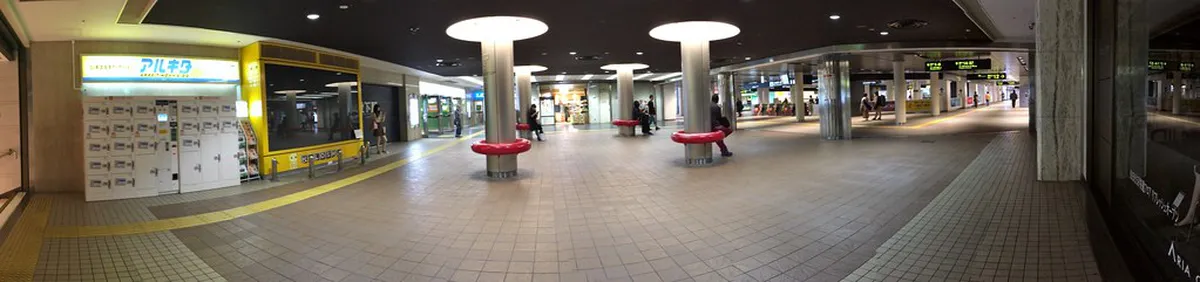
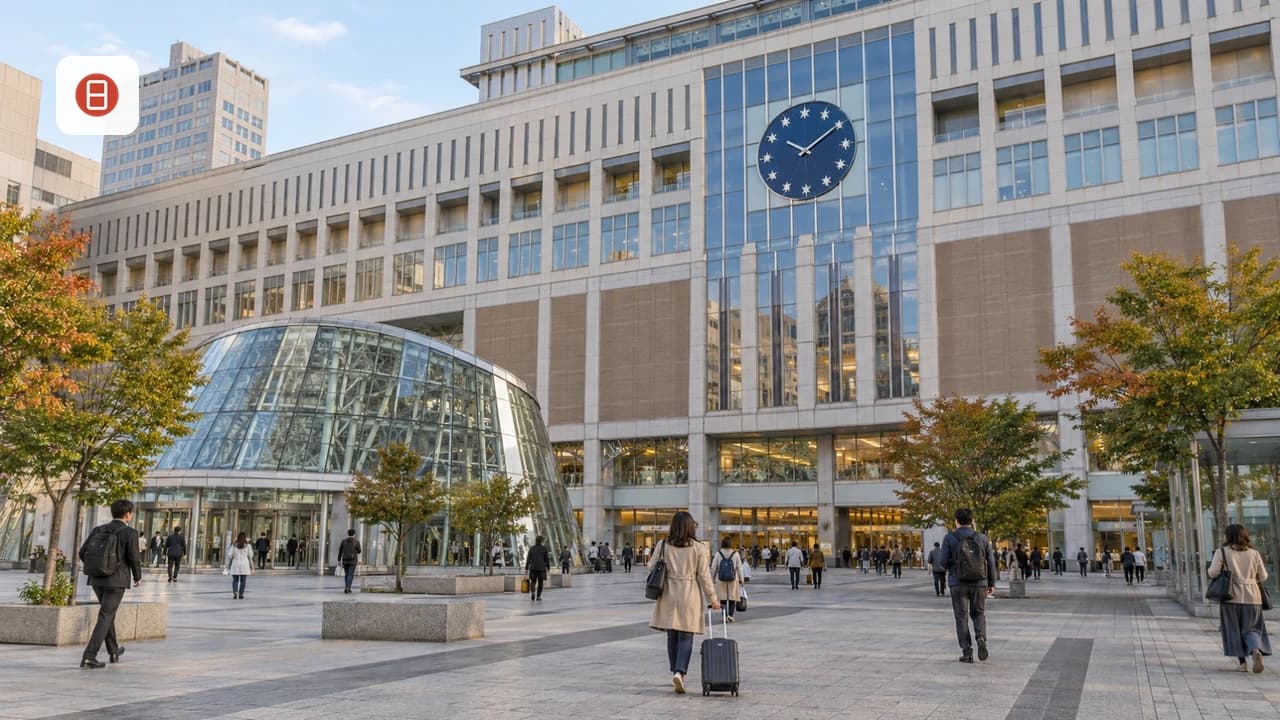
The primary gateway is New Chitose Airport (CTS), located about 45 kilometers southeast of Sapporo. Many international and domestic flights arrive here daily. From the airport, the fastest and most comfortable way to reach Sapporo city center is via the JR Rapid Airport train, which costs approximately 1,150 yen (about $8 USD) for a reserved seat. This train runs every 15 minutes, and the journey takes approximately 36 minutes to Sapporo Station. You can purchase tickets at the airport's JR station or use an IC card.
Alternatively, you can take an airport bus from New Chitose Airport to Sapporo. Several bus companies operate routes to various points in the city, including Sapporo Station and major hotels. A one-way ticket costs around 1,100 yen ($7.50 USD). While the bus is a more economical option, the journey takes 70-80 minutes, especially during peak hours or adverse weather conditions.
Finally, if you are already in Japan, you can reach Sapporo via the Shinkansen (bullet train) to Shin-Hakodate-Hokuto Station, and then transfer to a limited express train to Sapporo. The total journey from Tokyo takes about 8 hours and costs roughly 27,000 yen ($185 USD) — this route is covered by the Japan Rail Pass. Once you arrive, you'll be ready to explore the many things to do in Sapporo.
2. How to Get Around Sapporo
Navigating Sapporo is remarkably efficient, thanks to its well-organized public transportation system. The Sapporo Municipal Subway is the primary mode of transport, comprising three lines — the Namboku, Tozai, and Toho lines — that crisscross the city. These lines connect major attractions and districts, making it easy to get around. A single subway ride costs 210-380 yen ($1.40-$2.60 USD) depending on distance. For example, you can quickly reach Odori Park or Susukino using the subway.
For full-day sightseeing, the Donichika Ticket (weekend/holiday subway day pass) costs just 520 yen ($3.55 USD) and offers unlimited subway rides. On weekdays, the standard subway day pass costs 830 yen ($5.70 USD). In addition to the subway, Sapporo boasts an extensive bus network that complements the subway lines, reaching areas not directly served by the underground system. Bus routes are clearly marked, and the system is generally easy to use, especially with a prepaid IC card like Kitaca or SAPICA, both of which simplify payment and transfers. Furthermore, trams operate in the central area, providing a charming and convenient way to explore the city at a leisurely pace, with a flat fare of 200 yen ($1.35 USD).
For those who prefer taxis, they are readily available throughout Sapporo, though they can be a more expensive option — expect to pay around 700 yen ($4.80 USD) for the initial fare. Consider utilizing taxis for short distances or when traveling in groups. Walking is also a viable option, especially within the city center, allowing you to discover hidden gems and enjoy the local atmosphere. Don't forget to check out these Sapporo activities while you're planning your itinerary.
The Donichika Ticket (¥520 on weekends/holidays) gives unlimited subway rides for the day and is the most cost-effective way to cover Odori Park, Nijo Market, Susukino, and the Beer Museum in a single day.
3. Where to Stay in Sapporo
Finding the right accommodation is crucial for an enjoyable trip, and Sapporo offers a diverse range of options to suit every traveler's needs and preferences. Whether you're looking for luxurious comfort, budget-friendly convenience, or a traditional Japanese experience, Sapporo has something for you. To begin, consider exploring accommodations near Sapporo Station for easy access to transportation and key attractions.
For those seeking upscale stays, hotels in the Odori Park area provide a blend of elegance and proximity to the city's vibrant heart. Furthermore, these hotels often feature stunning views and exceptional amenities, with rates typically starting at 15,000-25,000 yen ($100-$170 USD) per night. On the other hand, if you are a budget-conscious traveler, look into the guesthouses and smaller hotels in the Susukino district. Budget hotels and capsule hotels range from 3,500-6,000 yen ($24-$41 USD) per night. Besides offering affordable rates, this area is known for its lively nightlife. As you plan your Sapporo itinerary, keep in mind that the location of your accommodation can significantly impact your overall experience. For example, staying near major subway lines can save you valuable time and effort in getting around the city. Also, consider booking in advance, especially during peak seasons like the Sapporo Snow Festival (early February), to secure the best deals and availability.
Regardless of your choice, Sapporo's hospitality will surely make your stay a memorable one. Don't forget to check reviews and compare prices to find the perfect fit for your Sapporo adventure. For more Sapporo experiences, consider checking Japan Activity.
Hotels in Susukino and Odori Park sell out weeks in advance during the Snow Festival (early February) — book accommodation as soon as dates are confirmed, typically announced in October.
4. When to Visit Sapporo
Deciding when to visit Sapporo largely depends on your interests and what kind of experiences you're seeking. Each season in Sapporo offers unique attractions and activities, ensuring there's something for every traveler. However, knowing the specifics can help you plan the perfect trip.
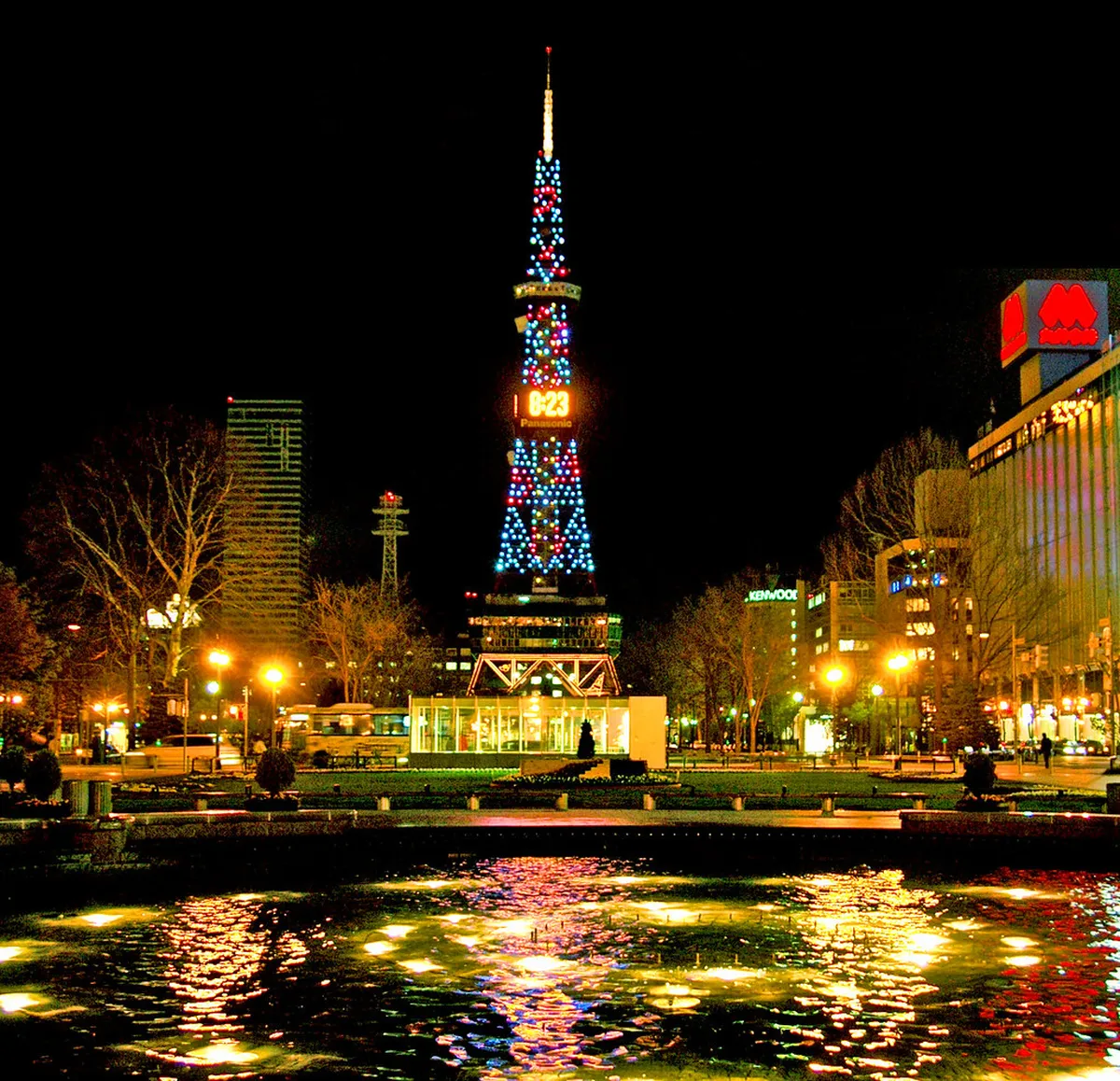
Winter (December to February): Sapporo transforms into a winter wonderland, making it a prime destination for snow enthusiasts. The annual Sapporo Snow Festival (held in early February 2026 at Odori Park, Susukino, and Tsudome) is a major draw, featuring stunning snow and ice sculptures viewed by over 2 million visitors. Besides, you can enjoy skiing, snowboarding, and other winter sports at nearby resorts like Teine and Kokusai. Furthermore, the city's illuminations add a magical touch to the snowy landscapes. Average winter temperatures hover around -4 to -7 degrees C (19-25 degrees F). Don't forget to check out some Sapporo adventures!
Spring (March to May): As the snow melts, Sapporo awakens with vibrant colors. Cherry blossoms bloom in late April to early May, creating picturesque scenes in parks like Maruyama Park and Hokkaido Shrine. Although the weather can be unpredictable, it's generally mild and pleasant for outdoor activities with temperatures of 5-17 degrees C (41-63 degrees F). It's also less crowded compared to the peak winter season, making it a great time for sightseeing at Sapporo attractions. Additionally, the Sapporo Lilac Festival in May is a delightful cultural experience.
Summer (June to August): Summer in Sapporo is mild and comfortable, with average temperatures around 17-22 degrees C (63-72 degrees F). This season is perfect for exploring the city's green spaces, such as Odori Park and Moerenuma Park. In addition, the Sapporo Summer Festival offers various events, including beer gardens and traditional dances. The lavender fields in nearby Furano are also a must-see during this time. Consider taking advantage of the longer daylight hours to delve into local Sapporo culture.
Autumn (September to November): Autumn brings stunning foliage to Sapporo, with vibrant reds, oranges, and yellows painting the landscapes. Peak foliage occurs around mid-October. This season is ideal for hiking and enjoying the natural beauty of places like Jozankei Onsen. The Sapporo Autumn Fest is another highlight, showcasing local cuisine and produce. As well as that, the pleasant temperatures of 8-18 degrees C (46-64 degrees F) make it a great time for exploring the city's Sapporo landmarks without the summer crowds.
5. How Many Days in Sapporo is Ideal
Deciding how many days to spend in Sapporo depends largely on your interests and the time of year you visit. For a comprehensive experience of Sapporo's main attractions and culinary delights, 3 to 4 days is typically sufficient. However, if you plan to explore the surrounding areas or attend specific festivals, a longer stay of 5 days is more rewarding.
A shorter trip of 2 days can cover the essentials, such as Odori Park, the Sapporo Beer Garden, and perhaps a quick visit to the Sapporo TV Tower. Nevertheless, extending your stay to 4 or 5 days allows for day trips to nearby destinations like Otaru, known for its charming canal and glasswork, or even a venture to Lake Toya and Noboribetsu for hot springs. In summary, consider your personal preferences and the breadth of experiences you wish to have when planning your Sapporo itinerary.
Also, depending on the season, there are different things to consider. For example, during the Sapporo Snow Festival in February, you might want an extra day to fully enjoy the event. On the other hand, if you are visiting in the summer, you may want to spend an extra day hiking or exploring the natural beauty surrounding Sapporo. Ultimately, the ideal length of your stay depends on what you want to get out of your trip.
Don't forget to explore things to do in Sapporo for inspiration! Plus, for unique local Sapporo experiences or Sapporo adventures, there are options to suit every traveler's taste. Also, you could explore local Sapporo culture for a deeper understanding of the region.
To make the most of your trip, consider checking out our guides on Sapporo highlights and Sapporo activities. Also, do not miss out on the top Sapporo attractions. With careful planning, you can create a memorable and fulfilling Sapporo itinerary.
Sapporo Budget Breakdown for 2026
Understanding how much a trip to Sapporo will cost helps you plan smarter. Below is a realistic daily budget breakdown for 2026, based on three traveler profiles. All prices are approximate and in Japanese yen with USD equivalents.
Budget Traveler: 8,500-10,000 yen ($58-$68 USD) per day
- Accommodation: Capsule hotel or hostel — 3,500-5,000 yen ($24-$34)
- Food: Convenience store breakfasts, ramen lunches, gyudon dinners — 2,500-3,000 yen ($17-$20)
- Transport: Subway day pass — 520-830 yen ($3.55-$5.70)
- Activities: Free attractions (Odori Park, Hokkaido University campus, Nijo Market strolling) plus one paid entry — 500-1,000 yen ($3.40-$6.85)
Mid-Range Traveler: 18,000-22,000 yen ($123-$150 USD) per day
- Accommodation: Business hotel or mid-range hotel — 8,000-12,000 yen ($55-$82)
- Food: Mix of casual restaurants and one upscale meal — 5,000-6,000 yen ($34-$41)
- Transport: Subway + occasional taxi — 1,500-2,000 yen ($10-$14)
- Activities: 2-3 paid attractions (Beer Museum, Shiroi Koibito Park, Mt. Moiwa Ropeway) — 2,500-3,000 yen ($17-$20)
Luxury Traveler: 35,000-50,000 yen ($240-$342 USD) per day
- Accommodation: Premium hotel near Odori Park — 20,000-30,000 yen ($137-$205)
- Food: Fine dining, kaiseki meals, sushi omakase — 10,000-12,000 yen ($68-$82)
- Transport: Taxi and private transfers — 3,000-5,000 yen ($20-$34)
- Activities: Premium tours, private guides, onsen packages — 5,000-8,000 yen ($34-$55)
| Option | Cost | Time | Notes |
|---|---|---|---|
| JR Rapid Airport train | ¥1,150 (reserved seat) | 36 min | Every 15 min; fastest option |
| Airport bus | ¥1,100 | 70–80 min | Multiple hotel stops; slower in traffic |
| Taxi | ~¥15,000 | ~50 min | Best for groups of 3–4 splitting fare |
Pro tip: Many of Sapporo's top attractions are free, including Odori Park, Hokkaido University's beautiful campus, and the Former Hokkaido Government Office Building. Budget travelers can easily enjoy Sapporo without spending much on admission fees.
Day 1: Explore Sapporo's City Center
Morning Activities
Begin your Sapporo itinerary by immersing yourself in the heart of the city. Start with a visit to Odori Park, a green oasis stretching 1.5 kilometers through the city center. Depending on the time of year, you might catch a seasonal festival or enjoy the vibrant flower beds. From there, make your way to the Sapporo TV Tower (admission: 1,000 yen / $6.85 USD, open 9:00-22:00), an iconic landmark offering panoramic views of the city and the surrounding landscape. It's a fantastic way to get your bearings and appreciate Sapporo's urban layout. Nearby, take a quick look at the Sapporo Clock Tower (admission: 200 yen / $1.35 USD, open 8:45-17:10), one of the city's most photographed landmarks and a symbol of Sapporo's Meiji-era heritage.
Midday Exploration & Lunch
After soaking in the views from the TV Tower, head towards Nijo Market (open daily 7:00-18:00, free entry), a bustling marketplace known as "Sapporo's Kitchen." Here, you can sample fresh seafood, local produce, and various Hokkaido delicacies. A satisfying seafood bowl (kaisendon) costs around 1,500-2,500 yen ($10-$17 USD). Afterwards, stroll through the nearby Tanukikoji Shopping Street, a historic covered arcade stretching over one kilometer, filled with shops selling souvenirs, clothing, and local crafts. It's an excellent spot to pick up unique gifts and experience the local shopping culture. For more local experiences, check out Sapporo experiences.
Afternoon Adventures
In the afternoon, delve into Sapporo's cultural side with a visit to the Sapporo Beer Garden and Museum (museum entry is free; beer tasting sets from 400-800 yen / $2.75-$5.50 USD, open 11:00-20:00). Learn about the history of Sapporo Beer and its impact on the city while enjoying a tasting session of their renowned brews. The museum provides an engaging look into the brewing process and the brand's evolution. After your beer adventure, take a relaxing walk through the adjacent garden, perfect for unwinding and enjoying the scenery. Alternatively, explore some Sapporo adventures for outdoor activities.
Evening Experiences
As evening approaches, experience Sapporo's vibrant nightlife. Begin with a visit to Susukino, one of Japan's largest entertainment districts. Indulge in a delicious dinner at one of the numerous restaurants offering everything from Hokkaido miso ramen (around 900-1,200 yen / $6-$8 USD) to fresh seafood. For a quintessential Sapporo experience, try Ramen Alley (Ramen Yokocho), a narrow lane lined with 17 ramen shops that has been serving visitors since 1951. Following dinner, explore the vibrant streets filled with bars, karaoke lounges, and entertainment venues. For those interested in experiencing the local nightlife, be sure to check out the Sapporo nightlife scene.
Insider Tips & Final Thoughts
When exploring Sapporo, consider purchasing a Donichika Ticket (520 yen) on weekends or the standard subway day pass (830 yen) on weekdays for convenient access to public transportation. Be sure to try the local ramen, especially the miso ramen, a Sapporo specialty. Also, keep an eye out for seasonal events and festivals that can enhance your experience. Remember to check things to do in Sapporo for updated attractions. Enjoy your time exploring Sapporo's city center!
Day 2: Discovering Sapporo's Surroundings
Morning Activities
Begin your second day in Sapporo by venturing beyond the city center to explore the region's natural beauty. A visit to the Sapporo Art Park (admission: free for outdoor areas; 600 yen / $4.10 USD for the indoor sculpture gallery, open 9:45-17:00) is an excellent way to start your day. This expansive park combines art installations with the natural landscape, offering a unique cultural experience. Moreover, you can explore various sculptures and craft workshops available throughout the park. Allocate at least two to three hours to fully appreciate this artistic haven. Take the subway to Makomanai Station, then bus #12 (about 15 minutes).
Midday Exploration & Lunch
After immersing yourself in art, head towards the Shiroi Koibito Park (admission: 800 yen / $5.50 USD, open 10:00-17:00), a confectionery theme park dedicated to the famous Shiroi Koibito cookies. This delightful destination offers more than just sweets; it provides insights into the cookie-making process and features beautiful gardens and charming European-style buildings. Enjoy lunch at the park's cafe, savoring delicious pastries and light meals. Take the Tozai subway line to Miyanosawa Station, then walk 7 minutes.
Afternoon Adventures
In the afternoon, take the JR train to Otaru (about 45 minutes, 750 yen / $5.15 USD one-way), a charming port town located a short distance from Sapporo. Otaru is famous for its beautifully preserved canal area, glassworks, and seafood. Walk along the canal, visit the Otaru Music Box Museum (free entry), and explore the local craft shops along Sakaimachi Street. Don't miss the chance to try fresh seafood at Otaru's vibrant seafood market — a plate of fresh sushi runs about 1,500-3,000 yen ($10-$20 USD). Additionally, Otaru provides a picturesque escape from the city, showcasing Hokkaido's coastal charm and rich maritime history.
Evening Experiences
As the day winds down, return to Sapporo and experience its vibrant nightlife. Head to Susukino, Sapporo's entertainment district, known for its wide array of restaurants, bars, and entertainment venues. Choose from various dining options, from traditional Japanese cuisine to international flavors. Alternatively, explore Sapporo's nightlife with a guided tour. The bustling atmosphere of Susukino offers a memorable end to your day of exploration.
Insider Tips & Final Thoughts
When planning your trip to Otaru, consider visiting during the Otaru Snow Light Path Festival in February for a magical winter experience. Also, be sure to check the operating hours and admission fees for Sapporo Art Park and Shiroi Koibito Park in advance. For more information on local experiences, discover more adventures in Sapporo. Moreover, remember to wear comfortable shoes for walking around Otaru and the parks.
Day 3: Culture, Views, and Farewell
Morning Activities: Exploring Historical Hokkaido
Begin your third day by delving into the rich history and culture of Hokkaido. A visit to the Historical Village of Hokkaido (admission: 800 yen / $5.50 USD, open 9:00-16:30, closed Mondays) is an absolute must. This open-air museum transports you back in time, showcasing over 50 well-preserved buildings from the Meiji and Taisho eras. Wander through streets lined with traditional shops, farmhouses, and public buildings, experiencing firsthand what life was like in early Hokkaido. Take JR to Shinrinkoen Station (about 20 minutes from Sapporo Station), then walk 10 minutes. Don't forget your camera, as photo opportunities abound at every corner.
Midday Exploration & Lunch: Ainu Culture Immersion
After exploring Hokkaido's general history, dedicate your midday to learning about the indigenous Ainu people. Consider exploring exhibits at the Sapporo Art Park, which sometimes features Ainu art and cultural displays. For a deeper Ainu cultural experience, the Upopoy National Ainu Museum in Shiraoi (about 1 hour by train from Sapporo, admission 1,200 yen / $8.20 USD) is an exceptional day trip option. For lunch, seek out a restaurant that features local Hokkaido cuisine, using traditional ingredients. Many restaurants offer dishes that incorporate Ainu culinary influences, allowing you to taste a bit of their heritage.
Afternoon Adventures: Mt. Moiwa Panoramic Views
In the afternoon, head to Mt. Moiwa for some of the best panoramic views of Sapporo. The Mt. Moiwa Ropeway (round trip: 2,100 yen / $14.40 USD, open 10:30-22:00 in summer, 11:00-22:00 in winter) takes you to the summit at 531 meters, where a 360-degree observation deck offers sweeping views over Sapporo's cityscape, the Ishikari Plain, and the Sea of Japan. The ride consists of a ropeway to a mid-station, then a mini cable car to the summit. Time your visit for sunset — Mt. Moiwa is designated as one of Japan's "New Three Major Night Views," and the illuminated city below is spectacular. Take the streetcar to Ropeway-Iriguchi stop, then walk 5 minutes to the base station.
Evening Experiences: Local Cuisine and Nightlife
As evening approaches, indulge in Sapporo's renowned culinary scene. Explore Susukino and discover a plethora of dining options ranging from cozy ramen shops to sophisticated seafood restaurants. Try local specialties like Jingisukan (grilled mutton, from 1,500-3,000 yen / $10-$20 USD per person at popular spots like Daruma) or Sapporo miso ramen. After dinner, consider experiencing Sapporo's nightlife. From traditional izakayas to modern bars, Susukino offers something for every taste. Exploring the local nightlife in Sapporo promises an unforgettable cultural immersion.
Insider Tips & Final Thoughts
Check event schedules — Sapporo hosts numerous cultural festivals throughout the year. See if your visit coincides with any local celebrations for a more immersive experience. Explore local markets and visit Nijo Market for a taste of local produce and seafood. Use public transportation and utilize Sapporo's efficient subway and bus system to easily navigate between cultural attractions.
For more, discover other great things to do in Sapporo and exciting Sapporo activities. Moreover, explore Sapporo's cultural activities for the best experience. Immersing yourself in Sapporo's culture offers a deep appreciation for this dynamic city and its people.
Day 4: Venture Out to Lake Toya and Noboribetsu (5-Day Itinerary)
Morning Activities: Journey to Lake Toya
Start your fourth day with an early departure from Sapporo towards the stunning Lake Toya. Take the JR limited express from Sapporo Station to Toya Station (about 1 hour 45 minutes, 5,500 yen / $37.60 USD one-way, covered by JR Pass). Lake Toya is a caldera lake, known for its crystal-clear waters and the volcanic island in its center. Upon arrival, take a relaxing stroll along the lakeside, breathing in the fresh air and soaking in the serene atmosphere. The Lake Toya Visitor Center and Volcano Science Museum (admission: 600 yen / $4.10 USD, open 9:00-17:00) offers excellent context about the 2000 eruption of Mt. Usu.
Midday Exploration & Lunch: Lakeside Views and Local Cuisine
For lunch, indulge in some local Hokkaido cuisine at one of the lakeside restaurants. Many establishments offer dishes featuring fresh seafood and locally sourced ingredients. After lunch, take a boat tour on Lake Toya (1,500 yen / $10.25 USD, departing every 30 minutes, April-October) to get a closer look at Nakajima Island and the surrounding volcanic landscape. The boat tours provide informative commentary about the lake's history and geology. Alternatively, rent a bicycle and ride around the lake's scenic 36-kilometer perimeter trail.
Afternoon Adventures: Venturing to Noboribetsu's Hell Valley
In the afternoon, continue your journey to Noboribetsu (about 40 minutes by bus from Lake Toya), famous for its hot springs and Jigokudani (Hell Valley). This volcanic valley is free to explore and is a spectacular sight, with steaming vents, sulfurous fumes, and bubbling hot springs. Explore the walking trails around Hell Valley (open 24 hours), marveling at the otherworldly landscape. Be sure to visit the Oyunuma Pond and its natural foot bath where you can relax and enjoy the therapeutic waters — completely free. This unique experience offers a glimpse into the volcanic activity that shapes Hokkaido's landscape.
Evening Experiences: Relaxing in Noboribetsu's Onsen
As evening approaches, treat yourself to a traditional Japanese onsen (hot spring) experience in Noboribetsu. Many hotels and ryokans offer onsen facilities with various types of mineral-rich waters. Day-use onsen rates typically start at 1,000-2,000 yen ($6.85-$13.70 USD). Soaking in the hot springs is the perfect way to unwind after a day of exploration. Enjoy a delicious Japanese dinner at your accommodation, savoring local specialties and reflecting on the day's adventures. Experiencing an onsen is a must for any Sapporo itinerary and gives a true glimpse into Japanese culture.
Insider Tips & Final Thoughts
When visiting Lake Toya and Noboribetsu, remember to check the weather forecast and dress accordingly. Comfortable walking shoes are essential for exploring the trails around Hell Valley. Public transportation options are available, but renting a car provides more flexibility. Also, consider purchasing a combination ticket that covers transportation and entrance fees to various attractions for cost savings.
Consider booking accommodations with onsen facilities in advance, especially during peak season. Don't forget to bring a small towel for use at the onsen. Embrace the opportunity to experience the natural beauty and therapeutic benefits of these unique destinations. For more adventurous travelers, checking out Sapporo adventures could add even more value.
Day 5: A Journey Through Time and Taste (5-Day Itinerary)
Morning Activities: Hokkaido Historical Village
Begin your final day in Sapporo with a step back in time at the Hokkaido Historical Village (Kaitaku Mura). This open-air museum recreates life in Hokkaido during the Meiji and Taisho eras, offering a fascinating glimpse into the region's pioneering past. Wander through meticulously reconstructed buildings, from farmhouses to shops, and witness how early settlers lived. It's an immersive experience that provides a deep appreciation for Hokkaido's unique heritage. As you explore, keep an eye out for demonstrations of traditional crafts and activities, which bring the history to life.
Midday Exploration & Lunch: Sapporo Beer Garden
After immersing yourself in history, it's time to indulge in a quintessential Sapporo experience: the Sapporo Beer Garden. Located next to the Sapporo Beer Museum, this is the perfect place to enjoy a delicious lunch paired with freshly brewed Sapporo beer. The Beer Garden offers a variety of dining options, including the popular Genghis Khan (Jingisukan) all-you-can-eat lamb and beer packages starting at around 4,000-5,000 yen ($27-$34 USD). Savor the flavors of Hokkaido while soaking in the vibrant atmosphere. For more insight into Sapporo's culture, consider exploring additional cultural experiences.
Afternoon Adventures: Shiroi Koibito Park
In the afternoon, venture to Shiroi Koibito Park, a whimsical chocolate factory and theme park dedicated to Hokkaido's famous Shiroi Koibito cookies. Tour the factory to see how these delicate treats are made, then explore the charming grounds, complete with beautiful gardens and a delightful chocolate lounge. It's a fantastic place for both adults and children, offering interactive exhibits and sweet treats at every turn. Be sure to try the soft-serve ice cream — it's a local favorite. Before heading back, be sure to explore other things to do in Sapporo to get the most of your day.
Evening Experiences: Dinner in Susukino & Nightlife
As your Sapporo itinerary comes to a close, experience Sapporo's vibrant nightlife in the Susukino district. This entertainment district offers a plethora of dining options, from traditional ramen shops to upscale restaurants. After dinner, explore the lively streets, sample local sake, and soak in the energetic atmosphere. Whether you're looking for a cozy bar or a karaoke session, Susukino has something for everyone. Don't miss the opportunity to experience the unique nightlife in Sapporo. After that, you can head back and prepare for your departure the next day.
Insider Tips & Final Thoughts
To maximize your experience, remember to check the opening hours of the Hokkaido Historical Village and Shiroi Koibito Park in advance. Public transportation is efficient, but consider a taxi for late-night travel in Susukino. Be sure to try local specialties like miso ramen and Jingisukan for an authentic culinary experience. Finally, don't forget to purchase some Shiroi Koibito cookies as souvenirs for friends and family. Also remember to explore Sapporo attractions to discover hidden gems around the city. With its rich history, delicious food, and vibrant nightlife, Sapporo offers a truly unforgettable travel experience.
Frequently Asked Questions About Visiting Sapporo
Is 3 days enough for Sapporo?
Yes, 3 days is enough to see Sapporo's core highlights, including Odori Park, the Sapporo Beer Museum, Nijo Market, Susukino nightlife, and a day trip to Otaru. However, if you want to explore further destinations like Lake Toya, Noboribetsu hot springs, or attend the Snow Festival, consider extending to 4 or 5 days. Most first-time visitors find that 3 days provides a satisfying overview of the city's food, culture, and attractions.
What is the best month to visit Sapporo?
The best month depends on your interests. February is ideal for the Sapporo Snow Festival and winter sports. Late April to early May is perfect for cherry blossoms. July and August offer mild summer weather and the Sapporo Summer Festival with outdoor beer gardens. Mid-October delivers stunning autumn foliage, especially at Jozankei Onsen. Each season offers a distinct Sapporo experience.
How much does a trip to Sapporo cost per day?
Budget travelers can manage on approximately 8,500-10,000 yen ($58-$68 USD) per day using hostels, convenience store meals, and the subway day pass. Mid-range travelers should expect 18,000-22,000 yen ($123-$150 USD) per day including a business hotel, restaurant meals, and paid attractions. Luxury travelers typically spend 35,000-50,000 yen ($240-$342 USD) per day for premium hotels and fine dining. Many top attractions in Sapporo are free, which helps keep costs down.
Do I need a Japan Rail Pass for Sapporo?
A nationwide Japan Rail Pass is worthwhile if you are combining Sapporo with other cities like Tokyo, Osaka, or Kyoto. For travel within Hokkaido only, consider the Hokkaido Rail Pass (5-day flexible pass: approximately 20,000 yen / $137 USD), which covers JR trains across the island, including routes to Otaru, Noboribetsu, and Lake Toya. For getting around Sapporo city itself, the subway day pass is more practical than a rail pass.
What food must I try in Sapporo?
Sapporo is a food paradise. The must-try dishes include Sapporo miso ramen (the city's signature dish, from 900 yen), Jingisukan (grilled lamb, a Hokkaido specialty), fresh seafood at Nijo Market (especially uni, crab, and ikura), soup curry (a Sapporo original), and Shiroi Koibito cookies (the perfect souvenir). For drinks, sample fresh Sapporo Classic beer, which is only available in Hokkaido, and Yubari melon soft-serve ice cream in summer.
Is Sapporo safe for solo travelers?
Sapporo is extremely safe for solo travelers, including solo female travelers. Japan consistently ranks among the safest countries in the world, and Sapporo is no exception. The city's public transportation runs reliably until around 24:00, streets are well-lit, and violent crime is exceptionally rare. English signage is available at most major stations and tourist areas, and locals are generally helpful even with a language barrier. Solo travelers will find Sapporo's ramen shops, izakayas, and attractions very welcoming.
What is the easiest way to get from New Chitose Airport to Sapporo?
The easiest and fastest option is the JR Rapid Airport train, which departs every 15 minutes from the airport's underground station and arrives at Sapporo Station in 36 minutes. A reserved seat costs 1,150 yen ($8 USD). You can pay with an IC card or purchase tickets at the station. Airport buses are slightly cheaper (1,100 yen) but take 70-80 minutes. Taxis cost approximately 15,000 yen ($103 USD) and are only recommended for groups of 3-4 splitting the fare.
Sapporo offers a unique blend of urban excitement and natural beauty, making it a must-visit destination in Japan. With this detailed Sapporo itinerary for 2026, you're well-equipped to explore the city's highlights and hidden gems. Whether you choose a 3-day or 5-day trip, Sapporo promises unforgettable food, culture, and scenery. Start planning your Sapporo adventure today!
Free: The Sapporo Essentials guide
Top things to do, where to stay, a perfect day plan, getting around, and the best time to go — a Sapporo mini-guide you can take offline.
You might also like
Continue reading
More guides you'll find useful


