The Former Hokkaido Government Office stands as a powerful symbol of Sapporo’s early growth and modern identity. Visitors often call this stunning red brick building ‘Akarenga’ due to its distinct and colorful exterior walls. In 2026, after a major restoration ending in late 2025, the site offers a fresh look at the island’s rich history. Travelers can now explore the grand halls and learn about the pioneers who shaped this northern frontier.
This historic landmark serves as a bridge between the Meiji era and the vibrant city life of modern Sapporo today. Located just a short walk from the main train station, it remains one of the most accessible cultural sites in Japan. The building showcases a unique blend of Western architecture and local Japanese craftsmanship. Every brick tells a story of the ambitious development projects that transformed Hokkaido into a thriving agricultural and industrial hub.
Planning a visit requires understanding the recent updates to the facilities and the various exhibits available inside. This former hokkaido government office visitor guide provides everything you need for a smooth and educational experience. It covers the Sapporo Red Brick Office, not the Old Hakodate Branch Office in Motomachi, so travelers should confirm they are navigating to central Sapporo before saving maps or tours. From architectural secrets to the best seasonal photo spots, we cover the essential details for every traveler. Discover why this iconic structure remains a must-see destination for history buffs and casual tourists alike.
Essential History of the Red Brick Office
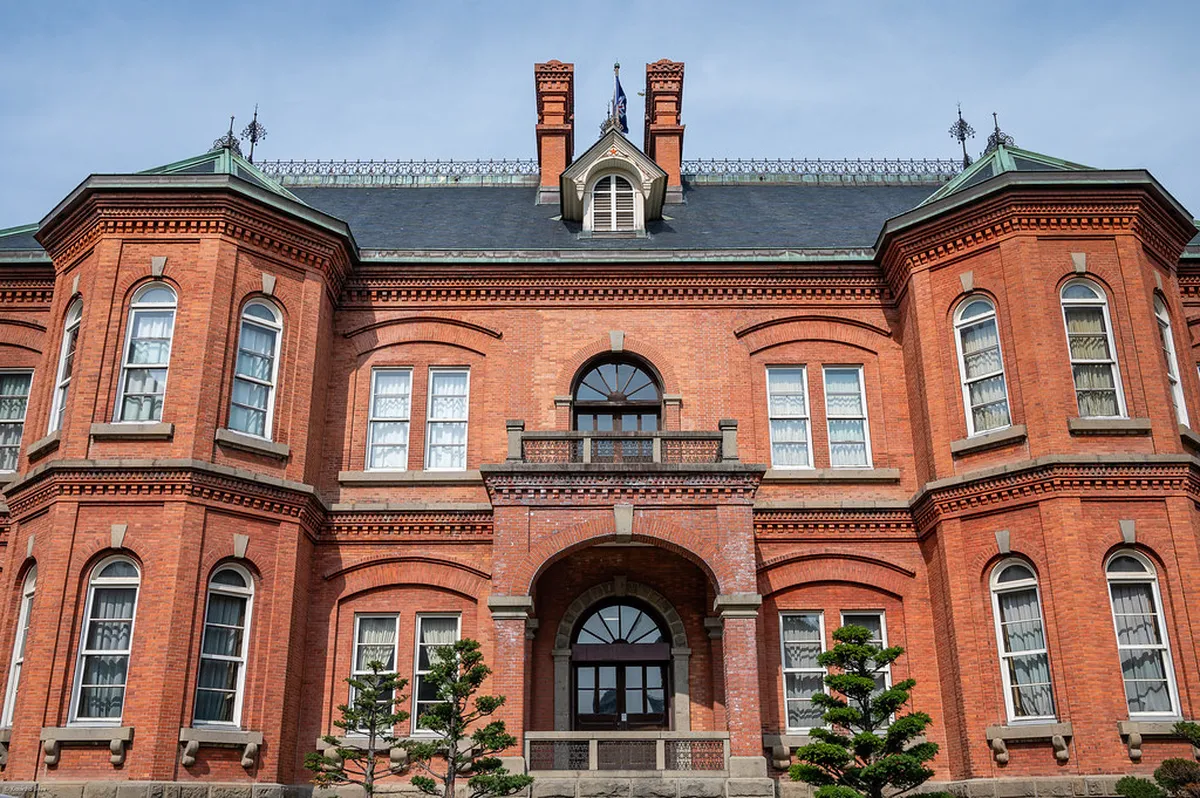
Construction of this grand administrative center finished in 1888 to serve the growing Hokkaido Development Commission. The commission focused on modernizing the island and managing its vast natural resources during the Meiji Period. Architects designed the building to withstand the harsh northern winters while projecting a sense of national strength. It functioned as the primary seat of local government for nearly eighty years before moving to a newer facility.
The red star emblem found on the exterior walls represents the guiding light of the northern pioneers. This symbol appears frequently throughout the city and links the building to other historic sites like the Sapporo Beer Museum nearby. Understanding this iconography helps visitors appreciate the deep connection between the building and the city's overall development. The star served as a beacon for those working to build a new life in the wilderness.
A devastating fire in 1909 destroyed much of the interior, but the sturdy brick shell remained largely intact. Local authorities quickly restored the structure to its original glory using high-quality materials from the surrounding region. You can see the resilience of the early settlers in the careful preservation of these historic walls. Today, it stands as a designated Important Cultural Property that attracts thousands of international visitors annually.
Architectural Highlights: American Neo-Baroque Style
The building features a striking American Neo-Baroque design that was quite rare in Japan during the late nineteenth century. Its symmetrical facade and central octagonal dome draw inspiration from government buildings found in the United States. Builders used approximately 2.5 million locally made bricks to create the thick, insulating walls. This specific style reflects the global influences that shaped Japanese modernization during the transition to a modern state.
One unique detail often missed by casual observers is the presence of original warped glass in the window frames. Meiji-era craftsmen produced this glass using traditional methods that left subtle waves and imperfections in the surface. These windows create a beautiful shimmering effect when the afternoon sun hits the front of the building. Such delicate features provide a direct tactile link to the artistic standards of the late 1800s.
The interior design includes functional beauty such as heavy double doors designed to trap heat during the freezing winter months. These doors highlight the practical challenges faced by government officials working in the sub-arctic climate of northern Japan. Elegant wooden staircases and high ceilings add a sense of prestige to the hallways and meeting rooms. Every architectural choice served to balance the needs of a working office with the dignity of a government headquarters.
Key Exhibits: Ainu Culture and Hokkaido's Development

The first and second floors house a comprehensive museum dedicated to Hokkaido's development, the history of the Ainu people, and the Sakhalin region. Exhibits display traditional clothing, hunting tools, historical documents, maps, photos, and ceremonial items that illustrate the rich heritage of the indigenous population. Detailed maps show the changing borders and territories of northern Japan over the last two centuries. These displays offer a necessary perspective on the cultural diversity that exists within the island's history.
Another section of the building focuses on the technical achievements of the Hokkaido Development Commission during the Meiji era. You can view early surveying equipment, agricultural tools, and detailed models of the first steam locomotives used on the island. These artifacts demonstrate the rapid pace of technological change that occurred within just a few decades. For a broader look at this era, consider visiting the Historical Village of Hokkaido to see relocated period buildings.
Informational panels provide context for the various documents and treaties signed within these historic walls. While many primary displays use Japanese text, the facility offers helpful pamphlets in English, Chinese, and Thai. Volunteer guides can add useful context if you want more than the room labels provide, especially around the building's construction and government history. Digital displays and QR codes now provide additional translations for international guests following the recent renovations. These upgrades ensure that all visitors can fully grasp the complex political and social history of the region.
Exploring the Governor’s Former Office and Interior Rooms
The Governor's formal office remains the most impressive room within the entire structure due to its ornate decorations. Rich carpets and heavy velvet curtains recreate the atmosphere of a high-ranking official's workspace from a century ago. Large windows provide a clear view of the gardens, allowing the governor to oversee the city's progress. This room serves as a reminder of the centralized power that once managed all aspects of island life.
The grand entrance hall features a magnificent three-section arch that greets every visitor with a sense of scale. Polished wooden floors and intricate plasterwork on the ceilings showcase the high level of skill possessed by local artisans. Many travelers stop here to take photos of the symmetrical staircase that leads to the upper galleries. The hall often hosts small temporary exhibits or seasonal displays related to local Sapporo culture.
Memorial rooms throughout the building preserve the personal effects and letters of the early leaders who founded the city. These intimate displays humanize the history of the development commission by focusing on individual stories and struggles. You can see the handwritten notes and official seals that once authorized the construction of the city's first roads. Walking through these quiet spaces allows for a deeper reflection on the passage of time.
The Surrounding Gardens and Akarenga Terrace
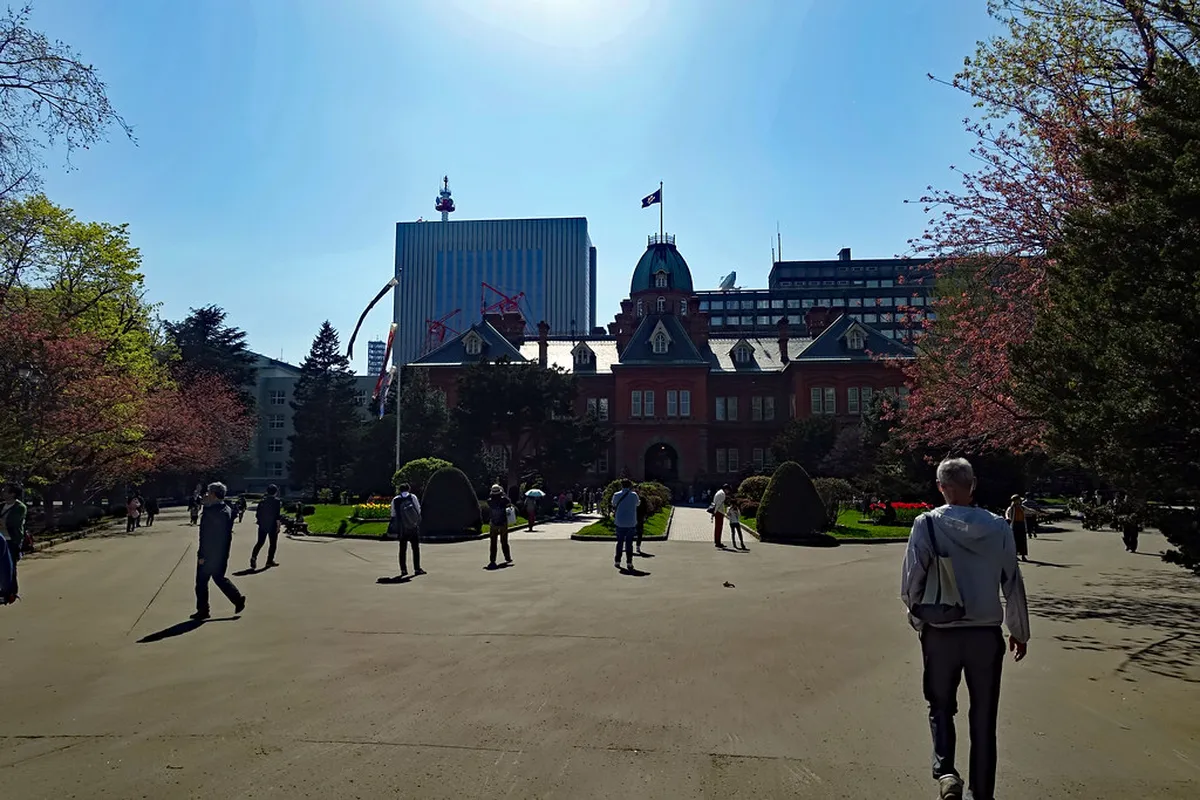
The front gardens provide a peaceful escape from the busy streets of the surrounding business district. Landscapers maintain a variety of seasonal flowers that bloom throughout the spring and summer months. Large ponds and ancient trees create a natural frame for the red brick building, making it a favorite spot for photographers. This green space connects the historic site to the nearby Odori Park, forming a continuous path for walkers.
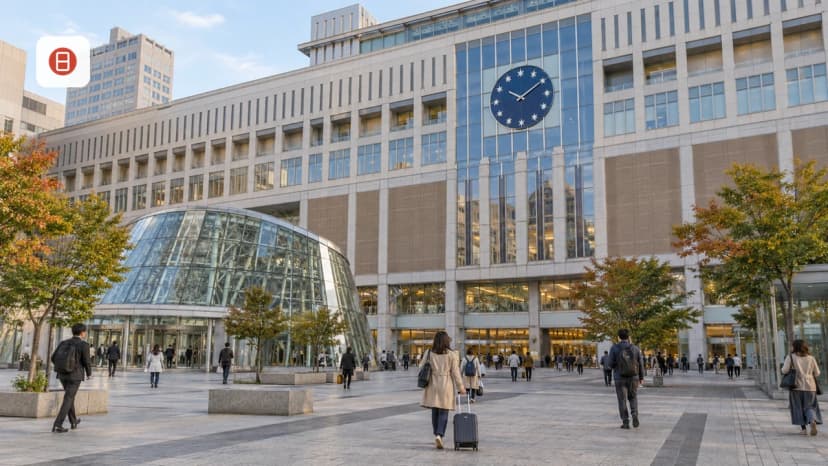
Directly across from the historic site sits the modern Akarenga Terrace shopping and dining complex. This facility offers a wide range of local restaurants that serve famous Hokkaido specialties like soup curry and fresh seafood. The terrace also features an outdoor seating area with a perfect view of the Former Government Office. It is an ideal place to rest and grab a meal after exploring the museum exhibits.
Visitors can find unique souvenirs and locally made crafts within the shops at the terrace building. Many of these items feature the red brick motif or the iconic northern star symbol. The contrast between the 19th-century office and the sleek modern mall highlights the city's successful urban planning. Enjoying a coffee while looking at the historic facade offers a relaxing way to end your morning tour.
- Best exterior photo spot: stand on the Kita Sanjo Dori approach so the red brick facade fills the end of the street.
- Best interior photo spot: use the three-section arch and main staircase in the entrance hall when crowds are light.
- Best seasonal photo spot: frame the building with spring flowers, autumn ginkgo leaves, or the winter snowbanks around Akarenga Terrace.
Practical Visitor Info: Hours, Admission, and Access
Entry to the Former Hokkaido Government Office is completely free, including the permanent museum exhibits and the surrounding gardens. The building is an 8-minute walk west of JR Sapporo Station. Arrive right at 9:00 AM for the quietest photography experience before tour groups arrive.
Visiting the Red Brick Office is remarkably easy for anyone staying in the downtown area. Entry remains free for all guests, making it one of the best budget-friendly activities in the city. You should check the Official Sapporo Tourism site for any temporary closures due to local events. Most travelers spend about one hour exploring the interior and the surrounding grounds.
The facility is open daily except during the traditional New Year holiday period in late December. During peak tourist seasons, the entrance hall can become quite crowded with tour groups. Arriving right when the doors open at 9:00 AM usually provides the quietest experience for photography. Staff members are generally available near the entrance to answer basic questions about the layout of the floors.
For transit, the simplest route is to walk west from JR Sapporo Station toward the end of Kita Sanjo Dori until the red brick facade appears ahead. Odori Station also works well if you are pairing the visit with Odori Park or the Sapporo TV Tower. Avoid routing to Hakodate by mistake, since search results sometimes surface a similarly named former branch office in a different city.
Do not confuse the Sapporo Akarenga with the Old Hakodate Branch Office of the Hokkaido Government in Hakodate — they are different buildings in different cities. Always navigate to Kita 3-jo Nishi 6-chome in central Sapporo.
- Standard Operating Hours
- Open: 9:00 AM
- Close: 5:00 PM
- Last entry: 4:30 PM
- Closed: Dec 29 - Jan 3
- Admission and Entry Fees
- General entry: Free
- Special exhibits: Free
- Guided tours: Optional fees
- Brochures: Complimentary
- Getting to the Office
- From Sapporo Station: 8-minute walk
- Subway line: Namboku Line
- Exit: Exit 10
- Location: Kita 3-jo Nishi 6-chome
Guided Tour Options and Ticket Information
While self-guided visits are the most common choice, taking a tour can reveal many hidden details. Volunteer guides often wait in the lobby to offer short, informative walks through the main rooms. These locals share personal stories and historical anecdotes that you might not find on the informational panels. It is a great way to support the local community while gaining expert knowledge about the site.
For those who prefer a more structured experience, professional tour companies offer combined packages that include the office and other landmarks. These longer tours often visit the Sapporo TV Tower or local markets for a full city overview. Booking in advance is recommended if you require a guide with specific language skills beyond English. Always verify the current meeting points and cancellation policies before finalizing your reservation.
| Visit style | Best fit | Time to allow | Included | Watch for |
|---|---|---|---|---|
| Self-guided visit | First-time visitors on a short Sapporo itinerary | 45-60 minutes | Building, gardens, main exhibits, and photo stops | Less context if you skip the translated folders |
| Volunteer guided walk | Travelers who want local explanations without a fixed booking | 30-40 minutes | General history, room highlights, and architecture notes | Availability and language support can vary by day |
| Professional private tour | Visitors who want a deeper architecture or history focus | 90 minutes | Guided interpretation plus nearby historic sites | Confirm meeting point, cancellation policy, and included stops |
Accessibility and Family-Friendly Facilities
The recent 2025 renovation significantly improved the accessibility of this historic structure for all guests. Modern wheelchair ramps are now located at the side entrance to provide easy access to the ground floor, so wheelchair users should look for the accessible approach rather than the main front steps. An elevator has been installed to help visitors reach the second-floor exhibits without using the steep main staircase. These updates ensure that the building's history remains open to everyone regardless of their physical mobility.
Families traveling with young children will find the wide hallways and outdoor gardens very accommodating. Strollers are permitted inside the building, though some smaller exhibit rooms may feel a bit tight during busy hours. Public restrooms with baby-changing facilities are located near the rear of the first floor for convenience. The outdoor ponds often have ducks and fish that keep younger children entertained while parents take photos.
Clear signage throughout the facility helps visitors navigate the various rooms and find necessary amenities. Tactile paving and braille descriptions have been added to many of the primary exhibit areas for the visually impaired. If you need assistance, the staff at the information desk can provide wheelchairs for use within the building. These thoughtful touches make the Red Brick Office one of the most inclusive historic sites in northern Japan.
Best Time to Visit: Seasonal Scenery in Sapporo
Spring brings a burst of color to the grounds as the cherry blossoms and tulips begin to bloom. The pink petals create a soft contrast against the deep red of the brick walls in late April. This season offers mild temperatures that are perfect for walking between the different downtown attractions. You can often find local residents enjoying picnics in the small park area surrounding the building.
Autumn is perhaps the most popular time for photography due to the vibrant yellow ginkgo trees. The leaves typically turn a brilliant gold in October, creating a stunning visual display along the main approach. This natural beauty draws many artists and professional photographers who want to capture the classic Sapporo landscape. The cool, crisp air makes it comfortable to spend more time exploring the outdoor architectural details.
Winter transforms the site into a snowy wonderland that looks like a scene from a holiday card. During the evenings, the building is often illuminated with soft lights that highlight its unique silhouette against the white snow. While the interior remains warm and cozy, the gardens offer a quiet and magical atmosphere for a late afternoon walk. Be sure to wear sturdy shoes, as the pathways can become slippery during the peak winter months.
If your Sapporo schedule is tight, visit early in the morning for the quietest interiors or late afternoon for warmer light on the facade. The Red Brick Office is worth including even on a half-day downtown route because it sits between Sapporo Station, Odori Park, and major shopping streets. The most common mistake is treating it as only an exterior photo stop; allow enough time to see the exhibit rooms, translated folders, and restored Governor's Office.
First-Time Itinerary and Common Mistakes
First-time visitors should start outside on the Kita Sanjo Dori approach, take the classic facade photo, then enter through the main hall to see the arch, staircase, and restored rooms. After the museum exhibits, walk through the gardens and cross to Akarenga Terrace for lunch or coffee. This route keeps backtracking low and works well before continuing toward Odori Park, the Sapporo TV Tower, or the evening lights of Susukino.
- Do not confuse this Sapporo landmark with the Old Hakodate Branch Office of Hokkaido Government, which is in Hakodate.
- Do not arrive just before last entry if you want to read the museum panels and see the gardens without rushing.
- Do not skip the volunteer guides or translated folders if you want the building's Ainu culture, Sakhalin, and development history to make sense.
- Do not rely only on winter street shoes, because snow and ice can make the garden paths slippery.
Frequently Asked Questions
Is the Former Hokkaido Government Office open during the 2026 season?
Yes, the building is fully open to the public in 2026 following the completion of extensive renovations in 2025. Visitors can access all main floors and exhibit rooms during standard operating hours. It is a great time to see the restored brickwork and updated museum displays.
How much does it cost to enter the Red Brick Office?
Entry to the Former Hokkaido Government Office is completely free for all visitors. This includes access to the permanent museum exhibits and the surrounding gardens. You can also visit nearby spots like Nijo Market for a budget-friendly day of exploring Sapporo.
Can I take photos inside the historic building?
Photography is generally allowed in most public areas and the main hallways of the building. However, some specific museum exhibits may have restrictions on flash or tripod use to protect the artifacts. Always look for signage or ask a staff member before taking photos of sensitive documents.
How long should I spend at the Former Hokkaido Government Office?
Most visitors find that 45 to 60 minutes is enough time to see the major highlights and exhibits. If you are a history enthusiast or plan to take many photos, you might want to allow 90 minutes. This gives you plenty of time for the gardens and the interior rooms.
The Former Hokkaido Government Office remains a vital part of the city's cultural landscape and a testament to its pioneer spirit. Its unique architecture and rich museum exhibits provide a deep understanding of how this northern island evolved over time. Whether you visit for the history or the beautiful seasonal gardens, the Red Brick Office never fails to impress. Make sure to include this iconic landmark on your next trip to the heart of Sapporo.
With its recent renovations and improved accessibility, the site is more welcoming than ever for international travelers. The blend of historic charm and modern convenience makes it an essential stop for any visitor guide itinerary. You will leave with a greater appreciation for the craftsmanship and ambition of the Meiji era. Plan your visit today to experience one of Japan's most recognizable and significant government buildings.
For deeper Sapporo planning, see our Sapporo Highlights for itineraries, neighborhoods, and seasonal tips.