This 2026 historical village of hokkaido visitor guide is for travelers who want the practical details before they ride out to Sapporo's eastern suburbs.
The open-air museum in Sapporo preserves the frontier atmosphere of Hokkaido's Meiji, Taisho, and early Showa periods.
You can walk through more than fifty relocated or reconstructed buildings, from city shops and police boxes to herring mansions, farmhouses, and mountain work sites.
The village is large, seasonal, and more exposed to weather than many first-time visitors expect, so a little planning makes the difference between a rushed stop and a memorable half-day.
- Address: 50-1 Konopporo, Atsubetsu-cho, Atsubetsu-ku, Sapporo
- Time needed: 2-3 hours for a focused visit, 3-4 hours if you enter many buildings or ride the seasonal transport
- Main route: JR Sapporo Station to Shin-Sapporo Station, then JR Hokkaido Bus Route 22 to Kaitaku-no-Mura
- Best pairing: Hokkaido Museum and Nopporo Forest Park, especially if you use the combined ticket listed below
What is the Historical Village of Hokkaido?
The Historical Village of Hokkaido, known locally as Kaitaku no Mura, is an open-air museum inside Nopporo Forest Park.
Established in 1983, the site preserves buildings from the mid-nineteenth to mid-twentieth centuries, when the Hokkaido Development Commission and later settlers reshaped the island's towns, farms, fisheries, and forests.
It is not a single reconstructed street. The whole 54-hectare compound functions as an outdoor exhibit, with homes, shops, public offices, warehouses, and work buildings set into a landscape that shows how settlement spread across Hokkaido.
That scale is the main reason to treat the village as a half-day attraction rather than a quick museum stop. You are learning by walking, entering buildings, and seeing how people adapted architecture, heating, storage, and transport to a severe northern climate.
Exploring the Four Zones: Urban, Fishing, Farming, and Mountain
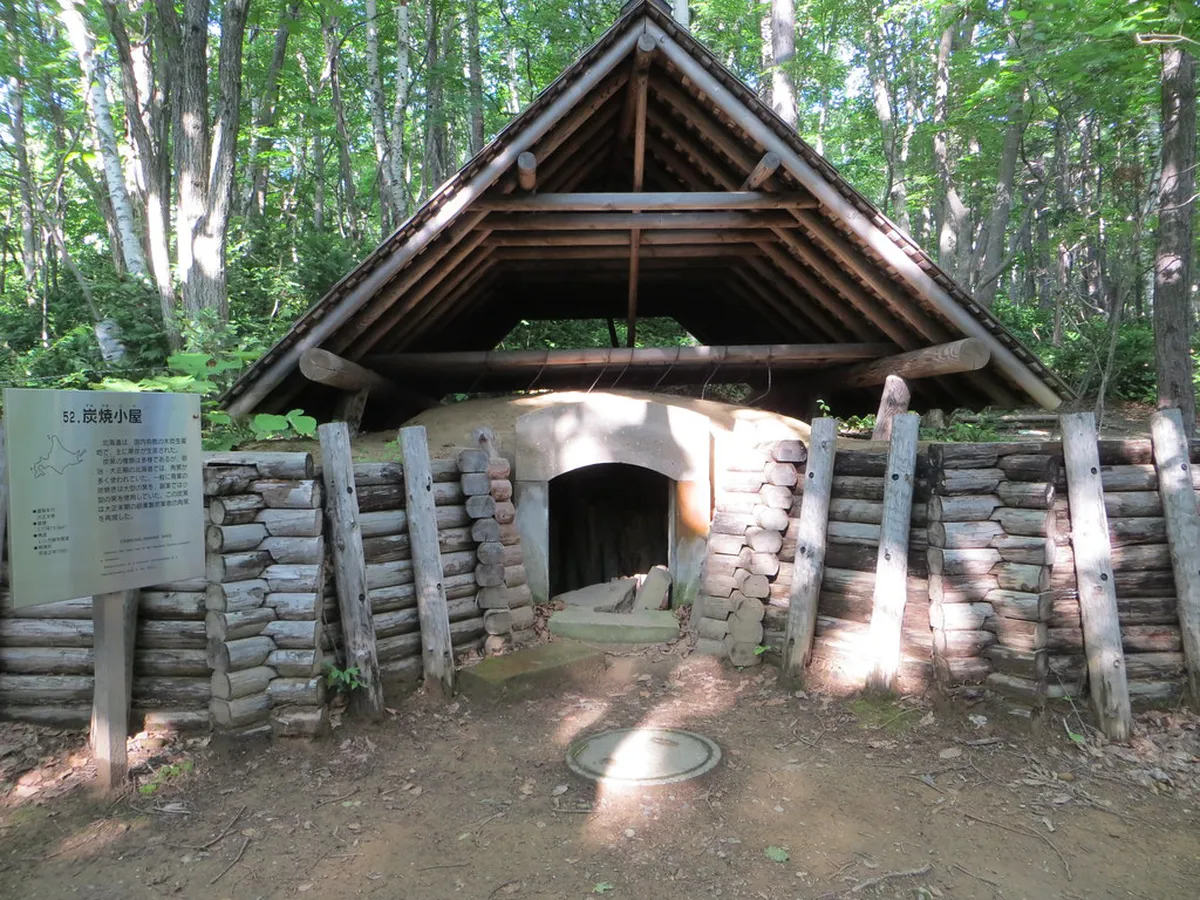
The museum is divided into four distinct areas: Urban, Fishing, Farming, and Mountain. Start with the Urban Zone if you want the easiest orientation, then choose the remaining zones based on your energy, weather, and interests.
Urban Zone
The Urban Zone serves as the main entrance area and gathers buildings connected with city life in Sapporo, Otaru, and other growing settlements. Look for the old station-style entrance, the newspaper office, the pharmacy, the candy shop, and administrative buildings that echo the former government style architecture seen in central Sapporo.
Fishing Zone
The Fishing Zone explains why the herring industry mattered so much to coastal Hokkaido. Large wooden houses, work spaces, and storage structures show the scale of seasonal labor, and the Former Aoyama Family Fisherman's House is one of the most memorable buildings for understanding how wealthy fishing families lived.
Farming Zone
The Farming Zone is the best place to understand pioneer domestic life. Houses, barns, and silos make the hardship of land reclamation easier to picture, especially in winter when snow piles around the wooden eaves.
Mountain Zone
The Mountain Zone is easy to skip when time is short, but it rounds out the story by showing forest work, logging, and remote settlement. It is the better choice for visitors who already know Hokkaido's city history and want to see how inland industries supported the frontier economy.
Fans of Golden Kamuy should allow extra time for the Fishing and Urban zones because several village buildings are often discussed as visual reference points for the manga and anime world. Treat that connection as a cultural bonus, not the only reason to visit; the stronger experience is seeing how those settings fit into real Hokkaido history.
Seasonal Activities: Horse-Drawn Trolleys and Sleds
One of the most popular features of the village is its traditional horse-drawn transportation. In the warmer season, a horse-drawn trolley runs along the main street; in snowy months, a horse-drawn sled may operate when conditions allow.
Check the Event Calendar before you go because rides, workshops, and seasonal programs can change with weather, snow cover, and maintenance.
| Season | Main experience | Planning note |
|---|---|---|
| Spring to autumn | Horse-drawn trolley and outdoor strolling | Best for first-time visitors who want easier walking, clear building access, and photos of the main street. |
| Winter | Horse-drawn sled and winter life displays | Best for atmosphere, snow scenes, and understanding how pioneers managed cold, storage, heating, and daily chores. |
Buy the combined ticket (¥1,200) at the entrance if you plan to visit both the Historical Village and the adjacent Hokkaido Museum — it saves time and money over buying separately at two counters.
The winter life experience program is especially useful for families because it turns the climate from background scenery into the main lesson. Dress as if you will be outside for much of the visit; even when you enter buildings, the route between them is exposed.
Practical Visitor Information: Historical Village of Hokkaido Visitor Guide
Reaching the village is straightforward if you use public transport from central Sapporo. Take the JR Chitose Line from Sapporo Station to Shin-Sapporo Station, then follow signs to the Shin-Sapporo Bus Terminal.
Board JR Hokkaido Bus Route 22 for Kaitaku-no-Mura; travelers should look for the North Lane, platform 10 area at the terminal. The bus ride takes about fifteen to twenty minutes and drops you directly at the village entrance.
You can also use Google Maps Location to plan your driving route if you have a rental car. Parking is easier than in central Sapporo, but winter drivers should allow extra time for snow and road conditions.
- Admission and Ticket Options
- Adult fee: 800 yen
- Combined ticket: 1200 yen
- Discount: For groups
- Opening Hours and Closures
- Summer: 9:00 to 17:00
- Winter: 9:00 to 16:30
- Closed: Mondays
If you plan to visit both this village and the nearby Hokkaido Museum, buy the combined ticket rather than deciding at the second ticket counter. It reduces friction on the day and makes the most sense for travelers who arrive before lunch.
Dining and Breaks: Where to Eat During Your Visit
Walking through fifty hectares of history will make most visitors hungry, especially in winter. The Kaitaku-no-mura Restaurant is located near the entrance and is the simplest place to pause without leaving the attraction.
You can try classic items like Genghis Khan mutton, a warm bowl of ramen, or Hokkaido-style potato snacks if they are available. Families should treat the entrance area as the main food-and-rest base because options become thinner once you are deep inside the zones.
Bringing a light snack or packed lunch is useful in good weather, but avoid planning the whole visit around a picnic if the forecast is wet, windy, or snowy. After your village visit, the Sapporo Beer Museum works well as a later stop for travelers who want more local food history in the same day.
Beyond the Village: The Hokkaido Museum and Nopporo Park
Your journey into the past does not have to end at the village gates. The Hokkaido Museum is located nearby within the same park and is the natural second stop if you want broader context.
The village shows buildings and daily life; the museum explains Hokkaido's natural history, Ainu culture, settlement, industry, and modern development in a more conventional indoor format. That difference matters when planning time with mixed ages: do the open-air village while everyone still has energy, then use the indoor museum as the slower follow-up.
Nopporo Forest Park also gives the area a different feel from central Sapporo. If you prefer a spiritual landmark closer to the city center, pair another day with Hokkaido Shrine instead of trying to force too many scattered sights into one route.
Expert Travel Tips for a Seamless Experience
The village covers 54 hectares entirely outdoors. Wear sturdy waterproof shoes — paths can be icy in winter, muddy in spring, and gravelly throughout. There is no shelter between zones. Check the event calendar before you visit, as rides and workshops change with weather and maintenance.
You should wear comfortable walking shoes because the village covers a very large area. Paths can be uneven, wet, icy, or gravelly depending on the season, so this is not the place for thin-soled city shoes.
The best time to visit is usually a weekday morning, when school groups and tour movement are lighter and you can photograph the main street before it fills. Summer is easiest for walking; winter is more atmospheric but requires warmer clothing, gloves, and a willingness to move slowly.
Three-generation groups should plan the route deliberately. Wheelchairs, strollers, and a nursing room are available, but the site still involves distance and outdoor exposure. Seniors may prefer to focus on the Urban Zone and seasonal transport, while families with small children should bring a stroller that can handle gravel and dirt paths.
Common mistakes include arriving late in the afternoon, assuming the whole site is indoors, skipping the event calendar, and treating the Hokkaido Museum as an afterthought without checking whether the combined ticket fits your plan.
Are English audio guides available?
Do not rely on English audio guides as the core of your visit. Instead, check the official site or entrance desk for current language support, pick up any available English leaflet, and prioritize buildings with clear visual exhibits if you are visiting without a Japanese speaker. For deeper interpretation, ask about guided-tour availability before you start walking, especially outside the main summer season.
Frequently Asked Questions
How much time do you need at the Historical Village of Hokkaido?
You should plan for at least three to four hours to explore the entire site. The village covers 54 hectares and features 52 historical buildings across four zones. If you also visit the nearby Hokkaido Museum, a full day is recommended.
Is the Historical Village of Hokkaido worth visiting in winter?
Yes, the village is beautiful in winter and offers unique horse-drawn sled rides. You can experience the 'winter life' program to see how pioneers survived the cold. Just remember that some buildings have limited access during heavy snow. Susukino is a great place to warm up afterward.
How do I get to the Historical Village of Hokkaido from Sapporo Station?
Take the JR line to Shin-Sapporo Station, which takes about 10-15 minutes. From there, go to the bus terminal and catch Bus 22. The bus will take you directly to the entrance of the village in about 15 minutes.
What is the difference between the Historical Village and the Hokkaido Museum?
The Historical Village is an open-air museum with relocated buildings you can walk through. The Hokkaido Museum is a modern indoor facility focused on history, nature, and Ainu culture. Both are located within Nopporo Forest Park and offer a combined ticket.
The Historical Village of Hokkaido is a must-visit for anyone interested in Japan's frontier history.
From the urban shops to the mountain logging camps, every corner tells a fascinating story.
Be sure to check the Official Village Website for the latest event updates before you go.
Use it as a practical anchor for your Sapporo itinerary and give yourself enough time for this step back into Hokkaido's frontier past.
For deeper Sapporo planning, see our Sapporo Highlights for itineraries, neighborhoods, and seasonal tips.