11 Best Kamakura Restaurants for Every Budget (2026): Local Picks
A 5-year local's list of Kamakura's best Shirasu-don, Zen temple cuisine, and seaside spots, updated January 2026, plus how to skip the tourist crowds.
On this page
After exploring Kamakura's culinary scene for over five years, I have found that the best meals often hide behind unassuming wooden doors. This coastal town offers more than just historic temples; it is a legitimate destination for serious food enthusiasts. Updated January 2026 after my latest autumn visit, this guide focuses on authentic flavors and local ingredients. Whether you are here for a Kamakura day trip itinerary from Tokyo or a longer stay, eating well is essential.
The local food scene revolves around the bounty of Sagami Bay and the fertile soil of the surrounding hills. You will find everything from centuries-old Buddhist vegan meals to modern seaside cafes with ocean views. Crowds can be intense on weekends, so knowing where to go before you arrive is the key to a stress-free trip. This list highlights the most consistent and culturally significant spots that define the city's unique palate, organised by station so you can plan a logical eating route through town.
Dining by Neighborhood: Mapping Your Route
Kamakura's restaurants cluster around four train stops on two different lines, and the choice you make at the start of the day shapes the entire trip. JR Yokosuka Line drops you at Kita-Kamakura first, then Kamakura Station, while the Enoden tram from Kamakura Station rolls west through Hase and on to Shichirigahama and Enoshima. Most day-trippers do too much backtracking because they pick a single famous restaurant without thinking about its position on this corridor.
The cleanest route in 2026 is to ride straight through to Kita-Kamakura first for an early Shojin Ryori or temple breakfast, walk the wooded trail south to Kamakura Station for lunch on Komachi-dori, then take the Enoden to Hase for sweets and finish with sunset on the coast at Shichirigahama. Reverse the order if you want lunch with an ocean view and dinner near the central station. The neighborhood sections below follow this Kita to coast direction so you can read in trip order.
- Kita-Kamakura: Shojin Ryori temple cuisine, quiet cafes, slow lunches before 15:00.
- Kamakura Station and Komachi-dori: shirasu-don, curry, pancakes, street food, the densest cluster of options.
- Hase: small bakeries, crepes, dessert stops while walking between Hasedera and the Great Buddha.
- Shichirigahama and the Enoden coast: seaside cafes, Italian, beach snacks with views of Enoshima and Mt. Fuji.
Around Kita-Kamakura Station: Temple Cuisine and Quiet Cafes
Kita-Kamakura sits one stop before the main station and feels noticeably calmer. The atmosphere is forested, the visitors are mostly temple-goers, and the food is built around vegetables, soba, and the slow rhythm of Zen kitchens. Most spots here serve lunch only, closing by 15:00 or 16:00, so this is the morning half of your day.
Traditional Shojin Ryori at Hachinoki is the headline experience: refined Buddhist vegan cuisine served in a serene tatami room a few minutes from Engakuji and Kenchoji. Multi-course lunch sets range from ¥5,000 to ¥10,000 and highlight the seasonal flavors of tofu, sesame, and mountain vegetables. Lunch service runs strictly from 11:00 to 15:00, and weekend reservations are essential. The etiquette is gentle but specific: take small portions, finish what you take, and resist photographing every dish before tasting. Pair the meal with a walk through the bamboo forest at Hokokuji later in the afternoon for the full Zen circuit.
Soba in a heritage house at Matsubara-an is the second anchor here, set in a beautifully restored Japanese home with both indoor seating and a garden terrace. The thin, firm buckwheat noodles are exceptional, with lunch sets including tempura priced from ¥3,500 to ¥7,000. Check Matsubara-an for daily hours, typically 11:00 to 22:00. The duck dipping soba is the signature dish and pairs perfectly with a glass of local craft sake. For a lighter option, several small machiya cafes around the station serve seasonal pudding and citrus soda for under ¥1,500, ideal if you would rather save your appetite for a bigger lunch closer to Kamakura Station.
Around Kamakura Station and Komachi-dori: The Dense Core
The blocks between Kamakura Station and Tsurugaoka Hachimangu Shrine contain more restaurants per square metre than anywhere else in town. This is where you eat shirasu-don, queue for pancakes, devour curry, and snack your way down Komachi-dori. It is also where weekend crowds peak between 12:00 and 14:00, so timing matters more here than in any other neighborhood.
Fresh Shirasu-don at Akimoto is the local benchmark, sitting just outside the east exit of the station. Generous bowls of whitebait over rice with seasonal pickles and miso soup run ¥2,000 to ¥3,500, and the kitchen serves daily from 11:00 to 20:00. Visit Akimoto early because raw whitebait often sells out by mid-afternoon on busy weekends, and the kitchen sometimes closes early once stock is gone. If they have run out of nama (raw) shirasu, ask for the half-and-half bowl with kama-age (boiled) on one side and seared egg on the other.
Famous thick pancakes at Iwata Coffee remain the city's most photographed breakfast. The four-centimetre tall hotcakes have been baked the same way since the 1940s and cost about ¥1,800 a stack. Service runs 09:30 to 18:00 daily except Tuesdays and the second Wednesday of each month. The kitchen needs roughly 25 minutes to bake each order, so the practical move is to put your name on the waiting list, walk to the Great Buddha or Hachimangu Shrine, and arrive back as the table is called.
Legendary beef curry at Caraway is the cheapest serious meal in the centre. The no-frills counter is famous for massive portions and rich, spice-heavy gravy that draws lines of 20 to 40 people on Saturdays. A standard plate of beef or scallop curry costs ¥1,500 to ¥2,200. Hours are 11:30 to 20:00, closed Mondays without exception. Order the small portion unless you are truly famished; the standard rice serving is about 350 grams, far larger than a typical Japanese lunch.
Elegant Japanese teishoku at Sahan occupies a second-floor dining room overlooking the station square, serving beautifully balanced set meals on wooden trays. Each meal features Kamakura vegetables and high-quality grains, typically ¥2,800 to ¥4,500. Service runs 11:30 to 21:00, making it a reliable choice for both lunch and early dinner when other places have already closed. Seasonal kaiseki at Kamakura Miyokawa anchors the upscale end nearby, with full dinner courses from ¥15,000 and lunch boxes from ¥4,500 to ¥7,500; private tatami rooms are available for groups and special occasions.
Local vegetable fusion at Rokuyata, a few blocks behind Komachi-dori, is the place to taste Kamakura Yasai (the local "brand" vegetables) at their unfussy best. Lunch sets are ¥3,000 to ¥5,000 and include a colourful array of roasted and pickled local produce. Service runs 11:00 to 21:00 with occasional closures for private events. The vegetable tempura highlights the natural sweetness of carrots and radishes grown in the coastal soil; pair it with the daily fish for a full Sagami Bay plate.
Street Food Crawl on Komachi-dori
Komachi-dori is the 360-metre shopping street that runs from Kamakura Station to Hachimangu Shrine, and it is the easiest way to graze rather than commit to a sit-down meal. The most reliable stalls in 2026 sell freshly fried beef korokke for around 200 yen, purple sweet potato croquettes from Torikoya, hand-grilled rice crackers (senbei), and steamed kamaboko (fish paste cake) in butter or potato flavours. Tako senbei, the press-flattened octopus cracker, is the photogenic standout at 250 to 400 yen.
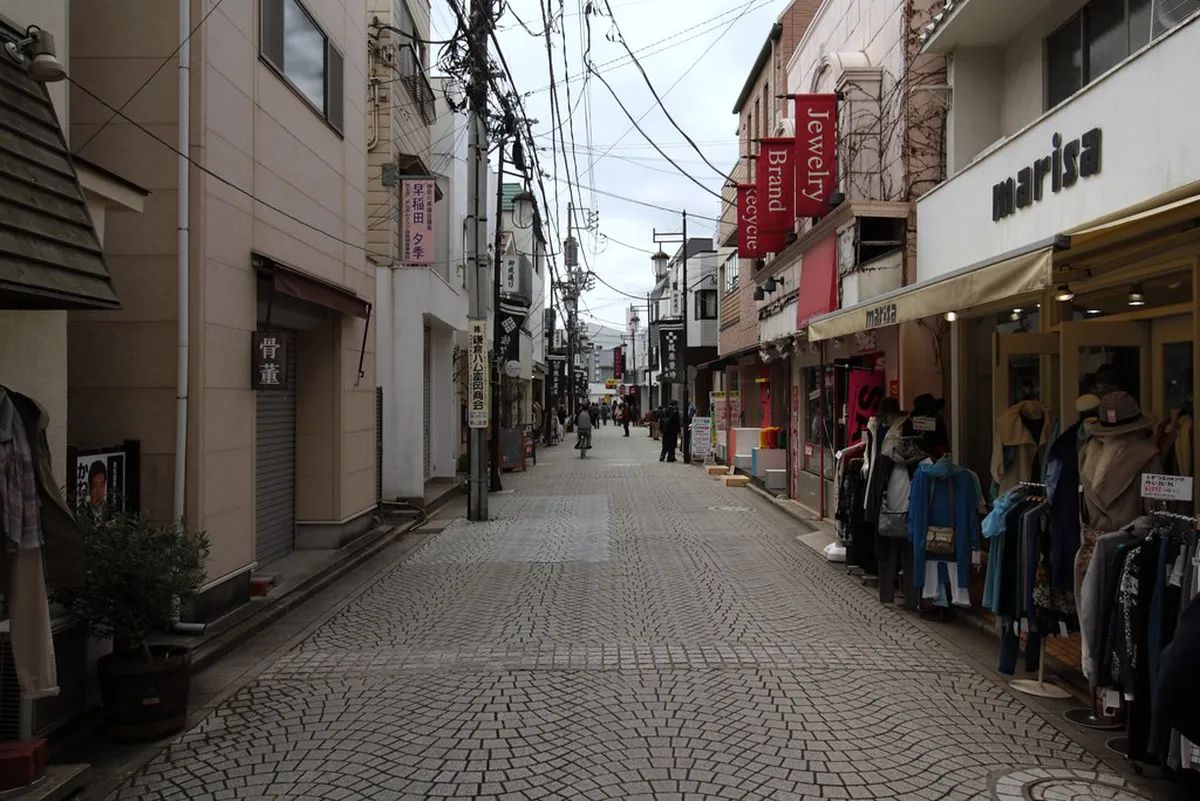
Handmade dim sum at Kamakura Tenshin sits along the same stretch and serves massive steamed buns filled with local pork and Kamakura vegetables. A single hot bun runs ¥600 to ¥900 and works as a heavy snack between temples. Visit Kamakura Tenshin between 10:00 and 18:00 for the freshest batches; the black sesame buns are the unique sweet alternative most foreigners miss.
Artisanal Mont Blanc at Mont Blanc Stand is the dessert pin to drop in your map. The shop prepares chestnut puree right in front of you to ensure the freshest possible texture, and a single serving is about ¥1,200. Doors open at 10:00 and close by 17:00, or whenever the daily supply of chestnut paste is exhausted. Seating is standing-room only, so plan to enjoy the cup as you walk back toward the shrine. A practical Komachi-dori rule for 2026: most stalls forbid eating while walking, so look for the small benches set behind the stalls or step into the side alleys to finish your snack before moving on.
Around Hase Station: Sweets and Cafes Between Temples
Hase is a five-minute Enoden ride from Kamakura Station and the gateway to both Hasedera and the Great Buddha. The food scene here leans toward bakeries, crepes, and coffee rather than full meals, which suits the way most travellers move through the area: a temple, a sweet, another temple, another sweet. Plan to eat lighter here and save room for dinner closer to the coast or back in the centre.
The most consistent stop is Ekiyoko Bake, run by the same team behind KANNON COFFEE. Their rotating tarts (sakura mont blanc in spring, hydrangea-inspired parfait in early summer, strawberry cream scones in winter) sit in the ¥800 to ¥1,400 range and shift roughly every six weeks. KANNON COFFEE itself a few minutes south is famous for crepes topped with a Kannon-shaped cookie, named for the temple's goddess statue. For a longer pit stop, several old-house cafes near Hasedera serve seasonal vegetarian curry and dango under ¥2,200 with a view of the temple gardens. Use the walk between bakeries to time the climb up the cliff stairs to Yuigahama Beach or the Hasedera pond gardens.
Seaside Dining at Shichirigahama
Two more Enoden stops west of Hase, the line opens onto the Pacific and the carriages roll along a coastal road that has appeared in countless Japanese films and anime. Shichirigahama is where you eat for the view, and on a clear day the horizon stacks Enoshima Island in front of Mt. Fuji. The food is good, but it is honestly secondary to the windows.
Seaside Italian at Amalfi Della Sera is the headline dining room here, perched on a cliff with a glass-walled terrace facing west for sunset. Pizzas and pasta featuring Sagami Bay seafood run ¥3,000 to ¥6,000 at lunch and noticeably more at dinner. Hours are 11:00 to 21:00, with the terrace being the most sought-after spot from 16:30 onward; book the sunset seating two to three weeks ahead in summer. The walk up the steep stairs from the Enoden tracks is challenging in heat, but the panorama is worth it.
For something cheaper, the Shichirigahama strip also includes a fries-and-milkshake counter and a handful of surf-and-coffee bars under ¥2,200 a head. Buy your food, walk the 200 metres down to the sand, and eat with your shoes off. This stretch is the easiest place in Kamakura to stretch a budget while still getting the postcard view; just check the weather, because the wind can be brutal between November and February.
Shirasu Seasonality: Nama vs Kama-age Month by Month
Lunch is the primary dining event in Kamakura. Many restaurants close by 18:00, and the most popular spots like Iwata Coffee operate on first-come, first-served paper waiting lists — sign up early, then go sightsee while you wait.
Shirasu (whitebait) is Kamakura's signature ingredient, but the version you can eat depends entirely on the month you visit. Sagami Bay's local fishery runs an annual ban from 1 January to around 10 March every year (the dates shift slightly each season) to let the population recover. During the ban, raw "nama" shirasu is unavailable from any reputable kitchen, full stop. Anyone advertising fresh raw whitebait in February is selling frozen stock that has lost the delicate sweetness the dish is famous for.
The two preparations on every menu are nama (raw, served straight onto rice with grated ginger and a dab of soy) and kama-age (boiled in salted water for about a minute, served warm and pillowy). Both are good, but they are different dishes. Use the table below to set expectations before you order.
| Period | Nama (raw) available? | Kama-age (boiled) available? | What to order |
|---|---|---|---|
| January–early March | No (fishing ban) | Yes | Kama-age or skip shirasu |
| Mid-March–April | Yes, small supply — sells out by 13:00 | Yes | Arrive early for nama |
| May–July (peak) | Yes, widely available | Yes | Nama recommended |
| August–October | Yes (stormy days: no) | Yes | Ask "kyo no nama shirasu wa arimasu ka?" |
| November–December | Intermittent | Reliable | Kama-age if nama is out |
Any restaurant advertising raw (nama) shirasu during the January–March fishing ban is selling frozen stock. The texture will be flabby and the price unjustified — trust the seasonal sign and order kama-age instead.
If you arrive on a no-boat day even outside the ban, restaurants will hang a small sign reading "honjitsu nama shirasu nashi" (no raw shirasu today). Trust it. The kama-age bowl is still excellent and uses the previous catch, lightly cooked and frozen the same evening.
Kamakura Yasai: Why Tokyo Chefs Drive Down for Vegetables
Kamakura Yasai refers to the high-quality vegetables grown by roughly 200 local farmers using traditional methods in mineral-rich coastal soil. These vegetables are so prized that Michelin-starred chefs from Tokyo's Shibuya and Azabu drive down at dawn to source from the Renbai Farmers Market, a few minutes from Kamakura Station, before the public opening. You will notice these vibrant greens, deep purple radishes, and aromatic herbs in almost every Komachi Street food guide or restaurant menu marked with "鎌倉野菜" on the chalkboard.
The market itself is open daily from 08:00 with most farmers selling out by 11:00. Ask any teishoku restaurant on this list, and they can usually tell you which farmer's plot the day's spinach or carrot came from. Eating seasonally in Kamakura means enjoying the specific flavours that the coastal climate produces throughout the year: spring shoots in March and April, fruit tomatoes through summer, root vegetables and leafy greens in autumn, daikon and Kabu turnips in winter. The depth of pure vegetable flavour at a ¥3,500 lunch here genuinely matches what a ¥13,000 omakase delivers in central Tokyo.
Reservation and Queue Strategy for High-Demand Spots
Most popular Kamakura restaurants do not take online reservations, requiring you to physically sign a paper waiting list at the door. The smart move is to treat lunch as a queue management problem. Sign up early, then go sightsee while you wait. Reviewing the Kamakura transportation guide will help you time your arrivals between different neighborhoods efficiently.
- Iwata Coffee: weekend wait is 30 to 90 minutes plus another 25 minutes for the pancakes to bake. Sign your name at 09:30 opening, walk to the Great Buddha, return for the second seating around 11:00.
- Caraway: lunch wait is 20 to 40 minutes on weekends, no reservations possible. Arrive by 11:30 sharp or after 14:00 to skip the line entirely.
- Akimoto: no wait for lunch if you arrive before 12:00, but raw shirasu often sells out by 14:00. Eat early or accept the kama-age version.
- Hachinoki: takes phone reservations 1 to 2 weeks ahead for weekends. Without one, you may not get a table after 12:30.
- Matsubara-an: paper waiting list only, 30 to 60 minute wait at peak. The garden terrace adds another 15 minutes if you specifically request it.
- Amalfi Della Sera: phone or email reservation required for sunset window seats; book 2 to 3 weeks ahead June to September.
Cash is still king in many of the smaller, traditional eateries and street food stalls along Komachi-dori. While larger restaurants and modern cafes accept credit cards, always carry enough yen for smaller purchases and snacks; a typical foodie day burns through 8,000 to 12,000 yen per person. Tipping is not practiced in Japan, so the price you see on the menu is what you will pay. Some high-end establishments add a 10 percent service charge, which will be clearly noted on the bill.
Lunch is the primary dining event in Kamakura, and many places close surprisingly early in the evening. If you plan to stay for dinner, verify that your chosen restaurant stays open past 18:00, as many shut down with the temples. Booking a room at the best ryokan in Kamakura often includes a spectacular dinner, solving the late-night dining puzzle and letting you enjoy the quiet atmosphere of the city after the day-trip crowds have returned to Tokyo.
What to Skip: Overrated Dining Experiences
While the city is full of gems, some experiences are designed more for Instagram than for the actual palate. Avoid the overpriced "set menus" at restaurants located directly across from the main temple gates of Hachimangu and Hasedera. These spots often trade quality for convenience and rarely use the fresh local ingredients that make the city famous. Walk just five minutes further into the side streets to find better food at significantly lower price points.
Be wary of any place advertising raw shirasu during the January to March fishing ban, and politely decline if a server upsells "fresh nama" in that window; the texture will be flabby and the price unjustified. Stick to the kama-age version during the off-season, or focus on the excellent local beef and vegetable dishes instead. Generic snack stalls right at the beach exit also tend to be underwhelming compared to the same vendors a few hundred metres back toward the station, where the rotation is faster and the oil fresher.
Frequently Asked Questions
What is the most famous food to eat in Kamakura?
The most iconic dish is Shirasu-don, which features fresh or boiled whitebait over rice. It is best enjoyed between April and December when the local fishing season is active. Many restaurants near the station specialize in this salty, delicate coastal delicacy.
Are there many vegetarian restaurants in Kamakura?
Yes, Kamakura is famous for Shojin Ryori, the traditional vegan cuisine of Zen monks. Several high-end restaurants near Kita-Kamakura station offer multi-course vegan meals. You can also find modern cafes serving local Kamakura vegetables in creative vegetarian dishes.
Do I need to book restaurants in advance?
Reservations are highly recommended for high-end Kaiseki or Shojin Ryori establishments. However, most casual spots like Iwata Coffee or Caraway operate on a first-come, first-served basis. On weekends, expect to wait 30 to 60 minutes for the most popular locations.
Kamakura is a city that rewards the curious eater who is willing to wander away from the main tourist drags and plan around the train line rather than around a single restaurant. From the briny freshness of Sagami Bay to the earthy flavors of Zen temple kitchens, the variety along the Kita-to-coast corridor is staggering. I hope this neighborhood-by-neighborhood guide helps you discover a meal that becomes the highlight of your Japanese coastal adventure.
Remember to check the seasonality of the ingredients (especially shirasu) to ensure you are tasting the very best the region has to offer in 2026. Whether you are sitting on a cliffside terrace at Shichirigahama or a quiet tatami room in Kita-Kamakura, the food here tells a story of tradition, soil, and tide. Enjoy your culinary journey through one of Japan's most historic and delicious coastal destinations.
See our Kamakura attractions guide for the broader city picture.
For related Kamakura deep-dives, see our 14 Best Eats on Komachi Street Kamakura: Food Guide and Kenchoji Temple Kamakura Travel Guide guides.
Free: The Kamakura Essentials guide
Top things to do, where to stay, a perfect day plan, getting around, and the best time to go — a Kamakura mini-guide you can take offline.
You might also like
Continue reading
More guides you'll find useful