Yuigahama Beach Kamakura Guide
Plan yuigahama beach kamakura guide with top picks, neighborhood context, timing tips, and practical booking advice for a smoother trip.
On this page
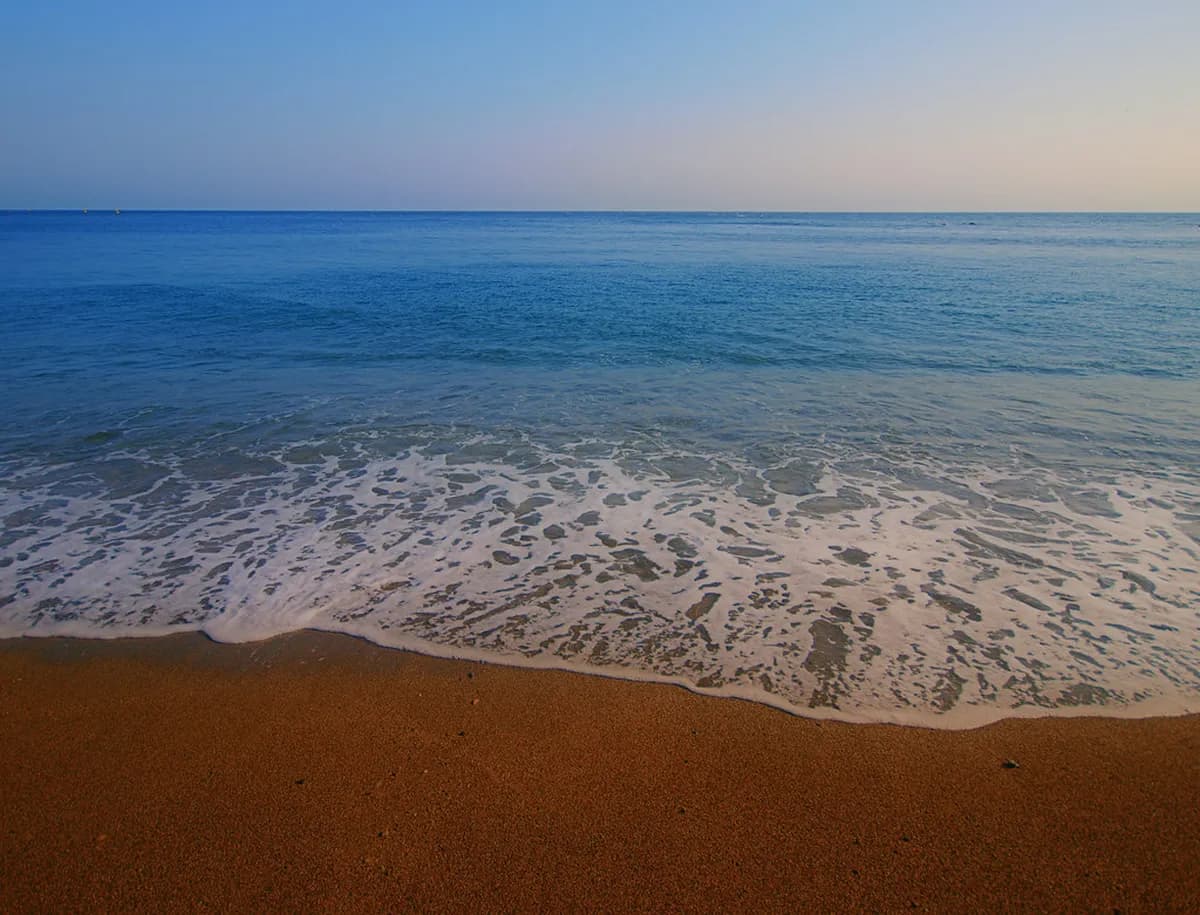
Yuigahama Beach is the 3 km curve of dark sand that defines southern Kamakura, facing Sagami Bay and the open Pacific. It is the closest swimmable Blue Flag-certified beach to central Tokyo, reachable in roughly 60 minutes from Shinjuku. You can also use it as a day trip from Yokohama, and it is included in the official ranking of Japan's 88 best bathing beaches. In 2026 the official swim season runs from early July to the end of August, with lifeguards, beach huts (umi-no-ie) and showers on duty during that window only.
This yuigahama beach kamakura guide covers what the beach actually offers: how to get there, what to do in and around the sand, the festival dates that change the experience week to week, where to base yourself, and the practical traps (heat off the dark sand, typhoon closures, surf etiquette) that most short summaries skip. Years referenced are 2026.
Yuigahama Beach: What's Actually There
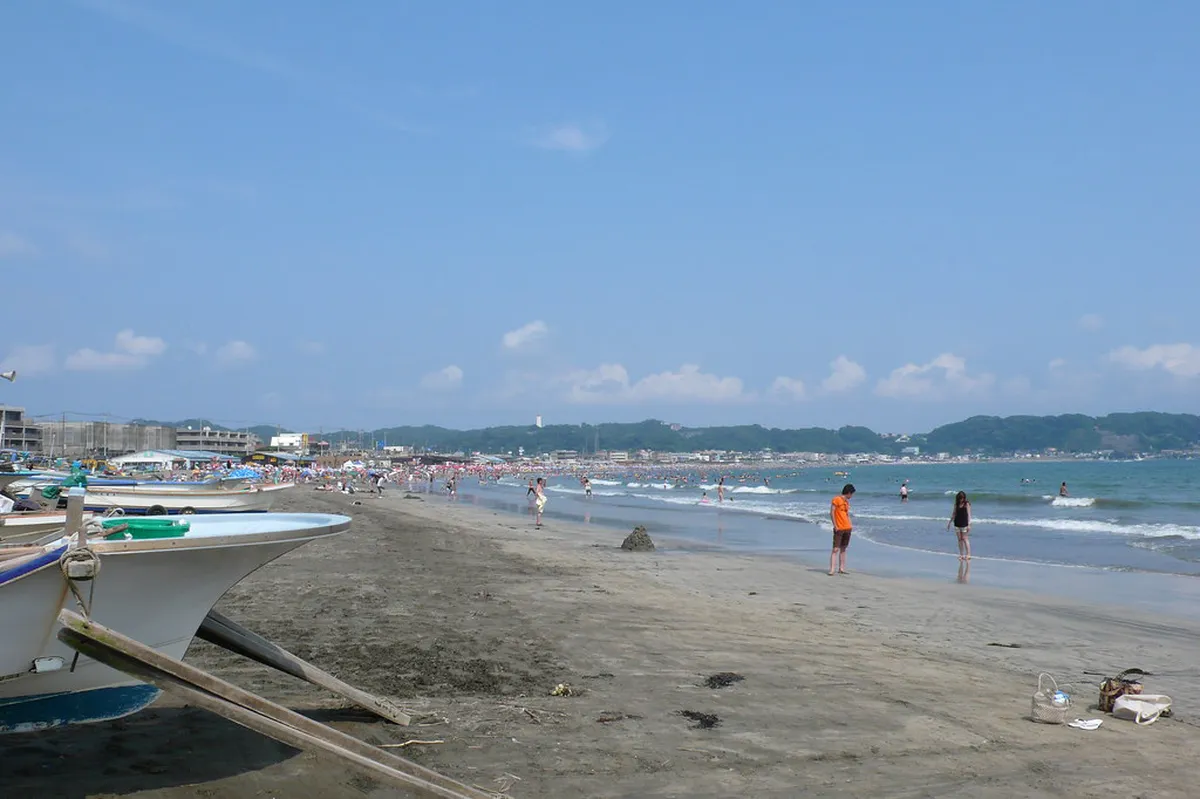
The headline feature is a wide, gently sloping shoreline broken into colour-flagged zones for swimming, body-boarding and surfing. Sagami Bay is sheltered enough that waves stay knee-to-chest height most days, which is why families with small children and first-time surfers default here over Shichirigahama next door. End-to-end the sand runs about 900 metres east-west; an unhurried walk takes 20 minutes.
The sand itself is dark grey to almost black because of high iron content washed down from the Miura Peninsula. That gives Yuigahama its distinctive look in photos but also means the surface temperature climbs fast in midsummer—locals routinely measure 55 to 60 °C on the sand at 13:00 in August. Sandals or reef shoes are non-negotiable; bare feet between your towel and the water are genuinely painful from late July through mid-September.
Behind the seawall, a low strip of cafes, surf rentals and the elevated Route 134 carry traffic between Kamakura and Enoshima. Look for the bronze monument near the central lifeguard tower marking the 1333 battle that ended the Kamakura Shogunate; most visitors walk past it without noticing.
- The Yuigahama shoreline is free year-round; the colour-flag system runs only in July and August.
- Umi-no-ie (beach huts) charge 1,000–2,000 JPY per group for a half-day shaded base with lockers, hot showers and food.
- Surf and SUP rental sits at 3,000–5,000 JPY per half day from the shops along Route 134.
| Item | Cost (2026) | Notes |
|---|---|---|
| Beach entry | Free | Year-round; no ticket required |
| Umi-no-ie (beach hut) | 1,000–2,000 JPY / group | Half-day; includes lockers, showers, food; July–early Sept only |
| Family hut flat rate | 2,500 JPY | Shaded floor, lockers, unlimited showers |
| Surf / SUP rental | 3,000–5,000 JPY | Half day; from shops along Route 134 |
| Surf lesson (group) | 8,000–12,000 JPY | 2 hours; includes board, wetsuit, English briefing |
| Parking | 400–600 JPY / hr | Fills before 09:00 on summer weekends |
| Coin locker (station) | 400 JPY / day | Yuigahama Station |
| Outdoor shower (seawall) | 100 JPY | In-season only |
The dark sand at Yuigahama reaches 55–60 °C at midday in August. Always keep sandals or reef shoes on between the seawall and your towel — bare feet on the sand at peak heat can burn within seconds.
How to Get to Yuigahama Beach
From Tokyo Station, the cheapest direct option is the JR Yokosuka Line to Kamakura Station (around 60 minutes, 940 JPY). From Shinjuku, take the JR Shonan-Shinjuku Line, also about an hour. From Kamakura Station, transfer to the Enoden line and ride three minutes to Yuigahama Station; the beach is a 4-minute walk south. You can also walk the full distance from Kamakura Station in 15–20 minutes down Wakamiya-oji.
If you plan to combine the beach with Hase, Kotoku-in, Enoshima and Kamakurakoko-mae, the Enoshima-Kamakura Free Pass (800 JPY adult) pays for itself after roughly four Enoden hops in the same day. The JR Tokyo Wide Pass and standard Japan Rail Pass both cover the JR portion from Tokyo but not the Enoden, so you still pay separately for the local segment.
Driving is slower than the train and parking is the bottleneck: the Yuigahama coin lots charge 400–600 JPY per hour and fill before 09:00 on summer weekends. Our Kamakura Transportation Guide: How to Get There & Around has the full station-by-station map and the latest fare table.
Swimming, Surfing and Beach Hut Season
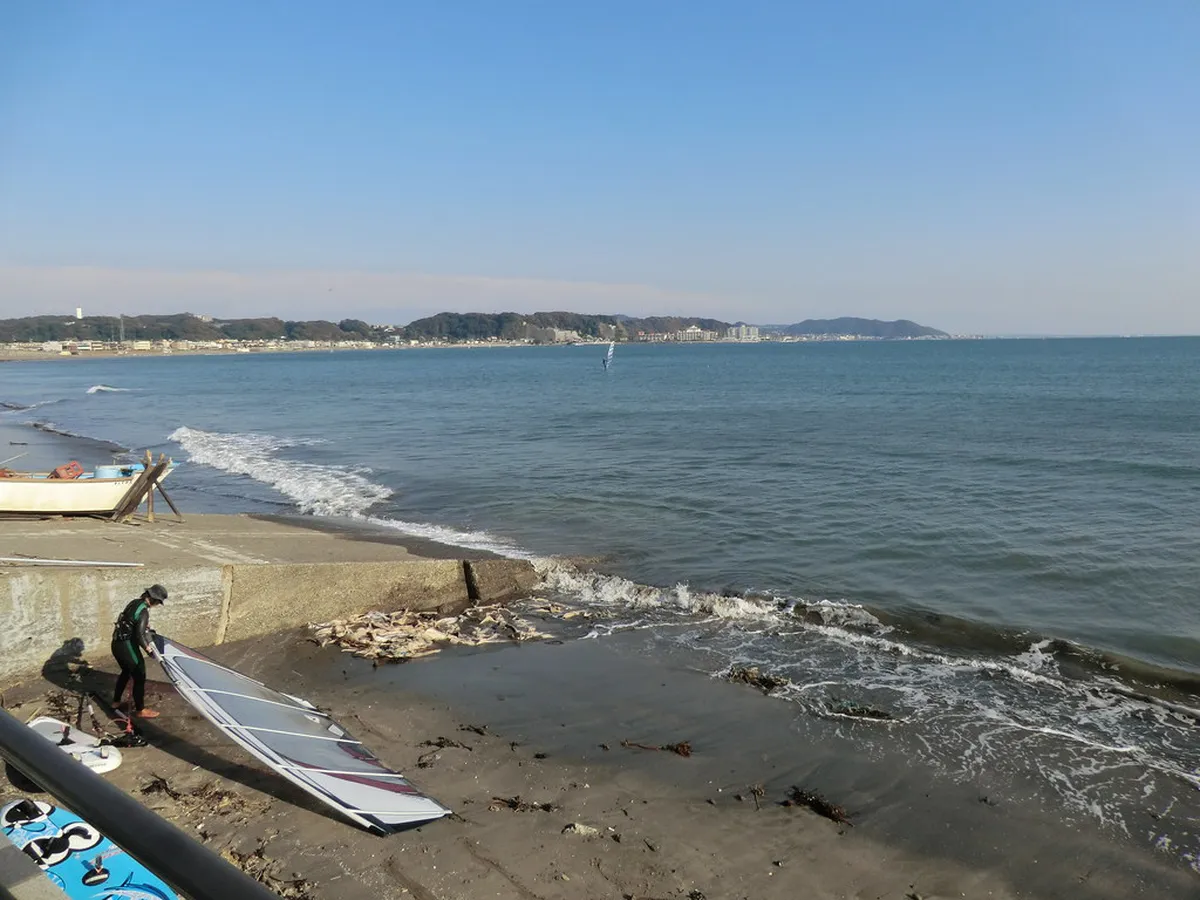
Official swim season opens around 1 July and closes 31 August in 2026, mirroring the Kanagawa Prefecture calendar. During that window, lifeguards staff three towers, the umi-no-ie are open, and typhoon advisories trigger same-day closures—rare in July, common from mid-August through mid-September. Outside the season the beach is still open, but no rescue cover, no toilets at the seawall huts, and rip currents at the eastern end (toward Zaimokuza) become more pronounced.
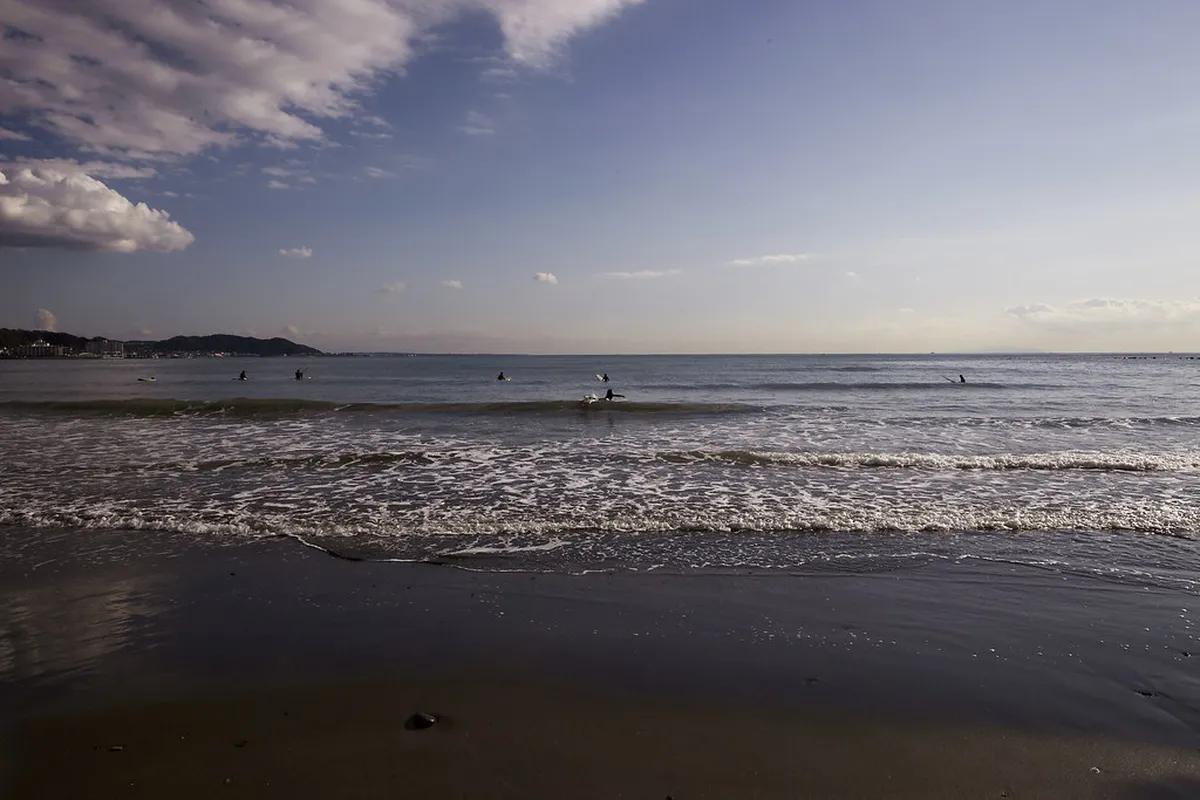
Surfing runs all year. The break is forgiving in summer (waist-high, mushy) and picks up energy October through March when low pressure systems push in from the east. Local etiquette here is stricter than on Western beaches: do not paddle around the line-up, do not drop in, and acknowledge regulars with a brief nod when entering the water. Rental shops will quietly refuse boards to visitors who appear to be heading out into a crowded peak without basic skills—this is normal, not rudeness.
Beach huts in 2026 are scheduled to open 1 July and dismantle by 4 September. Each hut has its own personality; some are vegan-friendly, some run live DJ sets at sunset, a few cater specifically to families with toddler pools. Confirm seasonal opening on the official city website the week before you arrive.
Swim season officially closes 31 August. Visitors arriving for "summer Japan" in mid-September will find the umi-no-ie dismantled, no rentals, no lifeguards, and the swim flag down. Target 15 July to 25 August for the full beach experience.
Tide-Line Walks, Sea Glass and Fossil Hunting
Kamakura Kaihin Park sits at the eastern edge of the beach with shaded lawns, a small playground and benches that catch the offshore breeze. It is the easiest place to assemble a picnic without paying for a beach hut. From the park's western corner, a paved promenade runs along the seawall as far as Inamuragasaki, around 30 minutes on foot, with views back to the Miura Peninsula on clear days.
Yuigahama is one of the better tide-line beaches in greater Tokyo for hunters of sea glass and small fossils. After winter storms the wrack line throws up frosted blue and brown glass, and—less known—small fossilised shark teeth from the Pliocene-era Zushi formation occasionally wash in from the cliffs east of Zaimokuza. Bring a small mesh bag and head out within an hour of low tide for the best pickings; tide tables are posted at every Enoden station.
Behind the beach, the Wakamiya-oji approach to Tsurugaoka Hachimangu and the Great Buddha threads through neighbourhood gardens that bloom in waves: cherry blossom in early April, hydrangea in mid-June, and pampas grass through October. The seasonal palette behind the surf is a real reason to come outside summer.
Festival and Events Calendar (2026 dates, confirm before travel)
Several Kamakura festivals either take place on Yuigahama itself or pull crowds straight onto the sand. Dates shift slightly year to year and typhoons can cause same-week postponement, so confirm with the city tourism office in the week before travel.
- Kamakura Matsuri — second and third Sundays of April. Historical processions and yabusame (mounted archery) on the beach, recalling Yuigahama's medieval role as a samurai training ground.
- Beach opening ceremony — first weekend of July. Shinto purification on the sand to mark the start of swim season; family-friendly and free.
- Kamakura Hanabi Taikai (Fireworks Festival) — typically held in the second week of July; 2,500 to 4,000 shells fired from offshore boats including the famous underwater starmines. Expect the entire seawall to be three-deep from 18:00; trains back to Tokyo are at standing capacity until 22:30.
- Bonbori Matsuri — 7 to 9 August. Hundreds of paper lanterns line the path from Yuigahama to Tsurugaoka Hachimangu Shrine; a quieter, more atmospheric option than the fireworks.
- Reitai Matsuri — 14 to 16 September. Yabusame is the highlight; the September edition is the more authentic of the two annual rounds.
Pair It With: Nearby Sights Worth Half a Day
The Great Buddha at Kotoku-in is a 15-minute walk west of the beach via Hase Station. Entry is 300 JPY, plus 50 JPY to step inside the bronze figure. Most travellers underestimate Hase: budget 90 minutes and combine it with Hasedera Temple, whose hillside observation deck delivers the cleanest aerial view of the full Yuigahama curve.
For Slam Dunk fans, ride two stops further west on the Enoden to Kamakurakoko-Mae Station. The level crossing in front of the school appears in the show's opening sequence and now draws a steady queue of photographers; arrive before 09:00 or after 16:00 to avoid the worst congestion. Continuing one more stop puts you at Enoshima Island, a half-day in itself with sea caves, the Samuel Cocking botanical garden and the Sea Candle observation tower.
If a major Kamakura temple is on your list, Engakuji and Kenchoji sit on the JR Yokosuka Line two stops north at Kita-Kamakura. Engakuji is the better fit when you have only an hour to spare—it is the closer of the two, free of school groups before 09:30, and has a working zazen meditation hall open to walk-ins on Saturday mornings.
Family-Friendly and Budget Tips
Yuigahama works on almost any budget because the core experience—sand, sea, view—is free. A family of four can spend a full day for under 4,000 JPY by skipping the umi-no-ie and packing convenience-store bento from the Lawson directly across from Yuigahama Station. Coin lockers at the station hold small bags for 400 JPY a day, freeing you from carrying valuables onto the sand.
For families, the calmest swimming is at the western end near the Inamuragasaki side; rip-current incidents are concentrated at the eastern Zaimokuza border. Public toilets behind the central lifeguard tower are free in season; outdoor showers on the seawall cost 100 JPY. Many beach huts offer a flat 2,500 JPY family rate that includes a shaded floor area, lockers and unlimited showers—often cheaper than buying drinks individually all afternoon.
Stroller access is good along the seawall promenade but poor on the sand itself; the dark grain is too soft for narrow wheels. Kamakura Kaihin Park has the only dedicated playground within walking distance and offers shaded benches for nursing parents.
How to Plan a Smooth Beach Day
Arrive on the 08:30 train from Tokyo on summer weekends. Beach huts hit capacity by 11:00 in July and August, and the central lifeguard zone is rope-locked once it reaches its 600-person cap. A weekday visit cuts crowds by roughly 70 percent and is the easiest single change you can make to your trip.
Build the day around the tide rather than the clock. Low tide exposes the widest shell-hunting belt and the firmest walking surface; high tide is when the wave-school operators set up. A printed tide chart is taped inside the Yuigahama Station ticket office, or check Japan Meteorological Agency tide tables online the night before.
If the forecast turns: the Kamakura Museum of Literature (a 12-minute walk inland) and the Kamakura Museum of Modern Art Annex are both on the same Enoden corridor and open on rainy days. For a longer pivot, follow our Kamakura day trip itinerary for 2026 to switch into temple mode.
Lodging, Transport and Booking Notes
Most international visitors stay in Tokyo and day-trip to Yuigahama. Reasons to overnight in Kamakura: the early-morning empty-beach photograph, the Kamakura Hanabi Taikai (last train fills by 21:30), or a Saturday-Sunday weekend where you want zazen at Engakuji at 06:00. Hotels in Kamakura sell out 6–8 weeks ahead for fireworks weekend in particular.
For an affordable base, the Yuigahama- and Hase-side guesthouses run 9,000–14,000 JPY per night for two and put you within walking distance of the sand. Mid-range, the Kamakura Prince Hotel (above Shichirigahama) and the boutique houses around Hase Station fall into the 18,000–28,000 JPY range. For sunset-from-the-window, look at properties along Route 134 between Yuigahama and Inamuragasaki.
If you must drive, reserve a rental car at Ofuna or Yokohama (cheaper than Kamakura) and aim for the Yuigahama or Zaimokuza coin lots before 08:30 in summer. Consult Japan Guide for the latest fare table and operating hours updates.
Common First-Timer Mistakes
The single most underrated risk is heat off the sand. Visitors arrive expecting a tropical-style pale beach, walk barefoot from the road and burn the soles of their feet within 15 seconds at midday. Sandals stay on between the seawall and your towel, period.
The second is missing the umi-no-ie window. The huts dismantle on or around 4 September; visitors who fly in for "summer Japan" in mid-September often find a bare beach with no rentals, no shade and the swim flag down. If summer-on-the-sand is the goal, target 15 July to 25 August.
Finally, surfboard rental shops will not equip clearly inexperienced visitors during head-high winter swells, and locals do enforce line-up hierarchy. Take a lesson rather than a rental for your first session; group lessons run 8,000–12,000 JPY for two hours and include the board, wetsuit and a beach safety briefing in English.
Frequently Asked Questions
How do I get to Yuigahama Beach from Kamakura Station?
You can take the Enoden train from Kamakura Station to Yuigahama Station. The ride takes about five minutes, and the beach is a short walk away. Alternatively, you can walk directly from the station in about fifteen minutes. For more details, see our Kamakura transportation guide.
Is there an entrance fee for Yuigahama Beach?
No, there is no fee to access the public sandy areas of Yuigahama Beach. You only pay for extras like renting umbrellas or entering the summer beach huts. Most visitors bring their own towels to sit on for free. Public restrooms are also available nearby.
When is the best time for swimming at the beach?
The official swimming season typically runs from early July through late August. During this time, lifeguards are on duty to ensure the safety of all visitors. Outside of these months, the water is primarily used by surfers and paddleboarders. Always check local signs for daily water conditions.
Are there good places to eat near the shoreline?
Yes, many cafes and restaurants line the main road overlooking the Pacific Ocean. You can find everything from fresh seafood bowls to Italian pasta and local snacks. Many travelers enjoy trying 'shirasu,' which are small baby sardines caught locally. Convenience stores also offer quick bento meals.
Yuigahama Beach rewards travellers who plan around the season rather than the calendar: arrive between 15 July and 25 August for the full umi-no-ie experience, weekday early mornings for empty sand, and shoulder-season afternoons for surfing and sea-glass walks. Keep sandals on the dark sand, watch typhoon advisories from late August, and ride the Enoden to combine the beach with Hase, Kotoku-in and Enoshima.
Used as a base point, Yuigahama makes a complete day pairing with the Great Buddha and a temple stop at Kita-Kamakura. Read it alongside our cluster pieces on transport, day-trip itineraries and Hasedera, and you will hit the coast already knowing which trains to catch, which hut to head for, and which festival is worth a second trip.
Use our Kamakura attractions hub to plan the rest of your trip.
Free: The Kamakura Essentials guide
Top things to do, where to stay, a perfect day plan, getting around, and the best time to go — a Kamakura mini-guide you can take offline.
You might also like

Continue reading
More guides you'll find useful