10 Best Hiroshima Ramen and Tsukemen Shops (2026 Guide)
Discover the best Hiroshima ramen and tsukemen shops for 2026. From spicy cold dipping noodles to traditional tonkotsu-shoyu, here is our expert local guide.
On this page
After five years of eating my way through this city, I have come to think of noodles as the real soul of local dining. Most visitors land here for the history, but the bowls served in tiny Showa-era counters and modern tantanmen specialists are what bring people back. Our editors refreshed this guide for January 2026 so every shop, price band, and operating window still matches what you will find on the ground. Use it alongside our wider essential things to do in Hiroshima rundown to plan a day around food.
Hiroshima's noodle culture is its own world, distinct from Fukuoka tonkotsu or Sapporo miso. You will meet a delicate tonkotsu-shoyu broth at the heritage shops, fiery cold tsukemen built for humid summers, and a soupless Sichuan-inspired tantanmen that is genuinely a Hiroshima invention. Older shops still print "Chukasoba" on the noren rather than "ramen," a Showa-era nod to the Chinese roots of the noodles. This 2026 update prioritises authenticity, current opening hours, and one warning per shop where the spice or the queue can catch you out. For a broader food guide beyond noodles, see where to eat in Hiroshima local food.
Understanding Hiroshima's Three Main Noodle Styles
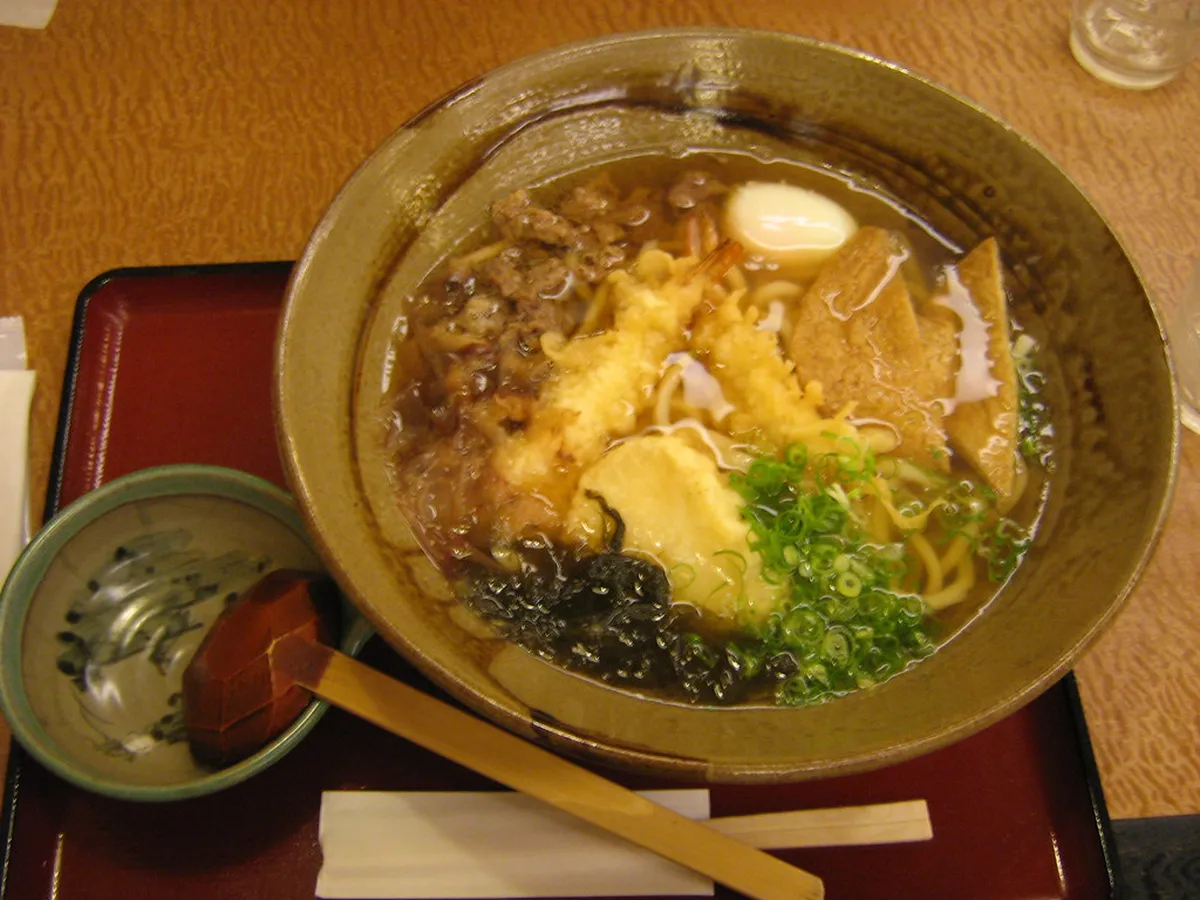
Hiroshima Ramen, the city's heritage style, is a clear tonkotsu-shoyu blend rather than the cloudy, milky tonkotsu of Hakata. Pork bones are simmered for hours and finished with a soy-based tare, producing a broth that locals describe as assari: light, easy-drinking, never heavy. Thin straight noodles, a few slices of chashu, mini bean sprouts, and chopped spring onion are the standard build. Many of the oldest shops still call it Chukasoba on the menu, and ordering it that way is a small but real signal that you have done your homework.
Hiroshima Tsukemen, often called reimen by old-school shops, is a cold dipping noodle dish invented for muggy Setouchi summers. Thin chilled noodles are served on a plate of shredded cabbage, cucumber, boiled egg, and pork slices; you dip each mouthful into a chilled vinegar-soy broth thick with sesame and chili oil. The vinegar is what makes it Hiroshima rather than Tokyo: it cuts through the heat and keeps the dish refreshing rather than fatty. Spice is dialled in by the shop on a numbered scale, and that scale is not standardised across brands, which is why first-timers often overshoot. The official Hiroshima tourism guide to tsukemen traces the dish back to chef Shingu's Showa-era Chinese restaurant Shinkaen, which is where the cold-noodle template was first served.
Shirunashi Tantanmen, "soupless tantanmen," is the youngest of the three and the most distinctly local. It arrived in Hiroshima around 2001 via a chef returning from Sichuan, and the city now has its own official map of more than fifty shops. The bowl is essentially noodles, ground pork, spring onion, chili oil, and a hit of sansho pepper, mixed at the table until the oil emulsifies into a sauce. The numbing tingle from sansho is the signature, not the heat itself. If you have only one Hiroshima noodle meal, this is the one most locals push for; the prefecture's official local noodles guide groups it alongside Chukasoba and tsukemen as one of the city's signature bowls.
Onomichi Ramen vs Hiroshima City Ramen
Travellers often conflate the two, but Onomichi and Hiroshima City ramen are different bowls from different towns. Onomichi, an hour east along the Sanyo line, builds its broth on chicken plus Seto Inland Sea small fish (iriko), finished with soy and a heavy crown of solid pork back fat squares floating on top. Noodles are flat and slightly chewy. The flavour is salty, fatty, and fish-forward.
Hiroshima City ramen has no back fat squares, no fish stock, thinner straight noodles, and a much lighter mouthfeel. Where Onomichi commits to richness, Hiroshima commits to balance. If you only have time for one, decide by mood: Onomichi for a hearty winter bowl, Hiroshima City Chukasoba for a clean lunch you can finish without feeling weighed down. You can taste a respectable Onomichi-style bowl inside the city limits at Onomichi Ramen Akatsuki, listed below, but a day trip to Onomichi itself is worth the train fare for ramen and the temple walk together.
Youki: The Essential Hiroshima Ramen Flagship
Chukasoba Youki (中華そば 陽気) is the shop most locals name first when asked where Hiroshima ramen begins. The Eba Station flagship has been pouring the same tonkotsu-shoyu since 1957, and the broth sits exactly between Kiyochan's lighter style and Tsubame's deeper one — neither rich nor watery. Mini bean sprouts pile higher than at any of the heritage shops, and the chashu is a single, simple, salty slice.
A standard Chukasoba runs about 800 yen in 2026, with the chashu version closer to 1,100. Hours run roughly 11:00 to 14:30 then 16:30 to 20:00, with the door pulled when the broth runs out. Best for first-timers who want the textbook Hiroshima bowl. Take streetcar line 3 to Eba terminus and walk two minutes; arrive before the 16:30 reopen if you hate queues.
Kiyochan: Traditional Tonkotsu-Shoyu Excellence
Kiyochan (清ちゃん) is the shop the other shops on this list quietly respect. The space is tiny, maybe ten counter seats, and the fitout has barely changed since the 1960s. The broth is the lightest of the Big Three — almost translucent — but the soy backbone is precise and the chashu is exceptional, simmered until it pulls apart with chopsticks.
Bowls run 750 to 1,000 yen and the kitchen typically runs lunch (11:00 to 14:00) and a short evening service (17:00 to 20:00). It sits in the Funairi neighbourhood, a 10-minute streetcar ride from Hiroshima Station via line 6. Best for travellers who want quiet, conversation with the owner, and a textbook example of the city's lighter Chukasoba register. Arrive solo or as a pair; groups of four will struggle.
Tsubame: Retro Vibes and Baseball Culture
Tsubame (つばめ) is more than a ramen shop; it is a working shrine to the Hiroshima Toyo Carp. Splashes of Carp red run across the décor, jersey numbers hang on the walls, and on game nights the small wall-mounted CRT broadcasts every pitch to a counter full of regulars in team caps. The atmosphere alone is worth the seat.
The bowl itself leans closer to a clean shoyu than the other two heritage shops — less fat, a thinner consistency, but precise and very drinkable. There is only one ramen on the menu and it is all you need. Expect 750 to 950 yen, hours roughly 11:30 to 14:30 then 17:30 until the broth runs (often 22:00 on game nights). Best for travellers who want to combine dinner with a slice of Hiroshima sports culture; a Carp home game at Mazda Stadium plus a post-match bowl at Tsubame is a real local evening.
Rairaitei: The Local Hidden Gem Experience
Rairaitei (来頼亭) sits well outside the tourist track in Minami-ku, and that is the whole point. Of the heritage-style shops in this guide, it serves the heaviest, fattiest version of the city's ramen — still nowhere near Hakata-thick, but distinctly the richest pour you will find under the Hiroshima banner. The chashu ramen is generous to a degree that looks almost rude in the bowl.
Bowls run 800 to 1,100 yen, hours are split lunch and dinner, and tourists are rare. Best for travellers on their second or third Hiroshima ramen who want to taste the outer edge of the local style. Pair with the small fried-rice side, which the regulars order without asking.
Bakudanya: The King of Spicy Hiroshima Tsukemen
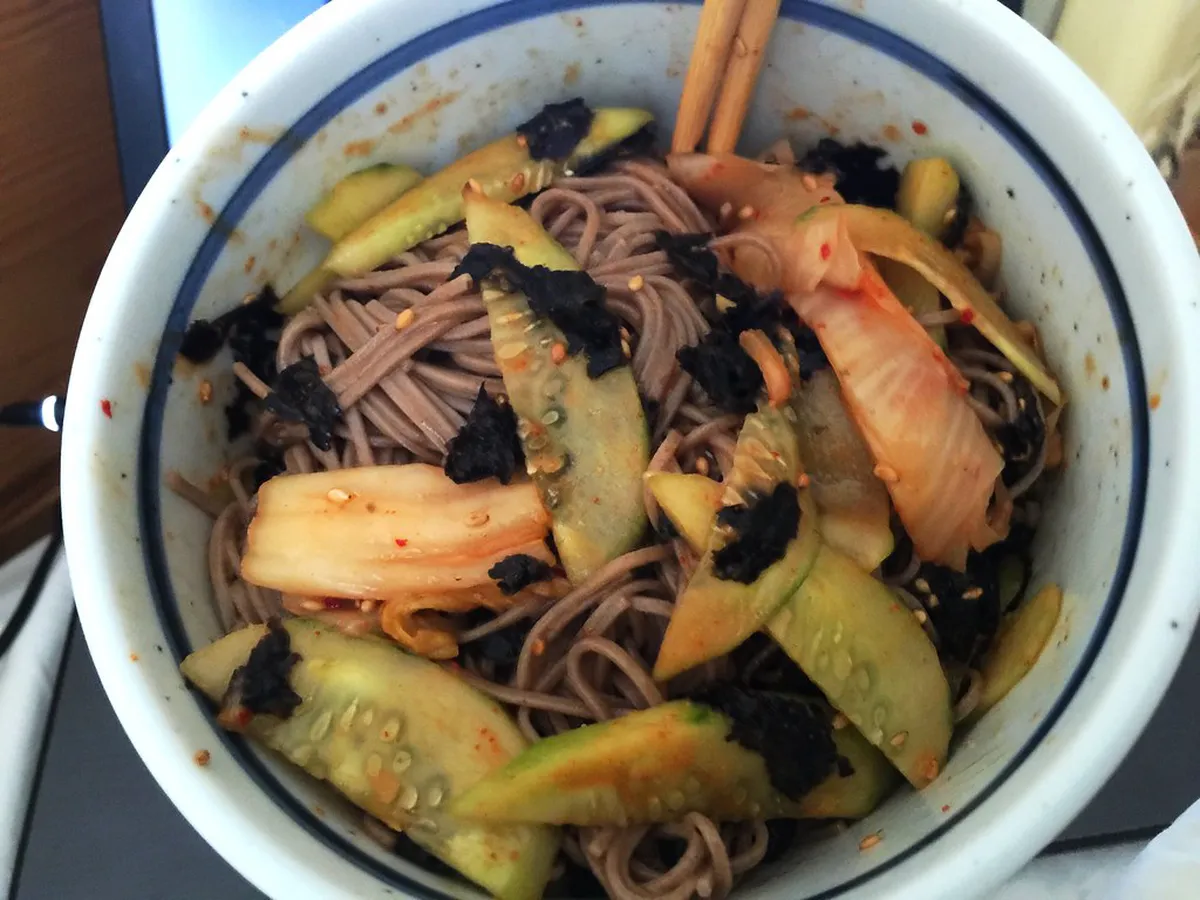
Bakudanya (ばくだん屋) is the city's biggest tsukemen brand and the easiest entry point to the spicy cold dipping style. The Hatchobori branch is centrally located, open until midnight, and the only one in this guide that consistently has English menus and English-speaking staff at lunch. Spice runs from 0 to 30 in their house scale, with 3 set as "standard."
Expect 950 to 1,400 yen depending on portion and toppings; the regular set with rice ball is the smart order. Spice warning: their level 3 is genuinely spicy by Western standards. First-timers should start at level 2; level 5 is the practical ceiling for most travellers and 10+ is for sansho-burned regulars only. Best for tsukemen first-timers and late-night diners after Nagarekawa drinks.
Spice levels are not standardised across Hiroshima's tsukemen shops. Bakudanya's level 3 equals roughly Reimenya "normal" and King-Ken level 1. If in doubt, go one level lower than you think — you can always add chili oil at the table but cannot remove it.
Reimenya: The Original Cold Dipping Noodle Shop
Reimenya (冷めん家) is the purist alternative to Bakudanya: brighter, smaller, with a sharper vinegar profile and a thinner sauce that lets the cabbage and cucumber underneath actually taste of something. The English menu is short — small or large, mild through hot, no chili oil if you ask — and a small portion at around 970 yen is plenty for one person.
The tsukemen here delivers a tingly, lip-buzzing heat rather than a wall of burn, which makes it the better choice for travellers who want to taste the dish rather than survive it. Located at the edge of Nagarekawa, it pairs naturally with a bar-hopping evening; see our Nagarekawa and Ekinishi nightlife itinerary for the routes that locals actually walk after dinner.
Musashibo: Mastering Shirunashi Tantanmen with Sansho
Musashibo (武蔵坊) is the soupless tantanmen specialist that gets quoted in nearly every English-language ramen blog, and the reason is on the counter: three jars of sansho pepper, not one. Wakasansho (young) is bitter and floral, akasansho (red) brings the warmer heat, and aosansho (green) is the most aromatic and the most aggressive on numbing. The shop encourages you to dose each in stages so you can taste what each one actually does to the bowl.
A standard bowl is 800 to 1,000 yen. Hours run 11:00 to 15:00 and 18:00 to 24:00 (Sundays 11:00 to 20:00); the Fujimi-cho address is a 5-minute walk from Peace Memorial Park, which makes it the most logical lunch stop on a sightseeing day. Best for travellers who want to take the dish seriously. The shop's official rule is "mix at least ten times before the first bite" — the ground pork and oil have to emulsify or you are eating dry noodles.
King-Ken: The Specialist for Soupless Spicy Noodles
King-Ken (キング軒) is the cleaner, more modern face of shirunashi tantanmen. Counter seats only, ticket machine at the door, English picture menu, and a handy table card that walks you through the eating sequence. Their house rule is the "thirty-mix": stir thirty times before tasting, then add black vinegar partway through to reset your palate.
Bowls land at 700 to 950 yen, lunch hours roughly 11:00 to 15:00, dinner from 17:00 to 21:00 at the Otemachi flagship near Peace Park. Add the soft-boiled egg for 50 to 70 yen — it tones down the salt and gives you an emergency mildness lever if your spice level was too ambitious. Best for travellers who want a quick, no-stress introduction to the soupless style.
Onomichi Ramen Akatsuki: The Best Regional Alternative
Akatsuki (暁) brings a respectable Onomichi-style bowl to central Hatchobori for travellers who cannot make the day trip east. The broth is chicken-and-iriko based with the signature back-fat squares floating on top, and the noodles are flatter and chewier than the Hiroshima City standard. It is heavier than anything else in this guide, so plan it for a colder day.
Bowls run 800 to 1,050 yen, the shop stays open through the afternoon (no traditional broth-out shutdown), and it sits inside the Hatchobori shopping arcade — a five-minute walk from the streetcar stop. Best for sightseers who want to combine lunch with shopping and for travellers who specifically want to cross Onomichi ramen off the list without leaving the city.
The Three Sansho Peppers Explained
Most English guides to Hiroshima tantanmen mention sansho once and move on. The shops that take the dish seriously — Musashibo above all — give you a choice of three, and knowing which is which transforms the meal from "spicy noodles" into a tasting exercise. The numbing sensation called mala in Mandarin is a different chemistry from chili heat; it is caused by sanshools that interact with your touch nerves rather than your pain nerves.
Wakasansho (young, 若山椒) is bitter and grassy with the lowest numbing intensity — a good first dose, sprinkled over the noodles before mixing. Akasansho (red, 赤山椒) is closer to a Sichuan peppercorn, with a warm heat and moderate numbing; this is the workhorse jar most regulars reach for. Aosansho (green, 青山椒) is the loudest of the three: heavy fragrance, strong numbing, and a finish that buzzes the lips for several minutes. A useful approach is to take three bites with akasansho, then add a pinch of aosansho for the next three, and finish with rice mixed into whatever sauce remains.
Spice Level Comparison: Bakudanya vs Reimenya vs King-Ken
| Shop | Style | Price range (2026) | Recommended first-timer level |
|---|---|---|---|
| Bakudanya (Hatchobori) | Cold tsukemen | 950–1,400 yen | Level 2 |
| Reimenya | Cold tsukemen | ~970 yen | Normal |
| King-Ken (Otemachi) | Soupless tantanmen | 700–950 yen | Level 1 |
| Musashibo (Fujimi-cho) | Soupless tantanmen | 800–1,000 yen | No spice scale — start mild |
The numbered spice scales at Hiroshima's three best-known spicy shops are not interchangeable, and that is where most first-timers come unstuck. Bakudanya runs 0 to 30, Reimenya runs mild to "as hot as you want" with no number on the menu, and King-Ken's tantanmen tops out around level 5 with surcharges past level 3.
- Bakudanya level 1 is roughly equivalent to a mild kimchi tingle. Level 3, the house default, is genuinely warm. Level 5 is the comfort ceiling for most non-Japanese diners. Level 10+ is performance eating.
- Reimenya "normal" sits between Bakudanya 1 and 2 — buzzing lips, runny nose, no real burn. "Hot" pushes toward Bakudanya 4. The vinegar and sesame mute the heat in a way the others don't.
- King-Ken level 2 is comparable to Bakudanya 3 because the dish is soupless and the chili oil clings to the noodle. Level 4 ("Death Max" at some sister branches) is for regulars only.
Rule of thumb: if you would normally order "medium" at a Sichuan restaurant at home, start at Bakudanya 2, Reimenya normal, or King-Ken 1. You can always add sansho or chili at the table; you cannot take it back.
How to Order from the Ticket Vending Machine
For shirunashi tantanmen, the local shime is to order a small bowl of rice (100–150 yen), tip the leftover sauce onto it, mix once, and eat. Locals consider this the proper final course of the meal.
Almost every shop in this guide uses a shokken ticket machine by the door, and for first-time visitors it is the single most stressful five minutes of the meal. The flow is the same everywhere once you know it: insert cash first, press the button for your bowl, press buttons for any toppings, collect the printed tickets, take a seat, and place the tickets face-up on the counter. Staff will come over.
The biggest button — usually top-left, sometimes with a red border — is the standard bowl. The row beneath it is normally the larger portion (大盛り, oomori). Side dishes (rice, soft-boiled egg, gyoza) live further down. At Bakudanya and King-Ken there is a separate row for spice level; press both the bowl and the spice button. Most machines accept 1,000-yen notes; many do not accept 5,000 or 10,000-yen notes, so break large bills at a convenience store first. IC card and mobile payment are still rare at heritage shops in 2026 — bring cash.
If you are completely lost, point at a photo on the wall and say "kore o kudasai" (this one, please); staff will operate the machine for you. Knowing how to navigate the city by streetcar and bus means you can reach every shop on this list with a single 240-yen day-pass ride.
Hiroshima Ramen Area Guide: Eba, Funairi, Hatchobori
The shops in this guide cluster into four neighbourhoods, and grouping your meals by area saves real time. Eba (south-west, end of streetcar line 3) holds Youki and Tsubame and is the obvious lunch loop for a heritage Chukasoba pairing. Funairi (one stop north of Eba) is Kiyochan's territory; combine it with a walk through Hiroshima Peace Memorial Park.
The Peace Park / Otemachi belt covers Musashibo, King-Ken, and the Otemachi branch of Youki — three different noodle styles within a 10-minute walk, ideal if you want to compare in a single day. Hatchobori (downtown shopping district) is where Bakudanya, Reimenya, and Onomichi Akatsuki all sit; it is the late-evening cluster and the right base if you are dining after 21:00. Anchor your stay in Hatchobori or near the station and you can reach every shop in this guide on the streetcar without ever taking a taxi.
Practical Tips for Dining in Hiroshima
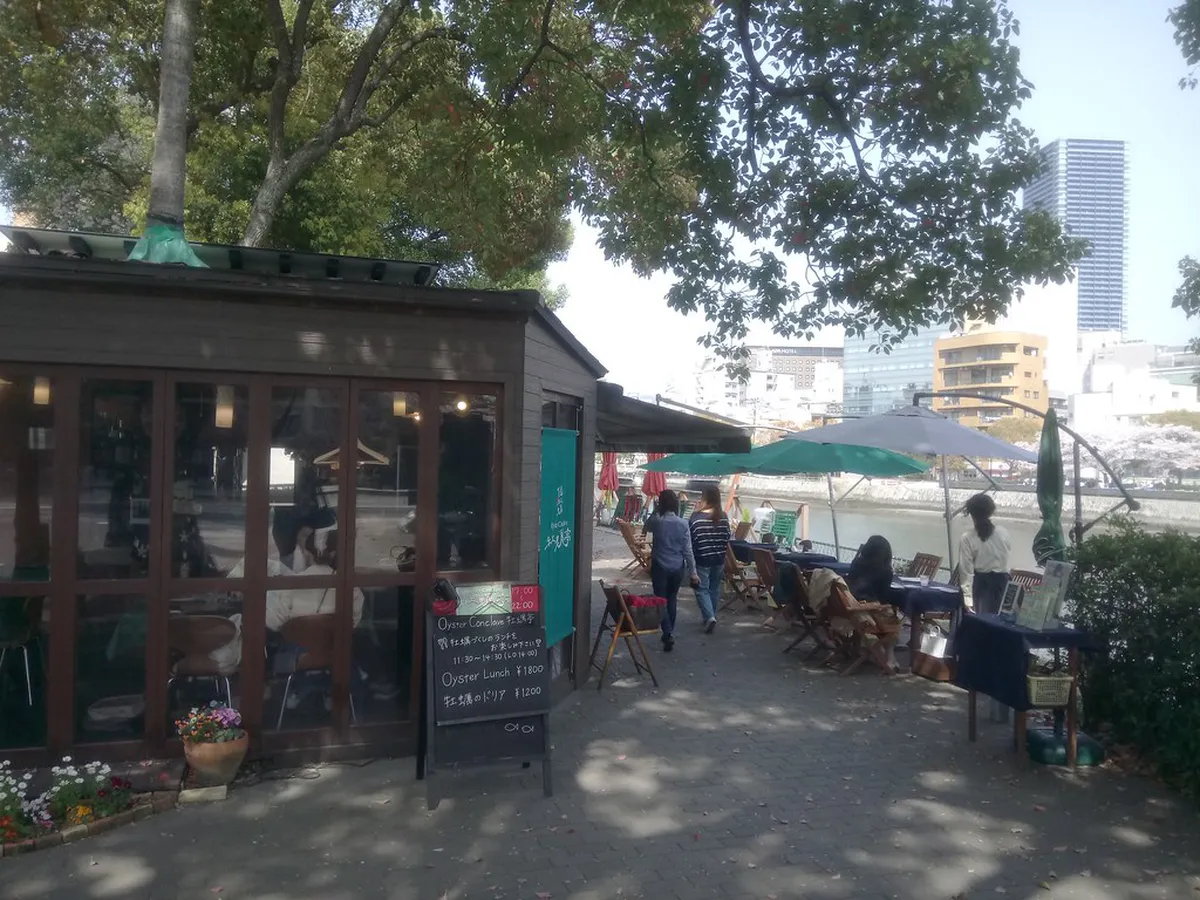
Peak dining runs 12:00 to 13:00 and 18:00 to 20:00; visiting at 14:00 or 17:00 usually means immediate seating at all but Youki and Musashibo. Several heritage shops close on Mondays or Tuesdays, and the broth-out closures are real — Youki has been known to shut at 19:30 on busy weekends. Cross-check on Tabelog before you walk over; for Youki, the listing at tabelog.com tracks closures in near real time.
Tipping is not a thing and will confuse staff. Slurping is fine and signals that you are enjoying the bowl. Don't pour the dipping broth at a tsukemen shop into the noodle plate at the end; ask for soup-wari (a dilution of the dipping broth with hot stock) and drink it from the original cup.
For shirunashi tantanmen, finish strong with the local move: order a small bowl of rice (around 100 to 150 yen), tip the leftover sauce onto it, mix once, and eat. Locals call this the shime and it is considered the proper end of the meal. For more context on the city's wider food scene beyond noodles, see our how to eat Hiroshima okonomiyaki like a local guide and our Hiroshima budget travel guide for cheap-eat itineraries that pair well with these shops.
Vegetarian, Vegan, and Allergen Options at Hiroshima's Noodle Shops
None of the ten shops in this guide serve a vegetarian or vegan broth. Hiroshima's three noodle styles are built on animal stock or animal fat by design:
- Chukasoba runs on a pork-bone tonkotsu-shoyu base.
- Tsukemen's cold dipping sauce is built on the same pork stock, with pork slices served on the plate.
- Shirunashi tantanmen uses ground pork as its core flavour rather than the broth, so removing the meat does not leave a vegetarian bowl.
Wheat noodles also rule the dish out for anyone avoiding gluten.
If you are travelling with dietary restrictions, the most realistic options are to ask staff to leave off the chashu topping, an easy request at any of the ten shops, or to phone ahead. A simple phrase like "butaniku nuki de onegaishimasu" (without pork, please) gets the point across, though the broth itself will remain unchanged since it is built on pork from the start. Bakudanya's Hatchobori branch is the easiest place to have this conversation, since it is the only shop on this list with regular English-speaking staff at lunch. For a genuinely vegetarian meal in the same neighbourhoods, save it for a different dish: convenience stores near Hatchobori and Eba stock onigiri and salads as a reliable backup.
Is Hiroshima Ramen Worth the Trip?
The Hiroshima noodle scene is genuinely one of Japan's most underrated. The combination of a heritage Chukasoba style, a city-specific cold tsukemen, and a soupless tantanmen invented locally and now mapped across more than fifty shops gives you a three-bowl arc you cannot replicate in Tokyo or Osaka. Prices are lower than in either of those cities, queues are shorter, and the shops themselves still feel like working neighbourhood spaces rather than tourist stops.
Beyond the food, eating at these counters is a window into post-war Hiroshima — Showa-era fitouts, Carp baseball on the wall, owners who remember when the streetcar fare was 30 yen. We treat the noodle crawl as essential to any Hiroshima itinerary, on the same level as the Peace Park or a Miyajima day trip.
For related Hiroshima deep-dives, see our late-night dining and bars after midnight, Hiroshima 2-day itinerary guides.
Buying Takeaway Tsukemen and Tantanmen Kits at Hiroshima Station
Hiroshima Station's ekie shopping and dining complex, inside the ticket gates on the Shinkansen side, sells packaged versions of the city's noodle styles for travellers who cannot fit another sit-down bowl into their schedule. Souvenir counters stock boxed sets of Chukasoba, cold tsukemen, and shirunashi tantanmen with a chilled or shelf-stable sauce pack, generally priced ¥600 to ¥900 for two servings. These are close to, but not identical to, the fresh versions served at the counters above: the noodles are usually a touch thicker to survive packaging, and the sansho kick on the tantanmen kits is dialled back for a general audience.
They make sense in two situations. As an edible souvenir, since the dried and retort-pouch versions travel well in a suitcase and need only boiling water at home. Or as a meal for the Shinkansen, if your train leaves before you can fit in a sit-down bowl: look for the pre-chilled tsukemen sets in ekie's cold cases, which come with disposable chopsticks and can be eaten straight from the pack. Department store basement food halls (depachika) near Hatchobori carry a smaller, similar selection. Stock rotates seasonally, so treat this as a backup rather than a replacement for the ten shops covered above.
Frequently Asked Questions
What is the difference between Hiroshima and Onomichi ramen?
Hiroshima ramen uses a tonkotsu-shoyu base with thin noodles. Onomichi ramen features a soy-based seafood broth with flat noodles and large chunks of pork back fat. Both are delicious but offer very different textures.
How spicy is the local tsukemen?
The spice level is highly customizable at most shops. A level one is mild, while anything above level ten is very hot. Most beginners find level three to be the perfect starting point.
Are there vegetarian ramen options in Hiroshima?
Vegetarian options are rare in traditional shops as the broth is pork-based. However, some modern tantanmen shops now offer soy-meat versions. Always check the menu or ask the staff before ordering.
Hiroshima's noodle culture is a testament to the city's resilience and culinary creativity. Whether you prefer a comforting bowl of Chūkasoba or a fiery plate of tsukemen, there is a shop for you. We hope this 2026 guide helps you discover your new favorite meal in this incredible city. Don't forget to explore the local neighborhoods to find even more hidden gems during your stay.
Free: The Hiroshima Essentials guide
Top things to do, where to stay, a perfect day plan, getting around, and the best time to go — a Hiroshima mini-guide you can take offline.
You might also like

Continue reading
More guides you'll find useful