Komachi Street Food: 14 Best Bites in Kamakura (2026)
14 best street food bites on Komachi Street, Kamakura — grilled squid skewers to the ¥80 Kamakura Yaki, plus the local no-walking rule for 2026.
On this page
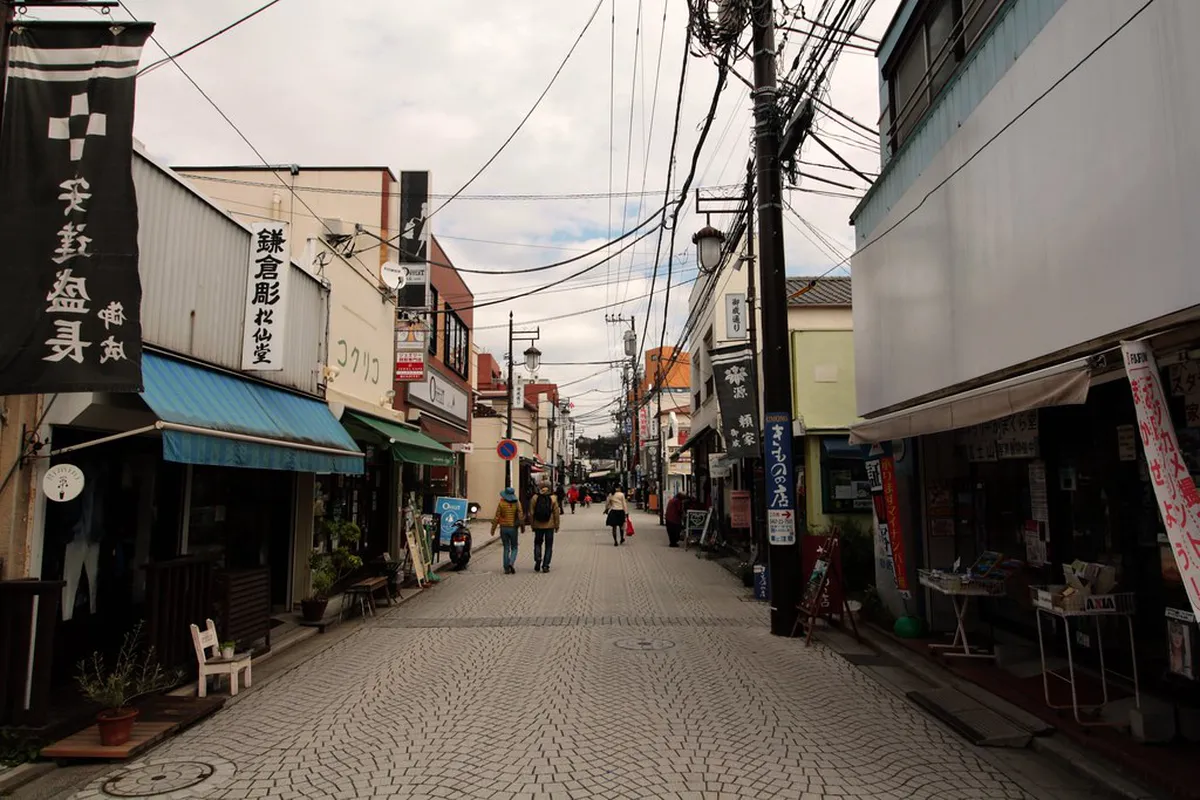
Komachi Street (小町通り) is the 360-meter pedestrian alley that runs from the Kamakura Station East Exit to Tsurugaoka Hachimangu Shrine, packed with more than 250 shops. After five visits across the last decade, including a winter 2026 walk-through to verify hours, I still rank it as Kanagawa's most concentrated food crawl. This guide pairs Tabelog 3.5+ sit-down restaurants with the snack stalls that dominate the visual social feed, so you can build a half-day itinerary without wasting stomach space on the generic frozen fruit skewers near the entrance.
Every vendor below includes a walking time from the Kamakura Station East Exit, a price band in yen, and a short note on what makes it worth queuing for in 2026. I have flagged where the local "no eating while walking" rule matters and where the shop has its own bench or in-store eating area. Pair this with our Kamakura day trip itinerary if you are arriving from Tokyo on the Yokosuka Line.
Introduction to Komachi Street (小町通り)
Komachi Street begins under the bright red torii gate roughly 30 seconds from the Kamakura Station East Exit, then runs parallel to Wakamiya-oji Avenue toward Tsurugaoka Hachimangu. The current commercial street took shape after the 1923 Great Kanto Earthquake forced businesses to relocate from the older Komachi-oji corridor. Today it blends restored machiya facades with neon-lit dessert counters, drawing a mixed crowd of Tokyo day-trippers, school groups, and locals doing souvenir runs before heading home on the Yokosuka Line.
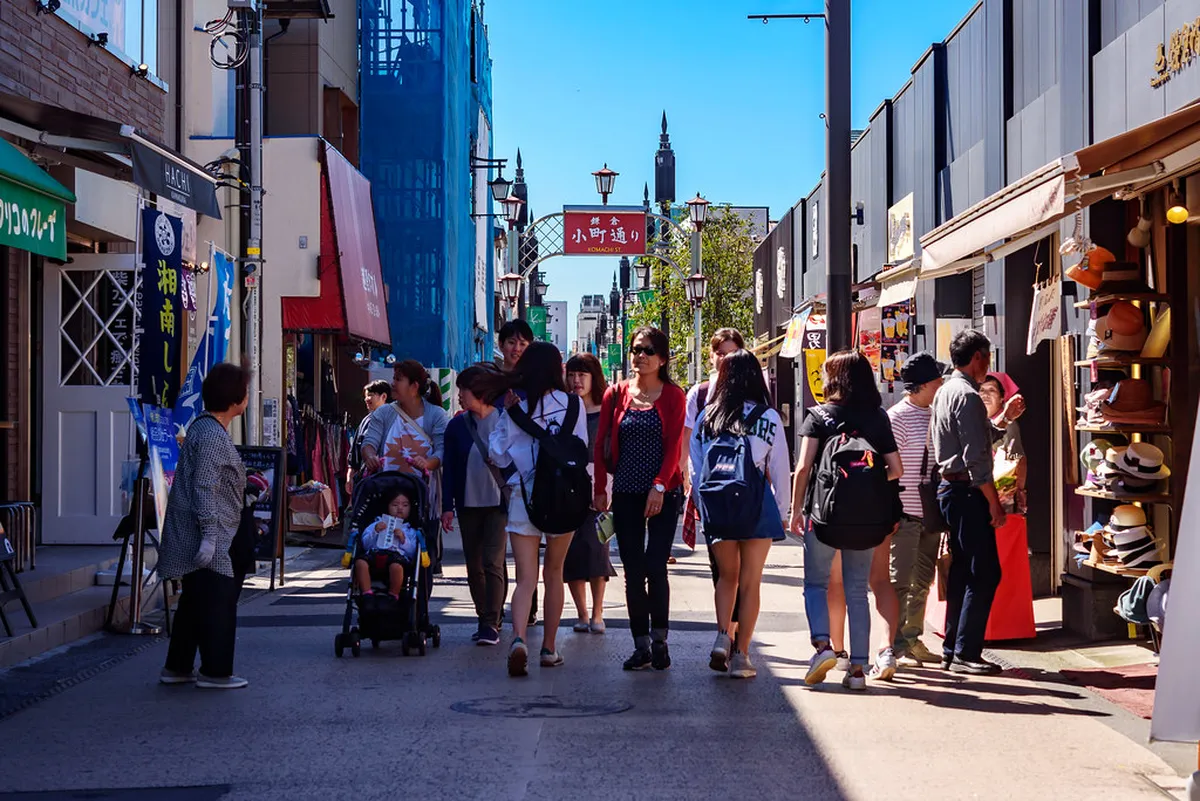
Most shops open between 10:00 and 11:00 and close by 18:00, with sit-down restaurants holding later hours.
The street is roughly 600 meters end to end if you count the side alleys, but the core stalls cluster in the first 400 meters. Cars are restricted, power lines are buried, and the sidewalks are pedestrian-scaled — practical details that matter when you are juggling a hot Daibutsu Yaki and a phone camera at the same time.Cash still rules at the smaller dango and senbei stalls, even in 2026. Carry at least ¥3,000 in coins and small bills if you plan to graze across five or more vendors. Larger restaurants and the Toshimaya flagship accept IC cards and credit, but expect cash-only signs at the family-run snack windows.
Arrive between 10:30 and 11:00 on weekends to get hot snacks fresh from the fryer before the 12:30 wave from Tokyo arrives. Popular flavors at Sakura no Yumemiya dango and Tomoya Daibutsu Yaki can sell out by early afternoon.
First-Timer's Quick-Start: What to Try and How It Works
If you only have one pass through Komachi Street, this is the shortlist that covers the full flavor spectrum: Kamakura Wasen grilled squid for the savory headline, Tomoya's Buddha-shaped Daibutsu Yaki for the novelty, Kamakura Cha Cha matcha soft serve for the dessert, and the ¥80 Kamakura Yaki at Arbre Noir Yakumi as the best value-per-yen bite on the street.
Three practical rules keep the visit smooth:
- Getting there: the torii gate is about 30 seconds from the Kamakura Station East Exit — no transfer needed.
- Eat where you buy: Kamakura discourages eating while walking, so use each vendor's bench or standing counter.
- Carry cash: bring at least ¥3,000 in small bills, since the dango and senbei stalls are cash-only.
Arrive between 10:30 and 11:00 to catch hot snacks fresh before the 12:30 day-trip wave from Tokyo fills the street.
Grilled Squid from Kamakura Wasen
Kamakura Wasen grills whole squid, scallops, and shrimp over an open flame at the front counter, brushing each skewer with a sweet-savory tare just before service. A whole grilled squid runs about ¥800 and the smell pulls a queue from a block away during lunch hours. The shop is roughly a 4-minute walk from the East Exit and opens daily from around 10:00 to 17:30.
The squid is tender enough to bite through cleanly and the tare is restrained rather than sugary, which is rarer than you might expect on this stretch. Wasen also runs a small dine-in counter behind the grilling area, which is the legitimate spot to eat your skewer rather than walking off with it. Use the wet wipes they hand over immediately — the glaze gets sticky fast.
Daibutsu (Buddha) Yaki from Tomoya
Tomoya stamps thick imagawa-style cakes in the shape of the Great Buddha, with fillings that go far beyond the usual red bean. The current 2026 lineup includes anko, custard, purple sweet potato, anko with cream cheese, blueberry with cream cheese, and the divisive bacon-cheese savory. Each Buddha runs around ¥250 and the shop is open 10:30 to 18:30 near the shrine end of the street.
If you can only commit to two fillings, pick one sweet and one savory rather than two desserts — the contrast is the entire point. Anko with cream cheese is the safest crowd-pleaser, while bacon-cheese is the snack you will either rave about or regret. Blueberry with cream cheese sits in the middle and works best when piping hot; the filling can leak through the soft pancake shell, so eat it leaning forward over the wrapper.
Kamakura Croquettes from Kamakura Tenkichi
Kamakura Tenkichi fries croquettes in plain sight at the storefront, wrapping them in coarse panko that audibly shatters on first bite. The classic potato-and-beef croquette costs about ¥250, with rotating specials that include crab cream and a chocolate dessert version. The shop also sells locally brewed Kamakura beer, which makes it a useful late-afternoon stop if you are pacing yourself.
The signature item is the menchi katsu, a hand-formed beef-and-onion patty that holds its juice better than supermarket versions. Tenkichi is roughly 5 minutes from the East Exit and operates 10:00 to 18:00 daily. Eat at the small standing counter beside the fryer rather than walking off — the oil drips quickly through paper wrappers and ruins the rest of your day on the street.
Karaage from Mako Chan
Mako Chan fries karaage to order in a soy-and-ginger marinade, dropping each batch into the oil only once you have paid. A four-piece cup runs roughly ¥600 and each chunk is large enough to need two or three bites. Hours are 11:00 to 18:00 and the stall sits in a savory cluster about 4 minutes from the station.
The packaging is a small paper cup with a wooden pick, designed for one-handed eating at the standing area beside the shop. Ask for the spicy seasoning if you want extra kick — they keep both regular and chili-pepper salts on the counter. The chicken stays juicy for about ten minutes before the crust softens, so do not buy karaage at the start of a long shopping detour.
Matcha Soft Serve from Kamakura Cha Cha
Kamakura Cha Cha is the matcha specialist at the heart of Komachi Street, about 3 minutes from the East Exit, and the only stall in the city offering soft serve in four graduated intensity levels. The system is straightforward: Level 1 is gently sweet for matcha skeptics, Level 2 is the everyday standard, Level 3 leans bitter with stronger Uji-grown grade, and Level 4 uses a premium ceremonial-grade powder so concentrated it briefly stains your tongue. The shop runs 10:00 to 18:00 and prices sit between ¥500 and ¥700 according to the Kamakura Cha Cha official site.
For a useful comparison: Level 1 tastes like green-tea ice cream you would find in a convenience store, Level 2 is what most cafes in Kyoto serve, Level 3 starts to show the grassy umami that defines proper matcha, and Level 4 is closer to drinking koicha (thick tea) than eating dessert. First-timers should order Level 2 with the optional matcha powder topping rather than jumping to Level 4. The powder layer flies off in coastal wind, so step inside the shop alcove before lifting the cone.
Kamakura Yaki from Arbre Noir Yakumi
Arbre Noir Yakumi sits one alley off the main Komachi spine and bakes miniature imagawa-style cakes called Kamakura Yaki, distinguished by green-tea-flavored batter and a black sesame paste filling. They are smaller than typical imagawa-yaki, which is the point: the dough-to-filling ratio is balanced rather than bread-heavy. Each piece is around ¥80, making this the highest value-per-yen snack on the entire street.
Buy a five-piece bag to share at the side-alley standing area rather than carrying them down the street. The aroma of toasted sesame and matcha is best within the first three minutes; cold ones lose the contrast. The shop opens 10:00 to 18:00 and is easy to walk past — look for the small wooden signboard rather than a flashy storefront.
Dango from Sakura no Yumemiya
Sakura no Yumemiya stocks the most photogenic dango on Komachi Street, with skewers stacked in pastel rows of sakura, matcha, edamame, kuri (chestnut), and purple sweet potato. Single-flavor skewers cost around ¥250 and the four-color skewer runs closer to ¥400. Hours are 10:00 to 18:00 and popular flavors disappear by mid-afternoon on weekends.
The four-color skewer is the smartest order if you are dango-curious — it covers the full Japanese sweet-paste spectrum on one stick. Note that dango is chewy by design, so steer kids and elderly visitors toward smaller bites. Eat seated at the bench beside the shop; the sticky paste smudges onto sleeves the moment you walk.
Chocolate Tarts and Eclairs from Maison Cacao
Maison Cacao is the high-end chocolatier at the station end of Komachi Street, specializing in "aroma" chocolates engineered to melt at body temperature for maximum flavor release. Tarts and eclairs run ¥400 to ¥600 and the shop is open 10:00 to 18:00. The interior is sleek and modern — a deliberate contrast to the wooden traditional shopfronts elsewhere on the street.
The chocolate eclair layers a thin chocolate bar between dark whipped cream and choux pastry, giving you three textures in a single bite. The muscat-flavored tart is the seasonal pick that genuinely earns its premium. Boxed selections work as a souvenir but the cool chain is short, so eat tarts within an hour or refrigerate at your accommodation before catching the train back.
Hato Sable from Toshimaya
Toshimaya has been baking the dove-shaped Hato Sable butter cookie since 1894, and its yellow tin is the unofficial Kamakura souvenir, as documented on the Toshimaya official site. The flagship store sits on Wakamiya-oji directly in front of Kamakura Station, technically one block off Komachi Street. A small box starts around ¥800 and the shop opens 9:00 to 19:00, the longest hours of any vendor on this list.
These cookies travel exceptionally well — they survive a long-haul flight in a checked bag without crumbling, which makes them the better choice over softer wagashi for travelers heading home. The flagship also stocks dove-themed merchandise that you cannot find at department-store outposts. Buy here on the way back to the station rather than carrying the tin around all afternoon.
Hearty Local Lunch: Curry and Shirasu Bowls
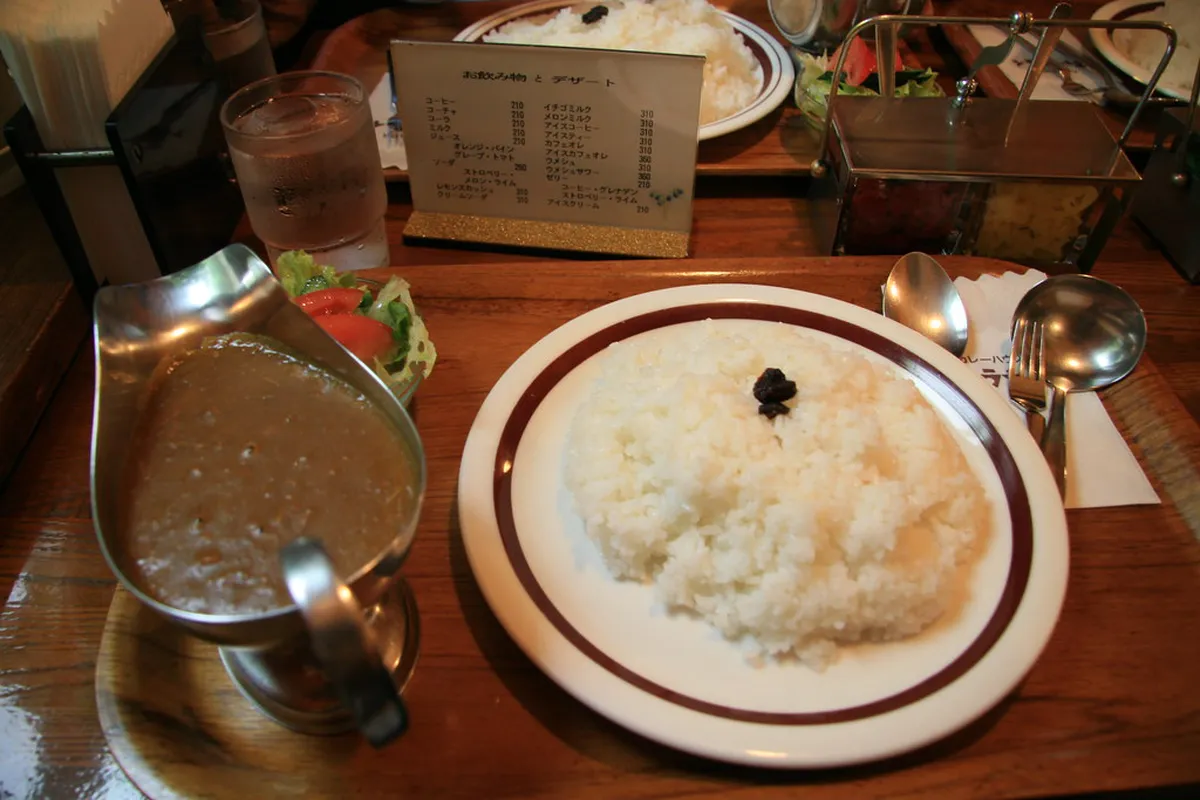
Komachi Street works as a snack crawl, but the two sit-down lunches worth queuing for are Caraway and Akimoto, both rated 3.5 or above on Tabelog (the threshold that places them in the top 3% of Japanese restaurants). Caraway opened in 1977 and serves a deep, slow-cooked beef curry for around ¥760, with a 3.63 Tabelog rating across nearly 1,500 reviews. The "small rice" portion is still equivalent to two normal bowls, so order accordingly. It is a 5-minute walk from the East Exit on a Komachi-dori side street and closes Mondays.
Akimoto, on the second floor of a building near the station end, is the refined-set-meal counterpart to the more casual Tobiccho in Enoshima. The shirasu don rice bowl uses tiny whitebait caught off Kamakura's Shonan coast, served either raw (nama, silky) or boiled (delicate). Sets run ¥1,600 to ¥2,500 with hours of 11:00 to 15:00 and 17:00 to 20:00. Raw shirasu is only available when the morning catch comes in — check the chalkboard at the bottom of the stairs before climbing up.
For tamagoyaki specifically, Ozawa (Tabelog 3.49, 4 minutes from the East Exit) opens at 11:30 and closes when ingredients run out — usually mid-afternoon. The dashi-soaked rolled-omelette set is the kind of dish locals queue for without prompting. See our best restaurants in Kamakura guide for additional sit-down options if these three are full.
More Snacks Worth the Detour
Three additional stalls round out the 14-eat list and each fills a different niche. Imoyoshi Yakata serves purple sweet potato soft serve (¥450, 10:00 to 18:00) using locally grown tubers — try the "hydrangea" swirl that pairs sweet potato with vanilla. Kamakura Mameya stocks dozens of coated peanut and bean varieties from wasabi to strawberry cheesecake (small bags ¥300 to ¥500), with sample containers at every flavor; the "Kamakura Mix" is the most efficient first-time order. Princess Kinoko deep-fries thick local shiitake mushrooms stuffed with meat or cheese on a skewer (¥600, 11:00 to 17:00) — eat them piping hot at the stall window.
None of these three are SERP famous yet, which is precisely why queues are shorter and the staff has time to explain options in English. Treat them as buffers between the headline acts when the queue at Tomoya or Cha Cha runs longer than 15 minutes.
Essential Rules: Eating and Manners in Kamakura
Kamakura City formally discourages "tabearuki" — eating while walking — and most Komachi Street vendors comply by setting up a small bench, side alley, or in-store standing area for customers. This is not a quirky preference; it is a city-led policy aimed at managing trash, preventing food spills on other pedestrians, and reducing the friction between visitors and the residential side streets. International visitors who ignore the rule end up labelled "nuisance tourists" in Japanese local press, which is the social cost worth avoiding.
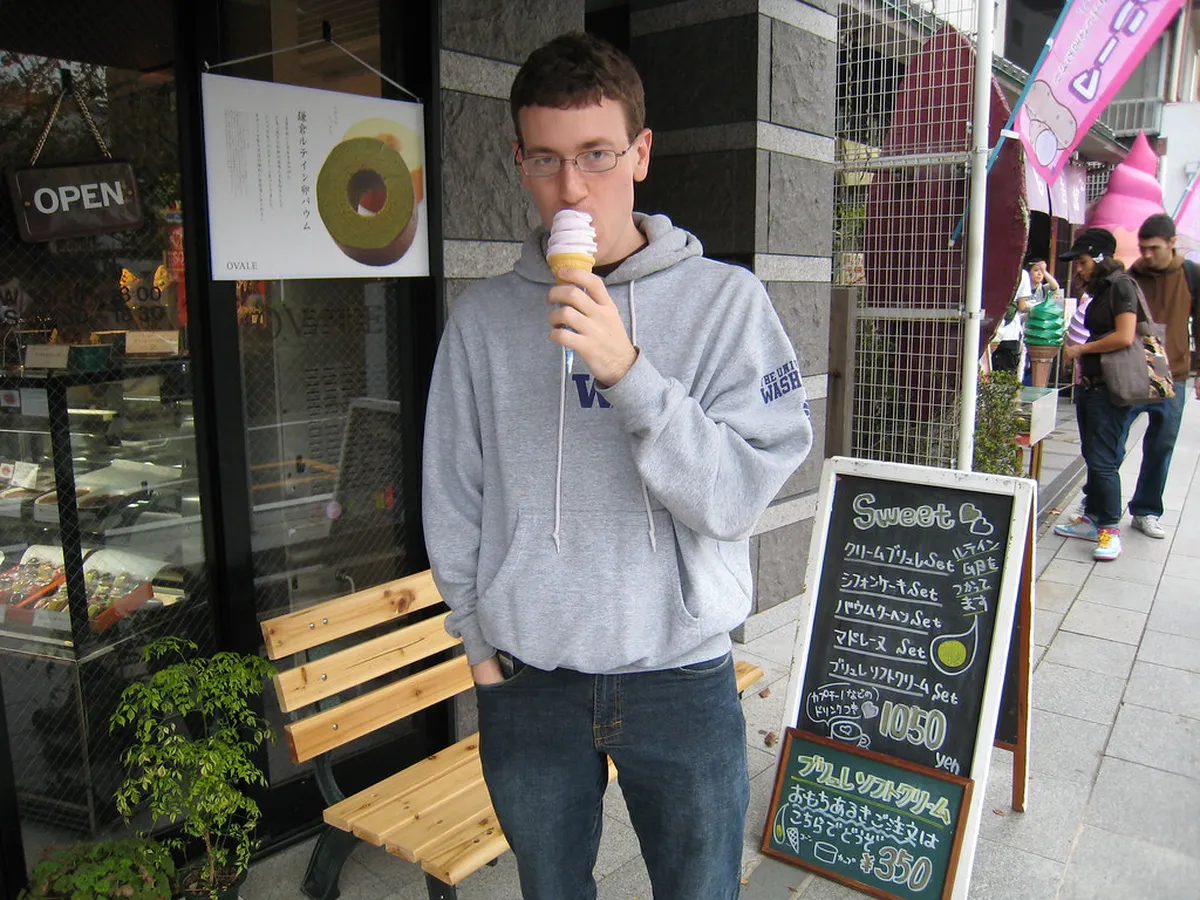
A quick manners checklist for the street: stand or sit at the vendor's designated spot to eat, return your skewer or wrapper to the original shop (public bins are almost non-existent), do not stop abruptly in the middle of pedestrian flow to take photos, and step aside near a doorway if you need to consult a map. Smoking is restricted to designated areas only — Komachi Street and its surrounding blocks are non-smoking zones.
Kamakura City officially discourages eating while walking (tabearuki). Use the designated bench or standing area at each vendor — ignoring this rule puts you at odds with local policy and may draw attention from city staff near the busiest stalls.
Carry a small plastic bag in your daypack for napkins and stray wrappers; you will not find a public trash can until you reach a station or convenience store. If you continue to Yuigahama Beach or another sight afterward, dispose of all street-food trash before leaving the Komachi area rather than hauling it across town.
Smart Sequencing for a Half-Day Visit
Most online guides treat Komachi Street as a list of stalls without telling you the order. The route that minimizes both backtracking and crowd friction in 2026 is: lunch first at Caraway or Akimoto right after the 11:00 to 11:30 opening (queues form within 20 minutes), then walk the street snack-by-snack from station end toward shrine end, and finish with Toshimaya for souvenirs on your way back to the JR platform. This way you eat hot snacks in their first three minutes and pick up the crumble-resistant cookie tin last.
Komachi Street and Wakamiya-oji run parallel between the station and Tsurugaoka Hachimangu — a detail that matters if you are travelling with a stroller, a wheelchair, or someone using a cane. Komachi is narrower and gets shoulder-to-shoulder dense after 12:30; Wakamiya-oji is wider, has dedicated walkways flanking the shrine approach, and is significantly easier to navigate with mobility equipment. The practical move is to walk Wakamiya-oji on the way to the shrine and Komachi on the way back, when the after-lunch surge has thinned.
For weekend visits, target arrival between 10:30 and 11:00 — you get post-opening hot snacks before the 12:30 wave from Tokyo arrives. On a rainy day, Komachi Street remains mostly viable because the storefront awnings cover roughly 60% of the walking surface; Cha Cha, Tomoya, and Tenkichi all have small interior counters where you can stand out of the weather. Skip the open-flame Wasen squid if it is genuinely raining, since the open grill shuts down or runs slow.
Beyond the Street: Nearby Attractions and Logistics
At the shrine end of Komachi Street, Tsurugaoka Hachimangu's main approach takes about 5 minutes on foot from the last stall. From there, the Great Buddha visiting guide covers the 20-minute walk or 4-minute Enoden ride to Kotoku-in temple in Hase. The Enoden Line platform sits behind the JR Kamakura Station, two minutes from Komachi's torii gate — useful if you want to combine the food crawl with coastal stops at Yuigahama or Enoshima.
For luggage, the coin lockers at the East Exit fill by 11:00 on Saturday and Sunday, so arrive on the 9:30 train if you are carrying a roller bag. When the station lockers are full, the small private storage shops in the surrounding alleys charge roughly ¥600 to ¥800 per bag for the day — see the Kamakura station exit guide for current locations. The Kamakura transportation guide covers the Yokosuka Line approach from Tokyo Station (around 60 minutes) and the Enoden one-day pass that pays off if you are linking three or more coastal stops.
Japan Rail Pass holders ride the Yokosuka Line into Kamakura at no additional cost, but the Enoden Line is private and requires either a separate ticket or the Enoden one-day pass. Most visitors find one full day is enough for the food crawl plus the major shrines; budget an extra half-day if you want to add Hase, Yuigahama, and Enoshima.
Frequently Asked Questions
What time does Komachi Street open and close?
Most shops on Komachi Street open between 10:00 AM and 11:00 AM and close by 6:00 PM. I recommend arriving by 10:30 AM to beat the largest crowds. Some restaurants stay open later, but street food stalls close early.
Can you eat while walking on Komachi Street?
Eating while walking is officially discouraged by the Kamakura City government to maintain cleanliness. Visitors should stand or sit near the shop where they purchased their food. Always return your trash to the vendor before moving to the next stall.
What is the most famous food in Kamakura?
Kamakura is most famous for shirasu, which are tiny whitebait fish served raw or boiled over rice. Other iconic items include the dove-shaped Hato Sable cookies and the purple sweet potato soft serve. You can find all of these along Komachi Street.
Komachi Street remains the highest-density food walk in Kanagawa, but the visitors who get the most out of it follow three rules: eat at the vendor's designated spot rather than walking with food, sequence sit-down lunch before snack stalls so the queue cost is lower, and use Wakamiya-oji as the parallel route on the way out when Komachi gets dense. The 14 eats above cover the full spectrum — from ¥80 Kamakura Yaki to a ¥2,500 shirasu set — so you can pace your spend across a half-day without overcommitting at the first stall.
Bring cash, arrive by 10:30 on weekends, and finish with the Toshimaya souvenir tin on your way back to the JR platform. The street is constantly evolving, with seasonal dango colors and rotating Tomoya fillings every few months, so a return visit always finds something new in the heart of this coastal city.
For the wider Kamakura context, see our complete Kamakura attractions guide.
For related Kamakura deep-dives, see our 11 Best Restaurants in Kamakura for Every Budget and Kenchoji Temple Kamakura Travel Guide guides.
Free: The Kamakura Essentials guide
Top things to do, where to stay, a perfect day plan, getting around, and the best time to go — a Kamakura mini-guide you can take offline.
You might also like


Continue reading
More guides you'll find useful