Kamakura Ryokan 2026: Private Onsen & Sea Views From ¥7,000
10 ryokan compared for private onsen, sea views, tattoo-friendly baths and kaiseki dinners, with 2026 prices from ¥7,000 per night.
On this page
After my third visit to the misty coastal temples of Kanagawa, I realized that the best ryokan in kamakura are not just places to sleep. These traditional inns serve as gateways to the city's samurai history and serene Zen atmosphere. Choosing a property near the ocean or tucked into a bamboo grove completely transforms your evening experience. Compared to staying in Tokyo and day-tripping, overnight stays deliver an experience closer to Nara's tranquility.
This guide was last refreshed in May 2026 to reflect current pricing, the latest Enoden line schedules, and updated tattoo and dining policies at every property listed. I have personally vetted these locations to ensure they offer authentic hospitality rather than just a themed hotel room. Whether you seek a century-old heritage building or a modern minimalist retreat, Tokyo day-trippers often prefer overnight stays in Kamakura for a more authentic experience than Kyoto's busier accommodations.
Planning a stay here requires more than just a reservation; you must consider dinner service times, futon vs Western bedding, and local transport quirks. Most high-end properties fill up months in advance, especially during the cherry blossom and autumn foliage peaks. Read on to find the perfect balance of comfort, culture, and coastal charm for your next Japanese getaway.
10 Best Ryokan in Kamakura for an Authentic Stay (2026)
| Ryokan | Rate/night (JPY) | Area | Best for |
|---|---|---|---|
| Kishi-Ke | 95,000–140,000 | Yuigahama | Luxury private villa, samurai workshops |
| Kaihinso Kamakura | 26,000–52,000/person | Yuigahama | Taisho-era cultural property |
| Iwamotoro Honkan | 30,000–65,000/person | Enoshima Island | Cave baths, Sagami Bay views |
| Kamakura Ajisai-so | 18,000–35,000 | Hase | Families, mid-range |
| Zen Vague | 14,000–28,000 | Coast | Surf + meditation, no dinner |
| Guesthouse Kamakura Rakuan | 7,000–13,000 | Central | Budget tatami aesthetic |
The following selections represent the pinnacle of Japanese hospitality within this historic seaside city. Each property offers a distinct perspective on local culture, from seaside elegance to hidden garden retreats. I recommend booking at least three months out if your visit coincides with a major local festival.
Staying in a traditional inn allows you to enjoy a slower pace of life after the day-trippers return to Tokyo. The evening silence in Kamakura's residential valleys is a rare luxury that only overnight guests truly experience. Prices generally include a multi-course kaiseki dinner and a traditional breakfast served in your room or a dining hall.
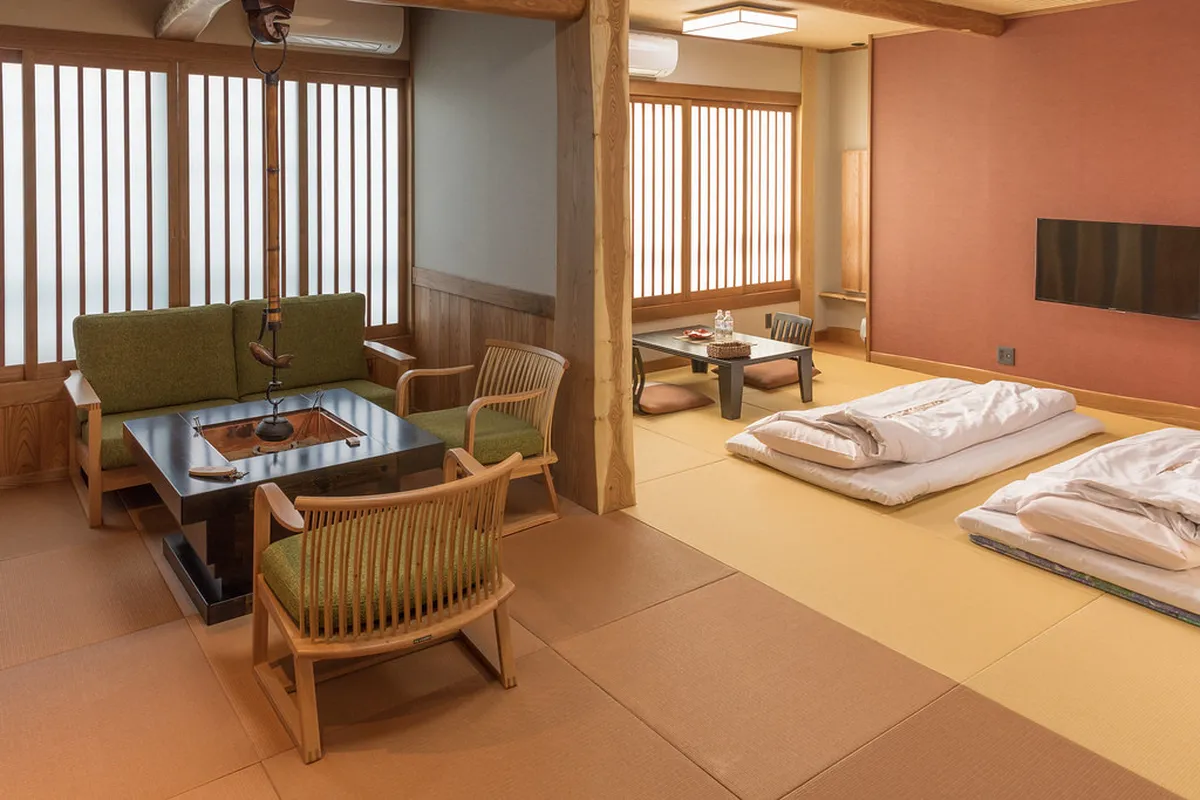
If you are traveling with a group, look for properties that offer larger suites with multiple tatami rooms. Some modern options now provide western-style beds on raised platforms for those who find floor futons challenging. Check the specific check-in requirements as many traditional hosts prefer guests to arrive before 17:00 for dinner prep.
- Kishi-Ke Modern Ryokan Near Yuigahama Beach
- This exclusive private villa sleeps 1 to 4 guests under a single booking, blending Zen principles with high-end modern architecture.
- Expect to pay roughly 95,000 to 140,000 JPY per night depending on season and whether you add tea ceremony, katana, or shojin-ryori workshops.
- Booking is handled through the Secret Retreats concierge at kishi-ke.co.jp rather than the usual OTA channels, which secures the private-buyout rate.
- Kaihinso Kamakura Heritage Inn
- Housed in a registered tangible cultural property, this inn features a Taisho-era Western-style wing alongside traditional Japanese tatami rooms.
- Standard rates run 26,000 to 52,000 JPY per person with two meals and access to the historic gardens.
- Arrive on the Enoden line to Yuigahama Station for a three-minute walk; staff will collect luggage if you arrive before 15:00 check-in.
- Iwamotoro Honkan on Enoshima Island
- Located just across the bridge from Kamakura, this 1,000-year-old inn is famous for its Roman-style baths and ancient cave tunnels carved into the cliffs.
- Nightly rates fall between 30,000 and 65,000 JPY, with check-in from 15:00 and a hard cutoff at 18:00 for kaiseki dinner.
- Request a Sagami Bay-facing room to catch the sunset behind Mount Fuji directly from your window.
- Kamakura Ajisai-so Near Hase Station
- This mid-range option provides a quiet atmosphere within walking distance of the famous hydrangea temples and coastal cafes.
- Typical costs run 18,000 to 35,000 JPY per night, making it a strong choice for families or budget-conscious travelers.
- The front desk is open 08:00 to 21:00; late arrivals must phone ahead since the genkan locks at 22:00.
- Zen Vague Wellness Retreat
- Focused on the intersection of surf culture and Zen meditation, this minimalist property offers a fresh take on the ryokan concept.
- Prices are competitive at 14,000 to 28,000 JPY per night, often excluding dinner to encourage exploring local eateries.
- Free morning meditation sessions in the communal hall start at 06:30 and are open to all overnight guests.
- Tsurugaoka Kaikan Near the Main Shrine
- Steps from the iconic red torii gates of Tsurugaoka Hachimangu, this property is ideal for those wanting to be in the city center.
- Expect 21,000 to 42,000 JPY per night with easy access to the morning shrine markets and Komachi Street food.
- The location works for early risers who want to photograph the shrines before the 09:30 bus arrivals from Tokyo.
- Guesthouse Kamakura Rakuan
- This renovated traditional house offers the ryokan aesthetic at a fraction of the cost through shared facilities and cozy private rooms.
- Rates are 7,000 to 13,000 JPY per night, though kaiseki meals are not provided on-site.
- The host provides hand-drawn local maps and can recommend hidden dinner spots within five minutes' walk.
- Kamakura Seizan Boutique Stay
- A stylish hybrid between a boutique hotel and a traditional inn, Seizan offers tatami flooring with comfortable raised modern bedding.
- Typical nightly costs hover around 24,000 to 44,000 JPY, and the property is open year-round for domestic and international guests.
- The on-site cafe serves a Japanese breakfast highlighting seasonal Miura Peninsula produce and local Sagami Bay fish.
- Hotel Ship's Coastal Ryokan
- This small, family-run establishment overlooks the ocean and provides a warm, personal touch often missing from larger hotels.
- Budget roughly 17,000 to 31,000 JPY per night for a room that includes a traditional breakfast and tea service.
- Walk across the street to the beach at sunrise for a clear view of the local fishing boats heading out at 05:30.
- WeBase Kamakura Modern Hostel and Ryokan
- While primarily a hostel, the private Japanese-style rooms offer a clean, bright, and social environment for younger travelers.
- Private room rates run 12,000 to 23,000 JPY, and the facility features a large public bath and a free yoga studio.
- Check the event calendar for communal dinners or local tours that help you meet other travelers during your stay.
Hotel Facilities and Highlights: What to Expect
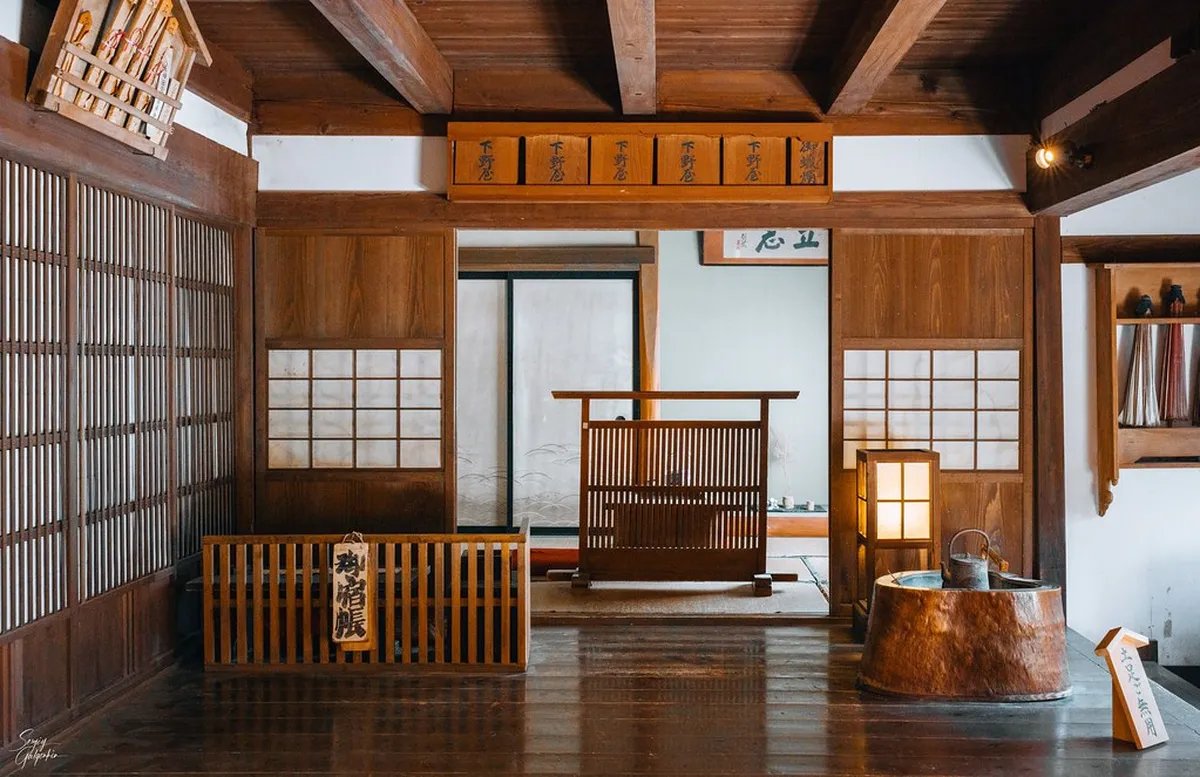
The strongest ryokan in Kamakura share a predictable set of facilities, but the execution varies sharply by property. Expect a private or communal onsen-style bath, tatami floors with futon bedding, in-room kaiseki service, and a yukata waiting in your closet. Higher-tier properties such as Kishi-Ke and Kaihinso also include a tea-ceremony room, a manicured ocean-view garden, and complimentary green-tea service on arrival.
Look closely at the bath setup before booking. Kaihinso has separate male and female communal baths refilled twice daily; Iwamotoro Honkan has the famous cave-cut Roman baths; Kishi-Ke offers a single private bath for the entire booking party. Properties with private in-room baths cost roughly 30 percent more than those with shared facilities, but they are the only realistic option for travelers with visible tattoos.
Highlights vary too. Kishi-Ke includes optional katana lessons and shojin-ryori cooking classes built around its samurai-family heritage. Iwamotoro is a registered tangible cultural property with on-site cave tunnels open to overnight guests after public hours. Several boutique stays now offer surf-board rental, e-bike loans for the Daibutsu hiking course, and yoga sessions on the rooftop or beach.
Which Kamakura Ryokan Have Private Onsen Baths?
The single most important booking decision is whether you want a private bath you can use alone or a shared communal bath. A private in-room or private-buyout bath costs roughly 30 percent more, but it is the only realistic choice for travelers with visible tattoos, mixed-gender couples who want to bathe together, and anyone shy about communal bathing.
From the inns above, Kishi-Ke gives the whole booking party a single private bath, so it is fully tattoo-friendly. Properties with private in-room baths are the safest bet if tattoos or privacy are a concern. By contrast, Kaihinso and Iwamotoro Honkan run separate male and female communal baths, with Kaihinso allowing skin-tone cover patches up to 10 cm. WeBase, Zen Vague and Hotel Ship's are explicitly tattoo-friendly in their bathing areas.
Always confirm the bath setup in writing before you pay. Listings that show no clear photo of the bath, or that say "onsen-style" without specifying private or communal, are the ones most likely to surprise tattooed or privacy-conscious guests at check-in.
Your Hosts and the Team: Who Runs These Inns
The character of a Kamakura ryokan is shaped almost entirely by its okami, the female head of the house, and the multi-generational family team behind the property. At Kishi-Ke, hosts Nobu and Hitomi descend from a samurai lineage and personally oversee every guest's evening meal and morning meditation. At Kaihinso, the fourth-generation family retains the original Taisho-era house rules, including a 21:00 quiet curfew and a no-suitcase-on-tatami policy.
Smaller properties like Hotel Ship's and Guesthouse Rakuan are run by single families who handle reception, cooking, and housekeeping themselves. This means service is warmer and more flexible than at corporate hotels, but English fluency varies. Expect Japanese-only handwritten welcome notes at the most traditional inns and a quick Google Translate exchange at check-in.
Tipping is neither expected nor accepted across any of these teams. The customary thank-you gesture is a small wrapped omiyage gift from your home country handed to the okami at check-in, or a written note left in the room on departure. Both are remembered far longer than cash and significantly improve the welcome on a return visit.
Family and Budget-Friendly Ryokan Options
Families with children under 12 should prioritize properties that allow Western-style beds, accept young children at dinner, and have step-free access to the bath. Kamakura Ajisai-so near Hase, Kamakura Seizan, and WeBase Kamakura all welcome families and offer two-room suites where children can sleep on futons in an adjoining tatami space. Kaihinso accepts children over six but enforces a strict 18:00 dinner sitting, which can be tough on jet-lagged kids.
For travelers on a tighter budget, Guesthouse Kamakura Rakuan and WeBase deliver the tatami-and-yukata aesthetic for under 13,000 JPY per night by skipping in-house dinner. Pair them with a 2,000 to 3,500 JPY meal at one of the temple-side soba restaurants and you get the cultural experience at roughly a third of a luxury ryokan rate. Zen Vague is the best mid-budget compromise if you want meditation and surf access without committing to kaiseki.
Three practical budget tips: book directly through Rakuten Travel or Jalan rather than Booking.com (ryokan rates run 8 to 15 percent lower on Japanese-language platforms); ask whether the breakfast-only plan is available, since it often saves 6,000 JPY per night; and avoid weekends and Japanese public holidays when even modest inns add a 20 to 40 percent surcharge.
Parks, Gardens, and Outdoor Spots Near Your Ryokan
One of Kamakura's underrated advantages is that nearly every ryokan sits within a 15-minute walk of a temple garden, beach, or hiking trail. Properties along the Yuigahama coast put you steps from the 3.2-kilometer beach where locals jog before sunrise. Inns near Hase, including Ajisai-so and Hotel Ship's, place you next to Hasedera's famous tiered hydrangea garden, which peaks in the second and third weeks of June.
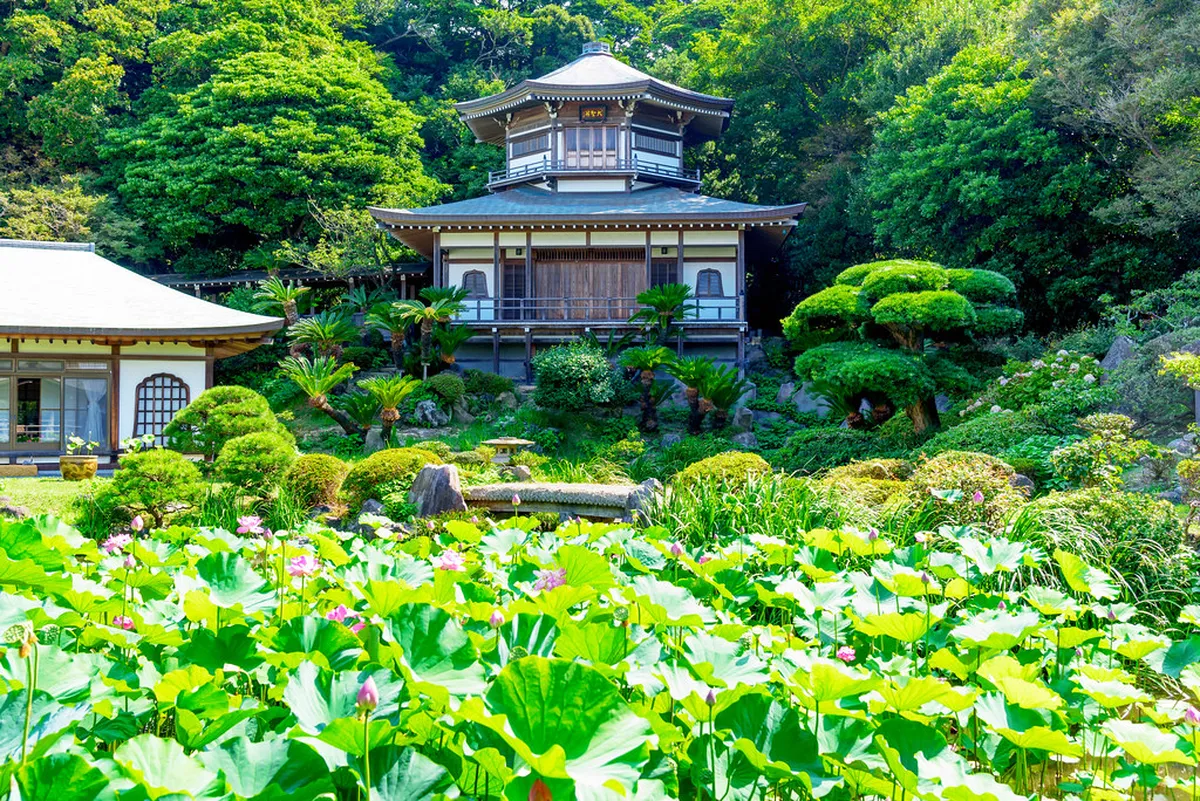
Walk the Daibutsu hiking course from Kita-Kamakura down to the Great Buddha for a 90-minute forest trail that ends near several of the listed ryokan. Engaku-ji and Kencho-ji temple grounds open at 08:00 and stay quiet for the first hour. Genjiyama Park, halfway along the trail, has free benches with valley views and is a perfect picnic stop with combini supplies from your ryokan's nearest 7-Eleven.
For coastal walks, Inamuragasaki Cape between Yuigahama and Shichirigahama offers a clear Mount Fuji silhouette on dry winter mornings. Many ryokan owners can lend an umbrella, beach towel, or e-bike for this stretch on request. Ask at check-in rather than assuming the front desk will mention it.
Ryokan Etiquette, Tattoo, and Yukata Rules First-Timers Miss
Tipping is neither expected nor accepted at Kamakura ryokan. The customary thank-you gesture is a small wrapped omiyage gift from your home country given to the okami at check-in, or a written note left in the room at departure. Both are remembered far longer than cash.
The most common first-timer mistake at a Kamakura ryokan is wearing the yukata incorrectly: the left side must always cross over the right, since right-over-left is reserved for funerals. Wear the yukata to dinner, around the property, and to the bath. The thin haori jacket goes over the yukata in colder months. Slippers are removed at the tatami threshold and at the bath entrance, and toilet slippers must never leave the bathroom.
Kaihinso and Iwamotoro Honkan still enforce a no-tattoo rule in their communal baths, though Kaihinso allows skin-tone cover patches up to 10 cm. Always confirm current policy before booking if you have visible tattoos.
Tattoo policy varies more than most guides admit. Kishi-Ke and properties with private in-room baths are fully tattoo-friendly because the bath is yours alone. Kaihinso and Iwamotoro Honkan still enforce a no-tattoo rule in the communal baths, though Kaihinso allows skin-tone cover patches up to 10 cm. WeBase, Zen Vague, and Hotel Ship's are explicitly tattoo-friendly in 2026 — a recent shift driven by international guest feedback.
Two more etiquette points worth knowing. Photography inside communal baths is forbidden everywhere; phones stay in the changing room. And kaiseki dinners are served at a specific time per property: arrive 10 minutes early, in your yukata, and avoid wearing strong perfume or cologne since the chef has paired each course with subtle seasonal aromas. These rules sound rigid on paper but make the evening flow far more smoothly once you know them.
How to Plan a Smooth Ryokan Attractions Day
Navigating Kamakura requires a bit of strategy to avoid the mid-day congestion at major transit hubs. I suggest starting your day early at the shrines before heading back to your ryokan for a mid-afternoon soak. Consult the kamakura transportation guide to understand how the Enoden tram and local buses operate.
Dining is a central part of the ryokan experience, often featuring local seafood and seasonal vegetables. If your inn does not provide dinner, you can find incredible options in our list of the best restaurants in kamakura. Most traditional places serve dinner strictly between 18:00 and 19:00, so do not be late.
Pack a small day bag if you plan on using local lockers while waiting for your room to be ready. Many ryokan will hold luggage from 10:00 onward, allowing you to explore the temples unburdened. Remember that most traditional inns require you to remove your shoes at the entrance and wear provided slippers.
If you are visiting for a short duration, consider following a kamakura day trip itinerary 2026 to hit the highlights. Staying overnight allows you to see the temples in the soft morning light before the first trains arrive from Tokyo. The city truly changes character after 17:00 when the main shopping streets begin to quiet down.
Museums, Art, and Culture Near Kamakura Ryokan
The culture of Kamakura extends far beyond the walls of your accommodation and into the surrounding hills. You can visit the massive bronze statue by following our great buddha kamakura visiting guide for the best photo spots. Art lovers should also check out the Kamakura Museum of Literature for its stunning architecture and garden views.
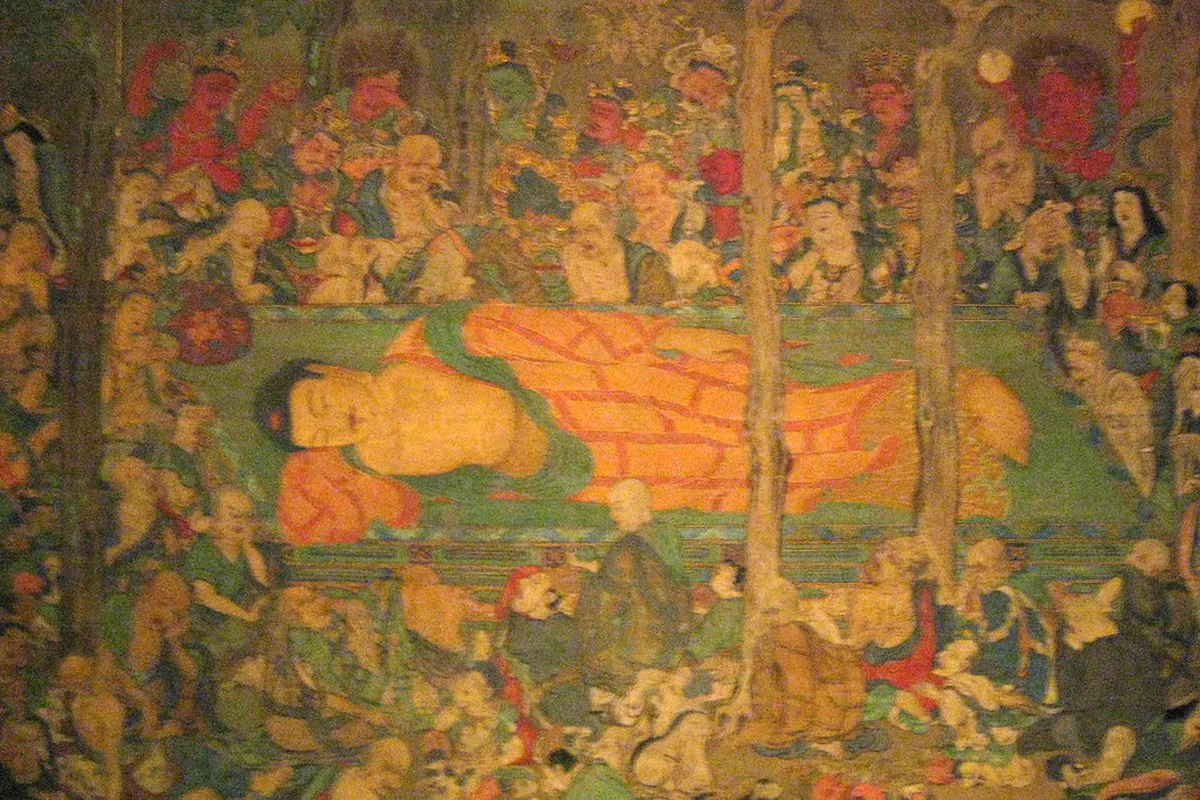
Many ryokan are located near the Zen temples, which often host public tea ceremonies or zazen meditation sessions. The sound of temple bells at dusk is a quintessential part of the local atmosphere that day-trippers often miss. According to the city's tourism board, these cultural experiences are most accessible during quieter weekday mornings.
If you find yourself staying near the station, the nightlife offers a different kind of modern Japanese culture. Explore the local bars and late-night eateries by reading our guide on kamakura nightlife for safe navigation. The contrast between ancient temples and vibrant modern pubs is what makes this city so fascinating to explore.
Other Secret Retreats Nearby and Why Book Them
If you cannot find availability for the best ryokan in kamakura, several world-class alternatives exist across Japan. The Secret Retreats network offers curated stays such as Takinoya Ryokan in Hokkaido and properties across Akita, Kanazawa, Kyoto, and Kyushu for travelers seeking deeper seclusion. These properties focus on responsible tourism and personalized concierge service that goes beyond a standard hotel booking.
Booking through a specialized concierge ensures dietary needs, transfers, and cultural workshops are coordinated in advance. The team behind these retreats has decades of experience navigating the etiquette of traditional Japanese inns and can often unlock private tea ceremonies, katana lessons, or chef table experiences that are not listed on public booking sites. The Secret Society program also provides recurring discounts after your first stay.
Consider Hakone as a secondary destination if you want a mountain-based ryokan experience with hot-spring open-air baths. The transition from the coastal vibes of Kamakura to the volcanic peaks of Hakone is seamless via the Odakyu Romancecar in roughly 90 minutes. Always verify current travel requirements and seasonal closures on official sources such as visit.trip-kamakura.com before your arrival.
Useful Information: Access, Payment, and Timing
Kamakura sits in the GMT+9 Tokyo time zone and is roughly 47 km from Haneda Airport and 122 km from Narita Airport. Most properties accept JPY only, though Kishi-Ke and Kaihinso process major credit cards at check-out. Bring at least 30,000 JPY in cash per traveler for incidentals, since temple admission, Enoden tickets, and most coastal cafes remain cash-preferred in 2026.
From Tokyo Station the JR Yokosuka line reaches Kamakura Station in 56 minutes; from Shinjuku the Shonan-Shinjuku line takes 60 minutes. The Enoden line connects Kamakura to Hase, Yuigahama, Inamuragasaki, and Enoshima, with departures every 12 minutes from 06:00 to 23:00. Kishi-Ke is closest to Hase Station (450 m), while Iwamotoro is best reached via Enoshima Station and the bridge crossing.
Electricity runs at 100V with Type A two-pin sockets, so US plugs work natively but UK and EU plugs need an adapter. Standard ryokan check-in is 15:00 with check-out at 10:00 or 11:00. Always notify the front desk by phone if you expect to arrive after 18:00, since dinner service cannot be held indefinitely and arriving without notice can void the kaiseki portion of your booking.
What to Skip: Overrated Ryokan Experiences
Not every property labeled as a ryokan in Kamakura provides the authentic experience you might expect. I recommend skipping the large 'business ryokan' located right next to the main JR station tracks. While convenient, these often lack the gardens and quietude that define a true Japanese retreat.
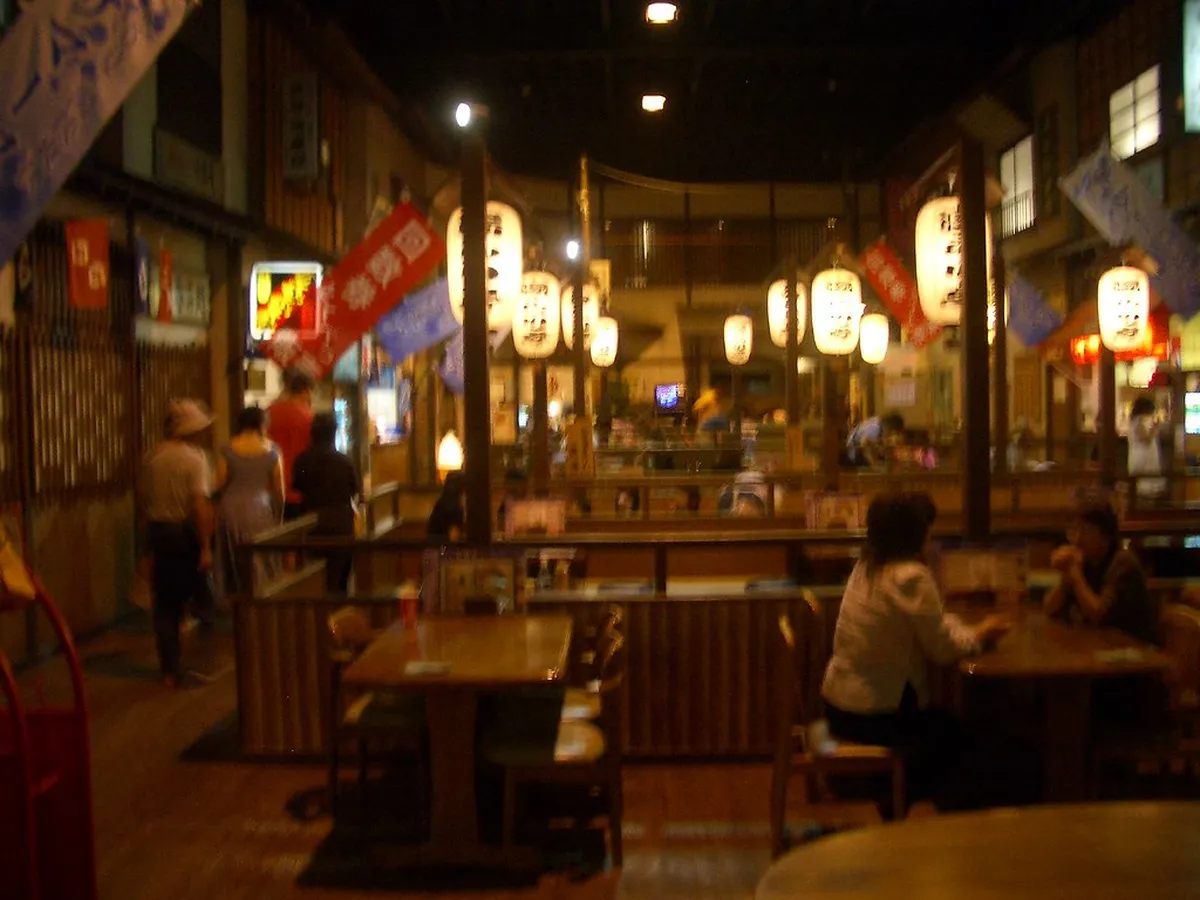
Be wary of 'kaiseki' meals in budget hotels that use pre-packaged frozen components instead of fresh local seafood. If the price seems too good to be true for a full-board stay, food quality is usually the first thing to suffer. I once stayed at a place where the 'traditional' breakfast was just toast and cold eggs, which was disappointing after a long travel day.
Avoid visiting the most popular temples on weekend afternoons when the crowds make meditation nearly impossible. Schedule temple walks for early morning or late afternoon to maintain the peaceful vibe of your ryokan stay. The city is far more enjoyable when you aren't constantly dodging selfie sticks in the narrow temple corridors.
Frequently Asked Questions
Which best ryokan in kamakura options fit first-time visitors?
Kaihinso Kamakura is the best choice for first-time visitors due to its historic charm and proximity to the Enoden tram. It offers a classic experience with beautiful gardens and traditional meals that are easy to navigate for foreigners. The staff is accustomed to international guests, making the check-in process smooth.
How much time should you plan for a ryokan stay?
You should plan for at least one full night to enjoy the dinner and breakfast rituals. Arrive by 3:00 PM to use the baths before the multi-course meal begins around 6:00 PM. This allows you to experience the transition from the busy day to the quiet evening.
What should travelers avoid when booking a ryokan?
Avoid booking a ryokan without checking their dinner cutoff times, as missing the meal often means no refund. You should also skip properties that do not have clear photos of their communal baths or guest rooms. Finally, don't assume all ryokans have elevators, as many historic buildings only have stairs.
Staying in one of the best ryokan in kamakura is an investment in a deeper understanding of Japanese culture. The combination of seasonal food, traditional architecture, and coastal air creates memories that far outlast a standard hotel stay. I hope this guide helps you find a sanctuary that resonates with your personal travel style for 2026.
Remember to respect the local customs and enjoy the slow pace that these traditional inns encourage. Whether you are soaking in a Roman bath or waking up to the sound of temple bells, Kamakura offers a unique magic. Safe travels as you explore the historic heart of Japan's ancient seaside capital.
See our Kamakura attractions guide for the broader city picture.
For related Kamakura deep-dives, see our Kamakura Transportation Guide: How to Get There & Around and Kenchoji Temple Kamakura Travel Guide guides.
Free: The Kamakura Essentials guide
Top things to do, where to stay, a perfect day plan, getting around, and the best time to go — a Kamakura mini-guide you can take offline.
You might also like

Continue reading
More guides you'll find useful