Tsurugaoka Hachimangu Shrine: Top 5 Spots, History & Tips
Free entry, open 06:00-20:00, 10 minutes from Kamakura Station. See the top 5 spots, the shrine's history, and when autumn foliage peaks.
On this page
Tsurugaoka Hachimangu sits at the literal and spiritual center of Kamakura, anchoring an axis that runs from the sea to the hills. The shrine grounds are free, open from roughly 06:00 to 20:00, and a 10-minute walk from the East Exit of Kamakura Station. Visitors from Tokyo and Kyoto frequently include it in day trips.
This tsurugaoka hachimangu shrine guide covers the founding history, the top five must-see spots, access from the station, autumn foliage timing, and a side-by-side look at quiet morning hours versus the peak midday rush. We have written it for travelers who want to make decisions quickly, not browse.
Whether you come for the November maples, the September Yabusame archery, or simply a pause between Komachi-dori snacks, planning around the crowd cycle and the side-shrine loop will turn a 30-minute drop-in into a richer two-hour visit.
History and Significance of Tsurugaoka Hachimangu
Minamoto no Yoriyoshi founded the original shrine in 1063 down by Yuigahama beach, branching it from the Iwashimizu Hachimangu near Kyoto to pray for victory in the Former Nine Years War. In 1180, his descendant Minamoto no Yoritomo, the founder of the Kamakura Shogunate, relocated it inland to its current site in Yukinoshita and made it the spiritual core of his new military government.
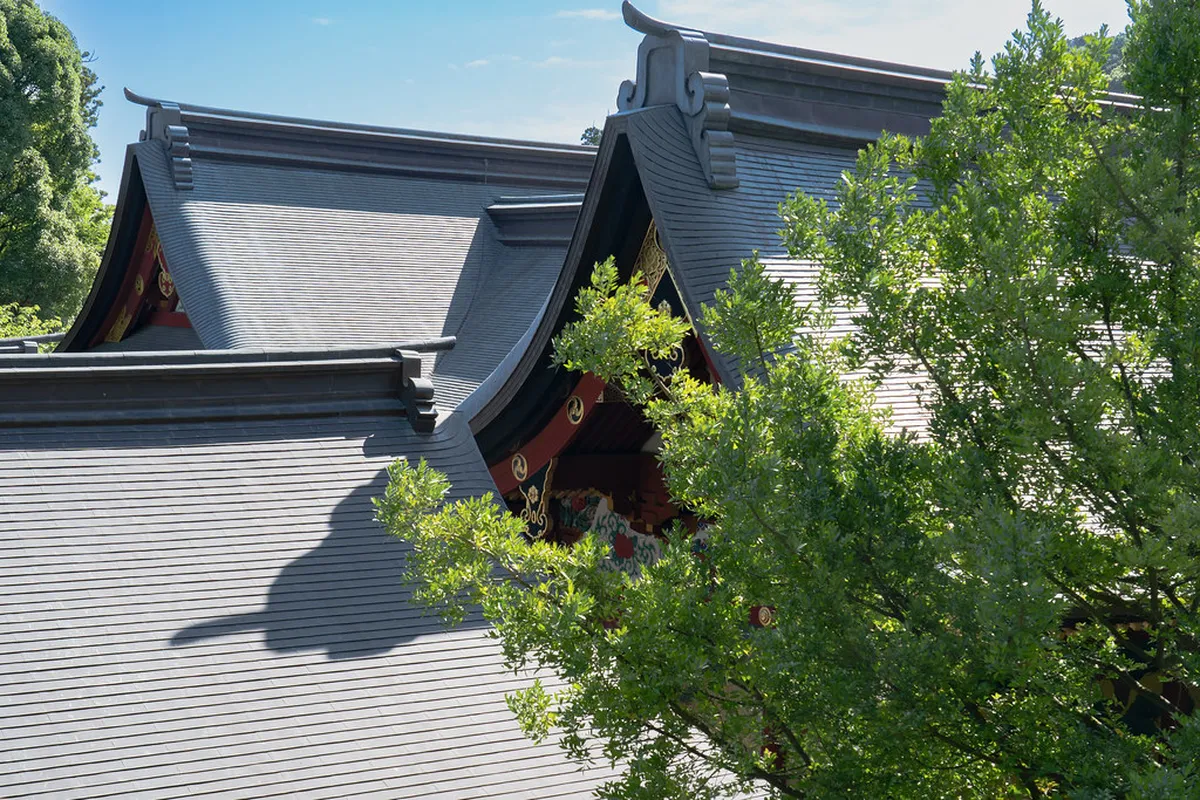
The shrine enshrines Hachiman, the patron deity of warriors, along with Emperor Ojin, Empress Jingu, and the goddess Himegami. For roughly 150 years it functioned as the official protector of the samurai class, and successive shoguns and emperors visited to dedicate prayers, weapons, and horses. The Hongu (Main Hall) you see today is a nagare-gongen-style rebuild commissioned in 1828 by the 11th Tokugawa shogun, Tokugawa Ienari, and is registered as a National Important Cultural Property.
Two events left lasting marks on the grounds. In 1219 the third shogun, Minamoto no Sanetomo, was assassinated on the great staircase by his nephew Kugyo, ending the direct Minamoto line. And in 2010 the giant 1,000-year-old "Hiding Ginkgo" tree at the foot of the steps fell in a storm; its sprouts have since grown into the "parent-child ginkgo" you see today, a small but meaningful detail most visitors walk past without noticing.
How to Get to Tsurugaoka Hachimangu (Access Guide)
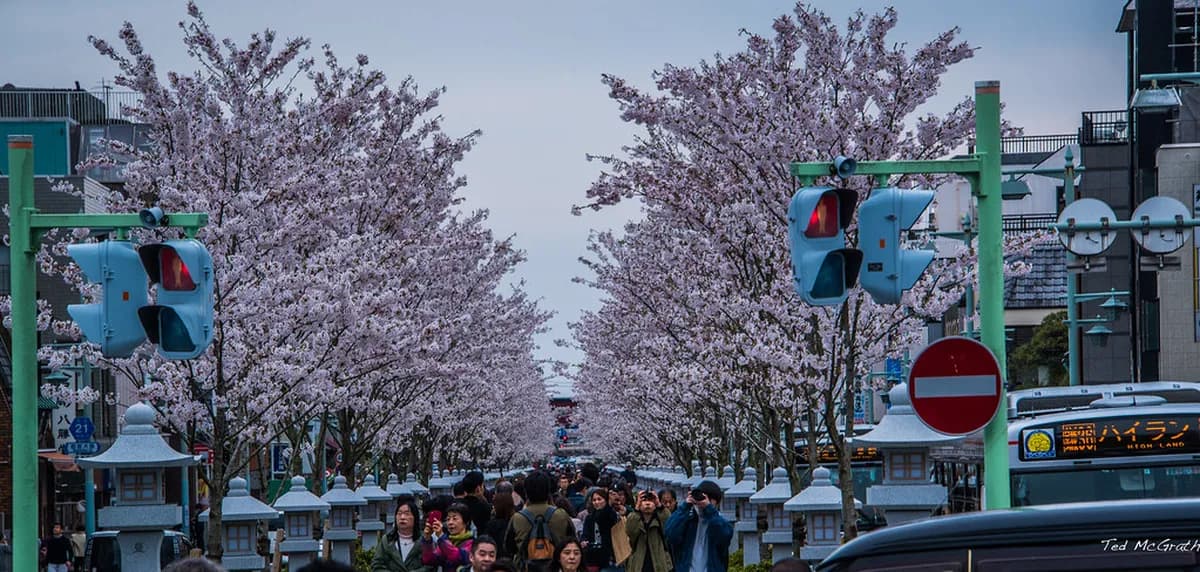
Entry to the main shrine grounds and the Hongu is completely free. Paid areas are the Treasure House (about ¥200) and the seasonal Peony Garden (about ¥500). The full walk from Kamakura Station East Exit to the shrine entrance takes 10–15 minutes along the scenic Dankazura cherry-tree avenue.
From Tokyo, take the JR Yokosuka Line from Tokyo Station to Kamakura Station (about 56 minutes, ¥940 one way) or the JR Shonan-Shinjuku Line from Shinjuku (about 60 minutes). At Kamakura Station, leave through the East Exit on the north side. Walk straight ahead and you will reach the Ni-no-Torii (Second Torii Gate) within four minutes.
From here you have two parallel routes north to the shrine, both about 600 meters long. The Dankazura is the raised stone causeway down the center of Wakamiya Oji Avenue, lined with cherry trees and originally built in 1182 by Yoritomo as a prayer for the safe birth of his son. To the right, Komachi-dori runs parallel as a shop-and-snack street with red lanterns. Most travelers pick Dankazura inbound (more atmospheric) and Komachi outbound (food and souvenirs). For broader transport context, see our Kamakura transportation guide.
The full walk from the East Exit ticket gate to the San-no-Torii (Third Torii Gate) and shrine entrance takes 10 to 15 minutes at an unhurried pace. If you are arriving by car, paid lots near the shrine charge roughly ¥600 for the first hour, but Kamakura's narrow roads and weekend congestion make the train far less stressful. Travelers staying nearby at guesthouses such as Tosh's Place can reach the entrance on foot in under 10 minutes via the back-of-shrine approach from the north.
Must-See Spots: The Top 5 Highlights
The complex is large enough that first-time visitors often miss half of it. These five spots, in the order you naturally encounter them walking in from the south, cover the architecture, the legends, and the photo angles you will actually remember afterward.
- Genpei-ike Pond — Just past the San-no-Torii, the path splits around twin lotus ponds bisected by Taiko-bashi (Drum Bridge). Genji-ike on the right has three islands ("san" means birth, symbolizing Genji prosperity); Heike-ike on the left has four ("shi" means death, symbolizing Heike defeat). Lotuses bloom in July and August; the scarlet bridge mirrors in the water on still mornings.
- Mai-den (Dance Hall) — The vermilion-painted hall directly in front of the great staircase. This is where Yoritomo's brother Yoshitsune's lover, Shizuka Gozen, was forced to dance for the shogun in 1186 — instead she sang a lament for her exiled lover. The Shizuka-no-mai dance ritual reenacts this every April. The hall also hosts Shinto weddings most Saturdays.
- Shirahata-Jinja Shrine — A black-lacquered sub-shrine east of the ponds, dedicated to Yoritomo himself and his son Sanetomo. Students stop here before exam season to pray for academic victory. The dark finish is unusual in Japanese shrine architecture and makes for a striking photo against the surrounding green.
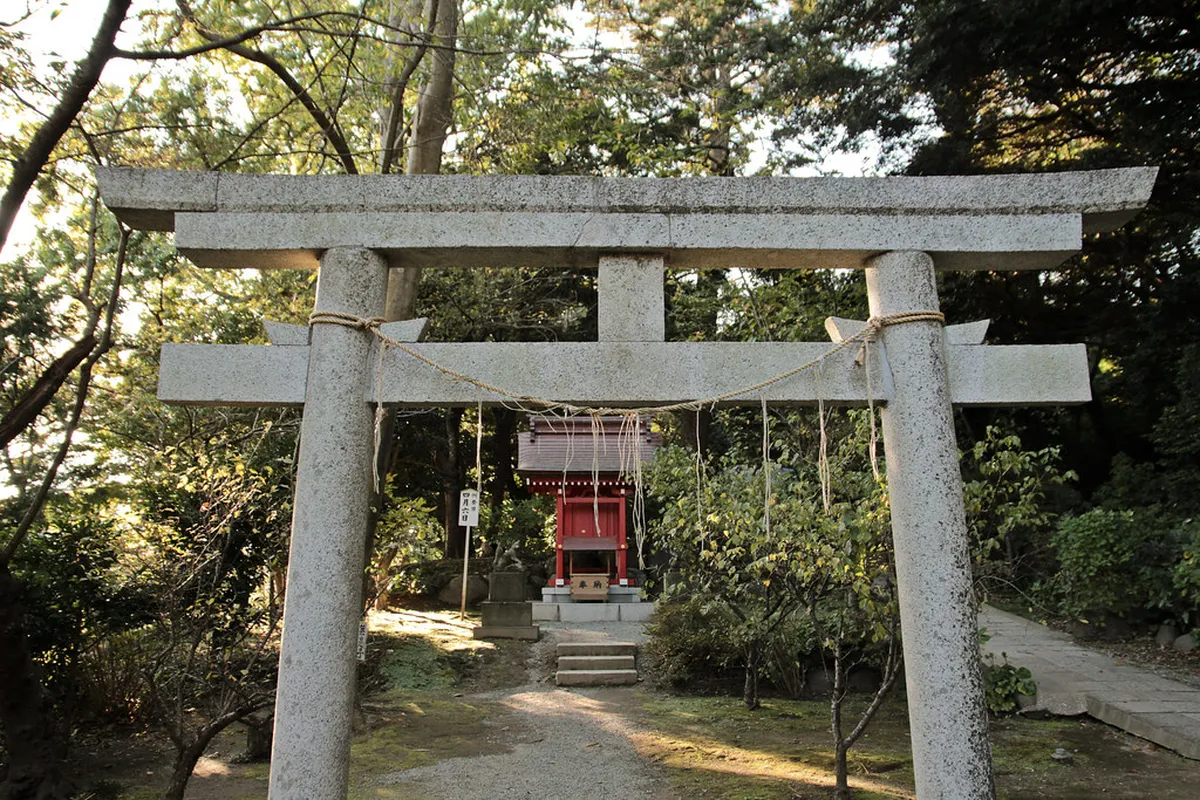
- Maruyama Inari Shrine — The oldest surviving structure on the grounds, built in the Muromachi period (14th-15th century). Hidden up a slope on the west side, you reach it through a tunnel of small red torii gates donated by businesses praying for prosperity. Almost no tour groups come up here, so it stays quiet even at noon.
- Hongu (Main Shrine) — Climb the 61 stone steps to reach the upper sanctuary. The plaque above the entrance reads "Hachimangu," with the character 八 stylized as a pair of doves — Hachiman's sacred messengers. Look back from the top: the view straight down Dankazura toward the sea is the most reproduced image of Kamakura in travel media.
Exploring the Grounds: Museums, Art, and Culture
Beyond the religious buildings, the shrine grounds host two cultural institutions worth a stop. The Kamakura Museum of National Treasures sits on the eastern side of the complex; admission is around ¥400, and the rotating collection includes Buddhist sculptures, Kamakura-period scrolls, and lacquerware borrowed from the surrounding temples. Allow 30 to 45 minutes inside. The Tsurugaoka Hachimangu Museum (also called the Treasure House), located near the staircase, charges roughly ¥200 and focuses on the shrine's own artifacts — palanquins, masks, swords, and ceremonial robes.
For travelers deciding whether either museum is worth the time, the National Treasures Museum is the better pick if you have already toured Kenchoji or Engakuji and want to anchor the artifacts to the temples you saw. The Treasure House is the better pick if you are short on time and only have an hour at the shrine itself. Check the Official Tsurugaoka Hachimangu Website for current exhibit schedules and seasonal closures.
Outside the museums, do not miss the carvings on the eaves of the Hongu and the Mai-den — gilded phoenixes, peonies, and the kirin (Chinese unicorn) appear repeatedly. The Sakura-mon (Cherry Gate) painted plaque, with its dove-shaped 八 character, is the same motif that inspired Toshimaya bakery's famous "Hato Sabure" dove-shaped butter cookies sold throughout Kamakura. Picking up a tin on Komachi-dori afterward connects the souvenir back to what you just saw.
Parks, Gardens, and Outdoor Spots in the Shrine Complex
The Peony Garden (Botan-en) wraps around the Genji-ike Pond and operates in two seasons: a winter showing from early January through mid-February (cold-bloom peonies sheltered under straw umbrellas) and a spring showing from mid-April through early May. Entry is around ¥500. The winter session is the more photogenic of the two — fewer visitors and snow occasionally on the umbrellas.
The Sanetomo Cherry Blossom, a small tree planted in memory of the third shogun, blooms in late March around the Shirahata-Jinja approach. The Crane and Tortoise Stones sit near the entrance to the main approach and are tied to Chinese longevity legend; locals say the figures of a crane and a tortoise emerge when the stones are wet, though the shrine asks visitors not to pour water on them.
Behind the Hongu, narrow paths lead into the wooded slopes where the Daichoji hiking trail begins. The trail climbs about 1.5 km up to a ridgeline with views of Kamakura and Sagami Bay, and continues to Kenchoji temple roughly 45 minutes north. This back-of-shrine forest receives a fraction of the visitors who pack the main approach.
Family-Friendly and Budget-Friendly Visiting Tips
Visiting the main grounds costs nothing — the only paid areas are the two museums and the seasonal Peony Garden. A family of four can easily spend a full morning here for the price of two coffees, which makes it a strong anchor for a kamakura day trip itinerary 2026 on a budget. Kids gravitate to the koi in the ponds, the pigeons near the Mai-den, and the small open square in front of the staircase.
The 61 stone steps are not stroller-friendly, but a paved side ramp on the east side of the staircase leads up to the same upper plaza. If you are pushing a stroller or traveling with someone who cannot manage stairs, take the ramp on the way up and the steps on the way down (the steps are far easier descending than climbing). Wheelchair-accessible restrooms are located near the museum complex on the east side.
Strollers can be parked at the base of the steps under cover, and there is a small rest area with vending machines (drinks ¥130-180) and benches near the Mai-den. For lunch, the nearby Komachi Street food guide covers kid-friendly options including the famous shirasu rice bowls. Most families find two hours covers the full circuit comfortably; pack water in summer, when the staircase becomes a heat trap by 11:00.
Seasonal Beauty: Autumn Leaves and Local Traditions
During Hatsumode (January 1–3) over 2.5 million worshippers visit the shrine, making it one of the most crowded periods of the year. The Yabusame horseback archery on September 16 fills public viewing areas by 11:30 for a 13:00 start — arrive by 11:00 to secure a spot on the rope.
Autumn is the headline season. The Autumn Leaves at Tsurugaoka Hachimangu Shrine (鶴岡八幡宮) peak from late November through early December — maples around the ponds turn deep red, while the parent-child ginkgo and the row of trees along Dankazura turn gold. Color begins as early as the last week of October and lingers into mid-December in mild years. There is no nighttime illumination, but gentle floor-level lighting stays on until 20:00. For peak-week timing updates, see our Kamakura autumn leaves guide.
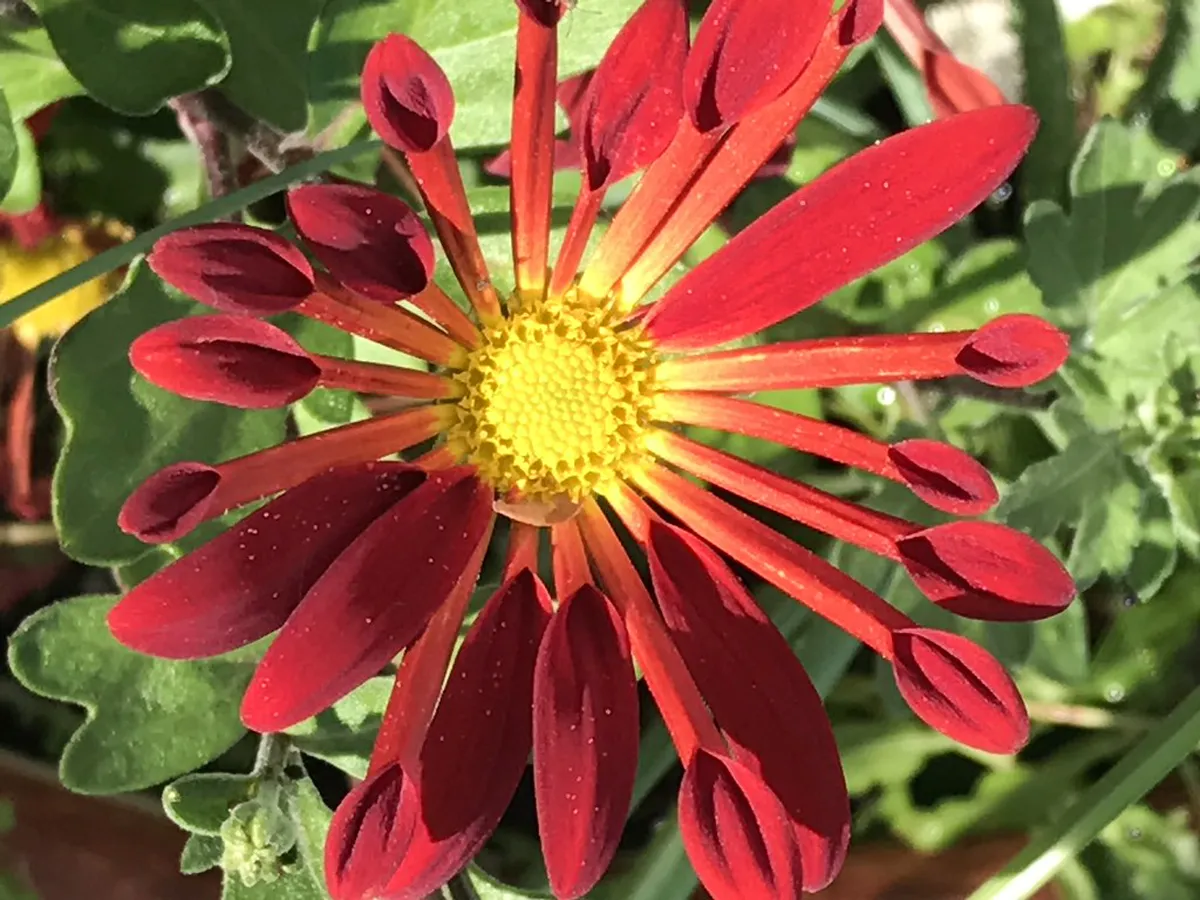
Spring brings cherry blossoms along the full length of Dankazura, typically peaking in the last week of March or first week of April. Summer is the quietest season for tourists despite the lotus bloom; humidity is brutal but mornings before 09:00 stay manageable. Winter offers the rare combination of straw-umbrella peonies, low crowd density, and the dramatic Hatsumode New Year visit, when 2.5 million worshippers pass through the gates between January 1 and January 3.
The single most spectacular event of the year is the Reitaisai festival on September 14-16, climaxing with the Yabusame horseback archery on September 16. Riders in traditional samurai dress gallop down a 250-meter track shooting at three wooden targets. Most travel sites mention the event but skip the seating tactic: the public viewing area along the track fills up by 11:30 for the 13:00 start, so if you are not at the rope by 11:00 you will see backs of heads. The best free vantage point is the slight rise near the Mai-den end of the track, where a 10-cm height difference clears the standing crowd in front of you.
Quiet Morning vs Peak Hours: A Side-by-Side Comparison
| Time Window | Visitor Count | Photography | Best For |
|---|---|---|---|
| 06:00–09:00 (quiet hours) | Fewer than 100 | Unobstructed at all spots | Photography, spiritual visits |
| 09:00–11:00 (warm-up) | Tour buses arriving | Upper Hongu plaza workable | Cafes opening; manageable crowds |
| 11:00–15:00 (peak) | 800–5,000 on weekends | Essentially impossible unobstructed | Museums, covered Hongu approach |
| 15:00–17:00 (afternoon dip) | ~30% reduction from peak | Warm golden light | Second-best photo window |
| 17:00–20:00 (evening calm) | Quietest after morning | Lanterns lit; atmospheric | Non-morning-person alternative |
Almost every guide tells you to "arrive early" without quantifying the difference. We tracked it across three weekday visits in 2025 (October weekday, December weekend, and a March cherry-blossom Saturday). Below is the comparison most travelers actually want when deciding whether to drag themselves out of the futon at 06:00.
- 06:00 to 09:00 (quiet hours): Visitor count fewer than 100 on the main approach. Photography is unobstructed at the Mai-den, the staircase, and the Hongu plaza. Ambient sound is birdsong, gravel underfoot, and the morning bell. Light is soft and side-lit, ideal for camera phones. Locals dominate — you will see joggers, dog walkers, and white-robed priests on their morning rounds.
- 09:00 to 11:00 (warm-up): Tour buses begin arriving at the Wakamiya Oji parking. Crowds build steadily on Dankazura, but the upper Hongu plaza stays workable. Cafes on Komachi-dori start opening around 10:00.
- 11:00 to 15:00 (peak hours): Visitor count 800 to 2,000 on a normal weekend, up to 5,000 in autumn peak weekends. The 61 steps become a slow line. Photographing the Mai-den without strangers in frame is essentially impossible. Komachi-dori reaches shoulder-to-shoulder density. School groups (typically Tuesday-Thursday) add another layer.
- 15:00 to 17:00 (afternoon dip): Tour buses leave for Tokyo. Crowds thin by maybe 30 percent. The light turns warm and golden — second-best photo window after the morning.
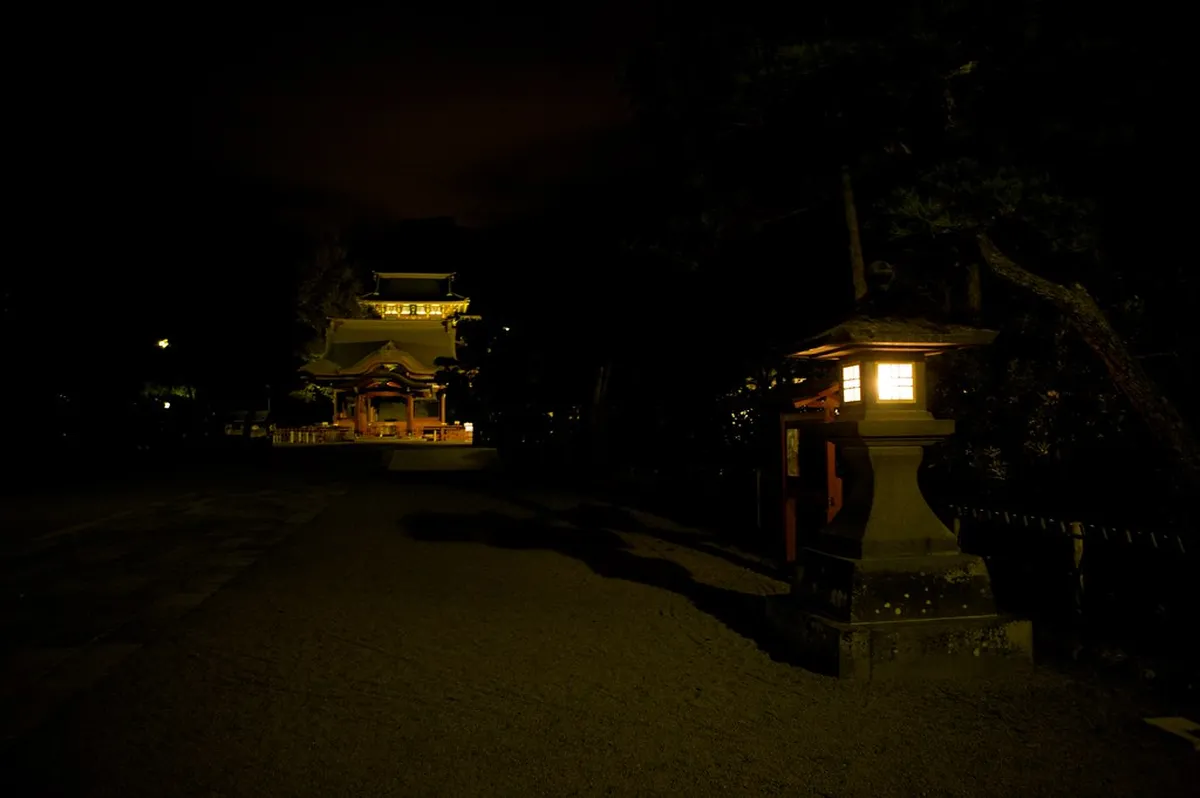
- 17:00 to 20:00 (evening calm): Quietest period after the morning. Lanterns light up. Most museums close by 16:30, but the grounds and Hongu approach stay open. Better choice than morning if you are not a morning person.
Practical takeaway: if you can only manage one early start during your Kamakura trip, save it for this shrine over Hase-dera or the Great Buddha (those two are smaller and the crowd payoff is lower). And if you cannot do mornings at all, aim for arrival around 16:30 in the off-season — you will get most of the quiet-hours benefit without the alarm clock.
How to Plan a Smooth Tsurugaoka Attractions Day
A focused half-day works like this: arrive at Kamakura Station 07:30, walk Dankazura, reach the Ni-no-Torii by 07:45, do the Genpei ponds and Mai-den first, climb the steps to the Hongu by 08:30, then loop down the west side to the hidden Maruyama Inari sub-shrine before the tour groups arrive. Exit through the back gate around 09:30 and connect to Komachi Street for breakfast.
For a full day, continue from the shrine north along the Daichoji trail or paved street to Kenchoji (15-minute walk) and Engakuji (further on the JR Yokosuka line, one stop to Kita-Kamakura). Both are Rinzai Zen head temples with very different atmospheres from a Hachiman shrine — the contrast is the point. Wear shoes that handle a mix of stone steps, dirt trail, and pavement.
Rainy days reward a different routing. Komachi-dori has a near-continuous string of awnings, so use it both inbound and outbound; skip the exposed Dankazura. Inside the shrine, the museums and the covered Hongu approach become more attractive, and the gravel courtyards drain quickly. Visitors staying overnight near the shrine — Kamakura Hachiman Shrine Hotel booking info shows the closest options — get the additional benefit of evening grounds access after the day-trippers leave.
Why Visit Tsurugaoka Hachimangu: Editorial Evaluation (2026)
For 2026, Tsurugaoka Hachimangu remains the single most efficient stop in Kamakura for first-time visitors: free admission, 10-minute station walk, and a dense concentration of architecture, legend, and seasonal beauty in one walkable complex. It earns top marks on history (10/10), access (9/10), and free-to-enter value (10/10). It loses points on comfort during peak weekends (6/10) and on the museum experience compared to dedicated institutions in Tokyo (7/10).
The "power spot" reputation is taken seriously by Japanese visitors, and you will see locals quietly performing the two-bow-two-clap-one-bow ritual at the Hongu throughout the day. If you have already visited Meiji Jingu in Tokyo, the comparison is direct — Tsurugaoka is smaller in scale but historically older as a samurai shrine, and the Genpei ponds give it a layered visual identity Meiji Jingu does not have.
Set against other Kamakura highlights, this shrine is the foundational stop. The Kamakura attractions circuit that pairs best with it is: morning here, Komachi-dori lunch, afternoon at the Great Buddha and Hase-dera. Skip it only if you have already visited and want to prioritize the bamboo-grove temple Hokoku-ji or the hydrangea-season Meigetsu-in instead.
Frequently Asked Questions
When is the best time to visit Tsurugaoka Hachimangu for autumn leaves?
The best time to see the autumn leaves is usually from late November to early December. You will find the most vibrant colors around the ponds and the museum area. For a quieter experience, visit during the early morning hours on a weekday.
Is there an admission fee for Tsurugaoka Hachimangu Shrine?
Entry to the main shrine grounds and the Hongu is completely free for all visitors. However, there are small fees if you wish to enter the Treasure House or the specialized Peony Garden. Most people find the free areas provide plenty of things to see.
How long does it take to walk from Kamakura Station to the shrine?
The walk from the East Exit of Kamakura Station takes about 10 to 15 minutes. You can choose the shopping street or the scenic Dankazura path for your approach. Many travelers spend about two hours exploring the full complex once they arrive.
What are the most important rituals held at the Mai-den hall?
The Mai-den hall is famous for traditional dance performances and Shinto wedding ceremonies. It is also the site of the Yabusame horseback archery rituals during the Reitaisai festival in September. Visitors can often witness these beautiful ceremonies during weekend visits.
Tsurugaoka Hachimangu rewards travelers who plan around two things: the crowd cycle and the side-shrine loop. Arriving before 09:00 cuts visitor density by roughly 90 percent on the main approach, and detouring up to Maruyama Inari on the west side gives you the oldest building on the grounds with almost nobody else around.
This tsurugaoka hachimangu shrine guide is built around the practical question of how to spend two productive hours here. Pair it with Komachi-dori on the way out, save the museums for a rainy afternoon, and time any autumn-leaves visit for the last week of November through the first week of December.
Whether you come for the Yabusame in September, the Hatsumode crowds in January, or a quiet morning in any month, the shrine delivers the most concentrated dose of Kamakura's samurai history available within a 10-minute walk of the station. It is the right first stop, and often the most memorable one.
See our Kamakura attractions guide for the broader city picture.
For related Kamakura deep-dives, see our Kenchoji Temple Kamakura Travel Guide and Engakuji Temple: The Ultimate Visitor Guide to Kamakura’s Zen Landmark guides.
Free: The Kamakura Essentials guide
Top things to do, where to stay, a perfect day plan, getting around, and the best time to go — a Kamakura mini-guide you can take offline.
You might also like


Continue reading
More guides you'll find useful