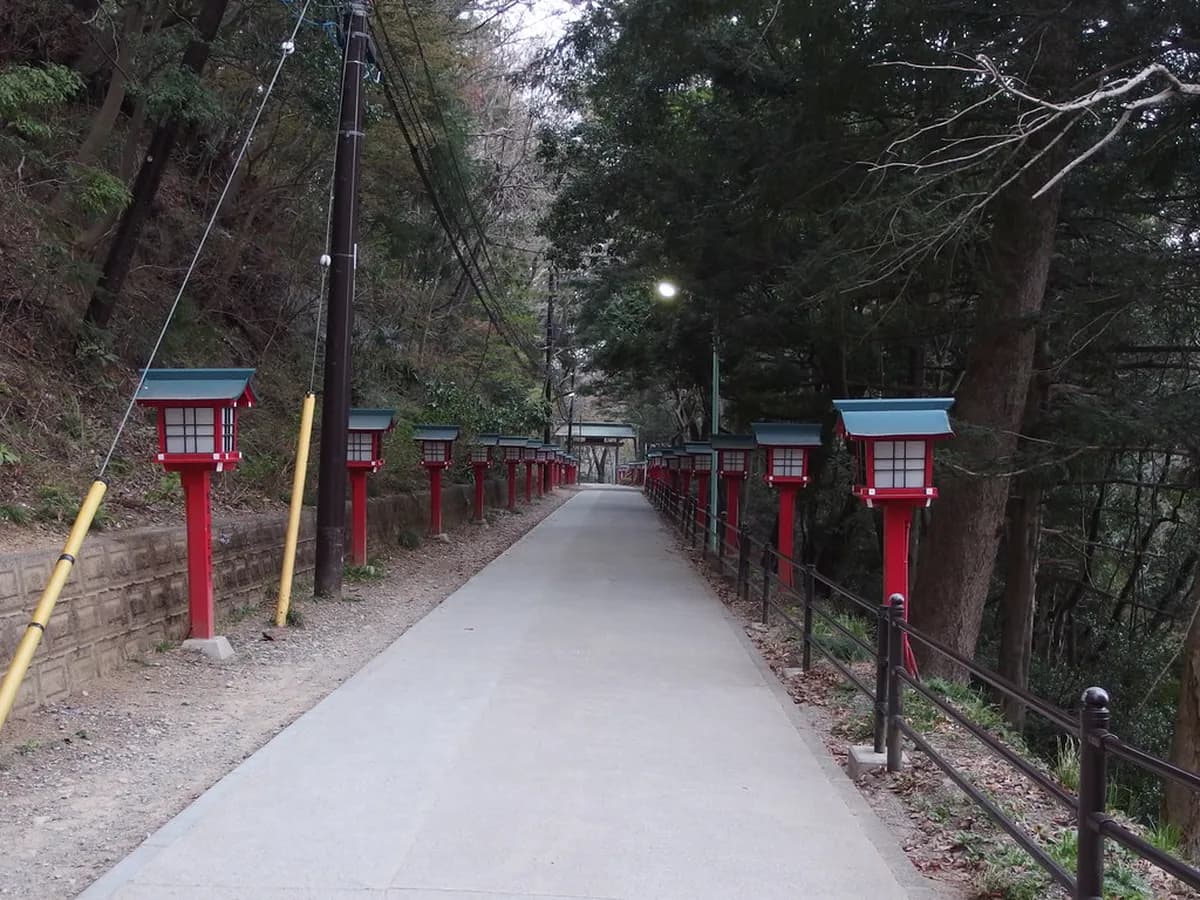
Kamakura Autumn Leaves Guide: 10 Best Spots & Tips
Plan your trip with our Kamakura autumn leaves guide. Discover 10 best spots, peak timing for 2025, hidden gems, and practical transport tips for the fall season.
On this page
Updated for the 2026 season from repeat late-autumn visits. Kamakura peaks roughly two weeks later than Tokyo and a full month later than Nikko, which makes it the easiest "real koyo" day trip from the capital once Kyoto's leaves have already dropped. Late November through mid-December is the sweet spot, and a handful of valley temples carry colour into the third week of December.
Daytime highs sit around 10–16°C / 50–61°F during peak weeks, but the coastal wind off Sagami Bay can knock the felt temperature down by five degrees on temple stairs. Skies stay mostly clear, which means the Mt. Fuji silhouette shows up reliably from western viewpoints. Use this guide to sequence the ten best foliage spots, plan a Kamakura day trip itinerary, and avoid the lunchtime crush at Hasedera and Meigetsu-in.
Crowds peak between 11:00 and 14:00 on every weekend from the third week of November through the second week of December. Weekday mornings before 9:30 and the final hour before each temple closes are the only reliable quiet windows. Most temples charge 300–500 yen, take cash only at the gate, and require shoes off inside any indoor halls you visit.
The Japan Rail Pass jumped significantly in late 2023. For a Kamakura day trip, the JR Yokosuka Line return from Tokyo Station (¥940 each way) plus the Enoshima-Kamakura Freepass (¥800, covers unlimited Enoden rides) is the cheapest sensible combination — no pass required.
Kamakura Autumn Spots: Peak Timing and Dates
Peak colour in Kamakura usually lands between November 25 and December 10, with the central shrines in the bay reaching prime about a week after Kita-Kamakura's mountain temples. The gap exists because warm air rolls in off the ocean and slows the chemistry that turns maples red. Real-time reports from Japan-Guide and the Kamakura tourism association are the only reliable way to nail timing within a given week, since the front shifts year-to-year.
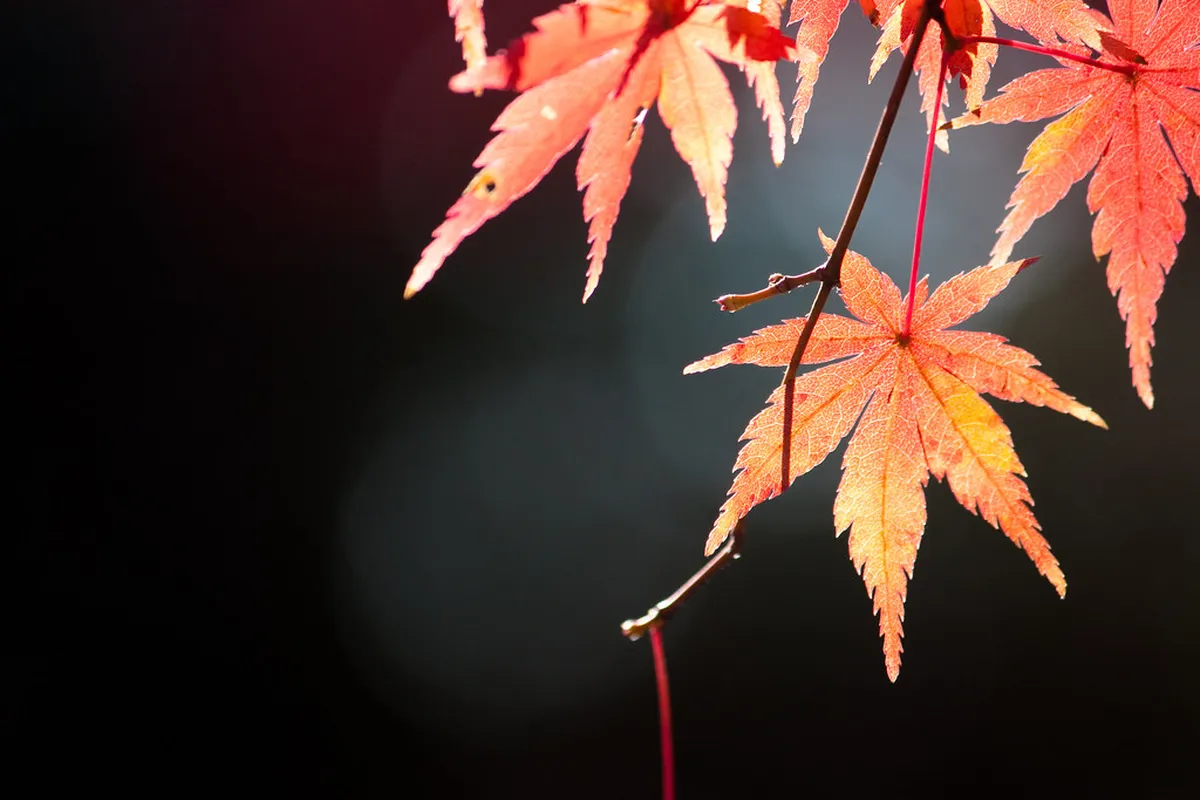
For 2026 planning, treat November 22–28 as the safe bet for Kita-Kamakura (Engaku-ji, Meigetsu-in, Kencho-ji) and December 1–8 for the central and coastal temples (Hasedera, Tsurugaoka Hachimangu, Kotoku-in). Late bloomers like Zuisen-ji, Kakuonji, and Myohonji often hold colour until December 15–20, which makes them the smartest pick for travellers landing in mid-December who would have missed Kyoto entirely.
Rainfall is light during this window, but humidity is high enough to keep maple leaves vibrant for two to three weeks rather than the seven days you get inland. Sudden cold snaps after a clear night intensify reds within 48 hours. Watch for the dry "Karakaze" winds that sometimes arrive in early December and strip leaves quickly from exposed coastal trees while leaving valley temples untouched.
10 Spots At a Glance: Timing, Fees and Crowd Levels
Choose your route by the table below before fixing a day. The "crowd level" rating reflects what you encounter between 11:00 and 14:00 on a weekend at peak; weekday mornings are typically two notches calmer. Entry fees are the standard adult price and rise modestly during special openings.
| Spot | Area | Best Viewing | Entry Fee | Crowd Level (1–5) |
|---|---|---|---|---|
| Hasedera | Hase | Late Nov – early Dec | 400 yen | 5 |
| Engaku-ji | Kita-Kamakura | Mid-Nov – early Dec | 500 yen | 4 |
| Meigetsu-in | Kita-Kamakura | Late Nov – early Dec | 500 yen + 500 yen rear garden | 5 |
| Kencho-ji | Kita-Kamakura | Late Nov – early Dec | 500 yen | 3 |
| Tsurugaoka Hachimangu | Central | Late Nov – early Dec | Free | 4 |
| Kotoku-in (Great Buddha) | Hase | Mid-Nov – mid-Dec | 300 yen | 4 |
| Myohonji | East-Central | Early – mid Dec | Free (donations) | 2 |
| Zuisen-ji | Nikaido (East) | Early – late Dec | 200 yen | 2 |
| Kamakura-gu | Nikaido (East) | Late Nov – early Dec | Free | 1 |
| Jomyoji | East | Late Nov – early Dec | 200 yen | 2 |
Hasedera Temple: Illuminations and Pond Reflections
Hasedera anchors the coastal half of the foliage trail and runs Kamakura's headline evening light-up roughly from November 25 through December 10. The temple stays open until 18:00 (last entry 17:30) during the illumination, with maples reflected in the lower "Western Paradise" pond and the Kannon Hall lit from below. See our Hase-dera temple guide for the full grounds layout.
Adult entry is 400 yen and the temple does not require an additional illumination ticket. Expect a 30–60 minute queue if you arrive between 16:30 and 17:30 during peak weekends; the line moves quickly once gates reopen. The upper terrace looks out over Yuigahama beach with the bay turning indigo as the lights come on, which is the single best photo of the trip if you can hold a 1/15s handheld exposure.
Photographers should note tripods are restricted on the main temple paths during evening hours and explicitly banned inside the Kannon Hall year-round. The stone stairs leading to the upper terrace become slippery once dew settles after sunset, particularly in the spots where wet maple leaves have piled up against the railings. Soft-soled shoes with proper tread make a real difference on those steps.
Engaku-ji Temple: Zen Serenity in North Kamakura
Engaku-ji sits one minute from Kita-Kamakura Station and is usually the first major Kamakura temple to hit peak colour, often a week ahead of Hasedera. Founded in 1282, it ranks second in the Five Mountains hierarchy and spans 21 sub-temples across a tiered hillside. Gates open at 8:30 and the first hour delivers the best light through the Sanmon gate, the Butsuden hall, and the ginkgo grove.
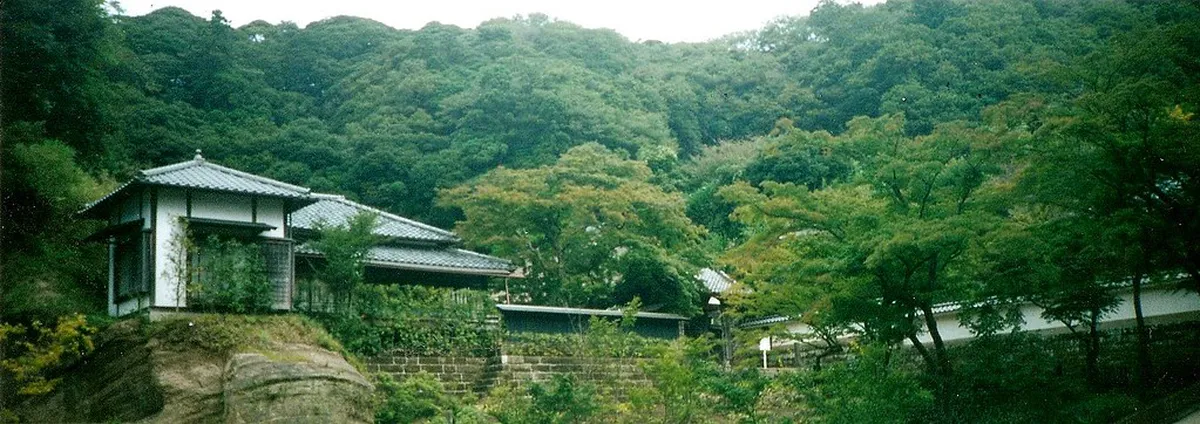
The annual highlight is the special opening of the Shariden hall, a National Treasure normally closed to the public. The Shariden opens for roughly ten days bridging late November and early December, with timings announced on the temple's official site each October. Entry to the temple is 500 yen and the Shariden is included during the opening; arriving by 8:45 lets you see it before the queue forms.
Beyond the main axis, walk uphill to Obaiin and Butsunichian for the photographer's secret view: maples framing the moss-covered roof tiles with almost no foot traffic. Engaku-ji's stone-step approaches are unforgiving in wet weather, so plan around any forecast rain and check the temple's notice board for the precious 3-day window when matcha service operates inside Butsunichian's tea pavilion.
Meigetsu-in: The Iconic Round Window View
Meigetsu-in's "Satori no Mado" or Window of Enlightenment is the single most-photographed frame in Kamakura's autumn season. The circular window opens onto an inner garden that is closed to the public eleven months of the year and only opens during peak foliage, making the timing essentially binary: be there in the right two-week window or skip it entirely. Standard entry is 500 yen and the rear inner garden requires an additional 500 yen donation.
Photographers face two real constraints: tripods are banned, and a staff member runs a moving queue that gives you roughly 10–15 seconds at the optimal frontal angle. A 35mm or 50mm equivalent lens at f/2.8–f/4 captures the window without compression, and a steady-handed 1/60s at ISO 800 handles the indoor light. Arriving by 8:45 (gates open 9:00, often 8:30 during foliage season) puts you in the first thirty visitors and removes the queue entirely.
Beyond the window, the temple grounds feature dry-rock Zen gardens, tall bamboo groves, and small rabbit statues that nod to the temple's "moon-viewing" history. Voices stay low — this is still an active Rinzai-sect temple — and the inner garden enforces a strict no-flash, no-tripod, no-bag-on-the-floor etiquette that staff politely but firmly enforce.
Myohonji Temple: Samurai History and Crimson Leaves
Myohonji sits in the Hikigayatsu valley, eight minutes on foot from Kamakura Station, and ranks as the city's last temple to hit peak colour — usually December 8–18. Locals call it "the place where Kamakura's autumn says goodbye." The temple was built on the former residence of the Hiki clan, who were massacred by the Hojo regents in 1203, and that tragic samurai history sits beneath every stone path.
Entry is free with a small donation expected at the main hall. The vermilion Niten-mon gate frames a rising tunnel of maples, and the Soshi-do hall — one of the largest wooden structures in Kamakura — anchors the upper grounds with crimson leaves drifting onto its dark cypress roof. The temple sees a fraction of Hasedera's foot traffic, so it is the right pick if you want photographs without people, especially mid-week.
The samurai context matters because Myohonji is essentially a memorial: small markers and a stone pagoda commemorate the Hiki family. Walking the grounds quietly, rather than treating it as a photo set, is the local convention. Combine Myohonji with the cafés along Komachi-dori afterwards for the most efficient afternoon.
Zuisen-ji Temple and Kamakura-gu Shrine: Hidden Gems
Zuisen-ji is the late-bloomer's late bloomer, holding strong red and gold into the third week of December when most other Kamakura temples have already dropped their leaves. The rock garden at the rear was designed by the Zen monk Muso Soseki in the 14th century and is a registered National Place of Scenic Beauty. Entry is 200 yen and the temple sees a fraction of the central crowd because it sits a 25-minute walk from Kamakura Station up a quiet residential valley.
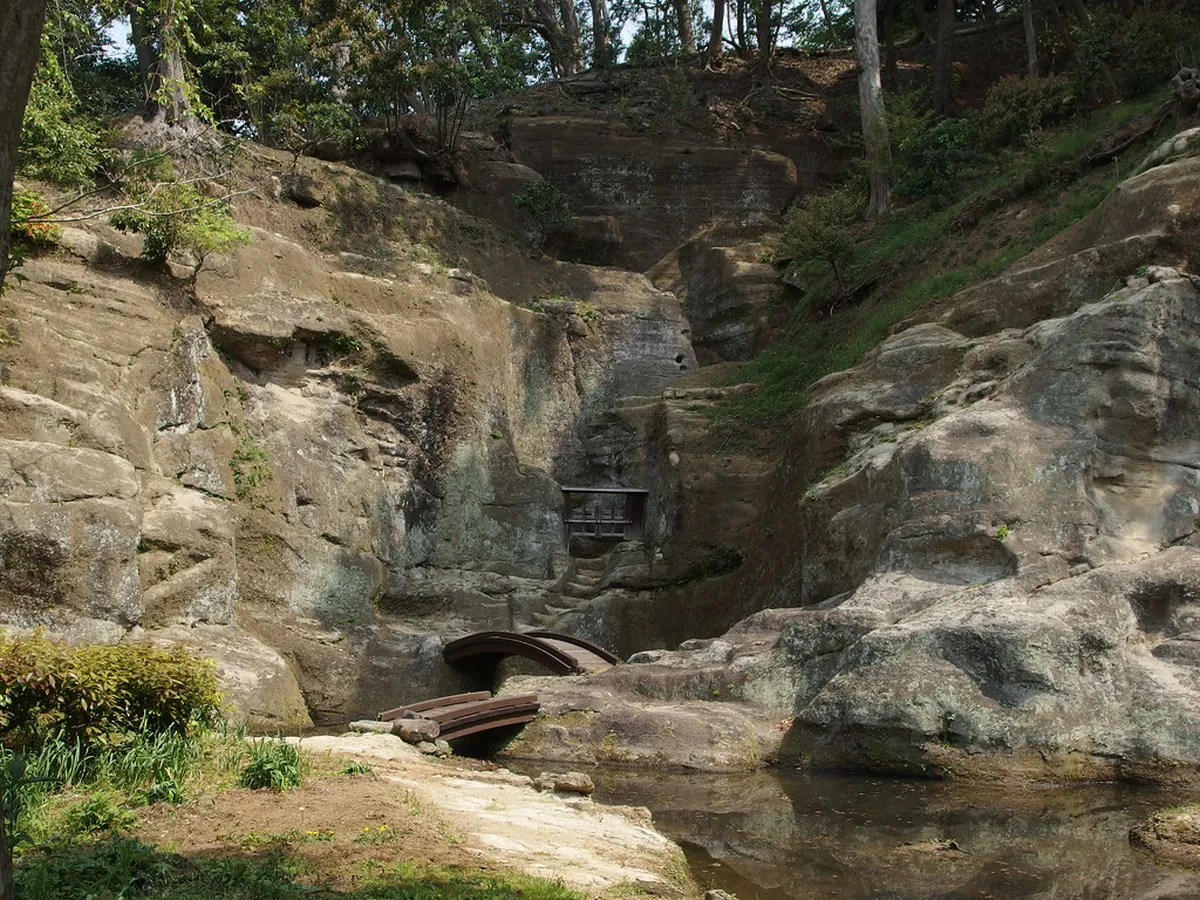
Kamakura-gu Shrine is a five-minute walk back down the same road and pairs naturally with Zuisen-ji. The shrine honours Prince Morinaga, who was imprisoned in a cave on the grounds and assassinated there in 1335 — a tragic medieval episode that explains the somber mood. The white torii gate framed against red maples is the most distinctive autumn shot in this corner of the city, and entry to the outer grounds is free.
The walk between the two takes 15–20 minutes through quiet residential lanes lined with small ceramic studios and converted-house cafés. This eastern valley draws working artists and is the closest thing Kamakura has to a slow neighbourhood. The Kanagawa bus from Kamakura Station (line 23 or 24, "Daitonomiya" stop) saves the uphill leg if you have limited time.
Tenen Hiking Course: Mountains and Sea Views
The Tenen Hiking Course is the longest of Kamakura's three classic ridge trails and threads through what locals call "Momiji-gaya" or Maple Valley — a 600-metre stretch where the canopy closes overhead in late November. The full route runs roughly 4 kilometres from Kencho-ji up to Hansobo, along the ridgeline, and down into Zuisen-ji. Expect 2–2.5 hours including photo stops. Our hiking trails guide has the trailhead map.
Difficulty is moderate. The first 20 minutes climb steep wooden steps behind Hansobo with around 200 metres of elevation gain. The ridge itself is gentle, but several sections traverse exposed roots and uneven granite that become genuinely slippery within 24 hours of any rain — Kamakura's clay soil holds water for days. Sturdy hiking shoes with real lug tread are non-negotiable; trainers are unsafe in wet conditions despite what casual blog photos suggest.
Clear November mornings reveal Mt. Fuji from two viewpoints along the ridge — the highest at the Hansobo Tengu statues, the second a few hundred metres east. The Kuzuharaoka–Genjiyama course is the easier alternative if Tenen sounds too much: 2 km, 90 minutes, with the same Fuji line of sight from Genjiyama Park.
Autumn-Only Sweets and Café Hopping
Kamakura's café scene shifts to a chestnut-and-sweet-potato menu from late October through December, and the seasonal items are genuinely worth structuring your day around. Kita-Kamakura cafés focus on traditional Japanese sweets while the Komachi-dori and Hase areas mix Showa-era kissaten with newer specialty roasters. Most close by 17:30 in winter, so plan a 14:30–16:00 break between temple visits.
- Kamakura Beniya near Hachimangu runs an "Aki no Nukumori" autumn pound cake with chestnut and brown sugar, available roughly mid-October to mid-December.
- Iwata Coffee Shop, two minutes from Kamakura Station, is the Showa-era kissaten famous for hand-brewed siphon coffee and thick hotcakes — closed Tuesdays and irregular Wednesdays.
- Café vivement dimanche on Komachi-dori serves in-house roasted coffee and seasonal pear or fig parfaits; queue forms by 14:00 on weekends.
- Komame in the Sasuke valley pours matcha and tops anmitsu and shiratama zenzai with chestnut paste — the most traditional autumn dessert in town.
- Garden House Kamakura behind the station is the easiest Western-style sit-down with a forested terrace and a pumpkin pie that runs October through November.
Reservations are not standard at any of these except Garden House on weekends. Cash is accepted everywhere; card acceptance is patchy at the older Showa-era spots. The "ofukuwake" boxed sweets sold at Kamakura Station's kiosk are made by the same small confectioners and travel well as gifts.
Sunset Serenity: Best Golden Hour Viewpoints
November sunsets in Kamakura land between 16:30 and 16:45, which means you can comfortably see one final temple at peak light and still catch the sun dropping behind Enoshima. Inamuragasaki Park is the marquee spot: a small headland with the silhouette of Enoshima in the foreground and Mt. Fuji directly behind, lit pink for roughly twelve minutes either side of the sunset itself. The park is free and never crowded.
For Enoden train enthusiasts, Kamakura-Kokomae station is the second-best sunset frame, with the line crossing in front of the bay at golden hour. The classic shot lines up between 16:25 and 16:40 in late November, with a westbound train roughly every twelve minutes. Yuigahama Beach is the flattest option for families — soft sand, a low railing for parking strollers, and the same Mt. Fuji line of sight from a less elevated angle.
The "Sunset vs. Illumination" trade-off matters because both peak between 16:30 and 18:00 and Hasedera sits 1.2 km from Inamuragasaki. The pragmatic order is sunset first (Inamuragasaki 16:00–16:50), then walk or take the Enoden one stop east to Hase Station and arrive at the Hasedera light-up by 17:15. This sequence threads the needle and adds maybe a single kilometre of walking.
First-Timer Mistakes to Avoid
Five missteps cost first-time visitors the most photos and the most time, and none of them are documented in mainstream guides. The first is footwear: stone temple stairs at Engaku-ji, Kencho-ji, and Hasedera retain rainwater in the joints for 48 hours, and wet maple leaves on top create the slipperiest surface in any Japanese temple complex. Trainers with worn tread are genuinely dangerous — pack proper walking shoes even on a forecast-clear day.
The second is route order. Rear gardens at Meigetsu-in, the Shariden at Engaku-ji, and the inner garden at Hasedera all open at fixed early hours (typically 8:30 or 9:00) and the queue grows linearly through the morning. Visiting Kita-Kamakura first and the coast second saves 60–90 minutes of waiting versus the reverse. The third mistake is buying the wrong rail pass — the Japan Rail Pass jumped 65–70% in late 2023 and rarely pays back for a single-day Kamakura trip; the Enoshima-Kamakura Freepass at 800 yen from Kamakura Station is the right ticket for in-town hopping on the Enoden line.
The fourth is treating Kamakura like Kyoto. Cell service drops in valley temples, foreign cards are rejected at temple entry gates, and most ATMs that accept overseas cards are inside 7-Elevens — withdraw 5,000 yen in cash before you leave the station. The fifth is overplanning the calendar: peak colour shifts ±5 days year to year, so book hotels with flexible cancellation through November and watch the weekly Japan Meteorological Corporation koyo forecast that drops every Thursday in October and November.
Practical Planning: Rail Passes and Kominka Stays
The Japan Rail Pass price hike in October 2023 (from 29,650 yen to 50,000 yen for 7 days) reset the calculus for Kamakura day trips. For travellers without an active JR Pass, a return on the JR Yokosuka Line from Tokyo Station is 940 yen each way, and the Enoshima-Kamakura Freepass adds unlimited Enoden rides for 800 yen — a total under 3,000 yen for a full day. The Hakone Kamakura Pass at 7,520 yen makes sense only if you are pairing Kamakura with Hakone in the same trip. See our Kamakura Transportation Guide: How to Get There & Around for the route-by-route breakdown.
- Tokyo Station to Kita-Kamakura: JR Yokosuka Line, 56 minutes, 940 yen — best for first stop at Engaku-ji.
- Shinjuku to Kamakura: Shonan-Shinjuku Line, 60 minutes, 940 yen — best if you start your day from West Tokyo.
- Kamakura to Hase: Enoden line, 4 minutes, 200 yen or covered by Freepass.
- Kamakura to Inamuragasaki: Enoden line, 13 minutes — last train back from Inamuragasaki to Kamakura runs around 23:00.
Staying overnight is the leverage move for serious foliage travellers because it puts you inside the temple gates by 8:30 — 90 minutes before the first Tokyo train arrives. Kominka guesthouses (renovated traditional wooden houses) start around 12,000 yen per night for two and book out four to six weeks ahead during foliage season. Properties around Hase Station place you between Hasedera and the Great Buddha; properties around Kamakura Station give you Komachi-dori for dinner. See our 10 Best Ryokan in Kamakura Travel Guide for the full overnight options, and Kamakura Rakuan for a representative kominka inn.
Pick X If
Choosing the right spot depends on your travel style, mobility, and how the weather holds. Most first-timers can comfortably hit four temples plus a sunset in a day if they start by 9:00 in Kita-Kamakura. Travellers staying overnight should plan to do Kita-Kamakura on day one and the Hase coast on day two for the smoothest pacing.
- Pick Meigetsu-in if you want the perfect circular window photo and you can be at the gate by 8:45.
- Pick Engaku-ji if you want quiet Zen architecture, the rare Shariden opening, and the easiest train arrival.
- Pick Tenen Hiking if you want ridge views, Mt. Fuji on the horizon, and zero crowds.
- Pick Hasedera if you want the magical evening illumination paired with a sunset over the bay.
- Pick Zuisen-ji or Myohonji if you arrive in mid-December after most spots have already dropped.
- Pick Inamuragasaki if you want one frame: Mt. Fuji, Enoshima, and the sun dropping into the Pacific.
What to Pack
Packing for Kamakura's autumn means layering for a 10-degree swing between cold morning ridgelines and warm midday courtyards. Many temples require shoes off inside indoor halls, so warm clean socks matter more than thick jackets. Carry cash because temple entry gates take coins or small notes only and rarely accept cards.
Wet stone temple stairs at Engaku-ji, Kencho-ji, and Hasedera retain moisture for 48 hours after rain, and fallen maple leaves make them treacherous. Trainers with worn soles are genuinely unsafe — pack hiking shoes with proper grip even on a clear-day forecast.
- Light layers — a cardigan or down vest beats a heavy coat for walking temples.
- Hiking-grade walking shoes — wet stone steps and clay trails punish poor tread.
- Warm clean socks — for temple interiors and tatami tea rooms.
- Small hand towel — for chozuya (purification) basins at every shrine.
- 5,000 yen in small notes and coins — for entry gates and old-school cafés.
- Portable phone battery — cell service drops in valley temples and photos drain quickly.
Frequently Asked Questions
When is the best time to see autumn leaves in Kamakura?
The peak viewing window is late November to early December. Some late-blooming spots like Zuisen-ji stay vibrant until mid-December. Always check local forecasts for specific yearly variations.
Which Kamakura temples have the best fall foliage?
Hasedera and Meigetsu-in are the most famous for their stunning colors. Engaku-ji in North Kamakura also offers beautiful Zen garden views. Myohonji is a great choice for fewer crowds.
Is a day trip enough for Kamakura in autumn?
A day trip covers the main highlights if you start early. However, staying overnight allows you to see the evening illuminations without rushing. It also lets you enjoy the quiet morning atmosphere.
Kamakura in autumn is the most rewarding day trip from Tokyo once Kyoto's leaves are gone, and the layered foliage window — Kita-Kamakura first, the bay second, the valley temples last — gives you a four-week landing zone instead of the seven-day gamble most other Japanese koyo destinations demand. Start at Engaku-ji at 8:30, work south through Meigetsu-in and Kencho-ji, drop down to Hasedera for the illumination, and finish with the sunset at Inamuragasaki.
Pack proper walking shoes, withdraw cash before you leave the station, and book any kominka stay six weeks out. The Enoshima-Kamakura Freepass plus a one-way Yokosuka Line ticket is now the cheapest sensible route. Keep watch on the weekly koyo forecast through October and November and you will land within a few days of true peak — no other autumn destination in Japan rewards a single day this generously.
Pair this with our broader Kamakura attractions guide for the full city overview.
Free: The Kamakura Essentials guide
Top things to do, where to stay, a perfect day plan, getting around, and the best time to go — a Kamakura mini-guide you can take offline.
You might also like


Continue reading
More guides you'll find useful