Kamakura Cherry Blossom Season Guide: Best Spots & Timing
Discover the best time to visit Kamakura for cherry blossoms. Our guide covers peak bloom dates, hidden temple gems like Kosokuji, and a perfect sakura itinerary.
On this page
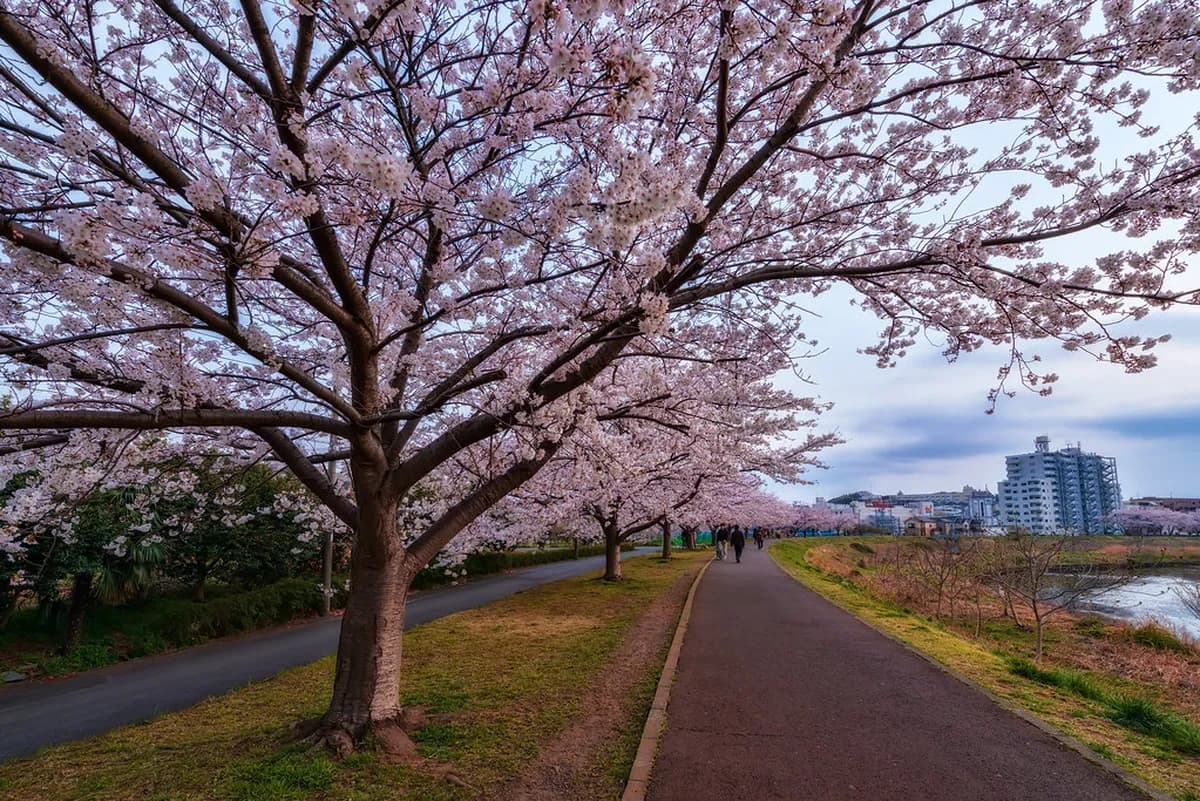
Tokyo's spring gardens pale compared to Kamakura's cherry blossoms, which typically peak between late March and early April 2026, with the Japan Meteorological Corporation forecasting first bloom in Kanagawa around March 22 and full bloom around March 30. The seaside town's mossy temple steps, weeping cherries draped over wooden gates, and the 800-meter Dankazura path leading to Tsurugaoka Hachimangu give it a hanami atmosphere that Tokyo's manicured parks cannot match. For most travelers, the safest visit window is March 26 to April 5.
This guide is built for a one-day visit from Tokyo: when to come, which spots to prioritize, how to walk the route without getting trapped on the Enoden, and what to do if the bloom timing slips. Exploring Kamakura: 20 Top Attractions during sakura season rewards anyone who arrives early and walks rather than waiting for trains.
Best Viewing Time: Late March to Early April
Kamakura sits roughly two degrees Celsius warmer than central Tokyo in March, so the bloom often opens a day or two earlier here than at Ueno or Chidorigafuchi. The Japan Meteorological Corporation issues weekly bloom forecasts from late February onward; their Kanagawa data is the closest official signal you have for Kamakura. In a typical year, the Somei Yoshino along the Dankazura path opens around March 24 to 26 and reaches full bloom (manakai) around March 30, holding peak for five to seven days before the petal fall (hanafubuki) begins.
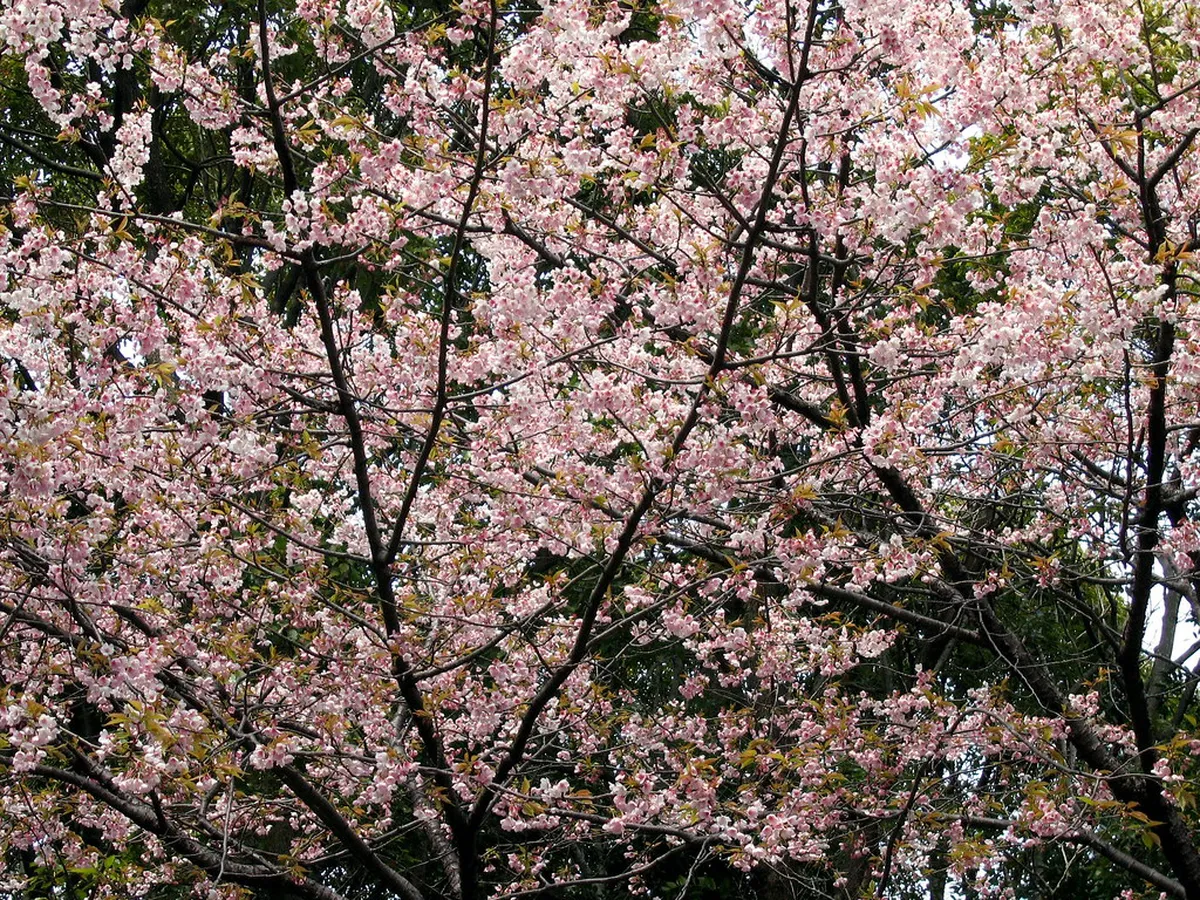
Different cherry varieties bloom on different schedules, which is the key to timing your visit. Weeping cherries (shidarezakura) at temples like Kosokuji and Hongakuji often open three to five days earlier than the Somei Yoshino. Yamazakura, the wild mountain variety found on the Daibutsu Hiking Trail, opens with new red leaves and can be seen from mid-March. Late-blooming varieties like Yaezakura (double-flowered) extend the season into mid-April. If you can only commit to one date, March 30 to April 2 is the highest-probability week for catching multiple varieties at once.
Daytime temperatures during peak bloom range from 12 to 18 degrees Celsius (54 to 64 degrees Fahrenheit), with a coastal breeze that makes the air feel cooler. Locals call the cold snap that often arrives during peak bloom "hana-bie," literally "flower chill" — bring a light jacket. Check the forecast at Japan-Guide.com in the week before travel, since the bloom can shift four or five days year to year.
The safest visit window for catching multiple cherry varieties at once is March 30 to April 2. Weeping cherries (shidarezakura) at Kosokuji and Hongakuji open 3–5 days earlier than the Somei Yoshino along the Dankazura path — useful as a backup if you arrive slightly early.
Cherry Variety by Spot: A Bloom-Type Cheat Sheet
One of the most useful things a first-time visitor can know is which variety dominates each location. This lets you adjust your route based on the bloom forecast — if Somei Yoshino is still tight-budded, you can pivot toward weeping-cherry temples and still have a successful day.
| Spot | Dominant Variety | Typical Peak | Best for |
|---|---|---|---|
| Dankazura path (Tsurugaoka Hachimangu) | Somei Yoshino | Mar 28 – Apr 4 | Iconic tunnel photos |
| Kosokuji Temple, Hase | Weeping Cherry, Yamazakura | Mar 22 – Mar 30 | Early-bloom contingency |
| Genpei Pond (Hachimangu inner grounds) | Somei Yoshino, Weeping | Mar 26 – Apr 3 | Reflection photography |
| Daibutsu Hiking Trail | Yamazakura | Mar 18 – Mar 28 | Earliest blooms |
| Hongakuji Temple | Weeping Cherry | Mar 22 – Mar 30 | Quiet morning visits |
| Genjiyama Park | Somei Yoshino, Yaezakura | Mar 28 – Apr 10 | Late-season picnic |
If you arrive a week early or a week late, this is your fallback map. Travelers who hit Kamakura in mid-March should head straight to Kosokuji and the Daibutsu Hiking Trail; those arriving after April 5 should go directly to Genjiyama Park, which holds Yaezakura into mid-April.
Iconic Sakura Spots: Tsurugaoka Hachimangu and Dankazura
The Dankazura is the raised pedestrian path that runs roughly 500 meters down the center of Wakamiya Oji avenue, lined with around 250 Somei Yoshino. Minamoto no Yoritomo, founder of the Kamakura shogunate, ordered the path raised in 1182 to pray for the safe delivery of his son. Walking it during full bloom feels like moving through a pink corridor, with the second torii gate framing the cherry tunnel. Visit our Tsurugaoka Hachimangu Shrine Guide: History, Spots & Tips for more historical detail.
Inside the shrine grounds, the Genpei Pond holds two islands — the larger eastern Genji-ike and the smaller western Heike-ike — both ringed with cherries that reflect on still water in the early morning. White and red lotus plants share the pond but bloom in summer. According to Japan-Experience.com, this is the busiest sakura spot in Kamakura. Arrive before 8:00 to walk the Dankazura with space to photograph; by 10:00 the path is shoulder-to-shoulder, and weekend afternoons bring lines at the second torii.
The Charm of Kosokuji: A Hidden Gem in Hase
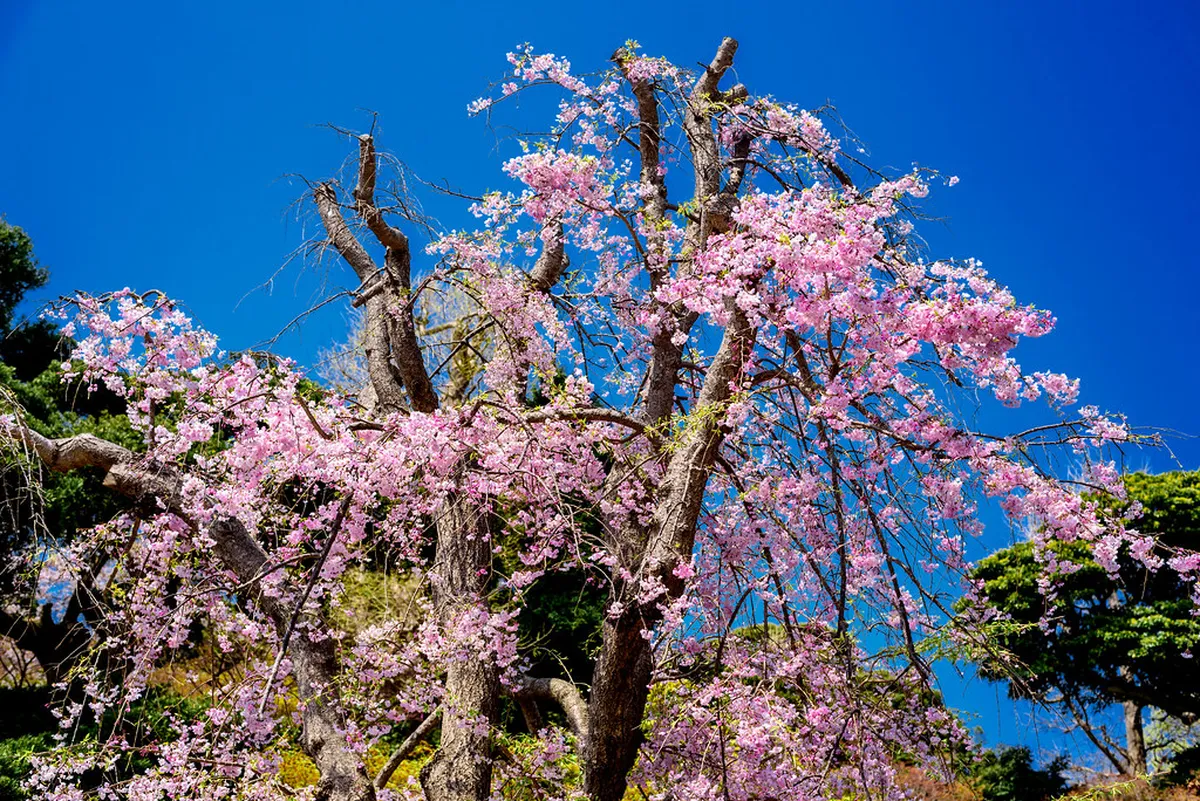
Kosokuji is a small Nichiren-sect temple founded in 1274, sitting five minutes on foot from the Great Buddha. Three varieties bloom on the grounds: Somei Yoshino at the gate, Yamazakura along the path, and a single dramatic weeping cherry that drapes over the moss-covered stone steps leading to the main hall. The contrast of pink petals against deep green moss is the photograph people come for, and because few tour buses stop here, you will usually share the temple with fewer than twenty visitors before 10:00.
Behind the main hall is the "Doro," an earthen prison cell where Nichiro, a disciple of the Buddhist reformer Nichiren, was held during the Mongol-invasion era under Hojo Tokiyori, the fifth regent of the Kamakura shogunate. Understanding this connects the temple to the broader Hojo-clan story playing out across Kamakura's other Nichiren temples — Myohonji, Ankokuronji, and Hongakuji all share fragments of the same medieval narrative. The temple provides a quiet alternative to the nearby Hase-dera Temple, which gets very busy during peak bloom.
Admission is 100 yen, payable in coins at the gate. The temple opens at 8:00 and the weeping cherry holds its peak for roughly seven days, usually March 24 to April 1. There are no public restrooms inside — use the facilities at Hase Station before walking up.
Recommended One-Day Sakura Walking Itinerary
This itinerary covers roughly six kilometers of walking and is built around the principle of moving against the crowd flow. Most tour groups arrive at Kamakura Station around 10:00 and head straight to Hachimangu, then take the Enoden to Hase in the early afternoon. You will do the opposite intensity curve: hit Hachimangu at opening, then walk south rather than waiting for a packed train.
- 07:30 — Arrive at Kamakura Station via the JR Yokosuka Line from Tokyo (60 minutes).
- 07:45 — Walk the Dankazura path north toward Tsurugaoka Hachimangu before tour buses arrive.
- 08:30 — Photograph the Genpei Pond reflections inside the shrine grounds.
- 09:30 — Walk west on Imakoji street, then south on Wakamiya Oji back toward the station, stopping at Hongakuji Temple's weeping cherry.
- 11:00 — Pick up a sakura bento at Toshimaya bakery or the Komachi Street market.
- 11:30 — Take the Enoden two stops from Kamakura to Hase (avoid boarding 12:00 onward when it gets packed).
- 12:00 — Lunch under the blossoms in the Kotoku-in courtyard near the Great Buddha.
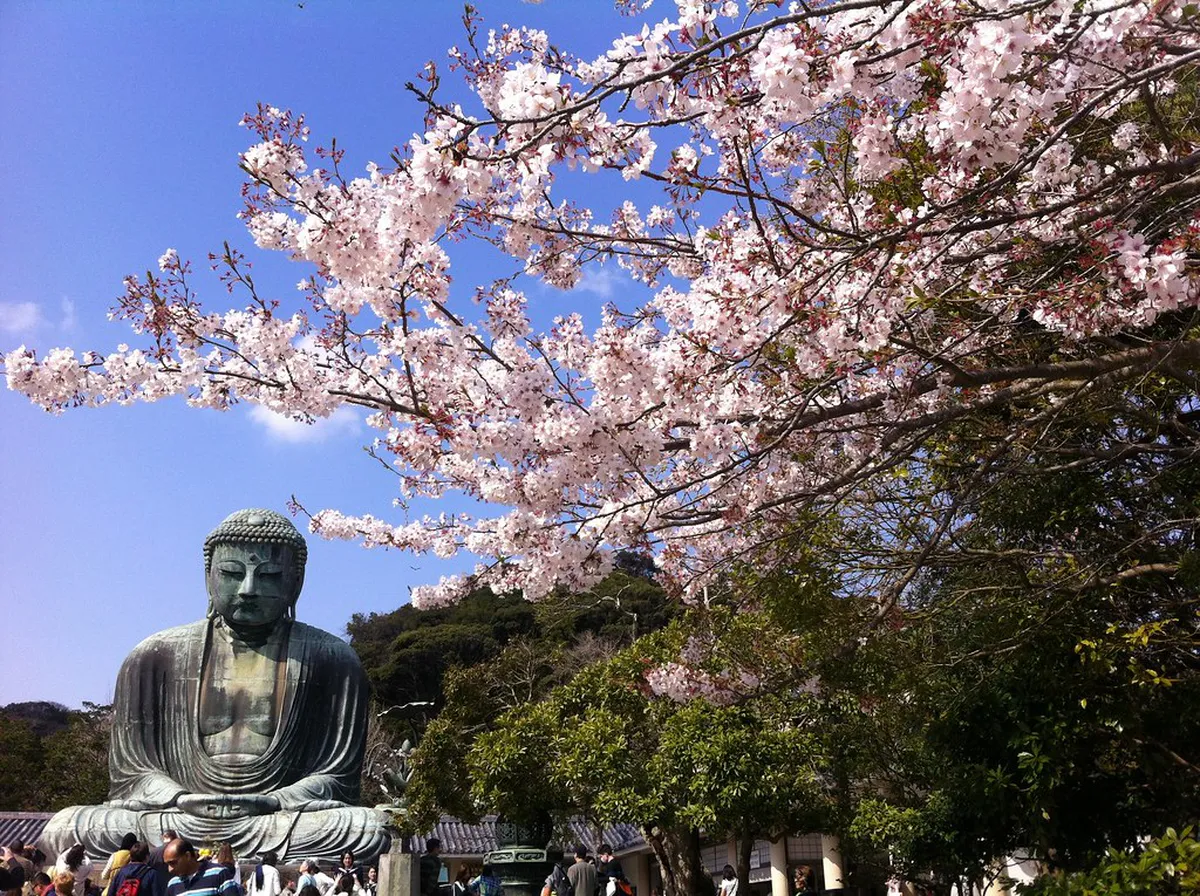
- 13:30 — Visit the Great Buddha, then walk to Kosokuji for the weeping cherry over mossy steps.
- 15:00 — Walk the backstreets between Hase and Yuigahama Beach (skip the Enoden return).
- 16:30 — Sunset at Yuigahama Beach with Mount Fuji on the horizon if the sky is clear.
- 17:30 — Return to Tokyo via the Yokosuka Line from Kamakura Station.
For a full step-by-step walking map and an alternate route that includes Genjiyama Park, see our Kamakura day trip itinerary.
Crowd Avoidance and the Enoden Trap
The single biggest mistake first-time hanami visitors make in Kamakura is treating the Enoden as a normal commuter line. During the last weekend of March and the first weekend of April, the Enoden between Kamakura and Hase routinely sees boarding waits of 30 to 45 minutes per direction. Trains are four cars long, run every 12 minutes, and cannot expand capacity. You will sometimes watch three trains pass before you can squeeze on.
The fix is to walk. The distance from Kamakura Station to Hase Station is 2.2 kilometers along Wakamiya Oji and Yuigahama Odori, taking about 30 minutes through residential backstreets that are themselves dotted with cherry trees. Between Hase and Yuigahama stations, the walk is even shorter at 800 meters. Locals avoid the Enoden entirely on peak weekends, and you should too unless you specifically want the rattan-seat train experience for its own sake — in which case board at the start of the line (Kamakura Station) before 9:00 or after 16:00, when it is briefly bearable.
Other crowd hacks worth knowing: visit on a weekday rather than a weekend (the visitor count roughly halves Monday through Thursday), arrive at Hachimangu before 8:30 and Kosokuji before 9:30, and skip the central Komachi Street food alley entirely between 11:00 and 14:00 — eat your bento on a temple bench instead.
During peak sakura weekends, the Enoden line between Kamakura and Hase stations experiences 30–45 minute boarding waits. Walk the 2.2 km route instead — it takes about 30 minutes through residential streets lined with their own cherry trees and avoids the queues entirely.
Practical Tips for a Smooth Hanami Experience
Photography conditions matter more than most visitors expect. The golden hour at Tsurugaoka Hachimangu falls between 17:00 and 18:00 in late March, when low light catches the petals from the west and turns the second torii's vermilion into a deeper red. For Kosokuji's weeping cherry, the sweet spot is 8:30 to 9:30 when the eastern sun lights the moss steps but the temple is still empty. Bring a wide-angle lens for the Dankazura tunnel and avoid using a tripod inside shrine grounds — Hachimangu prohibits them on the main approach during festival weeks.
For hanami etiquette, take all your trash with you (Kamakura provides almost no public bins), do not touch or pick blossoms, and never spread a picnic mat inside temple grounds — Genjiyama Park and Yuigahama Beach are the appropriate picnic zones. Small coins (100 and 500 yen) are useful for temple admission and offerings; many smaller temples like Kosokuji do not accept IC cards. Public restrooms are limited, so use facilities at Kamakura Station, Hase Station, or inside Hachimangu's main grounds rather than counting on smaller temples.
Many visitors track daily bloom updates on travel.Rakuten.com. If you plan to come back for hydrangea season in June, see our Kamakura Hydrangea Season Guide: 10 Essential Tips & Spots.
Access Information: Getting to and Around Kamakura
From Tokyo, the JR Yokosuka Line runs direct from Tokyo Station to Kamakura Station in 56 minutes for 940 yen. From Shinjuku and Shibuya, the JR Shonan-Shinjuku Line takes about an hour for the same price. Both accept Suica, Pasmo, and Welcome Suica. Trains run every 10 to 15 minutes; the first train from Tokyo on weekdays is 06:09, which puts you in Kamakura by 07:05 — the ideal arrival time during sakura week. Consult our Kamakura Transportation Guide: How to Get There & Around for fare details and station maps.
The Enoden one-day pass costs 800 yen and only pays off if you make four or more stops, which most cherry-blossom itineraries do not. A regular IC card tap is cheaper for a Kamakura-Hase round trip (about 380 yen total). The JR Kamakura-Enoshima Pass at 720 yen is worth considering if you plan to extend the day to Enoshima Island. Bicycle rental is available at Kamakura Rental Cycle (1,800 yen per day) directly outside the East Exit, but parking is restricted at most temples during peak weekends, so walking remains the most reliable mode.
If you stay overnight to enjoy the early-morning quiet — the strongest argument for not making this a day trip — book a ryokan in Kamakura at least four to six months in advance. Sakura week sells out by January.
Frequently Asked Questions
When is the best time to see cherry blossoms in Kamakura?
The best time is usually from late March to early April. Peak bloom typically occurs around March 30. Weeping cherry trees often bloom a few days earlier than the Somei Yoshino variety.
Is Tsurugaoka Hachimangu crowded during cherry blossom season?
Yes, it is the most crowded spot in the city during peak bloom. Arrive before 8:00 AM to enjoy the Dankazura path without the massive crowds. Weekdays are generally slightly less busy than weekends.
How do I get to Kamakura from Tokyo for a sakura day trip?
Take the JR Yokosuka Line from Tokyo Station or Shinjuku Station directly to Kamakura Station. The journey takes about 60 minutes. Use a prepaid IC card for easy transfers to the Enoden line.
Kamakura during cherry blossom season rewards travelers who plan around variety timing rather than a single calendar date, who arrive at dawn rather than mid-morning, and who walk the backstreets rather than queuing for the Enoden. The combination of medieval temples, weeping cherries on mossy steps, and the Sagami Bay coastline gives the city a hanami character no Tokyo park can replicate. Start booking transport and accommodation by mid-February 2026 to secure the best window.
Free: The Kamakura Essentials guide
Top things to do, where to stay, a perfect day plan, getting around, and the best time to go — a Kamakura mini-guide you can take offline.
You might also like


Continue reading
More guides you'll find useful