

Kamakura Hydrangea Season Guide: 10 Essential Tips & Spots
Master the Kamakura hydrangea season with our 2026 guide. Includes peak bloom dates, a walking itinerary for Meigetsu-in, and dining tips to avoid crowds.
On this page
Mid-June to late June is the best window to see hydrangeas (ajisai) blooming in Kamakura, with peak color landing roughly between June 12 and June 25 in 2026. Late May catches the first flush of pale-blue Hime Ajisai at Meigetsu-in, while early July still holds for the multi-colored bushes at Hase-dera if the rainy season runs cool. Tsuyu rain is part of the experience, not a problem to dodge.
This guide is built for the day-tripper from Tokyo who wants real photos without a two-hour queue. We cover the two anchor temples (Meigetsu-in and Hase-dera), the Hydrangea Path numbering system, the Kitakamakura gourmet pairings most English guides skip, and how the 2026 Japan Rail Pass price hike changes the math on a one-day trip. Pair this with our Kamakura Day Trip Itinerary 2026: 10 Essential Planning Tips for the full route plan.
Must-See Kamakura Attractions: Meigetsu-in and Hase-dera
Meigetsu-in (the "Hydrangea Temple") is the icon shot. Founded in 1160 in the Kita-Kamakura hills, the temple plants almost exclusively one variety, Hime Ajisai, producing the famous "Meigetsu-in blue" wash across the stone steps. Entry is 500 JPY, gates open at 08:30 in June, and the round window framing the inner garden is ticketed separately at 500 JPY when the iris bloom is on.
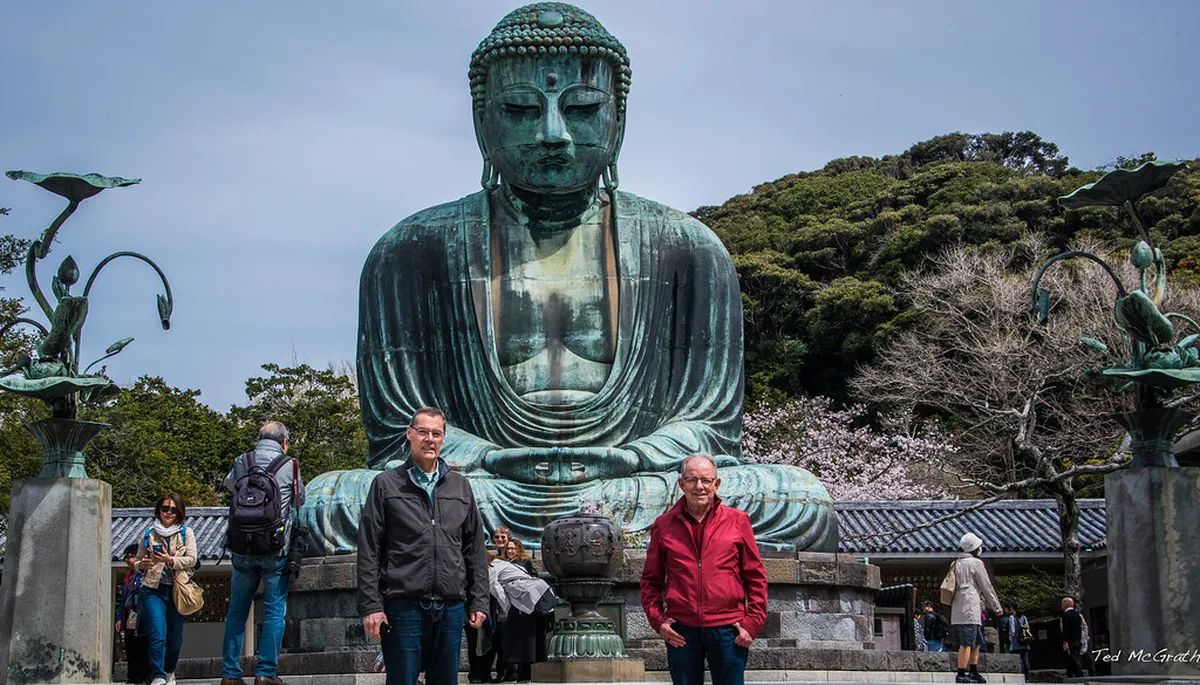
Hase-dera, perched on a hillside above Yuigahama beach, takes the opposite approach: roughly 2,500 plants across 40 species, deep pinks through whites, all set against an ocean panorama. Entry is 400 JPY for adults, the temple opens at 08:00, and the hillside Hydrangea Path is the must-walk. Visitors often use our Hase-dera temple guide Kamakura to time the path numbering system, which we break down further below.
| Spot | Entry | Opens | Peak crowd | Variety | Best for |
|---|---|---|---|---|---|
| Meigetsu-in | 500 JPY | 08:30 | 09:30-12:00 weekends | Hime Ajisai (blue) | Photographers, monochrome blue shots |
| Hase-dera | 400 JPY | 08:00 | 10:00-15:00 daily | 40+ species, mixed colors | Variety, ocean views, families |
| Jojuin | Free | 09:00 | Rarely crowded | Roadside ajisai, sea backdrop | Quiet path, Yuigahama view |
How Hime Ajisai Colors Shift Across the Three-Week Bloom
One thing almost no English guide spells out: the blue you see at Meigetsu-in is not a single color, it is a transition. Hime Ajisai opens nearly white-blue in the first days of June, deepens to powder-blue by week two, locks into the iconic mid-tone "Meigetsu-in blue" between June 12 and June 18, then shifts to violet-blue and finally a deep indigo by the end of the month. Each rainfall accelerates the darkening.
For photography, the answer depends on what you want. If you want the airy, pastel "blue-and-green forest" feeling that anchors most travel-magazine shots, target June 8 to June 14. If you want the saturated, almost-purple postcard image, aim for June 22 to June 28. Hase-dera's mixed-species hillside is more forgiving — peak visual density holds steady from roughly June 10 through July 1 because the staggered species pick up the slack as earlier blooms fade.
Check the temples' own social posts the week of your trip rather than relying on national bloom forecasts. Both Meigetsu-in and Hase-dera post photos of current conditions, and the year-on-year shift can be over a week in either direction.
Parks, Gardens, and Outdoor Hydrangea Spots
The Hydrangea Path at Hase-dera is the headline outdoor stretch. The single-file uphill route winds through dense banks of mixed ajisai with viewpoints over Yuigahama and Sagami Bay. During peak bloom (typically the second and third weekends of June), the temple operates a group number system: arrive, take a numbered ticket, then wait until your group is called to start the climb. Wait times can run 60 to 120 minutes on Saturdays.
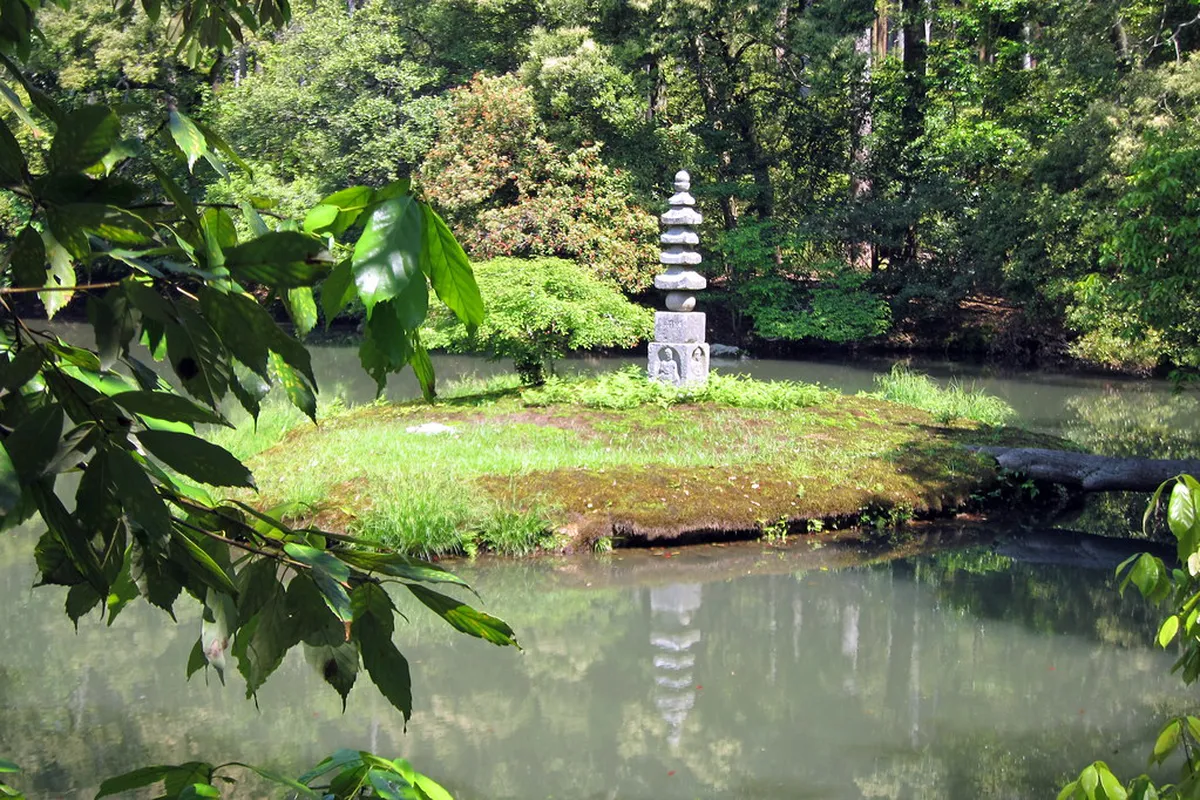
Less obvious is Genjiyama Park, reached via the Daibutsu Hiking Trail from Kita-Kamakura. The picnic area near Kuzuharaoka Shrine is ringed with hydrangeas and rarely crowded — a real lunch-stop sweet spot. Jojuin, the small temple just below Hase-dera, has a free roadside ajisai stretch with the ocean as a backdrop; almost no tour buses stop here. The Kamakura hiking trails guide maps the connector route.
Coastal walkers should also note Komyo-ji and Kosoku-ji, both tucked into residential lanes with small but well-maintained hydrangea gardens. Kosoku-ji asks for a 100 JPY donation in a wooden box at the gate and is often empty even on a peak weekend.
Hase-dera gates open at 08:00. Arriving at 07:50 and entering when they open means you typically clear the Hydrangea Path before the 10:00 wave of visitors from Tokyo trains arrives.
Hase-dera Group Numbering System and Online Tickets
During peak weeks (roughly June 7 through June 30), Hase-dera issues a group number ticket at the temple entrance. You enter the main grounds normally, then wait until your group number is called over the loudspeaker before you can access the Hydrangea Path. The current wait time is posted on a board near the entrance. Pots of hydrangea are arranged around the courtyard so the wait itself is photogenic.
The faster route is to buy an advance entry ticket through Webket (the temple's official online ticketing system) the night before. This skips the entry queue but does not skip the path queue — you still take a group number. To minimize total wait, arrive at 07:50, be at the gate when it opens at 08:00, and you will typically clear the path before the 10:00 wave from the Tokyo trains.
If a group number ticket shows a wait over 60 minutes when you arrive, the smart move is to skip the path, see the cave, the bronze Kannon, and the viewing platform, then come back at 14:30 when wait times typically drop as morning visitors leave for lunch.
Kitakamakura and Hase Gourmet Pairings
Pair each temple with a nearby restaurant rather than scrambling for whatever is open on Komachi-dori at 14:00. Right by Kitakamakura Station, ten seconds from the west gate, Kitakamakura En serves a 5,400 JPY lunch (10,800 JPY dinner) with a lineup that complements a slow Meigetsu-in morning. They are closed Mondays. A short walk away, Restaurant Pleins d' Lerbes Kita-Kamakura runs a refined French menu in a converted house (lunch 6,000 JPY, dinner 12,000 JPY) and offers pickup from the station — also closed Mondays.
For the Hase side, Onzoshi Kiyoyasu-tei (Kamakura Prince Hotel branch) is a teppanyaki experience eight minutes on foot from Shichirigahama Station with a 2,200 JPY lunch and a 7,000 JPY dinner; closed Sundays. Beau Temps, a small French place 50m off the Hasekannon intersection, runs lunch 12:00-14:00 (2,500 JPY) and is the easiest reservation in the area. For street-level Komachi-dori, WASAI Yakura on the second floor near Kamakura Station does a solid 3,000 JPY dinner with no closing day.
If you only have one gourmet stop in your day, book Kitakamakura En for an 11:30 lunch right after Meigetsu-in. The walk-out time aligns with the busiest train wave heading toward Hase, so you skip a packed Enoden carriage entirely.
Museums, Art, and Zen Context
The temples are not just flower stages. Meigetsu-in is a Rinzai Zen sub-temple of Engaku-ji, the head temple founded in 1282 to memorialize soldiers killed in the Mongol invasions. Engaku-ji is two minutes from Kita-Kamakura Station, costs 500 JPY to enter, and is far less crowded than Meigetsu-in even in peak season. The complex hosts public Zen meditation sessions on weekend mornings — booking required.
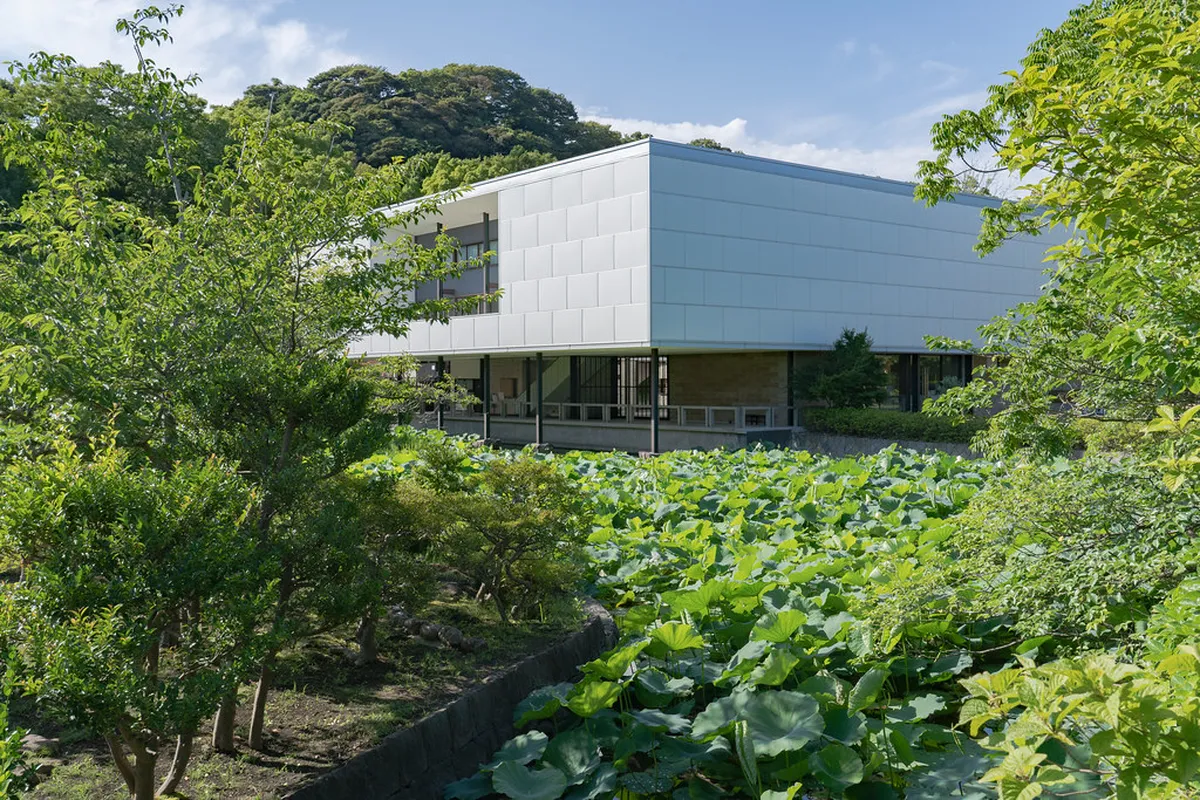
The Kamakura Museum of Literature, set in a 1936 estate above Yuigahama, contextualizes the early-20th-century writers who came to the city for the climate. The Great Buddha Kamakura Visiting Guide: 10 Essential Tips covers Kotoku-in's 11.4-meter bronze Amida Buddha (cast 1252), a five-minute walk from Hase-dera and the natural cultural anchor of the southern half of the day.
Goshuin (temple seal) collectors should arrive at each temple with a goshuincho ready. Meigetsu-in, Hase-dera, and Engaku-ji all issue seasonal hydrangea-themed goshuin in June only — typically 500 JPY per stamp.
Family-Friendly and Budget-Friendly Options
A family of four can do the hydrangea highlights for under 4,000 JPY in entry fees: 500 JPY × 2 adults at Meigetsu-in, 400 JPY × 2 at Hase-dera, kids under elementary age generally free. Free hydrangea spots include Jojuin's roadside path, Genjiyama Park, and Shirasagi Pond next to Kita-Kamakura Station. Exploring Kamakura with Kids: 8 Essential Planning Tips and Attractions is genuinely easy because the Enoden line is short, scenic, and stroller-friendly at most stations.
Komachi-dori street food keeps lunch under 1,000 JPY per person — try whitebait (shirasu) croquettes, dango at Takeya, and matcha soft-serve at the Hase station end. Public restrooms with diaper-changing areas are at Kamakura Station east exit and inside Hase-dera. Wheelchair note: Meigetsu-in has stone steps and is not accessible; Hase-dera has an elevator to the upper terrace but the Hydrangea Path itself is steep and uneven.
How to Plan a Smooth Kamakura Day
The fastest path from central Tokyo is the JR Yokosuka Line or the Shonan-Shinjuku Line direct to Kita-Kamakura Station — about 56 minutes from Tokyo Station, 60 minutes from Shinjuku. Get off at Kita-Kamakura first (not Kamakura), walk Meigetsu-in and Engaku-ji, then take the Yokosuka line one stop to Kamakura Station and switch to the Enoden for Hase. Reverse-direction itineraries get caught in the 11:00 crowd wave at Hase.
One logistical detail almost no guide flags: Kita-Kamakura Station has only a small bank of coin lockers (roughly 20 large lockers) and they fill by 09:30 on peak Saturdays. If you are carrying luggage, store at Tokyo Station before you depart, or at Kamakura Station's larger east-exit locker bank, then walk back up to Kita-Kamakura via the Daibutsu trail or take the train one stop. The Kamakura Transportation Guide: How to Get There & Around covers the full ticketing options.
For day-trip cost optimization in 2026: a single Tokyo-Kamakura round trip on a regular IC card runs about 1,920 JPY, and the Enoshima-Kamakura Freepass adds 800 JPY for unlimited Enoden rides plus the JR Kamakura-Ofuna leg. The Japan Rail Pass at the post-2023 price (50,000 JPY for 7 days) is no longer worth it for a single day trip — break-even now requires three or more long-distance trips.
Other Late Spring and Early Summer Flowers in Japan
If you arrive after the hydrangea peak or want a flower-themed second day, irises (shobu and ayame) overlap with late hydrangea season and bloom most spectacularly at Meigetsu-in's inner garden (a separately ticketed two-week window in mid-June) and at Horikiri Shobu-en in Tokyo. Wisteria (fuji) at Ashikaga Flower Park finishes by mid-May, so it is too early to overlap with hydrangeas in the same trip.
For wild ajisai, the Hakone Tozan Railway between Hakone-Yumoto and Gora is sometimes called the "Hydrangea Train" — bushes line the track, and the slow climb gives plenty of photo time. Mimurotoji in Uji (south of Kyoto) holds a 10,000-plant ajisai garden if you are continuing west. Sunflowers (himawari) do not start until late July, so they sit in a different trip entirely.
During peak weeks (roughly June 7–30), Hase-dera issues numbered group tickets at the entrance. Wait times for the Hydrangea Path can reach 60–120 minutes on Saturdays. If your wait exceeds 60 minutes, explore the cave and bronze Kannon first, then return at 14:30 when queues typically drop.
Rainy Day Readiness: What to Pack
June rainfall in Kamakura averages 180mm across the month, with humidity often above 80%. Daytime temperatures sit at 22-25°C / 72-77°F. The rain is rarely an all-day event but morning showers are common — and ajisai photograph better wet, so a light shower is usually a gift.
- Clear plastic umbrella (300 JPY at any 7-Eleven near Kamakura Station) — does not block your camera frame.
- Waterproof shoes or sandals with grip — stone steps at Meigetsu-in and the Hydrangea Path get slick.
- Quick-dry hand towel (tenugui) — sold at temple gift shops, doubles as a souvenir.
- Rain cover or zip-lock bag for your camera or phone — especially on the exposed Hase-dera viewing terrace.
- Small portable fan — Japanese summer humidity is real, and the queue at Hase-dera has no shade.
If the forecast shows over 20mm of rain in a single hour, skip the Daibutsu Hiking Trail (it gets dangerously slippery) and stay on paved temple routes. Light rain is fine and arguably ideal.
Japan Rail Pass Price Increase and 2026 Travel Updates
The Japan Rail Pass jumped roughly 70% in October 2023 and remains at the higher tier for 2026 (50,000 JPY for 7 days standard, 70,000 JPY green). For a Kamakura-only day trip from Tokyo, the pass is now decisively not worth it — use a Suica or PASMO IC card and pay as you go. The Enoshima-Kamakura Freepass (800 JPY) covers unlimited Enoden rides plus the Kamakura-Ofuna JR leg, and is the right ticket if you plan to extend to Enoshima.
For 2026 specifically, also note the new luxury sightseeing train running Osaka to Koyasan (a Kansai option, not Kanto, but worth comparing if you are planning a multi-region trip), the Nara Prison Museum opening, and improved English signage rolled out at Kita-Kamakura Station as part of an overtourism mitigation push. Most local buses now accept tap-to-pay credit cards in addition to IC cards.
For staying overnight, booking near Kamakura Station saves a 30-minute reverse commute the next morning. Try the Hotel Metropolitan Kamakura for elegant design and station proximity, or the Tosei Hotel Cocone Kamakura for small onsen baths and a charming ryokan-style atmosphere.
Frequently Asked Questions
When is the best time to see hydrangeas in Kamakura?
The peak bloom usually occurs from mid-June to late June. I recommend visiting during the second week of June for the best colors. Arrive before 8:30 AM to avoid the largest crowds at Meigetsu-in.
Is Kamakura too crowded in June?
Kamakura is very busy in June, especially on weekends. You should visit on a Tuesday or Wednesday if possible. Consider staying at a best ryokan in Kamakura to start your day early.
How much does it cost to see the flowers?
Most major temples charge an entry fee of 500 JPY. This usually includes access to the main gardens and hydrangea paths. Some smaller shrines are free but have fewer flower displays.
Kamakura in mid-June is one of the few experiences in Japan that genuinely earns its hype, and a 2026 visit only needs three things: a 07:50 arrival at Hase-dera or an 08:00 arrival at Meigetsu-in, a clear sense of which week of June matches the color palette you want, and a lunch booking at Kitakamakura En so the midday crowd wave can pass without you. Skip the Japan Rail Pass for this trip, bring a clear umbrella, and let the rain do the work on the flowers.
For the wider Kamakura context, see our complete Kamakura attractions guide.
Free: The Kamakura Essentials guide
Top things to do, where to stay, a perfect day plan, getting around, and the best time to go — a Kamakura mini-guide you can take offline.
You might also like


Continue reading
More guides you'll find useful


