Noboribetsu From Sapporo: 10 Essential Planning Tips
Plan your trip from Sapporo to Noboribetsu with our 2025 guide. Includes transport costs, a perfect day trip itinerary, and the best onsen ryokan picks.
On this page
Traveling from Sapporo to Noboribetsu offers a journey into the most famous volcanic landscape in Hokkaido.
This destination provides a unique blend of steaming natural wonders and world-class hot spring resorts.
Planning your trip requires understanding transport logistics and the variety of local mineral baths.
This guide ensures you maximize your time in the valley of hell while staying within your budget.
Useful resources: the Noboribetsu Onsen tourism association and Japan Guide's Noboribetsu page have up-to-date onsen and access details.
Choose Your Transport: Train, Bus, or Car
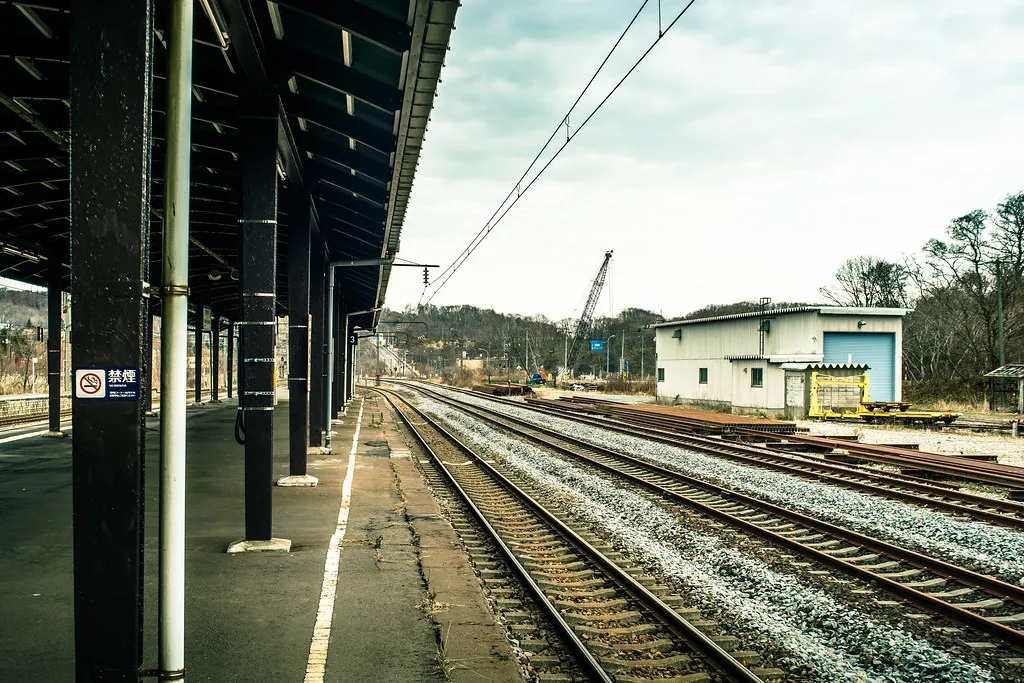
Taking the JR Hokuto Limited Express train is the fastest way to travel from Sapporo Station. This journey takes about 1 hour and 10 minutes and the one-way fare is 4,070 yen. From JR Noboribetsu Station you transfer to the Donan Bus for the 15-minute ride up to Noboribetsu Onsen Bus Terminal, costing 350 yen. Total door-to-door comes to roughly 4,420 yen and under 90 minutes. The JR Limited Express is fully covered by the Japan Rail Pass and Hokkaido Rail Pass, which makes it the best value option if you are already holding a pass.
Highway buses offer a more affordable alternative for those not using a rail pass. The Donan Bus operates one direct service per day from Sapporo Station Bus Terminal Stop No. 7, departing at 13:40 and arriving at Noboribetsu Onsen in about 1 hour and 50 minutes. The one-way fare is 2,500 yen. Chuo Bus also runs a service for around 2,280 yen but requires a short walk to connect with the local Donan Bus at Noboribetsu Station for the final 350-yen leg. Both bus options are significantly cheaper than the train and are a good choice if you are not holding a rail pass.
Driving a rental car provides the most flexibility for exploring the surrounding national park. Take the Hokkaido Expressway (道央自動車道) south toward Muroran and exit at Noboribetsu-Higashi Interchange. The drive covers about 110 km and takes around 1 hour and 30 minutes, with expressway tolls of approximately 3,300 yen. However, winter driving in Hokkaido is hazardous — icy roads and whiteout conditions frequently lead to sudden closures on this route from December through March. Only experienced winter drivers should attempt this journey during the snow season.
- JR Limited Express Train
- Time: 70 minutes + 15 min local bus
- Cost: ~4,420 yen total
- Best for: Speed and rail-pass holders
- Frequency: 1–2 per hour
- Highway Donan Bus
- Time: 110 minutes direct
- Cost: ~2,500 yen
- Best for: Budget travelers without a pass
- Frequency: 1 per day (13:40 departure)
- Rental Car
- Time: 90 minutes
- Cost: ~3,300 yen tolls plus rental
- Best for: Group flexibility
- Warning: Dangerous in winter snow
Getting to Noboribetsu from New Chitose Airport or Hakodate
Travelers flying into New Chitose Airport (CTS) can reach Noboribetsu Onsen without going through Sapporo at all. A direct highway bus runs three times daily from the airport's domestic and international terminals to Noboribetsu Onsen Bus Terminal. The journey takes 1 hour and 15 minutes and costs 1,900 yen — far cheaper and more direct than the train option from the same airport. Reservations must be made by 11:00 the morning of travel, so book ahead on busy weekends. This is the most efficient route for anyone whose first stop in Hokkaido is Noboribetsu.
Coming from Hakodate, take the JR Limited Express Hokuto northbound to Noboribetsu Station. The train takes about 2 hours and 55 minutes and costs 7,790 yen. Add the 350-yen Donan Bus leg to the onsen area and total travel time is just over 3 hours. Drivers from Hakodate can use the Hokkaido Expressway for approximately 200 km (around 3 hours) with toll fees near 5,000 yen. Hakodate-based travelers often combine Noboribetsu with an overnight stay to justify the longer journey time.
Follow a Recommended Day Trip Itinerary
A successful day trip starts with an early departure from Sapporo around 08:00. Aim to arrive at the Noboribetsu Onsen bus terminal by mid-morning to beat the largest crowds. Start your walk immediately toward the volcanic vents of Hell Valley while the morning light is soft. This timing allows you to see the steam rising clearly against the dark rocks.
After exploring the valley, follow the forest trail toward the Oyunuma Pond for a natural foot bath. This 20-minute hike is refreshing and leads to a warm river where you can rest your feet. Many visitors pack a light snack to enjoy by the water before heading back to town. Wear sturdy shoes as the forest paths can be quite damp.
Finish your afternoon by visiting one of the public baths for a long, healing soak. Most ryokans open their doors to day visitors between 09:00 and 16:00. Plan to catch the 16:00 or 17:00 Donan Bus from Noboribetsu Onsen Bus Terminal to JR Noboribetsu Station, then take the late-afternoon Limited Express back to Sapporo to arrive in time for dinner. Missing this window means waiting until the evening service, so build buffer time into your itinerary.
Explore the Geothermal Wonders of Hell Valley
Jigokudani, or Hell Valley, is the main source of the town's famous hot spring waters. The area features a massive crater formed by a volcanic eruption thousands of years ago. You can walk along well-maintained wooden boardwalks that lead directly into the steaming landscape. The smell of sulfur is strong here, reminding every visitor of the earth's raw power.
Safety is important when navigating these trails, especially during the changing seasons in Hokkaido. In summer, the sun reflects off the light-colored rocks, making the valley feel very hot. Carry water and wear a hat to avoid heat exhaustion while walking. The boardwalks provide a safe path away from the boiling mud and steam vents.
Winter transforms the valley into a stark contrast of white snow and rising gray steam. However, the wooden paths can become extremely slippery when ice forms near the thermal vents. Check the 12 Best Things To Do In Noboribetsu guide for updates on path closures during heavy blizzards. Always wear shoes with good grip to stay safe on the icy inclines.
One walkable detail most visitors overlook is the collection of oni demon statues scattered along the road from the bus terminal up to Jigokudani. These red and blue figures are free to seek out and photograph, and spotting them all turns the walk into an entertaining scavenger hunt. They reflect the town's mythology connecting its volcanic landscape to the underworld, and they make for memorable photos that capture the character of Noboribetsu beyond the steam vents.
Soak in the Oyunuma Natural Foot Bath
The Oyunuma Natural Foot Bath is a hidden gem located deep within the forest. Water flows from the boiling Oyunuma Pond and cools down as it runs through the trees. By the time it reaches the designated soaking area, the temperature is perfect for tired feet. Sitting on the wooden deck while surrounded by lush greenery is a highlight for many.
Visitors should bring a small towel from their hotel to dry off after the soak. There are no changing rooms or towel rentals available at this natural site. You might also want to bring bug spray during the humid summer months. The walk from the main valley takes about twenty minutes on a marked forest path.
This experience is completely free and offers a peaceful break from the more crowded tourist spots. It is one of the most relaxing Noboribetsu Onsen Guide: 10 Essential Things to Know and Do activities for nature lovers. Be sure to check the water temperature with your hand before stepping in. Heavy rains can sometimes change the flow and heat of the river water. Note that some trails to Oyunuma are closed during winter months, so verify conditions at the bus terminal information board on arrival.
Decide Between a Day Trip or Overnight Stay
Choosing between a day trip and an overnight stay depends on your schedule and interest in onsen culture. A day trip is efficient and allows you to see the main sights in about six hours. You can easily return to Sapporo in time for a late dinner at a local ramen shop. This is the best choice for travelers with limited time in Hokkaido.
Staying overnight allows you to experience the magical atmosphere of the town after dark. Many ryokans offer traditional multi-course kaiseki dinners that feature fresh local seafood and vegetables. You can also enjoy multiple soaking sessions in the hot springs at different times of the day. Check our tips on Where To Stay In Noboribetsu: Best Ryokans & Hotels Guide for the best hotel recommendations.
The evening walk through Hell Valley is particularly beautiful when the paths are illuminated by lanterns. This quiet experience is only available to those who stay in the town overnight. You will also have more time to explore nearby spots like Lake Toya caldera the following day. Consider your budget as overnight stays in high-end ryokans can be quite expensive.
One practical point for day-trippers: if you plan to spend at least a week in Hokkaido, an overnight stay is genuinely worth the extra cost. The time saved on two-way transport, combined with exclusive evening access to the valley paths, makes the overnight option efficient rather than indulgent. For shorter Hokkaido trips of two or three days, a well-timed day trip from Sapporo is the smarter call.
Experience the Historic Dai-Ichi Takimotokan Ryokan
Dai-Ichi Takimotokan is the most famous hot spring facility in Noboribetsu for good reason. Its Grand Bath features 35 different pools fed by five of the nine unique hot spring sources in the town. You can soak in sulfur water for skin health or salt water to improve circulation. The floor-to-ceiling windows offer a stunning view directly into the heart of Hell Valley.
This ryokan has been a cornerstone of the community since it was founded in the mid-19th century. Day visitors can access the Grand Bath without staying overnight. The day-use admission fee is 2,250 yen for adults between 09:00 and 16:00, dropping to 1,700 yen between 16:00 and 18:00. Children aged 3–12 pay half price. The facility includes indoor and outdoor pools, dry and steam saunas, a cold plunge pool fed by natural water from Mt. Orofure, and a 25-metre swimming pool area with water slides for families.
Each water source at this grand bath serves a specific purpose for your well-being. The acidic sulfur spring is known for helping with chronic skin conditions such as psoriasis and improving blood circulation. The alum spring has historically been used to treat wounds and is excellent for dry skin. The sodium bicarbonate spring acts as a beauty bath, emulsifying fats and leaving skin smooth. Experiencing the variety in one visit is a unique opportunity that no other facility in Noboribetsu matches at the same scale.
- Sulfur Spring
- Benefit: Skin softening and circulation
- Appearance: Milky white
- Scent: Strong egg smell
- Salt Spring
- Benefit: Retains body heat long after bathing
- Appearance: Clear
- Best for: Poor circulation
- Sodium Bicarbonate Spring
- Benefit: Softens and smooths skin ("beauty bath")
- Appearance: Clear, silky texture
- Note: Popular among female bathers
- Alum Spring
- Benefit: Treats dry skin and fatigue
- Appearance: Slightly cloudy
- Note: High acidity — avoid if you have cuts
Discover the Romantic History of Noboribetsu
The story of Noboribetsu is deeply tied to the devotion of a man named Kinzo Takimoto. In the 1850s, he and his wife Sata moved from Edo (present-day Tokyo) to Hokkaido for a construction job. Sata developed a severe skin condition called dermatosis that traditional medicines could not heal. Kinzo heard of a volcanic spring in a remote valley and set out on foot through rugged mountains to find it.
His faith was rewarded when Sata's health improved significantly after soaking in the waters of Jigokudani. To share the discovery with others, Kinzo built a simple inn beside the springs, welcoming early visitors including Ainu people who had known about the springs since the 13th century, workers from nearby Mount Io, and samurai stationed at Shiraoi. This humble establishment eventually grew into the world-famous Dai-Ichi Takimotokan. In 1953, Kinzo's descendants renamed the inn in his honor.
Today Noboribetsu Onsen attracts around 2.8 million visitors annually, continuing the legacy this couple began. Knowing this history adds a layer of emotional depth to your visit to the steaming vents. The healing properties of the water have been providing comfort for over 150 years, and the founding story is a reminder that the town's therapeutic reputation was earned through personal experience, not marketing.
Eat Well in Noboribetsu
Food in Noboribetsu goes well beyond the kaiseki dinners served inside the big ryokans. For day-trippers watching their budget, the town's main street has several small restaurants and shops that are affordable and genuinely good. Onsen tamago — eggs slow-cooked in hot spring water — are sold at roadside stalls near the valley entrance for around 100–150 yen each. The gentle sulfurous heat gives them a uniquely silky texture that you cannot replicate at home.
For a proper meal, Enmaken Ramen near the bus terminal is a local favorite known for its rich, warming broth. A bowl costs around 900–1,100 yen and is ideal for refueling after the Hell Valley walk. Fukuan Soba is a lighter option serving handmade soba noodles made from Hokkaido buckwheat. Both restaurants fill up around noon on weekends, so plan to eat before 11:30 or after 13:30 to avoid a wait.
Staying at a ryokan overnight unlocks a multi-course kaiseki dinner featuring seasonal Hokkaido seafood — snow crab, scallops, and sea urchin appear frequently on autumn and winter menus. This is the most compelling culinary reason to stay overnight rather than day-trip. If you do day-trip, the town center lunch options and the onsen eggs are more than enough to keep you satisfied until you return to Sapporo for a full ramen dinner.
Save Money with Budget-Friendly Travel Tips
Exploring Hokkaido can become expensive, but there are several ways to save on your trip to Noboribetsu. If you plan to visit multiple cities, the Hokkaido Rail Pass is an excellent investment for train travel. This pass covers the limited express trains from Sapporo and can save you thousands of yen. Always calculate your total travel costs before deciding to purchase a rail pass.
For those traveling by bus, the direct highway Donan Bus at 2,500 yen one-way is the cheapest public transport option from Sapporo. Note there is only one departure per day (13:40 from Sapporo Station), so it works best for early afternoon arrivals who plan to stay overnight rather than day-trippers. You can also save money by visiting the free attractions like Hell Valley boardwalk, the oni statues, and the natural foot bath — the best visual experiences in the area cost nothing.
Eating lunch in the town center rather than inside the large hotels can also help your budget. Local shops offer onsen eggs, ramen, and soba at prices well below hotel restaurant rates. For accommodation, the Adex Inn is a sister property of Dai-Ichi Takimotokan — guests pay lower rates but can access the Grand Bath next door at the same price as day visitors. You can find more advice on seasonal savings in our Best Time to Visit Noboribetsu: 8 Essential Planning Tips guide.
Evaluate the Noboribetsu Bear Park
The Noboribetsu Bear Park ropeway is a famous attraction located on the summit of Mount Shihorei. You must take a scenic ropeway ride from the town center to reach the park entrance. The ride offers impressive views of the surrounding forest and the nearby Pacific Ocean. Once at the top, you can see dozens of Hokkaido brown bears in several enclosures. Adult admission including the ropeway is 2,600 yen; children aged 4–12 pay 1,300 yen.
Some visitors enjoy the opportunity to see these large animals up close and feed them snacks. The park also features educational exhibits about bear conservation and Hokkaido's Ezo brown bear species. However, other travelers feel that the enclosures are too confined and lack natural habitat features. It is important to consider your personal views on animal welfare before deciding to visit. The ropeway views alone are enjoyable, but the park itself is better suited to families with young children than to wildlife enthusiasts who prefer seeing animals in genuinely natural settings.
If you choose to go, the ropeway ticket is bundled with the park admission fee. The park also hosts a traditional Ainu village display that provides insight into local indigenous culture. For a day-trip with limited time, skipping the Bear Park in favor of more time at Hell Valley and a longer soak at Dai-Ichi Takimotokan is usually the better use of three hours. Check the latest travel blog updates for current ticket prices and opening hours.
Review the Essential FAQ Before You Go
Many travelers wonder about the best time of year to visit this volcanic valley. While the onsen are great year-round, fall offers stunning autumn colors that contrast with the white steam. Spring is also a pleasant time for hiking before the humid summer heat arrives. Each season brings a different mood to the landscape of Hell Valley.
Another common question involves the rules for visiting traditional Japanese hot springs with tattoos. While some high-end ryokans are becoming more flexible, many still require guests to cover small tattoos with bandages. Larger tattoos may restrict your access to public baths in some older establishments. It is always best to check the specific policy of your chosen ryokan in advance.
If you are traveling with heavy bags, look for coin lockers at the Sapporo or Noboribetsu train stations. Most bus terminals also offer storage facilities for a small daily fee. This allows you to explore the hiking trails without carrying your luggage. For a luxury experience, consider staying at the Noboribetsu Onsengo Takinoya for ultimate relaxation.
Frequently Asked Questions
How do you get around in Noboribetsu?
Most major attractions like Hell Valley and the main ryokans are within walking distance of the town center. For further spots like the Bear Park or Date Jidaimura history park, local buses run frequently from the main terminal. You can also find taxis near the train station for quicker transport between sites.
Is Noboribetsu worth visiting?
Yes, it is widely considered the top hot spring destination in Hokkaido due to its unique volcanic activity. The variety of mineral waters and the dramatic scenery of Jigokudani make it a must-see for nature lovers. It offers a perfect escape from the urban environment of Sapporo.
Can you visit Noboribetsu and Lake Toya in one day?
While it is possible to see both, it results in a very rushed schedule with limited time for soaking. It is better to focus on one area or stay overnight to enjoy both properly. Check our guide on 15 Best Things to Do in Lake Toya for better planning tips.
What is Noboribetsu known for?
The town is famous for Jigokudani (Hell Valley) and its high-quality volcanic hot springs. It features nine different types of mineral water that are said to cure various ailments. It is also known for its giant demon statues that protect the town's thermal sources.
A trip from Sapporo to Noboribetsu is a highlight of any Hokkaido itinerary.
Whether you visit for a day or stay overnight, the healing waters and dramatic views will leave a lasting impression.
Plan your transport early and prepare for the unique sulfurous environment of the valley.
You are now ready to experience the raw volcanic beauty of Japan's most famous onsen town.
Free: The Sapporo Essentials guide
Top things to do, where to stay, a perfect day plan, getting around, and the best time to go — a Sapporo mini-guide you can take offline.
You might also like


Continue reading
More guides you'll find useful