Where To Stay In Kamakura: 10 Best Areas and Planning Tips
Discover the best neighborhoods in Kamakura, from the temple-rich Hase area to the surf vibes of Yuigahama Beach. Includes hotel picks and local travel tips.
On this page
Kamakura attracts over 20 million visitors every year, yet only about 1.5% of them stay overnight. That statistic matters more than it sounds. By 17:00 the last tour buses leave, the crowds thin out, and a completely different city appears — quiet temple lanes, smoke from izakaya grills, and the sound of the Enoden train rattling past darkened storefronts. Choosing to stay even one night puts you in that 1.5%, and this guide is written for exactly that decision.
Kamakura is compact but the neighborhoods feel genuinely distinct. The area near the main station trades in convenience and modern hotels; the coast west of Hase trades in ocean views and the chance to see Mount Fuji at sunrise. Choosing the wrong base means either commuting past closed temple gates or missing the best sea views entirely. This guide covers all ten areas — their strengths, their trade-offs, and which type of traveler each suits best. Read it alongside a detailed area comparison if you want a side-by-side look before booking.
Why Stay Overnight in Kamakura Instead of Day-Tripping
The standard advice is to visit Kamakura as a day trip from Tokyo, and for a quick temple-and-Buddha tick-box, that works. The Yokosuka Line from Tokyo Station takes about 55 minutes and costs around ¥980. But the calculation changes the moment you want more than a rushed morning. Kamakura's most popular sites — Tsurugaoka Hachimangu Shrine, the Great Buddha, Hase-dera — see the heaviest crowds between 10:00 and 15:00. Arriving the evening before means you can walk those same paths at 08:00, often alone.
There is also a practical capacity argument. Kamakura has a relatively small number of restaurants for a city of its tourist volume. Many of the best small izakayas and traditional kaiseki spots seat only 10 to 20 people and are realistically available only to guests who are already in town by evening. Day-trippers have usually caught the 16:00 or 17:00 train back before these places even fill up. Staying overnight is not just about the atmosphere — it is often the only way to eat well.
The best izakayas and kaiseki restaurants in Kamakura have no English online presence and are realistically available only to overnight guests who walk in after 19:00. Most seat fewer than 20 people and cater exclusively to dinner service.
For families or anyone with energy to spare, the coastal hiking trails between Inamuragasaki and Shichirigahama take about 90 minutes and are best walked in the late afternoon when the light is low over Sagami Bay. That window simply is not accessible on a day trip. If you are traveling in 2026 and have already ticked Tokyo's main sites, an overnight here — or ideally two nights — is the highest-value night you can spend in the Kanto region.
The Enoden 1-Day Pass (¥800 in 2026) covers unlimited rides from Kamakura Station to Fujisawa, including all major areas except Kita-Kamakura and the eastern neighborhoods. For guests staying west of central Kamakura, it pays for itself within three or four journeys.
Kamakura Station Area: Most Convenient for First-Timers
The area around Kamakura Station is the obvious default, and the logic is sound. JR Kamakura Station is the terminus of the JR Yokosuka Line from Tokyo and Yokohama, so you can drop your bag and start walking within minutes of arrival. Komachi-dori — the 350-metre pedestrian shopping street — runs directly from the station's east exit. Wakamiya Oji, the more formal boulevard lined with stone lanterns, connects the west exit to Tsurugaoka Hachimangu Shrine in about 10 minutes on foot.
Hotel Metropolitan Kamakura sits directly adjacent to the station and opened in 2020. Its location means zero transit time to the Enoden Line, which departs from the same station complex. That matters logistically: every other area covered in this guide is either on the Enoden Line or requires a bus from this hub. For first-time visitors or anyone with limited time, this area functions as a command center for the rest of the city. Pricing for mid-range hotels here runs ¥15,000–¥30,000 per night in 2026, with budget guesthouses available from around ¥6,000.
The trade-off is noise. The station area is busiest during the day and the streets around Komachi-dori stay lively into the evening. If you are specifically chasing the quiet that makes Kamakura worth staying in, you may prefer Hase or Kita-Kamakura. But for anyone arriving late from Tokyo or catching an early departure, the station area's logistics are simply hard to beat.
| Area | Vibe | Price Range | Best For | Train Access |
|---|---|---|---|---|
| Kamakura Station | Bustling, modern | ¥6,000–¥30,000 | First-timers, convenience | JR/Enoden hub |
| Hase | Temple-focused, calm | ¥8,000–¥25,000 | Culture, tradition | Enoden (4 min) |
| Yuigahama | Beachy, energetic | ¥7,000–¥28,000 | Surfers, younger crowds | Enoden (5 min) |
| Inamuragasaki/Shichirigahama | Scenic, peaceful | ¥12,000–¥40,000 | Mount Fuji views, romance | Enoden (10–15 min) |
| Kita-Kamakura | Zen temples, silent | ¥7,000–¥20,000 | Meditation, hiking | JR (3 min) |
| Koshigoe | Fishing village, local | ¥6,000–¥35,000 | Authentic seafood, Enoshima access | Enoden (25 min from station) |
Hase Sightseeing Area: Walking Distance to the Great Buddha
Hase is a four-minute Enoden ride from Kamakura Station, which makes it close enough for convenience but far enough to feel like a separate village. The Great Buddha (Kotoku-in) is about an eight-minute walk from Hase Station, and Hase-dera Temple — with its famous Kannon statue and tiered gardens — is five minutes in the other direction. Staying in Hase means you can visit both before 09:00, before buses from Tokyo deposit their first load of visitors.
Accommodation in Hase leans toward traditional Japanese formats: tatami-mat guesthouses, small inns with shared baths, and a handful of boutique hotels. Properties here are generally quieter and more locally run than the chain hotels near the main station. Kamakura Park Hotel is a well-known option near Yuigahama Beach at the southern edge of the Hase area, offering Japanese and Western dining and easy beach access. For those who want an authentic ryokan experience, Japanese Traditional Inn Kamakura Rakuan offers futon beds and a home-like atmosphere at a reasonable price point.
The southern end of Hase connects directly to Yuigahama Beach, a 10-minute walk. The Enoden Line makes it simple to range east toward the main station or west toward the coastal views of Inamuragasaki. This combination of temple proximity, beach access, and traditional lodging options makes Hase the single most rounded base in Kamakura — it suits history-focused travelers, couples, and anyone who wants to do the Great Buddha visit properly rather than as a rushed stop.
Yuigahama Beach Area: Surfing, Cafes, and Coastal Vibes
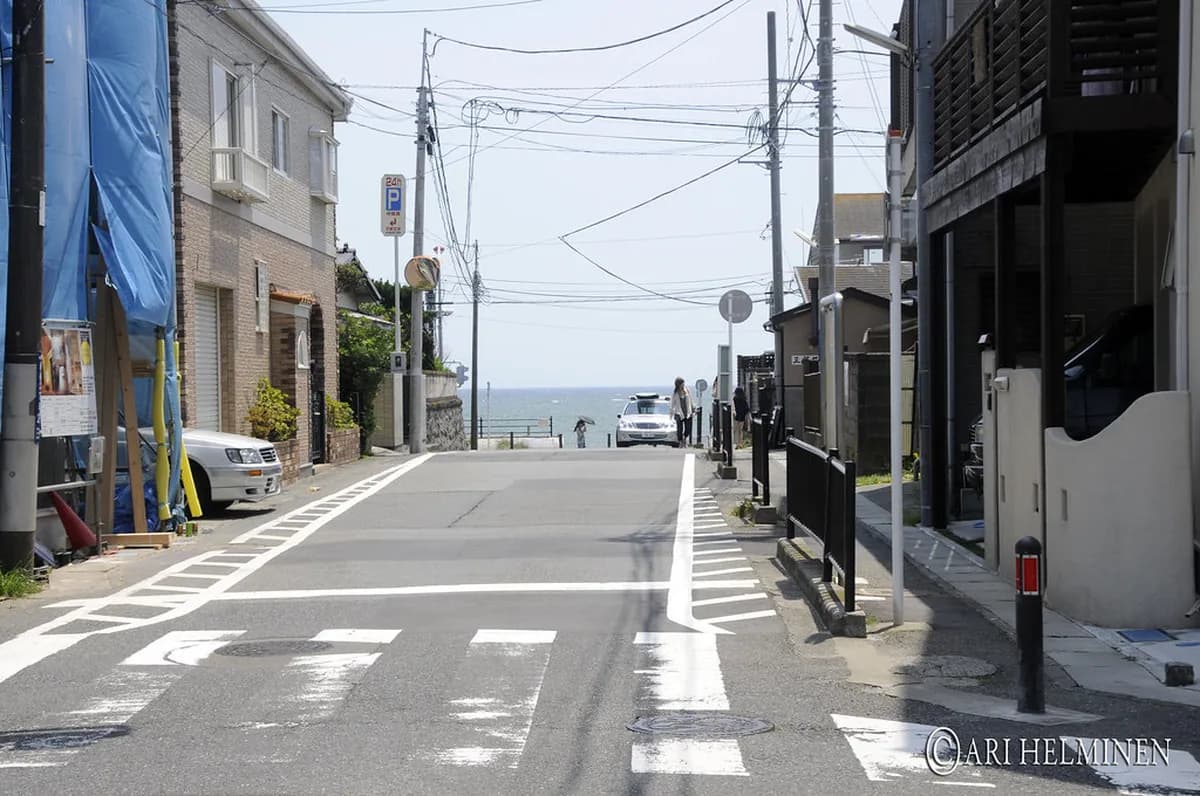
Yuigahama is Kamakura's main beach and the center of gravity for younger travelers, surfers, and anyone drawn to a seaside lifestyle rather than a temple circuit. The beach itself runs for roughly 600 metres from the edge of the Hase sightseeing area eastward, and during summer (late June to early September) it fills with beach huts selling food and renting gear. Outside peak season the same stretch is calm and photogenic, with clean sightlines to the water and occasional Mount Fuji visibility on clear days.
Accommodation in this area includes luxury resort hotels with ocean-facing rooms, a range of mid-range options, and at least one well-reviewed hostel that caters specifically to surfers and budget solo travelers. Hotel AO Kamakura is a standout for design-conscious visitors — it sits on the beachfront at Yuigahama and blends contemporary interiors with strong ocean views. Kaihinso Kamakura is a more traditional choice: a historic ryokan in a former Meiji-era villa that offers tatami rooms and kaiseki-style meals, holding onto the area's pre-resort character.
Yuigahama Station on the Enoden Line puts you three stops from Kamakura Station (about 5 minutes) and two stops from Hase. Walking between the beach and central Kamakura takes 15 to 20 minutes along flat paths — entirely manageable without a train. This makes Yuigahama an easy base even for guests primarily interested in temples, as long as they accept the slightly more energetic evening atmosphere compared to quieter neighborhoods further west.
Zaimokuza Beach Area: A Quiet Local Retreat
Zaimokuza stretches east of Yuigahama along a quieter, less-developed stretch of coastline. It is primarily a residential neighborhood, and staying here means sharing the streets with local families rather than tour groups. The beach at Zaimokuza is softer and less crowded than Yuigahama even in summer, and the pace of life is noticeably slower. Families with children often prefer this area for its calm waters and the absence of the surfer crowd that dominates Yuigahama.
The area also contains one notable landmark that most competitors overlook: Komyoji Temple, located at the eastern end of the beach strip. Founded in 1243, the temple is set in expansive grounds and famous for its lotus gardens and the view from its main hall back toward the sea. It is significantly less visited than Hase-dera or the Great Buddha, which means even arriving mid-morning you will likely have the grounds largely to yourself. That relative quiet is a reasonable argument for basing yourself in Zaimokuza if you have two or more nights.
The main trade-off is transport. Zaimokuza is not on any train line. The Keikyu bus routes 鎌40 and 鎌41 connect the Zaimokuza and Komyoji bus stops to Kamakura Station, and the journey takes about 10 minutes. Taxis are available but not plentiful late at night. Bicycles — via the Hello Cycling share-bike app — are the most practical solution; you can pick up a bike near Kamakura Station and ride the coastal path to Zaimokuza in under 20 minutes. Accommodation options are mostly smaller guesthouses, vacation rentals, and a handful of mid-range resort hotels.
Kita-Kamakura Station Area: Zen Temples and Tranquility
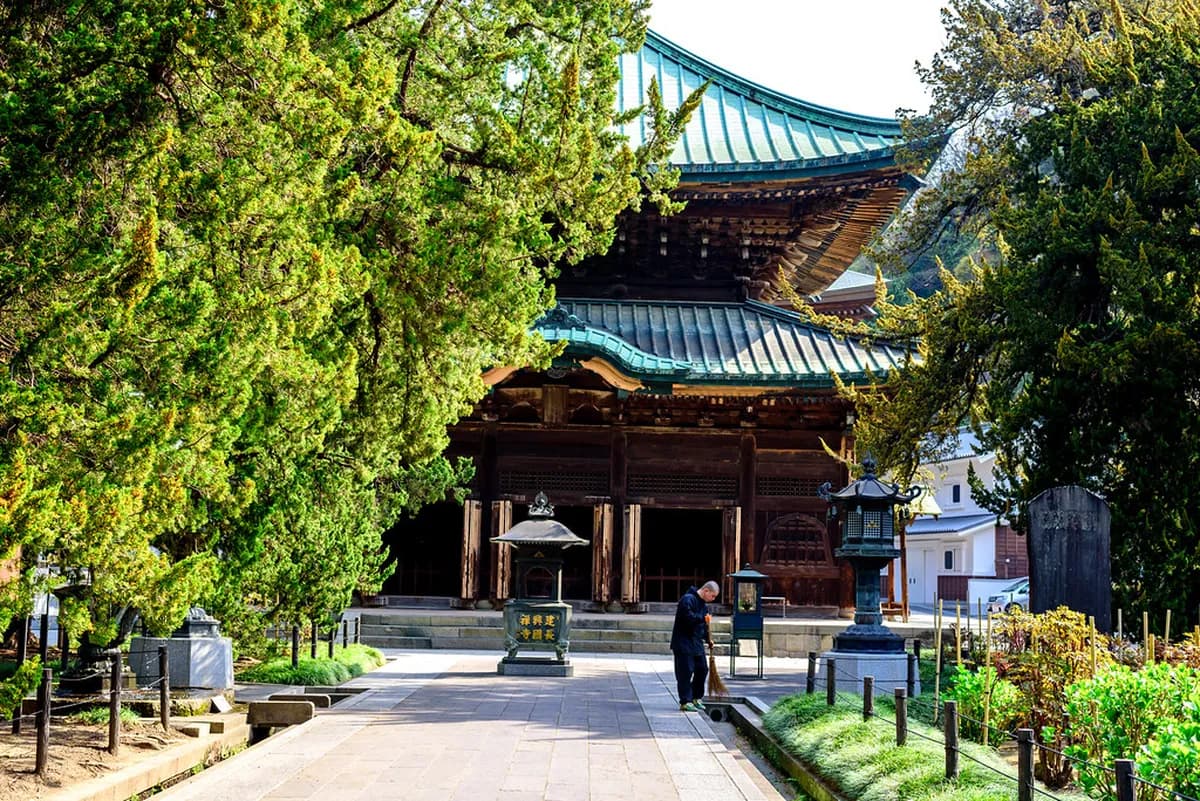
Kita-Kamakura is one stop north of Kamakura Station on the JR Yokosuka Line — three minutes by train, about 30 minutes on foot through forested hills. The valley here is home to three of Kamakura's five great Zen temples: Engaku-ji, which sits immediately adjacent to the station, Kencho-ji about 15 minutes south by foot, and Jochi-ji between them. The entire stretch can be walked in a half day. Arriving at Engaku-ji at 08:00 before the tourist groups appears is one of the better early-morning experiences in the Kanto region.
Accommodation in Kita-Kamakura is deliberately sparse — the neighborhood is quiet, residential, and protective of that character. You will find a small number of traditional guesthouses, a few holiday villas, and occasionally a mid-range hotel. Book early; availability is limited and fills quickly for autumn leaf season (typically mid-November to mid-December) and cherry blossom season (late March to early April). The hiking trails known as the Tenen Hiking Course begin here and connect northward through the hills — a useful option for active travelers who want to combine temple visiting with a proper ridge walk.
One practical caveat: almost all restaurants and shops in Kita-Kamakura close by 17:00. If you want dinner or supplies after that, you will need to travel to Kamakura Station, which is a three-minute train ride. For travelers who plan to spend evenings at a quiet inn with a set-course dinner included, this is not an issue. For anyone expecting an active evening, Kita-Kamakura is the wrong base.
Jomyoji Area: Bamboo Groves and Traditional Tea Houses
The Jomyoji district sits in the forested eastern hills, accessed most easily by buses 23, 24, or 36 from Kamakura Station to the Jomyo-ji bus stop (about 10 minutes, ¥200). The neighborhood is centered on two temples: Jomyo-ji itself, one of Kamakura's five great Zen temples with a beautifully maintained garden and matcha teahouse, and Hokokuji — the Bamboo Temple — which is the more famous of the two and hosts a grove of around 2,000 mature bamboo stalks with a path running through them and a covered teahouse at the far end.
Hokokuji is open daily from 09:00 to 16:00 (closed 29 December to 3 January) and charges ¥400 entry, with the matcha and sweet set available for an additional ¥500. The bamboo grove is most atmospheric early in the morning when light filters through the canopy and the grove is still cool. Staying in this neighborhood lets you arrive at opening time and have the paths almost entirely to yourself before the midday buses from Tokyo arrive.
Accommodation options here are limited to a small number of guesthouses, traditional inns, and private apartments. The area suits independent travelers who have already visited the main coastal and station areas and want something more secluded and distinctly Japanese. Bicycle access from Kamakura Station via Hello Cycling is practical for getting between Jomyoji and the rest of the city — the ride takes about 20 minutes on mostly flat roads. Taxis are available for rainy days or late arrivals.
Inamuragasaki and Shichirigahama: Best for Mount Fuji Views
These two adjacent coastal areas on the western edge of Kamakura offer the most striking natural scenery in the region. Inamuragasaki is a small rocky cape where the coast turns and the sightline to Mount Fuji opens up across Sagami Bay. The view is best at sunset and requires no special vantage point — the cape itself is a public park, free to enter, and takes about 15 minutes to walk from Inamuragasaki Station on the Enoden. On clear winter and early spring evenings, Fuji appears in vivid silhouette above the horizon and the photography is exceptional.
Shichirigahama is the beach immediately west of Inamuragasaki and is Kamakura's longest stretch of sand. It is also the most open to Atlantic swell, which makes it a good spot for surfing and windsurfing but means swimming is not recommended here due to strong currents. Hotels along this stretch are fewer in number but generally higher in quality — Kamakura Prince Hotel sits on the hillside above the beach with sweeping balcony views of the ocean and is one of the most scenically positioned hotels in the entire city.
The Enoden Line connects both areas to central Kamakura in about 10 to 15 minutes. This location is the best base for travelers who want to prioritize visual drama over urban convenience — photographers, couples, and anyone for whom seeing Fuji from their hotel window is the defining ambition of the trip. Be aware the Enoden adds approximately 20 to 30 minutes to the overall transit time back to Tokyo compared to departing from Kamakura Station, so check the Kamakura transportation guide for your return journey timing.
Koshigoe Beach Area: Authentic Fishing Village Atmosphere
Koshigoe sits at the western end of Kamakura's coastline, just before the causeway bridge to Enoshima Island. The neighborhood is famous among train enthusiasts for the section where the Enoden runs directly along the narrow main street — traffic waits at barriers while a small vintage-style tram passes at walking speed, a scene that appears regularly in Japanese cinema and anime. Beyond the visual novelty, Koshigoe maintains a genuinely working harbor where small fishing boats land fresh catches of shirasu (whitebait) — the region's signature ingredient and a dish worth seeking out in the neighborhood's seafood restaurants.
Accommodation here covers a wide range: budget guesthouses for those watching costs, a few mid-range hotels, and some luxury coastal properties. UMITO Kamakura Koshigoe is a high-end option with panoramic ocean suites and private terraces, positioned directly facing the sea. For budget travelers, the smaller guesthouses along the main street offer proximity to the Enoden and a more local feel than anything closer to Kamakura Station. Koshigoe Station on the Enoden is one stop from Enoshima and about 10 minutes from central Kamakura.
Basing yourself here makes good sense if your itinerary combines Kamakura temples with a full day on Enoshima Island — you can walk to the island bridge in about 15 minutes on foot. The evening dining scene in Koshigoe is modest but the seafood quality is high and prices reflect a local clientele rather than tourist markup. It is a sensible choice for travelers who have done the major Kamakura sights before and want an off-the-tourist-trail base for their second visit.
Enoshima Resort Area: Island Life and Nightlife Options
Enoshima is technically in Fujisawa City rather than Kamakura, but its practical relationship to the city makes it a legitimate base for exploring Kamakura. The island is connected to the mainland by a 600-metre causeway bridge and offers its own substantial attractions: Enoshima Shrine spread across three separate compounds, the Iwaya Caves at the island's southern tip, Samuel Cocking Garden, and the Enoshima Sea Candle observation tower. On a clear day the tower offers some of the best views of Mount Fuji available anywhere in the coastal Shonan region.
The island and the adjacent mainland host the widest range of evening activity in the area. Ryokans like Iwamotoro — one of the oldest and most atmospheric inns on the island — offer traditional seafood dinners and large communal baths, and stay active well into the evening. Boutique hotels on the mainland near the island bridge provide modern amenities and serve guests who want the island atmosphere without the premium for an on-island address. The Enoshima winter illumination events, held annually from late November through February, are a specific reason to stay overnight here out of peak season.
Three train lines serve the Enoshima area: the Enoden from Kamakura, the Odakyu Enoshima Line from Shinjuku (about 65 minutes), and the Shonan Monorail from Ofuna. The Enoden ride from Enoshima Station to central Kamakura takes about 25 minutes. Check an Enoshima day trip guide for the island's full attraction list and opening hours before planning your visit.
Kamakura After 17:00: What Overnight Guests Experience
The transformation is noticeable and quick. By 17:30 the last admissions close at the Great Buddha and most major temples. The buses back to Tokyo and Yokohama fill up and depart. Within an hour, the streets around Komachi-dori — which was shoulder-to-shoulder at noon — thin to a manageable crowd of locals heading home and the small minority of visitors who have booked a room. The shopping street itself closes its storefronts, but the side streets behind it fill with cooking smells from izakayas that did not even open during the day.
This evening dining access is one of the least-discussed advantages of staying overnight. Kamakura supports a number of small restaurants that open exclusively for dinner service, cater to neighborhood regulars, and have no online English presence. These places seat 8 to 15 people, take walk-ins after 19:00 if there is space, and serve food that is categorically different from the tourist-facing lunch spots on Komachi-dori. Finding them requires some wandering, but the base criterion is simple: if a restaurant is lit and the seats are mostly Japanese, it is worth stepping inside.
The temple grounds themselves are also worth revisiting after dark. Most are gated, but the outer precincts of Tsurugaoka Hachimangu Shrine remain open and lit until 21:00. Walking the approach avenue — Wakamiya Oji, lined with lanterns — at 20:00 when the crowds have completely gone is a different experience from any you will have during daylight hours. For photographers, the combination of stone lantern light, pine trees, and empty paths is genuinely rare in a city that attracts 20 million people a year.
Essential Tips for Planning Your Kamakura Stay
Book accommodation as early as possible, particularly for cherry blossom season (late March to early April), hydrangea season at Meigetsu-in (mid-June), and autumn leaves (mid-November to mid-December). Kamakura has a relatively small stock of hotel rooms compared to its visitor volume, and rates rise sharply once the season shifts to high demand. Mid-week stays in shoulder season — May, September, early October — offer noticeably lower prices and lighter crowds.
The Enoden 1-Day Pass costs ¥800 in 2026 and covers unlimited rides between Kamakura Station and Fujisawa, including Hase, Inamuragasaki, Shichirigahama, Koshigoe, and Enoshima. For guests staying in the Hase area or further west, this pass pays for itself by the third or fourth journey. Note that the Enoden does not serve Kita-Kamakura or the eastern neighborhoods — those require JR tickets (individual fares around ¥140–¥200 per leg) or buses. A separate day pass for JR services is not cost-effective for most visitors given the short distances involved.
The Hello Cycling share-bike app works throughout Kamakura and is the single most practical transport upgrade for guests who want to move between areas without checking timetables. Bikes cost approximately ¥165 for 30 minutes and can be returned to any designated port. The coastal path from Yuigahama to Zaimokuza and the flat road from the station to the Jomyoji bus area are both easy cycling routes. Most hotels offer luggage storage if you arrive before check-in time — use it and start exploring immediately. A full Kamakura itinerary can help you structure the sightseeing order once you have decided on your base area.
One final practical point: Mount Fuji visibility is highest from October through February when the air is coldest and clearest. Summer mornings can occasionally show the mountain through the haze, but it is not reliable. If a clear Fuji view from Inamuragasaki or Shichirigahama is a priority for your trip, plan around those months and book a west-facing coastal room in advance.
Keep planning your trip with our complete Kamakura attractions guide, and explore the best areas to stay in Kamakura and the best hotels in Kamakura next.
Frequently Asked Questions
Is it better to stay in Kamakura or Tokyo?
Staying in Kamakura offers a peaceful escape from the city. You can enjoy the beaches and temples without the heavy day-trip crowds. It is much better for travelers who want a slower pace and coastal views. Tokyo is better only if you need frequent access to major urban hubs.
How many days should I spend in Kamakura?
Two days and one night is the ideal amount of time for most visitors. This allows you to see the main temples and spend time at the beach. You can also explore Enoshima Island without feeling rushed. Some travelers stay longer to enjoy the local hiking trails and cafes.
Can you see Mt. Fuji from Kamakura hotels?
Yes, many hotels along the Shichirigahama and Inamuragasaki coast offer views of Mount Fuji. You usually need a clear day and a room facing the ocean. Check Expedia.com for room descriptions that mention mountain or ocean views. Winter is the best season for visibility.
Is Kamakura expensive to stay in?
Kamakura offers a range of prices for every budget. You can find affordable hostels near the beach or luxury ryokans on the island. Prices tend to rise during the summer and cherry blossom seasons. Booking in advance is recommended to find the best value for your stay.
Kamakura rewards those who stay. The 1.5% of visitors who book a room get an entirely different city: empty morning temple paths, fresh shirasu dinners by the harbor, sunset silhouettes of Fuji over the bay. Every area covered in this guide has a distinct character — the station area for logistics, Hase for culture, Yuigahama for the coast, Inamuragasaki for drama, Kita-Kamakura for silence. The choice depends entirely on what you want your evenings to look like.
Use the Enoden 1-Day Pass (¥800) to test multiple neighborhoods on your first afternoon. Pick up a Hello Cycling bike from the station for anything the train does not reach. And book early — this is a small city with outsized demand, and the best rooms at the best prices go months before peak season.
Free: The Kamakura Essentials guide
Top things to do, where to stay, a perfect day plan, getting around, and the best time to go — a Kamakura mini-guide you can take offline.
You might also like


Continue reading
More guides you'll find useful