Yokohama Neighborhoods Guide: 11 Best Areas and Travel Tips
Discover the best Yokohama neighborhoods with our expert guide. Explore 11 key areas including Minato Mirai, Chinatown, and Noge, plus essential travel tips.
On this page
Yokohama serves as a refreshing seaside alternative to the dense crowds of central Tokyo. This vibrant port city blends futuristic skylines with deep historical roots across its diverse districts. Navigating this sprawling area requires a solid plan to see the best sights efficiently. Our comprehensive yokohama neighborhoods guide where to go will help you find the perfect spots for your trip.
Visitors often find themselves surprised by the distinct personality of each local ward. You might spend your morning exploring historic Western residences before diving into a neon-lit nightlife hub. Planning a Yokohama Itinerary 2026: Complete 1–5 Day Guide (With Budget Tips) allows you to experience these contrasts in a single day. The city offers something for every traveler, from families to solo food enthusiasts.
Minato Mirai 21: The Futuristic Waterfront
Minato Mirai 21 stands as the crown jewel of modern urban development in Japan. The name translates to Harbor Future 21, reflecting its sleek architecture and innovative design. Walking through this area feels like stepping into a sci-fi movie set against the blue ocean. For comprehensive district details, visit the Minato Mirai official site or check out our Minato Mirai guide for a deeper look at this district.
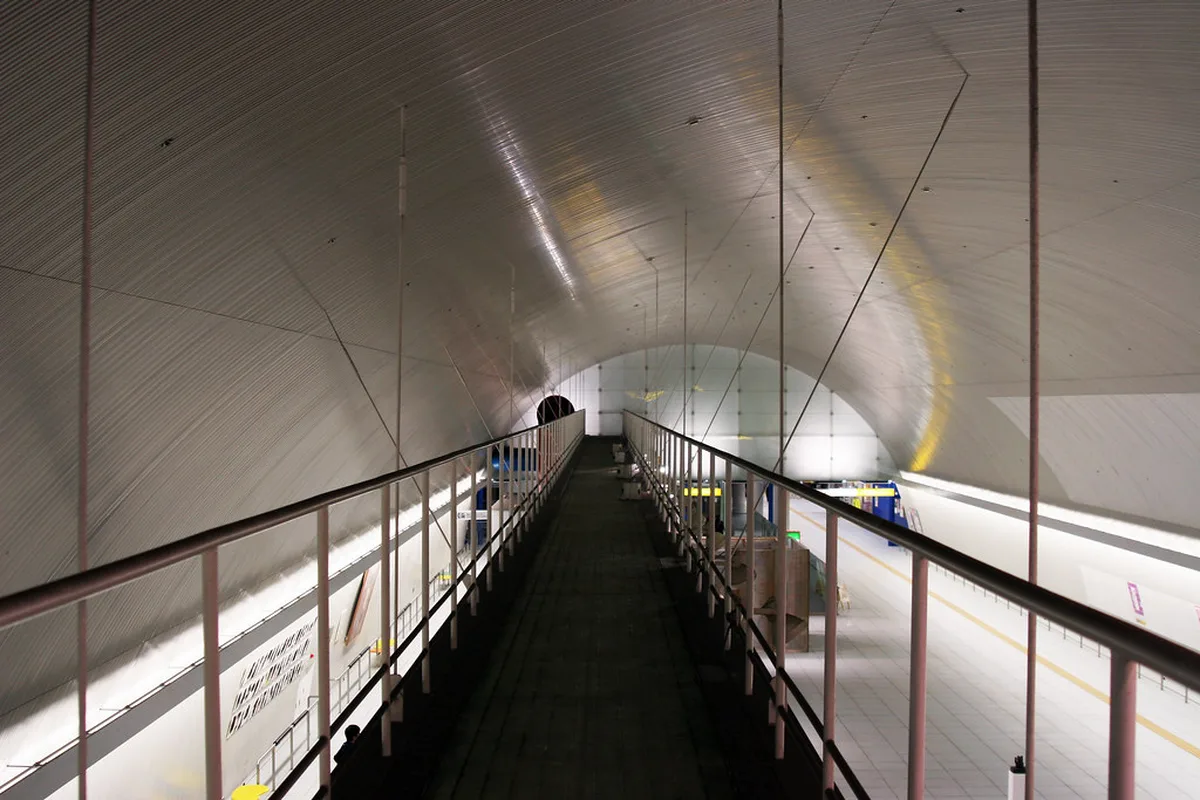
The Landmark Tower dominates the skyline with one of the fastest elevators in the world. Families often flock to the CUPNOODLES Museum Yokohama for interactive exhibits and custom snacks. Nearby, the Cosmo Clock 21 Ferris wheel provides stunning night views of the entire bay. This area perfectly balances high-end shopping malls with open-air entertainment zones.
Travelers can choose between a scenic walk or the new Yokohama Air Cabin cable car. The cable car offers a quick, aerial shortcut from Sakuragicho Station to the Shinko island area. While the ride is short, the panoramic views of the harbor are worth the ticket price. Walking the historic rail path remains a free and charming alternative for budget-conscious visitors.
- Minato Mirai Key Highlights
- Vibe: Futuristic and polished
- Best for: Families and shoppers
- Top Landmark: Landmark Tower
- Transport: Sakuragicho Station
Yokohama Chinatown: Japan's Largest Chinese District
Yokohama Chinatown is a sensory explosion of bright colors, aromatic spices, and bustling crowds. As the largest Chinatown in Japan, it features over 500 shops and restaurants within its gates. Ten ornate colorful gates mark the entrances to this historic culinary destination. For official tourism information, check Yokohama's tourism board or consult our Things to Do in Yokohama Chinatown to find the best hidden eateries.
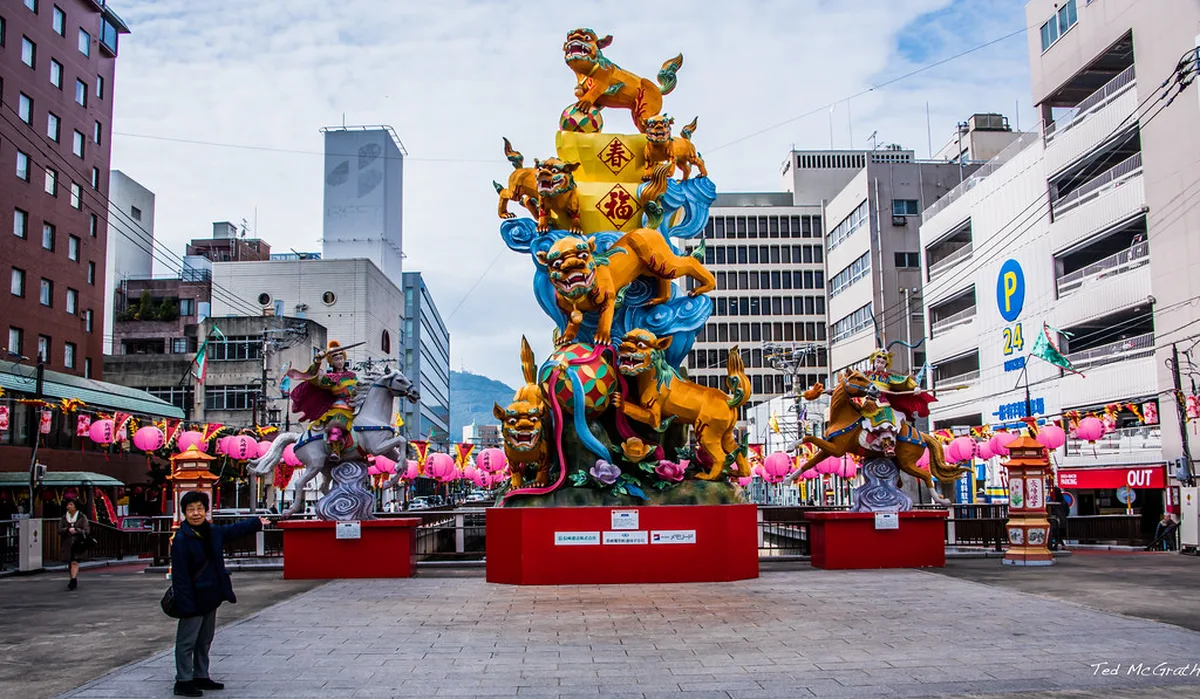
Street food remains the primary draw for most visitors exploring these narrow alleys. Steamed buns, known as nikuman, are a local staple that you must try while walking. Many shops also offer various types of Yokohama street food like pan-fried dumplings. The Kanteibyo Temple sits at the center, dedicated to the Chinese god of good fortune.
Weekends bring massive crowds, so visiting on a weekday morning offers a calmer experience. Most restaurants stay open late, making it a great spot for a festive dinner. Look for the smaller side streets to find authentic tea houses and traditional souvenir shops. The district feels particularly magical during the Lunar New Year celebrations with dragon dances.
Street food is best enjoyed during lunch or dinner hours when vendors are fully stocked. Weekday mornings between 10 AM and noon offer the quietest browsing experience with short food lines.
Yamashita Park & Motomachi: The Historic Port
Yamashita Park stretches along the waterfront, offering a peaceful escape from the city noise. Locals and tourists alike enjoy the wide walking paths and beautiful rose gardens. The Hikawa Maru, a retired ocean liner, is permanently docked here as a floating museum. Admission to the ship is affordable and provides a glimpse into luxury travel from the 1930s.
Just a short walk away, the Motomachi Shopping Street offers a more European atmosphere. This pedestrian-friendly road features high-end fashion boutiques and classic bakeries. It was historically the main shopping hub for the foreign residents living on the nearby hills. Today, it remains a popular spot for finding unique Japanese brands and quality leather goods.
Noge & Hinodecho: Retro Izakayas and Nightlife
Noge offers a gritty and nostalgic contrast to the polished glass of Minato Mirai. This district is famous for its dense concentration of small, traditional izakaya bars. Walking through Noge feels like traveling back to the Showa era of mid-century Japan. Explore the Noge district for an authentic local drinking experience.
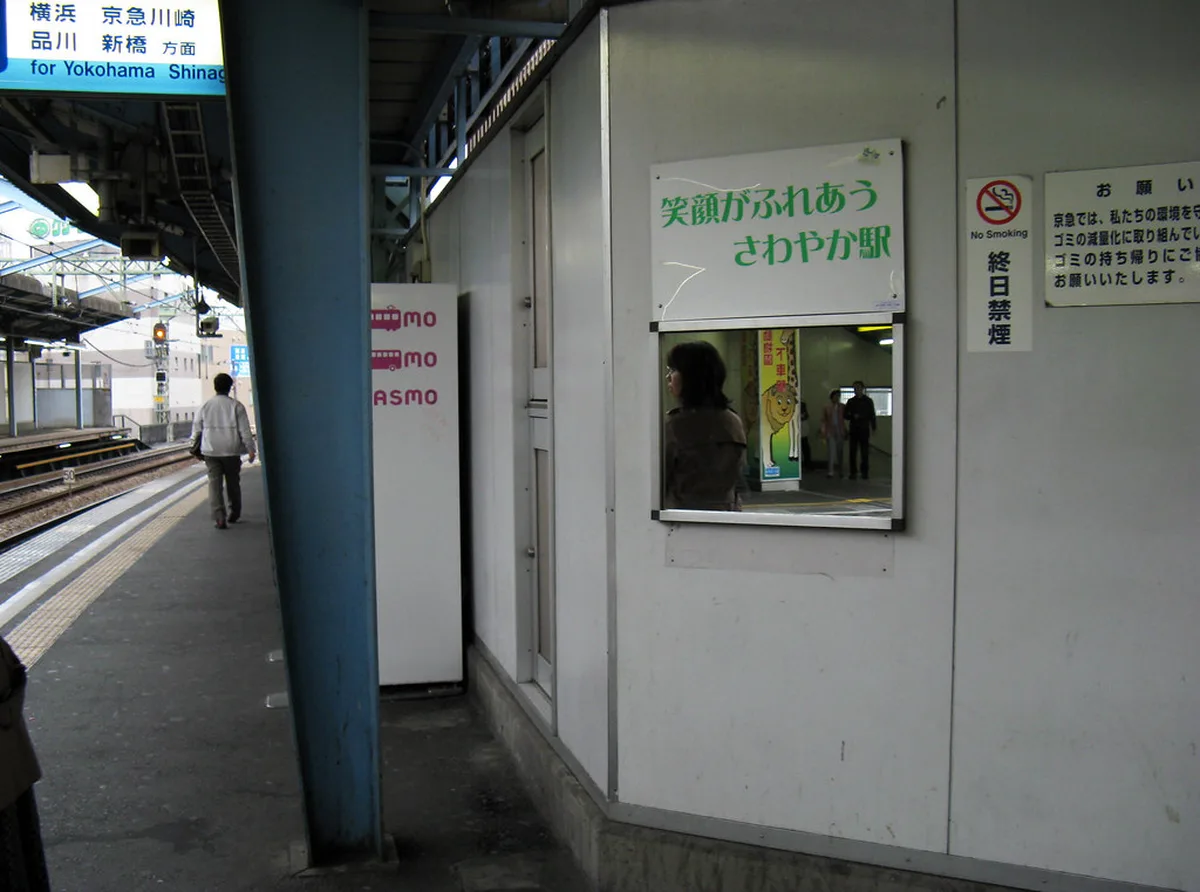
Many bars here are tiny, often seating only six to eight people at a time. The atmosphere is social, and it is common to strike up conversations with neighbors. Look for the 'Miyakohashi Shotengai' building for a row of charming riverside bars. Prices are generally lower here than in the more tourist-oriented parts of the city.
Hinodecho Station serves as the southern gateway to this lively entertainment zone. The area comes alive after 6:00 PM when workers gather for drinks and yakitori. Respect local etiquette by ordering a drink immediately and keeping noise levels reasonable. This is the best place to see the 'offbeat' side of Yokohama away from the malls.
Arrive after 6 PM when the neighborhood is buzzing with locals and staff expect a full evening of guests. Smaller bars seat only a few people, so expect friendly conversation and a genuine community vibe that tourists rarely experience.
Yamate (The Bluff): Western-Style Heritage
The Yamate district sits on a hill overlooking the harbor and historic port. It served as the primary residential area for Western traders after Japan opened to the world. Visitors can tour several preserved diplomatic residences and historic wooden houses. The architecture here is entirely different from the traditional Japanese styles found elsewhere.
Harbor View Park provides one of the best vantage points for seeing the Bay Bridge. The Foreign General Cemetery nearby tells the stories of the city's early international pioneers. Quiet streets and lush greenery make this the most tranquil neighborhood in the city. It is an ideal spot for a slow afternoon walk and a cup of tea.
Kannai: The Old Downtown and Stadium District
Kannai acts as the administrative and historic heart of Yokohama city. The area features many Western-style brick buildings that survived the Great Kanto Earthquake. Yokohama Stadium is the centerpiece, hosting professional baseball games and major concerts. Game days bring a festive energy to the surrounding bars and restaurants.
Walking through Kannai allows you to see the 'King, Queen, and Jack' towers. These are the nicknames for the three most famous historic government buildings in the district. The neighborhood connects the modern waterfront with the traditional shopping streets of Isezakicho. It is a convenient base for travelers who want to be central to everything.
Yokohama Station: The Shopping and Transit Hub
Yokohama Station is one of the busiest transit hubs in the entire country. Major department stores like Sogo and Takashimaya surround the station exits. Huge underground malls connect the various train lines and shopping complexes. This area is perfect for travelers who need to do some serious retail therapy.
The dining options around the station are nearly endless and cater to all budgets. You can find everything from quick ramen stalls to high-end sushi on the upper floors. Direct bus links to both Haneda and Narita airports make this a strategic location. Most local train lines intersect here, making it the city's primary navigation point.
Shin-Yokohama: The Shinkansen Gateway and Ramen Museum
Travelers often confuse Shin-Yokohama with the main Yokohama Station area. Shin-Yokohama is specifically where the high-speed Shinkansen bullet trains arrive and depart. It is located about 15 minutes away from the city center by local subway. This district is more business-oriented but holds a few major tourist attractions.
The Shinyokohama Ramen Museum is a must-visit for food lovers in the area. It features a recreation of a 1958 Tokyo street filled with famous ramen shops. Nissan Stadium, the largest stadium in Japan, is also within walking distance. Stay here if you have an early morning bullet train to Kyoto or Osaka.
Is Yokohama Worth Visiting?
Many travelers wonder if they should spend time in Yokohama or stay in Tokyo. Yokohama offers a more relaxed pace and wider streets than the capital. The sea breeze makes the summer heat much more bearable for outdoor sightseeing. It is widely considered one of the most livable and attractive cities in Japan.
The city is packed with unique Yokohama Attractions You Must Visit in 2026 that you won't find in Tokyo. Sankeien Garden offers a traditional escape with historic buildings brought from across Japan. Visit our Sankeien Garden guide to plan your visit to this tranquil spot. Yokohama is absolutely worth visiting for its food, history, and modern harbor views.
How to Get from Tokyo to Yokohama
Reaching Yokohama from Tokyo is incredibly simple and takes less than 30 minutes. The JR Tokaido Line and Shonan-Shinjuku Line are the fastest options from Tokyo Station. These trains arrive at Yokohama Station, which is the best starting point for tourists. Read our guide on How to Get to Yokohama from Tokyo: Complete Transport Guide for more details.
The Tokyu Toyoko Line offers a cheaper alternative from Shibuya Station. This line connects directly to the Minatomirai Line for easy access to the harbor. Using a Suica or Pasmo card makes the entire transit process seamless. Trains run frequently until late at night, making day trips very convenient.
Where to Stay in Yokohama: Top Hotel Recommendations
Choosing the right neighborhood depends on your travel style and daily plans. Minato Mirai is the best choice for luxury hotels and stunning harbor views. Kannai and the area around Yokohama Station offer more affordable business hotel options. Check our list of Areas to Stay in Yokohama for specific hotel picks.
Families often prefer staying near the waterfront for easy access to parks and museums. Solo travelers might enjoy the social vibe of the Noge or Kannai districts. Business travelers should stick to the hotels near Shin-Yokohama for Shinkansen access. Book your accommodation early if you plan to visit during the cherry blossom season.
- Top Neighborhood Comparison
- Minato Mirai: Best for luxury and views
- Chinatown: Best for foodies
- Noge: Best for nightlife lovers
- Kannai: Best for budget travelers
Frequently Asked Questions
Which Yokohama neighborhood is best for first-time visitors?
Minato Mirai is the best neighborhood for first-time visitors because it contains the most famous landmarks. You will find major shopping malls, museums, and the iconic Ferris wheel all within walking distance. It also offers the best selection of high-quality hotels with harbor views.
Is it better to stay near Yokohama Station or Minato Mirai?
Stay near Yokohama Station for convenience and shopping, as it is the city's main transit hub. Choose Minato Mirai if you want a more scenic and tourist-friendly atmosphere. Both areas are connected by a short train ride or a pleasant 20-minute walk.
What is the best area in Yokohama for nightlife?
The Noge district is the best area for nightlife due to its hundreds of small izakayas and bars. It offers a nostalgic Showa-era vibe that is very different from the modern city. You can enjoy local drinks and street food in a social, crowded atmosphere.
Yokohama is a city of layers that rewards travelers who explore beyond the main station. From the futuristic docks of Minato Mirai to the retro alleys of Noge, every district has a story. Use this guide to choose the neighborhoods that best match your personal travel style. The perfect Yokohama adventure awaits you just a short train ride from Tokyo.
Free: The Yokohama Essentials guide
Top things to do, where to stay, a perfect day plan, getting around, and the best time to go — a Yokohama mini-guide you can take offline.
You might also like


Continue reading
More guides you'll find useful