Kawaguchiko (Lake Kawaguchi) is the most accessible base in the Fuji Five Lakes region and, for most 2026 visitors, the single best place to see Mount Fuji up close. Reachable in about two hours from Shinjuku by direct bus or the Fuji Excursion train, the town wraps a long lakeshore that frames Japan's most famous mountain — and on calm mornings mirrors it as the celebrated "reverse Fuji" reflection. Almost everything that draws travellers here is built around that view: flower parks, lakeside promenades, a five-story pagoda on the hillside, a ropeway up Mt. Tenjo, and sightseeing boats that drift out for compositions you cannot get from shore.
The good news is that many of Kawaguchiko's best attractions are completely free. The lakeshore, Oishi Park on the north shore, and the iconic Chureito Pagoda all cost nothing to visit, so you can build a full day around Mount Fuji views without buying a single ticket. Paid extras — the Kachi Kachi (Fuji Panoramic) Ropeway and the sightseeing boat — are inexpensive and optional, useful mainly when the weather is clear and queues are short.
This guide is your starting point. Below you will find the four headline attractions with full visitor guides, then a practical breakdown of Kawaguchiko attractions by area and by category, free versus paid sights, suggested one- and two-day itineraries, how to get around with the sightseeing buses, the best time to visit by season, money-saving tips, and answers to the questions travellers ask most. Each card links to a dedicated page with verified opening hours, current prices, and on-the-ground tips.
Planning a wider trip? See our Japan travel guide, the things to do in Kawaguchiko guide, and getting around Japan.
Top 4 attractions in Kawaguchiko
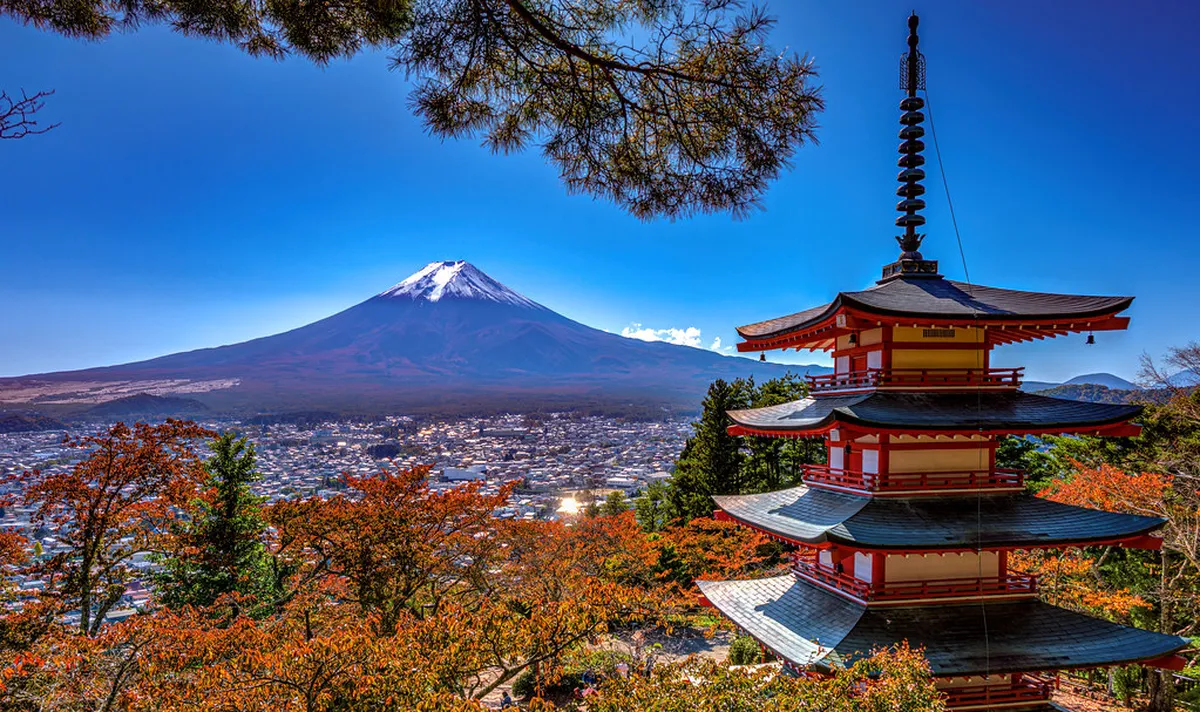
Chureito Pagoda
Chureito Pagoda is a striking red five-story pagoda set on a hillside in Arakurayama Sengen Park in Fujiyoshida, near Lake Kawaguchi. Built in 1963 as a peace memorial, it is reached by climbing 398 steps and is one of Japan's most photographed spots, where the pagoda, cherry blossoms, and Mount Fuji line up in a single iconic view.
Visitor guide →
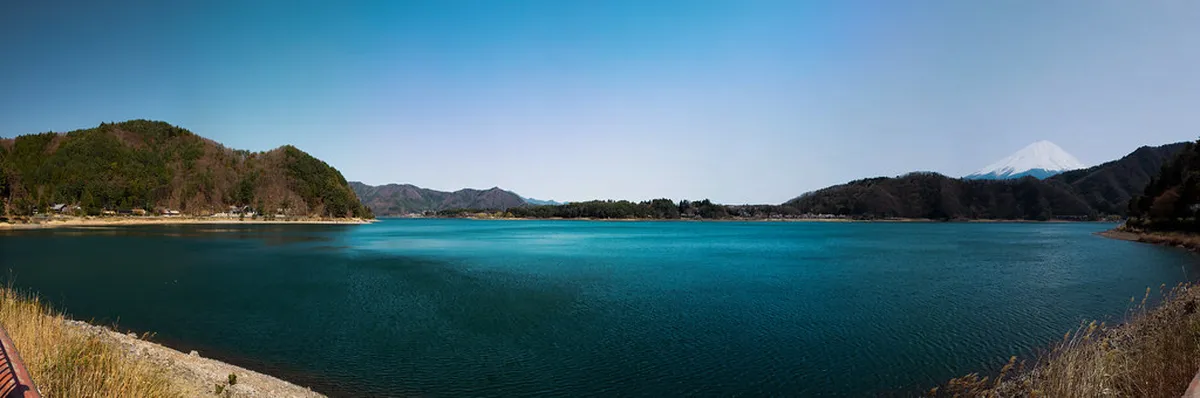
Lake Kawaguchi
Lake Kawaguchi (Kawaguchiko) is the most accessible of Mount Fuji's Fuji Five Lakes, in Fujikawaguchiko town, Yamanashi. Free to visit year-round, the lake is renowned for mirror-like reverse-Fuji reflections; paid options nearby include the Kachi Kachi Ropeway up Mt. Tenjo and the Appare sightseeing boat.
Visitor guide →
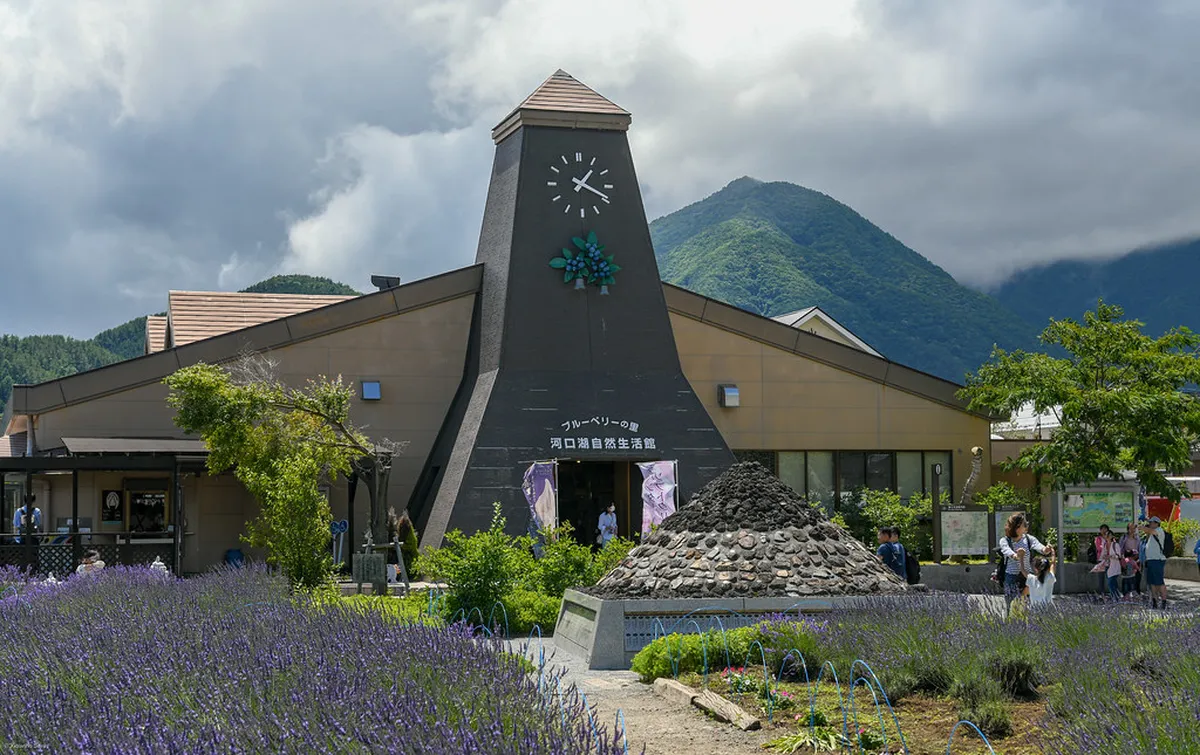
Oishi Park
Oishi Park is a free flower park on the northern shore of Lake Kawaguchi in Fujikawaguchiko, Yamanashi, celebrated for uninterrupted Mount Fuji views across the lake. A 350-meter Flower Path showcases seasonal blooms — tulips in spring, lavender from late June to mid-July, and crimson kochia in mid-to-late October — beside the Kawaguchiko Natural Living Center.
Visitor guide →
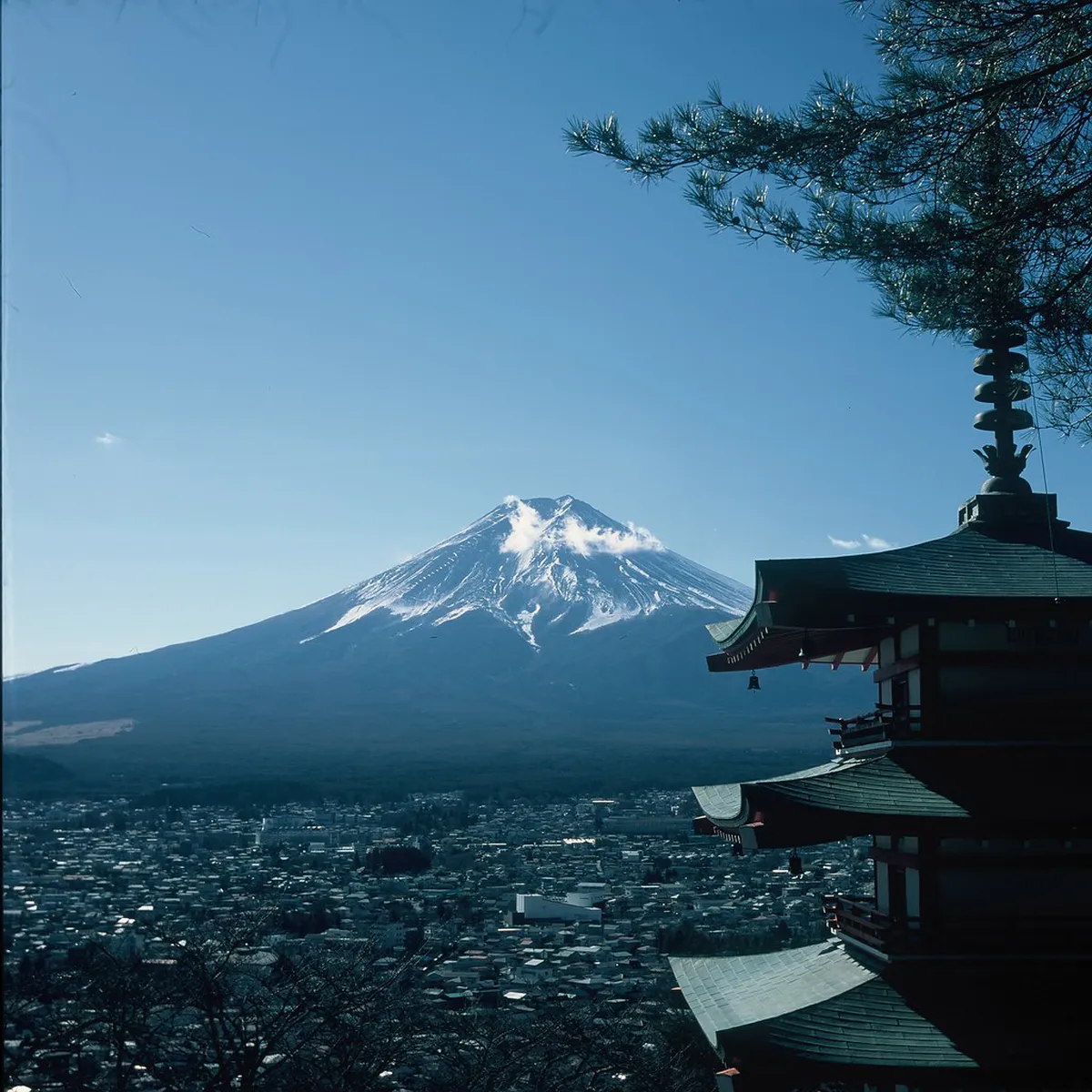
Arakurayama Sengen Park
Arakurayama Sengen Park is a free, year-round hillside park in Fujiyoshida, Yamanashi, on the slopes of Mount Arakura. It contains the Arakura Fuji Sengen Shrine at its base and the red five-story Chureito Pagoda above 398 stone steps, where an observation deck delivers the world-famous view of the pagoda framed with cherry blossoms and Mount Fuji.
Visitor guide →
Kawaguchiko attractions by area
Kawaguchiko's sights are spread around the lake and into neighbouring Fujiyoshida, so it helps to think in zones rather than a single town centre. Grouping by area keeps your day efficient and cuts down on backtracking on the sightseeing buses.
- North shore (Oishi Park): The classic postcard zone. Oishi Park sits directly across the water from Mount Fuji, with a flower-lined promenade and uninterrupted views. This is where most "Fuji over the lake" photos are taken, and it pairs naturally with a walk along the northern lakeshore.
- The lake and town (Kawaguchiko Station area): The transport hub and main visitor zone. Lake Kawaguchi itself anchors everything here — lakeside cafes, the sightseeing boat dock, hoto noodle restaurants, and the lower station of the ropeway are all within easy reach.
- Fujiyoshida (Chureito Pagoda): A short hop from the lake brings you to Chureito Pagoda in Arakurayama Sengen Park, where a 398-step climb is rewarded with the famous pagoda-and-Fuji panorama. It is reached easily via the Fujikyu Railway to Shimoyoshida Station.
- Mt. Tenjo (the ropeway): Rising directly above the eastern shore, Mt. Tenjo is the high-altitude vantage point. The Kachi Kachi Ropeway lifts you to an observation deck that looks down over the entire lake with Fuji behind it.
Kawaguchiko attractions by category
If you are prioritising by interest rather than geography, here is how Kawaguchiko's attractions break down by category.
- Mount Fuji viewpoints: The north-shore lakeshore and Oishi Park for lake-level reflections; Chureito Pagoda for the layered pagoda-and-Fuji shot; and the Mt. Tenjo observation deck for the highest panorama. Early morning gives the clearest air and the best chance of an unclouded summit.
- Lake activities: The Appare sightseeing boat loops the lake in about 20 minutes, and rental canoes and small craft let you photograph Fuji from the water. Both depend on calm, clear conditions to be worthwhile.
- Flower parks: Oishi Park is the standout, with its 350-metre Flower Path cycling through tulips, lavender, and crimson kochia across the seasons.
- Shrines and pagoda: Arakurayama Sengen Park combines the Arakura Fuji Sengen Shrine at its base with the Chureito Pagoda above, a free, year-round stop with strong cultural and photographic appeal.
- Ropeway: The Kachi Kachi (Fuji Panoramic) Ropeway up Mt. Tenjo is the one cable-car experience in the immediate lake area and the easiest way to gain height for a sweeping view.
Free vs paid Kawaguchiko attractions
One of Kawaguchiko's biggest advantages is how much you can see for nothing. A budget-conscious visitor can spend a full, satisfying day here without paying a single admission fee, since the headline Mount Fuji viewpoints are all open and free.
Free attractions:
- Lake Kawaguchi shoreline — open year-round with no gate or entry fee; the north-shore promenade delivers the best reflections.
- Oishi Park — free to enter, with seasonal flowers and unobstructed Fuji views across the lake.
- Chureito Pagoda and Arakurayama Sengen Park — free, year-round access; you only invest the climb up the 398 steps.
Paid attractions (optional):
- Kachi Kachi (Fuji Panoramic) Ropeway — ¥1,000 round-trip for adults and ¥500 for children, carrying you up Mt. Tenjo for an elevated view over the lake and Fuji.
- Appare sightseeing boat — ¥1,000 for adults and ¥500 for children, with preschoolers free; a roughly 20-minute scenic loop of the lake.
Because the paid options are inexpensive, the real decision is weather, not budget: save the ropeway and boat for a clear day when the views justify the climb and the queue.
Suggested Kawaguchiko itineraries
How you structure your time depends on whether you are visiting as a day trip or staying overnight. These two templates cover the most common plans.
One-day Fuji-view loop: Arrive at Kawaguchiko Station mid-morning, then take the sightseeing bus straight to Oishi Park on the north shore while the morning air is clearest. Walk part of the lakeside promenade for reflection shots, then return toward town for a lunch of local hoto noodles. In the afternoon, ride the Kachi Kachi Ropeway up Mt. Tenjo (clear days only) or take the sightseeing boat, and finish at the lower lakeshore for golden-hour light before heading back to Tokyo. This packs the essentials into the six to eight hours a day trip allows.
Two-day itinerary with seasonal flowers: On day one, focus on the lake — Oishi Park, the north-shore walk, the ropeway, and a relaxed evening in town so you are positioned for an early start. On day two, catch sunrise reflections from the north shore (overnight stays double your chances of a clear summit), then head to Chureito Pagoda in Arakurayama Sengen Park for the layered view. Time the trip to a flower season — cherry blossoms in mid-April or lavender from late June — to add Oishi Park's Flower Path at its peak.
Getting around Kawaguchiko
You do not need a car to see Kawaguchiko's main attractions; the area is well served by rail and a network of sightseeing buses.
- Fujikyu Railway (Fujikyuko Line): The local line links Kawaguchiko Station with Shimoyoshida (for Chureito Pagoda) and Mt. Fuji Station, making it the simplest way to reach Fujiyoshida attractions.
- Kawaguchiko sightseeing buses: Three colour-coded loops fan out from Kawaguchiko Station. The Red Line follows the lake's north shore past Oishi Park; the Green Line runs toward the Saiko area; and the Blue Line connects further attractions. They stop at the ropeway and sightseeing-boat entrance, so a single pass covers most of a day's sightseeing.
- Fuji Excursion from Shinjuku: For arrival from Tokyo, the direct Fuji Excursion limited express train runs from Shinjuku to Kawaguchiko Station, and frequent highway buses cover the same route. Both take roughly two hours and remove the need to change trains.
Best time to visit Kawaguchiko
Kawaguchiko rewards visitors in every season, but each window offers something different — and visibility of Mount Fuji varies sharply by month and time of day.
- Spring (cherry blossom, mid-April): The lakeside cherry trees bloom around mid-April, framing Fuji with pink along the north shore and at Chureito Pagoda — one of the most photographed scenes in Japan.
- Summer (lavender, late June to mid-July): Oishi Park's Flower Path turns purple with lavender from late June through mid-July, the headline summer draw despite hazier afternoon skies.
- Autumn (kochia and momiji, mid-to-late October into November): Crimson kochia bushes peak at Oishi Park in mid-to-late October, and the lakeside maples blaze red into early-to-mid November.
- Winter (clearest Fuji): Cold, dry winter mornings deliver the highest success rate for a crisp, unclouded summit and snow-capped reflections, even though some seasonal attractions wind down.
Whatever the season, aim for early morning: Fuji is most reliably visible soon after sunrise, while summer afternoons in particular tend to cloud over.
How to save money in Kawaguchiko
Kawaguchiko is one of the more budget-friendly Mount Fuji bases, and a few simple choices keep costs down further.
- Lean on the free viewpoints: The lakeshore, Oishi Park, and Chureito Pagoda are all free, so the best Fuji views cost nothing — reserve paid extras for a genuinely clear day.
- Buy a sightseeing bus pass: A multi-route bus pass works out cheaper than paying per ride once you make a few hops between the station, Oishi Park, and the ropeway.
- Travel off-peak: Visiting on weekdays and outside the cherry-blossom and lavender peaks means shorter queues at the ropeway and boat, cheaper accommodation, and a calmer lakeshore.
Frequently asked questions about Kawaguchiko
How many days do you need in Kawaguchiko?
One full day (about six to eight hours) is enough to see the headline attractions on a day trip from Tokyo. An overnight stay is better if Mount Fuji views matter to you, because early morning is the clearest window and a second day gives you another chance if the first is cloudy.
Can you see Mount Fuji from Kawaguchiko?
Yes — Kawaguchiko offers some of the most accessible and iconic views of Mount Fuji in Japan, especially from the north shore and Oishi Park. Visibility depends heavily on weather, so plan for a clear morning and treat an unclouded summit as a bonus rather than a guarantee.
Is Kawaguchiko worth visiting?
For most travellers, yes. It combines the best lake-level Mount Fuji views in the Fuji Five Lakes with easy access from Tokyo, free flower parks, a famous pagoda, and an inexpensive ropeway and boat — all in one compact, walkable-by-bus area.
What is the best time to visit Kawaguchiko?
It depends on what you want to see: cherry blossoms peak around mid-April, lavender at Oishi Park runs from late June to mid-July, kochia and autumn maples colour up from mid-to-late October, and winter mornings give the clearest, snow-capped Fuji. Early morning is best in every season.
How do you get to Kawaguchiko from Tokyo?
The fastest options are the direct Fuji Excursion limited express train from Shinjuku to Kawaguchiko Station or a highway bus on the same route, both taking around two hours with no transfers.
Can you do Kawaguchiko as a day trip?
Yes. With six to eight hours you can comfortably visit Oishi Park, the lakeshore, and either the ropeway or the sightseeing boat. Just be aware that a day trip gives you only one weather window for clear Mount Fuji views, so check the forecast before you go.
What are the free attractions in Kawaguchiko?
The Lake Kawaguchi shoreline, Oishi Park, and Chureito Pagoda within Arakurayama Sengen Park are all free to visit. Together they cover the best Mount Fuji viewpoints, so you can enjoy a full day without paying any admission.
Plan your Kawaguchiko trip
Ready to go deeper? Start with our full guide to things to do in Kawaguchiko for the wider list of sights and activities, then sort out logistics with how to get to Kawaguchiko from Tokyo and where to stay in Kawaguchiko. For timing your visit around the seasons, see the best time to visit Kawaguchiko, and to plan beyond the lake explore the wider Mount Fuji region.

