Kawaguchiko Itinerary: 1-Day and 2-Day Plans for Mt. Fuji Views
A Kawaguchiko itinerary with 1-day and 2-day routes, bus vs. train prices, and a backup plan for when Mt. Fuji hides behind cloud.
On this page
Last updated July 2026, this Kawaguchiko itinerary lays out a realistic one-day and two-day plan for seeing Mt. Fuji from the Fuji Five Lakes region. It sequences Chureito Pagoda, the Mt. Fuji Panoramic Ropeway, and Oishi Park around the local bus schedule, so you spend less time waiting and more time at viewpoints. Use it to decide whether a day trip from Tokyo covers what you want, or whether an overnight stay near Lake Kawaguchi is worth the extra planning and cost.
Kawaguchiko Itinerary at a Glance
Kawaguchiko sits closest to Tokyo of the Fuji Five Lakes, which is why most first-time Mt. Fuji trips start here rather than at Lake Saiko or Lake Yamanaka. Kawaguchiko Station works as the transit anchor for the whole trip: buses, the local Omnibus network, and the Fuji Excursion train all converge there. A single day covers the core sights if you arrive by mid-morning and keep to a tight schedule. An overnight stay removes that time pressure. It adds a sunrise viewpoint and a second day to explore the wider lake district without racing the last bus back to Tokyo. For the fuller list of nearby sights beyond this itinerary, see the Kawaguchiko attractions guide.
April–May shibazakura season brings peak crowds with staggered booking windows: the 2-hour journey from Tokyo requires transport reservation days in advance, while lakeside accommodation books weeks ahead.
- Journey time from Shinjuku: about 2 hours by direct highway bus or the Fuji Excursion train
- Minimum stay: 1 day covers Chureito Pagoda, the ropeway, and Oishi Park; 2 days adds the wider Fuji Five Lakes area
- Sample costs: highway bus around ¥2,200 one-way, Omnibus day pass around ¥1,500, Fuji Excursion reserved seat around ¥4,100
- Fuji visibility: check a live Mt. Fuji camera or forecast the night before departure, since cloud cover around the peak changes hour to hour
- Peak crowding: weekends, national holidays, and the spring shibazakura season bring the heaviest crowds to the pagoda steps and the ropeway line
Getting to Kawaguchiko from Tokyo: Bus vs. Train Trade-offs
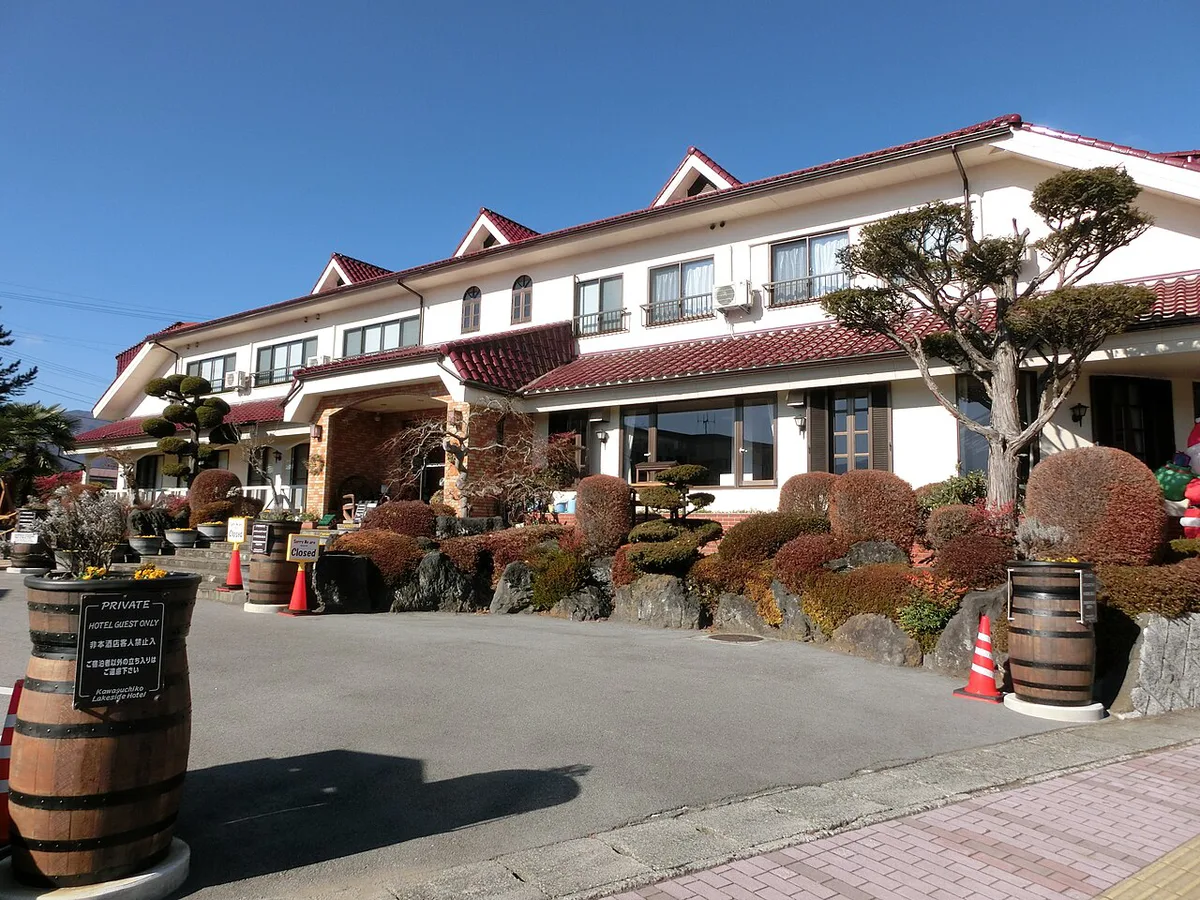
Three main options connect Tokyo to Kawaguchiko, and each trades cost against speed and booking flexibility. The highway bus from Shinjuku is usually the cheapest door-to-door option and drops you close to the station. The Fuji Excursion limited express runs direct from Shinjuku without a transfer, which matters if you're traveling with luggage. Local trains via Otsuki cost less than the Fuji Excursion but add a transfer and a longer overall journey. Weekend and holiday departures on all three sell out, so book the outbound leg a few days ahead when possible. For groups of three or more, the highway bus usually keeps total transport costs lowest, since the per-seat price doesn't rise the way a taxi transfer would.
| Option | Journey time | One-way price | Booking notes |
|---|---|---|---|
| Highway bus (Shinjuku) | About 1 hr 45 min–2 hr | Around ¥2,200 | Reserve online in advance; weekend seats sell out |
| Fuji Excursion limited express (Shinjuku direct) | About 2 hr | Around ¥4,100 with reserved seat | Seat reservation required regardless of rail pass |
| Local trains via Otsuki (Chuo Line + Fujikyuko Line) | About 2 hr 15 min plus transfer | A few hundred yen less than the Fuji Excursion | Fujikyuko Line beyond Otsuki tickets separately from JR |
The 1-Day Kawaguchiko Itinerary: Pagoda, Ropeway, and Oishi Park
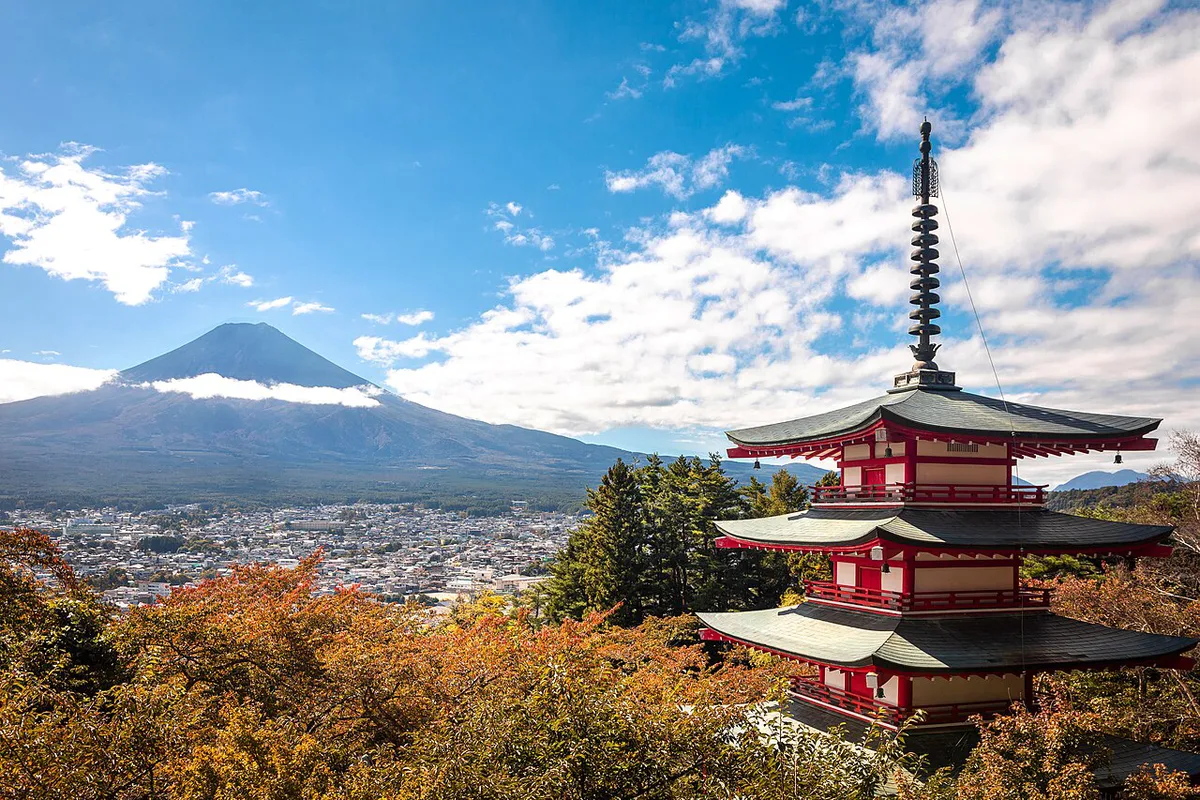
This route suits a day trip if you reach Kawaguchiko Station by around 10:00 AM. It sequences the three most-photographed viewpoints on the lake's east and north sides, then leaves buffer time before the last bus. Consider running it in reverse, starting at Oishi Park, if you want to avoid the mid-morning rush at the ropeway station. Wear comfortable shoes for the pagoda's stone steps, since they're uneven in places and can be slick after rain.
- Morning: Ride to Shimoyoshida Station, then walk about 15–20 minutes to Arakurayama Sengen Park. Climb the roughly 400 steps to Chureito Pagoda for the pagoda-and-Fuji photo before the midday crowds build. Budget close to an hour round trip for the climb and photos.
- Late morning: Head back toward the lake's eastern shore and ride the Mt. Fuji Panoramic Ropeway up Mt. Kachi Kachi for an elevated view over Lake Kawaguchi. Arriving early, or starting the day in reverse at Oishi Park, helps you skip the busiest window.
- Afternoon: Take the bus to Oishi Park on the north shore for the open lakefront view of Mt. Fuji. Walk the herb garden paths and the lakeside promenade before the afternoon light softens.
- Early evening: Return toward Kawaguchiko Station with margin before the last bus of the day. Departures thin out earlier than many day-trippers expect, so check the posted timetable rather than assume there's a late option.
The 2-Day Kawaguchiko Itinerary for Slow Travel
Splitting the same core sights across two days removes the rush and adds room for the wider lake district. Book lodging on the lake's north shore or near the station the night before, so day two starts without an early bus transfer. This pacing also gives more flexibility if clouds hide the summit on one of the two mornings.
- Day 1: Follow the 1-day route above. Cover Chureito Pagoda in the morning, the Mt. Fuji Panoramic Ropeway at midday, and Oishi Park in the afternoon. Then check into lodging on the lake's north shore or near the station and settle in early.
- Day 2: Explore the wider Fuji Five Lakes Itinerary & Travel Guide: Plan Your Trip area at a slower pace, including Lake Saiko or Lake Yamanaka. Alternatively, visit Iyashi no Sato, a reconstructed thatched-roof village. If traveling in April or May, prioritize the Fuji Shibazakura Festival instead, where pink moss phlox fields frame Mt. Fuji.
Kawaguchiko Bus Lines: Red, Green, and Blue Omnibus Routes
Kawaguchiko's local Omnibus network runs as three color-coded loops, commonly called the Red, Green, and Blue lines. Together they reach most lakeside attractions and connect toward the wider Fuji Five Lakes area. Route timing and exact stops shift by season, so confirm the current map and stop list at Kawaguchiko Station before boarding rather than relying on an old printout. Buses run on a fixed schedule rather than on demand, so plan around departure times instead of assuming frequent service. Keep a paper or photo copy of the current route map handy, since not every stop has reliable mobile signal.
Day-trip success requires arriving by mid-morning and pacing between Chureito Pagoda (400 steps), the Mt. Fuji Panoramic Ropeway, and Oishi Park, accounting for evening buses that thin out earlier than expected.
- One-day Omnibus pass: around ¥1,500 for unlimited rides that day on all three lines
- Pay-as-you-go: tap a Suica or Pasmo card per ride if you're only making one or two stops
- Pass math: the day pass usually pays off once you make three or more stops in a day
- Last-bus trap: departures on every line thin out earlier in the evening than most first-time visitors expect, so check the stop-side timetable before you linger at a viewpoint
Where to Stay in Kawaguchiko: North Shore vs. Station Area
Lodging choice comes down to view versus convenience. The lake's north shore, near Oishi Park, faces Mt. Fuji directly across the water and suits ryokans built around that view. The station area around Kawaguchiko Station keeps you closest to the highway bus stop and the Fuji Excursion platform, with more restaurants and convenience stores within walking distance. Neither option is objectively better; the trade-off is view against logistics. Families traveling with young kids often find the station area easier logistically, since it cuts down on the amount of bus travel needed each day.
- North shore: best straight-on Fuji views across the water; fewer restaurants nearby, more reliance on the Omnibus or a car after dark
- Station area: shortest walk to the highway bus stop and train platform; easiest for a rushed one-night stay or an early departure
- Ryokan vs. hotel: a ryokan typically bundles a kaiseki dinner and an onsen soak into the room rate, which prices higher than a comparable hotel room booked without meals
- Book lake-view rooms and any weekend during the shibazakura season well ahead, since those categories sell out first
Planning Tips: The Cloudy-Day Backup and Common Mistakes
Mt. Fuji hides behind cloud on plenty of days, even during otherwise good weather windows. Build one flexible block into any Kawaguchiko itinerary rather than anchoring the whole trip to a single viewpoint.
- Cloudy-day pivot: check a live visibility camera or forecast before committing to a viewpoint stop. If Fuji stays hidden, swap it for the Kubota Itchiku Art Museum or a hot spring soak instead.
- Luggage: coin lockers at Kawaguchiko Station fill up by mid-morning on weekends. Once they're full, a delivery service to your accommodation is the backup.
- Rail pass nuance: the Fujikyuko Line beyond Otsuki is a separate private railway from JR, so confirm whether your pass or ticket actually covers it before boarding
- Ryokan booking window: lake-view rooms and shibazakura-season weekends can book out weeks ahead, so lock in accommodation before finalizing the rest of the itinerary
Best Time for Clear Mt. Fuji Views
Late autumn through winter usually offers the clearest views of Mt. Fuji from Lake Kawaguchi. Cooler, drier air reduces the haze that often obscures the mountain during warmer months. Early morning is generally the most reliable viewing window in any season.
Check the Fujigoko TV live cameras before leaving Tokyo or committing to a distant viewpoint. Compare feeds from Lake Kawaguchi and nearby Fuji Five Lakes locations because cloud cover can vary across the area.
- December to February: strongest odds of clear skies, but expect cold lakeside conditions and possible snow.
- April: cherry blossoms can frame Mt. Fuji around Arakurayama Sengen Park, with heavier crowds at Chureito Pagoda.
- June to July: the rainy season brings frequent cloud cover, so prioritize flexible indoor stops.
- October to November: autumn foliage adds color around the north shore and Kubota Itchiku Art Museum.
Schedule Oishi Park or Chureito Pagoda first when the summit is visible. Save museums, cafés, and hot springs for cloudier afternoon hours.
Further reading: Kawaguchiko on Wikivoyage · Kawaguchiko on Wikipedia
Frequently Asked Questions
Can you do a Kawaguchiko day trip from Tokyo?
Yes. If you reach Kawaguchiko Station by around 10:00 AM, the 1-day itinerary above covers Chureito Pagoda, the Mt. Fuji Panoramic Ropeway, and Oishi Park before the last bus back. An overnight stay only becomes worthwhile if you want a sunrise viewpoint or a slower pace through the wider Fuji Five Lakes area.
How do you get from Tokyo to Kawaguchiko?
The highway bus from Shinjuku is usually the cheapest option, at around ¥2,200 one-way. The Fuji Excursion limited express runs direct without a transfer for around ¥4,100 with a reserved seat. Local trains via Otsuki cost a bit less than the Fuji Excursion but add a transfer at Otsuki station.
What should you do if Mt. Fuji is covered in clouds?
Check a live Mt. Fuji visibility camera or forecast before locking in plans, since cloud cover around the peak shifts hour to hour. If the summit stays hidden, swap the viewpoint stop for the Kubota Itchiku Art Museum or a hot spring soak, both of which work regardless of weather.
Do you need the Omnibus day pass in Kawaguchiko?
The one-day Omnibus pass runs around ¥1,500 and usually pays off once you make three or more stops on the Red, Green, or Blue lines. For one or two stops, tapping a Suica or Pasmo card per ride can work out cheaper.
When is the best time for the Fuji Shibazakura Festival near Kawaguchiko?
The Fuji Shibazakura Festival runs in the spring, typically April into May, when pink moss phlox fields bloom with Mt. Fuji as the backdrop. If a spring trip lines up with those dates, build it into the second day of a 2-day Kawaguchiko itinerary.
How long is the walk from Shimoyoshida Station to Chureito Pagoda?
Plan on roughly 15 to 20 minutes of walking from Shimoyoshida Station to Arakurayama Sengen Park, followed by a climb of about 400 steps to reach Chureito Pagoda itself. Budget close to an hour total for the walk, the climb, and photos at the top.
Is 1 day or 2 days better for a Kawaguchiko itinerary?
One day works for a focused loop of Chureito Pagoda, the ropeway, and Oishi Park. Two days work better if you want a cloudy-day buffer or a sunrise viewpoint. They also give time to reach Lake Saiko, Lake Yamanaka, or the wider Fuji Five Lakes Itinerary & Travel Guide: Plan Your Trip area without rushing.
What's the biggest mistake first-time visitors make on a Kawaguchiko itinerary?
The most common mistake is lingering too long at Oishi Park or the ropeway and missing the last Omnibus back to the station, since departures thin out earlier in the evening than expected. Check the stop-side timetable before you start the afternoon leg of the day.
Free: The Kawaguchiko Essentials guide
Top things to do, where to stay, a perfect day plan, getting around, and the best time to go — a Kawaguchiko mini-guide you can take offline.
You might also like
Continue reading
More guides you'll find useful