

Budget Vegan and Halal Food in Kawaguchiko: 2026 Price Guide
Budget vegan and halal food in Kawaguchiko: masjid café bowls, Saiko halal curry, vegan hoto noodles, and konbini meals under ¥1,000 for 2026.
On this page
Last updated August 2026, budget vegan and halal food in Kawaguchiko is easier to find than the area's small footprint suggests, though tourist prices and fish-based dashi broth still catch unprepared visitors off guard. A station-area masjid café and a rural cultural village at Lake Saiko carry most of the budget-conscious halal and vegan traffic near Lake Kawaguchiko. This guide breaks down which meals stay under ¥1,000, which options push past ¥2,000, and when the extra travel time to Saiko pays off.
The Budget Rule of Thumb for Halal and Vegan Food in Kawaguchiko
Most sit-down meals near Lake Kawaguchiko fall into two price bands. Budget bowls, curry plates, and wraps typically run ¥1,000 to ¥2,000. Convenience-store combinations undercut both tiers, often landing under ¥1,000 for a full meal. Lakeside spots directly facing the main viewpoints tend to charge more than shops a few blocks back, so walking an extra five minutes often saves real money. A smaller Tier 3 exists too, above ¥2,000, for sit-down restaurants with table service and a full drinks list; budget travelers mostly skip this tier unless it's a special stop. Vegan and halal needs overlap more than most guides admit. A vegetable curry or a meat-free bowl of noodles can satisfy both diets in a single order. That only works if the kitchen confirms no fish-based dashi or animal fat went into the broth. Treat every dish as a question rather than an assumption, and confirm ingredients before you order. A practical daily pattern for budget travelers is one confirmed sit-down meal plus one konbini stop, which keeps a full day of eating well under the cost of two restaurant visits. For the fuller list of what's on offer around the lake, see the Kawaguchiko food scene.
The guide recommends confirming ingredients before order, but hides a critical reason: katsuobushi, a bonito fish stock, lurks in vegetable dishes and standard miso soup. Vegetable labels don't guarantee vegan or halal compliance.
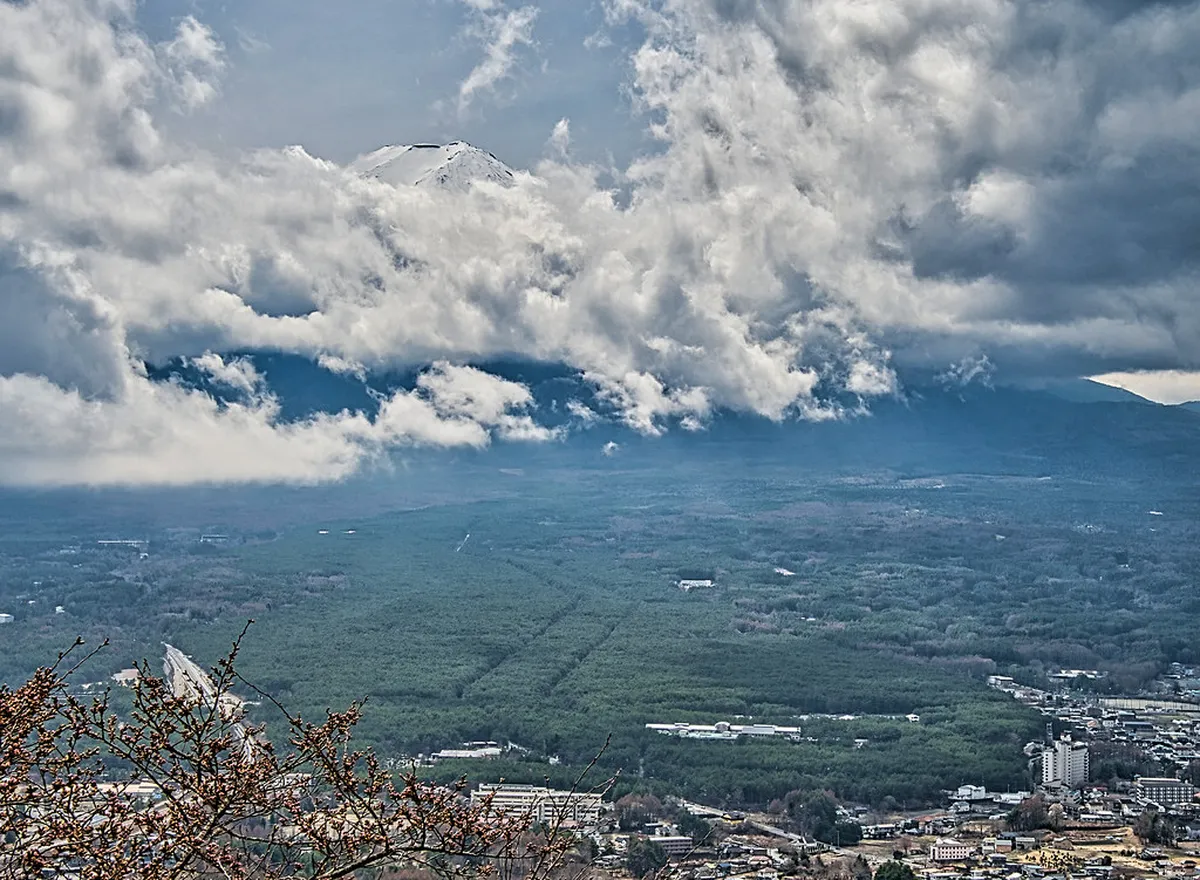
Halal Food Near Lake Kawaguchiko: Masjid Café and Saiko Curry
Fujikawaguchiko Masjid & Cafe sits close to the station and keeps a short menu built around Malaysian-style chicken gyro bowls and wraps. The menu is short by design, which keeps prices predictable and orders fast during the lunch rush. Expect a price in the ¥1,000 to ¥2,000 range for a full bowl. Seating is limited, since this is a small operation rather than a full restaurant. Confirm current hours before visiting, since operations this size sometimes close early or take unscheduled days off. Saiko Iyashinosatonenba offers a second, larger option a bus ride away at Lake Saiko. The cultural village reproduces a rural Japanese settlement across 20 thatched-roof houses, with workshops, a kimono-wearing experience, and souvenir shops alongside its restaurants. Momoya serves halal-certified Japanese curry, and Shop Fujimori sits next door with its own menu. Both restaurants operate within walking distance of each other inside the village grounds, so a single stop can cover lunch and prayer together. Both land in the same ¥1,000 to ¥2,000 tier as the masjid café. A dedicated prayer room operates on site, which is a genuine advantage over station-area options that don't offer one. That reporting dates to a 2020 write-up on the complex, so call 0555-20-4677 to confirm current menu, hours, and halal certification before the trip.
Masjid Café vs Saiko Curry: Cost, Distance, and Which Is Worth It
Cost alone doesn't separate these two options, since both land in the same ¥1,000 to ¥2,000 tier. Distance is the real deciding factor. Fujikawaguchiko Masjid & Cafe is walkable from most central Kawaguchiko accommodation, with no bus fare or timetable to plan around. Saiko Iyashinosatonenba requires a dedicated bus trip, which adds real time to a day that may already include Mt. Fuji viewpoints or the lake itself. Neither option requires a reservation, which keeps the decision purely about time and priorities rather than availability. Choose the masjid café when time is short or you're eating between other activities. Choose Saiko when a prayer room, a wider halal menu, or the cultural village itself is part of the plan anyway. Combining a Saiko visit with sightseeing at the village makes the travel time work double duty instead of being spent on food alone.
Both cost ¥1,000–¥2,000, but Saiko requires 80 minutes of round-trip travel. The walkable masjid café is faster unless you're already planning to visit the prayer room or cultural village.
Vegan Options: Hoto Noodles, Udon, and Lake Cafés
Hoto noodles are the region's signature dish, and a vegetable version can work for vegan travelers. Ask for no meat and check whether the broth uses fish-based dashi before you order. Ordering the vegetable version by name, rather than assuming a default menu item is meat-free, avoids most mix-ups. See the hoto noodle guide for shops that adapt more easily to that request. Yoshida udon is a second regional noodle worth checking, with the same dashi caution applying to its broth. Check the Yoshida udon shops near the station for menus that skip animal-based broth. Lake-view cafés fill the gap for confirmed-vegan options like soy-milk lattes and vegetable-based sweets, and they double as a rest stop between walking loops around the shoreline. Browse the lake-view cafés guide for specific spots and current menus. Both noodle dishes sit in the same ¥1,000 to ¥2,000 tier as the halal options above, so switching between them by mood doesn't change the daily budget much.
The Dashi Mistake: Why Vegetable Doesn't Always Mean Vegan or Halal
Many Japanese dishes labeled vegetable-based still rely on katsuobushi, a bonito fish stock, for their savory depth. That makes them neither vegan nor acceptable to halal travelers who avoid non-halal animal products. A dish can look completely plant-based on the plate and still fail this test. Tempura dipping sauce and standard miso soup are common examples, since both are usually built on the same fish stock by default. Tendon, a vegetable tempura bowl, is a reasonable order once you've confirmed the dipping sauce, since the batter itself is usually plant-based. Ask directly what the dashi or stock is made from, every time, even at a place you've already vetted once. A short written card explaining the restriction in Japanese helps when English isn't spoken at the counter. Staff can point to an item or simply nod, which is faster and more reliable than a spoken exchange. Konbini products carry a related risk, since emulsifiers, gelatin, and sugar processed with bone char rarely announce themselves on the front of the package.
The Konbini Strategy: Eating for Under ¥1,000
Lawson and 7-Eleven locations near Kawaguchiko Station carry a small but workable range of vegan-friendly staples. Plain onigiri like pickled plum or seaweed, edamame packs, and soy-based snack bars are usually safe bets. Combine two or three of these items and the total often lands under ¥1,000. Check labels before buying, since emulsifiers, gelatin, and sugar processed with bone char rarely announce themselves on the front of the package. Some packaging includes a QR code linking to a fuller ingredient list, which is worth scanning when the printed text is only in Japanese. Seasonal salads sometimes work too, but confirm the dressing doesn't contain fish-based flavoring first. Bottled tea and water are safe defaults when a drink is part of the combo. Staff at these stores generally can't confirm dietary details beyond what's printed, so treat the package itself as the only reliable source.

- Plain onigiri (pickled plum, seaweed) - confirm there's no meat or fish filling
- Edamame packs - reliably vegan and widely stocked
- Soy-based snack bars - check the ingredient panel for gelatin
- Seasonal salads - confirm the dressing before buying
- Bottled tea or water - a safe default drink
Bus vs Walking: Getting to Saiko Without Losing the Day
Fujikawaguchiko Masjid & Cafe is walkable from the station, with no bus fare or schedule risk involved. Saiko Iyashinosatonenba is a different calculation entirely. The Omni Bus Green Line connects the station area to Lake Saiko, and the ride runs about 40 minutes each way. That's roughly 80 minutes of round-trip travel before you even order food. Confirm the current one-way fare and departure times at the bus terminal or with the driver, since schedules can shift by season. If time is tight, stay near the station and eat at the masjid café. If a certified curry and an on-site prayer room matter more than time, budget the bus trip to Saiko. Treat the Saiko trip as a half-day out rather than a quick food stop, and it stops feeling like wasted time. Pack a snack for the ride either way, since rural bus stops don't always have anywhere to buy food while you wait. Pair the visit with nearby stops listed in the Kawaguchiko attractions guide to make the detour worth the ride.
Practical Tips for Muslim and Vegan Travelers
Carry a written communication card that explains dietary restrictions in Japanese, since rural restaurants near the lake see fewer English-speaking staff than central Tokyo. Prayer space exists beyond the masjid. Saiko Iyashinosatonenba's on-site room is a practical option while you're already out at the lake. Budget spots in this rural stretch of Yamanashi often close earlier than city norms, sometimes by mid-evening. Call ahead or check hours the same day, especially outside peak lunch hours between roughly 11:30 and 14:00. Halal certification standards vary between operators in Japan, so a self-described halal-friendly kitchen is not always the same as a certified one. Halal travelers skip the local sake and craft beer scene entirely. Most restaurants substitute tea or water at no extra charge when asked. Vegan travelers should still double-check dessert menus, since many Japanese sweets use gelatin or dairy even when the base ingredient looks plant-based.
Budget Vegan and Halal Food Options at a Glance
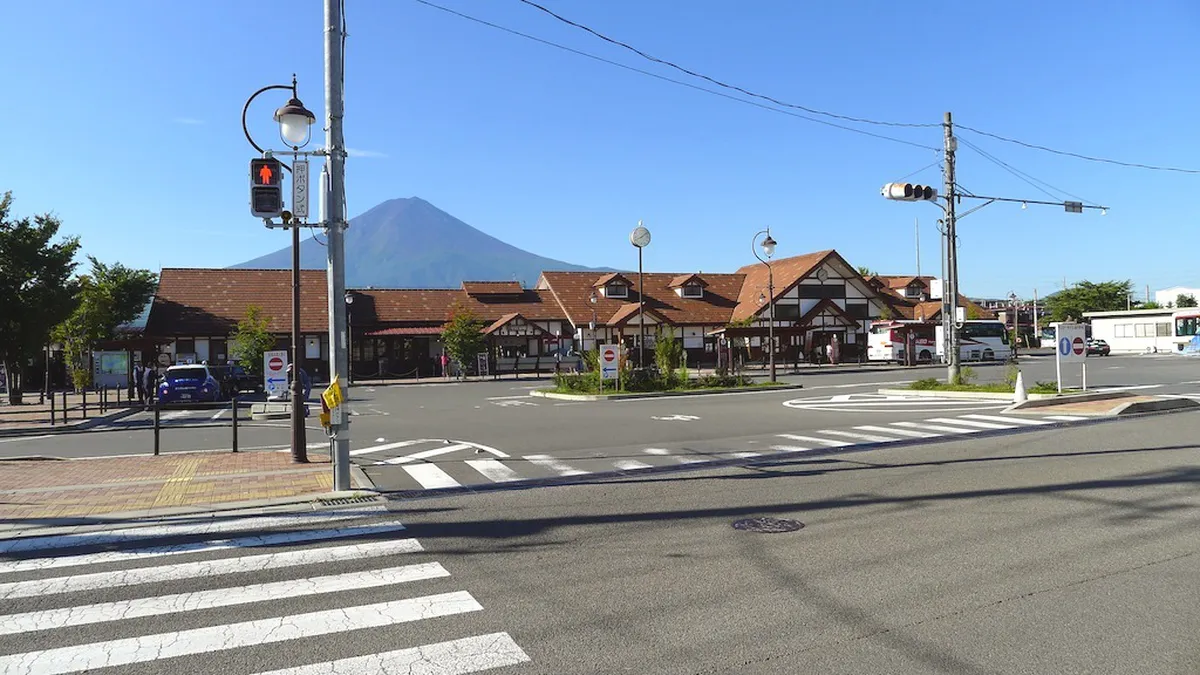
The table below lines up every option in this guide by dietary focus, price tier, and distance from Kawaguchiko Station. Use it to decide fast when a rural closing time or a 40-minute bus ride is working against you. Prices are grouped by tier rather than exact yen, since small kitchens adjust menus and portions from season to season. Treat the under-¥1,000 row as your fallback whenever a sit-down option is closed or full.
| Option | Dietary Focus | Price Tier | Distance from Station |
|---|---|---|---|
| Fujikawaguchiko Masjid & Cafe | Halal | ¥1,000-¥2,000 | Walkable |
| Momoya (Saiko Iyashinosatonenba) | Halal | ¥1,000-¥2,000 | ~40-min bus ride |
| Shop Fujimori (Saiko Iyashinosatonenba) | Halal-friendly | ¥1,000-¥2,000 | ~40-min bus ride |
| Hoto noodle shops (vegetable order) | Vegan-adaptable | ¥1,000-¥2,000 | Varies, several walkable |
| Yoshida udon shops (vegetable order) | Vegan-adaptable | ¥1,000-¥1,500 | Varies |
| Lake-view cafés | Vegan-friendly | ¥500-¥1,500 | Walkable near the lake |
| Konbini combo (Lawson / 7-Eleven) | Vegan-adaptable | Under ¥1,000 | Walkable from station |
Frequently Asked Questions
Is there halal food within walking distance of Kawaguchiko Station?
Yes. Fujikawaguchiko Masjid & Cafe sits close to the station and serves chicken gyro bowls and wraps in the ¥1,000 to ¥2,000 range. It's the fastest budget-halal option if you don't want to plan around a bus schedule.
How much should I budget for a halal or vegan meal in Kawaguchiko?
Most bowls, curries, and noodle dishes fall between ¥1,000 and ¥2,000. Convenience-store combinations are the cheapest route, usually landing under ¥1,000 for a full meal. Lake-view café snacks and drinks often fall in a lower ¥500 to ¥1,500 band.
Is hoto noodle broth automatically vegan?
No, not automatically. Traditional hoto often uses a fish-based dashi or miso stock as its base. Ask for a meat-free version and confirm the broth ingredients before you order.
Where can Muslim travelers pray near Lake Kawaguchiko?
Saiko Iyashinosatonenba operates a dedicated prayer room on site, about a 40-minute bus ride from the station. Reporting on the complex dates to 2020, so call 0555-20-4677 to confirm current hours and status before you go.
What should vegan travelers watch for at Kawaguchiko convenience stores?
Check ingredient labels for gelatin, emulsifiers, and sugar processed with bone char. Plain onigiri, edamame packs, and soy-based snack bars are generally safe choices. Still confirm each new product rather than assuming, since formulations can change.
Do these budget spots need a reservation?
None of the options here are known to require one. Saiko Iyashinosatonenba is part of a larger cultural village, so arriving earlier in the day gives more buffer if something is closed or busy.
Free: The Kawaguchiko Essentials guide
Top things to do, where to stay, a perfect day plan, getting around, and the best time to go — a Kawaguchiko mini-guide you can take offline.
You might also like


Continue reading
More guides you'll find useful


