

Kawaguchiko Hoto Noodles: A 2026 Guide to Where to Eat
Compare Houtou Fudou and Kosaku, find Houto Labo's seafood broth, and get 2026 prices, hours, and wait times for Kawaguchiko hoto noodles.
On this page
Last updated August 2026, this guide covers where to eat Kawaguchiko hoto noodles and what they cost. Hoto is a thick, hand-cut noodle simmered in kabocha-pumpkin miso broth inside a cast-iron pot. Expect a slow, communal meal, with prices, queues, and dietary notes covered below.
What Are Kawaguchiko Hoto Noodles?
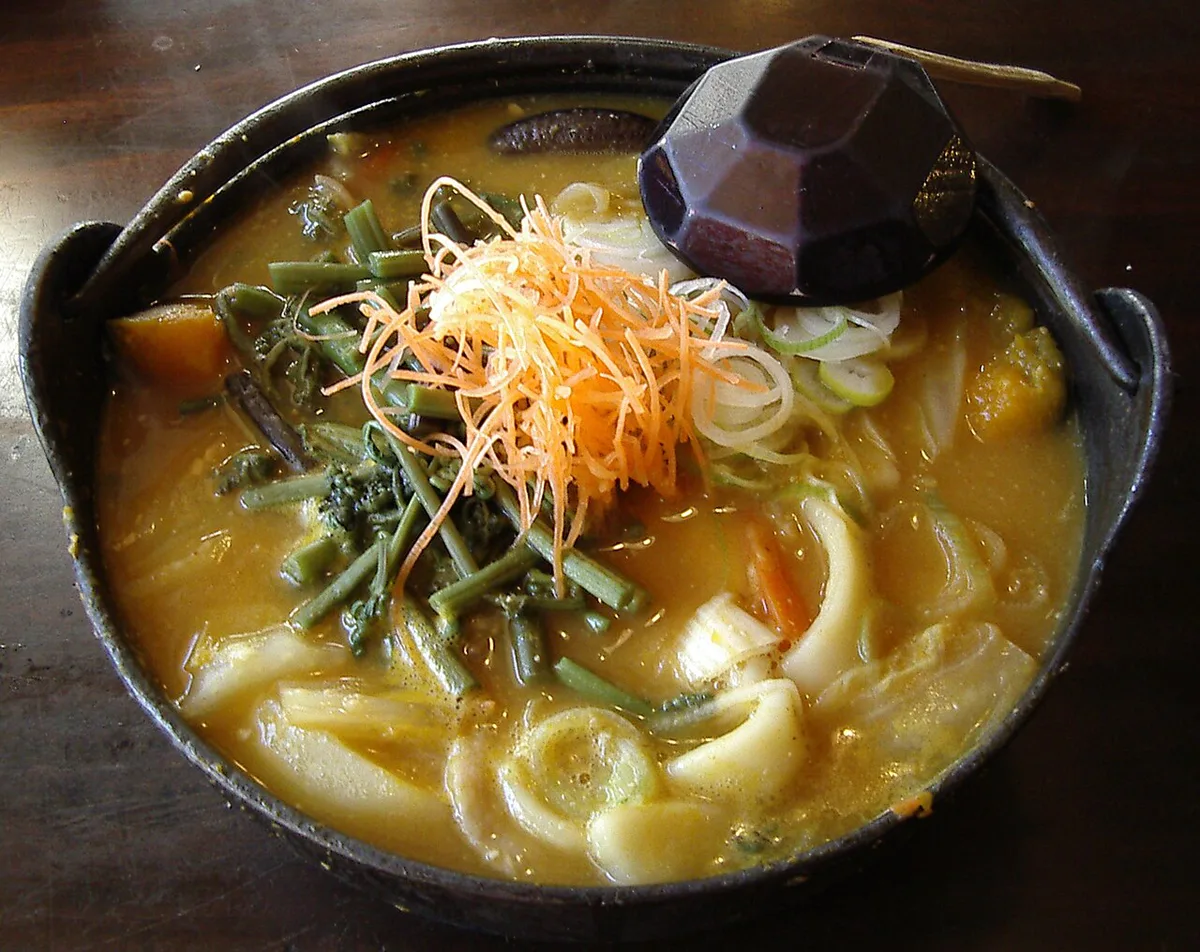
Hoto noodles are thick, flat wheat noodles simmered directly in a miso-based broth. In Japanese, the dish is written ほうとう and romanized as hoto or houtou depending on the source. Unlike Yoshida Udon Near Kawaguchiko: Where to Eat It and How to Make It in 2026, hoto noodles are rolled and cut like dumplings rather than boiled as thin strands. That technique releases extra starch into the pot, which naturally thickens the broth. The finished texture sits between a dumpling and a noodle, thick enough to hold up through a full meal in a simmering pot. Kabocha pumpkin is the dish's signature ingredient, since it breaks down as it simmers. Seasonal vegetables typically join the pumpkin in the pot, so the mix shifts with what's in season. Regional lore ties hoto to Takeda Shingen, the Sengoku-era warlord whose samurai reportedly ate it before battle. Shops around the lake still describe the dish as samurai-era comfort food, a nod to that history. You can find hoto at specialized noodle restaurants, hotels, and ryokan across the wider Fujigoko region, not just in Kawaguchiko. That range matters for trip planning, since a hoto stop can slot into a ryokan dinner as easily as a standalone lunch. For the full lay of Kawaguchiko's dining scene, our Kawaguchiko food guide maps every specialty by neighborhood.
Houtou Fudou vs Kosaku: Comparing Kawaguchiko's Big Two Hoto Restaurants
Houtou Fudou and Kosaku are Kawaguchiko's two best-known hoto restaurants, and most first-time visitors choose between them. For a first Kawaguchiko meal, sticking to one of these two names removes most of the guesswork. Fudou runs a minimalist menu built around one signature houtou style, served with a special spice blend. Its English-language menu lists the standard bowl at ¥1,320, tax included. Kosaku takes the opposite approach, with a menu spanning pork, bear, wild boar, and oyster houtou. Seating leans traditional, with ryokan-style tatami floors rather than Fudou's more modern dining rooms. Both restaurants draw weekend lunch crowds, and peak waits commonly run 45 to 60 minutes at either one. Choose Fudou if convenience and a quick, no-frills bowl matter most, especially from the Station Front branch. Choose Kosaku if you want more protein variety and a slower, tatami-seated meal. Neither restaurant takes the decision out of your hands entirely, since both run on a queue system at peak hours.
| Feature | Houtou Fudou | Kosaku |
|---|---|---|
| Price per pot | ¥1,320 (standard houtou, tax in) | Roughly ¥1,200-¥2,000, in line with the area average |
| Atmosphere | Modern dining rooms; cloud-shaped building at Higashi-koiji | Traditional ryokan-style tatami seating |
| Taste and variety | One signature houtou style, plus Basashi and Kokutou Taki Inari sides | Four protein options: pork, bear, wild boar, and oyster |
| Peak weekend wait | 45-60 minutes | 45-60 minutes |
| Accessibility from station | Station Front branch: 1-minute walk, no dedicated parking; other branches: 5-10 minute taxi ride | Check current status for exact walking distance and step-free access |
- Basashi (raw horse meat) at Houtou Fudou: ¥1,320
- Kokutou Taki Inari (vinegared rice cooked in brown sugar): ¥550
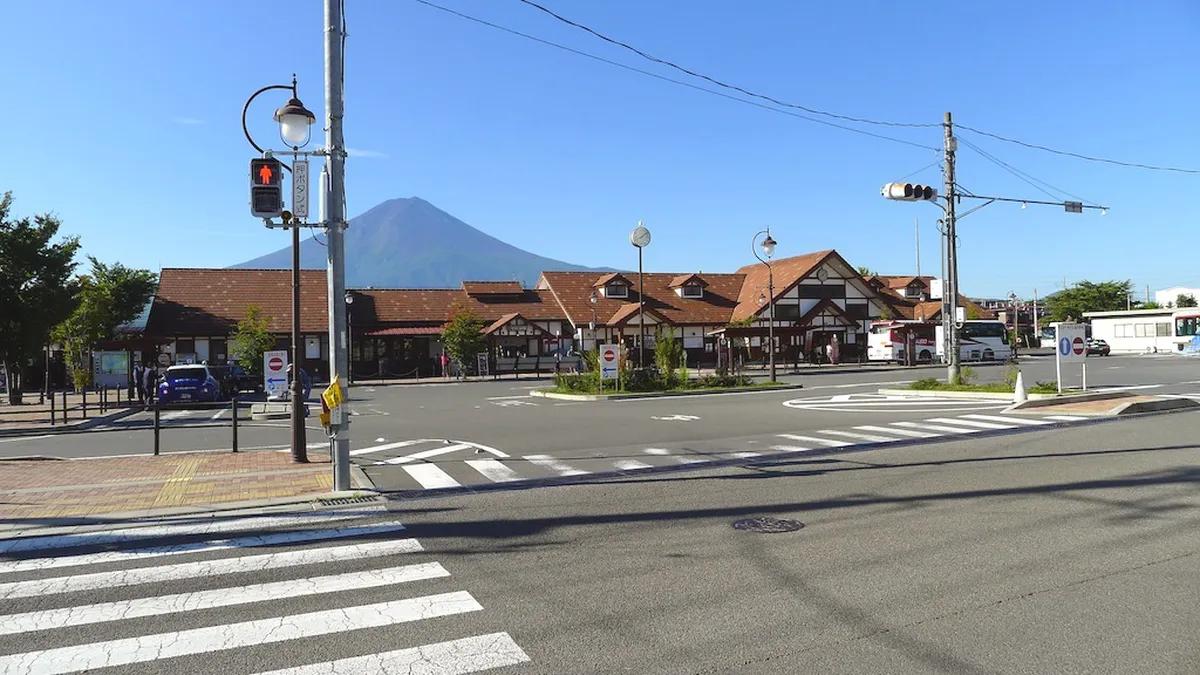
- Station Front Store: 1-minute walk from Kawaguchiko Station, no dedicated parking
- North Kawaguchiko Head Store and South Kawaguchiko Store: roughly 5-10 minutes by taxi from the station
- Higashi-koiji Store: at the Higashi-koiji intersection, built around a rounded, cloud-shaped structure rather than a standard storefront
More Top-Rated Hoto Restaurants Around the Lake
Houto Labo, on the shores of Lake Kawaguchi, differentiates itself with seafood-based broth options. Its seafood houtou arrives topped with prawns, crab, and roe, while a vegetable version uses a kelp-based broth instead of dashi. Houto Labo sits at 2746-1 Kawaguchi in Fujikawaguchiko, inside a building styled like a log cabin. The restaurant also runs a hands-on houtou-making class, roughly 2 hours long, where guests stretch and cut their own noodles before cooking them. Reserve the class ahead during peak seasons, since the 2-hour format limits how many groups can run per day. Houto Labo is dog-friendly and even keeps a dog menu, according to the Japan National Tourism Organization. That detail matters if you're traveling with a pet, since not every restaurant in this guide accommodates animals. Its listed hours run 11am to 9pm. Confirm the schedule before visiting, since hours can shift. Sanrokuen offers a different angle, pairing charcoal-grilled skewers with a bowl of hoto for a more experience-driven meal. Its format suits travelers who want a broader taste of Yamanashi's grilled and simmered dishes in one sitting, rather than hoto alone. Smaller hoto counters on side streets away from the station tend to run shorter queues than the two flagship chains. These smaller counters rarely appear in international guides, which is part of why the wait is shorter. After a bowl of hoto, round out the visit with lake-view cafes and Fuji sweets nearby.
Vegan, Halal, and Gluten-Free Hoto: What to Know
Traditional hoto broth usually starts with a dashi base, which is typically fish-derived, and thick wheat noodles that are not gluten-free. That combination rules out most hoto for strict vegans, halal diners, and anyone avoiding gluten. Houto Labo is the clearest exception: its vegetable hoto swaps dashi for a kelp-based broth, avoiding fish stock entirely. Confirm with staff whether shared cooking equipment or seasonings affect a specific order, even with that swap. Cross-contact is still possible, since the vegetable option is prepared in a kitchen that also handles meat and seafood. Ask staff directly about that day's stock and preparation method, since sourcing can vary by season. Calling or messaging ahead in simple English can confirm ingredient details that a busy lunch service won't have time to explain in person. No hoto restaurant in this guide is confirmed as halal-certified, so treat any meat topping as unverified for halal diners. Gluten-free substitutes are not documented at any restaurant in this guide, so wheat-sensitive travelers should plan around hoto rather than adapt it. For a wider net of filtered options across the town, see budget vegan and halal food in Kawaguchiko.
Houto Labo's vegetable hoto with kelp-based broth is the sole fish-free option for vegans planning a Kawaguchiko visit. Its 11am to 9pm hours extend beyond the 7pm or 8pm closing at most competitors.
Cost, Timing, and How to Get to Kawaguchiko's Hoto Restaurants
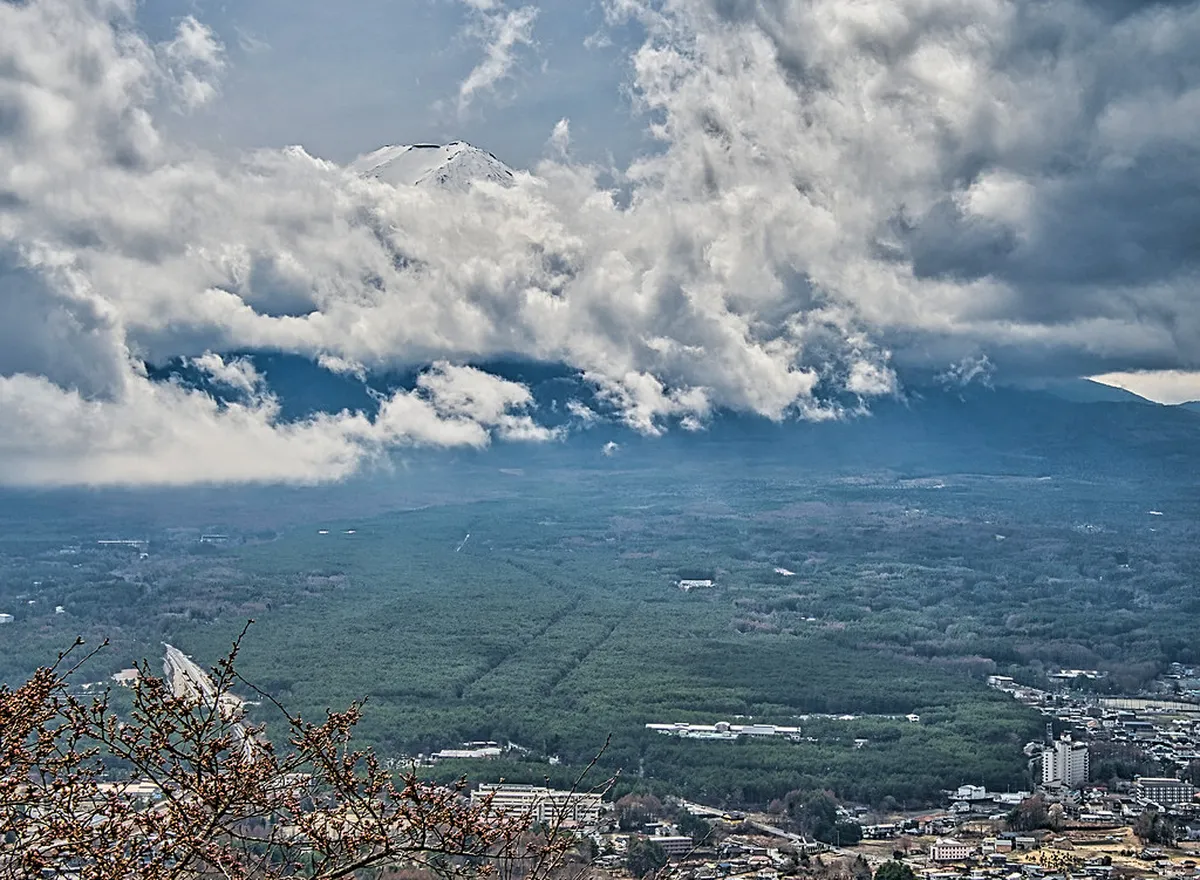
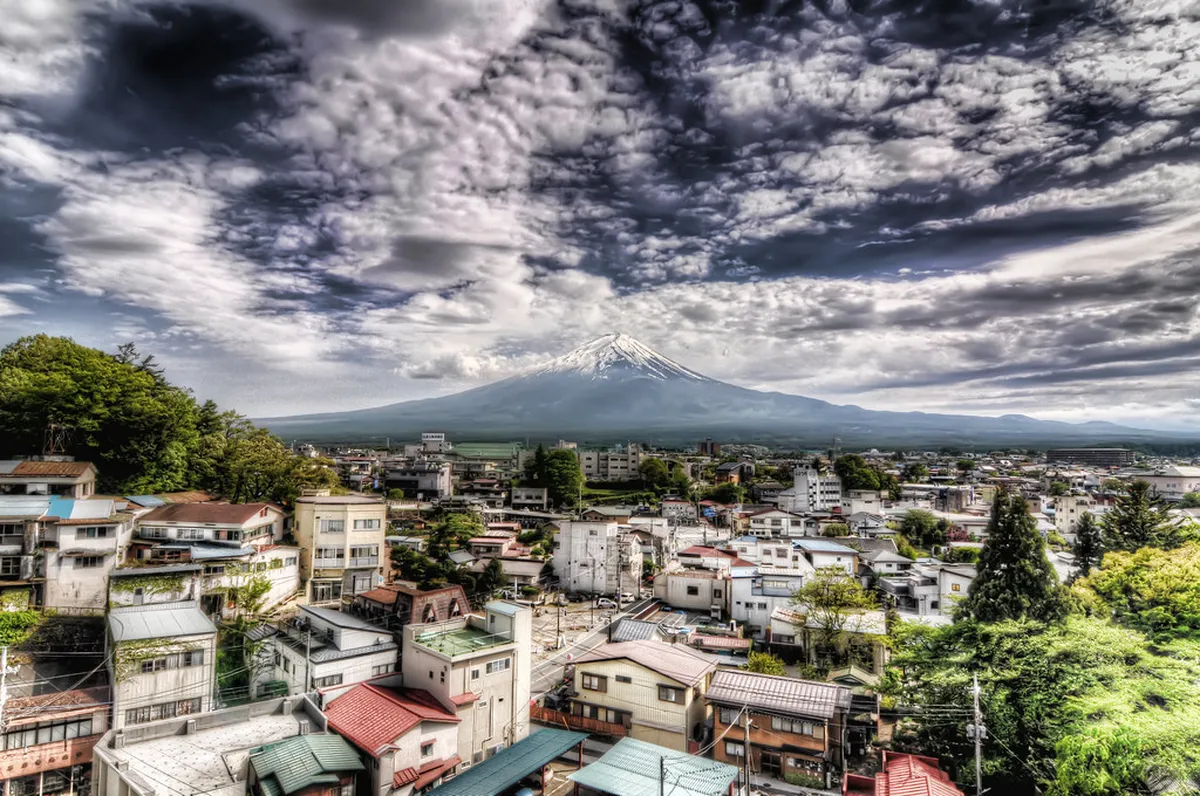
A pot of hoto in Kawaguchiko typically runs ¥1,200 to ¥2,000, and Houtou Fudou's standard bowl anchors the low end at ¥1,320. Extras add to the bill quickly: a Kokutou Taki Inari side runs ¥550, and a Basashi plate adds ¥1,320. Lunch is the peak window at every restaurant in this guide. Many hoto shops close by 7pm or 8pm, while Houto Labo stays open later, until 9pm. Arriving right at opening or waiting until after the early lunch rush typically shortens the wait. Because the broth arrives boiling hot, hoto works as a lunch stop in any season, though it's especially popular during Kawaguchiko's cooler shoulder months. Reaching most hoto restaurants means walking from Kawaguchiko Station, taking the Red or Green Line sightseeing bus, or hailing a short taxi. The Station Front Fudou branch is the only major option within walking distance, at 1 minute on foot. If you're driving, plan to park near one of the other three Fudou branches instead, since the Station Front location has no dedicated lot. For travelers coming from Tokyo, three routes reach Kawaguchiko itself before you even pick a restaurant. Pair the meal with nearby 15 Best Kawaguchiko Attractions & Things To Do (2026 Guide) earlier or later in the day.
- Station Front cluster: closest to Kawaguchiko Station, best for a quick walk-in meal before or after the train
- Lake Shore cluster: includes Houto Labo, suited to pairing a bowl with lake views or the noodle-making class
- Higashi-koiji intersection cluster: home to Fudou's rounded-building branch, typically reached by taxi or car
- By train: JR Chuo Line from Shinjuku, change at Otsuki Station to the Fuji Kyuko Line, get off at Kawaguchiko Station, the final stop
- By highway bus: board at Shinjuku's west exit bus terminal toward Kawaguchiko and Yamanakako, get off at Kawaguchiko Station
- By car: exit the Chuo Highway at Kawaguchiko IC, follow Route 138 toward Motosuko, then turn right at the Higashi-koiji intersection or continue straight for other Fudou branches
Hoto Etiquette: Iron Pot Heat, Basashi Sides, and Rookie Mistakes
Hoto arrives in a cast-iron tetsunabe pot that keeps the broth boiling for 20 minutes or more at the table. Cast iron holds heat far longer than ceramic, which is exactly why the pot keeps simmering well after it's set down in front of you. That means the surface stays scalding hot well after it reaches you, so let it settle before the first bite. The broth keeps actively cooking the noodles at the table, so texture keeps softening the longer the pot sits. Expect a substantial single-serving pot, since hoto is designed as a full meal rather than a shareable side. Pair it with a light side like Kokutou Taki Inari instead of doubling up on noodles. Basashi, thin-sliced raw horse meat, is a common regional side dish alongside hoto. Houtou Fudou lists it at ¥1,320. Basashi isn't for every traveler, so treat it as an optional regional side rather than a required pairing. Pair either dish with a regional pour from sake, wine, and craft beer in Kawaguchiko. Do not expect al dente noodles. Soft and doughy is the intended texture, closer to a stew than a bowl of pasta. Seating style varies by restaurant, from tatami floor seating to standard chairs, so ask ahead if mobility is a concern.
Cast-iron pots keep the broth simmering for 20 minutes or more at your table, which means noodles continue cooking throughout the meal. Combined with 45 to 60 minute peak waits, plan for a two-hour total dining experience.
Frequently Asked Questions
What's the difference between hoto and udon noodles?
Hoto noodles are thicker and rolled like dumplings, while udon is boiled as thinner, separate strands. The starch released by hoto during cooking also thickens the broth itself, which plain udon broth does not do.
How much does a bowl of hoto cost in Kawaguchiko?
Expect roughly ¥1,200 to ¥2,000 per pot at most restaurants. Houtou Fudou's standard bowl is priced at ¥1,320, tax included.
Is hoto vegetarian, vegan, or gluten-free?
Most hoto is not vegan or vegetarian, since the broth typically uses fish-derived dashi. It is also not gluten-free, because the noodles are wheat-based. Houto Labo's vegetable hoto, made with a kelp broth, is the closest fish-free option covered in this guide.
How long is the wait at the busiest hoto restaurants?
Weekend lunch waits at Houtou Fudou and Kosaku commonly run 45 to 60 minutes. Arrive right at opening or plan for a late lunch to cut the wait.
Which hoto restaurant is best for a hands-on food experience?
A roughly 2-hour houtou-making class at Houto Labo lets guests stretch and cut their own noodles. Sanrokuen pairs charcoal-grilled skewers with hoto for a different, experience-focused meal.
What's the best area to base yourself for a hoto crawl?
The Lake Shore cluster near Houto Labo works well if you're combining hoto with lake views or the noodle-making class. The Station Front cluster suits a fast meal right before or after the train.
How do you get to Kawaguchiko for a hoto meal?
Most travelers reach Kawaguchiko by train, changing from the JR Chuo Line to the Fuji Kyuko Line at Otsuki Station. A highway bus from Shinjuku's west exit terminal also runs directly to Kawaguchiko Station.
What should first-time visitors order?
Houtou Fudou's single signature style is the simplest starting point, since the menu isn't trying to choose for you. Houto Labo's seafood version is a good alternative if you'd rather start with prawns, crab, and roe.
Are hoto noodles made fresh or pre-cooked?
Hoto noodles are typically rolled, cut, and cooked to order rather than boiled ahead of time, which is part of why the pot takes a while to arrive. The hands-on class at Houto Labo lets you see that process firsthand, from stretching the dough to cutting the noodles.
Free: The Kawaguchiko Essentials guide
Top things to do, where to stay, a perfect day plan, getting around, and the best time to go — a Kawaguchiko mini-guide you can take offline.
You might also like


Continue reading
More guides you'll find useful


