15 Best Kawaguchiko Attractions & Things To Do (2026 Guide)
Discover the top 15 Kawaguchiko attractions, from iconic Mt. Fuji viewpoints to hidden cultural gems. Plan your perfect trip with our expert tips on what to see, eat, and experience.
On this page
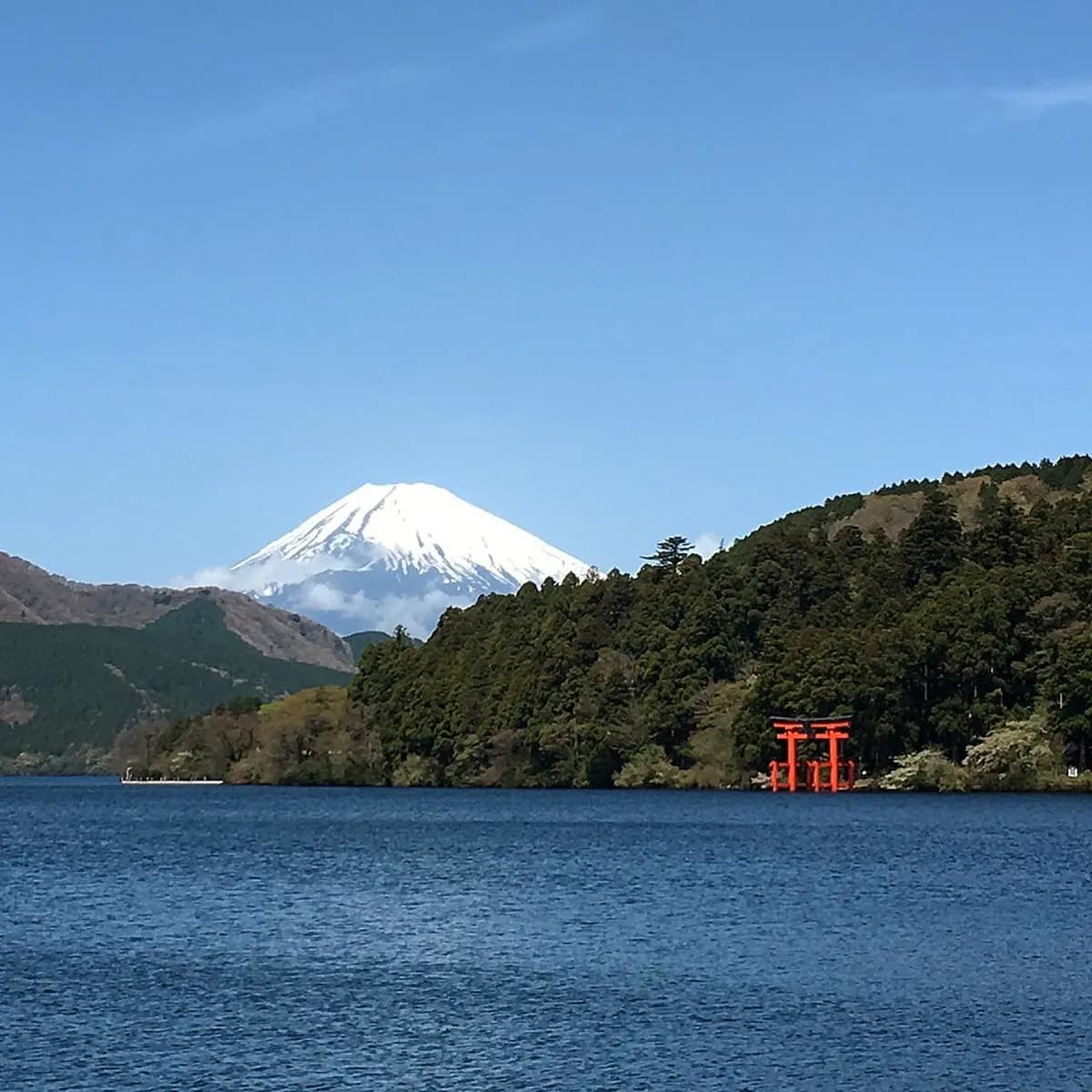
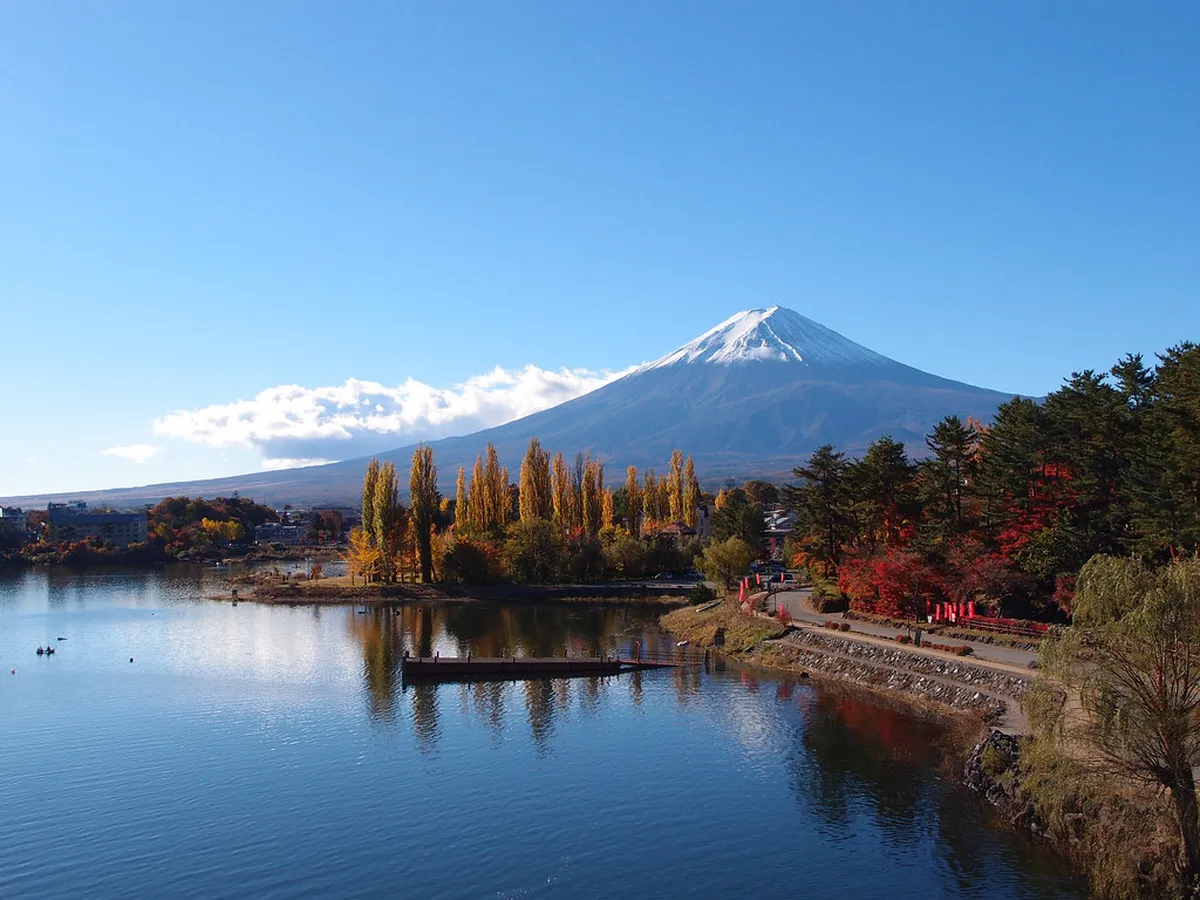
Kawaguchiko sits at the northern shore of Lake Kawaguchi, roughly 100 km southwest of Tokyo, with Mount Fuji rising directly to the south. The lake frames the volcano better than any other viewpoint in the Fuji Five Lakes region — on a clear morning the reflection sits perfectly still on the water. This guide covers the 15 best Kawaguchiko attractions for 2026, with opening hours, prices in yen, and honest advice on what is and is not worth your time.
Key Takeaways
- Best iconic Fuji shot: Chureito Pagoda at Arakurayama Sengen Park — arrive before 08:00 to beat tour buses.
- Best free activity: Oishi Park and the North Lake Shore Walk cost nothing and deliver some of the area's finest views.
- Best family pick: Fuji-Q Highland for thrills; Saiko Iyashi-no-Sato Nenba for a calmer cultural afternoon.
- Best rainy-day option: Kawaguchiko Music Forest Museum or an onsen session at Fuji Yurari.
- Differentiator: The Momiji Corridor (Route 139 maple tunnel) in mid-November is free, crowd-light after dark, and almost none of the major travel guides mention it.
Why Visit Kawaguchiko?
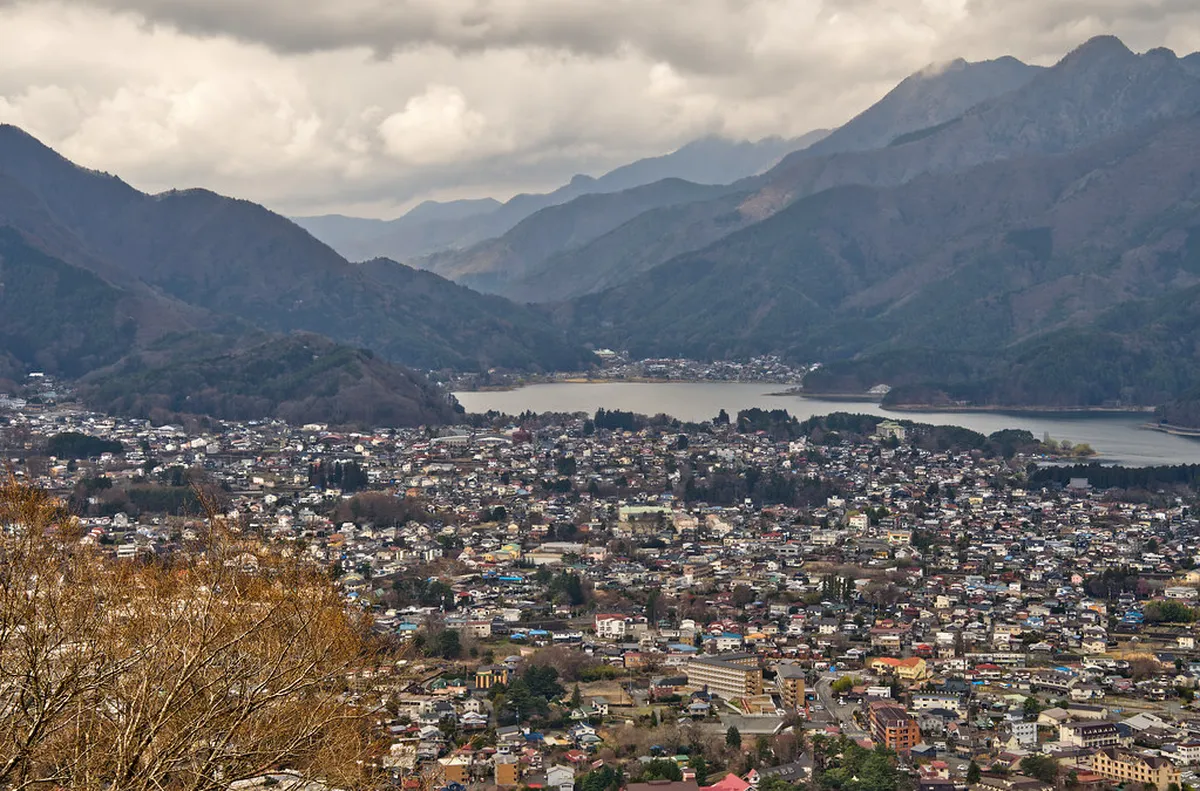
Kawaguchiko is the most accessible of the Fuji Five Lakes from Tokyo and the one with the widest range of activities. The northern shore faces the mountain directly, giving you the clearest sightlines across the water. Beyond the views, the town has good transport links, a solid selection of ryokans and budget hostels, and enough variety to fill two or three days without repeating yourself.
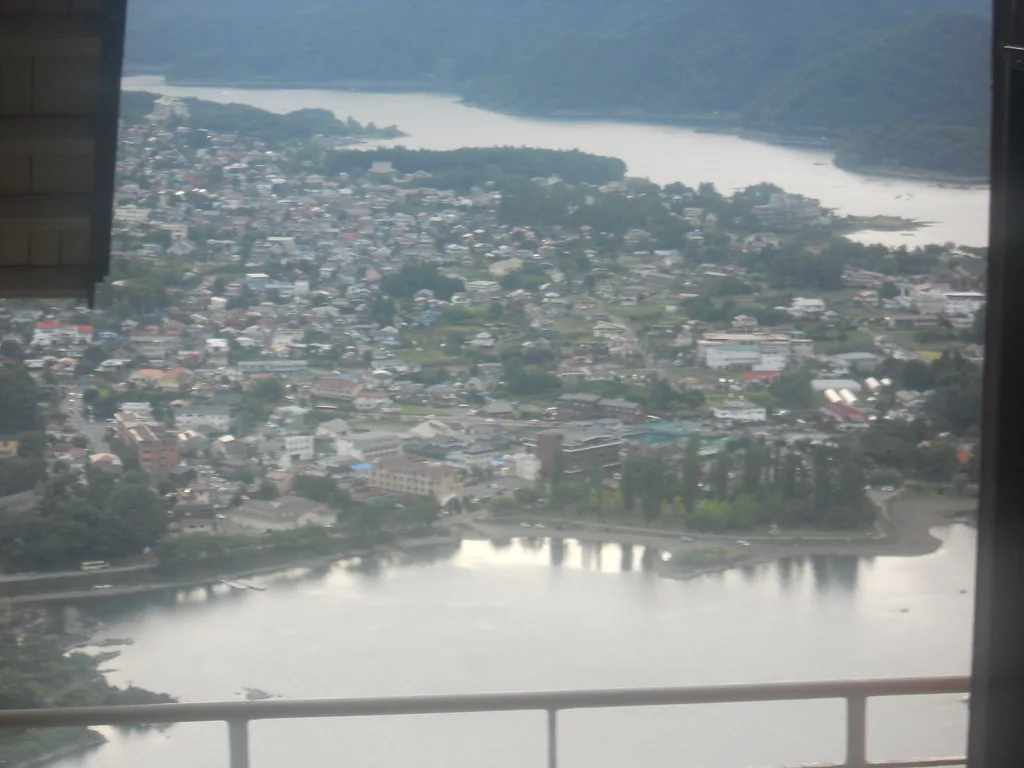
The area suits day-trippers and overnight visitors equally. A day trip covers the highlights; an overnight stay lets you catch Fuji at sunrise and squeeze in an evening onsen. Most visitors combine both — arriving by the 09:00 highway bus, seeing Chureito Pagoda in the morning, then either heading back or checking into a lakeside room.
15 Best Kawaguchiko Attractions & Things To Do (2026)
The list below runs roughly from most iconic to most niche, so first-timers can work through the top entries and experienced Japan travelers can jump to the lower numbers for less-covered ideas.
1. Chureito Pagoda & Arakurayama Sengen Park
The Chureito Pagoda is the most reproduced image in Kawaguchiko — a five-storey red pagoda with Mount Fuji perfectly centred behind it. The pagoda stands inside Arakurayama Sengen Park in Fujiyoshida, roughly 15 minutes by train from Kawaguchiko Station. Entry to the park is free and the grounds are open around the clock.
To reach the pagoda you climb 398 steps from the main shrine torii. There is also a gentler winding path that bypasses most of the stairs, useful for visitors with mobility limitations or small children — both routes end at the same viewpoint platform just below the pagoda. The best photography angle is from that platform, looking back at Fuji with the pagoda to your left. Arrive before 08:00 for clear views and short queues; tour buses start arriving by 09:30. Spring cherry blossoms (late March to early April) and autumn foliage (mid-October to mid-November) are the two peak periods.
2. Oishi Park & the North Lake Shore Walk
Oishi Park sits on the northern shore of Lake Kawaguchiko and is free to enter year-round. The park is best known for its Flower Road — lavender in July, red kochia in October — with Fuji directly across the water. Several cafes and a souvenir shop operate on-site, so it works as a half-hour stop or a full morning if you linger over a coffee.
From Oishi Park, a flat walking trail runs west along the shore toward the ropeway station. This North Lake Shore Walk is one of the most rewarding free activities in the area. The ryokan frontages along this stretch give you close-to-water Fuji views that the main road misses. Walk the full length (about 2 km one way) and catch the retro bus back, or rent a bicycle and loop the whole 17 km perimeter of the lake in two to three hours.
3. Kachi Kachi Ropeway (Mt. Fuji Panoramic Ropeway)
The Kachi Kachi Ropeway — officially the Mt. Fuji Panoramic Ropeway — lifts visitors from the lakeside up to an observation deck on Mount Tenjo in three minutes. The round-trip ticket costs ¥900 for adults and ¥450 for children. The ropeway runs daily from 09:00 to 17:20 (last ascent 17:00), with shorter hours in winter. Buy tickets online to skip the queue; walk-up waits can reach 30 minutes on weekends.
At the top, the observation deck frames Fuji over the lake. There is also the Tenjo Bell for couples and the "Mount Kachikachi Superb View Swing" — a swing mounted at the cliff edge with Fuji behind it — for an additional ¥500. The swing queue moves slowly on busy days; if the line is longer than 15 people, it is not worth the wait. The views from the deck itself are comparable. One honest note: the deck faces slightly north, so city rooftops appear in the foreground of Fuji shots. The North Lake Shore Walk offers a cleaner Fuji-over-water composition at no cost.
4. Fuji-Q Highland Amusement Park
Fuji-Q Highland is directly adjacent to Kawaguchiko Station and holds multiple world records for roller coaster speed and steepness. A one-day passport costs around ¥7,200 for adults (¥5,600 for children); an entry-only ticket without ride credits is ¥1,700. The park opens at 09:00 and closes at 17:00 on most days, with extended hours during summer and holiday periods. Weekdays are noticeably less crowded than weekends and Japanese public holidays — if you are flexible, Monday or Tuesday will cut queue times dramatically.
The park suits families with children as much as thrill-seekers: the Thomas Land area within Fuji-Q is one of the largest Thomas the Tank Engine attractions in the world, and there is a haunted hospital attraction popular with teenagers. Book tickets online in advance — discounts of ¥500 to ¥1,000 apply through official channels and some convenience stores.
5. Canoeing on Lake Kawaguchi
Canoeing gives you a perspective of Fuji that no land viewpoint matches — the mountain reflects perfectly on the lake surface on calm mornings, and you can paddle to angles unavailable from the shore. The lake is the second largest of the Fuji Five Lakes and its sheltered waters make it suitable for beginners. Several operators around the lake offer guided sessions and solo rentals, typically priced at ¥3,000 to ¥6,000 per person for 60 to 90 minutes. Early morning (07:00 to 09:00) gives the calmest water and the best light for photography.
Most operators run sessions in the morning and again in the late afternoon. Book at least a day in advance during Golden Week (late April to early May) and the autumn-foliage peak. Dry bags and basic instruction are usually included; no prior paddling experience is needed.
6. Saiko Iyashi-no-Sato Nenba Traditional Village
Located on the shore of Lake Saiko — about 15 minutes west of Kawaguchiko by retro bus — Iyashi-no-Sato Nenba is a reconstructed thatched-roof village that was destroyed in a 1966 landslide. The 20-odd buildings now operate as craft workshops, a washi paper studio, a small textile museum, and several food stalls selling hoto noodles and mochi. Admission is ¥500 for adults, ¥250 for children. Opening hours are 09:00 to 17:00 daily.
On clear days, Lake Saiko and the thatched rooftops form a foreground for a clean Fuji shot — different from the lake views at Kawaguchiko itself. Allocate 90 minutes. The village is quieter than Chureito Pagoda even on weekends, making it a good afternoon stop after the morning rush at the more famous viewpoints.
7. Fujiyoshida Sengen Shrine
Fujiyoshida Sengen Shrine — formally Kitaguchi Hongu Fuji Sengen Jinja — predates the pagoda by over a thousand years. The shrine dates back more than 1,900 years and is dedicated to Konohanasakuya-hime, the goddess of Mount Fuji. For centuries it served as the traditional gateway for pilgrims beginning the Fuji climb from the north, and the main avenue is still flanked by ancient cedar trees reported to be over 400 years old.
Entry is free and the grounds are open during daylight hours. The main hall features a distinctive crimson-lacquered facade unusual for Shinto architecture. Combine the shrine with Chureito Pagoda on the same half-day: both are in Fujiyoshida, about 10 minutes apart on foot from Fujisan Station on the Fujikyu Railway. In late August the shrine hosts the Yoshida Fire Festival (Yoshida no Himatsuri), one of the most atmospheric events in the Fuji region, involving large bonfires and torch processions through the town at dusk.
8. Hoto Noodles
Hoto is the defining dish of Kawaguchiko — thick, flat wheat noodles simmered in a rich miso broth with kabocha pumpkin, mushrooms, and seasonal vegetables. A bowl costs ¥1,100 to ¥1,500 at most local restaurants. The dish is served in an iron or clay pot that keeps it hot through the meal, making it ideal for cold days.
The most-recommended spots in town are Hoto Fudo (multiple branches, the lakeside location on Route 139 is the most photographed), Kosaku near Kawaguchiko Station, and Koshu Hoto, which offers variations with duck and mushroom. All three are open for lunch and dinner, roughly 11:00 to 21:00. Arrive before noon or after 14:00 to avoid the longest queues. Yoshida Udon — a firm, chewier noodle style particular to the Fujiyoshida area — is worth trying as a contrast if you are spending two days in the region.
9. Onsen Experience
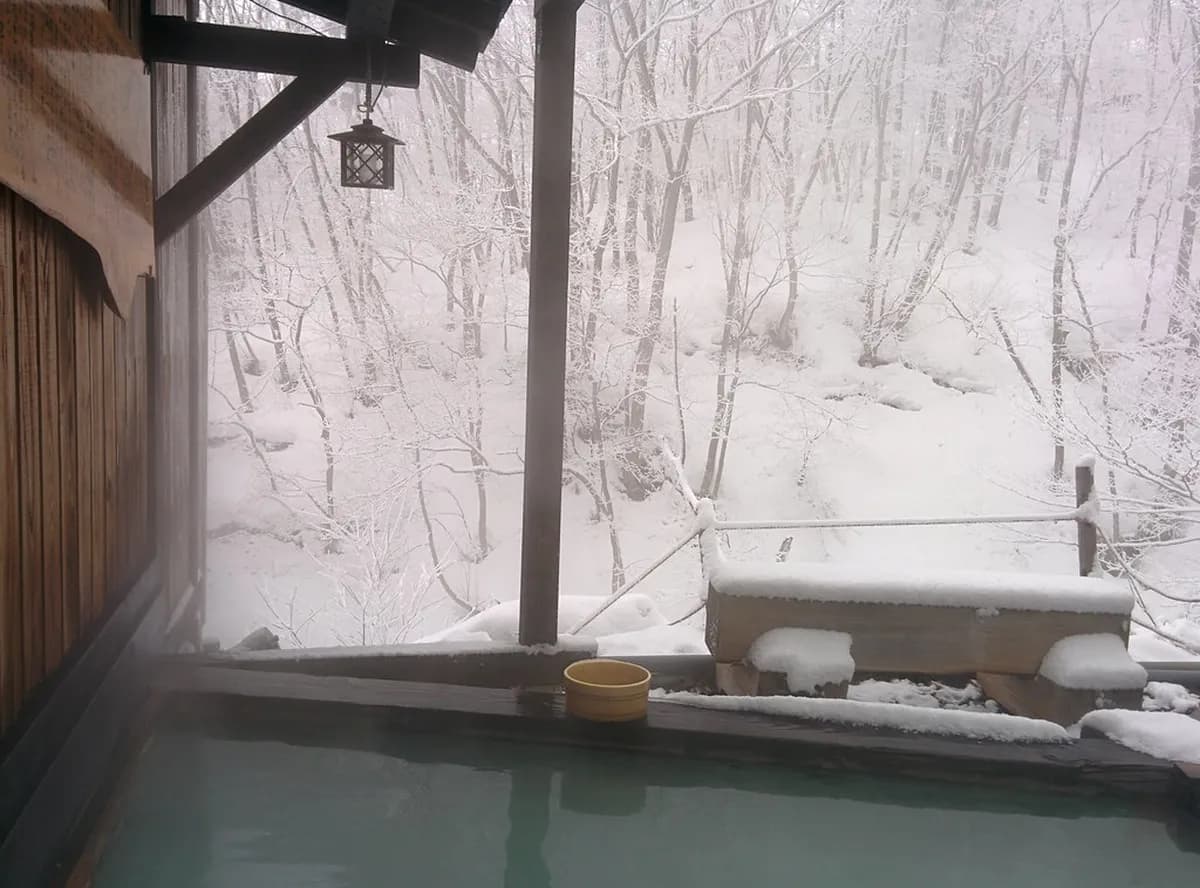
Soaking in an onsen with a Fuji view is one of the quintessential Kawaguchiko experiences. Fuji Yurari Onsen on the eastern shore offers indoor and outdoor baths, some facing directly toward the mountain. Day-use entry is ¥1,400 on weekdays and ¥1,600 on weekends; hours are 10:00 to 22:00. Fuji Chobo-no-yu near the ropeway is a smaller facility, slightly cheaper, with a similar outdoor Fuji-facing bath.
One practical note: the majority of public onsens in Kawaguchiko prohibit visible tattoos. If this applies to you, look for accommodation — including several ryokans and Glamping Villa Hanz — that offer private rotenburo (outdoor hot-spring baths) attached to individual rooms or private-hire baths by the hour. These private baths typically cost ¥2,000 to ¥4,000 per 45-minute session, bypassing the public-bath tattoo restrictions entirely.
10. Lake Kawaguchiko Sightseeing Cruise
The sightseeing boat (branded the "Ensoleillé") runs 20 to 30 minute loops around the central section of the lake. Tickets cost ¥1,000 for adults and ¥500 for children. Departures run from approximately 09:00 to 16:30 daily from the main pier near the ropeway. The upper deck gives the widest view; on calm mornings the Fuji reflection from the water level is exceptional. The cruise is a low-effort option for anyone short on time or with limited mobility who wants a different vantage point from the shore walks.
11. Kawaguchiko Music Forest Museum
The Kawaguchiko Music Forest is a European-themed museum holding antique music boxes, orchestrions, and automatic pipe organs. The collection is genuine and impressive — some instruments date to the late 1800s. Admission is ¥1,800 for adults, ¥900 for children. Opening hours are 10:00 to 17:00 daily (last entry 16:00). Live performances of the automatic instruments run on a set schedule throughout the day; check the board at the entrance for times. The gardens have a low-key Fuji view and are pleasant for a 20-minute wander after the indoor tour. Total visit time is around 90 minutes.
12. Itchiku Kubota Art Museum
Itchiku Kubota devoted his life to reviving the Tsujigahana silk-dyeing technique that had been lost since the Edo period. His museum on the western shore of Lake Kawaguchiko displays a rotating selection of the kimono he produced, each one a panel in a larger seasonal series depicting Mount Fuji across changing landscapes. The museum building is partly designed as a Gaudí-inspired stone structure — unusual in rural Yamanashi. Admission is ¥1,300 for adults. Open daily except Tuesdays, 09:30 to 17:30. Budget 60 to 90 minutes.
13. Ide Sake Brewery
Ide Sake Brewery (Ide Jozo) sits about 20 minutes by car from Kawaguchiko Station, near the town of Fujikawaguchiko. The brewery has been operating for generations and offers guided tours led by the brewers that explain the rice-polishing and fermentation process from start to finish. Tours conclude with a tasting session of several sake varieties, including seasonal and limited releases. A small shop sells bottles and sake-flavoured soft serve ice cream. The full experience takes about an hour and works well on rainy days when outdoor viewpoints are socked in.
14. Cycling Around Lake Kawaguchiko
The full perimeter of Lake Kawaguchiko is about 17 km and takes two to three hours at a relaxed pace by bicycle. Rental shops cluster near Kawaguchiko Station and charge ¥1,000 to ¥2,000 for a full day depending on the bike type. The northern shore is flat and the most scenic; the southern shore is hillier and less travelled. Electric-assist bikes are available at most shops for ¥2,500 to ¥3,500 per day, worth considering if the full loop or the southern hills feel ambitious.
Several pull-off spots along the northern perimeter have unobstructed lake-and-Fuji compositions. The area near Nagasaki Park, roughly halfway along the northern stretch, is particularly clean for photography. Lock your bicycle at each stop — theft is rare but the bikes are unattended and popular with tourists.
15. Tenku no Torii (Torii Gate in the Sky)
The Tenku no Torii at Kawaguchi Asama Shrine is a vermilion torii gate perched on a hillside that frames Mount Fuji in the gap between the uprights. Getting there requires a 30-minute uphill hike from the main shrine or, quicker, a taxi to the upper trailhead. There is a ¥100 maintenance donation requested at the gate. The path is narrow and can be slippery after rain; wear shoes with grip. Arrive early morning for the clearest Fuji view through the gate. The Instagram queue forms fast on weekends — if the line is long, come back after 15:00 when light-chasers have left and the afternoon angle on Fuji is still usable.
Planning Your Kawaguchiko Trip
Kawaguchiko's most critical planning variable is weather. Mount Fuji is hidden by cloud roughly half the days in summer and more than that in late June during rainy season. The live webcam of Lake Kawaguchi shows current visibility before you leave your hotel. Check it at 06:30 and again at 08:00 — if Fuji is clear then, plan your viewpoint activities for the morning and keep afternoon slots for indoor attractions.
Book the Kachi Kachi Ropeway and Fuji-Q Highland tickets online before arriving. Both experiences sell out on weekend mornings during peak seasons. Accommodation at lakeside ryokans fills up two to three months in advance for cherry blossom (late March to early April) and autumn foliage (mid-October to mid-November) periods.
How to Get to Kawaguchiko
The fastest and cheapest option from Tokyo is the direct highway bus from Shinjuku Expressway Bus Terminal (Busta Shinjuku, on the 4th floor above Shinjuku Station's south exit). Buses run multiple times hourly, take about 1 hour 45 minutes to 2 hours, and cost around ¥2,000 one way. Reserve a seat online — the first buses of the day sell out on weekends.
By train, take the JR Chuo Line from Tokyo's Shinjuku to Otsuki (about 70 to 100 minutes depending on the service), then transfer to the Fujikyu Railway to Kawaguchiko Station (55 minutes, ¥1,170 one way). A few direct limited-express services run daily from Shinjuku to Kawaguchiko in about two hours for around ¥4,000 with a mandatory seat reservation. The JR leg to Otsuki is covered by the JR Pass; the Fujikyu segment is not. See the full breakdown in our guide on How to Get to Kawaguchiko from Tokyo: Your Ultimate Transport Guide.
Getting Around Kawaguchiko
The Retro Bus network covers all main attractions around Lakes Kawaguchiko and Saiko. A two-day unlimited pass costs ¥1,700 and is the most practical option if you plan to visit four or more sites. Buses run both clockwise and counterclockwise around the lake from Kawaguchiko Station, typically every 20 to 30 minutes during the day. Frequency drops sharply after 17:00, so plan your last bus accordingly.
Rental cars give more flexibility for visiting Iyashi-no-Sato Nenba, Ide Sake Brewery, and Shosenkyo Gorge, which are time-consuming by bus. A basic compact car rents for ¥5,000 to ¥8,000 per day from shops near the station. Taxis are available but expensive for longer routes — a one-way fare from the station to Chureito Pagoda runs around ¥2,000. Walking is practical only between the station, the ropeway, and the pier; anything further needs wheels or a bus.
Where to Stay in Kawaguchiko
Ryokans with lakeside Fuji views are the premium option — Kozantei Ubuya and Fujiya Hotel are consistently rated highest for room views and kaiseki dinner quality. Both include dinner and breakfast and provide private or shared onsen access. Expect to pay ¥25,000 to ¥60,000 per person per night. Book two to three months ahead for peak seasons.
For a different kind of stay, Glamping Villa Hanz Kawaguchiko offers luxury glamping tents, private villas with outdoor hot tubs, and a public onsen bath — all with Fuji as the backdrop. The private hot tub villas are particularly useful for visitors with tattoos since the baths are entirely private. K's House Fuji View is the best-regarded budget option, a hostel with dorm and private rooms near the lake. For a broader look at all accommodation types and price ranges, see our guide on 9 Best Places to Stay in Kawaguchiko (2026 Travel Guide).
Best Time to Visit Kawaguchiko
Winter (December to February) gives the clearest Fuji views — cold, dry air strips the haze that softens the mountain in warmer months. Crowds are the lightest outside of New Year holidays. Spring (late March to early May) draws the largest crowds, particularly during cherry blossom at Chureito Pagoda. Autumn (mid-October to mid-November) is the second busiest period; the foliage around the lake and the Momiji Corridor (see below) makes it worth the extra people.
Summer (June to August) is the official Fuji climbing season — the Fuji Subaru Line to the 5th Station sees heavy traffic — but lake-level views are frequently obscured by cloud. The Fuji Shibazakura Festival (late April to early June) draws massive crowds to the moss-phlox fields near Lake Motosuko; the flowers are striking but the site feels more like a theme park than a natural experience. Oishi Park in late summer is a less chaotic way to see seasonal flowers with Fuji views. Our detailed Best Time to Visit Kawaguchiko: Seasonal Guide & Mt. Fuji Views guide breaks down month-by-month weather and crowd data.
The Momiji Corridor: Kawaguchiko's Free Autumn Secret
Most autumn coverage of Kawaguchiko focuses on Chureito Pagoda and Oishi Park. The Momiji Corridor — a roughly 400-metre stretch of Route 139 at the western end of Lake Kawaguchiko lined with tall maple trees — is largely absent from the major travel guides despite being one of the best free autumn experiences in the area. The maples form an arch over the road in mid-November; when they hit peak red, the entire corridor glows with the colour.
The real advantage is the evening. Local authorities illuminate the trees after dark from mid-October through late November, typically from 18:00 to 21:00. The lit red canopy against a dark sky and, on clear nights, the silhouette of Fuji beyond the tree line is a scene that busy midday visits at Chureito simply cannot match. The corridor is walking distance from the Kawaguchiko Maple Park bus stop on the retro bus red line. There is no entry fee and no formal ticketing — park on the roadside or ride the bus and walk. Weekday evenings are noticeably quiet even during peak autumn, because most day-trippers have already left.
Kawaguchiko Events & Festivals
The Fuji Kawaguchiko Cherry Blossom Festival (late March to early April) lines the lakeside with illuminated cherry trees after dark — a different and less crowded experience than daytime Chureito. The Kuradashi Wine Festival at Oike Park (three days in June) is free to enter, with tokens purchased for individual wine pours; it showcases Yamanashi Prefecture wines, which are among Japan's best. The Kuradashi Wine Festival programme lists dates and participating wineries each year.
Summer brings the Lake Kawaguchi Fireworks Festival (late July to early August), held on several Saturday evenings and launched from the lakeside with Fuji in the background — free to watch from any shoreline spot. The Yoshida Fire Festival (26 to 27 August) at Fujiyoshida Sengen Shrine is one of the most atmospheric events in the region: large torch bonfires and processions close out the official Fuji climbing season. Winter features a smaller fireworks series on weekend evenings in January and February. Dates shift slightly year to year; confirm on the Fujikawaguchiko Tourism Association website before planning around a specific event.
Day Trip vs. Overnight Stay
A day trip from Tokyo works if your primary goal is Chureito Pagoda and one or two other sites. Leave Shinjuku on the 07:00 bus, reach Kawaguchiko by 09:00, and you can cover Chureito, Oishi Park, and the lake cruise before the 16:00 return bus without feeling rushed. The trade-off is Fuji visibility — if the mountain is hidden, your entire viewpoint itinerary fails and you have nothing to fall back on.
An overnight stay changes the risk profile significantly. You have two mornings to catch clear views, time for an evening onsen, and the option to see the Momiji Corridor illuminated at night or the Yoshida Fire Festival if your timing aligns. For most visitors spending their first time in the Fuji Five Lakes region, one night is the minimum that makes the journey feel worthwhile.
Essential Tips for Visiting Kawaguchiko
Check the weather forecast and the live webcam the night before and again at dawn. Clear mornings can cloud over by 10:00, especially in summer. Prioritise outdoor viewpoints first thing and shift to indoor attractions (Music Forest, Itchiku Kubota Museum, onsen, sake brewery) if cloud rolls in. Wear comfortable shoes — Chureito's 398 steps and the Tenku no Torii hike are both on uneven stone.
Buy ropeway and Fuji-Q tickets online before arriving. Carry cash for smaller restaurants — Hoto Fudo and most local lunch spots are cash-only or have a card minimum. The retro bus two-day pass pays for itself after three stops. If you carry visible tattoos, check accommodation options for private rotenburo before booking a ryokan, or contact the onsen facility directly — policies vary and some facilities have private-hire baths regardless of public-bath rules.
Avoid the Fuji Shibazakura Festival site on weekends in May if crowds bother you — the fields near Lake Motosuko become extremely congested. Oishi Park at the same time of year gives a gentler, less commercialised flower-and-Fuji experience. Golden Week (late April to early May) and Obon (mid-August) push every site to maximum capacity; adjust expectations or book significantly in advance.
Going deeper on this theme? Our What to Eat in Kawaguchiko guide covers it in detail, with the practical planning this page leaves out.
Explore attractions in other cities
Browse the Kawaguchiko attraction directory for individual visitor guides, access details, and practical tips.
Frequently Asked Questions
Which Kawaguchiko attractions options fit first-time visitors?
First-time visitors should prioritize iconic Mount Fuji viewpoints like Chureito Pagoda, Oishi Park, and the Mt. Fuji Panoramic Ropeway. These offer stunning photo opportunities and a memorable introduction to the region. Also, consider a lake cruise for unique perspectives.
How much time should you plan for Kawaguchiko attractions?
To fully appreciate the Kawaguchiko attractions without rushing, planning for at least two days and one night is ideal. This allows you to explore the main sights, enjoy an onsen, and experience Mount Fuji at different times of day. A day trip is possible but will be very condensed.
What should travelers avoid when planning Kawaguchiko attractions?
Avoid visiting during Japan's Golden Week (early May) or Obon holidays (mid-August) if possible, as attractions and transport will be extremely crowded. Also, don't rely solely on public transport if you plan to visit many scattered sites; consider a bus pass or rental car for flexibility.
Kawaguchiko rewards visitors who plan around the weather rather than against it. The iconic shots at Chureito Pagoda and Oishi Park require clear skies; the indoor museums, the sake brewery, and the onsen give you a strong alternative programme on grey days. An overnight stay opens up the Momiji Corridor after dark and the quiet of an early morning lake reflection — experiences a day trip cannot deliver. Use the internal links above to dig into transport, accommodation, and seasonal timing before you book.
Explore More Kawaguchiko Guides
Plan your Lake Kawaguchi visit — getting there from Tokyo, where to stay with a Mount Fuji view, and the best season to go.
Kawaguchiko (Lake Kawaguchi) is one of the two main bases for exploring the wider Mount Fuji region.
Free: The Kawaguchiko Essentials guide
Top things to do, where to stay, a perfect day plan, getting around, and the best time to go — a Kawaguchiko mini-guide you can take offline.
You might also like


Continue reading
More guides you'll find useful