

Tokyo to Kawaguchiko: Get There by Train, Bus or Car
How to get to Kawaguchiko from Tokyo in 2026: compare train, highway bus and car by cost, travel time and ease, about 100 km to the Mount Fuji lake.
On this page
Kawaguchiko is roughly 100 kilometres west of Tokyo and one of the most popular day trips in Japan in 2026 — for good reason. From the right angle at the right hour, Mount Fuji fills your entire field of view across the lake. Getting there is straightforward once you know which option suits your trip. This guide covers every realistic way to make the journey, with honest trade-offs between speed, cost, and convenience.
The Fuji Five Lakes region, where Kawaguchiko sits, is served by both trains and highway buses from Shinjuku. Neither requires much Japanese — signage at Shinjuku and Kawaguchiko stations is bilingual, and bus booking sites have English interfaces. The key decisions are whether you want a direct service, how tight your budget is, and whether you hold a JR Pass.
If you want to loop several lakes rather than stop only at Kawaguchiko, compare the Tokyo–Kawaguchiko car, train and bus costs for your group and luggage.
Overview: Tokyo to Kawaguchiko Travel Options
Four main options connect Tokyo to Kawaguchiko: the direct Fuji Excursion limited express train, the JR Chuo Line with a transfer at Otsuki onto the Fujikyu Railway, a highway bus, or a private car or tour. Journey times range from under two hours (Fuji Excursion, private car with light traffic) to around three hours (local train via Otsuki). Fares range from about ¥2,100 for a budget bus seat to ¥68,000+ for a private driver.
The quickest summary: for most travellers arriving without a JR Pass, the highway bus is the best value at around ¥2,100 one-way. If you want a reserved seat and a faster, more comfortable ride, the Fuji Excursion at ¥4,130 is worth the premium — book it at least two weeks in advance. JR Pass holders should read the pass section below before assuming it covers the full trip, because it does not.
Getting from Tokyo to Kawaguchiko by Train
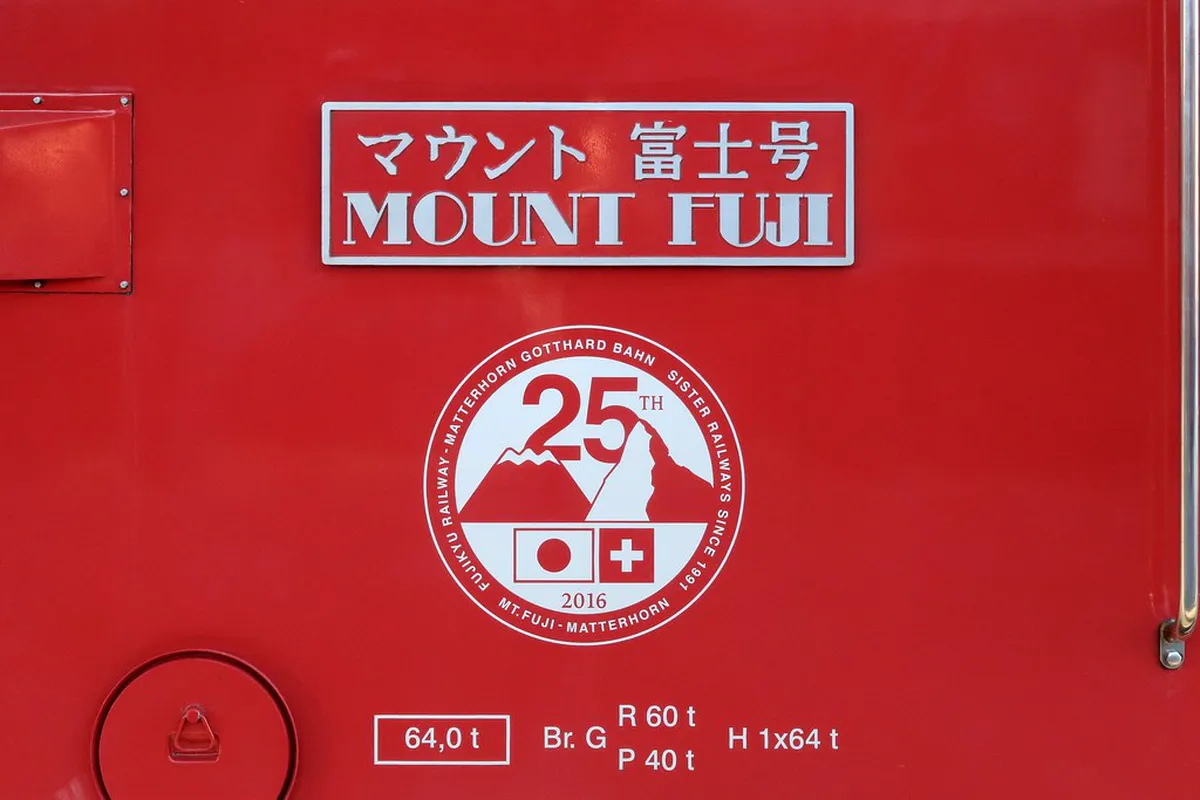
The Fuji Excursion Limited Express is the flagship train on this route. It departs from Tokyo's Shinjuku Station (tracks 9–10 on the JR Chuo Line platforms) and arrives at Kawaguchiko Station in just under two hours with no transfer required. The first departure is around 07:30 and the last is around 22:30, though the number of daily trips is limited — typically three to four each direction. Tickets cost ¥4,130 one-way for a reserved seat. The train has power outlets at every seat, free Wi-Fi, and overhead luggage racks wide enough for a 70-litre pack, which matters if you are staying overnight.
Book through the JR East website, Eki-net, or at any JR ticket counter (green-windowed "Midori no Madoguchi" offices). Reservations open one month before the travel date and popular weekend slots fill within days, not weeks. If you cannot get a reserved seat on the Fuji Excursion, a non-reserved car is sometimes available on certain departures — check when booking.
The slower but cheaper alternative is the JR Chuo Line to Otsuki followed by a transfer onto the Fujikyu Railway to Kawaguchiko. From Shinjuku, limited express services (Kaiji or Azusa) reach Otsuki in about 70 minutes for around ¥3,530 including the express surcharge; a local rapid train takes about 100 minutes at ¥1,270 for the JR portion. Add ¥1,140 for the Fujikyu Railway segment from Otsuki to Kawaguchiko (plus a ¥600 express surcharge if your Fujikyu train is an express). Total cost via local trains is around ¥2,510, and total travel time is 2 hours 30 minutes to 3 hours depending on connections.
One detail worth knowing: after Otsuki, the Fujikyu Line climbs steadily toward the base of Mount Fuji. The mountain appears on the right side of the train as you travel from Otsuki toward Kawaguchiko — take a window seat on the right for the best views. On clear mornings the cone is visible for nearly 20 minutes before the final descent into Kawaguchiko.
JR Pass vs JR Tokyo Wide Pass: Which Covers Kawaguchiko?
This is the question that trips up more visitors than any other logistics issue on this route. The standard nationwide JR Pass covers only the JR portion of the journey — Shinjuku to Otsuki on the JR Chuo Line. From Otsuki, the Fujikyu Railway is a private railway and is not covered. JR Pass holders still need to buy a separate Fujikyu ticket from Otsuki to Kawaguchiko (¥1,140 base fare, plus ¥600 express surcharge if applicable), bringing the extra out-of-pocket cost to ¥1,740.
The JR Tokyo Wide Pass is a different and often better deal for this specific trip. Priced at ¥15,000 for three consecutive days (adults, 2026 pricing), it covers the entire Fuji Excursion journey — including the Fujikyu Railway segment — so you pay nothing extra at the Kawaguchiko end. It also covers the Shinkansen to Nikko, Karuizawa, and several other popular day-trip destinations from Tokyo. If you are making two or three day trips from Tokyo within three days, the Wide Pass often breaks even or saves money compared to buying individual tickets.
To buy the Wide Pass, visit any JR East Travel Service Center in Tokyo (Shinjuku, Tokyo, Ueno, Narita Airport). You cannot use the Wide Pass as a replacement for the 7-day/14-day/21-day nationwide JR Pass — they are entirely separate products. Check which pass matches your wider itinerary before committing.
Getting from Tokyo to Kawaguchiko by Highway Bus
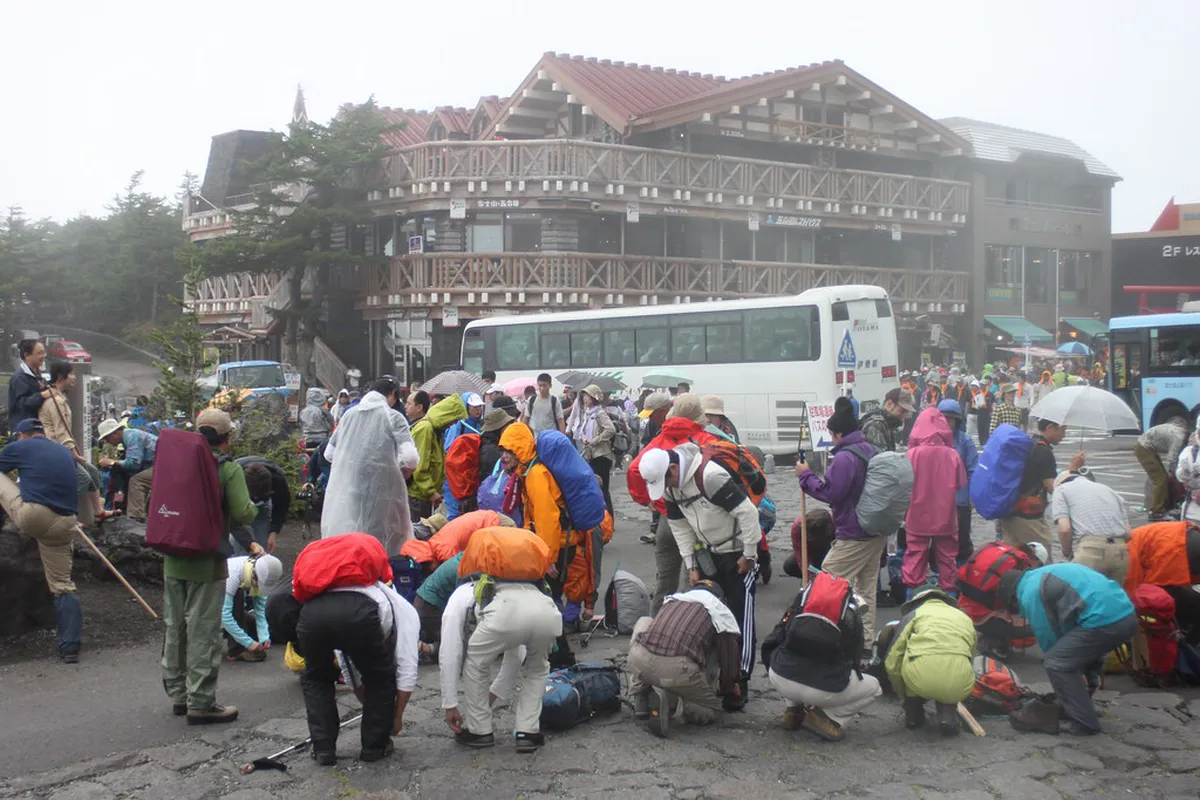
Highway buses are the most budget-friendly direct option and depart from Shinjuku Expressway Bus Terminal (Busta Shinjuku), located on the fourth floor directly above Tokyo's Shinjuku Station. Buses also pick up at Tokyo Station (Yaesu Exit), Shibuya, and Ikebukuro on some routes. The ride to Kawaguchiko takes approximately two hours in normal traffic, though expect 30–60 minutes extra on peak-season weekends when the Chuo Expressway fills up between 08:00 and 10:00.
Fares start at around ¥2,100 one-way. Keio Bus, Fujikyu Bus, and Willer Express all serve this route. Book online through Highway Buses Japan, Kosoku Bus, or the individual operator sites. The booking process is straightforward in English. Most buses have reclining seats and luggage storage beneath the coach; a few morning services also stop at Fuji-Q Highland before terminating at Kawaguchiko Station, which is convenient if the amusement park is on your list.
If the direct Kawaguchiko service is sold out, check whether a bus to Fujisan Station (the next stop on the Fujikyu Railway before Kawaguchiko) is available. From Fujisan Station it is one stop on the Fujikyu Line to Kawaguchiko — total extra cost around ¥240 and about 10 minutes.
Getting from Tokyo to Kawaguchiko by Private Car or Tour
Driving from Tokyo to Kawaguchiko takes about 1.5 to 2 hours on the Chuo Expressway in light traffic. The route is well-signposted and navigation apps handle it easily. Toll costs run ¥2,000–¥3,000 one-way depending on your origin point in Tokyo. Parking at Kawaguchiko is available at paid lots near the station (around ¥500–¥800 per hour) and at most lakeside attractions. Be aware that on sunny weekend mornings in cherry-blossom and autumn-leaf season, the approach road into Kawaguchiko can gridlock from around 09:00 — leaving Tokyo by 07:00 avoids the worst of it.
Private driver services provide door-to-door pickup from your Tokyo hotel and are the smoothest option for families with young children or travellers with mobility considerations. Costs typically range from ¥25,000 to ¥70,000 for a group of up to seven people for a full-day return trip. Guided day tours from Tokyo bundle transport with a guide and usually include Chureito Pagoda and a lakeside stop. Tour prices start at around ¥8,500 per person for a seat on a shared bus tour.
Comparing Your Travel Options: Cost, Time & Convenience
Use the Tokyo–Kawaguchiko transport calculator to compare estimated group costs, including rental fees, tolls and parking. Adjust the rental duration if you plan to stay overnight.
The table below summarises the four main options for 2026. "Comfort" reflects seating, luggage space, and likelihood of crowding. "Booking difficulty" reflects how far ahead seats typically sell out.
- Fuji Excursion train — ¥4,130 one-way | under 2 hours | no transfer | comfort: high | best for: travellers who want speed and a guaranteed reserved seat; JR Tokyo Wide Pass holders ride free.
- JR + Fujikyu (local/limited express) — ¥2,510–¥3,530 one-way | 2h30m–3h | transfer at Otsuki | comfort: moderate | best for: JR Pass holders who want to minimise extra spend; budget travellers willing to accept the extra time.
- Highway bus — ¥2,100 one-way | 2–2.5 hours | direct, no transfer | comfort: moderate | best for: budget travellers without a rail pass; easy to book online; seats recline.
- Private car or tour — ¥8,500+ per person (tour) / ¥25,000–¥70,000 per vehicle (private driver) | 1.5–2 hours | door-to-door | comfort: highest | best for: families, groups of 4+, or anyone who values flexibility over cost.
If you hold a nationwide JR Pass and have already committed to it, the most cost-efficient route is the JR Chuo Line to Otsuki (covered) plus a Fujikyu Railway ticket from Otsuki to Kawaguchiko (¥1,740 extra). If you have not yet bought any pass and are staying in Tokyo for three days or fewer with day trips planned, price out the JR Tokyo Wide Pass before defaulting to the national pass.
Getting Around Kawaguchiko
Kawaguchiko Station is compact: two outdoor island platforms, a staffed ticket office, and a bus terminal that you reach by walking through the ticket gate. Everything you need for local transport is within 50 metres of the exit. IC cards (Suica, Pasmo) work on the Fujikyu Railway and on the local sightseeing buses, so you can tap in and out without buying paper tickets for most journeys.
Four colour-coded sightseeing bus lines radiate from the station: the Red Line (Kawaguchiko Sightseeing Bus) loops the southern shore of the lake and hits Oishi Park, the Maple Corridor, and the Itchiku Kubota Art Museum; the Green Line heads toward Lake Saiko; the Blue Line continues to Narusawa, Lake Shoji, and Lake Motosu; the Brown Line is a free Fujikyu loop shuttle. A two-day unlimited pass for the Red and Green lines costs ¥1,700, which pays off if you visit three or more stops. Buses run roughly 09:00–17:30 with varying frequency — check the timetable board at the station bus terminal on arrival, as schedules adjust seasonally.
Rental bicycles are available near the station from around ¥1,500 per day for a standard bike or ¥3,000 for an electric-assist model, which makes the gentle climb to Oishi Park on the north shore much easier. Taxis wait outside the station exit and charge standard metered rates. For a full size version of our Lake Kawaguchiko map, click here.
Top Things to Do in Kawaguchiko
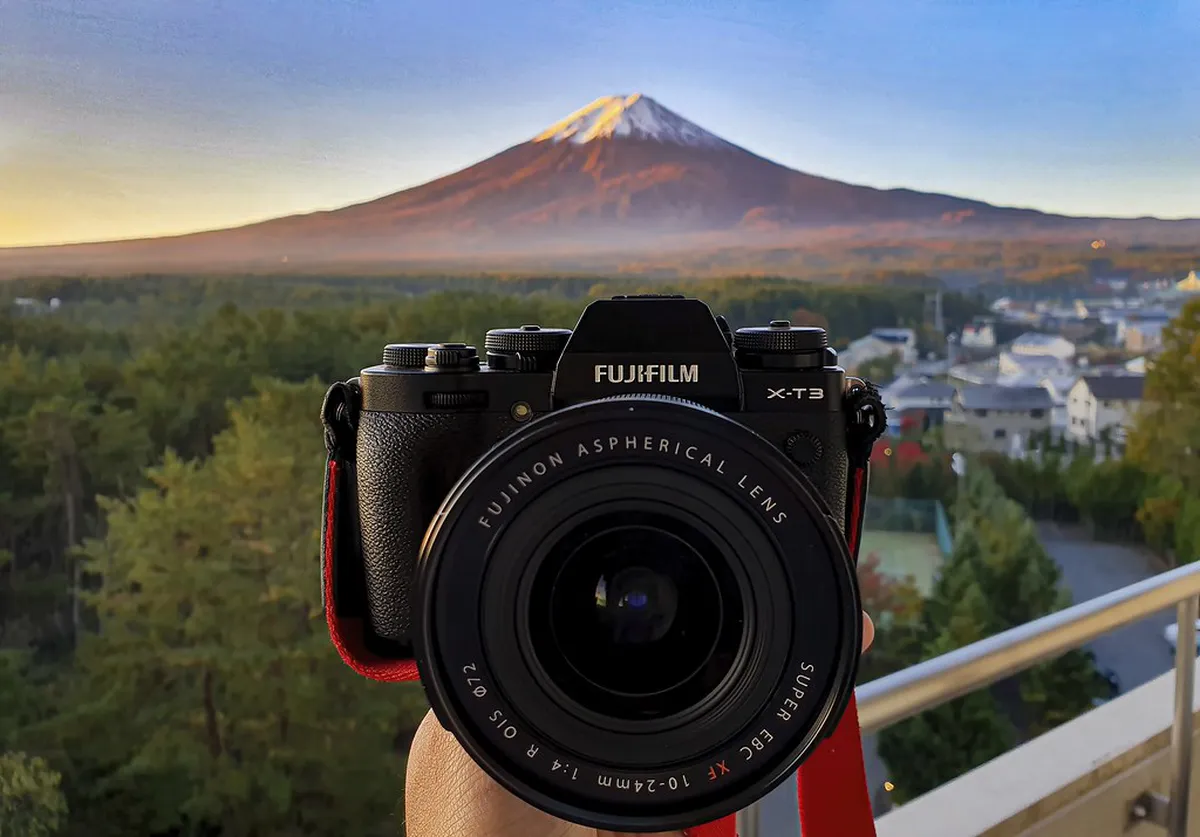
Kawaguchiko is more than a viewpoint for Mount Fuji, though the views alone can justify the trip. The mountain is best seen from the northern shore before 09:00, when cloud build-up has not yet obscured the upper cone. The two best spots on the northern shore are Oishi Park (lavender in mid-June; blueberry picking in July and August; kochia balls turning crimson in October) and the nearby Kawaguchiko Natural Living Center. Both are on the Red Line bus. See the full breakdown on our 15 Best Kawaguchiko Attractions & Things To Do (2026 Guide) page.
The Kachi Kachi Ropeway (also called the Mt. Fuji Panoramic Ropeway) runs up Mount Tenjo in three minutes and gives a bird's-eye view of both the lake and Fuji from 1,075 metres. It is close enough to the station to work in as the first activity after arrival. The Itchiku Kubota Art Museum houses an exceptional collection of kimono dyed using a revived 15th-century technique — the teahouse garden with its direct Fuji view is one of the calmest spots in the area. The Kawaguchiko Museum of Art and the Kawaguchiko Konohana Museum are small but worthwhile if you want to spend a couple of hours off the lakefront.
For food, the local speciality is hōtō — thick flat wheat noodles simmered in a miso and pumpkin broth. The Hōtō Fudō restaurant chain has locations around the lake and is reliable. In the evening, a dip in the public onsen at Hotel Mifujien or Yurari (entry from ¥1,200) is a good way to end the day before catching the return bus or train.
Day Trip from Tokyo: How to Structure the Day
A day trip to Kawaguchiko from Tokyo is feasible but requires an early start. Catch the first or second Fuji Excursion of the morning from Shinjuku (departures around 07:30 and 09:00), arriving by 09:30–11:00. Fuji is typically clearest in the two hours after arrival — head straight to Oishi Park or the ropeway before clouds develop. Buy a 2-day Red Line bus pass at the station even if you only need it for one day, because it covers multiple stops without the hassle of tapping individually.
A realistic day-trip sequence: ropeway first (30–40 minutes), then Red Line bus to Oishi Park (20 minutes from station), then the Itchiku Kubota Art Museum if time allows, then hōtō lunch back near the station, then a lakeside walk or boat cruise before the return. Last Fuji Excursion trains back to Shinjuku depart Kawaguchiko around 18:30 and 21:30 — check the current timetable when you arrive. The highway bus is a viable alternative for the return and departs more frequently.
If the Fuji Excursion is sold out for your preferred morning slot, take the first available highway bus. Bus seats are usually available with a few days' notice even when trains are full, because bus capacity is larger and several operators run competing services on the same route.
Practical Tips for a Smooth Journey
Book the Fuji Excursion as soon as your dates are confirmed — at least two weeks ahead for weekdays, four weeks ahead for weekends and public holidays. The golden week period in late April and early May, the shibazakura festival in mid-April to late May, and autumn leaf season in October and November are the three stretches where both train and bus seats sell out fastest.
- At Shinjuku Busta, the highway bus terminal, go to the fourth floor above the New South Exit of Shinjuku Station. Allow 15 minutes to find your bay the first time; the layout is clear but busy.
- Luggage lockers are available at Shinjuku Station (both inside and at the bus terminal) and at Kawaguchiko Station. If you are doing a day trip, storing a large bag in Shinjuku and travelling light to Kawaguchiko is more comfortable than hauling it onto crowded sightseeing buses.
- Load your IC card (Suica or Pasmo) before leaving Tokyo. It works on most local buses at Kawaguchiko, saving you the trouble of handling exact cash on board.
- If your target date sells out for the Fuji Excursion, try the Kaiji or Azusa limited express to Otsuki plus Fujikyu Railway. The combined journey takes about 30 minutes longer but is almost always bookable closer to the travel date.
- Mount Fuji is often hidden behind clouds by early afternoon. Prioritise lakeside viewpoints in the morning. Check a live webcam (search "Kawaguchiko live camera") on the morning of your trip before committing to the earliest departure.
- The Chuo Expressway can jam significantly on sunny weekend mornings between 08:00 and 11:00. If driving, aim to leave Tokyo by 07:00 or after 10:00.
Frequently Asked Questions
Is Kawaguchiko worth visiting?
Absolutely, Kawaguchiko is highly recommended for its stunning views of Mount Fuji. It offers beautiful natural scenery, charming museums, and various outdoor activities.
Many consider it a highlight of their Japan trip.
How long should I spend at Kawaguchiko?
For a comprehensive experience, plan at least one full day, preferably an overnight stay. This allows you to catch both sunrise and sunset views of Mount Fuji. A day trip is feasible but can feel rushed.
What's the cheapest way to get to Kawaguchiko from Tokyo?
The highway bus is generally the cheapest option, costing around ¥2,000-¥2,500 / ~$14-$17 one-way. It offers direct service and takes approximately 2-2.5 hours.
Book in advance for the best fares.
Can I use my JR Pass to get to Kawaguchiko?
The JR Pass covers the JR Chuo Line portion from Shinjuku to Otsuki. However, the Fujikyu Railway Line from Otsuki to Kawaguchiko is not covered. You will need to purchase a separate ticket for this segment.
Traveling from Tokyo to Kawaguchiko is a journey filled with anticipation and rewarding views of Mount Fuji. Whether you choose the speed of the train or the economy of the bus, planning is essential. Consider your budget, time constraints, and desired comfort level to select the best option for your adventure. With these tips, you're ready for an incredible trip.
Kawaguchiko promises unforgettable memories, from picturesque lake views to cultural attractions. Enjoy your journey to this iconic Japanese destination. Safe travels, and may Mount Fuji grant you clear skies!
Free: The Kawaguchiko Essentials guide
Top things to do, where to stay, a perfect day plan, getting around, and the best time to go — a Kawaguchiko mini-guide you can take offline.
You might also like

Continue reading
More guides you'll find useful


