

9 Best Things to Do in Izumo, Japan (2026)
Plan the best things to do in Izumo, Japan, from Izumo Taisha shrine to Inasa-no-Hama beach and Hinomisaki lighthouse, with 2026 hours and costs.
On this page
Our team tracks Izumo closely as part of our wider Sanin region coverage. This guide rounds up the best things to do in Izumo for 2026. Most visitors land here for one reason: Izumo Taisha, one of Japan's oldest and most important Shinto shrines. But the coastline north of the shrine, from a sacred beach to a lighthouse, rewards a longer stop.
Izumo sits in Shimane Prefecture, a 30 to 40 minute train or car ride from Matsue. Matsue is home to Matsue Castle, one of Japan's twelve original castle keeps. We built this guide around the sights every visitor asks about first, plus a handful of quieter picks nearby. Expect specific hours and costs throughout, since prices at shrines and museums in this region change with the season.
Last updated for 2026, this guide reflects current opening hours and admission costs where they're published. For volatile details like exact ticket prices, we note where to double-check before you go. Pair Izumo with a stop at Matsue's castle and canal district if you have a full day in the region.
The Kaguraden hall at Izumo Taisha displays a massive shimenawa rope stretching 13.6 meters and weighing over five tons—the largest rope of its kind in Japan.
Hinomisaki Lighthouse is Japan's tallest stone lighthouse at 43.65 meters high and still guides ships in the Sea of Japan today.
Is Izumo Worth a Day Trip From Matsue?
Izumo earns its reputation as a pilgrimage site, and even a rushed visit to the shrine and its approach street justifies the trip. Budget at least four to five hours if you're only doing Izumo Taisha, the museum next door, and lunch on Shinmon-dori. Add the coastal sights, Inasa-no-Hama and Hinomisaki, and the visit stretches into a full day.
Public transit between these spots is workable but slow, since buses to Hinomisaki run roughly once an hour. A rental car cuts the coastal loop from Izumo Taisha to Hinomisaki down to about 20 minutes each way. If you're building a longer Sanin route, our guide to days needed in Sanin breaks down where Izumo fits.
Families with young kids often find a half-day enough, focusing on the shrine grounds and the beach. History and shrine enthusiasts should set aside the full day and add the museum and the lighthouse climb. Either way, come with cash, since several of the smaller shops and experiences here don't take cards.
9 Best Things to Do in Izumo, Japan
This list mixes the sights everyone plans around with a few picks that reward a slower pace. For a deeper dive into local dishes like Izumo soba and zenzai, see our Sanin region food guide. We've ordered these roughly by how most visitors move through Izumo, starting at the shrine and finishing on the coast.
One thing we'd skip if time is tight is the standalone shimenawa rope-making workshop near the shrine. It's a fun 30-minute activity, but you can see an identical, far larger rope for free inside the Kaguraden hall. Save that hour for the coastal drive to Hinomisaki instead.
Every item below lists typical costs, hours, and how to get there from Izumo Taisha or JR Izumoshi Station. Confirm hours before you go, since several smaller sights close on rotating weekdays or for winter breaks. Here are the nine best things to do in Izumo.
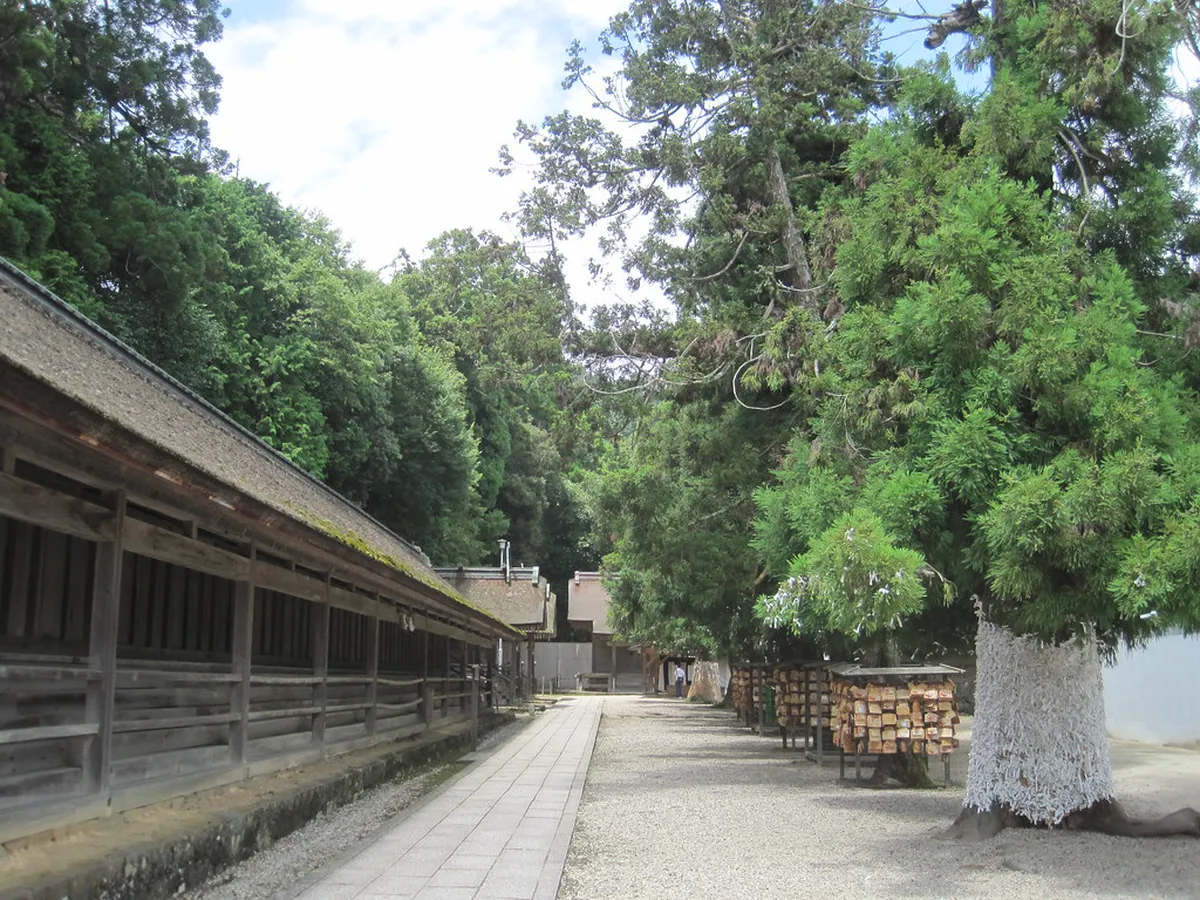
- Izumo Taisha, the Izumo Grand Shrine
- This is one of Japan's oldest and most revered Shinto shrines, dedicated to the god of marriage, Okuninushi.
- The Kaguraden hall displays a shimenawa rope stretching 13.6 meters and weighing over five tons.
- The shrine grounds stay open 6am to 8pm in warmer months and 6:30am to 8pm from November to February.
- Entry to the grounds is free, and it's a five-minute walk from Izumo-taisha-mae Station on the Ichibata Railway.
- Arrive right at opening to see the shrine before the first tour buses from Matsue pull in.
- Shimane Museum of Ancient Izumo
- This museum sits a short walk from Izumo Taisha and houses the region's most significant archaeological finds.
- Its centerpiece is a wall of 358 bronze swords unearthed nearby at the Kojindani dig site.
- Admission runs around 620 yen for adults, with hours generally 9am to 6pm in the warmer months.
- It's an easy rainy-day option since the exhibits are entirely indoors and rarely crowded before noon.
- Plan on 45 to 60 minutes if you want to read the English placards on the bronze artifacts.
- Inasa-no-Hama, the sacred beach
- This gray-sand beach sits about a 12-minute walk from Izumo Taisha and opens onto the Sea of Japan.
- Locals believe this is where Japan's eight million gods first arrive each lunar October.
- Look for the small Bentenjima islet just offshore, topped with a red torii gate.
- There's no admission fee, and the beach stays open around the clock.
- Sunset here draws a steady stream of photographers, so arrive at least 30 minutes before dusk for a clear spot.
- Hinomisaki Shrine, the bright red shrine
- Painted a deep vermilion, this shrine sits at the tip of the Shimane Peninsula about 8km north of Izumo Taisha.
- It enshrines Amaterasu, the sun goddess, and is said to protect Japan through the night.
- Getting here from Izumo Taisha takes roughly 20 minutes by bus or car along the coast road.
- Pick up a 300-yen daruma omikuji fortune doll from the shrine office before you head to the lighthouse.
- The shrine looks best in the hour before sunset, when the vermilion paint catches the last light.
- Hinomisaki Lighthouse, the tallest in Japan
- A 10-minute walk from Hinomisaki Shrine brings you to this bright white lighthouse rising 43.65 meters.
- It holds the record as the tallest stone lighthouse in Japan and still guides ships today.
- Climbing to the top costs a small entry fee, roughly 200 to 300 yen depending on the season.
- Hours run 9am to 4:30pm, and the lighthouse closes for two days at year's end, December 30 and 31.
- Wind off the Sea of Japan can be strong up top, so skip flip-flops and bring a light jacket.
- Shinmon-dori, the shrine approach street
- This 700-meter street runs from Izumo Taisha's main gate to the giant stone torii, lined with shops and cafes.
- Stop for zenzai, a sweet red bean soup with rice balls said to have originated here in Izumo.
- Wariko soba, served in three stacked lacquer boxes, is the other dish worth queuing for.
- Most shops open around 9am and start closing by early evening, so plan lunch here rather than dinner.
- Rent a bicycle near Izumotaisha-mae Station if you want to cover the street and the beach in one loop.
- Shimane Winery Factory Tour and Tasting
- A free factory tour here ends with a self-service wine tasting, no reservation required.
- The tasting hall and shop run 9:30am to 5pm, with extended hours until 6pm from April to September.
- It's an easy add-on since it sits only about a five-minute bus ride from Izumo Taisha.
- Families appreciate it too, since the grounds include a barbecue restaurant serving Shimane wagyu beef.
- Skip driving if you plan to taste more than one pour, since buses run regularly from central Izumo.
- Izumo Cultural Tradition Hall
- This hands-on cultural center lets visitors try a real tea ceremony or a Japanese sweets-making class.
- The garden and traditional architecture alone are worth a stroll, even without booking an activity.
- It's open 9am to 5pm, last entry 4:30pm, and closed Mondays except on public holidays.
- A restaurant on site serves Izumo soba with a garden view if you'd rather just relax.
- Reserve the tea ceremony experience a day ahead through the Izumo Tourism Association.
- Usagi, the quiet camellia coast village
- About 20 minutes by car from Izumo Taisha, Usagi is a former salt-trading fishing village.
- Guest Salon Tsubakisha offers hand therapy and camellia-oil-making using oil pressed from the surrounding forest.
- Gallery Shiwakuya, a converted Edo-era boathouse, serves lunch with a small garden view on weekends and holidays.
- This is the spot for travelers who want Izumo without the shrine-town crowds.
- Public transit is limited here, so a rental car makes the visit far less frustrating.
When to Visit Izumo Taisha: Crowds and Timing
Izumo Taisha gets a specific kind of crowd surge that most guides don't explain clearly. In the lunar calendar's tenth month, usually mid-November on the modern calendar, Japan's gods are said to gather here. Locals call this Kamiarizuki, the month with gods, while the rest of Japan calls it Kannazuki, the month without them.
The welcoming ceremony, Kami-mukae Shinji, happens at sunset on Inasa-no-Hama beach, with priests lighting bonfires to lead the gods to the shrine. If your trip lines up with this week, expect heavier crowds at both the beach and the shrine that evening. Outside that window, mornings before 9am are consistently the quietest time to visit.
For a smaller ritual, ask about shiokumi, a monthly seawater-purification walk from the beach to the shrine held on the first of each month. It runs 70 to 100 minutes and costs around 3,000 yen per person, with a 10-person minimum through Ichibata Travel Service. Booking ahead is required, so confirm details through the Sanin best-time-to-visit guide before you plan around it.
Where to Stay Near Izumo Taisha
Taisha-cho, the neighborhood around the shrine, is the most walkable base if you want to see the grounds at dawn. Small guesthouses and ryokan here fill fast around festival dates, especially the Kamiarizuki week in November. One option travelers ask about is the Tsukiyo no Usagi hot-spring hotel, a 15-minute walk from Izumotaisha-mae Station. It offers onsen baths and a buffet dinner with fresh sashimi.
Tamatsukuri Onsen, about 30 minutes away by car or train, is Shimane's better-known hot spring town. It suits travelers who want a soak after a day of shrine-hopping rather than another night near the crowds. Our Sanin onsen guide covers ryokan pricing and booking windows for the wider region.
Budget travelers usually base themselves near JR Izumoshi Station instead, where chain hotels run cheaper and buses reach the shrine and the coast. Rooms here average less character but far more availability on short notice. Either base works for a one- or two-night stay, since nothing in this guide sits more than 30 minutes from JR Izumoshi Station.
Getting to Izumo: Sleeper Train, Shinkansen, or Flying
Izumo sits outside the Shinkansen network, so every route in from Tokyo costs real time. We map out the three realistic options below so you can weigh the trade-offs before booking.
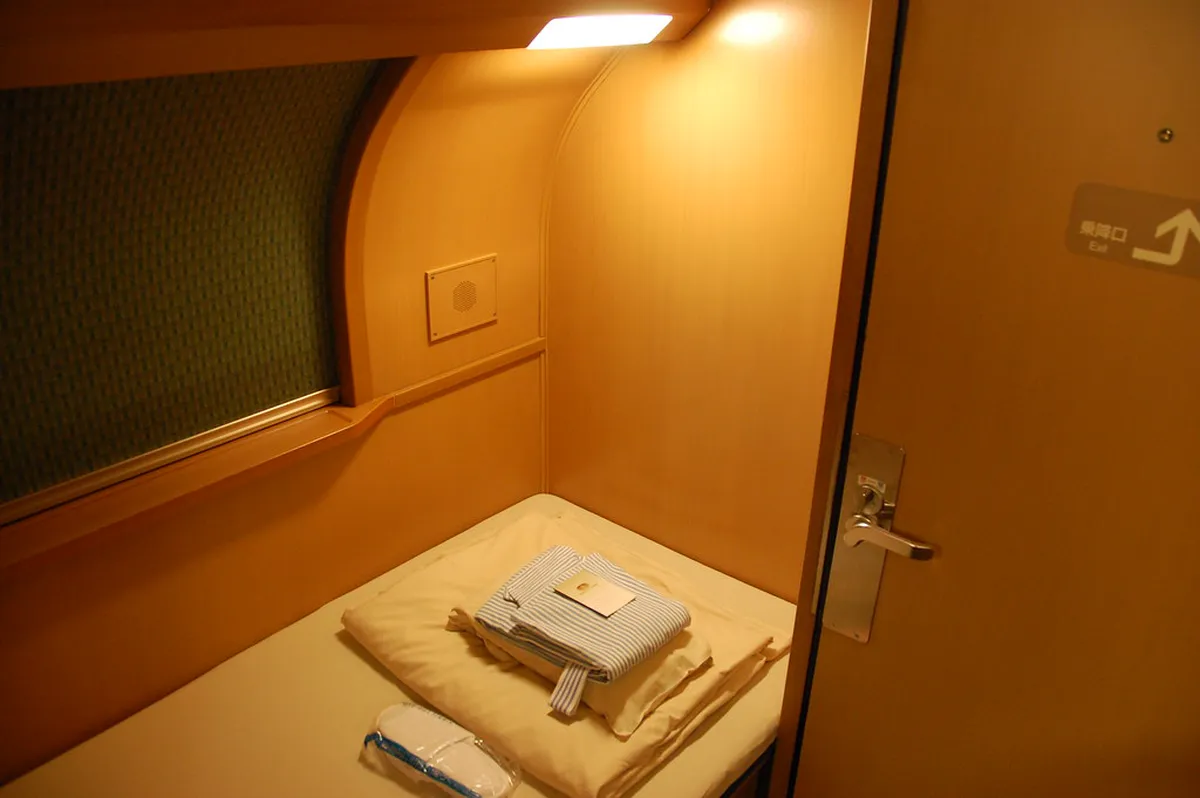
Flying into Izumo Enmusubi Airport gives the shortest time in the air, but door to door the trip runs about 4 to 6 hours once you count airport transfers on both ends, and flights only run in daylight. The Shinkansen plus a limited express change at Okayama takes roughly 7 to 7.5 hours seated, with flexible departures throughout the day. The Sunrise Izumo, Japan's last remaining sleeper train, leaves Tokyo Station in the evening and pulls into Izumo-shi Station around 10am the next morning, a ride of just over 12 hours that costs zero daylight since you sleep through most of it. Berths sell out well ahead of peak dates, so book the Sunrise Izumo early if you want to try it.
For the full regional picture, see our guide to the best things to do in the San'in region.
Browse every attraction in depth — prices, hours and maps — on our Izumo attractions hub.
Going deeper on this theme? Our Soba, Wagyu, Zenzai and Street Food guide covers it in detail, with the practical planning this page leaves out.
Frequently Asked Questions
Is Izumo worth visiting?
Yes, especially if you're interested in Shinto shrines or Japanese mythology. Izumo Taisha ranks among Japan's oldest and most significant shrines, and the surrounding coast adds a sacred beach and a record-setting lighthouse. Most visitors find a half-day to full day here worthwhile.
What is Izumo famous for?
Izumo is best known for Izumo Taisha, one of Japan's oldest Shinto shrines and a major site for matchmaking prayers. Locals also prize Izumo soba noodles and Inasa-no-Hama, the beach where deities are said to arrive each year. The coastline further north adds Hinomisaki Shrine and Japan's tallest lighthouse.
What can you do in Izumo in one day?
A single day covers the essentials well. Start at Izumo Taisha and the Shimane Museum of Ancient Izumo, then walk Shinmon-dori for lunch and local sweets. Drive the coast afterward for Inasa-no-Hama beach and Hinomisaki's shrine and lighthouse at sunset, roughly seven to eight hours total.
Do you need a car to see Izumo's attractions?
A car helps but isn't required. Buses and the Ichibata Railway connect Izumo Taisha, the beach, and JR Izumoshi Station, though the Hinomisaki bus runs only about once an hour. Renting a car cuts the coastal loop to roughly 20 minutes each way and gives more flexibility for sunset timing.
Izumo rewards a slower visit more than a checklist sprint, especially once you get past the shrine gates. Pair the shrine, the museum, and Shinmon-dori for a half-day, then add the coast if you have more time. For getting here from Osaka, Tokyo, or Izumo Enmusubi Airport, several options exist. Our guide to getting to the Sanin region walks through the sleeper train, shinkansen, and flight options.
Whichever route brings you in, build in real time for the coast road to Hinomisaki. The lighthouse climb and the sunset at the red shrine are the two things repeat visitors say they'd never skip. Ready to build a full route? Start with our Sanin itinerary guide for day-by-day planning across the region.
Free guide: Japan's Hidden Gems
12 under-the-radar places beyond Tokyo & Kyoto — with the best season to visit each and a local tip you won't find in the guidebooks.
You might also like


Continue reading
More guides you'll find useful


