9 Best Things to Do in Iwakuni Beyond Kintai Bridge (2026)
Discover things to do in Iwakuni beyond Kintai Bridge, from Kikko Park and the castle ropeway to the White Snake Museum, with 2026 prices and hours.
On this page
We've walked Iwakuni's covered arcades enough times to know the five-arched Kintaikyo Bridge is only the opening act. Most visitors snap a photo of the wooden arches and head straight back to Hiroshima. They miss the old samurai quarter, a working cormorant-fishing river, and a museum built around a rare white snake. This guide covers things to do in Iwakuni beyond Kintai Bridge, with 2026 prices and a route for one afternoon or a full day.
We updated these details in July 2026 after checking current prices for the ropeway, castle, and White Snake Museum. Prices bounce around a bit year to year, so we note where to double-check the official site. Beyond the bridge, the real draw is Kikko Park's old samurai quarter and a mountaintop castle reached by gondola. A river nearby even hosts cormorant fishermen on summer nights.
Below we break down nine specific stops, how to link them into one walking route, and where a single combined ticket saves real money. We also flag the one attraction most guides oversell.
3 hours (tight) to full day
9:00 a.m. arrival; weekdays preferred
¥940 combined ticket + ¥200–¥1,800 for food
The Kintai Bridge Combined Ticket, Explained
The five-arch Kintaikyo Bridge itself is not the topic here, but almost every route beyond it starts at its base near Kikko Park. The bridge charges a toll of about ¥310 one-way for adults, and the ticket booths run from 8:00 a.m. to 5:00 p.m. Iwakuni's official tourism office lists the same booth hours for the ropeway ticket window next door. After 5:00 p.m., the toll gates open and crossing becomes free, though most nearby sights close by then.
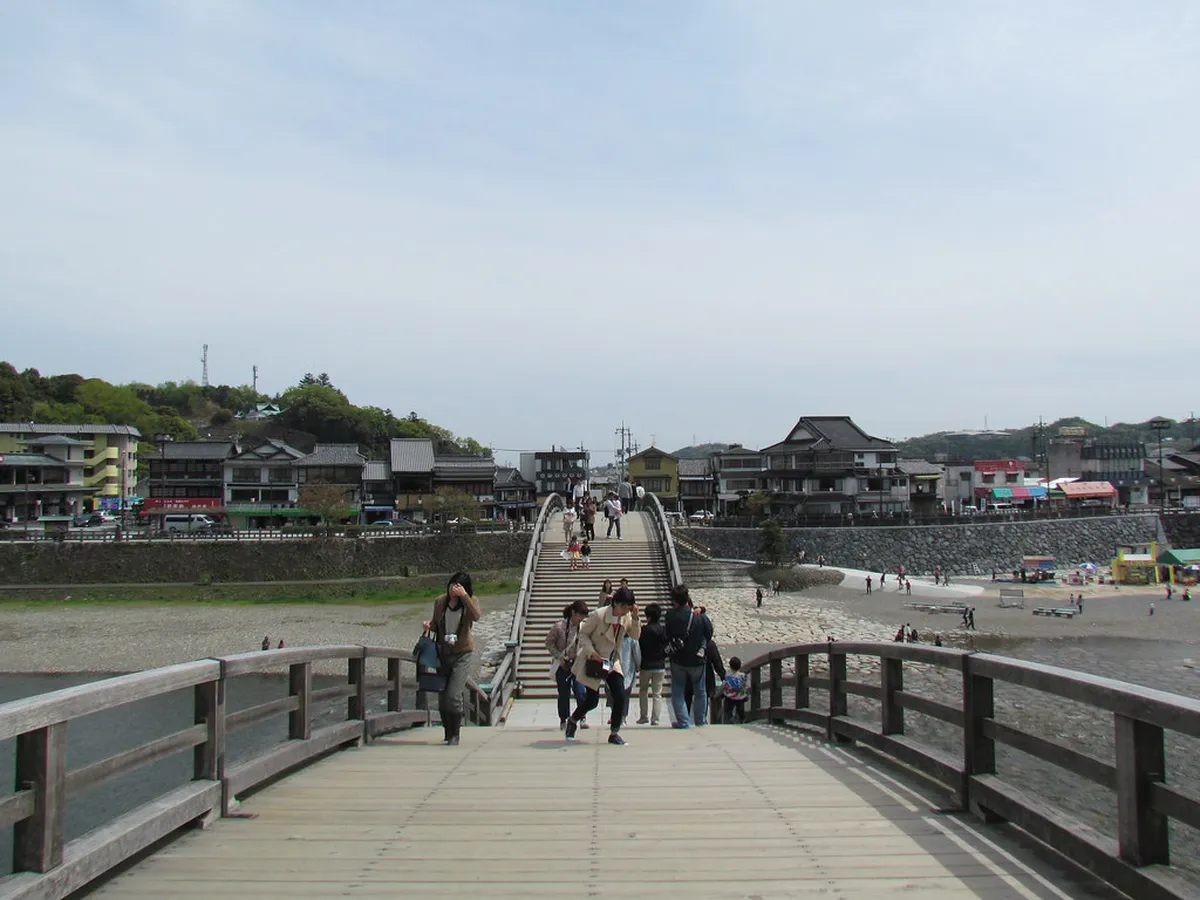
A combined ticket bundles the bridge toll, the ropeway ride, and Iwakuni Castle admission for about ¥940 per adult. Buying the three separately costs closer to ¥1,130, so the bundle saves roughly ¥190 and skips two extra ticket lines. Families should ask for the child rate at the same counter, since it is rarely advertised on posted signs. We'd buy this ticket first, at the booth by the bridge's east end, before doing anything else.
Plenty of visitors arrive as a day trip from Hiroshima, and timing the return train matters more than people expect. If that's your plan, see our Kintaikyo Bridge day trip guide from Hiroshima for train and bus timing. The last useful bus back toward JR Iwakuni Station usually leaves the bridge area around 6:00 p.m.
9 Things to Do in Iwakuni Beyond Kintai Bridge
We ordered these nine stops the way you'd actually walk them, starting inside Kikko Park and finishing back at the river. Each entry below covers cost, hours, and a get-there tip pulled from our own notes and the operators' posted signage. A few make sense only in summer, and we flag those clearly.
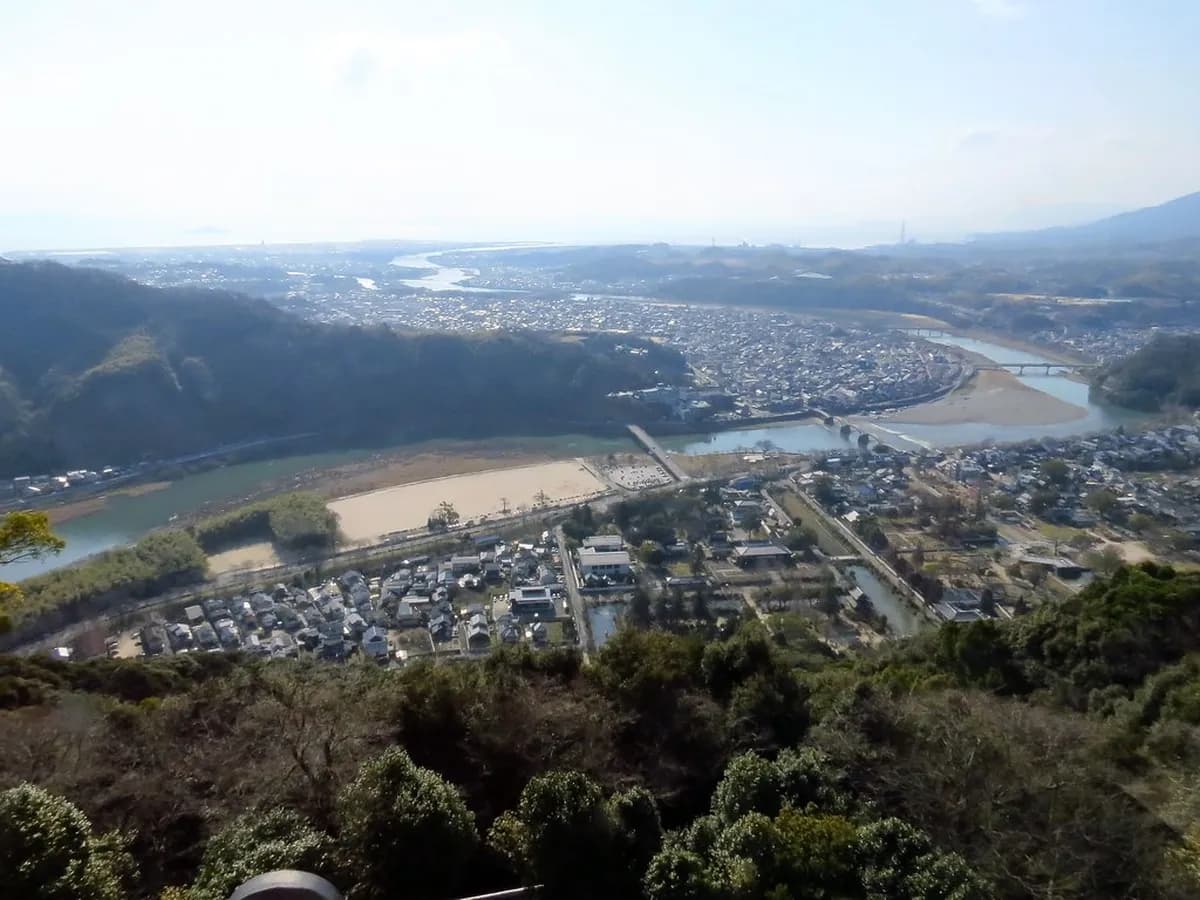
Kikko Park anchors the whole route, since four of the nine stops sit inside or right next to its grounds. From there, a short gondola ride swaps the flat park paths for mountain views over the Seto Inland Sea. Budget roughly four hours to hit everything at an easy pace, or stretch it to a full day with lunch.
Most of these sights cluster within a fifteen-minute walk of each other, so a car adds little value here. Comfortable shoes matter more than transport, since the castle hike and park paths both involve stairs. Coin lockers near the ropeway's base station hold day bags for about ¥300. That leaves hands free for photos on the ropeway and at the castle's observation deck.
- Kikko Park, Iwakuni's Historic Riverside Quarter
- This open riverside park anchors the route, with pine-lined paths, ponds, and a small zoo.
- Entry is free, and the grounds stay open around the clock, though attractions inside keep their own hours.
- It sits a five-minute walk from the bridge's east end, right past the ticket booths.
- Early mornings here are close to empty, since most day-trip buses arrive after 10:00 a.m.
- Former Mekata Samurai Residence, Kikko Park
- This preserved samurai house sits along Kikko Park's old residence row, one of the few open to visitors.
- Admission runs about ¥200, and it opens daily from 9:00 a.m. to 5:00 p.m.
- The tatami rooms and low doorways give a clearer sense of Edo-period samurai life than any plaque can.
- Plan for ten quiet minutes here, since there is no gift shop or crowd to rush past.
- Iwakuni Art Museum, Samurai Armor Collection
- This museum inside Kikko Park holds samurai armor, swords, and lacquerware from the old domain.
- Tickets cost roughly ¥500 for adults, and the museum opens 9:00 a.m. to 5:00 p.m., closed some Mondays.
- It suits history-minded travelers more than kids, since displays lean on Japanese-only text.
- Photography is banned inside, so save your camera for the armor case near the entrance hall.
- Iwakuni Shirohebi Museum, The White Snake House
- This small museum protects Iwakuni's rare white snakes, a natural monument found almost nowhere else in Japan.
- Admission is about ¥200, with hours from 9:00 a.m. to 5:00 p.m. daily.
- Live snakes rest behind glass in a climate-controlled room, calmest and most visible in the cooler morning hours.
- It works well as a rainy-day stop, since the whole visit fits under twenty minutes.
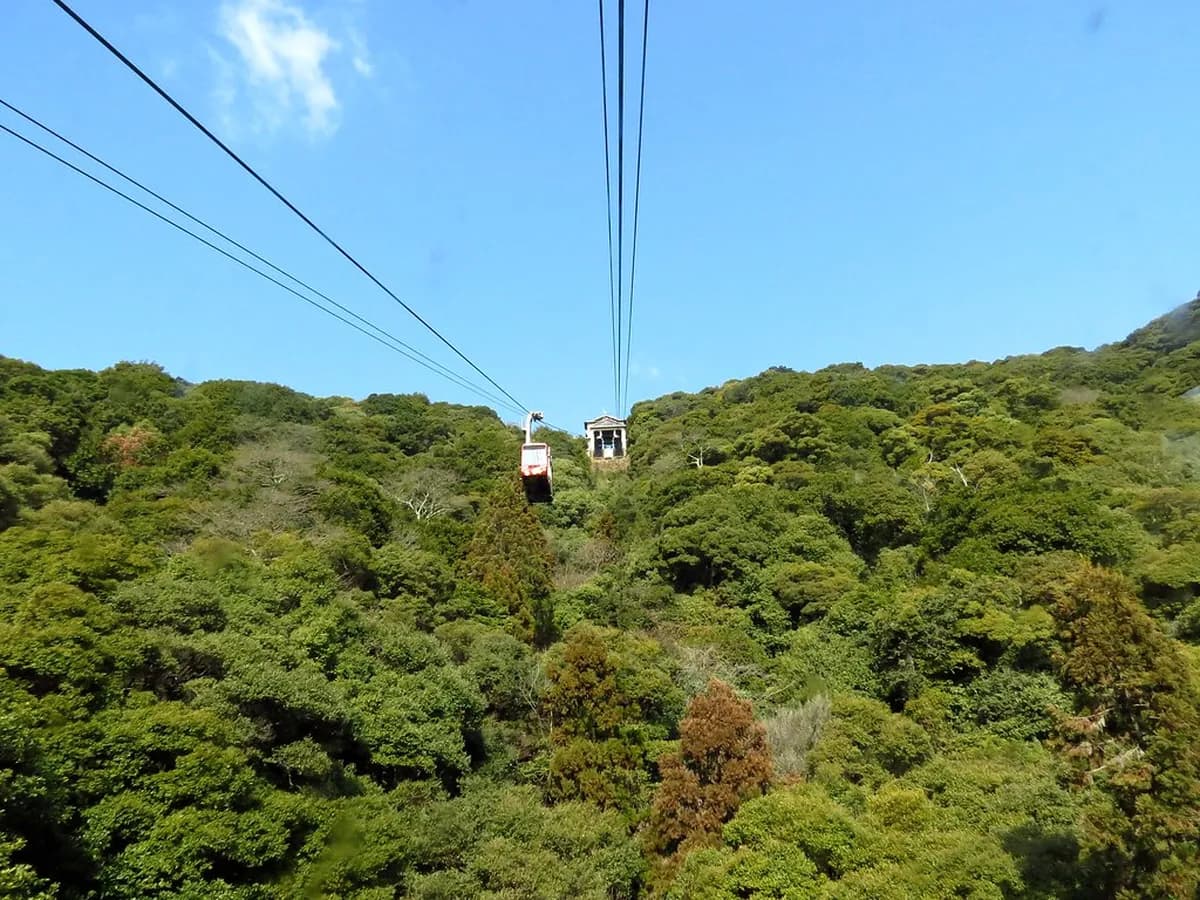
- Iwakuni Castle Ropeway, The Mountain Gondola
- This three-minute gondola ride swaps Kikko Park's flat paths for a mountaintop station near Iwakuni Castle.
- A round-trip ticket costs about ¥560 for adults and ¥260 for children, running 9:00 a.m. to 5:00 p.m.
- Cars depart roughly every fifteen minutes, and lines rarely form before 10:00 a.m.
- Grab a window seat facing west for the best view of the Nishiki River below.
- Iwakuni Castle, The Rebuilt Mountaintop Keep
- The rebuilt keep sits atop Mount Shiroyama, now a small museum of armor, swords, and clan history.
- Admission runs about ¥260, possibly closer to ¥300 now, open 9:00 a.m. to 4:30 p.m.
- The top-floor observation deck gives a clear view of the Seto Inland Sea on clear days.
- It closes thirty minutes before the ropeway's last descent, so check the time before climbing the stairs.
- Anago Meshi, Grilled Conger Eel Rice Bowl
- This grilled conger-eel rice bowl is a Seto Inland Sea specialty, sold near the park's Nishiki-machi entrance.
- A bowl typically costs between ¥1,200 and ¥1,800, depending on size and grade.
- It works well as a sit-down lunch break between the park sights and the ropeway ride.
- Order it grilled, not fried, for the smokier version locals actually order.
- Musashi Ice Cream, Unusual Soft-Serve Flavors
- Musashi, a small parlor at Kikko Park's edge, rotates through flavors like wasabi and sea salt.
- A cone runs about ¥350 to ¥450, cash-only at most times.
- It works as an easy, budget-friendly break for families between bigger sights.
- The wasabi flavor is milder than it sounds, more warmth than heat.
- Nishikigawa Ukai, Traditional Cormorant Fishing
- From June through August, cormorant fishermen work the Nishiki River at night using trained birds to catch sweetfish.
- Boat viewing runs about ¥3,000 to ¥4,000 per person, though the riverbank view is free.
- This is the one experience on this list that most first-time visitors never know to look for.
- Check the current schedule before visiting, since river conditions can cancel a night's fishing.
Arrive by 9:00 a.m. to beat the tour crowds that descend between 10:30 a.m. and noon. The ropeway line is shortest in the first hour, and you'll have clearer photos at every stop.
White snakes are a living natural monument protected by the city. Don't miss the small gift shop attached to the museum—it has the only place to buy official white snake merchandise in Iwakuni.
| Stop | Duration | Cost (Adult) | Hours |
|---|---|---|---|
| Kikko Park | 45 min–1 hr | Free | 24/7 (attractions 9am–5pm) |
| Former Mekata Samurai Residence | 10 min | ¥200 | 9:00 a.m.–5:00 p.m. |
| Iwakuni Art Museum | 30 min | ¥500 | 9:00 a.m.–5:00 p.m. (closed Mondays) |
| White Snake Museum | 20 min | ¥200 | 9:00 a.m.–5:00 p.m. |
| Ropeway (round-trip) | 15 min ride | ¥560 | 9:00 a.m.–5:00 p.m. |
| Iwakuni Castle | 45 min–1 hr | ¥260–¥300 | 9:00 a.m.–4:30 p.m. |
| Anago Meshi (lunch) | 30–45 min | ¥1,200–¥1,800 | Varies (typically 11am–5pm) |
| Musashi Ice Cream | 10 min | ¥350–¥450 | Seasonal hours |
| Cormorant Fishing (summer) | 1–2 hrs | ¥3,000–¥4,000 (or free riverbank) | June–August, after dark |
How Much Time Do You Need Beyond the Bridge?
A tight half-day works if you stick to Kikko Park, the ropeway, and the castle, skipping the two food stops. That route takes about three hours, door to door, once you add walking time between stops. A full day lets you add both museums, lunch, and the ice cream stop without feeling rushed.
Morning starts beat afternoon ones, since tour buses from Hiroshima tend to arrive between 10:30 a.m. and noon. Arriving by 9:00 a.m. means quieter photos at the bridge and an empty ropeway line. Weekday visits also help, since weekend crowds noticeably slow the park's narrow bridges and stairways.
Travelers who prefer a self-guided structure can pull routes from the GPSmyCity app, which pins these same stops with walking directions. It works offline, which matters since cell signal gets patchy inside the castle's stone walls.
For a longer stay, our full Iwakuni attractions guide covers additional sights outside this walking loop. That guide is the better starting point if you're staying two nights or more in the city. Most of the stops on this list, though, fit inside a single well-paced day.
Family Picks, Budget Options, and What to Skip
Families with young kids do best at Kikko Park, the White Snake Museum, and Musashi's ice cream counter, all low-cost. None of the three requires more than ¥200 to ¥450 per person, and none involves real stairs or hiking. The castle hike and ropeway work fine for kids over six, though strollers won't make it up the mountain paths.
We'd skip the castle's upper-floor exhibit add-on if you've already seen the ground-floor armor collection, since it repeats similar pieces. Some souvenir shops near the bridge also mark up standard snacks well above what you'd pay inside Kikko Park itself. Save the shopping for the stalls just past the park's main gate instead.
Summer visits sometimes overlap with the Kintaikyo Fireworks Festival, which draws large crowds and fills nearby parking fast. If that's your trip window, pair it with the cormorant fishing on the river for one long summer evening. Book any restaurant table near the bridge in advance on festival nights.
Extending Your Trip Along the Seto Inland Sea
Iwakuni sits within reach of the wider Seto Inland Sea touring region, and a lot of visitors stretch this into a multi-day loop. Our Setouchi itinerary lays out a longer route connecting several coastal stops across the region. It's a useful reference if you're building a full week rather than a single day around Iwakuni.
Cyclists in particular often add the Shimanami Kaido, a cycling route strung across a chain of small islands. It sits roughly two hours from Iwakuni by train and local transfers, closer to a separate day trip than an add-on. Riders without their own bikes still cover most of the route using rental stations at either end.
None of this is required to enjoy Iwakuni on its own, and a single well-planned day covers the nine stops above easily. But if you have the extra time, the wider region rewards it.
Getting to Iwakuni and Kintai Bridge
Two train options get you here from Hiroshima. The JR Sanyo Line runs local and rapid trains directly into JR Iwakuni Station, about 45 minutes from Hiroshima Station. The faster route is the Sanyo Shinkansen's Kodama service to Shin-Iwakuni Station, roughly 15 minutes from Hiroshima, though Kodama trains stop more often and cost more than the local line.
From either station, a local bus covers the last stretch to the Kintaikyo bus stop in about 15 to 20 minutes; JR Iwakuni Station sits a bit closer to the bridge than Shin-Iwakuni. Travelers flying in from Tokyo can skip Hiroshima altogether and land at Iwakuni Kintaikyo Airport, a short bus ride from the bridge, which runs ANA flights to and from Haneda.
Once you're off the bus, nothing on this list requires a car. We'd budget the return trip carefully if arriving by Shinkansen, since Kodama service thins out in the evening.
Frequently Asked Questions
Is Iwakuni Castle worth visiting beyond the bridge?
Yes, especially paired with the ropeway ride up Mount Shiroyama. The rebuilt keep houses a small armor and sword museum, with sweeping views over the Nishiki River from the top floor. Admission runs about ¥260 to ¥300, open 9:00 a.m. to 4:30 p.m.
How much time do I need beyond Kintai Bridge?
Plan on three hours for a tight loop covering Kikko Park, the ropeway, and the castle. A full day adds both museums, lunch at an anago restaurant, and time for the unusual ice cream stalls. Most visitors comfortably finish everything by late afternoon.
Is there a combined ticket for the bridge, ropeway, and castle?
Yes, a combined ticket bundles the bridge toll, ropeway round-trip, and castle admission for about ¥940 per adult. Buying each separately costs closer to ¥1,130, so the bundle saves real money and skips extra ticket lines. Buy it at the booth near the bridge's east end.
When can I see cormorant fishing near Iwakuni?
Nishikigawa ukai runs from June through August on the Nishiki River, usually after dark. Boat viewing costs roughly ¥3,000 to ¥4,000 per person, though watching free from the riverbank works nearly as well. Check the current schedule before visiting, since weather can cancel a night's session.
What should I skip in Iwakuni?
We'd skip the castle's upper-floor exhibit add-on if you've already toured the main armor collection, since the pieces overlap. Souvenir shops right at the bridge also mark up snacks compared to stalls inside Kikko Park. Shop past the park's main gate instead for better prices.
Nine stops, one ticket, and a walkable loop turn Iwakuni from a bridge photo into a half-day or full-day visit worth the detour. Start at Kikko Park, buy the combined ticket first, and save the ukai river-watching for a summer evening if your dates line up. Everything else on this list fits comfortably around those two anchors.
For more Yamaguchi and Hiroshima-area guides, browse the rest of our Japan travel blog before you finalize your route. We update prices and hours here as they change, so bookmark this page if you're planning ahead for 2026.
Free guide: Japan's Hidden Gems
12 under-the-radar places beyond Tokyo & Kyoto — with the best season to visit each and a local tip you won't find in the guidebooks.
You might also like


Continue reading
More guides you'll find useful