
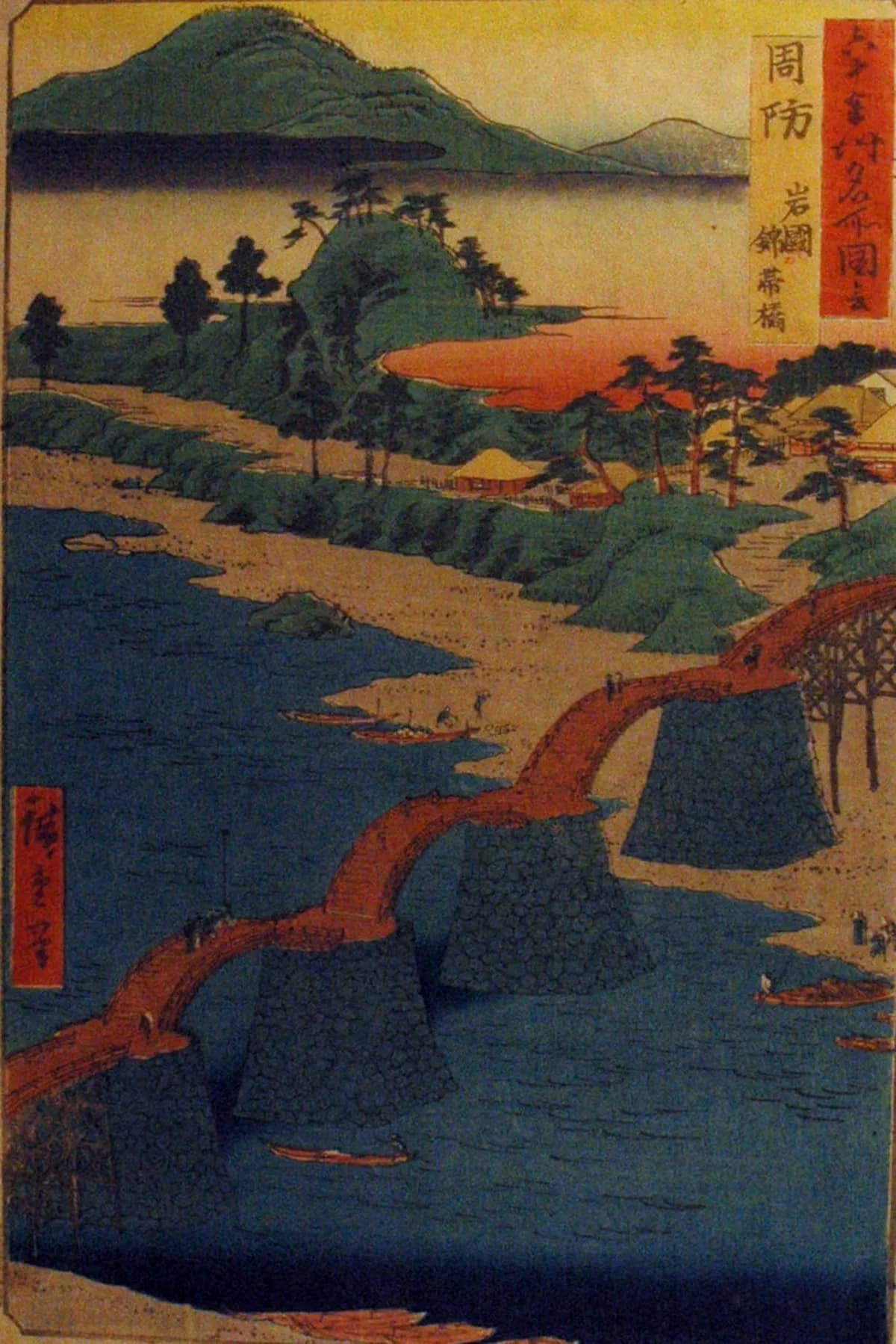
Kintai Bridge stands as a magnificent symbol of Japanese engineering and aesthetic beauty in the heart of Iwakuni city. This five-arch wooden structure spans the Nishiki River and offers visitors a glimpse into the architectural mastery of the Edo period. Exploring this landmark provides a deep connection to the history of the Yamaguchi prefecture and its ancient samurai heritage.
Many travelers visit this site as a popular day trip from nearby Hiroshima or while exploring the wider Iwakuni region. The bridge is famous for its unique construction that originally required no metal nails to hold the massive wooden beams together. Whether you are interested in history or photography, this guide will help you navigate everything this scenic area has to offer.
What is Kintai Bridge? (History & Significance)
The original bridge was commissioned by the third lord of Iwakuni, Yoshikawa Hiroyoshi, in the year 1673. He wanted a sturdy structure that could withstand the powerful flooding of the Nishiki River during the rainy season. Engineers designed five consecutive wooden arches that rested on massive stone piers to provide both strength and flexibility. This innovative design allowed the bridge to serve as a vital link to the local castle for many decades.
Tragedy struck in 1950 when a powerful typhoon destroyed the bridge after it had stood for nearly three hundred years. Local residents and craftsmen quickly worked to rebuild the structure using the same traditional techniques from the Edo period. The current bridge was completed in 1953 and continues to be maintained through meticulous wooden joinery and periodic restoration. It remains a National Place of Scenic Beauty and a source of immense pride for the people of Iwakuni.
Walking across the bridge allows you to feel the gentle curve of the arches under your feet as you cross. The bridge measures 193.3 meters in length and 5 meters in width, providing ample space for a leisurely stroll. Each arch represents a different level of elevation, creating a rhythmic movement as you traverse the river. This structure is often cited as one of the three most famous bridges in all of Japan.
Top Things to See at Kintai Bridge
One of the most impressive views of the bridge is actually found by walking underneath it along the riverbank. Architecture enthusiasts can admire the intricate wooden joinery and the complex interlocking beams that support the arches. You will see how the craftsmen used precise angles and tension to create a stable structure without modern fasteners. This 'No-Nails' guide perspective is essential for understanding the true genius of the original 17th-century designers.
Photography lovers should head to the gravel riverbank on either side of the bridge for the best vantage points. During calm days, the Nishiki River acts as a mirror, reflecting the five arches perfectly on the water's surface. The bridge is also beautifully illuminated at night, creating a golden glow that contrasts against the dark mountain backdrop. You can Find things to do in Kintaikyo Bridge ↗ to enhance your sightseeing experience with local tours.
The surrounding landscape changes dramatically with the seasons, offering a new visual experience throughout the year. In the spring, hundreds of cherry trees line the river, framing the wooden bridge in soft pink blossoms. Summer nights bring a different kind of spectacle with traditional cormorant fishing taking place right on the water. Each visit offers a unique opportunity to capture the bridge against the changing colors of the Japanese countryside.
Seasonal Scenery: When to Visit
Spring is arguably the most popular time for a visit due to the stunning cherry blossoms in early April. The area around the bridge and the nearby park becomes a festive hub for hanami parties and outdoor picnics. Walking across the arches while surrounded by falling petals is a quintessential Japanese travel experience. Plan to arrive early in the morning to avoid the largest crowds during this peak floral season.
Summer visitors can witness the ancient tradition of cormorant fishing, known as Ukai, from June to August. Fishermen use trained birds and flaming torches to catch sweetfish in the river under the bridge at night. You can book a seat on a wooden boat to watch the action up close while enjoying the cool evening breeze. The bridge stays open later during the summer months to accommodate the many spectators who gather for this event.
Fall brings a vibrant display of red and orange leaves to the hillsides and the nearby Momijidani Park. The maple trees create a fiery backdrop that highlights the dark wood of the bridge beautifully. This season is ideal for hiking up to the castle or taking the ropeway for a panoramic view of the valley. Temperatures are mild in October and November, making it a comfortable time for extensive walking.
Winter offers a quieter and more serene atmosphere for those who prefer to avoid the typical tourist rush. Occasionally, a light dusting of snow covers the bridge arches, creating a scene that looks like an old woodblock print. The winter illuminations provide a warm atmosphere during the shorter days and colder evenings. Visiting in 2026 during the off-peak months ensures you have plenty of space to photograph the bridge without interference.
The Famous Rival Ice Cream Shops: Musashi vs. Kojiro
No kintai bridge visitor guide is complete without mentioning the legendary ice cream rivalry located just across the bridge. Two main shops, named Musashi and Kojiro, compete for the attention of hungry travelers with an incredible variety of flavors. The shops are named after the famous samurai rivals Miyamoto Musashi and Sasaki Kojiro who once dueled in Japanese history. This playful competition has turned the area into a must-visit destination for dessert lovers and foodies.
Musashi is famous for offering over 100 different flavors, ranging from classic vanilla to truly bizarre creations. Adventurous eaters can try scoops flavored like wasabi, soy sauce, or even ramen noodles. The shop proudly displays a massive menu board that lists every single option available for the day. Many visitors spend several minutes debating which strange combination they should dare to taste first.
Kojiro sits nearby and offers its own selection of premium soft-serve ice cream with a focus on high-quality ingredients. While they may have fewer 'weird' flavors, their classic options like matcha and black sesame are highly rated. The rivalry is friendly, and many tourists find themselves buying a cone from both shops to compare the quality. Eating ice cream while sitting on the riverbank is a favorite local pastime during the warmer months.
Nearby Sightseeing in Iwakuni (Castle & Parks)
After crossing the bridge, you will enter Kikko Park, which was once the site of the local lord's residence. The park features beautiful fountains, historic statues, and several preserved samurai houses that you can explore. It serves as a peaceful transition between the river and the steeper slopes leading up to the castle. You can also visit the Iwakuni White Snake Museum to see the rare albino snakes found only in this city.
To reach the top of the mountain, most visitors take the Iwakuni Castle ropeway for a quick and scenic ascent. The ride offers stunning views of the bridge below and the sprawling city extending toward the Seto Inland Sea. Once at the top, a short walk through the forest leads you to the reconstructed Iwakuni Castle. The castle tower houses a museum of samurai armor and weaponry with an observation deck on the top floor.
For lunch, you must try the local specialty known as Iwakuni-zushi, a unique type of pressed sushi. It is prepared in large wooden boxes and features layers of vinegared rice, fish, vegetables, and thin omelet. The result is a colorful, square-shaped sushi cake that is both filling and visually appealing. Many restaurants near the bridge entrance serve this traditional dish as part of a set meal for visitors.
Practical Visitor Information (Hours & Fees)
Crossing the Kintai Bridge requires a small toll that helps fund the ongoing maintenance of the wooden structure. The ticket booth is generally open from 8:00 to 17:00, though hours extend during the busy spring and summer seasons. If you arrive outside of these hours, you can still cross by placing the fee into a wooden honor box. Keep your ticket safe, as it is required for both your initial crossing and your return trip across the river.
The most cost-effective way to see everything is by purchasing the 'Set Ticket' at the bridge entrance. This ticket covers the bridge crossing, the round-trip ropeway ride, and admission to the castle tower. Buying the set ticket saves you several hundred yen compared to purchasing each entry individually. You can Find stays near Kintaikyo Bridge ↗ to give yourself more time to explore these sites over two days.
The bridge arches are quite steep, so wearing comfortable walking shoes with good grip is highly recommended. The wooden slats can become slippery during rainy weather, requiring extra caution while walking. Accessibility can be a challenge for those with mobility issues due to the steps built into the arches. Plan for at least two to three hours if you intend to visit the park and the castle along with the bridge.
- Kintai Bridge Toll Fee
- Adults: 310 yen
- Children: 150 yen
- Type: Round trip
- Note: Honor box after hours
- Iwakuni Set Ticket Bundle
- Adults: 970 yen
- Children: 460 yen
- Includes: Bridge, Ropeway, Castle
- Savings: Approx. 200 yen
- Seasonal Opening Hours
- Standard: 8:00 to 17:00
- Spring/Autumn: 8:00 to 18:00
- August: 8:00 to 19:00
- Access: Open 24 hours
How to Get to Kintai Bridge
Most international travelers reach the bridge by taking a train from Hiroshima Station to the city of Iwakuni. The JR Sanyo Line provides frequent local service that takes about 50 minutes to reach Iwakuni Station. From there, you can catch a local bus from platform 2 which takes about 20 minutes to reach the bridge stop. Buses are timed to meet arriving trains, making the transfer relatively simple for first-time visitors.
If you are traveling by Shinkansen, you should disembark at the Shin-Iwakuni Station instead of the main city station. Shin-Iwakuni is closer to the bridge, and a direct bus ride takes only about 12 to 15 minutes. Note that local trains and Shinkansen use different stations, so check your rail pass or ticket carefully. The Iwakuni transport network is efficient and well-signed in English for the convenience of tourists.
For those who prefer driving, there is a large parking lot located right next to the Nishiki River gravel banks. Parking fees are generally low, and the lot provides immediate access to the bridge ticket office. During the cherry blossom season, these lots fill up very quickly, so arriving before 9:00 is essential. Walking from the parking area to the bridge takes less than five minutes on flat ground.
Planning more? See things to do in Iwakuni and our Onomichi & Setouchi region guide. For the latest details, check the official site and more background.
Frequently Asked Questions
Is Kintai Bridge worth visiting from Hiroshima?
Yes, Kintai Bridge is definitely worth a day trip from Hiroshima. The journey takes about an hour, and the bridge offers a unique architectural experience that contrasts with Hiroshima's modern city feel. You can combine it with a visit to Iwakuni Castle for a full day of history.
How much does it cost to cross Kintai Bridge?
A round-trip ticket to walk across the bridge costs 310 yen for adults and 150 yen for children. For better value, many visitors choose the 970 yen set ticket. This bundle includes the bridge fee, the ropeway, and entry to Iwakuni Castle.
What is the best time of year to see Kintai Bridge?
The best times are early April for cherry blossoms and early November for autumn leaves. These seasons provide the most stunning natural backdrops for the wooden arches. Summer is also excellent for watching the traditional cormorant fishing events held on the river.
Can you walk across Kintai Bridge at night?
The bridge is open for crossing 24 hours a day, even after the ticket booths close at 17:00 or 18:00. During the night, visitors are asked to place the toll fee into an honor box. The bridge is often illuminated until 22:00, providing a beautiful night walk.
What are the 100 flavors of ice cream at Kintai Bridge?
The Musashi ice cream shop offers over 100 varieties, including unique Japanese flavors like matcha, yuzu, and black sesame. More adventurous options include wasabi, soy sauce, bitter melon, and even curry. It has become a famous challenge for tourists visiting the Iwakuni area.
Kintai Bridge remains one of Japan's most iconic and photogenic landmarks, blending history with stunning natural scenery. From its 'no-nails' construction to the playful ice cream rivalry, the area offers something for every type of traveler. Visiting this site allows you to appreciate the resilience and craftsmanship of the Edo period in a modern setting.
Be sure to purchase the set ticket to maximize your savings while exploring the castle and ropeway. Whether you visit for the spring blossoms or the summer fishing, the bridge will leave a lasting impression on your journey. Plan your trip to Iwakuni today to experience this masterpiece of Japanese architecture for yourself.