

12 Best Things to Do in Furano (2026)
Discover the top things to do in furano with our 2026 guide. From lavender farms to ski resorts, plan your Hokkaido trip with local tips and pricing.
On this page
I first stepped into the lavender fields of Furano during a humid July morning in 2018. The sheer intensity of the floral scent was enough to make me a lifelong fan of central Hokkaido. Since then, I have returned three times to explore the hidden valleys and world-class ski slopes. This guide reflects my personal experiences and the latest local updates for travelers.
This article was last refreshed in November 2025 to ensure all pricing and logistics are accurate for 2026. Furano offers a unique blend of agricultural charm and rugged mountain adventure that differs from Sapporo's urban pace. Whether you are chasing the 'JAPOW' snow or the purple blooms, timing your visit is essential. Consulting a Best Time to Visit Furano: 10 Seasonal Guides and Tips guide can help you avoid the largest crowds.
While many visitors only see the famous flower farms, the region holds many more secrets. You can find artisanal cheese, volcanic hot springs, and quiet hiking trails just minutes from the main town. I recommend staying at least three nights to truly soak in the rural atmosphere. Exploring the nearby town of Biei is also a mandatory addition to any Furano itinerary.
Useful resources: the official Furano Tourism Association and Biei Tourism sites list current flower-season timing, hours and access.
Key Takeaways
- Best overall: Farm Tomita for the world-famous lavender displays.
- Best for families: Furano Cheese Factory experience for interactive workshops and ice cream.
- Best rainy-day activity: Glass Forest in Furano for indoor craft experiences.
- Best free activity: Ningle Terrace forest cabins for a magical forest walk and window shopping.
- Important reminder: Rent a car to maximize your time between Furano and Biei.
The Best Things To Do In Furano
The heart of central Hokkaido offers a diverse range of activities that change dramatically with the seasons. We have grouped these 12 items into three categories: Iconic Landmarks, Nature & Adventure, and Food & Crafts. This structure helps you prioritize your time based on your specific interests and travel style. Each selection has been vetted for its quality and accessibility for international visitors.
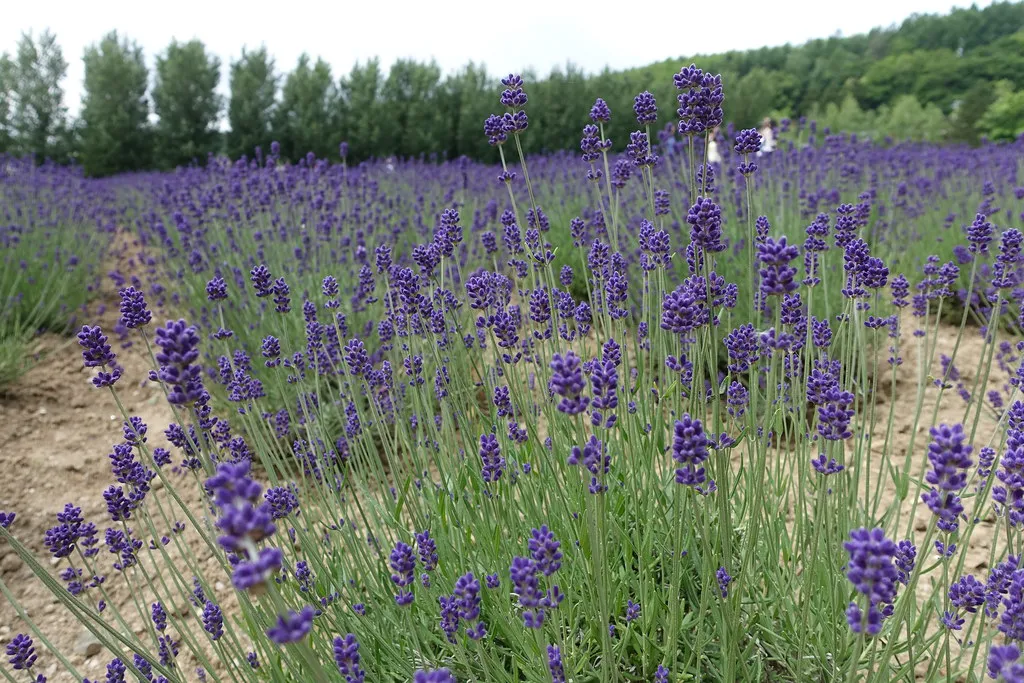
Iconic landmarks like Farm Tomita define the summer experience for most first-time travelers. However, the winter season transforms the landscape into a premier destination for powder hounds. If you are visiting during the colder months, you should check out our Furano in Winter: 9 Essential Things to Know guide. This list ensures you capture the best of both worlds regardless of when you arrive.
When planning your daily route, remember that Furano is quite spread out. Renting a car is the most efficient way to see these sights, though local buses serve major spots. Most attractions are open from 9:00 to 17:00, but winter hours are often shorter. Always carry some cash, as smaller farm stalls and craft shops may not accept credit cards.
- Farm Tomita Lavender Fields
- This iconic farm is the primary reason most travelers visit central Hokkaido during the summer months.
- Located in Nakafurano, it is best visited before 9:00 to avoid the massive tour bus crowds.
- Entry is free, and the farm is typically open daily from 8:30 to 17:00 in peak season.
- Try the lavender soft-serve ice cream while looking out over the perfectly manicured purple rows.
- Furano Ski Resort Slopes
- Known for its exceptionally light powder snow, this resort offers two main zones for skiers and snowboarders.
- The Kitanomine and Furano zones provide a combined 28 trails suitable for all skill levels.
- A full-day lift pass typically costs between ¥6,000 and ¥8,500 depending on the current seasonal rates.
- Night skiing is available until 19:30, offering a magical perspective of the city lights below.
- Ningle Terrace Forest Village
- This collection of small wooden cabins is tucked into the forest near the New Furano Prince Hotel.
- Local artisans sell unique crafts like silver jewelry, candles, and paper art inside these cozy shops.
- The village is free to enter and stays open daily from 12:00 until 20:45 year-round.
- Visit just after sunset when the fairy lights illuminate the snow-covered paths for a dreamlike atmosphere.
- Furano Cheese Factory
- Visitors can watch the production process of local camembert and squid ink cheese through large glass windows.
- The facility includes a workshop area where you can try making your own butter or ice cream.
- General admission is free, and the factory operates daily from 9:00 to 17:00.
- Do not leave without trying the fresh gelato, which features seasonal flavors like pumpkin and asparagus.
- Furano Winery Viewpoint
- Perched on a hill overlooking the valley, this winery produces famous local reds and whites.
- The brick building offers free tastings and a small museum explaining the history of Hokkaido viticulture.
- It is open daily from 9:00 to 17:00 and is easily reached by a short taxi ride.
- The lavender field behind the winery is often less crowded than Farm Tomita for photography.
- Daisetsuzan National Park Trails
- This massive park is home to rugged volcanic peaks and the first autumn colors in Japan.
- The Mt. Tokachi trailhead is a popular starting point for hikers seeking panoramic views of the region.
- Access to the park is free, though ropeways at nearby Asahidake cost roughly ¥3,200 for a round trip.
- Check the weather forecast at the visitor center before heading out, as mountain conditions change rapidly.
- Shirogane Blue Pond
- This man-made pond in Biei is famous for its striking turquoise water and submerged silver birch trees.
- The color varies from deep cobalt to bright teal depending on the weather and sunlight levels.
- Entry is free, but parking costs approximately ¥500 per car for visitors arriving by private vehicle.
- Combine this with a visit to the nearby Shirahige Waterfall, which is only a three-minute drive away.
- Furano Jam Garden
- Located in the Rokugo area, this garden produces over 30 varieties of organic fruit jams.
- The shop offers free samples of every flavor, including unique ones like haskap and rugosa rose.
- The garden is open daily from 9:00 to 17:30 and has no admission fee.
- Head to the Anpanman Shop next door if you are traveling with young children for a fun break.
- Glass Forest in Furano
- This workshop and gallery showcases delicate glass art inspired by the diamond dust of Hokkaido winters.
- You can participate in glass-blowing or sandblasting classes to create your own custom souvenir.
- The forest is open daily from 9:00 to 18:00 with free entry to the gallery.
- The 'Crevasse' series of cracked glass is a local specialty that makes for a stunning gift.
- Shikisai-no-oka flower hills Flower Park
- This vast panoramic flower garden in Biei features rolling hills carpeted in rows of colorful blooms.
- You can ride a tractor-bus or rent a golf cart to navigate the expansive grounds comfortably.
- Entry costs about ¥700 per adult during the peak blooming season from July to September.
- Visit the alpaca farm located on the premises for a small additional fee to feed the animals.
- Furano Brewery Yama no Doxon
- This rustic brewery and restaurant serves craft beers brewed with pure mountain water from the Daisetsuzan range.
- The menu features hearty dishes like dark beer curry and locally sourced sausages.
- A meal with a pint usually costs between ¥2,000 and ¥4,000 per person.
- It is open for lunch and dinner daily, but I recommend making a reservation for weekend evenings.
- Tokachidake Onsen Ryouunkaku
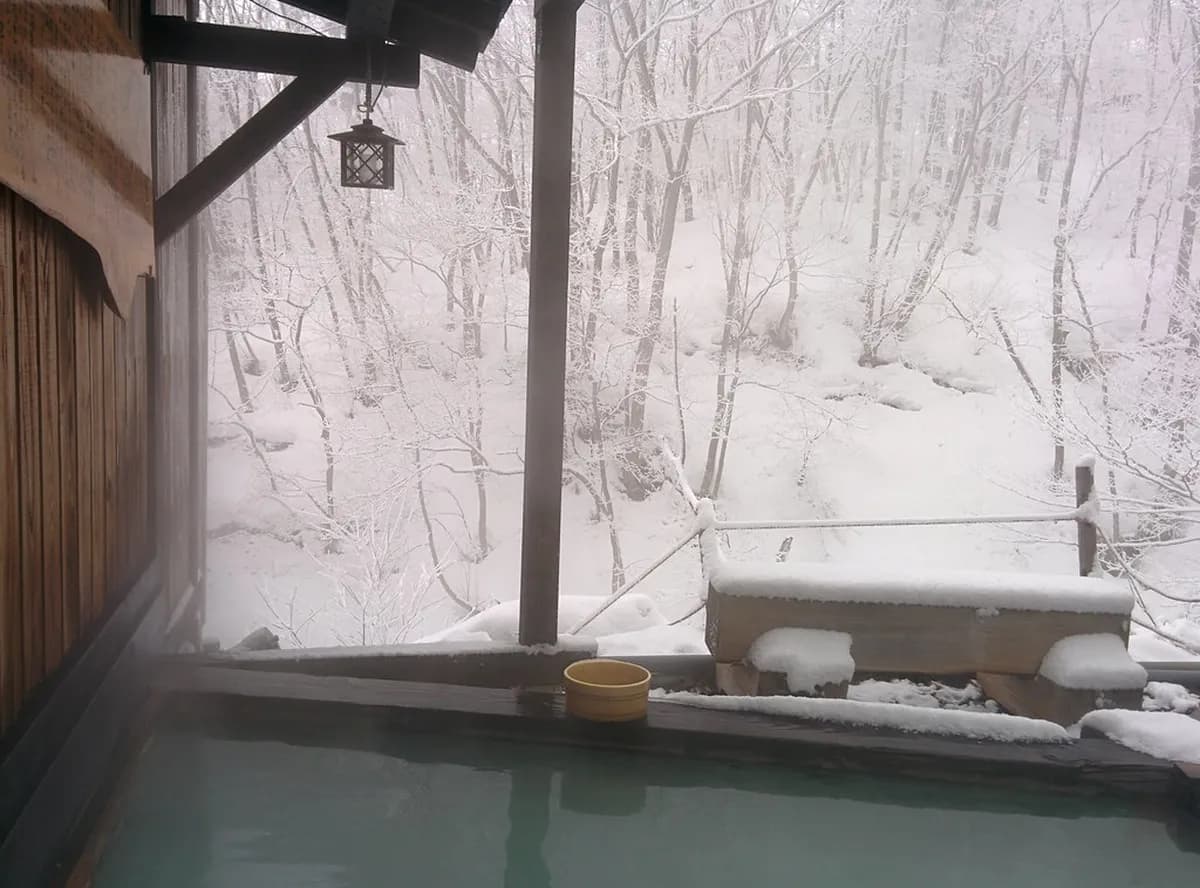
- Situated at 1,280 metres, this is the highest hot spring in Hokkaido, offering incredible mountain views.
- The outdoor baths look directly onto the active volcanic peaks of the Daisetsuzan range.
- Day-use entry for the baths is approximately ¥800 per adult and is available from 10:00.
- The iron-rich water is famously brownish-red and is said to have significant healing properties.
See Farm Tomita and the Many Flower Farms
Farm Tomita in Nakafurano is the anchor of any summer visit, but treating it as a single stop undersells what the area offers. The farm covers multiple terraced fields, each planted with a different crop: lavender, poppies, cosmos, and baby blue eyes. Peak lavender typically falls in the second and third weeks of July. The farm is free to enter year-round and stays open from around 8:30 to 17:00 during the main flower season.
Beyond Farm Tomita, the Nakafurano and Kamifurano areas are dotted with smaller farms worth your time. Farm Zeru grows rows of sunflowers and bachelor's buttons just minutes north of Tomita. Colorful fields visible from the road are often unmarked — slow down, pull over, and you may find lavender fields with no tour bus in sight. This kind of spontaneous discovery is one of Furano's real pleasures.
Timing matters more than most guides admit. Arrive at Farm Tomita before 9:00 on a weekday to walk the fields in near-silence. Between 11:00 and 15:00 in July, the parking lot can hold hundreds of tour coaches and the paths become difficult to navigate. Morning light is also better for photography, with the Tokachi range visible in the background before afternoon haze sets in.
Cool Down with Lavender Ice Cream and Furano Melon
Furano's food culture is inseparable from its agricultural identity. The lavender soft-serve at Farm Tomita is famous enough to appear in Japanese travel magazines, but the variety of flavored ice creams across the region is far wider than most visitors expect. Look for melon, corn, pumpkin, and asparagus soft-serve at the Furano Cheese Factory and roadside farm stalls along Route 237. Prices typically run ¥350 to ¥500 per cone.
The Furano melon deserves its own paragraph. These orange-fleshed melons are grown in the volcanic soil of the Furano basin and achieve an exceptional sweetness that puts them among Japan's most prized fruits. You can buy an individual slice at most farm stands for ¥400 to ¥600 in July and August. Avoid buying gift-boxed melons at Furano Station — they are marked up significantly and often picked before peak ripeness.
If you want the full melon experience, visit a roadside farm stand where melons are cut to order and served chilled on the spot. Some stands also offer melon juice or melon soft-serve made from the day's surplus fruit. Pairing a slice of melon with a scoop of lavender ice cream is a quintessential Furano summer moment that costs under ¥1,000 in total.
Admire the Shirogane Blue Pond
The Shirogane Blue Pond is one of the most photographed spots in all of Japan. It was created accidentally following the construction of a dam to protect the area from volcanic mudflows. Minerals like aluminum hydroxide in the water reflect shorter wavelengths of light, creating the vivid blue hue. Seeing this site in person requires a short trip into the neighboring town of Biei.
I recommend visiting on a calm, sunny day to see the clearest reflections of the dead trees. The pond can look milky or grey immediately after heavy rainfall, so check the forecast carefully. If you are traveling from the city center, you can learn more by reading about 12 Best Things to Do in Biei, Hokkaido (2026) travel options. Most visitors spend about 30 to 45 minutes walking the perimeter path before moving on.
The parking lot fills up quickly during the summer holidays and the autumn foliage peak. Winter visitors will find the pond frozen and covered in snow, but it is beautifully illuminated at night. The illumination typically runs from November through April, starting just after sunset each evening. Dress in heavy layers if you visit in winter, as the wind off the mountains is quite biting.
Take A Hike
Hiking in central Hokkaido is a world-class experience thanks to the Daisetsuzan National Park wilderness. The name translates to 'Great Snowy Mountains,' and the park is larger than some Japanese prefectures. Trekking here offers a chance to see rare alpine plants and occasionally the local brown bear. Always carry a bear bell and stay on marked trails to ensure your safety in the backcountry.
Mt. Tokachi is the most accessible major peak for those staying in the Furano area. The trail starts at the Tokachidake Onsen and takes about four hours for a round trip to the crater rim. You will encounter steam vents and volcanic rocks that make the landscape feel like another planet. The view from the top spans the entire valley and the surrounding mountain ranges.
For a less strenuous walk, the paths around Torinuma Park and Nakafurano Forest Park offer gentle, family-friendly terrain through birch woodland. The Furano-dake Loop and Mount Furano-Shiyurin Trail are more demanding, crossing alpine ridgelines with panoramic views of the Daisetsuzan peaks as your reward. In winter, snowshoe trekking packages depart from several hotels near the resort base. You can find maps and trail-condition reports at the main tourism office near Furano Station.
Beyond the Flower Fields: Cycling Biei's Patchwork Road
Furano and Biei are most famous for their lavender and summer flowers, but the region offers far more once you leave the main farm gates. The Furano-Biei Cycling Course runs roughly 28 kilometres through rolling agricultural hills, past patchwork fields of wheat, potato, and corn, with the Tokachi mountains as a constant backdrop. Cycling lets you stop at unmarked viewpoints and hidden lanes that tour buses cannot reach. The route is easily completed in three to four hours at a relaxed pace.
Rental bicycles are available near Biei Station from around ¥1,500 per day for a standard bike and ¥3,000 for an electric-assist model. The electric option is strongly recommended if you are not an experienced cyclist — the hills in the Patchwork Road section are steeper than they look from the valley floor. Route maps are available at the rental shops and at the Biei Tourism office near the station. The best photography light on the Patchwork Road is in the morning when the fields cast long shadows across the contour lines.
Craft lovers should make time for the Glass Forest in Furano workshops. This area is famous for 'diamond dust' glass, which mimics the sparkling ice crystals found in winter air. Watching the masters work with molten glass is a fascinating way to spend a rainy afternoon. You can also find beautiful pottery and woodwork in the small galleries scattered around the Rokugo district.
Agricultural tourism extends beyond just looking at flowers in this part of Hokkaido. Many farms offer tractor-pulled wagon rides that take you deep into the working fields. These rides provide a unique perspective on how the local farmers manage their vast crops. At Shikisai-no-oka in Biei, the tractor-bus loops the full flower hill circuit for ¥500 per adult — a practical and scenic way to cover the large grounds without walking.
Furano Skiing vs Niseko: Which Is Right for You?
While Niseko often gets the international headlines, Furano offers a more authentic Japanese ski experience. The snow here is typically drier and lighter because the resort is located further inland. Spring skiing in March and April offers sunny days and much lower prices on accommodation. You can often find great deals by checking 10 Best Areas and Hotels in Furano during the shoulder season.
For those new to the snow, the Furano International Snowsports School provides expert English instruction. Their instructors know the mountain intimately and can guide you to the best hidden powder pockets. Learning here is often less intimidating than at the larger, more crowded resorts in Western Hokkaido. The slopes are generally less packed, giving beginners more room to practice their turns safely.
The practical difference comes down to crowd levels and cost. Niseko's cheapest hostel bunk in January 2026 can run ¥18,000 a night; Furano hostels are typically ¥5,000 to ¥7,500 for the same period. The trade-off is that Furano has fewer international restaurants and a smaller après-ski scene. After a day on the slopes, the local culture focuses on hot springs and quiet izakayas rather than loud bars — a plus for most Japanese visitors, and increasingly for international travelers who want a less packaged experience.
After a day on the slopes, the local 'après-ski' scene focuses on hot springs and hearty food. Try the local craft beer at Furano Brewery Yama no Doxon for a refreshing finish. This balance of world-class terrain and local culture is what brings skiers back year after year.
Where to Eat in Furano
Dining in this region is all about celebrating the bounty of the local volcanic soil. The signature dish is Furano Omukare, a savory Japanese curry served with a soft omelet and local milk. Restaurants must follow strict rules to call their dish Omukare, ensuring high quality and local ingredients. Yuiga Doxon is a local favorite known for its secret spice blend and rustic atmosphere.
One practical warning that most guides omit: popular Furano restaurants fill fast and many are effectively reservation-only, even if their signage does not say so. Kushitetsu and Sennari Shabu Shabu, two well-reviewed spots near the main hotel strip, are known to turn away walk-ins even when tables appear empty. Booking two weeks in advance for weekend dinner is not unusual during peak ski season. Use Google Translate's camera mode on Japanese-language booking sites, or ask your hotel to call ahead on your behalf.
Restaurants in Furano typically close between 14:00 and 17:30 and may shut entirely on a random weekday with no online update. Witch's Spoon, a small curry shop at 12-29 Hinodemachi, is a reliable lunch option with friendly staff and clear photo menus; arrive at opening time to avoid a wait. Cash is expected at most small restaurants, and card readers for international cards are uncommon outside the hotel dining rooms. If dinner plans fall through, Lawson convenience stores in town stock hot onigiri, skewers, and soup — a genuine backup option that locals themselves use.
If you are visiting in July or August, you must try the famous Furano melons. For a high-end dinner, look for restaurants serving Furano Wagyu beef. This beef comes from cattle raised on local grains and pristine mountain water. Pair your meal with a glass of local red from the Furano Winery for the perfect evening.
Day Trip: Sounkyo Ice Festival
If you are visiting in late January or February, a day trip to the Sounkyo Ice Waterfall Festival is a must. Located about 90 minutes from Furano, this festival features massive ice structures built along the Ishikari River. The ice is created by spraying river water onto scaffolding, which then freezes into organic, cave-like shapes. At night, these structures are lit with multi-colored lights, creating a stunning neon winter wonderland.
Walking through the ice tunnels can be incredibly cold, with temperatures often dropping below -15°C. I recommend wearing thermal base layers and using chemical hand warmers sold at local convenience stores. The festival also features weekend fireworks displays that reflect off the icy canyon walls. You can check the schedule for Furano's festivals to see if your visit overlaps with other events.
Sounkyo Gorge itself is famous for its twin waterfalls, Ginga and Ryusei, which freeze solid in winter. The sight of these giant frozen curtains of water is one of the most impressive natural displays in Hokkaido. Most visitors combine the ice festival with a soak in a Sounkyo onsen to warm up before heading back. Bus tours are available from Furano, but a rental car gives you more flexibility for nighttime viewing.
Planning the Rest of Hokkaido
Furano is one stop on a bigger Hokkaido trip. Start with our things to do in Hokkaido region guide, then explore the other areas:
- Attraction guides: ticket prices, hours & maps for Furano & Biei's top attractions.
- things to do in Noboribetsu
- things to do in Asahikawa
- things to do in Sapporo
Going deeper on this theme? Our What to Eat in Furano guide covers it in detail, with the practical planning this page leaves out.
Frequently Asked Questions
Which things to do in furano options fit first-time visitors?
First-time visitors should prioritize Farm Tomita for its iconic lavender fields and the Ningle Terrace for evening crafts. These sites offer the most quintessential Hokkaido atmosphere. A trip to the Shirogane Blue Pond in nearby Biei is also highly recommended.
How much time should you plan for things to do in furano?
You should plan for at least three full days to see the main highlights of Furano and Biei. This allows one day for the flower farms, one for Biei's hills, and one for mountain activities. Winter travelers may want five days to include skiing.
What should travelers avoid when planning things to do in furano?
Avoid visiting Farm Tomita between 11:00 AM and 3:00 PM during the July peak season to escape the worst crowds. You should also avoid relying solely on public transport if you want to see the more remote mountain areas.
Furano is a destination that rewards those who look beyond the surface-level attractions. Whether you are standing in a field of purple blooms or carving through waist-deep powder, the magic is in the details. I hope this guide helps you discover the same wonder that I found on my very first visit. Safe travels as you explore the beautiful heart of Hokkaido.
For more logistical help, see our guide on getting to Furano From Sapporo: Your Essential 1-Day Itinerary & Guide by train or bus. Remember to respect the local farmers by staying on the designated paths at all times. Hokkaido's beauty is fragile, and we all play a part in preserving it for future travelers. Enjoy every moment of your adventure in this incredible corner of Japan.
Free guide: Japan's Hidden Gems
12 under-the-radar places beyond Tokyo & Kyoto — with the best season to visit each and a local tip you won't find in the guidebooks.
You might also like


Continue reading
More guides you'll find useful


