

8 Best Spots and Tips for Furano Lavender (2026)
Plan your 2026 Furano lavender trip with our guide to the 8 best flower fields, peak bloom calendars, and local tips for avoiding the summer crowds.
On this page
I first stepped into the purple haze of Hokkaido five years ago, and the scent still lingers in my memory. Walking through these rolling hills feels like stepping into a living postcard where the air smells of honey and herbs. Our editors have spent dozens of summer days scouting the Furano Basin to find the most quiet and scenic corners. Whether you seek the perfect photo or a peaceful walk, this guide ensures you find the best blossoms.
The 2026 season promises to be particularly vibrant due to a mild spring forecast for the northern islands. Travelers should prepare for a mix of iconic landmarks and hidden gems that offer a break from the crowds. From lakeside fields to mountain observatories, the variety of landscapes in the region is truly staggering. Follow this roadmap to navigate the busiest weeks while discovering the authentic charm of rural Japan.
Useful resources: the official Furano Tourism Association and Biei Tourism sites list current flower-season timing, hours and access.
Furano Lavender Varieties: Which Blooms When
Most guides treat lavender as a single purple wave, but Furano grows four distinct varieties with staggered bloom windows. Understanding which variety you want to see changes your ideal arrival date by two to three weeks. This is the single most useful fact for planning, and few general travel articles spell it out clearly.
The Dark Purple Early (Komurasaki) is the first to open, typically reaching full color between late June and the first week of July. It produces compact, deep-violet clusters that photograph beautifully in the low morning light. If you can only visit in late June, this is the variety you will find in bloom at most farms, and the smaller crowds at that time are a genuine bonus.
Okumurasaki arrives next and is the variety responsible for the iconic sprawling carpets of mid-July. It peaks between July 10 and July 25 and carries the strongest, most complex fragrance — this is what you smell when someone describes that honeyed, herbal Hokkaido scent. Lavender Grosso and Noiwasaki follow slightly later, extending the season at higher-altitude farms like Rokugou Observatory and Kanno Farm (Bibaushi Pass) into early August. If you are visiting after July 25, aim for those elevated spots where the cooler temperatures delay the bloom by about one week compared to the valley floor.
2026 Furano Lavender Bloom Calendar by Month
The quest for the perfect purple landscape begins with understanding the Best Time to Visit Furano: 10 Seasonal Guides and Tips for peak blooms. Early varieties like the Dark Purple Early (Komurasaki) typically begin their show in late June and reach full color by early July. These early bloomers are smaller and more compact, making them excellent for close-up photography and floral arrangements. According to the Nisade.com flower calendar, these dates can shift slightly based on the previous winter's snowfall.
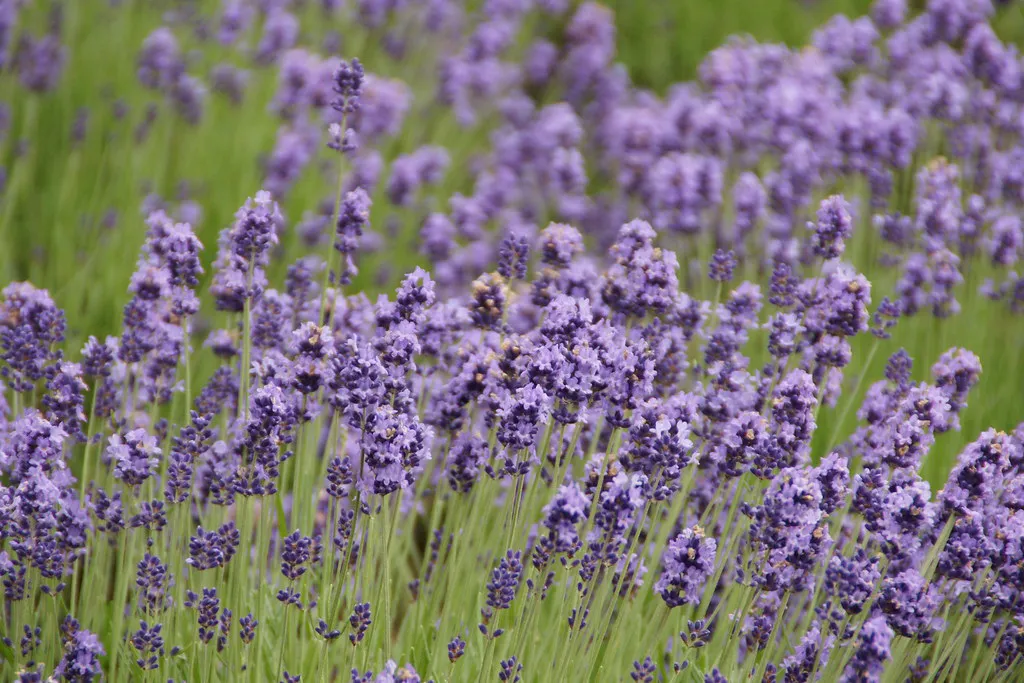
Mid-July marks the arrival of the famous Okumurasaki variety, which provides the deep, sprawling carpets most visitors recognize. This window from July 10 to July 25 is generally considered the peak for the entire Furano Basin. The fragrance is most potent during these weeks as the oil content in the buds reaches its maximum level. You will notice the hillsides transforming from a dusty green to a vivid, electric violet almost overnight.
Late July and early August signal the start of the harvest season when farmers begin collecting the flowers for oil. While some fields remain for late-season tourists, the intensity of the purple begins to fade as the plants dry. Visiting during this time allows you to see the distillation process in action at the local factories, including Farm Tomita's on-site still. The Rokugou Observatory and Kanno Farm at higher elevation stay colorful into the second week of August, making them worthwhile late-season alternatives.
Beyond lavender, the same farms run a relay of color from June through October. Poppies peak in early June, lupines in mid-June, cosmos and marigolds from late summer into autumn, and salvia extends the season to mid-October. Even if you miss the lavender window entirely, the Furano Basin remains one of the most flower-rich landscapes in Japan.
Farm Tomita: The Gold Standard of Furano Lavender
Farm Tomita is the farm that put Furano lavender on the national map. Cultivation here dates to the 1950s, when lavender was grown as an aromatic crop for the perfume industry before synthetic oils displaced it. The Tomita family kept the fields alive as a tourist attraction, and by the 1970s the farm had become the defining image of Hokkaido summer. Today it covers multiple distinct plots, each planted with a different variety and purpose.
The Traditional Lavender Field on the main slope is the postcard shot. Walk the central path between late morning and dusk for the best light on the purple rows, with the distant Tokachi peaks framing the horizon. The distillation factory at the edge of the property runs during harvest in late July — you can peer through the windows and smell the steam-extracted oil, a concentrated floral hit that is entirely different from any bottled fragrance. The on-site cafe serves lavender soft-serve ice cream (around ¥400) that is subtle rather than perfume-heavy, with a genuine floral finish.
The Lavender East field, operated by the same family several kilometres east, is one of the largest single lavender plots in Japan. It is far less crowded than the main farm and worth the short drive if you want that sense of scale without a tour bus in your frame. Entry to both Farm Tomita and Lavender East is free. The main farm is typically open 08:30–17:00, though the grounds can be accessed earlier in daylight hours. A seasonal temporary station — JR Lavender Farm Station — opens on the adjacent train line in summer, placing Farm Tomita about seven minutes on foot from the platform.
Naka-furano Flower Park: The Chairlift Above the Purple Rows
The municipally run North Hoshiyama Lavender Garden (Kita Hoshiyama) sits on the slope of a former ski area in Nakafurano. From mid-July to early August, those ski runs transform into sweeping lavender fields visible from National Route 237 below. Four lavender varieties are planted here alongside lupines, marigolds, Blue sage, and cockscomb, so the colour palette is richer than at purely lavender-focused farms.
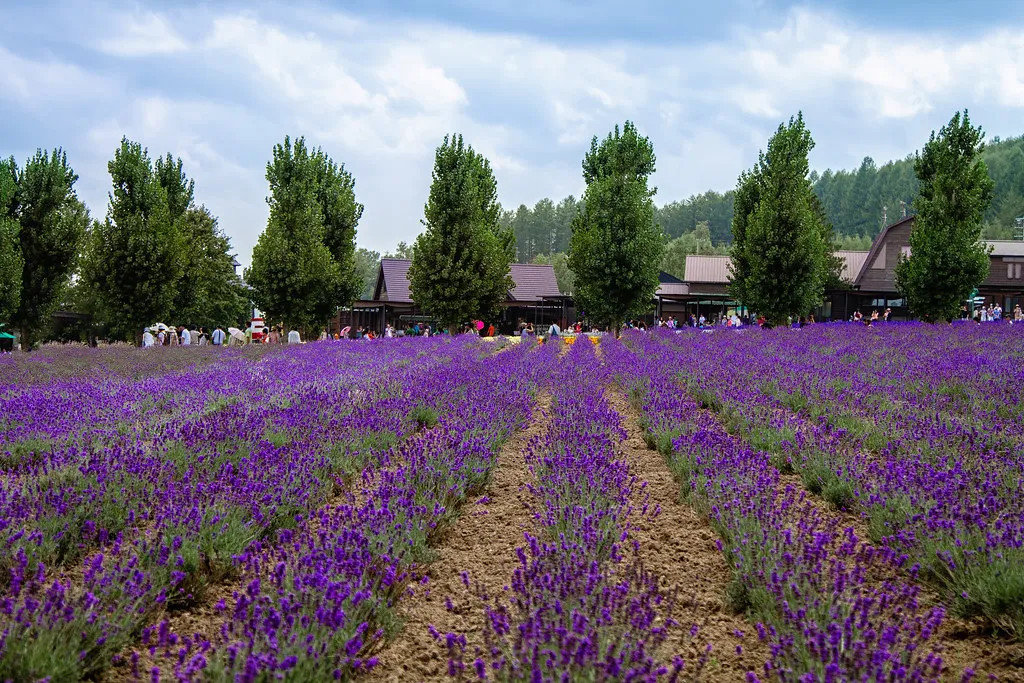
The single-seat chairlift is the standout feature here. It carries riders directly over the lavender rows, giving an aerial perspective of the Furano Basin and the Tokachi-dake range that is impossible to get from ground level. Keep your camera strap secure and shoot downward for a compressed, almost abstract view of the purple geometry below. A round-trip lift ticket costs around ¥500 for adults and the park operates 09:00–16:40. Entry to the garden itself is free.
Rokugou Observatory: Lavender and the Furano Jam Garden
Rokugou sits at 500 metres elevation in the hills east of Furano City, and the bloom here runs about one week later than the valley floor — making it a reliable late-season destination when lower fields are winding down. The name Rokugou carries local weight as the filming location for the classic NHK drama "From the Northern Country," and the sweeping views over the Yubari mountain range were a recurring image in the series. The Ministry of Agriculture, Forestry and Fisheries listed this landscape among Japan's beautiful rural scenery.
The Jam Garden of Furano (Biei Jam Engei) operates on the same site. The shop produces small-batch fruit jams from local Hokkaido harvests — haskap berry, blueberry, and tomato among them — using minimal sugar to let the fruit character dominate. Haskap, a tart blue-purple berry native to Hokkaido, is the one worth seeking out: the flavour sits somewhere between blueberry and black currant and is difficult to find outside the region. Entry to the observatory grounds is free and the jam shop typically runs 09:00–17:30 during the flower season.
Kanayama Lake: The Only Lakeside Lavender Field in Hokkaido
Kanayama Lake sits in Minamifurano and was created by a dam built over a former gold mine. The lake's shores are lined with lavender from mid-July to early August — the only spot in all of Hokkaido where you can photograph lavender fields reflected in open water. The combination of purple rows, the still lake surface, and the green-forested ridgeline behind it produces a layered landscape that feels nothing like the open hill farms further north.
Access to the lakeside park is free and the grounds are open around the clock, making it an excellent choice for early-morning or late-afternoon photography when the light is directional and the car park is empty. In summer, Kanayama Lake also offers guided Canadian canoe tours on the calm water — a quieter activity than the farm circuit and worth booking in advance through the local tourism office. The Gold Mine Dam Observatory, about ten minutes by car from the lakeside garden, adds a wider view of the lake and the dam structure if you have time.
Flowerland Kamifurano: Tractor Rides and Mountain Vistas
Flowerland Kamifurano occupies a hillside in northern Kamifurano with unobstructed views of the Tokachi-dake mountain range. The farm runs a tractor-pulled cart through the flower fields — a 15-minute circuit that elevates riders above the rows for a broader perspective of the surrounding landscape. The tractor ride costs ¥600 per adult and ¥400 for children; infants ride free. The farm operates 09:00–17:00 (extended to 17:30 in June through August), and entry to the grounds themselves is free.
Beyond lavender, the fields here run through marigolds, Blue sage, and cockscomb from late summer into autumn, so the calendar runs longer than at most lavender-only farms. A workshop area lets visitors make lavender potpourri bags (around ¥1,000 per person, roughly ten minutes), a casual activity that suits groups or families. The farm's own shop serves Furano melon and corn in season, which pairs well with the flower-viewing if you time your visit correctly.
Shikisai no Oka: Biei's Famous Panoramic Flower Hill
Located in nearby Biei, Shikisai no Oka (Hill of Colors) spreads across roughly 15 hectares of gently rolling ground planted in wide horizontal stripes of different flowers. Lavender is one band among many — sunflowers, salvia, marigolds, poppies, and dahlias fill the other rows — creating a rainbow panorama that rewards wide-angle photography. The farm's elevated position means the Daisetsuzan mountain range is visible in the background on clear days, adding depth to the landscape.
Visitors can explore on foot, by self-operated buggy, or by Nokko cart. A small ¥500 maintenance fee applies per person (children under 15 free) and the park runs 08:30–17:30 during peak summer. Consider adding this to a day trip to Biei rather than treating it as a standalone stop, since the Biei patchwork fields and the Blue Pond reward the extra drive time. The seasonal Norokko sightseeing train passes through the Biei area, making it reachable without a car if you time the schedule correctly.
Kanno Farm: Where Lavender Meets Hokkaido Agriculture
Kanno Farm sits at Bibaushi Pass on National Route 237, the road connecting Furano City with Biei. Most guides skip it in favour of the better-known farms, but it offers something distinct: lavender growing alongside working agricultural crops — coloured potato varieties, corn, and pumpkin — rather than in a purely ornamental setting. The surrounding hilltop landscape is wide and unbroken, with the Tokachi range stretching to the west and the Yubari foothills to the east.
Because of the higher elevation, lavender bloom here runs about one week later than the valley floor, typically peaking in the last week of July. Several lavender varieties are planted including Dark Purple Early, Okumurasaki, and Lavender Grosso, so the colour gradation across the slope is more complex than at single-variety farms. A small shop sells freshly harvested corn soup, grilled potatoes, and direct-sale vegetables in season. Entry is free, though the farm closes from late October to early June.
Hinode Park and Other Spots Worth Knowing
Hinode Park in Kamifurano is a municipal free-entry garden best known for the white bell monument at its summit. The 360-degree views of Kamifurano town make it the best nighttime photography spot in the area — the stars over the lavender rows on a clear July night are genuinely striking. Parking is free and the grounds are accessible around the clock.
Zerubu Hill in Biei rounds out the list with approximately 30 flower varieties blooming from May through October, including lavender, sunflowers, and poppies. An observation platform gives a compact aerial view of the striped fields without a chairlift. Entry is modest and it works well as a quick stop between Biei's more famous patchwork field roads and Shikisai no Oka.
Is the Furano Lavender Highway Worth Visiting?
Many travelers wonder if the long journey to central Hokkaido is worth the effort for a few flower fields. Beyond the visual beauty, the region offers a sensory experience that is difficult to replicate elsewhere in Asia. The sheer scale of the cultivation along the top Furano attractions creates an atmosphere of total tranquility. The combination of fresh mountain air and the soothing scent of lavender makes it a mandatory stop for anyone spending a summer week in Japan.
The local culinary scene has evolved to complement the floral tourism with high-quality dairy and produce. You can find some of the best soft-serve ice cream and melon parfaits in Japan right next to the fields. The contrast between the purple flowers and the rugged, volcanic Tokachi peaks provides a dramatic landscape for hikers. Visiting these farms supports the local agricultural community which has preserved these traditions for over half a century.
If you enjoy slow travel and photography, the Lavender Highway will likely be the highlight of your summer. The pace of life in the Furano Basin is much slower than the frantic energy of Tokyo or Osaka. Even during the peak season, you can find quiet corners if you are willing to explore the smaller backroads. The investment in a rental car pays off by allowing you to reach these secluded spots at your own pace.
How to Beat the Crowds at Peak Season
The midday window from 11:00 to 14:00 at Farm Tomita is the worst time to visit during July. Tour buses from Sapporo typically arrive by 10:30 and the car park fills before noon. Arriving before 08:30 — when the fields are accessible but the food stalls have not yet opened — means you will often have the Traditional Lavender Field almost entirely to yourself for the first hour. The morning light is softer and better for photography anyway.
The smaller and less-publicised farms like Kanno Farm (Bibaushi Pass) and Kanayama Lake remain uncrowded even at midday during peak week. If your schedule forces a midday farm visit, redirect to those rather than competing for space at Farm Tomita or Shikisai no Oka. Late afternoon from 16:00 onward also sees crowds thin significantly as tour buses depart for Sapporo.
Visiting in late June targets the Dark Purple Early variety specifically and avoids the July peak entirely. The fields are less densely purple but the atmosphere is far more relaxed, and you will still find farm shops, the Farm Tomita distillation display, and lavender soft-serve operating. For travelers with flexibility, the week of June 25 to July 5 offers a genuine lavender experience at roughly half the crowd density of mid-July.
Travel Logistics: Navigating the Furano Lavender Highway
Getting to the fields often involves traveling from Sapporo via the JR Hokkaido rail lines. During the summer, the Furano Biei Norokko train operates as a special sightseeing service with open-air windows and a relaxed pace between stations. This train stops at a seasonal temporary station — JR Lavender Farm Station — which opens only during the flower season and sits about seven minutes on foot from the gates of Farm Tomita. Check the Japan-Guide.com transport page for the latest seasonal rail schedules and pass information.
Renting a car is the most flexible way to see all eight spots on our list in a single weekend. Most major rental agencies have offices near Asahikawa Airport or the main Furano Station. Driving in Hokkaido is generally straightforward with wide roads and very clear English signage for major attractions. Be sure to book your vehicle several months in advance as summer demand often exceeds the local supply.
For those staying overnight, knowing 10 Best Areas and Hotels in Furano can save you hours of driving time. Many pensions and small hotels offer shuttle services to the most popular flower gardens for their guests. Booking a room in Nakafurano puts you within walking distance of several major fields and the chairlift. You can also find more travel inspiration and local stories on the Japan Activity blog.
Frequently Asked Questions
When is the best time to see lavender in Furano in 2026?
Peak bloom for 2026 typically occurs between mid-July and late July. While early varieties appear in late June, the vibrant purple carpets are most impressive during the third week of July. Plan your visit for July 15th to July 25th for the most reliable floral displays.
Is Farm Tomita free to enter?
Yes, Farm Tomita is free to enter and does not require a ticket for the flower fields. You only pay for food, souvenirs, or the specialized tractor bus tours. The farm relies on shop sales to maintain the beautiful grounds for the public.
How do I get from Sapporo to the Furano lavender fields?
The easiest way is taking the Lavender Express train directly from Sapporo Station. This seasonal train takes about two hours and runs frequently during the peak summer months. Alternatively, a rental car offers more flexibility for visiting multiple farms in one day.
Visiting the Furano lavender fields is a bucket-list experience that rewards careful planning and a sense of adventure. By choosing the right week in July and arriving early at the farms, you can experience the true magic of Hokkaido. The combination of vibrant colors, fresh mountain air, and local hospitality creates a journey you will never forget. Whether you are a photographer or a nature lover, the purple hills of central Hokkaido are waiting for you.
Remember to respect the local environment and the hard work of the farmers who maintain these stunning landscapes. As you plan your 2026 trip, keep this guide handy to ensure you hit all the best spots and avoid the crowds. Hokkaido's summer is a fleeting gift that transforms the island into a floral paradise every single year.
Free guide: Japan's Hidden Gems
12 under-the-radar places beyond Tokyo & Kyoto — with the best season to visit each and a local tip you won't find in the guidebooks.
You might also like


Continue reading
More guides you'll find useful


