10 Essential Guides to the Hokkaido Lavender Season
Plan your Hokkaido lavender trip with our guide to the 10 best fields, peak bloom dates, and local tips for Farm Tomita and beyond.
On this page
Hokkaido lavender fields transform the northern landscape into a sea of purple every summer. I visited in late July last year and the fragrance was truly overwhelming in the best way. Updated May 2024 from my July 2023 visit, this guide helps you time your trip perfectly. Peak bloom typically occurs from mid-July to early August for most varieties.
Late June and early September are the best shoulder months for avoiding the heaviest crowds. You will find cooler air and easier restaurant bookings during these quieter windows. Most travelers prefer the vibrant peak, but the early season offers a peaceful charm. Planning ahead is essential as hotels in Furano fill up months in advance.
This guide covers everything from the iconic Farm Tomita to hidden gems in Sapporo. We will explore weather patterns, packing needs, and the best ways to get around. Hokkaido avoids the intense humidity of central Japan, making it a perfect summer escape. Prepare for a journey through the most colorful landscapes in all of Japan.
Useful resources: the official Visit Hokkaido site and Japan National Tourism Organization have current access and seasonal details.
Season Comparison for Hokkaido Lavender
Timing your visit to see hokkaido lavender requires understanding the specific bloom cycles. Early varieties begin to show color in late June when the air is still crisp. The most famous displays reach their height during the second half of July. Check the Best Time To Visit Hokkaido: 10 Essential Seasonal Insights for broader seasonal details.
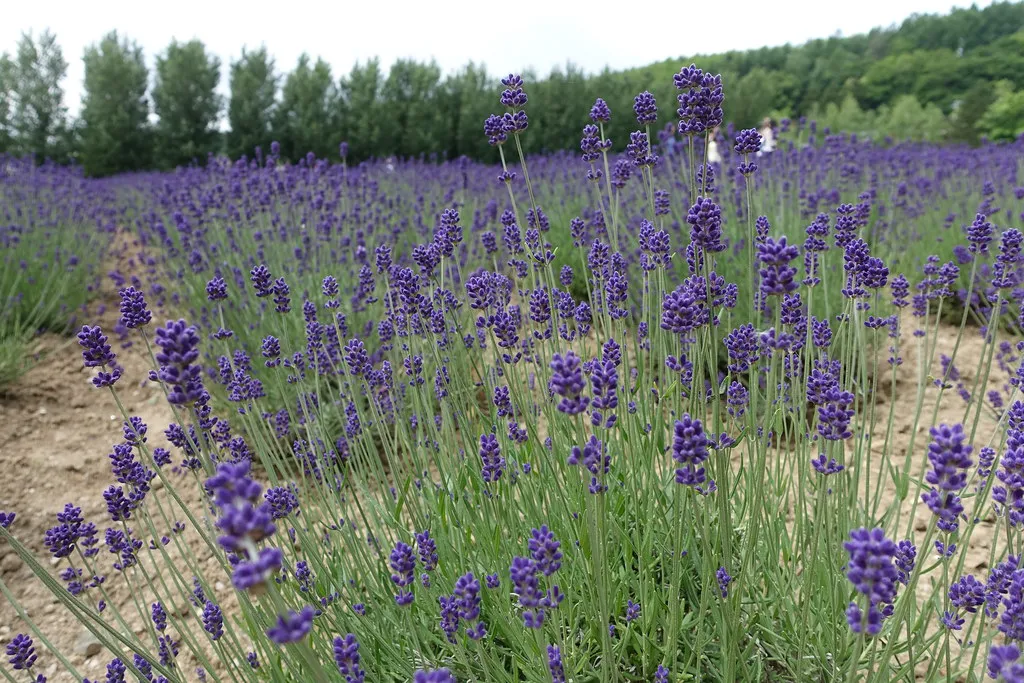
Weather in Hokkaido is much milder than in Tokyo or Osaka during the summer months. You can expect daytime highs of 20–25°C / 68–77°F during the peak lavender season. Hokkaido experiences a phenomenon called Ezo Tsuyu, which is a very mild rainy season. This quirk means you often get sunny skies while the rest of Japan is wet.
Prices for accommodation and car rentals spike significantly during the mid-July peak period. Crowd levels are highest at Farm Tomita between 10:00 and 15:00 daily. Early morning visits offer the best light for photography and much more space. Typical climate data shows that August remains warm but the lavender starts to fade.
| Season | Weather | Crowds | Prices | Events | Best for |
|---|---|---|---|---|---|
| Mid-May to late June | 10–18°C / 50–64°F | Low | Moderate | Tulips/Phlox | Quiet walks |
| July to early August | 20–28°C / 68–82°F | Very High | High | Lavender Fest | Peak Bloom |
| Late August to September | 15–22°C / 59–72°F | Moderate | Moderate | Harvest Fest | Autumn flowers |
| October to early May | -5–10°C / 23–50°F | Low | Low | Snow Fest | Winter sports |
Lavender Variety Guide: Which Type Blooms When
Not all lavender in Hokkaido blooms at the same time — and knowing the difference between varieties can completely change when you should book your trip. Farm Tomita grows four main types, each with a distinct bloom window and use. Aromatic varieties used for oil production look and smell different from the decorative types cultivated purely for visual impact.
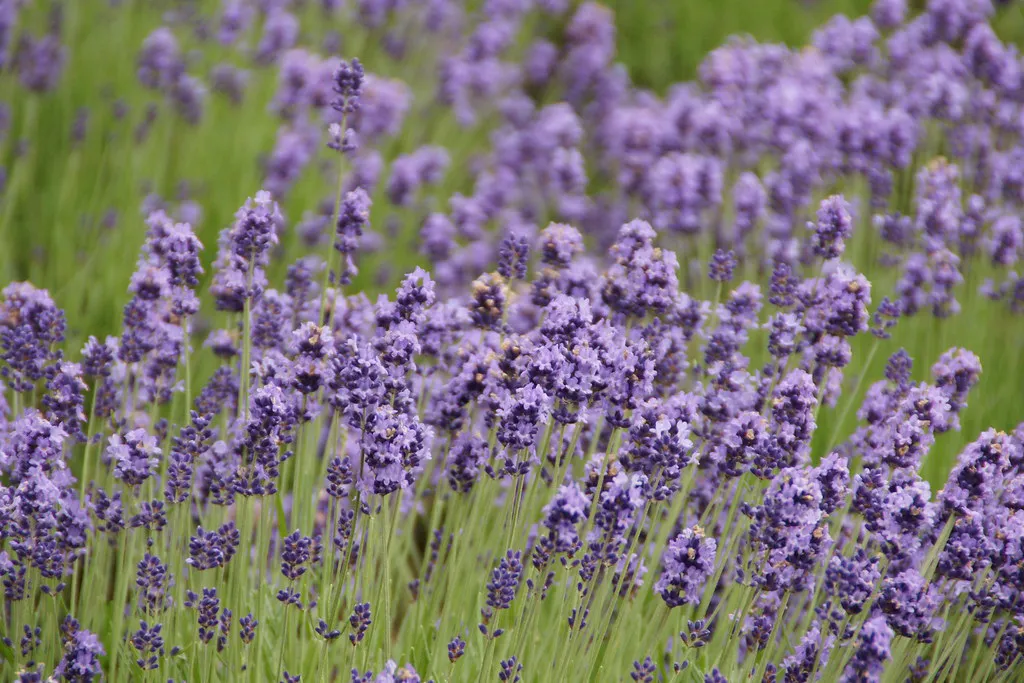
Nousari Hayazaki is the earliest bloomer, reaching peak color in late June. It has a bright, almost violet hue and a strong camphor-like scent — prized for essential oil extraction. Yotei and Hanamayoi are the showiest decorative varieties, reaching deep purple saturation between 15 and 31 July. These are the varieties pictured in almost every Furano travel photo you have ever seen.
Okumurasaki is the late-season standout, staying vibrant well into the first week of August. Its flowers are large and densely packed, making it particularly photogenic even after the other fields have been harvested. The production field at Lavender East grows primarily aromatic types for oil distillation, so the visual density is lower — but the fragrance is intense. If color is your priority, go before harvest begins around 5 August. If scent is what you want, Lavender East in late July is the place to stand.
Must-See Hokkaido Lavender Attractions
The central region of Furano is the heart of all hokkaido lavender tourism. Farm Tomita is the most famous site, featuring several distinct floral fields across its sprawling estate. You should also explore other 25 Best Things to Do in Hokkaido like the Blue Pond in Biei. These spots are often grouped together in a single day trip from Asahikawa or Sapporo.
Biei offers rolling hills that look like a colorful patchwork quilt from above. The Shikisai-no-Oka park is a massive garden that uses tractors for tours. It features rows of sunflowers and dahlias alongside the famous lavender. Walking through these fields provides a true sense of Hokkaido's agricultural scale.
Beyond the Furano basin, the town of Nakafurano is worth its own afternoon. The North Hoshiyama Lavender Garden sits on the slope of a former ski area and covers a far larger hillside than Farm Tomita. Kamifurano to the north adds Flower Land, another garden with tractor-bus tours that runs right through September. Together, the four towns of Furano, Kamifurano, Nakafurano, and Minamifurano form a loose "lavender highway" stretching about 30 km north to south along Route 237.
| Field | Access | Entry Cost | Best Feature | Crowd Level |
|---|---|---|---|---|
| Farm Tomita | 7 min walk from JR Lavender Farm Station (seasonal) | Free | Iconic hillside rows, multiple variety plots | Very high |
| Lavender East | 15 min walk from Naka-Furano Station | Free (July only) | Production-scale fields, Lavender Bus tractor ride | Moderate |
| Naka-Furano Town Garden | Chairlift from base; 5 min drive from Naka-Furano Station | Small chairlift fee (~¥200) | Aerial view over blooms, panoramic valley vista | Low–Moderate |
| Kanayama Lake Garden | Car recommended; ~40 min south of Furano | Free | Lavender beside a lake, canoe tours available | Very low |
| Flower Land Kamifurano | Car or bus from Kamifurano Station | Free (tractor bus ¥600 adults) | Successive blooms to late September, workshop atelier | Low |
Museums, Art, and Culture in Hokkaido
The culture of lavender in this region dates back several decades to oil production. You can visit the Hanabito House at Farm Tomita to learn about distillation. It features a museum dedicated to the history of the flower in Furano. The scent of drying lavender fills the air in these cultural spaces.
Local artisans create unique crafts using the dried purple stems and buds. You can purchase homemade Hokkaido lavender products like sachets and candles. The Dried Flower House is the largest of its kind in all of Japan. It showcases massive floral arrangements that stay beautiful all year round.
The Furano Jam Garden in the Rokugou district is a cultural stop that many visitors miss entirely. This complex was made famous as a filming location for the beloved TV drama "From the Northern Country" and the surrounding landscape still looks almost unchanged from the show. A small observatory sits at 500 m elevation, with lavender blooming about one week later than the valley below — meaning it extends the season for visitors arriving in early August. Inside the garden, over 30 varieties of handmade fruit jams are sold alongside Anpanman-themed goods that draw families.
Parks, Gardens, and Outdoor Spots in Hokkaido
Beyond the lavender, Hokkaido is home to incredible 6 Best Hokkaido National Parks and gardens. The Rainbow Field at Farm Tomita features seven different colors of flowers in bloom simultaneously through early October. It creates a vivid strip of color against the backdrop of the Tokachi mountain range. Walking the full circuit takes about 45 minutes at a relaxed pace.
For a quieter experience, head to the Kanayama Lake Lavender Garden in Minamifurano. This spot allows you to see lavender growing right next to the water. Guided canoe tours run on the lake throughout July, letting you paddle out and look back at the purple hillside from the water. The reflection of the blooms in the still lake surface is something none of the main Furano fields can match.
The Rokugou Observatory area in Furano city sits at 500 m and stays in bloom about one week after the valley peak. This delayed bloom is a genuine advantage for travelers who arrive during the first ten days of August. The area was selected as one of Japan's "100 Beautiful Agricultural Landscapes" by the Ministry of Agriculture, and the view justifies that designation. Marigolds, verbena, spider flower, and blue sage fill out the slopes around the lavender rows.
Family-Friendly and Budget-Friendly Options in Hokkaido
Traveling with children is easy in Furano because of the wide open spaces. Kids love to sample lavender soft cream — the version served at Farm Tomita uses real lavender extract and real Hokkaido milk, and the aroma is noticeably stronger than the imitation versions sold at highway rest stops. Many of the smaller farms offer free entry to their floral displays. Check out our 12 Best Hokkaido Foods You Must Try for more local treat ideas.
At Flower Land Kamifurano, a tractor-bus tour circles the entire garden for ¥600 per adult and is free for young children. The workshop atelier there offers a lavender sleep pillow making session for ¥1,000 per person and takes about 10 minutes — manageable even for impatient kids. The park also sells fresh seasonal corn, Furano melon, and baked goods from a small on-site shop.
A unique and budget-friendly stop is the Makomanai Takino Cemetery on the southern edge of Sapporo. This site features the Hill of the Buddha — a giant bronze figure whose face emerges from a domed mound of lavender — alongside full-scale replicas of Stonehenge and the Easter Island monoliths. It is less than 30 minutes from central Sapporo by car and about an hour by public transport. The entry fee is low and it is the only place you can see lavender in Japan alongside monumental outsider architecture. Most Furano-focused tourists never consider it.
How to Plan a Smooth Hokkaido Lavender Day
Most visitors find that Top 10 Essential Tips for a Hokkaido Rent A Car Road Trip is the best way to travel. Public transport exists, but it can be slow between the distant flower farms. A car allows you to reach the fields before the tour buses arrive. Follow a structured Hokkaido Itinerary: 7-Day Guide to Japan's North to maximize your limited time.
If you prefer trains, the Furano-Biei Norokko-go is a fun seasonal option that runs from mid-June to early September. This open-air train travels slowly through the most scenic parts of the valley and stops at the temporary Lavender Farm Station during peak season — the station is only a 7-minute walk from the main Farm Tomita entrance. Trains depart from Asahikawa and take roughly 80 minutes to reach Naka-Furano. Without a car you should plan at least 2–3 nights in the area to avoid rushing between farms on infrequent bus schedules.
For accommodation, Asahikawa is the most practical base if you want reliable transport options. The city has direct train connections to the Furano valley and a wider range of hotels than Furano town itself. Budget travellers staying in Furano should book by April for July dates — the small supply of guesthouses and pensions fills quickly once domestic tour packages open for summer. Furano town also has a few traditional pensions near the station, including the lavender-garden Pension Lavender, which suits those who want to walk to a small private lavender plot each morning.
North Hoshiyama Lavender Garden, Nakafurano
The Naka-furano Town Lavender Garden on Kita Hoshiyama hill is a must-visit for its unique transport. A single-seater chairlift takes you from the base to the top of the hill, and you glide directly over the blooming purple flowers as you ascend. The ride costs only a few hundred yen and offers an aerial perspective on the lavender that no walking path at Farm Tomita can replicate. Peak bloom on this hillside runs from mid-July to early August, with marigold, blue sage, cockscomb, and sunflowers filling out the lower slopes alongside four lavender varieties.
From the peak, you can see the entire Furano valley laid out below. The Tokachi mountain range provides a dramatic backdrop for photography. Our late-May trip hit strong Etesian-like winds on three days, so hold your hat near the observatory. This garden is consistently less crowded than Farm Tomita but delivers an equally impressive lavender density, and the chairlift alone makes it worth the detour.
Farm Tomita: Selfies, Soft Cream, and Lavender East
Farm Tomita features several specific lavender varieties with different bloom times. The Yotei and Hanamayoi types are known for their deep purple hues and peak between 15 and 31 July. Nousari Hayazaki is an early bloomer that reaches peak color in late June. Okumurasaki is a later variety that stays vibrant well into the first week of August — a genuine reason to consider arriving slightly later than the crowd peak.
Lavender East is a separate production field a short drive from the main farm, and it is one of the largest lavender fields in Japan by area. Entry is only possible during July when the public is admitted for the harvest window. A unique Lavender Bus tractor ride takes you slowly through the dense rows at ground level — a different experience from the hillside walking at Farm Tomita. The scent at Lavender East during harvest is noticeably stronger because these are aromatic oil varieties, not decorative ones. The two fields together give you both the visual and the olfactory peak of Hokkaido lavender in a single morning.
What's Closed in Low Season
Many lavender-related attractions only operate during the short summer window. Lavender East is completely closed to the public from August through June. The seasonal Norokko-go train only runs from mid-June to early September. Outside of these months, you must rely on standard local trains.
Many small farm cafes close from November to March. Farm Tomita remains open in winter, but the fields are covered in snow. The dried flower exhibitions are the only floral sights during the winter. Bus frequencies to the rural gardens are also heavily reduced in autumn.
What to Pack for Your Trip
Packing correctly ensures you stay comfortable while walking through the expansive fields. The sun can be quite strong in the open gardens during July. Even in summer, evenings in Hokkaido can feel surprisingly cool. A light layer is always recommended for after the sun goes down.
Comfortable walking shoes are the most important item for your suitcase. You will likely walk several miles a day between the different fields. Dusty paths are common, so avoid wearing your most expensive footwear. Sunscreen and a wide-brimmed hat are essential for the midday heat.
- Summer essentials
- Sunscreen and a hat
- Shoulder season layers
- A light windbreaker jacket
- Walking gear
- Sturdy and comfortable sneakers
- Rainy day prep
- A small compact umbrella
Rokugou Observatory and the Furano Jam Garden
The Rokugou observatory is part of the Furano Jam Garden complex in the district made famous by the TV drama "From the Northern Country." It sits at 500 m elevation and offers a high vantage point over the surrounding floral landscape. Lavender here blooms about one week later than the valley floor, which means the site stays at peak color until around 10 August in a typical year. Visitors who time their trip to catch the Rokugou bloom can see lavender at both valley farms and this elevated garden without any overlap in harvest timing.
You can try over 30 different types of handmade fruit jams at the garden shop, and the Anpanman Store next door makes it a reliable hit with children. The drive takes you through forested roads and small farms away from the main tourist corridor. It is a great place to escape the crowds. The observatory provides a wide panoramic view of the Yubari mountain range.
Flower Land Kamifurano
Flower Land Kamifurano is a large floral park on a hilltop accessed from Route 237 between Furano and Asahikawa. It is famous for its tractor-bus tours (¥600 adults, ¥400 children, infants free) that circle the gardens from June through September. You can participate in hands-on workshops like lavender sachet making and the lavender sleep pillow session for ¥1,000 per person. The park offers a clear view of Mount Tokachi, including its occasional volcanic activity.
Rows of flowers are planted here to bloom in succession through the entire summer. You will see poppies, lupines, marigolds, and salvia alongside the purple lavender through July, with the colour show shifting to cockscomb and blue sage as autumn approaches. The tractor bus operates on a fixed circuit, taking about 20 minutes per loop. The gift shop sells fresh seasonal produce including local corn and Furano melon.
Where to Experience This
For the fields themselves, see our Furano & Biei guide and the wider things to do in Hokkaido overview.
Frequently Asked Questions
What is the best month for lavender in Hokkaido?
The best month to see lavender is July, specifically from the 15th to the 31st. This is when the most famous varieties reach their peak purple color. Early August is also good, but harvesting begins shortly after.
Is Farm Tomita open in winter?
Yes, Farm Tomita is open year-round, but there are no outdoor flowers in winter. You can still visit the indoor dried flower house and the gift shops. The fields are typically covered in deep snow from December to March.
How much time should you plan for the Furano lavender fields?
You should plan at least one full day to see the major fields in Furano. Two days are better if you want to include Biei and the Blue Pond. Most travelers spend 2-3 hours at Farm Tomita alone.
Visiting Hokkaido during the lavender season is a bucket-list experience for many. The combination of purple fields and mountain views is truly unique in Japan. Remember to book your car and hotels early to secure the best spots. You can find more travel inspiration on the Japan Activity blog.
Whether you choose the busy peak or the quiet shoulder, the beauty is undeniable. Hokkaido's fresh air and floral scents will leave you with lasting memories. Take your time to explore the smaller farms for a more personal experience. Enjoy your journey through the purple heart of northern Japan.
Free guide: Japan's Hidden Gems
12 under-the-radar places beyond Tokyo & Kyoto — with the best season to visit each and a local tip you won't find in the guidebooks.
You might also like


Continue reading
More guides you'll find useful