6 Best Hokkaido National Parks: A Complete Travel Guide (2026)
Explore the 6 best Hokkaido national parks, from Shiretoko's UNESCO wilderness to Daisetsuzan's peaks. Includes wildlife guides, seasonal tips, and transport advice.
On this page
Having trekked across the Daisetsuzan range three times, I have seen how Hokkaido's wilderness humbles even experienced travelers. The northernmost island of Japan offers a raw, volcanic beauty that feels worlds away from the neon lights of Tokyo. This guide highlights the most spectacular protected areas for your upcoming journey into the wild.
Last refreshed October 2024, this article reflects the latest trail updates and seasonal access rules for the 2026 season. Planning a trip here requires careful timing to align with short summers or the arrival of winter drift ice. Our editors have vetted these locations to ensure you find the perfect balance of adventure and accessibility.
Hokkaido is roughly the size of Austria, meaning you cannot see everything in a single week-long visit. You should consult a Best Time To Visit Hokkaido: 10 Essential Seasonal Insights guide to choose your ideal season. Whether you seek brown bears or alpine flowers, these six parks represent the pinnacle of Japanese conservation.
Useful resources: the official Visit Hokkaido site and Japan National Tourism Organization have current access and seasonal details.
Exploring the Wild North: An Introduction to Hokkaido's Parks
The national parks in Hokkaido cover massive territories that include active volcanoes, ancient forests, and sprawling wetlands. These landscapes hold deep spiritual meaning for the Ainu, the indigenous people of northern Japan. Many landmarks, like the mysterious Lake Mashu, carry names and legends passed down through Ainu oral traditions. Visitors will notice a distinct lack of crowds compared to the popular parks near Mount Fuji.
Wildlife enthusiasts often flock to these regions to spot the iconic Ezo brown bear or the red-crowned crane. According to the Visit-Hokkaido.jp official portal, these parks protect some of the last true wilderness in East Asia. The ecosystems vary wildly from the subarctic northern islands to the steaming geothermal vents of the central highlands. Understanding this diversity is the first step toward planning a successful outdoor itinerary.
Before heading out, travelers should consider the logistical challenges of such a vast and rugged island. Most major sights are hours apart, making a Hokkaido Itinerary: 7-Day Guide to Japan's North essential for managing your limited time. While some parks offer visitor centers with English maps, others remain largely undeveloped for a more primitive experience. Prepare for a journey that rewards patience and a willingness to drive long distances.
Hokkaido's Parks by Region: How to Cluster Your Trip
Thinking in geographic zones is the single most important planning tool for a Hokkaido national parks trip. The island is large enough that combining the wrong parks in one day costs you three or four hours of unnecessary driving. Grouping by region turns a chaotic road trip into a logical route.
Southern Hokkaido is where most visitors start. Shikotsu-Toya National Park sits just 60–90 minutes from New Chitose Airport, making it ideal for a first or last day when you are managing flights. The park pairs naturally with a night in Noboribetsu onsen.
Central Hokkaido centres on Asahikawa, the gateway city for Daisetsuzan National Park. From Asahikawa you can reach the Asahidake Ropeway in about 70 minutes. This zone stands alone — do not try to combine Daisetsuzan with eastern parks in a single day unless you are driving a minimum of 3 hours each way.
Eastern Hokkaido groups three parks within a roughly 150 km radius. Akan-Mashu, Kushiro Shitsugen, and Shiretoko all base from Kushiro or Abashiri. A 4–5 day circuit of eastern Hokkaido is the most popular itinerary among visitors who want real wildlife encounters. The coastal roads connecting these parks are flat, well-signed, and open year-round (with some winter caveats below).
Northern Hokkaido means Rishiri-Rebun-Sarobetsu, the most logistically demanding park due to the ferry crossing from Wakkanai. Budget at least two nights once you reach the islands. Wakkanai itself is roughly 5.5 hours from Sapporo by limited express train, or under 4 hours by car via the western coastal highway.
6 Best Hokkaido National Parks for Your 2026 Adventure
Selecting which parks to visit depends heavily on your interest in hiking, photography, or thermal relaxation. Central parks like Daisetsuzan offer the best high-altitude trekking, while the eastern parks focus on coastal beauty and rare birds. Each location listed below offers a unique window into the natural history of the Japanese archipelago. We have ranked these based on their scenic impact and the quality of their visitor infrastructure.
Most visitors choose to base themselves in hubs like Asahikawa or Kushiro to reach these remote entrances. You can find detailed information on local sights in our 25 Best Things to Do in Hokkaido overview. Keep in mind that many mountain roads close entirely from November through late May due to heavy snow. Always check local weather forecasts as conditions on the peaks can change with terrifying speed.
The following list covers the six official national parks that define the Hokkaido experience. These areas are managed by the Ministry of the Environment to preserve their ecological integrity for future generations. Expect modest entry fees at specific attractions, though general park access is usually free of charge. Here are the top picks for your 2026 northern Japan expedition.
- Shiretoko National Park — The Remote UNESCO Wilderness
- Shiretoko is a rugged UNESCO World Heritage Site on Hokkaido's northeastern tip, recognised for combining marine and terrestrial ecosystems at a scale almost unmatched in East Asia.
- Entry to the park is free, but guided walks inside the inner zone of Shiretoko Five Lakes cost around ¥500–¥800 per person and require a 20-minute bear-safety lecture beforehand.
- The main visitor centre (Shiretoko Nature Center) opens 08:00–17:30 from late April through November; it closes entirely in winter.
- Reach the park by car from Kushiro (approx. 2.5 hours) or from Abashiri (approx. 1.5 hours); book the bear safety lecture online before you arrive.
- The elevated boardwalk at the outer loop of the Five Lakes offers a safe way to see bears without a licensed guide — the 800 m route stays open even when bears are active.
- Daisetsuzan National Park — The Roof of Hokkaido
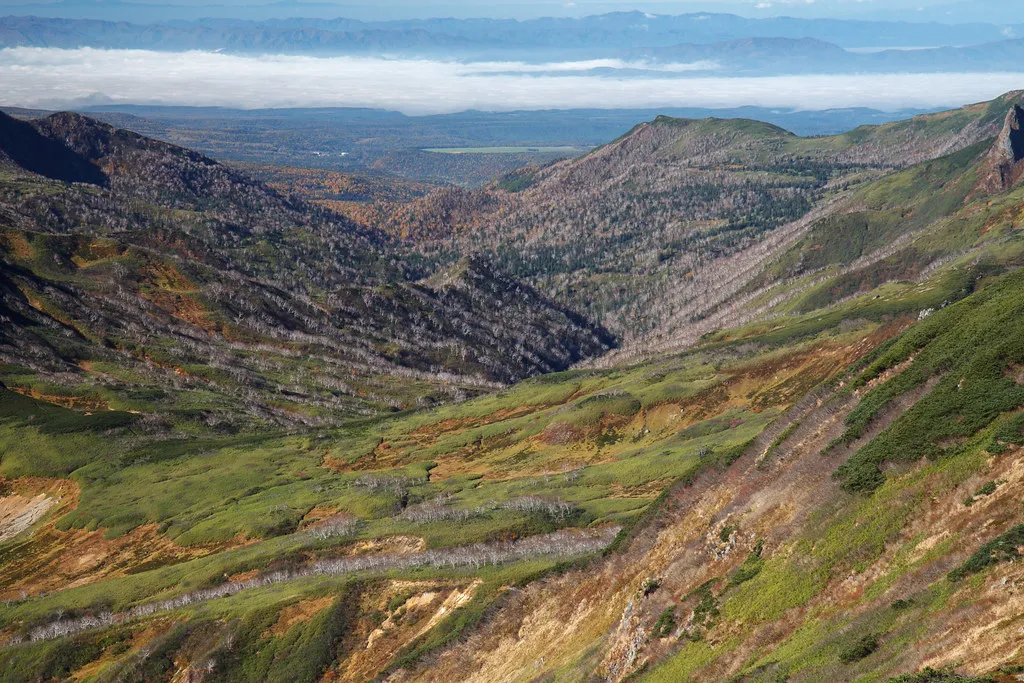
- Daisetsuzan is Japan's largest national park at 2,267 km² and centres on a massive cluster of active alpine volcanoes, with Mount Asahidake reaching 2,291 m.
- The Asahidake Ropeway costs ¥3,200 round-trip and runs daily from 06:00; the upper terminal sits at 1,600 m with steam vents visible immediately on exit.
- Located in central Hokkaido, best accessed from Asahikawa (70 km, about 70 minutes); the park rewards serious hikers with multi-day traverses including the classic 2-day Asahidake-to-Kurodake route.
- Come in early September for the earliest autumn foliage in all of Japan — the colours typically peak on the alpine slopes before any other location in the country.
- Sounkyo Gorge in the northern section of the park showcases dramatic columnar basalt cliffs and two well-known waterfalls: Ginga (Galaxy, 90 m) and Ryusei (Shooting Star, 120 m).
- Akan-Mashu National Park — Land of Volcanic Lakes and Ainu Legend
- This eastern park revolves around three famous caldera lakes: Lake Akan, Lake Kussharo, and Lake Mashu.
- Access to most viewpoints is free; the Eco-museum Center in Akankotan opens daily from 09:00 and covers both the ecology and Ainu cultural heritage of the area.
- Rent a car from Kushiro Airport for the most flexible access; the three lakes form a loose triangle drivable in a full day.
- Lake Akan is one of only two places in the world where marimo (spherical green algae balls, designated a National Special Natural Monument) grow to 15 cm or more in diameter.
- At Sunayu Beach on Lake Kussharo, you can dig into the sandy shore to find natural hot spring water — the geothermal heat also keeps part of the lake ice-free in winter, attracting whooper swans from Siberia each November through March.
- Kushiro Shitsugen National Park — Japan's Premier Wetland and Crane Sanctuary
- Kushiro Shitsugen protects 28,788 hectares of ancient marshland — Japan's largest wetland — formed over 6,000 years and designated under the Ramsar Convention.
- The main observatory charges ¥480 and stays open 09:00–18:00 (shorter hours in winter); the Hosooka observation deck is free and sits a short walk from the parking area.
- The park lies just north of Kushiro city and is reachable by car in 30 minutes; the seasonal Norokko sightseeing train also runs along the marsh edge in summer, offering slow-paced views without a car.
- Winter (December–February) is the prime season for photographing red-crowned cranes (tancho) during the artificial feeding period at Tsurumidai — pairs dance in deep snow under clear skies, creating one of Japan's most iconic wildlife spectacles.
- The park also supports Ezo red foxes and the rare Siberian salamander, as well as the seasonal SL Fuyu no Shitsugen steam locomotive running between Kushiro and Shibecha in winter.
- Shikotsu-Toya National Park — Volcanic Wonders and Onsen near Sapporo
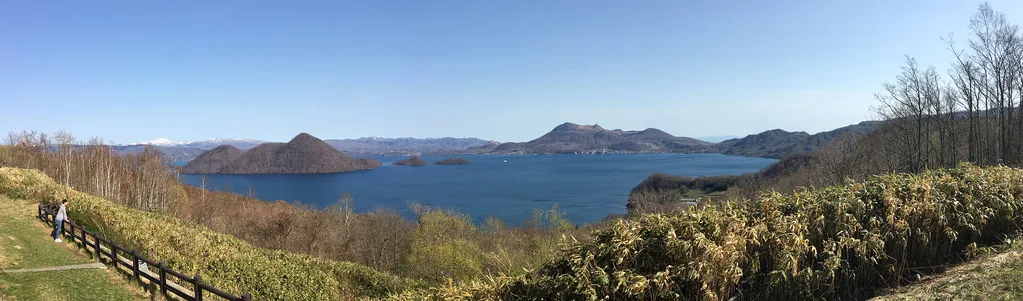
- This accessible park features two massive caldera lakes — transparent Lake Shikotsu and the summer-fireworks famous Lake Toya — plus the active Mount Usu volcano.
- Lake Shikotsu sightseeing boats cost ¥1,500 per adult and run 09:00–16:00 from late April to October; the lake stays ice-free year-round due to its depth (363 m), a rarity this far north.
- Located just 60–90 minutes from Sapporo, it is the most convenient park for short-term visitors or anyone flying in and out of New Chitose Airport.
- Combine your visit with a soak in nearby onsen — see our 10 Best Hokkaido Onsen Destinations for Your Next Trip for recommendations closest to each lakeshore.
- The Nishiyama Crater walking trail (free, open May–November) crosses land still scarred by Mount Usu's 2000 eruption, with buckled roads and toppled telephone poles preserved as they were left.
- Rishiri-Rebun-Sarobetsu National Park — Alpine Flowers and Northern Island Peaks
- Japan's northernmost national park spans two remote islands and the coastal Sarobetsu Plain on the main island — a major migratory stopover for Taiga bean geese and other waterfowl.
- Ferry tickets from Wakkanai to Rishiri run about ¥2,900 one way (45 minutes); Rebun ferries take about 1 hour 55 minutes. Prices and schedules are set by Heartland Ferry and change seasonally.
- Rebun Island is known as the "Island of Flowers" for the estimated 300 alpine plant species that bloom at sea level from June to August — a phenomenon unique on Earth, caused by centuries of island isolation.
- Plan for at least two nights across both islands; Mount Rishiri (Rishiri Fuji, 1,721 m) is a full-day ascent rated strenuous, but the island is also enjoyable by rental bicycle along the northern coastal road.
- Reach Wakkanai from Sapporo in about 5.5 hours by limited express train (Soya Line) or roughly 4 hours by car — this is the one park where going by train to the ferry terminal is genuinely practical.
Wildlife Spotting: What to See and Where
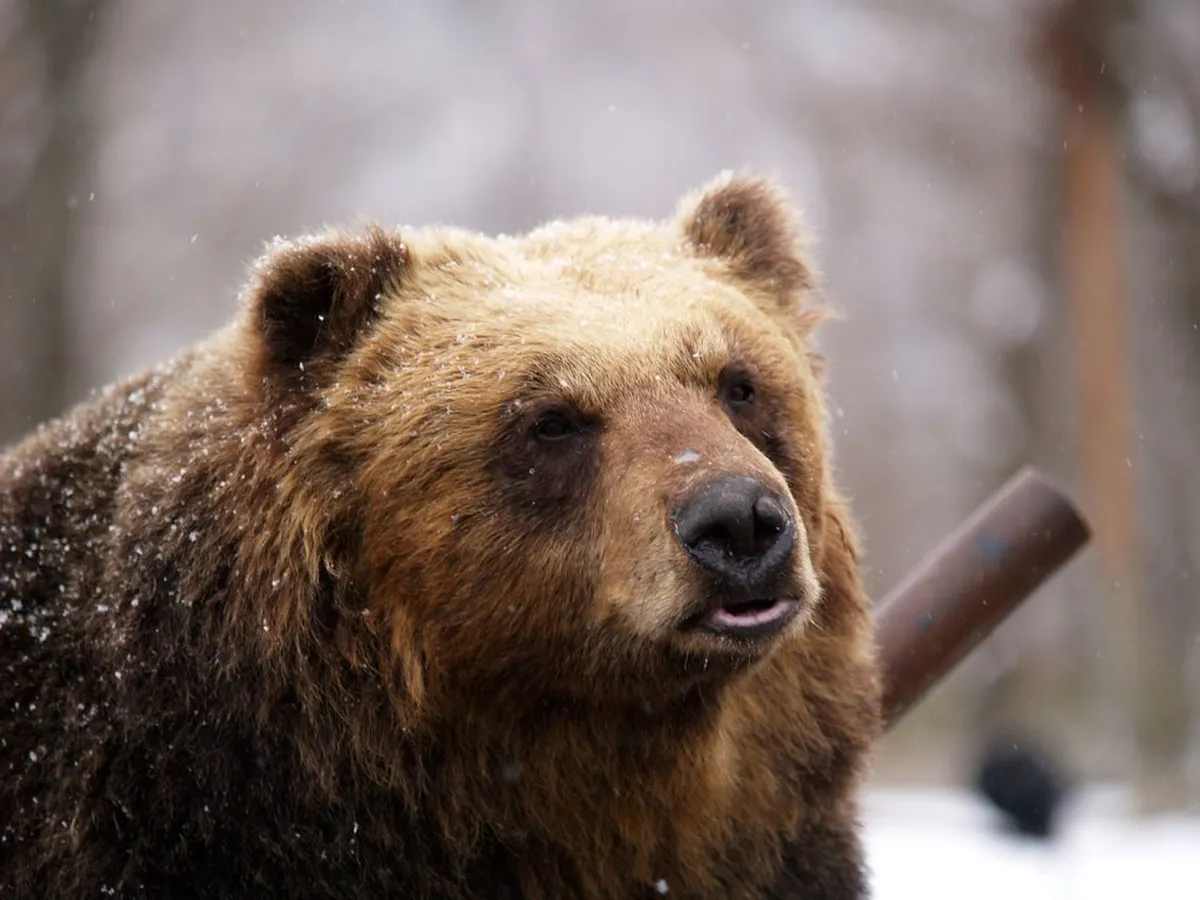
Hokkaido holds some of the most accessible large-mammal and rare-bird viewing in East Asia. Shiretoko has the highest density of Ezo brown bears in the world — sightings on the Five Lakes trails exceed 90% on calm summer mornings. Bears emerge from dens in April and are most visible through July before retreating to higher ground. The bear-watching cruise from Utoro allows you to observe them on the clifftops from the water, a genuinely safe vantage point.
For birdwatchers, Kushiro Shitsugen is the headline draw. The red-crowned crane — tancho — is one of the world's rarest cranes, with fewer than 2,000 individuals surviving globally. Around 1,400 of those live in Hokkaido's eastern lowlands. Winter feeding stations at Tsurumidai (open 09:00–16:00, free) reliably draw 50 or more birds daily from December through February. The same season brings Steller's sea eagles and white-tailed eagles to the wetland edges.
Blakiston's fish owl — the world's largest owl — inhabits the old-growth forests of Shiretoko and parts of Daisetsuzan. It is nocturnal and extremely shy; your best realistic chance of a sighting is to book a specialist night tour from a Rausu-based guide operator in January or February. In Akan-Mashu, Lake Kussharo hosts hundreds of whooper swans from Siberia each winter, feeding in the geothermally warm shallows at Sunayu Beach — a spectacle almost no western visitor is aware of but that routinely draws Japanese wildlife photographers from across the country.
Orca (killer whales) visit the waters off the Shiretoko Peninsula in late spring and early summer, attracted by the nutrients carried in by the melting drift ice. In Ainu tradition, the orca is known as Repun Kamuy — the God of the Sea — and the brown bear as Kimun Kamuy — the God of the Mountains. Understanding these names deepens what you see on any wildlife cruise or forest trail.
Seasonal Highlights: When to Visit Each Park
Hokkaido's short summers and long winters mean the right park depends entirely on the month you travel. No single season gives you everything.
- January–February: Drift ice walking on the Sea of Okhotsk near Shiretoko and Abashiri is only possible in these two months. Bookings for the walk fill early. Concurrently, tancho crane dances in Kushiro Shitsugen and whooper swans at Lake Kussharo are at their peak. Mount Asahidake in Daisetsuzan becomes a serious backcountry ski destination.
- June: Rebun Island reaches its floral peak with 300 alpine species blooming simultaneously at sea level — plan the northern islands trip specifically around this window. In Daisetsuzan, late June marks the end of snowmelt and the reopening of alpine traverse routes.
- Late August–early September: Daisetsuzan sees Japan's first autumn foliage, typically turning colour on Mount Asahidake by the first week of September — three to four weeks before the rest of Japan. This is the most photographed alpine event in Hokkaido.
- Late September–October: Autumn colour sweeps down from the peaks into the valleys. Sounkyo Gorge in Daisetsuzan and the Lake Mashu viewpoints are best during the third week of October. Brown bears are hyperphagia-feeding heavily before denning — sightings at Shiretoko remain high through late October.
- November–April: Most high-altitude mountain roads close. The Asahidake area road stays passable for the ropeway but the summit traverse is winter mountaineering. Many Shiretoko facilities close entirely after mid-November. Plan around these closures — see the transport section below.
Essential Logistics: Driving, Transport, and Winter Road Closures
Navigating the distances between these parks is the biggest hurdle for most international travelers. While the Japan.travel site lists train options, rail service to remote trailheads is extremely limited. I strongly recommend Top 10 Essential Tips for a Hokkaido Rent A Car Road Trip to avoid being stranded by infrequent bus schedules. Most rental agencies at New Chitose Airport offer English GPS systems to help you find remote entrances.
Driving in Hokkaido is generally straightforward, but winter conditions require specialised skills and studded winter tyres (mandatory on most Hokkaido roads from November to March). If you are visiting Hokkaido in Winter: 10 Essential Experiences and Itinerary Guide, be prepared for whiteout conditions and icy mountain passes. Fuel stations can be scarce in the eastern wilderness — top up every time you drop below half a tank.
Road closures are predictable but non-negotiable. The Shiretoko横断道路 (the road crossing the peninsula between Utoro and Rausu) closes approximately mid-November and reopens in late April. Mountain roads into upper Daisetsuzan close between late October and late May depending on snowpack. The road to Lake Mashu Observatory No. 1 typically closes in heavy snow periods but the access road itself rarely shuts entirely in winter — check the Hokkaido road closure map at visit-hokkaido.jp before departure.
For those without a car, Shikotsu-Toya and Kushiro Shitsugen offer the most realistic public transport access. Bus tours departing from Sapporo cover Shikotsu-Toya's highlights in a day. The JR Kushiro line reaches Kushiro city, from which local buses run to the wetland observatories in summer. Eastern Hokkaido connections between Kushiro, Abashiri, and Shiretoko exist via the JR Senmo line (slow, scenic) and seasonal express buses. However, without a car your time at each trailhead is tightly dictated by bus timetables — typically 1–2 hours per stop.
Planning Pitfalls: Common First-Timer Mistakes
Cape Soya is often cited as a must-see because it is the northernmost point of Japan. In practice, the four-hour drive from Wakkanai (after the ferry crossing) leads to a concrete monument and a food stall. Unless you are doing a full perimeter tour or have particular interest in geographic milestones, that time is better spent hiking on Rebun or circumnavigating Rishiri.
Some of the large-scale commercial boat tours in Shiretoko can feel crowded and brief. You often see more wildlife by walking the shore trails on a calm morning than from a deck full of tourists. The most expensive tours do not guarantee better bear or dolphin sightings. Check recent sightings boards at the Shiretoko Nature Center before committing your budget to a boat trip — if bears are active on the ground trails, prioritise those instead.
During peak autumn foliage season, the first observatory at Lake Mashu packs with tour buses from 10:00 to 14:00. The third observatory, a 15-minute drive further, typically has a fraction of the crowd and a longer view across the caldera. Arrive at either before 08:00 or after 16:00 to photograph the lake in silence. The same logic applies to Sounkyo Gorge in Daisetsuzan — the gorge walk is best on weekday mornings in late September.
Where to Experience This
Use Asahikawa as your Daisetsuzan gateway and Noboribetsu for Shikotsu-Toya; plan the rest with our Hokkaido region guide.
Frequently Asked Questions
Do I need a car to visit Hokkaido national parks?
Yes, a car is highly recommended for most parks. While some southern parks have bus access, remote areas like Shiretoko and Daisetsuzan are difficult to reach without your own wheels. Renting a vehicle provides the flexibility needed to navigate the island's vast distances.
Are there brown bears in all Hokkaido national parks?
Brown bears live in most of Hokkaido's mountain and forest regions. Shiretoko and Daisetsuzan have the highest populations, so hikers must carry bear bells and follow safety protocols. Always check with local visitor centers for recent bear sightings before starting a trek.
What is the best time of year to see wildlife?
The best time depends on the species you want to see. Visit in winter for red-crowned cranes and drift ice wildlife like Steller's sea eagles. For brown bears and alpine flowers, the summer months of June through August offer the best viewing opportunities.
Hokkaido's national parks offer a rare glimpse into a world where nature still dictates the pace of life. From the steaming vents of the central peaks to the silent marshes of the east, the variety is staggering. By choosing the right season and securing a rental car, you can experience these wonders without the typical tourist crowds.
Remember to respect the local Ainu heritage and the strict conservation rules that keep these areas pristine. For more planning tips, explore our guide on Japan activity trends and local experiences. The wild north is waiting to be discovered, one volcanic trail at a time.
Free guide: Japan's Hidden Gems
12 under-the-radar places beyond Tokyo & Kyoto — with the best season to visit each and a local tip you won't find in the guidebooks.
You might also like

Continue reading
More guides you'll find useful