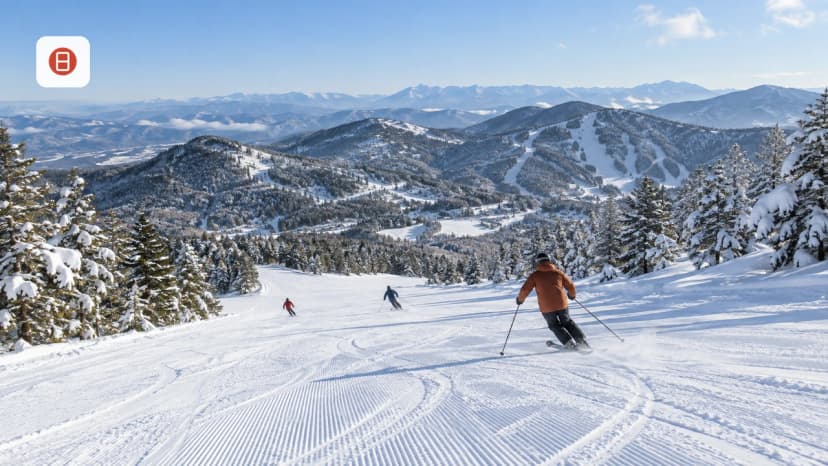
Jigokudani Monkey Park offers one of the world's most extraordinary wildlife encounters: wild Japanese macaques bathing in a natural hot spring, surrounded by snow-draped forest. The park sits deep in the Jigokudani valley in Nagano Prefecture, about 50 minutes north of Nagano city. Getting here takes some effort, but virtually every visitor says it is worth every transfer.
This guide covers everything you need to plan a smooth 2026 visit — how to travel from Tokyo, Osaka, or Nagano; what hours and fees to expect; the best season to go; how to read the monkeys' behavior while you watch; and what to do in the wider Shibu Onsen and Yamanouchi area once you leave the park.
Jigokudani Monkey Park: An Introduction to the Snow Monkeys
Jigokudani Monkey Park — officially Jigokudani Yaen Koen — is home to a troop of several hundred wild Japanese macaques, the only monkey species native to Japan. What makes this park unique on a global scale is that these are the only known macaques anywhere in the world that bathe in hot springs entirely of their own accord. No other troop has replicated the behavior; the Jigokudani monkeys discovered it themselves in the 1960s and passed it down through generations.
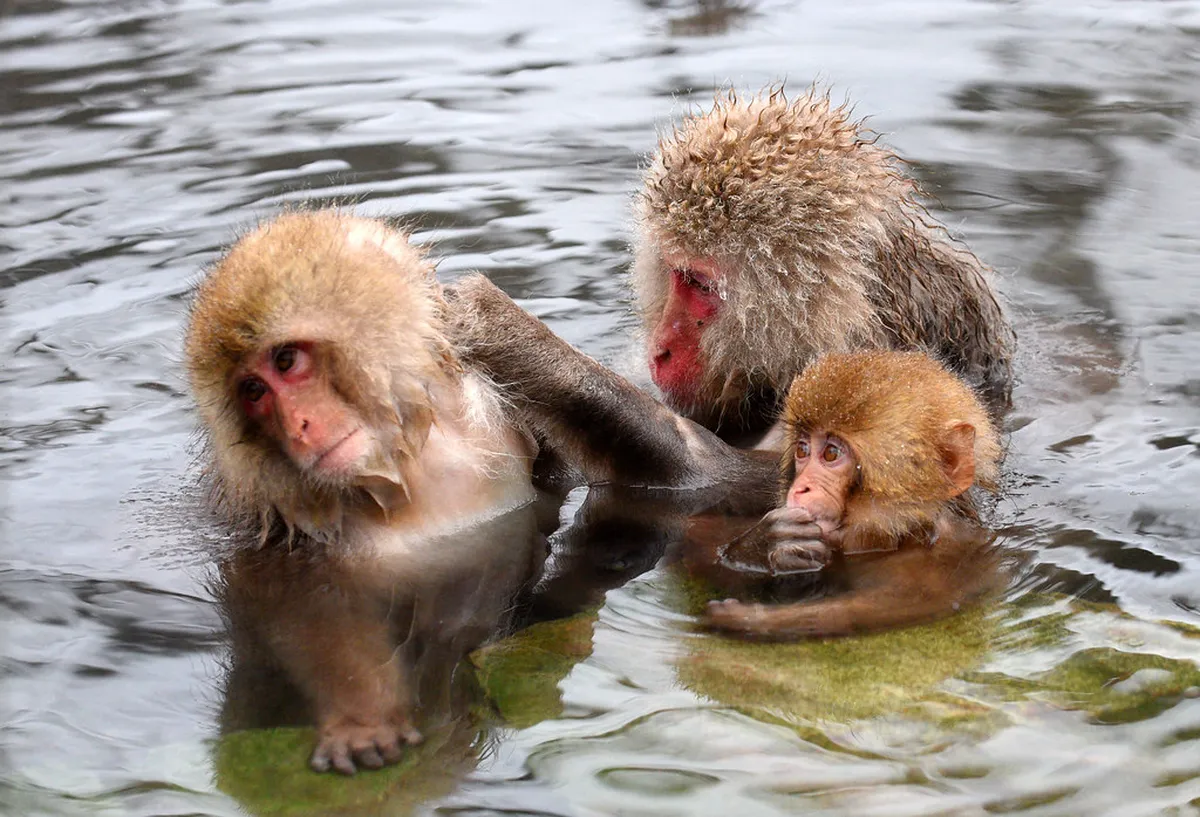
The name Jigokudani translates to "Hell Valley," a reference to the volcanic steam that vents from the rocky cliffs throughout the year. That same geothermal activity feeds the pool the monkeys use. The park is set within Joshinetsu Kogen National Park, surrounded by steep forested ridges that are blanketed in snow from December through March.
There are no cages or barriers between visitors and the monkeys. The macaques are fully wild and free to come and go at any time. This means viewing is never guaranteed — but in practice, during winter and cool-weather months, the troop is almost always present around the pool.
The Real History Of The Snow Monkeys
The story begins in the late 1950s, when a nature lover named Sogo Hara noticed that macaques displaced from the surrounding mountains had started raiding nearby farms. Angry farmers were hunting them. Hara, along with the owner of the Korakukan ryokan in Jigokudani valley, began luring the monkeys away from the farms and toward the inn, using apples as bait. According to local legend, an apple fell into the outdoor hot spring pool and one monkey went in after it — and stayed. Others followed, and the bathing habit spread through the troop.
The first photograph of monkeys in the springs was taken by Tomio Yamada in 1962, drawing attention from the scientific community. The behavior was unprecedented: no other primate outside of humans had been observed bathing in thermal water for comfort. A dedicated pool was then built across the river from the Korakukan ryokan specifically for the monkeys, and the Jigokudani Monkey Park formally opened in 1964.
International fame arrived on 30 January 1970, when the snow monkeys appeared on the cover of Life magazine. Wildlife photographer Kojo Tanaka's images showed the monkeys' near-human expressions mid-soak, and the pictures circulated worldwide. Today, the park still uses the same concept: a single outdoor hot spring pool set amid forest, with visitors observing from a short walkway at pool level. Scientific research has since confirmed that the bathing macaques show measurably lower cortisol levels — the hot spring genuinely reduces their stress.
How to Get to Jigokudani Monkey Park
The closest town to the park is Yamanouchi, which encompasses the onsen villages of Yudanaka and Shibu Onsen. Most visitors use one of three routes: bullet train from Tokyo via Nagano, Shinkansen from Osaka via Nagoya and Nagano, or car.
From Tokyo: Take the JR Hokuriku Shinkansen from Tokyo Station to Nagano Station — approximately 1 hour 35 minutes, ¥8,340. This train is covered by the JR Pass. At Nagano Station, board the Nagano Electric Railway (Nagaden) Nagano Line to Yudanaka Station; the ride takes about 50 minutes and costs ¥1,290. Note that the Nagaden is not covered by the JR Pass. At Yudanaka Station, a local bus runs to the Snow Monkey Park parking lot and trailhead in around 10 minutes (¥310). Most ryokans in the area will also collect guests directly from Yudanaka Station if you phone ahead.
From Osaka: Take the JR Tokaido-Sanyo Shinkansen to Nagoya (about 50 minutes, ¥6,680), then transfer to the JR Shinano Limited Express to Nagano (about 3 hours, ¥7,460). Both JR trains are covered by the JR Pass. Allow roughly 6 hours total including transfers before you reach Yamanouchi. From Nagano Station, follow the directions above.
Alternative from Nagano — Express Bus: Rather than taking the Nagaden train and then a bus, you can catch the Express Bus to Shiga Kogen directly from Nagano Station. The journey takes 40 minutes and costs ¥1,800, depositing you at the Snow Monkey Park parking lot and trailhead in one step. This is often the quickest option if you are doing a day trip from Nagano.
By car: The drive from Nagano Station to the trailhead parking lot is approximately 35 km and takes around 58 minutes. From Tokyo, allow about 4 hours (275–325 km depending on route). Parking is available at the trailhead.
The trail itself: From the trailhead, a 1.7 km forest path leads to the park entrance. The walk takes roughly 25–35 minutes at a brisk pace. The trail is a mix of dirt path, stairs, and paved walkway with moderate inclines. In winter the path can be icy: micro-spikes for your shoes and a set of collapsible trekking poles are strongly recommended between December and February. You will often see monkeys on the trail itself before you even reach the park entrance.
Jigokudani Monkey Park Hours and Fees
The park is open year-round. Summer hours (April to October) run 08:30–17:00. Winter hours (November to March) are 09:00–16:00. Admission for adults is ¥800; children pay ¥400. You do not need to pre-book — pay at the entrance on the day.
Always confirm current hours and fees directly with the Jigokudani Yaen Koen official site before you travel, as opening times can shift for public holidays or maintenance. Budget around 1.5–2 hours on-site, plus roughly an hour for the return walk to the trailhead.
Best Time to See Snow Monkeys in Japan
Winter (December to March) is the prime season. Cold temperatures push the troop down from the forest more reliably, and they stay in the pool for longer stretches. January and February typically deliver the heaviest snow, producing the classic image of pink-faced monkeys half-submerged in steaming water against a white backdrop. Crowds peak during these months; arrive by 09:00 to beat tour groups, which tend to arrive mid-morning.
Spring (April to May) brings budding foliage and, if you are lucky, newborn macaques clinging to their mothers. The monkeys use the pool less consistently in warmer weather, but the setting is beautiful and crowds thin out compared to winter. Cherry blossom in the wider Nagano area peaks in mid-April.
Summer (June to August) is the least reliable season for pool bathing — the monkeys have no need for the warmth and largely stay in the forest canopy. You will still see the troop moving around the park area, but the iconic hot-spring shots are rare. The hike in is pleasant, and the valley is lush and green.
Autumn (September to November) offers koyo (autumn foliage) from late October, comfortable temperatures, and smaller crowds than winter. The monkeys begin returning to the pool as temperatures drop in November. This is an underrated time to visit: the red and gold forest canopy above the steam makes for excellent photography.
Finally Seeing The Snow Monkeys Bathing: Tips for Your Visit
The pool is smaller than most first-time visitors expect. At any given time, a dozen to several dozen monkeys may be using it, with others sitting on the rocky edges or moving along the path around you. The viewing area is at pool level with no raised platform and no fencing between you and the animals — you can be less than a metre from the edge. The monkeys are entirely unbothered by the presence of people, provided visitors behave calmly.
Respect the park's core rules: never feed the monkeys, never touch them, never crouch down to a monkey's eye level or make sustained direct eye contact (this reads as a threat). Keep your voice low. Do not use flash photography. If a monkey approaches you, stand still and let it pass rather than stepping toward it.
Photography tips: A zoom lens of 70–200mm lets you fill the frame from the viewing area without crowding the pool. Shoot in burst mode — expressions change quickly and a monkey can go from eyes-open curiosity to a half-submerged doze in two seconds. In overcast winter light, boost your ISO to 800–1600 to avoid camera shake without flash. The steam rising off the pool is most visible in cold, still air, usually early morning. Check the Japan snow monkeys live cam the evening before your visit to gauge pool activity and steam conditions.
Spend at least 45–60 minutes at the pool rather than rushing through. Activity cycles — the troop moves in and out of the water, grooms, squabbles, and settles again. Visitors who stay longer almost always see more compelling behavior than those who photograph for 15 minutes and leave.
Reading the Monkeys: What You Are Actually Watching
One detail that transforms the visit from "wildlife photo stop" to genuinely engrossing experience is understanding the social dynamics on display. The macaques at Jigokudani have a clear hierarchy, and the pool is where that hierarchy becomes visible. Senior females tend to occupy the warmest, most central positions in the water and sit motionless for long stretches — the picture of serenity. Juveniles barrel around the edges, dunk each other, chase each other across the rocks, and generally irritate the adults, who brush them off with the weary indifference of anyone ignoring a toddler.
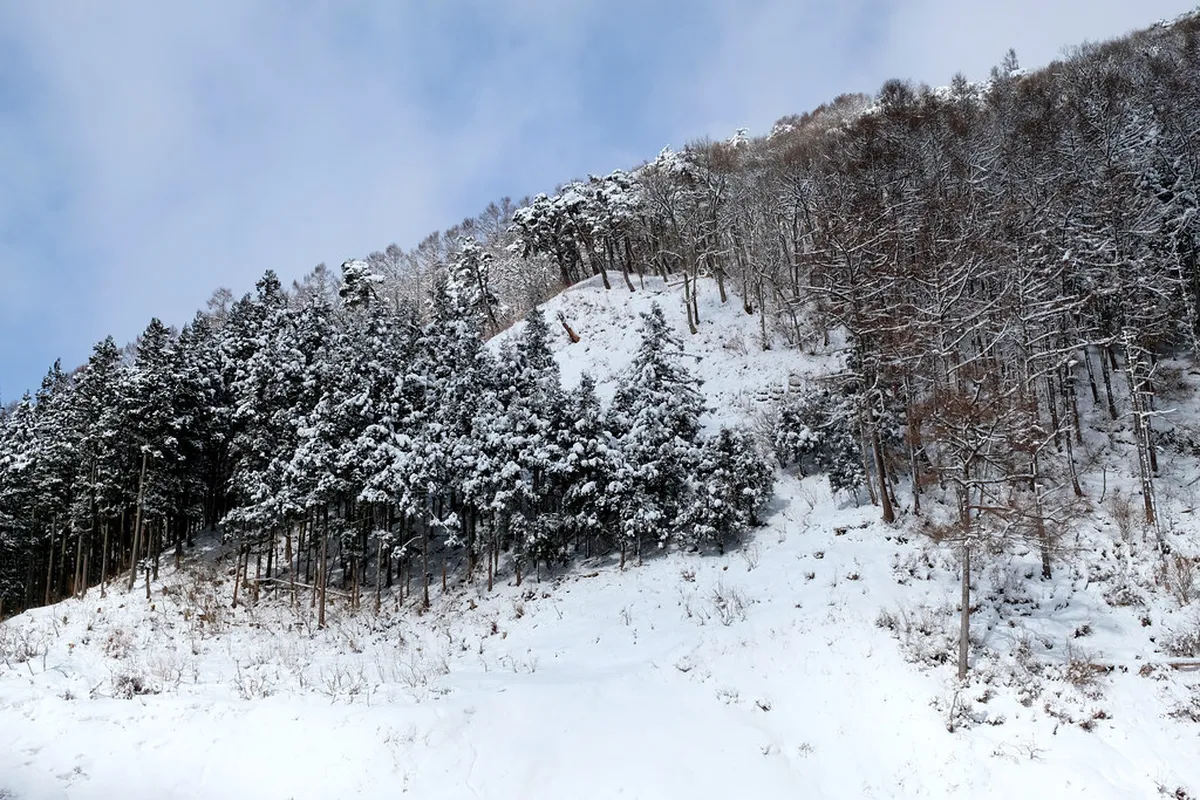
Grooming — one monkey meticulously picking through another's fur — is not just hygiene; it is how the troop reinforces social bonds and alliances. If you watch two monkeys grooming, the one being groomed is typically of higher status. Mothers with very young infants will press babies tightly against their chests even while bathing; the infants look bewildered by the warm water and cling on hard. These interactions are what the wildlife photographer Sam Knight described as "like watching a group of human adults and children around a pool" — and the likeness is genuinely uncanny in person.
The stress-reduction function of the bath is also observable. Monkeys that have been in the water for ten or more minutes take on a visibly relaxed posture: eyelids drooping, fur steaming, often facing away from the group. This is the cortisol-reduction response documented by researchers — it is real and you can see it playing out in real time. Knowing this makes the experience feel less like a zoo exhibit and more like observing something meaningful about animal cognition and social life.
Is it Ethical to Visit the Japan Snow Monkeys?
Visiting Jigokudani is widely regarded as one of the more ethically defensible wildlife viewing experiences in Japan, but it is not without nuance. The park was created precisely to protect the macaques from being killed by farmers — the troop was raiding crops before Hara and the Korakukan ryokan owner intervened. The admission fee directly funds park maintenance and staff.
The main ethical caveat is food baiting: park staff scatter food into the pool during non-winter months to encourage the monkeys to remain near the water, since otherwise they would stay in the forest where visitors could not easily see them. The monkeys are wild and free to leave, but the food incentive does shape their behavior. During winter, cold temperatures motivate the troop to bathe naturally and bating is less of a factor. If this concerns you, a December-to-February visit is the cleanest ethical choice — the monkeys are using the pool on their own terms.
A separate issue: at peak winter times, more than 100 visitors can be present simultaneously. Staff have on occasion prevented monkeys from returning up the mountain to avoid disappointing guests who paid to see them. This behavior is not representative of every visit, but it is worth being aware of. If you witness staff physically blocking a monkey's movement, the responsible step is to note it and report it to the park's contact address. The monkeys themselves remain calm and accustomed to crowds; the concern is with whether the incentive structure respects their agency.
By following all park guidelines — no feeding, no touching, quiet behavior — your visit supports both the park's revenue and the continued protection of the troop. The alternative to this park, as travelers who have visited the imitation monkey enclosure in Hakodate quickly discover, is a zoo-style concrete pen where monkeys are kept in artificial conditions. Jigokudani is not that. The valley, the forest trail, and the troop are genuinely wild.
What to Do Near Jigokudani Monkey Park
The best complement to the monkey park is an overnight stay in Shibu Onsen, the historic hot spring town a short bus ride from the trailhead. Staying here rather than day-tripping from Nagano gives you early-morning access to the park (before the tour groups), evenings wandering the stone-paved lanes in a yukata, and the chance to attempt the famous nine-bathhouse circuit (see below).
In the wider Nagano area, Zenko-ji Temple is a non-negotiable stop — it houses the very first image of Buddha to reach Japan, and the inner sanctuary walk in darkness beneath the temple is an experience unlike anything else in the country. Togakushi Shrine, set in ancient cedar forests about 40 minutes from Nagano city, combines beautiful hiking with three separate shrine precincts; near the middle shrine is a ninja theme park that works surprisingly well for families. Obuse, a small town east of Nagano, is known for chestnut-based cuisine and the Hokusai Museum, which holds an extraordinary collection of the woodblock print master's work. Kaminari Falls, about 30 minutes east of Nagano by car, drops 30 m and has an eroded alcove behind the curtain — you can walk behind it without getting wet, which is worth the short detour. Cherry blossom viewing at Joyama Park in mid-April and autumn koyo across the region round out the seasonal calendar.
Visiting The Nine Bathhouses Of Shibu Onsen
Shibu Onsen is a small, atmospheric town of old wooden buildings and steaming grates in the pavement. Guests staying at any ryokan in the town proper receive a key during check-in that opens all nine public bathhouses (soto-yu). The bathhouses are spread across the town's narrow lanes, each with a different mineral composition and traditional health benefit — from eye ailments to joint relief. Local legend holds that visitors who bathe in all nine and collect a stamp on their towel will receive good health and fortune.
Each bathhouse is small — enough for two or three people before it becomes awkward — and stripped-back: a locker area, a washing station, and a bath. The circuit takes most guests about 2 to 2.5 hours if they spend roughly 15 minutes per bathhouse, including the time to undress, rinse, soak, re-robe in their yukata and haori (outer robe), and walk to the next one. The wooden geta sandals provided by the ryokan make the cobblestone streets feel properly old-Japan. Note that visible tattoos are not permitted in most bathhouses; waterproof tattoo cover patches are available at the ryokan desk or convenience stores in town.
The ritual works best done in the early evening after visiting the monkey park. The hot soaks after a cold forest walk are deeply restorative, and the town is quieter once the day-trippers have headed back to Nagano. Bath #9 (Maji-no-yu), at the far end of the circuit, has the hottest water of the nine — many guests save it for last as a kind of finale.
Where Else Can You See Japanese Macaques?
Jigokudani is the only place in Japan — and the world — where you can reliably see macaques bathing in natural hot springs. That is the defining experience. However, if you cannot reach Nagano or want to see wild macaques in other settings, there are a few alternatives worth knowing.
The Iwatayama Monkey Park just outside Kyoto, above Arashiyama, is the most convenient option for travelers already in the Kansai region. Around 120 macaques roam a forested hilltop; feeding is permitted inside a covered pavilion. The setting is scenic and the access is easy, but there is no hot spring pool. The Osarunoyama Monkey Park near Nikko in Tochigi Prefecture is another option for those based in Tokyo — and it pairs logically with a visit to the Toshogu Shrine complex in Nikko. You can also encounter wild troops at the Awajishima Monkey Centre on Awaji Island and at the Choshikei Monkey Park on Shodoshima island, both accessible from Kobe or Osaka.
Be cautious of imitation attractions. Some venues in Hokkaido and elsewhere advertise "snow monkeys in hot springs" but keep the animals in artificial zoo enclosures. If you want the real experience — wild macaques in a natural volcanic valley — Jigokudani is the only option. Make the trip to Nagano.
Where To Stay In Yamanouchi
Staying overnight in Yamanouchi — specifically in Shibu Onsen or Yudanaka Onsen — is strongly recommended over a day trip from Nagano. An early start from a local ryokan means you reach the park before the first tour buses, often finding the pool area quiet and the steam rising undisturbed.
Traditional ryokans in Shibu Onsen typically cost ¥15,000–¥30,000 per person per night, including an elaborate kaiseki dinner and breakfast. This price range includes private onsen access, a yukata set, and the key to the nine public bathhouses. The Korakukan ryokan — the inn directly adjacent to the park that helped start the whole snow monkey story — is one of the most atmospheric options and sits right at the end of the forest trail, making it possible to reach the park in minutes at opening time. Book well in advance for any winter weekend stay.
Mid-range hotels and minshuku (family-run guesthouses) around Yudanaka Onsen run roughly ¥8,000–¥15,000 per person. These offer a comfortable base with hot spring access and are a short bus ride from the trailhead. Budget guesthouses start around ¥4,000 per person. Most accommodation in the area will arrange collection from Yudanaka Station if you notify them of your arrival train in advance.
Related Tours & Activities
Organized day trips to Jigokudani from Tokyo or Nagano remove the need to navigate the Nagaden train, the local bus, and the trail independently. Group tours from Tokyo typically run 10–12 hours and include van transport, park entry, and a guide. They often combine the monkey park with Zenko-ji Temple and, occasionally, a sake tasting or traditional lunch.
If you are based in Nagano, a half-day tour is enough time to reach the park, spend 1.5 hours watching the monkeys, and return. Independent travelers comfortable with train schedules will find the journey manageable; the signage at Yudanaka Station and along the trail is clear in English. A guided tour makes more sense for travelers with limited time, those visiting in deep winter when the trail requires more care, or solo visitors who want context about the monkeys' behavior.
Whatever you choose, avoid purchasing any tour that promises "guaranteed monkey viewing" — the animals are wild, and while they are almost always present in winter, no park or operator can guarantee their appearance.
Frequently Asked Questions
How much time do you need at Jigokudani Monkey Park?
Most visitors spend about 1.5 to 2 hours at Jigokudani Monkey Park. This includes the walk to and from the park entrance. This duration allows ample time to observe the monkeys and take photos.
Do you need to book Jigokudani Monkey Park tickets in advance?
No, you do not typically need to book Jigokudani Monkey Park tickets in advance. You can purchase admission directly at the park entrance. However, guided tours may require prior booking for convenience.
What are the rules for visiting a monkey park?
Visitors must not feed, touch, or get too close to the monkeys. Maintain a respectful distance and avoid direct eye contact. Flash photography is generally discouraged to prevent disturbing the animals.
Is Jigokudani Monkey Park worth visiting?
Yes, Jigokudani Monkey Park is widely considered worth visiting for its unique wildlife experience. Observing wild snow monkeys bathing in hot springs is a rare and memorable sight. It offers a distinct cultural and natural encounter in Japan.
Can you touch the snow monkeys at Jigokudani?
No, you cannot touch the snow monkeys at Jigokudani Monkey Park. It is strictly prohibited to ensure the safety of both visitors and the wild animals. Maintain a respectful distance and observe them from designated areas.
A visit to Jigokudani Monkey Park offers a truly extraordinary glimpse into the natural world. Watching the snow monkeys bathe in their steamy hot springs is a highlight for many travelers. This guide provides all the necessary details for planning your trip effectively.
From understanding the park's history to navigating transport and nearby attractions, you are now well-equipped. Remember to respect the park rules and the animals' natural habitat. Prepare for an unforgettable adventure in the heart of Nagano Prefecture.
Embrace the unique cultural experiences of Shibu Onsen and the wider Nagano region. Your journey to see the Japanese snow monkeys will be both educational and inspiring. Start planning your incredible Jigokudani Monkey Park visit today.
For official details, visit the Jigokudani Monkey Park on Wikipedia and Jigokudani Monkey Park official site.