

Nagano Oyaki Guide: Best Shops, DIY Workshops & Local Flavors
Compare Nagano oyaki styles, from irori-grilled dumplings at Ogawanosho to the modern OYAKI FARM by Irohado, plus DIY workshop costs and top fillings for 2026.
On this page
Last updated August 2026. Nagano oyaki is the buckwheat dumpling locals eat before soba, filled with pickled greens, mushrooms, or sweet bean paste. You can find it grilled over an open hearth near Zenko-ji Temple, steamed at station kiosks, or handmade in a rural workshop 30 minutes outside Nagano city.
What Is Nagano Oyaki?
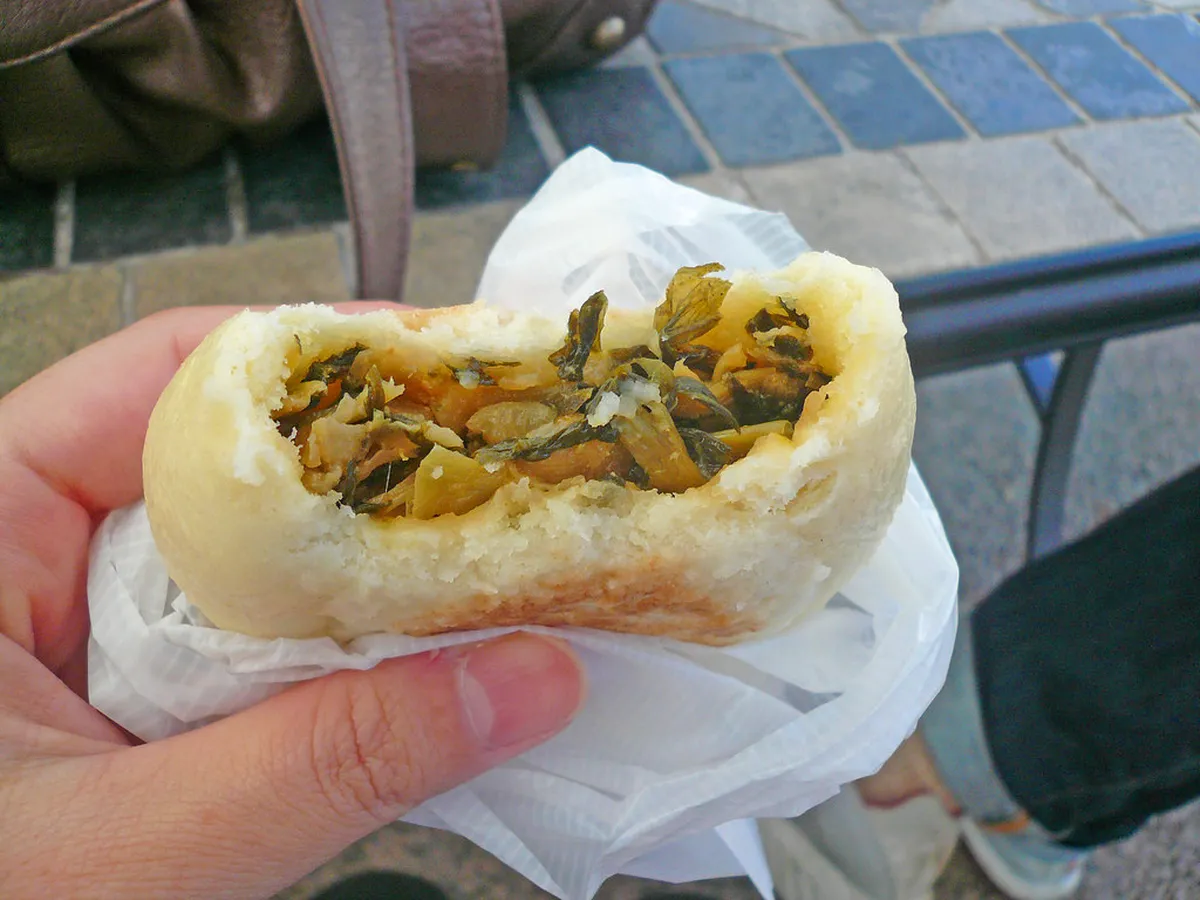
Nagano oyaki is a fist-sized dumpling made from a fermented buckwheat-and-wheat dough, wrapped around a savory or sweet filling, then grilled, steamed, or fried. Nagano's mountainous terrain made rice farming difficult, so cooks in the north and the Azumi Basin developed oyaki as a substitute. Shops specializing in oyaki grew from the 1980s onward, turning a farmhouse staple into a prefecture-wide snack. Buckwheat cultivation in the region goes back to experimentation by the Jomon people, whose adaptation to the mountainous terrain also produced soba noodles, soba flour, and soba tea. Oyaki grew out of that same buckwheat economy, using dough instead of noodles. Most fillings are sourced close to where the dough is made, so the exact mix on offer changes with what local farms are harvesting that week. Because oyaki started as a way to stretch scarce rice, it remains inexpensive today, and stalls treat it as an everyday food rather than a special-occasion dish. The same buckwheat dough shows up in Togakushi soba, linking the two dishes despite one being a noodle and the other a dumpling. Do not confuse oyaki with imagawayaki, a separate wagashi dessert made from a light batter. Some stalls sell items labeled oyaki that are actually imagawayaki, so check the filling before you buy. For the wider list of Shinshu dishes worth trying, see the Nagano Food Guide: Must-Try Dishes & Culinary Experiences (2026).
Three Ways to Cook Nagano Oyaki: Irori, Steamed, and Fried
Nagano oyaki comes in three main cooking styles, and where you eat one often depends on which texture you want. Ogawanosho's hearth-grilled version is the closest thing to the original farmhouse method, cooked in the ash of an open irori fire. Irohado's Zenko-ji Nakamise branch takes the opposite approach, frying the dough first and then baking it for a crisp shell. Most station kiosks default to the steamed style, which travels well if you plan to eat later. Steamed oyaki also reheats well in a microwave or steamer, which is why shops sell it packaged for takeaway.
| Style | Texture | Best for |
|---|---|---|
| Irori-yaki (hearth-grilled) | Charred exterior, thick skin, smoky flavor | Traditionalists seeking the farmhouse method |
| Mushi-oyaki (steamed) | Soft, bun-like, mild | A light snack between sightseeing stops |
| Age-oyaki (fried-then-steamed) | Crispy outside, doughy inside | Festival-style eating and heartier appetites |
Where to Eat Oyaki Near Zenko-ji Temple
Chuo-dori, the street connecting Nagano Station to Zenko-ji Temple, holds most of the city's well-known oyaki counters. Walking this route covers Ogawanosho, Irohado, and Suyakame without a taxi or bus. At the Daimon branch, a gift shop selling frozen oyaki sits at the entrance, and the irori hearth cook works at the back. Hours are usually 9:00am to 5:00pm. The shop has reportedly closed on Wednesdays, so confirm the current schedule before a special trip. Eggplant (nasu) oyaki here has been priced under ¥200 per piece, one of the more affordable bites in the neighborhood. A third Ogawanosho counter operates inside the Midori building attached to Nagano Station, useful if you only have a few minutes between trains. Zenko-ji Temple anchors Nagano's top attractions, so pairing a stop at any of these three shops with a temple visit needs no detour. The Daimon branch's gift shop also sells frozen oyaki packs to take home, useful if the hearth line is long or you want to cook a batch later. Suyakame's Zenko-ji branch leans toward miso-forward fillings, a good stop if you already tried the eggplant version at Ogawanosho and want a different flavor profile. Arrive earlier in the day to watch the grilling process. Visiting right before closing still gets you an oyaki, but the hearth cook may already be winding down for the night.
| Shop | Location | Known for |
|---|---|---|
| Ogawanosho, Daimon branch | Patio Daimon, on Chuo-dori | Irori hearth grilling; eggplant (nasu) oyaki |
| Irohado, Zenko-ji Nakamise branch | Zenko-ji Nakamise shopping street | Fried-then-baked dough |
| Suyakame, Zenko-ji branch | Near Zenko-ji Temple | Miso-forward fillings |
Ogawanosho's Rural Headquarters vs. the City Branch
Ogawanosho's original shop sits in Ogawa Village, about a 30-minute drive west of Nagano city, inside a renovated farmhouse that opened in 1986. Choosing between the two locations comes down to time versus atmosphere. If a rental car or the extra half-hour fits your itinerary, the Ogawa Village headquarters offers the fuller farmhouse experience and the widest filling list. Travelers working around train schedules get the same hearth-grilled method at the Daimon branch, a few minutes from the temple. Ogawa Village's restaurant also serves soba alongside its oyaki menu, so a stop there can double as a full lunch built entirely around the prefecture's buckwheat. Ingredients are sourced locally, which is part of why the filling list changes with the seasons.
- Ogawa Village headquarters: farmhouse setting inside a former residence, opened 1986, more than 20 filling options, on-site restaurant also serves soba
- Daimon branch: no drive required, same irori hearth grilling, smaller filling menu, a few minutes' walk from Zenko-ji Temple
OYAKI FARM by Irohado: A Modern Alternative
OYAKI FARM by Irohado swaps the farmhouse hearth for modern circular wooden architecture, cafe-style seating, and windows onto the production area. It works well for travelers with a car who want a sit-down stop rather than a street-side bite. Because seating splits between an indoor cafe and an outdoor patio, groups can usually find a table even when a tour bus stops in. The 40-car lot removes the parking hunt common near central Nagano shops, making this an easy self-driving stop between the city and Ogawa Village. Open sightlines into the kitchen give children something to watch while orders are prepared, making the farm an easy stop for families traveling with kids.

- Hours: 9:30am to 6:00pm, until 5:00pm in winter
- Parking: 40 cars
- Seating: 10 seats inside, 40 seats outside
- Budget: from ¥1,000
- Note: occasionally closed on non-fixed days, so call ahead if visiting on a set date
DIY Oyaki Workshops at Ogawa no Sho
Ogawa no Sho, the Daimon-area workshop space, lets visitors shape two of their own oyaki around an irori hearth. As of the go-nagano.net trip guide, the session costs ¥540 and includes complimentary tea and miso soup. Confirm current pricing before booking, since costs can shift year to year. Staff walk each guest through kneading the dough, then let it rest for about 30 minutes so it becomes easier to shape. You choose your own filling combination, typically nozawana pickles or sweet azuki beans. Azuki beans are easier to stuff than nozawana but can split open on the grill if you overfill the dough, so use a light hand. The shop's motto, Round Oyaki, Round Hearts, sums up the pinch-and-twist technique staff teach before you seal each dumpling. Guests receive guidance similar to a hands-on cooking class, with staff correcting shape and seal before each dumpling goes on the grill. The result rarely looks like a shop-bought oyaki, but the flavor comes from the same local fillings used at the counters nearby.
The ¥540 workshop includes two handmade oyaki plus tea and miso soup, offering comparable value to city counters (¥200–¥300 per piece) while adding hands-on instruction.
Fillings to Try, Season by Season
Most Nagano oyaki fillings are vegetable-based, and the mix shifts with what is in season. Savory options are the most common order. Ogawa no Sho's hearth menu highlights Nozawana, miso eggplant, shimeji mushroom, and unohana as guest favorites, giving newcomers a quick way to sample several fillings in one sitting. Ogawa Village headquarters carries the widest selection. Nozawana carries a dietary catch worth knowing. Many versions are simmered with dashi, a fish-based stock, so the filling is not strictly vegetarian, even though it looks like a plain pickled green. If you are exploring more of the prefecture's fish dishes, the Shinshu salmon and river fish guide covers where dashi and river fish show up on menus. For a sweeter finish after a savory oyaki, the Nagano Apple Desserts: A Traveler's Guide to Shinshu's Best Sweets (2026) rounds up other ways the prefecture uses its apple harvest.
More than 20 filling options at the Ogawa Village headquarters rotate by season, reflecting what local farms are harvesting—meaning repeat visitors encounter different choices each time.
- Nozawana: pickled mustard greens from Nozawa Onsen, the prefecture's signature pickle
- Nasu: eggplant cooked with miso, one of the most popular fillings at the Daimon branch
- Kabocha: pumpkin, a fall-season filling
- Shimeji mushroom: a hearth-grilled favorite at Ogawa no Sho
- Unohana: a lesser-known savory option served alongside the hearth classics
- Anko: sweetened red bean paste
- Apple: a Nagano-specific sweet filling
- Nira, kinpira, kiriboshi daikon, and hijiki seaweed: additional savory options found mainly at Ogawanosho's Ogawa Village headquarters
What Nagano Oyaki Costs and How to Get Around
Budget roughly ¥200 to ¥300 per oyaki at most city counters. Two dumplings can cover a full meal, so pace your order accordingly. Chuo-dori remains the simplest route for a self-guided oyaki crawl. Walking from Nagano Station to Zenko-ji Temple passes the Daimon branch, Irohado's Nakamise shop, and Suyakame without needing a taxi. Covering Ogawanosho, Irohado, and Suyakame in one stop is realistic on foot, since all three sit along the walk between Nagano Station and Zenko-ji Temple. Pair a savory stop with something from the Nagano craft beer and sake guide if you want to build out a full afternoon of tasting stops. Many of these counters are small, family-run stalls, so carrying cash helps avoid delays if a card reader is unavailable. Save online ordering for after the trip. Shipping is reported as Japan-only, so confirm current delivery terms with the shop before ordering from abroad.
- Single oyaki at most city counters: ¥200 to ¥300
- Ogawanosho Daimon eggplant oyaki: under ¥200 per piece
- Ogawa no Sho DIY workshop: ¥540 for two, plus tea and miso soup
- OYAKI FARM by Irohado sit-down budget: from ¥1,000
Frequently Asked Questions
What is Nagano oyaki made of?
Nagano oyaki is a buckwheat-and-wheat dough dumpling filled with pickled vegetables, mushrooms, or sweet bean paste. It is then grilled, steamed, or fried depending on the shop.
What is the difference between oyaki and imagawayaki?
Oyaki is a savory-leaning dumpling with a buckwheat dough shell, native to Nagano. Imagawayaki is a separate wagashi dessert made from a light batter, though some stalls sell it under the oyaki name.
How much does Nagano oyaki cost?
Expect roughly ¥200 to ¥300 per piece at most city shops. Ogawanosho's Daimon branch has priced its eggplant oyaki under ¥200 per piece.
Can travelers make their own oyaki in Nagano?
Yes, Ogawa no Sho runs a hands-on workshop near Zenko-ji Temple. As of the go-nagano.net trip guide, two oyaki plus tea and miso soup cost ¥540, though you should confirm current pricing before booking.
Where should you eat oyaki near Zenko-ji Temple?
Ogawanosho's Daimon branch, Irohado's Zenko-ji Nakamise shop, and Suyakame all sit along Chuo-dori between Nagano Station and the temple. Each uses a different cooking method, so trying two shops shows the range of textures.
Is Nagano oyaki vegetarian-friendly?
Most fillings are vegetable-based, but nozawana pickles are often simmered with dashi, a fish stock. Choose kabocha, nasu, or anko fillings if you are avoiding fish-based stock.
Do oyaki fillings change by season?
Yes. Kabocha pumpkin and mushroom fillings lean toward fall, while apple filling reflects Nagano's apple harvest. Shops adjust their lineup based on what is available that week.
Free guide: Japan's Hidden Gems
12 under-the-radar places beyond Tokyo & Kyoto — with the best season to visit each and a local tip you won't find in the guidebooks.
You might also like


Continue reading
More guides you'll find useful


