
Kiso Valley Guide: Nakasendo Towns, Walk & Access
Plan Kiso Valley: Narai, Tsumago and Magome, the Nakasendo walk, which base to choose, and how to reach them.
On this page
Last updated November 2026: planning kiso valley nagano trips starts with preserved Nakasendo post towns, mainly Narai, Tsumago and Magome. Not every town sits in Nagano Prefecture, so your base matters more than most guides admit. Below you will find the towns, the walk, the access routes and the mistakes worth avoiding.
Kiso Valley Nagano at a glance
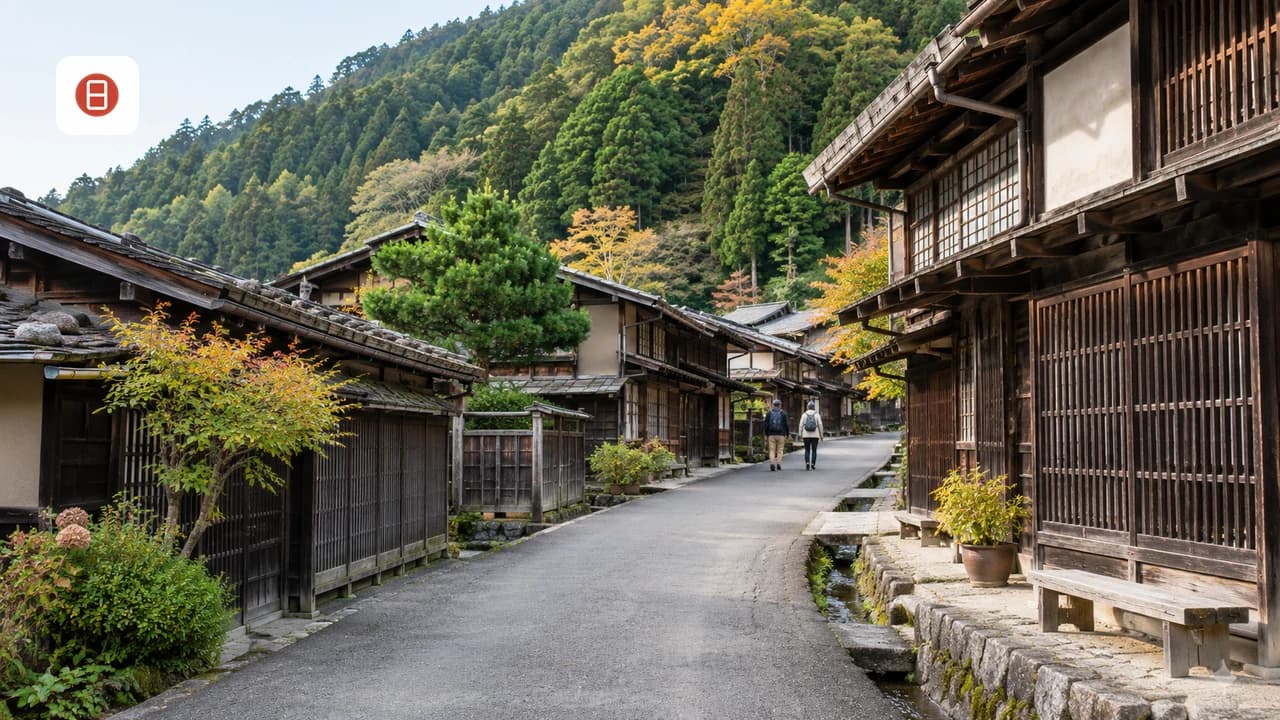
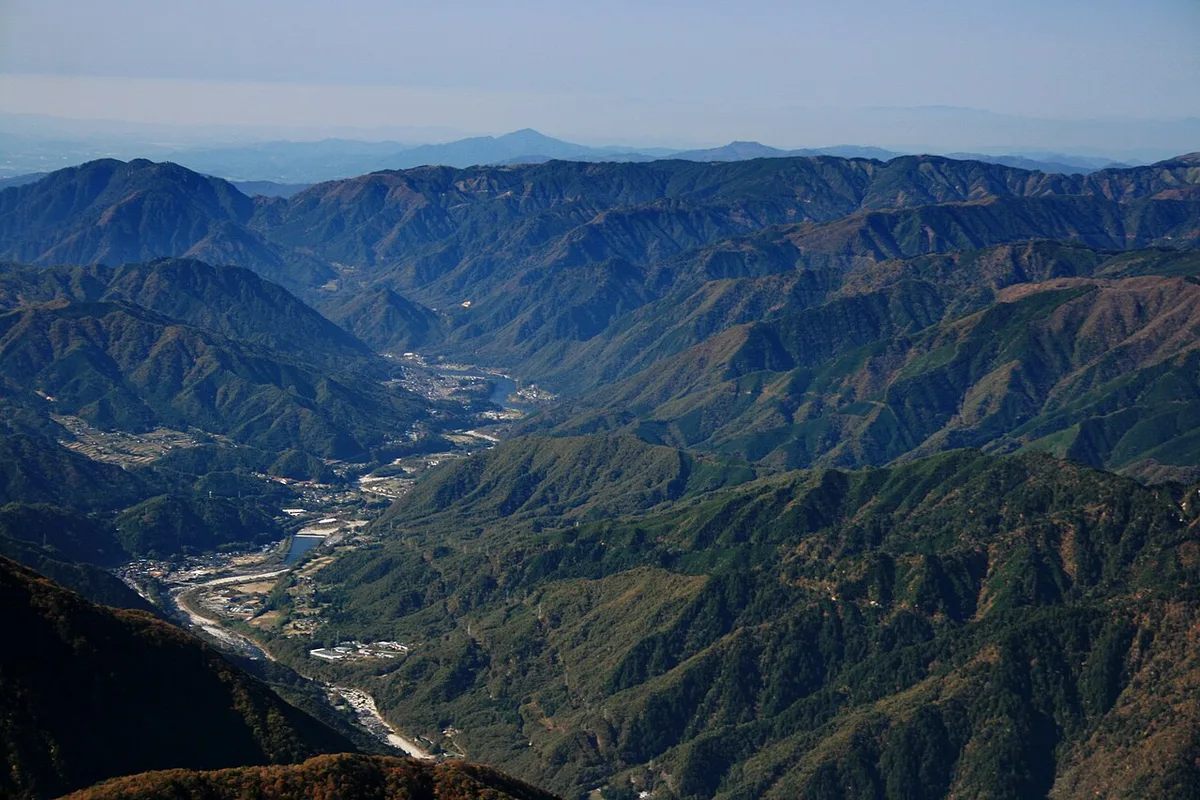
Kiso Valley is a run of Edo-period post towns along the Nakasendo, sometimes called the Nakasendo Way. Narai, Tsumago and Magome are the names that come up most in trip planning. Regional listings place Magome on the Gifu side, and the valley as a whole straddles Nagano and Gifu prefectures. Start with the Nagano prefectural Kiso Valley listing for official context. Kiso Valley suits walkers, photographers and travelers who like slow routes. Skip it if you have only a few hours or want nightlife.
Which towns to visit: Narai, Tsumago and Magome
Each post town has a different feel, so pick by what you want to do rather than trying to see all of them. Confirm opening details for shops and lodging locally before you go. Smaller extra stops, such as Kiso-Fukushima, are worth considering only after you verify what is currently open.
- Narai: a post town to visit on its own terms. Skip it if the Magome–Tsumago walk is your main goal.
- Tsumago: preserved post-town streets within Nagiso. Skip it if you dislike tourist-oriented villages, and check the Nagiso official site for local information.
- Magome: the Gifu-side town and a common start or end of the walk. Skip it if you cannot manage slopes.
- Kiso-Fukushima: a possible base or extra stop. Verify current services before you build a plan around it.
The Magome–Tsumago walk: what to know
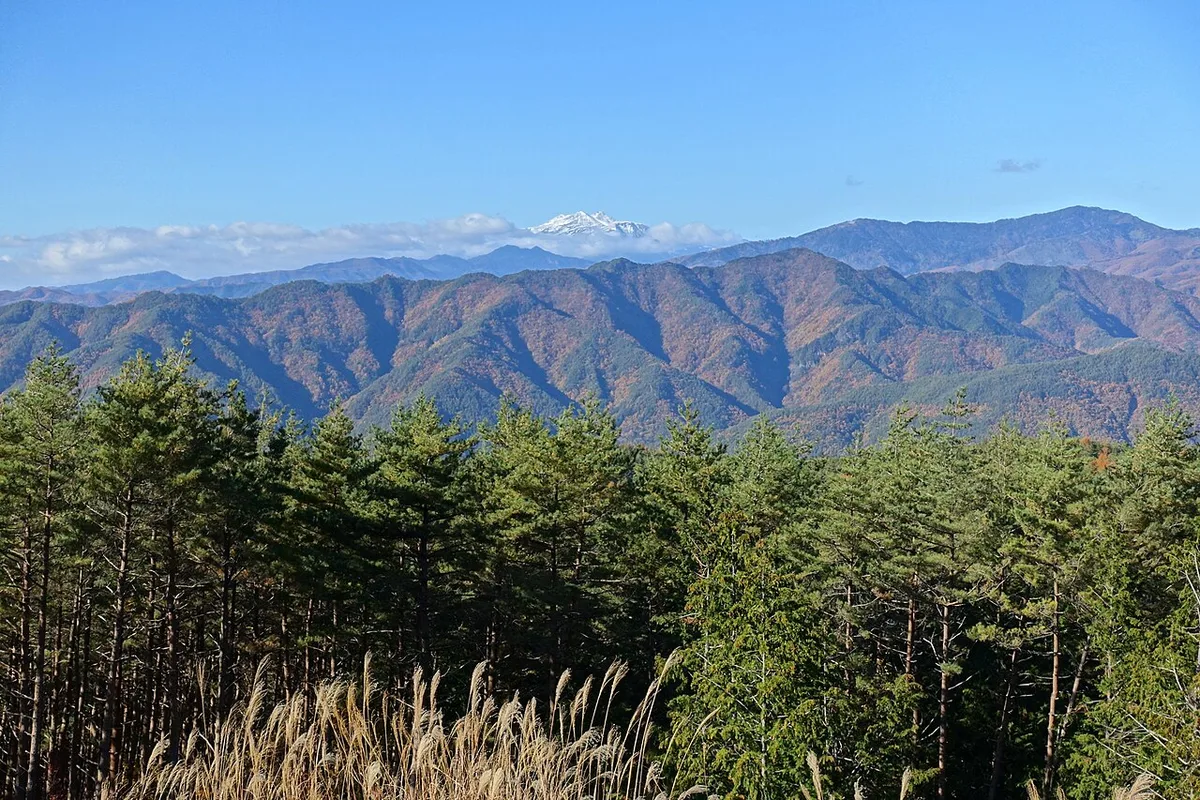
This walk links two post towns on the old Nakasendo and is the main reason many visitors come. Effort depends on your fitness, footwear and the season. Winter reports describe icy, slippery trail sections, so treat cold months with caution. Choose your direction around your return plan, because either way you need a bus or train back. Sort out luggage handling before you start walking. For town-level detail, read our Tsumago-juku in more detail page. Confirm bus times with the local operator rather than relying on an old blog post.
How to get to Kiso Valley
Most visitors arrive on a Tokyo–Kyoto routing, not from Nagano city. Nagano city is a long way from the valley, so do not assume it is a convenient base. Specific timetables change, so check the current rail and bus schedules before you commit. For wider regional logistics, see our regional transport options in Nagano. Compare other excursions in our other day-trip options from Nagano city.
| Approach from | Trade-off | Verify before you go |
|---|---|---|
| Nagoya | Common side trip, but a day trip leaves little slack | Current rail line and last return train |
| Matsumoto or Nagano | Keeps you in Nagano Prefecture but adds a connection | Connecting services and bus links |
| Tokyo | Works as a stop between Tokyo and Kyoto | Luggage plan and onward timetable |
| Kyoto | Possible as a day trip, but long and tight | Last return train and walking time |
Choosing a base: day trip or overnight?
A day trip works if you only want one town or the Magome–Tsumago walk. An overnight stay works better if you want quiet evenings after the day-trippers leave. Some towns are shukubamachi, meaning post-town lodging towns, so ask what accommodation is currently available. Booking early makes sense in autumn and other peak periods.
| Base | Access direction | Best for | Trade-off |
|---|---|---|---|
| Nagoya | From the south-west | Day trips and rail-pass users | Long day, with last-train risk |
| Matsumoto | From the north | Combining with Nagano Prefecture sights | Needs a connection, so check the timetable |
| Kiso-Fukushima area | Inside the valley | Slow travel and early starts | Limited food and shops, so verify locally |
| Post-town lodging (shukubamachi) | In the towns themselves | Atmosphere after day-trippers leave | Limited rooms, so confirm availability |
Best season and weather for Kiso Valley
Autumn colour draws crowds, so expect busier streets and tighter lodging then. Rain can make stone paths slick. Winter brings icy trail sections, which matters most on the Magome–Tsumago walk. For month-by-month planning, use our seasonal timing for the region guide rather than relying on a single anecdote.
Costs and practicalities
This brief has no sourced fares, fees or prices, so none are quoted here. Check current figures on the Nagiso official information pages and with the rail and bus operators.
Mistakes to avoid in Kiso Valley
Most problems come from timing and expectations, not from the walk itself. Use this checklist before you leave.
- Missing the last bus or train: write down the final return time before you start walking.
- Wearing summer shoes in winter: icy sections are reported, so bring proper footwear.
- Assuming Nagano city is close: it is a long way from the valley.
- Expecting many restaurants: food and shops are limited, so plan meals and carry cash as a precaution.
- Skipping luggage planning: sort out where your bags go before the walk.
Combine Kiso Valley with other Nagano stops
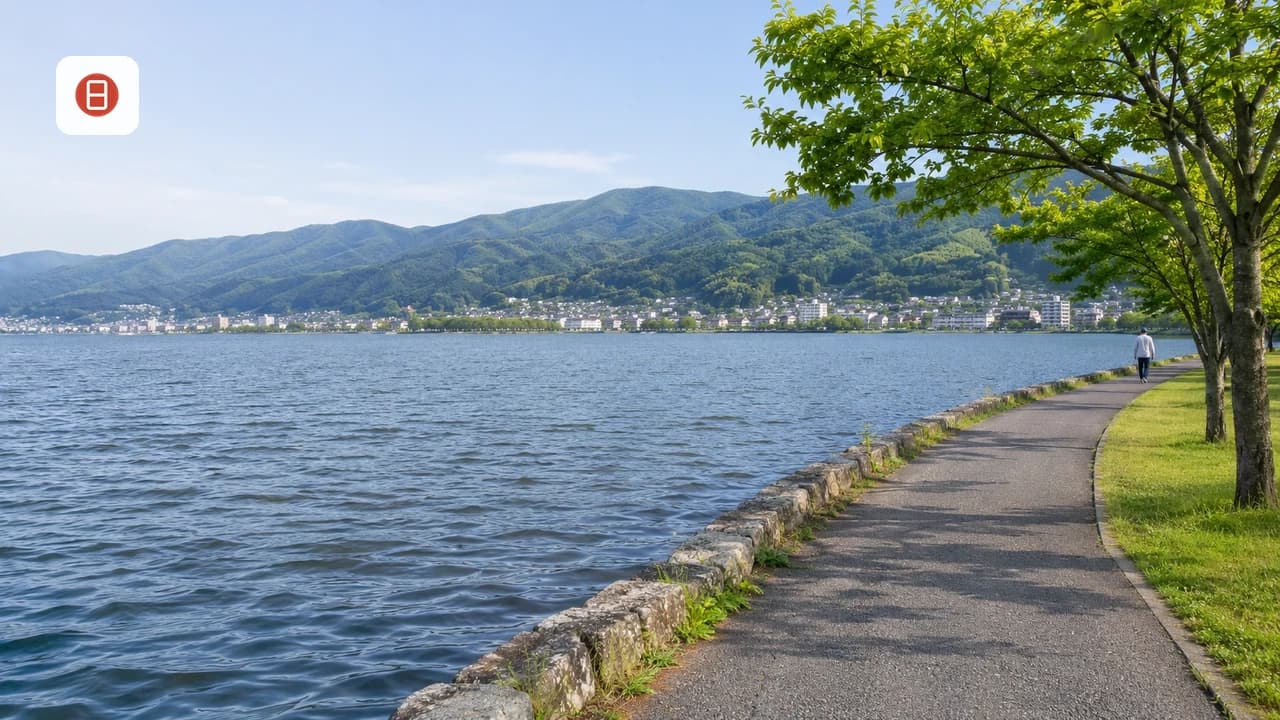
If you are building a longer route, Kiso Valley pairs well with other parts of the prefecture. Add the Lake Suwa stop if you want a lakeside break. Browse more stops across Nagano to extend the itinerary. For the bigger picture, see wider Japan route planning.
Frequently Asked Questions
Is Kiso Valley in Nagano?
Partly. The valley straddles Nagano and Gifu prefectures, and Magome sits on the Gifu side. Check which prefecture a town belongs to before booking transport or lodging.
How many days do you need in Kiso Valley?
One day covers a single town or the Magome–Tsumago walk. Stay overnight if you want slower evenings or more than one post town. Build in slack for bus and train timing.
Can you visit Kiso Valley as a day trip from Nagoya or Kyoto?
Yes, it is commonly done as a side trip. Nagoya is the easier of the two, while Kyoto makes for a tighter day. Confirm the last return train before you commit.
Is the Magome–Tsumago walk hard, and is it open in winter?
Effort depends on your fitness and footwear. Winter reports describe icy, slippery sections. Check current trail conditions locally before you set out.
Where should you base yourself for Kiso Valley?
Nagoya suits rail-pass day trips. Matsumoto works if you are combining other Nagano sights. An in-valley base such as Kiso-Fukushima or a post-town lodging suits slow travel, once you verify availability.
Free guide: Japan's Hidden Gems
12 under-the-radar places beyond Tokyo & Kyoto — with the best season to visit each and a local tip you won't find in the guidebooks.
You might also like


Continue reading
More guides you'll find useful


