

Narai Juku Day Trip From Matsumoto: Complete Travel Guide
Plan the perfect Narai Juku day trip from Matsumoto. Includes JR train schedules, Torii Pass hiking tips, Kiso lacquerware shopping, and Edo-period history.
On this page
Narai-juku is one of the best day trips from Matsumoto without renting a car.
The preserved street begins a few minutes from Narai Station, so the day is mostly spent walking Edo-period lanes rather than managing transfers. For travelers using Matsumoto as a base, it is a compact but memorable counterpoint to the castle town atmosphere covered in this Matsumoto itinerary. Visitors from Tokyo, Kyoto, or Osaka can reach Matsumoto via regional rail connections.The town was the 34th of the 69 post towns on the Nakasendo, the inland highway that connected Edo and Kyoto. Its long wooden streetscape, public water channels, lacquerware shops, and mountain backdrop make it feel more lived-in than a staged open-air museum. A well-planned two-day Matsumoto trip combines this town with city sightseeing. The Narai day trip takes about half a day for the town alone, or a full day if you add the Torii Pass hike.
The main thing to plan carefully is transport. Local trains are convenient but infrequent, and shops often close around 16:00, earlier in winter. Decide early whether this is a town walk, a hike, or an overnight extension.
Is Narai-juku Worth a Day Trip from Matsumoto?
Yes, Narai-juku is worth the day trip if you want a preserved Edo-period town that is simple to reach from Matsumoto. The historic district stretches for roughly one kilometer, making it longer than many visitors expect. Unlike several Kiso Valley alternatives, the main street is flat enough for a relaxed walk with children, older travelers, or anyone avoiding a steep trail day.
The appeal is not only the architecture. Narai still has working homes, family-run shops, water channels, shrines, and small museums along the same road once used by merchants and samurai. That gives the town a lived-in rhythm that pairs naturally with Matsumoto attractions focused on castle-town history.
Plan on three to four hours for the main street, lunch, Kiso Bridge, and a few shops. Add another three hours if you hike the Torii Pass from Narai to Yabuhara. The day works best with one clear priority.
How to Get to Narai-juku: Train and Car Logistics
By train, take a southbound JR local service from Matsumoto toward Shiojiri and Narai on the Chuo Main Line corridor. The ride usually takes about 45 to 55 minutes, depending on the connection pattern, and the one-way fare is about 590 yen. Narai Station sits beside the historic district, so there is no final bus transfer after you arrive.
Trains between Matsumoto and Narai can be spaced 60–120 minutes apart. Save your return departure time before you leave Matsumoto — missing a train means a long wait, especially in winter when shops close early.
The catch is frequency. In 2026, treat the route as a limited local line rather than a turn-up-and-go city service, because trains can be spaced 60 to 120 minutes apart outside the busiest windows. Check the official JR timetable on your travel day and save your return option before leaving Matsumoto. For a quick official overview, the Travel Japan guide also confirms the Narai connection from Matsumoto.
- Leave Matsumoto between 08:00 and 10:00 to arrive before most lunch traffic and photograph the main street while shutters are opening.
- For a town-only visit, aim to return between 14:00 and 16:00, before winter light fades and before many shops close.
- If you hike Torii Pass, build the day around a morning train and start only after confirming your Yabuhara or Narai return time.
- If you are coming from Tokyo first, sleep in Matsumoto the night before; this Tokyo to Matsumoto guide explains the approach.
Driving from Matsumoto takes about 45 minutes via Route 19 in normal conditions. It gives you more freedom for Takayama-bound routing through the Kiso Valley, and avoids a long platform wait, but winter snow and icy shoulders can make the train safer. Parking areas sit near the station and Kiso Bridge; arrive early on autumn weekends.
Best Time to Visit: From Autumn Leaves to Winter Snow
Late October to early November is the safest bet for the classic Narai-juku scene: dark timber facades, clear mountain air, and autumn color above the valley. This timing overlaps well with broader Nagano foliage planning, so compare dates with the best time to visit Matsumoto before fixing hotels. Weekdays are noticeably calmer than weekends during peak color.
Spring is best for mild walking weather and the Torii Pass. April and May bring crisp air, fresh greenery, and better trail conditions than deep winter. It is also a good season for travelers who want Narai without the heaviest autumn photography crowds.
Summer is warm but usually less oppressive than Tokyo, Osaka, or Kyoto. Bring sun protection because the day is still mostly outdoors, and carry water if you plan to climb beyond Shizume Shrine. Afternoon rain is possible, so a light waterproof layer belongs in your bag.
Winter is beautiful but not casual. Temperatures can fall to around -8°C, snow may sit on rooftops and paths, and some shops shorten hours or close for the season. Wear insulated shoes with grip, plan a shorter route, and do not assume cafes will be open late enough to warm up after 16:00.
Top Things to Do in Narai-juku Post Town
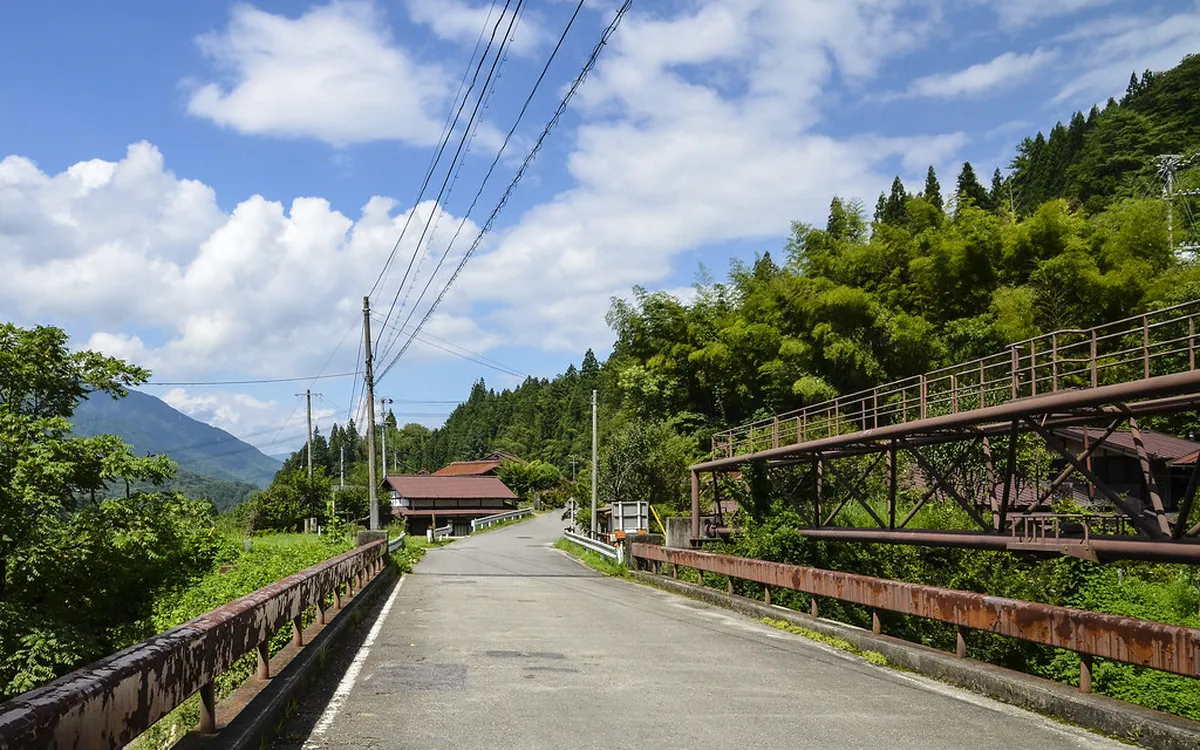
Start with the main street, which runs roughly one kilometer through rows of two-story wooden buildings, deep eaves, latticed windows, and old water channels. Walk slowly from the station area toward Shizume Shrine rather than rushing for a single viewpoint. Small architectural details, such as shopfront benches and low eaves, explain how the town handled weather, traffic, and travelers.
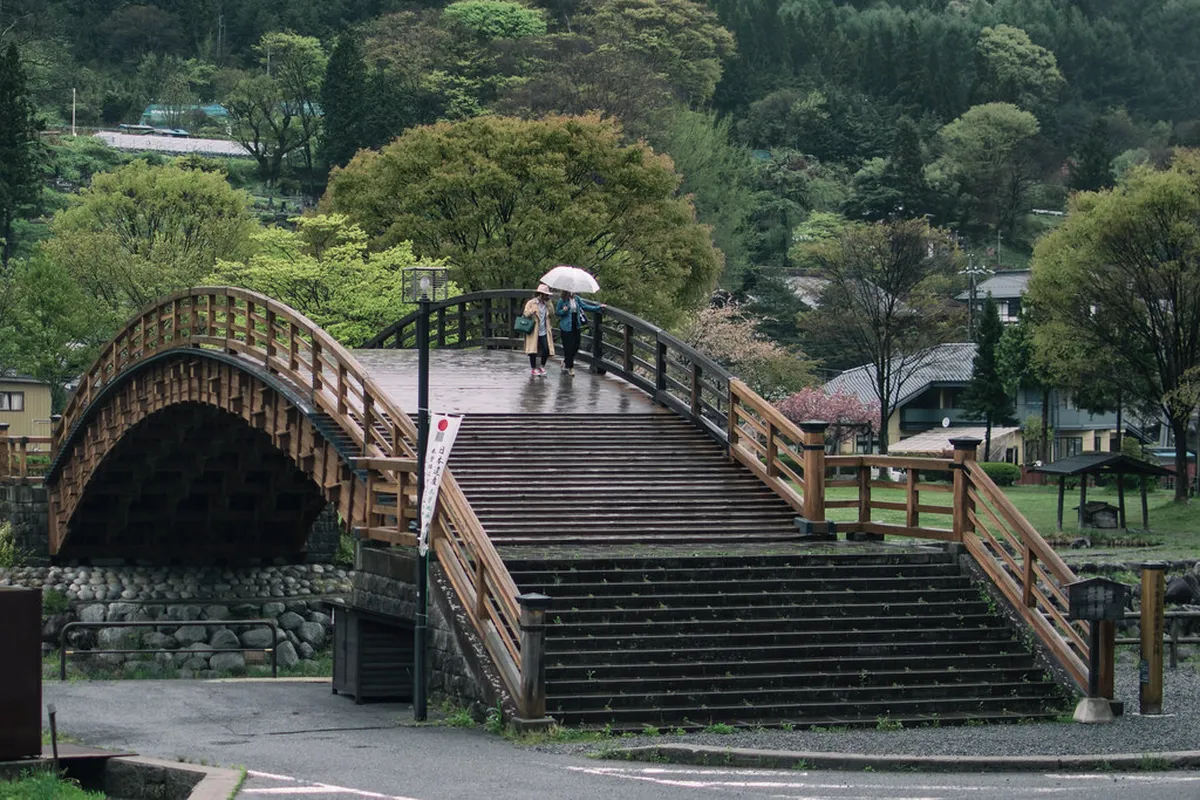
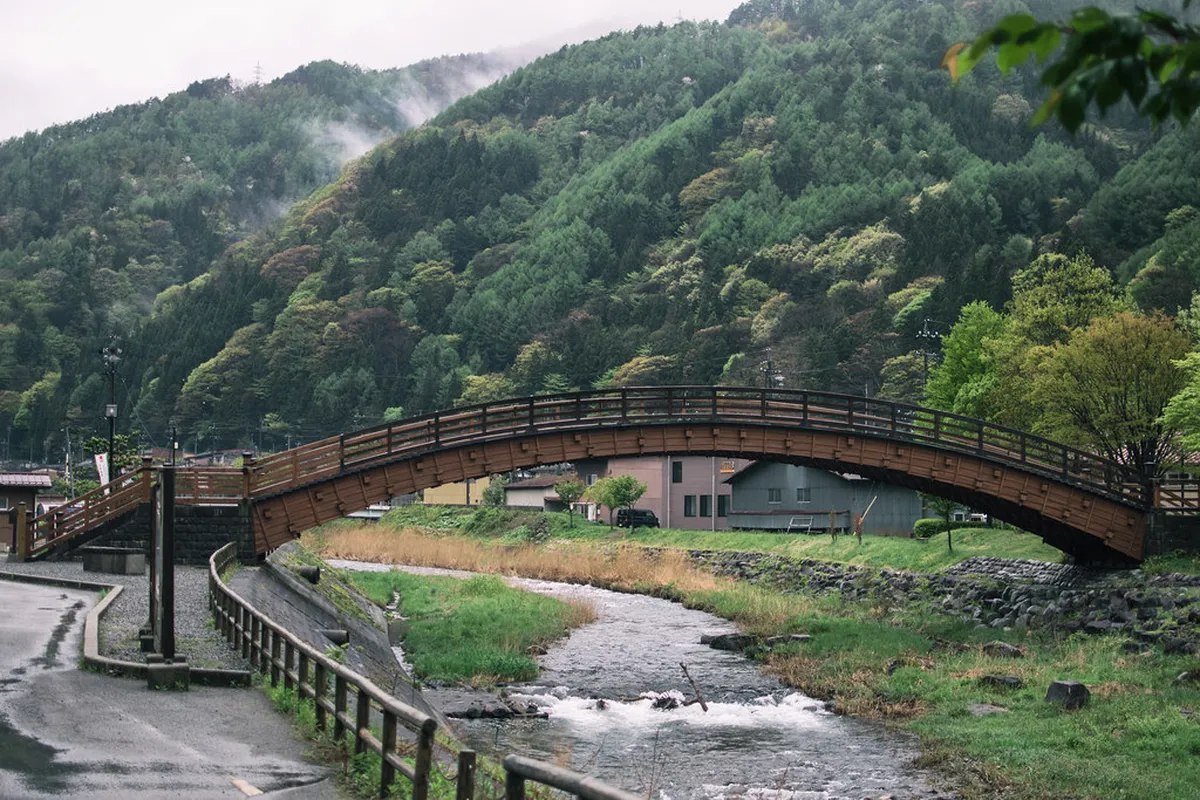
Several stops give the walk more structure. Kiso-no-Ohashi is the restored cypress bridge near the river and is worth the short detour for photos. The old C12 199 steam locomotive near the parking area connects the post-town story to the rail era that later changed movement through the valley.
At the southern end, Shizume Shrine marks the approach to Torii Pass and gives the town a natural endpoint. The Narakawa History and Folklore Museum, near the shrine, is small but useful when open, with tools and household objects from Kiso life across the Edo, Meiji, Taisho, and Showa periods. Nakamura Residence is another strong stop for visitors interested in merchant interiors and traditional comb-making.
- Walk the full preserved main street before choosing lunch, because the townscape makes most sense in sequence.
- Pause at public water points and side lanes, where Narai feels more like a working mountain community.
- Visit Kiso-no-Ohashi before or after the main street for a clean photo angle away from shopfront crowds.
- Save Shizume Shrine for the end, then decide whether to sample the Nakasendo or continue onto Torii Pass.
Hiking the Nakasendo: The Torii Pass Route
The Torii Pass route is the active version of a Narai-juku day trip. It connects Narai with Yabuhara over one of the Nakasendo's historic mountain passes, reaching about 1,197 meters at the high point. Most fit walkers should allow around three hours for the hike, plus time for food and train connections.
The Torii Pass hike from Narai to Yabuhara takes about 3 hours for most fit walkers and reaches around 1,197 meters. Carry a bear bell and check daylight hours before starting — trail returns are harder in fading light.
This is different from the flat post-town walk. The historic street is easy and low-impact, while Torii Pass includes forest paths, uneven ground, and steep sections that can be slippery after rain or snow. Wear proper walking shoes, carry water and snacks, and check daylight before starting in shoulder season.
The route is well-marked in normal conditions and includes stone markers, forest stretches, and traces of the old travel road. You can read more background through the Yabuhara trail guide site before hiking independently. If you only want a taste, walk from Shizume Shrine to the first signed section, then return to Narai for lunch.
Bear awareness matters in the Kiso mountains, so carry a bell or use the fixed bells where provided. Skip the trail in poor weather unless you have proper gear and a firm return plan from Yabuhara.
Local Crafts and Cuisine: Kiso Lacquerware and Teahouses
Narai-juku is one of the best places in the Kiso Valley to buy Kiso lacquerware, or Kiso shikki, and the official Narai craft guide notes that local artisans still specialize in lacquerware and woodcarving. Look for bowls, trays, chopsticks, and small boxes with a smooth finish, balanced weight, and visible woodcraft rather than mass-produced souvenir gloss. Good shops will usually explain the finish, care instructions, and whether the piece is made locally.
Traditional wooden combs are another Narai specialty. They are small, light, and easier to pack than furniture or large trays. For a meaningful souvenir, choose one artisan-focused shop rather than buying the first item near the station.
For food, try gohei mochi, a grilled rice cake brushed with a walnut, sesame, or miso-based sauce. Narai also has soba shops and teahouses, but opening days vary, so do not arrive late expecting every kitchen to still be serving.
If you are building a wider food day around the trip, eat breakfast in Matsumoto and keep lunch flexible in Narai. The Matsumoto food guide lists the best soba in Matsumoto for the city side of your plan. Bring a small snack from Matsumoto Station if you are hiking or visiting in winter.
Narai vs. Magome and Tsumago: Which Post Town Fits Your Trip?
Narai-juku is the best choice from Matsumoto when convenience matters. The train stops beside the historic district, the main street is flat, and you can see the town without arranging a bus connection. That makes it especially strong for first-time visitors, families, and travelers with a spare day between Matsumoto Castle and other Nagano plans.
Magome and Tsumago are better known internationally because the walk between them is one of the classic Nakasendo hikes. That route is rewarding, but it usually requires more planning, more time, and more attention to baggage or bus logistics. It also feels more like a dedicated Kiso Valley hiking day than a simple excursion from Matsumoto.
Narai's advantage is its scale. The preserved street is long, continuous, and easy to explore at your own pace, so you get a strong post-town impression even without hiking. If your priority is a flatter historic walk with fewer moving parts, choose Narai; if your priority is the famous village-to-village trail experience, save Magome and Tsumago for a separate Kiso Valley itinerary.
Sample 1-Day Itinerary: Matsumoto to Narai-juku
| Time | Activity | Note |
|---|---|---|
| 08:00–10:00 | Depart Matsumoto by JR (Chuo Main Line) | 45–55 min ride, ¥590 one way; check timetable first |
| 09:00–11:00 | Main-street walk, steam locomotive, first craft shops | Walk entire preserved kilometer before choosing lunch |
| 11:30–13:00 | Soba, gohei mochi, or teahouse break | Many kitchens stop service around 14:00 |
| 13:00–15:30 | Kiso-no-Ohashi bridge, Nakamura Residence, museum, or start of Torii Pass | Museum hours vary — confirm on arrival |
| Before 16:00 | Confirm and board return train | Trains can be 60–120 min apart; don't miss your window |
A town-only day trip is easiest if you leave Matsumoto in the morning, walk Narai before lunch, then use the afternoon for crafts, museums, and Kiso Bridge. If you also want Matsumoto Castle, visit it on a different day using this Matsumoto Castle guide rather than squeezing both into one rushed route.
For a gentle visit, allow 09:30 to 14:30 in Narai. For a hiking visit, leave earlier and give Torii Pass first priority while weather and daylight are on your side. Keep your return train in mind before lunch or shopping.
- 08:00 to 10:00 is the best departure window from Matsumoto for most independent travelers.
- 09:00 to 11:00 works well for the main-street walk, photos, the steam locomotive, and first craft-shop stops.
- 11:30 to 13:00 is the right window for soba, gohei mochi, or a teahouse break.
- 13:00 to 15:30 is best for Kiso-no-Ohashi, Nakamura Residence, the museum if open, or the first section toward Torii Pass.
- Before 16:00, confirm your return train or drive back toward Matsumoto.
Where to Stay: Traditional Inns and Modern Stays
Most visitors sleep in Matsumoto and visit Narai-juku as a day trip, which is the most practical choice if you want restaurant choice, easy rail connections, and a wider hotel range. Use this where to stay in Matsumoto guide if you prefer a city base. Matsumoto also works better if you are linking Narai with Kamikochi, Azumino, or Takayama on nearby days.
Staying in Narai-juku is better for atmosphere. Once day-trippers leave, the street becomes quiet, the wooden facades look better in soft evening light, and the village feels less like a stop on a checklist. The tradeoff is limited availability, fewer dining options, and more direct-booking friction at small inns.
BYAKU Narai is the standout high-end option, set in restored historic buildings with modern comfort and regional dining. Traditional minshuku and ryokan-style inns offer a simpler experience with tatami rooms and local meals, but they can be hard to book at short notice. Reserve early for late October, early November, spring weekends, and any holiday period.
Frequently Asked Questions
How long does it take to get from Matsumoto to Narai-juku?
The train journey typically takes between 45 and 55 minutes on the JR Shironoi or Chuo Line. Driving takes a similar amount of time via Route 19. For more transport tips, check out our Japan travel blog for regional logistics.
Is Narai-juku better than Magome or Tsumago?
Narai-juku is often preferred for its length and flat terrain, making it easier to walk. It is also more accessible from Matsumoto without needing extra bus transfers. However, Magome and Tsumago offer a more mountainous hiking experience between the two towns.
Do I need a guide for Narai-juku?
A guide is not strictly necessary as the town is easy to navigate independently. Most signs are available in English, and the tourism office provides helpful maps. However, a local guide can offer deeper historical context and hidden stories about the Edo-period residents.
What should I wear for the Torii Pass hike?
Wear sturdy hiking shoes or boots with good traction for the uneven forest paths. Layers are essential as temperatures can change quickly in the mountains. Don't forget a waterproof jacket and a bear bell for safety while trekking through the woods.
Narai-juku works because it keeps the planning simple while still feeling deep in the Kiso Valley. Choose the flat post-town walk for an easy cultural day, or add Torii Pass when you want a proper Nakasendo hike. Either way, check train times first and let the village set the pace.
Free: The Matsumoto Essentials guide
Top things to do, where to stay, a perfect day plan, getting around, and the best time to go — a Matsumoto mini-guide you can take offline.
You might also like


Continue reading
More guides you'll find useful


