10 Unforgettable Day Trips from Nagano (2026)
Discover the best day trips from Nagano, Japan. Explore snow monkeys, historic castles, and alpine routes with our 2026 guide.
On this page
Nagano City sits at the heart of the Japanese Alps, connected to Tokyo in 80–110 minutes by Hokuriku Shinkansen and to Matsumoto in 50 minutes by limited express. That position makes it one of the best bases in Central Japan for day trips. This guide covers the top destinations reachable in a single day from Nagano Station, with transport details, entry costs, and timing advice for 2026.
Jigokudani Wild Snow Monkey Park
The Jigokudani Monkey Park in Yamanouchi is Nagano's single most photographed destination. Japanese macaques bathe in a natural thermal pool year-round, but the sight of snow-covered monkeys soaking in steam is what draws visitors from across the world in winter. Spring brings cherry blossoms and newborn babies; summer and autumn are quieter and still rewarding.
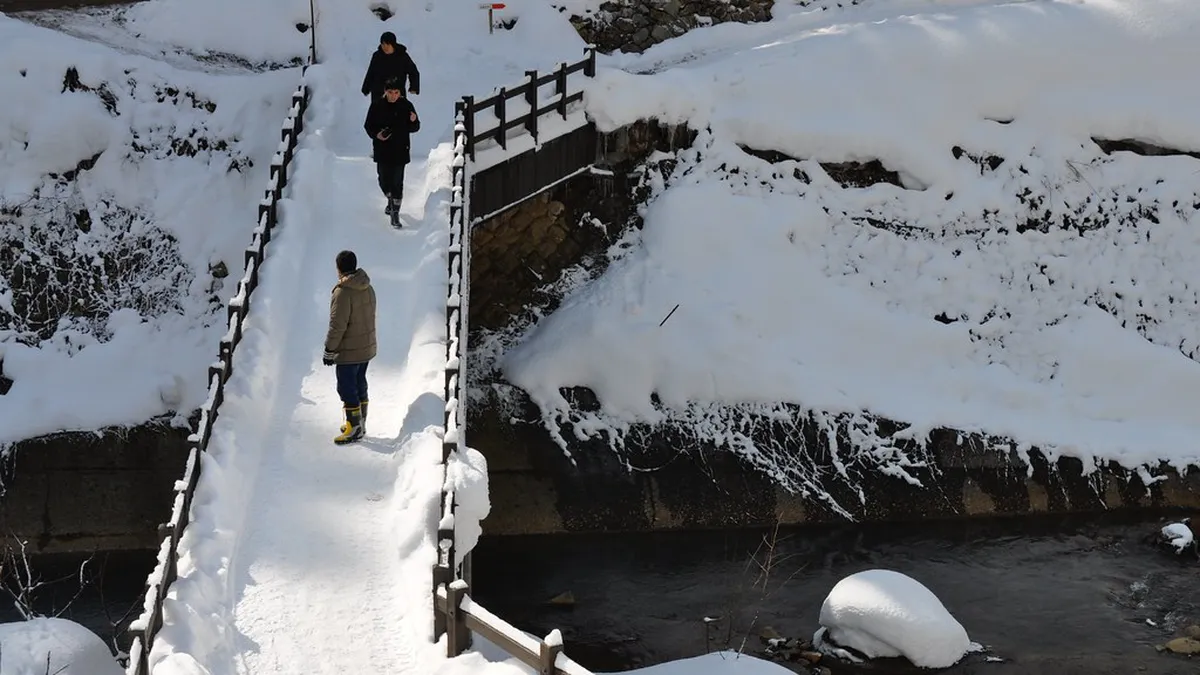
Access from Nagano Station is straightforward. Take the Nagano Dentetsu Line to Yudanaka (about 45 minutes, ¥1,230), then a local bus to the Snow Monkey Park stop (about 10 minutes). From the bus stop, the park entrance is a 30-minute walk through cedar forest. Entry costs ¥800 for adults. The park is open daily: 08:30–17:00 in the high-snow period, 09:00–16:00 in summer. Go early — monkeys are most active before 11:00 and crowds thin compared to mid-afternoon.
After leaving the park, the onsen towns of Yudanaka and Shibu Onsen are a 10-minute bus ride away. Combining both in a single day is easy and deeply satisfying — sore legs from the trail recover quickly in a mineral bath.
Tours and Charters to the Monkey Park
The public transport route to Jigokudani is simple, but a guided tour or private charter removes all logistics and adds local context. Several Nagano-based operators run full-day tours that combine the monkey park with Zenkoji Temple and a sake tasting. These typically include all transport, park entry, lunch, and an English-speaking guide for around ¥10,000–¥14,000 per person.
Private charters are worth considering for families with young children, elderly travelers, or groups of four or more where the per-person cost becomes competitive with public transport plus convenience. A standard charter from Nagano Station to the Snow Monkey Park and back runs about 3 hours total and costs roughly ¥30,000–¥40,000 for the vehicle, split across passengers. Charters also allow flexible timing — useful if you want to stop at Shibu Onsen afterward without committing to a fixed bus schedule.
The key trade-off: a tour locks your schedule and pace, while the train-and-bus route is more flexible and cheaper for solo travelers or pairs. If you want to linger at the park or combine multiple Yamanouchi stops at your own rhythm, go by public transport. If you want a guided narrative and zero planning, book a tour at least a week ahead during peak winter season (December–March).
Matsumoto Castle and City
Matsumoto is 50 minutes from Nagano by limited express on the JR Shinano line and is the most versatile day trip in the region. The city is genuinely walkable — Matsumoto Station to the castle is about 1 km through streets lined with cafes and sake shops. The castle itself is one of Japan's original surviving keeps, designated a National Treasure. Its stark black exterior, moat with koi, and red-arched bridge make it one of the most photographed buildings in Japan. Entry is ¥700 for adults; open daily 08:30–17:00 (last entry 16:30), with occasional seasonal closures.
Beyond the castle, Nakamachi Street offers Edo-era storehouses converted into lacquerware and craft shops. Nawate Dori ("Frog Street") runs alongside the Metoba River with food stands and souvenir shops. The Matsumoto City Museum of Art houses the world's largest permanent collection of works by Yayoi Kusama, who was born in Matsumoto — the polka-dot installations are genuinely striking and worth the ¥410 entry. The free Iishi Miso Brewery tour (a short walk from the castle) is a quieter highlight: staff walk you through 800-year-old wooden fermentation barrels and the 3-year-aged miso process.
Matsumoto is also the launch point for the Azumino valley and Daio Wasabi Farm (30 minutes by car or 30–50 minutes by train to Hotaka Station). Note that Daio Wasabi Farm covers plants with black tarps from June through August to block summer sun — the wooden water wheels and riverside scenery are still pleasant, but visit spring or autumn for the full green effect. Entry to the farm is free.
Nagano or Matsumoto: Where to Base Yourself
Both cities are strong bases, and the 50-minute train connection makes it easy to visit either from the other. The practical split: base in Nagano City if your priority is the Snow Monkey Park, Togakushi, Shiga Kogen, or the Tateyama-Kurobe Alpine Route, since all four are accessed via Nagano Station. Base in Matsumoto if you plan to explore the Kiso Valley, Narai-juku on the Nakasendo, or Kamikochi — all of which are more direct from Matsumoto Station.
For a single-city stay, Nagano City has a slight edge on public-transport access to the widest range of day trips. Matsumoto is quieter, more walkable as a destination in its own right, and noticeably less crowded than Kyoto or Tokyo — families with kids often rate it higher for livability. If your itinerary has 5 or more days, spending 2 nights in Nagano and 3 in Matsumoto (or vice versa) covers both bases comfortably.
Togakushi Shrine and Ninja Village
Togakushi is 60 minutes by direct bus from Nagano Station's north exit (bus stop 7). The complex consists of five Shinto shrines spread through ancient cedar forest. The approach to the Okusha (Upper Shrine) along a 500-metre avenue of cedars aged 400–800 years is genuinely stunning — one of the most atmospheric walks in Nagano Prefecture. The full walk from Chusha (Middle Shrine) to Okusha and back takes about 90 minutes at a comfortable pace. Entry to the shrines is free.
The Togakure Ninpo Museum and Chibiko Ninja Mura (Kids Ninja Village) are a 15-minute walk from Chusha. The museum covers the Togakure school of ninjutsu, which was founded in these mountains in the 12th century. Visitors can try shuriken throwing and navigate a trap-rigged Ninja House. The Kids Ninja Village has obstacle courses, blow darts, and ninja costume rental — it is genuinely fun for adults too and far less touristed than the Togakushi Shrine itself. Entry to the museum area costs ¥500 for adults; the Ninja Village is ¥600. Open approximately April to November, 09:00–17:00.
Togakushi also has several soba restaurants near Chusha — the area's buckwheat is locally famous, and lunch here after the morning shrine walk is a natural stopping point. The Togakushi Soba: A Comprehensive Guide to Nagano's Famous Noodles covers the best options. The full Togakushi shrine and ninja guide has transport details and seasonal tips.
Obuse: Art, Sake, and Chestnuts
Obuse is 30 minutes from Nagano on the Nagano Electric Railway (¥680). It is one of the most compact and satisfying half-day trips in the prefecture — a small town with an outsized cultural legacy. The Hokusai Museum (Hokusai-kan) holds some of the finest works by ukiyo-e master Katsushika Hokusai, who visited Obuse multiple times in his 80s and produced ceiling paintings for the town's festival floats. Entry is ¥1,000 for adults; open daily 09:00–17:00.
Obuse is synonymous with chestnuts. The town's wagashi (Japanese confectionery) shops sell kuri yokan, kuri kinton, and chestnut ice cream from September through November, when the harvest peaks — though packaged versions are available year-round. The Masuichi-Ichimura sake brewery on the main street offers tasting flights and sells sake in a historic kura building. Combining museum, a brewery visit, and a chestnut sweet makes for a well-rounded three-hour loop entirely walkable from Obuse Station.
Tateyama Kurobe Alpine Route
The Tateyama-Kurobe Alpine Route is a full-day commitment and the most logistically complex day trip from Nagano. The route crosses the Northern Alps using a chain of seven different transport modes — cable car, tunnel trolleybus, ropeway, and others — between Omachi (near Nagano) and Tateyama (on the Toyama side). The one-way fare from Ogizawa (the Nagano-side terminus) to Murodo (the highest point, at 2,450 metres) is approximately ¥4,850 for adults in 2026; the full crossing to Tateyama costs around ¥10,000–¥13,000 depending on direction. The route is open mid-April to late November.
The Snow Walls (Yukino Otani) at Murodo are the headline attraction from mid-April through mid-June, when corridors of snow up to 20 metres high line the walking path. Book Tateyama access tickets well in advance — the April–June snow wall period sells out weeks ahead. Summer (July–August) and autumn foliage (mid-October) are quieter alternatives. From Nagano Station, access is by express bus to Ogizawa (about 75 minutes, ¥1,700). Budget 8–10 hours for the full crossing or 5–6 hours if returning from Murodo to Ogizawa without crossing to Toyama.
Nozawa Onsen and Iiyama: The Winter Day Trips Most Visitors Skip
Nozawa Onsen is best known as a ski resort, but the village itself is worth a day trip in any season for its 13 free public communal baths (sotoyu), its sake breweries, and the quiet lanes of traditional wooden buildings. From Nagano, take the Hokuriku Shinkansen to Iiyama (25 minutes, ¥1,280) then a bus to Nozawa Onsen (about 25 minutes). The sotoyu are maintained by the community and open to visitors at no charge, though a small voluntary donation is standard etiquette. The largest bath, Ogama, is too hot to enter — it is used for boiling vegetables — but the others are usable year-round.
Iiyama itself is worth combining if you visit in late January or February. Each year from around the last week of January through the end of February, the town hosts the Kamakura Village festival: about 20 igloo-like snow houses, each 3 metres tall, are built by the local community and converted into small restaurants serving local nabe (hot pot) inside. It is completely authentic, very low on foreign tourists, and one of the more unusual winter food experiences in the Japanese Alps. The festival is a 10-minute walk from Iiyama Station.
This Nozawa Onsen and Iiyama combination is the least-covered day trip in most Nagano guides, partly because neither destination has English content pushing it aggressively. The round trip from Nagano fits within 7 hours, leaving time to soak in at least two Nozawa sotoyu and have lunch in the village.
Karuizawa, Hakuba, and Shiga Kogen
Karuizawa is 30 minutes from Nagano by Hokuriku Shinkansen (¥1,470) and is the easiest day trip in this guide logistically. The town is a long-established mountain resort with upscale shopping at Karuizawa Prince Shopping Plaza, the historic Kyu-Karuizawa Ginza Street (4 minutes by bus from the Shiraito Waterfall stop on the Kusakaru bus line), and the peaceful Stone Church set in cedar forest. Renting a bicycle at the station (around ¥1,000–¥1,500 per day) is the best way to cover the spread-out attractions. Karuizawa works well as a half-day pairing with Matsumoto on the same train line.
Hakuba Valley, 70–105 minutes by bus from Nagano Station, is most famous for winter skiing across 10 interconnected resorts. In summer and autumn it pivots to hiking and mountain scenery. At Hakuba Iwatake Mountain Resort (90 minutes by bus), the gondola rises to the Hakuba Mountain Harbor terrace at 1,289 metres, with a direct view of the Hakuba Sanzan peaks. The full hiking course is 5.5 km and takes about 3.5 hours; shorter loops return to the gondola station in about an hour. Day passes for the gondola in summer cost around ¥1,600 for adults.
Shiga Kogen, Japan's largest ski resort by terrain (600+ hectares, 18 ski areas, altitude ranging from 1,500 to 2,000 metres), is accessible by bus from Nagano Station east exit to Takaamagara in about 100 minutes. Outside ski season, the Shiga Kogen highlands offer marshland hiking past 48 small ponds to Onuma Pond — a 9.6 km trail taking around 3.5 hours. This trail is rarely crowded compared to Kamikochi and offers equally vivid alpine bog scenery.
How Many Days Do You Need in Nagano?
Three to four days covers Nagano City (Zenkoji Temple, Matsushiro samurai town) plus two solid day trips. Four to five days allows you to add Matsumoto as a full day and still have an evening for Yudanaka onsen. If your priority is winter skiing, budget 5–7 days to do both Hakuba and Shiga Kogen without rushing. The Tateyama-Kurobe Alpine Route is a full day on its own and should not be squeezed into a shorter stay.
For travelers choosing between Nagano and Matsumoto as a base: Nagano's transport hub advantage matters most if you plan to do three or more of the destinations in this guide. Matsumoto rewards visitors who want a slower, walkable city experience with 2–3 focused day trips into the Kiso Valley or Azumino. Both are quieter than Kyoto and Osaka and work well for families or travelers in 2026 looking to avoid overtouristed crowds.
Frequently Asked Questions
What are scenic 1 hour away day trips from Nagano?
Within an hour of Nagano, you can reach the Jigokudani Snow Monkey Park for unique wildlife viewing. The charming town of Obuse, known for its Hokusai Museum and chestnut treats, is also a short train ride away. Both offer distinct, memorable experiences.
How many days do I need in Nagano?
We recommend at least 3-4 days to fully experience Nagano. This allows you to explore Nagano City, including Zenko-ji Temple, and take two fulfilling day trips. For winter sports or extensive hiking, consider 5-7 days.
What to visit near Nagano if you don't ski?
If you don't ski, visit the Snow Monkey Park, Matsumoto Castle, and the historic town of Obuse. Explore the spiritual Togakushi Shrine trails, or relax in the traditional onsen towns of Yudanaka and Shibu. The Tateyama Kurobe Alpine Route is also a non-skiing highlight.
Nagano Prefecture gives day-trippers a rare combination: reliable public transport, genuine alpine scenery, and enough cultural depth to fill multiple itineraries. The Snow Monkey Park and Matsumoto are the two destinations visitors most consistently rate as worth the journey, but the Tateyama-Kurobe Alpine Route, Togakushi, and the less-visited Nozawa Onsen–Iiyama circuit each offer something the big-city tourist trail does not. Check seasonal hours before departure, book Tateyama access and guided tours in advance during peak periods, and allow at least a half-day for each destination to avoid rushing.
Free: The Matsumoto Essentials guide
Top things to do, where to stay, a perfect day plan, getting around, and the best time to go — a Matsumoto mini-guide you can take offline.
You might also like


Continue reading
More guides you'll find useful