Where To Stay In Nagano: 9 Best Areas & Accommodations (2026)
Plan where to stay in Nagano with top picks, neighborhood context, timing tips, and practical booking advice for a smoother trip. Discover the best areas for skiing, culture, and snow monkeys.
On this page
Nagano Prefecture sits in the heart of the Japanese Alps, and where you base yourself changes everything. Stay in Nagano City and you get shinkansen convenience, Zenkoji Temple, and easy day trips in every direction. Stay in Yamanouchi and you wake up a short walk from the snow monkeys. Stay in Hakuba and the ski lifts are practically outside your door. This guide cuts through that decision, area by area, with specific accommodation types and named properties for every budget in 2026.
How to Choose Your Base in Nagano
The simplest way to pick a base: identify your single must-do activity, then stay closest to it. Nagano Prefecture is large — Matsumoto to Hakuba takes over an hour by road — so daily commuting between areas eats time fast. Overlapping interests can push you toward Nagano City, which has the best transport connections for day trips in multiple directions.
Budget matters too. Nagano City has the widest range, from ¥3,500 hostel dorms to ¥20,000+ hotel rooms. Traditional ryokans in Yamanouchi or Nozawa Onsen typically charge ¥15,000–¥35,000 per person including two meals. Hakuba prices spike sharply in ski season (December–March) but drop significantly in summer. The Kiso Valley and Togakushi are mid-range with fewer options, so book early.
Seasons matter more in Nagano than almost anywhere in Japan. Winter brings snow sports and the famous monkey park photos. Spring (late April–May) is excellent for hiking and cherry blossoms in lower valleys. Summer is ideal for trekking the Northern Alps. Autumn delivers some of Japan's best fall foliage, particularly in Kiso Valley and Matsumoto. Match your dates to the area that peaks in your season.
1. Nagano City Center: Best for Culture and Convenience
Nagano City is the obvious first-timer base. The shinkansen from Tokyo takes about 1 hour 40 minutes, and from here you can reach the snow monkey park in 90 minutes, Matsumoto in 50 minutes by train, and Hakuba in about 1.5 hours by bus. Zenkoji Temple is a 20-minute walk from the station along the main shopping street, or a 7-minute bus ride to Zenkoji Daimon stop.
For accommodation variety, nowhere in Nagano beats the city center. Business hotels cluster near the station — Hotel Metropolitan is directly attached via the MIDORI building's second-floor walkway, the most convenient option if you're catching early trains. Dormy Inn Nagano is 5 minutes on foot and adds natural hot spring baths and late-night ramen, a notch above the average business hotel at ¥9,000–¥18,000 per night. Budget travelers should look at Mash Café & Bed NAGANO, a hostel 17 minutes on foot from the station (or take the Gururingo bus to Giinkaikanmae, then 5 minutes on foot) with dorms from around ¥3,500 and a café that opens a sake bar on Saturdays from 18:00–22:00.
Two options stand out for atmosphere seekers. Shimizuya Ryokan is Nagano City's last original ryokan on the main street, operating since the 1870s with painted fusuma sliding doors from the Meiji Period — no attached baths, steep stairs, futon sleeping, but genuinely irreplaceable character. Fuchinobo is one of Zenkoji's 39 temple lodges (shukubo), sitting right on Nakamisedori Street with Buddhist shojin ryori cuisine and a 14th-century painted scroll on display. Neither is for everyone, but both are things you can only find here.
2. Yamanouchi (Near Snow Monkey Park): Best for Wildlife and Onsen
Yamanouchi is where to stay if the Jigokudani Snow Monkey Park Travel Guide is your main reason for visiting Nagano. The park sits above Yudanaka and Shibu Onsen — once you arrive in the valley, you're a short bus or taxi ride from the trailhead and a 45-minute hike each way to the monkey pool. Staying overnight in the area means you can visit first thing in the morning before day-trippers arrive from Nagano City, which makes a noticeable difference in crowd levels.
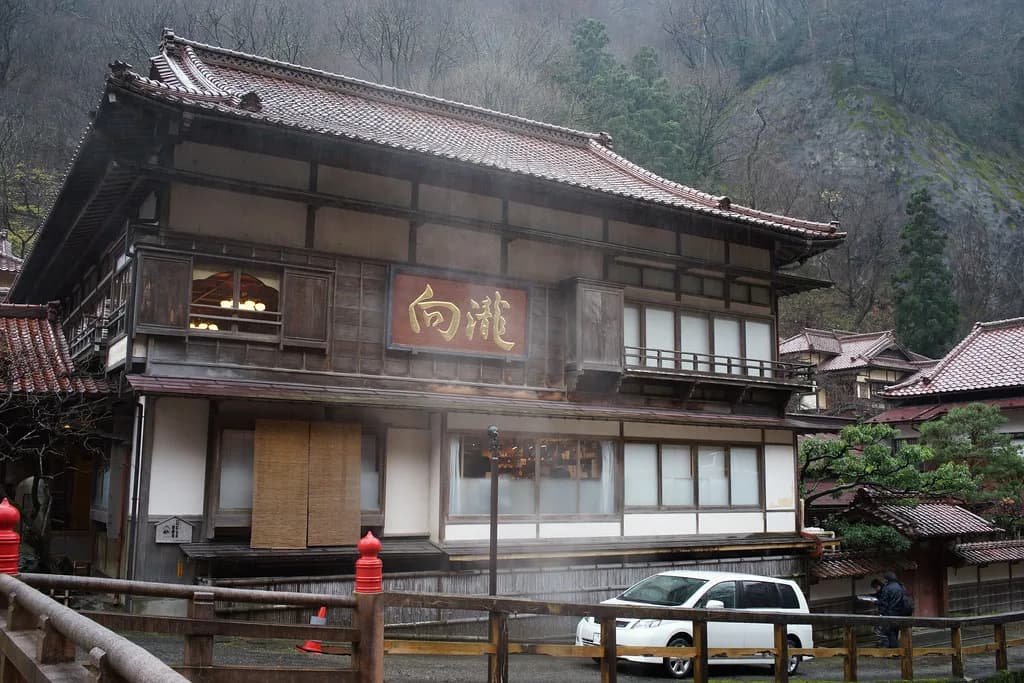
Shibu Onsen is the more atmospheric base: nine public soto-yu baths scattered through a narrow lane of wooden buildings, accessible free-of-charge to guests staying at a registered inn. Ryokan rates here run ¥18,000–¥35,000 per person with dinner and breakfast — kaiseki meals drawing heavily on local Shinshu ingredients. Yudanaka is slightly busier and has more transport connections including the express train from Nagano (about 50 minutes on the Nagano Electric Railway). Suminoyu ryokan is a well-regarded option in the area, offering tatami rooms, an outdoor onsen, kaiseki dinner, and a shuttle service to the monkey park trailhead.
What no competitor seems to mention: Yamanouchi is also the gateway to Shiga Kogen, one of Japan's largest ski areas with 18 linked resorts and over 80 runs spread across a high plateau. For winter travelers, staying in Yudanaka or Shibu Onsen gives you the snow monkeys in the morning and access to Shiga Kogen slopes in the afternoon — a combination that Hakuba simply cannot offer. The Shiga Kogen-Yudanaka route takes about 30–40 minutes by bus. If your Nagano trip is winter-focused and you want both wildlife and skiing, Yamanouchi beats Hakuba on value.
3. Hakuba: Best for Skiing and Winter Sports
Hakuba hosted alpine skiing events in the 1998 Winter Olympics and has grown into one of Asia's premier ski destinations. The valley holds ten separate ski resorts — Happo-One is the largest and most famous, with 13 lifts and access up to 2,932 m. Hakuba 47 and Goryu are popular intermediates-focused resorts connected by a gondola. The ski season runs roughly December to late April, with the best powder in January and February.
Accommodation in Hakuba ranges from simple pension-style lodges at ¥8,000 per night to luxury ski-in/ski-out properties above ¥50,000. For families, the valley has dedicated chalet and apartment options with gear storage — look for properties with a dry room for wet ski equipment, a practical detail that makes a real difference after a full day on the mountain. Wadano Gateway Suites and Apartments near the Happo-One field offers this, along with kitchen facilities. Hakuba-ism is a compact wooden cabin near Tsugaike Kogen with traditional Japanese interiors and private bedrooms. Chianti Chalet is 10 minutes from the Tsugaike-Kogen gondola and suits groups or families wanting private rooms with shared living space.
In summer, Hakuba transforms into a hiking and mountain biking destination. The Happo-One gondola runs through summer, giving access to alpine flower fields and views of the Northern Alps. Prices drop significantly outside ski season — you can find solid guesthouses for ¥7,000–¥12,000 — making it a genuinely affordable mountain escape. There are also outdoor hot springs in the valley for post-hike recovery.
4. Matsumoto: Best for Castle and Art
Matsumoto is Nagano Prefecture's second city and arguably its most photogenic. The 16th-century Matsumoto Castle — a National Treasure with original wooden interiors and distinctive black-and-white walls — sits 15 minutes on foot from Matsumoto Station. Entry is ¥700 for adults, open 8:30–17:00 (last entry 16:30). The surrounding castle moat and park are free to walk and worth an hour on their own.
Choosing Matsumoto over Nagano City as a base makes sense if the castle, the Matsumoto City Museum of Art (home to a large Yayoi Kusama collection), or the craft sake scene are your priorities. The city has a more compact, walkable historic center than Nagano and a noticeably relaxed pace. Hotel and guesthouse options cluster near the station, with mid-range choices around ¥8,000–¥18,000 per night. For day trips, Kamikochi (the alpine valley in the Northern Alps) is accessible from Matsumoto by bus and train in about 75 minutes from late April to mid-November — a strong argument for basing yourself here if Kamikochi is on the list.
The trade-off versus Nagano City is transport reach. Matsumoto does not have its own shinkansen stop — you connect via Nagano or Shiojiri. For exploring the wider prefecture (snow monkeys, Togakushi), Nagano City is a more central hub. But if your itinerary is focused on Matsumoto and the Southern Alps, Matsumoto as a base saves you an extra train leg every day.
5. Kiso Valley (Nakasendo Way): Best for Traditional Charm and Hiking
The Kiso Valley preserves the historic Nakasendo highway, one of the five routes connecting Edo-era Japan. The post towns of Tsumago and Magome have been carefully restored to their Edo appearance — no telegraph poles, no modern signage — and the 8 km trail between them is one of the most walked heritage hikes in Japan. The path climbs through cedar forest and bamboo groves, passing waterfalls and farmhouses, taking about 2–3 hours at a steady pace.
Staying in the valley means sleeping in minshuku or ryokan with wooden beam interiors and shared bath facilities, typically ¥10,000–¥25,000 per person including two meals. Most establishments require cash payment and do not accept credit cards — arrive prepared. The area is best from late April through November; winter is quiet but some paths can be icy and services thin. Autumn (October–early November) is the best single season, with red maples lining the old road.
Access from Nagano City takes about 1.5 hours by limited express train to Nagiso or Nakatsugawa stations. The valley works best as an overnight or two-night detour rather than a day-trip because the atmosphere changes completely after the day coaches leave. Staying even one night in Tsumago gives you a quieter, darker, more atmospheric version of the town that daytime visitors never see.
6. Togakushi: Best for Spirituality and Nature
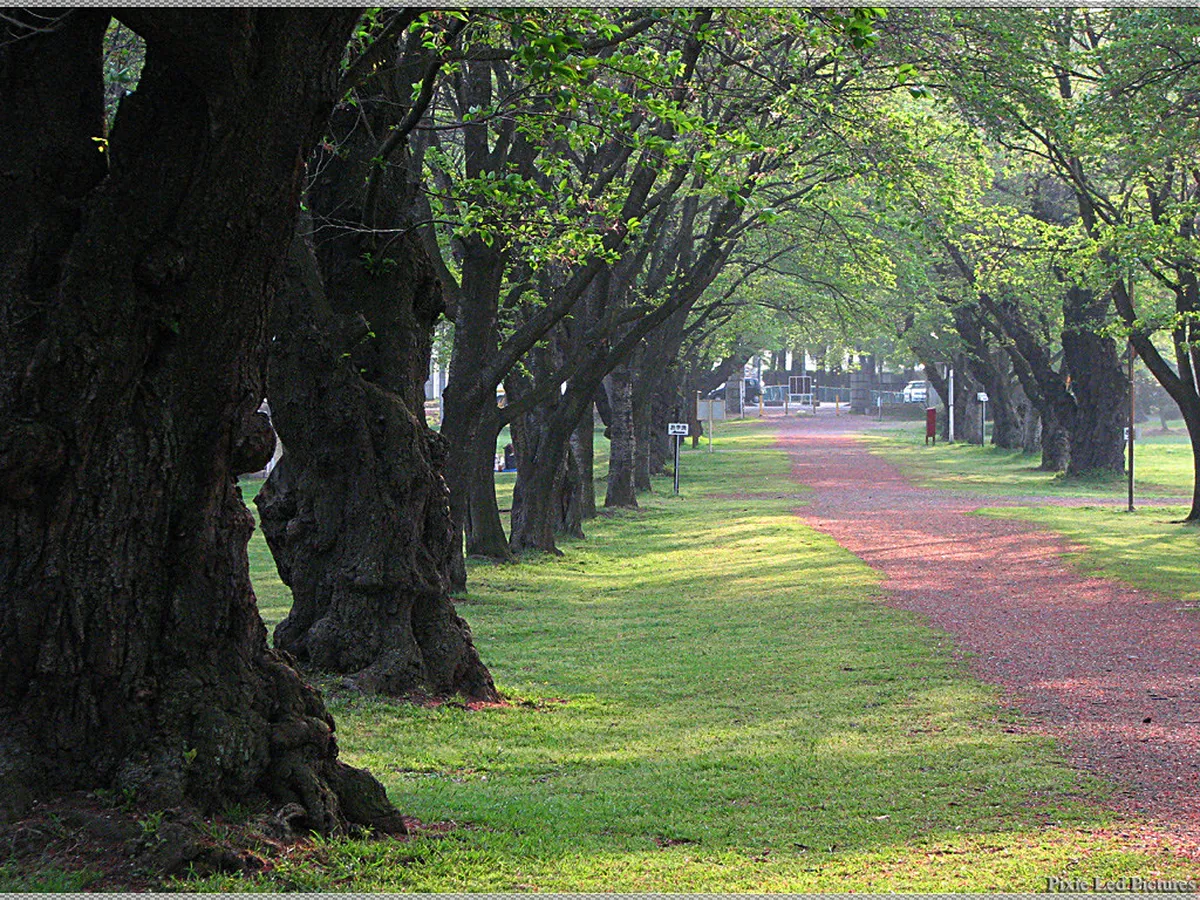
Togakushi is a highland plateau about 1,200 m above sea level, reached by bus from Nagano Station in 48 minutes (Togakushi Hokosha stop on the Togakushi line local bus). Five Shinto shrines are scattered across the forest, connected by a 2 km avenue of 400-year-old cedar trees. The Ninja Village and Ninja Museum appeal to families, particularly with children. In winter, the area has a small ski resort and snowshoe trails through the snow-covered cedar avenues.
Accommodation options are limited to around 10 establishments — guesthouses and shrine lodges (shukubo) rather than hotels. Oyado Suwa is one of Togakushi's 37 shukubo, sitting at the base of Togakushi Hokosha Shrine. The proprietor is a Shinto priest and the multi-course yama kaiseki meals are first offered to the shrine deities before being served to guests — a ritual called shinjin kyoshoku not found in typical tourist accommodation. Two private baths are available for rent. Note that children must be elementary school age or above to stay.
Awai Togakushi is a more contemporary option: two renovated historic buildings including a thatched-roof kominka farmhouse sleeping up to six, with a French restaurant using locally foraged Togakushi vegetables and wild game. At around ¥9,000–¥20,000 per night, Togakushi sits in the mid-range but offers experiences entirely unlike anything in Nagano City. The area is best visited as an overnight stay rather than a day trip if you want to see the shrines at dawn without the bus crowds.
7. Nozawa Onsen: Best for Hot Springs and Skiing
Nozawa Onsen is the most authentically Japanese of Nagano's ski villages. The resort has 26 km of pistes spread across 36 courses, with reliable snow from late November through early May. What makes Nozawa distinct is the 13 public soto-yu baths scattered through the village lanes — including the famous Ōyu, a large community bath house that dates to the 9th century. Staying here means soaking after skiing in the same water locals use daily, for free.
Accommodation ranges from small family-run lodge-style pensions (¥10,000–¥20,000 per person with meals) to larger inns closer to ¥30,000. The village is compact and largely pedestrianized, making it easy to walk between lifts, restaurants, and baths. There is no direct train to Nozawa — you connect via Iiyama Station on the Hokuriku Shinkansen (from Nagano, about 15 minutes) and then take a 20-minute bus. Book the bus in advance during peak ski weeks in January and February.
Nozawa suits travelers who want one resort to focus on rather than day-hopping between areas. The onsen culture here is more integrated into daily life than in Hakuba, where the scale of development makes it feel more international resort than Japanese village. If you want the full onsen-ski combination — soaking in outdoor baths while snow falls — Nozawa Onsen delivers this more reliably than anywhere else in Nagano.
8. Matsushiro: Best for Samurai History and Hot Springs
Matsushiro is 30 minutes by bus from Nagano City but often overlooked in favor of more famous destinations. It was the castle town of the Sanada clan — the family made famous by their role at the Battle of Sekigahara and the 1600 sieges — and the town still contains original samurai residences, a former military and literary academy, and a well-preserved castle ruins park. It is a half-day sightseeing destination that pairs well with an overnight stay at Mercure Nagano Matsushiro Resort & Spa.
Mercure is one of Nagano City's larger hotels at the international brand level, with all rooms over 35 m² and views toward the Matsushiro mountains or the Nagano cityscape. The buffet breakfast and dinner draw on local ingredients including oyaki dumplings, Shinshu soba, and Matsushiro's own Nagaimo yam. Indoor and outdoor baths plus a sauna round out the facilities. Access from Nagano Station is 25 minutes by Matsushiro line bus to Kandabashi, then 8 minutes on foot. It works well for travelers arriving by car — the hotel sits near the Joshin'etsu Expressway interchange.
9. Azumino: Best for Rural Scenery and Art
Azumino sits at the foot of the Northern Japanese Alps between Matsumoto and Hakuba, and it is one of Nagano's most photogenic rural zones. The flat valley floor is used for wasabi farming — Daio Wasabi Farm is one of Japan's largest and is freely walkable — while the backdrop of the Hotaka peaks provides scenery that appears in countless landscape photos. The Azumino Chihiro Art Museum, dedicated to illustrator Yayoi Chihiro, sits in a nature park worth an afternoon.
A rental car is strongly recommended for Azumino. The attractions are spread across a wide area not well served by bus, and cycling (rental bikes are available at Hotaka Station) works in good weather but limits range. Guesthouses and smaller hotels dominate the accommodation picture here, ranging ¥7,000–¥15,000 per night. The area is quietest in winter when visibility to the peaks is best on cold clear mornings — one of those early-morning light conditions that photographers specifically plan around.
Top Accommodation Picks by Traveler Type
For budget travelers, Mash Café & Bed NAGANO in Nagano City is the standout choice. Dorm beds from around ¥3,500, private rooms available, and the Saturday Tomoshibi Bar (18:00–22:00) regularly draws local residents — useful for anyone who wants to move past the tourist circuit. It is 17 minutes on foot from Nagano Station, or take the Gururingo bus to Giinkaikanmae and walk 5 minutes.
For a mid-range city stay with onsen access, Dormy Inn Nagano hits a sweet spot. Natural hot spring baths, outdoor pools, sauna, and complimentary late-night ramen make it feel well above the standard business hotel bracket at roughly ¥9,000–¥18,000 per night. Hotel Metropolitan Nagano suits frequent train users with its direct station connection — no weather, no luggage drag.
For the most culturally immersive stay in the prefecture, a night at a Shibu Onsen ryokan near the snow monkey park is hard to match. The nine public baths of Shibu are free for guests of registered inns, and the kaiseki dinners in the valley tend to be carefully sourced from Shinshu ingredients. Budget ¥18,000–¥35,000 per person with two meals included. Book two to three months ahead for winter weekends.
For families in winter, Hakuba's Wadano Gateway Suites or Chianti Chalet (10 minutes from the Tsugaike-Kogen gondola) provide the kitchen facilities, gear storage, and group living spaces that standard hotel rooms simply do not. Both suit groups of four or more and price out favorably against booking multiple hotel rooms.
How Many Days Do You Need in Nagano?
Two days is enough for Nagano City alone — morning at Zenkoji Temple on day one, day trip to the Snow Monkey Park on day two. It is a tight itinerary but workable. Anything less than two nights means you are spending most of your waking time in transit.
Three days allows Nagano City plus one side trip with an overnight. Matsumoto Castle and Kiso Valley each reward one night rather than a rushed day return. Four to five days opens up two distinct areas — Nagano City, plus either Yamanouchi (onsen + monkeys) or Hakuba (skiing/hiking), with a day in between for slower travel and meals. This is the sweet spot for most first-time visitors.
A week or more lets you combine multiple bases across the prefecture and explore at pace — Nagano City, Yamanouchi, Hakuba, and the Kiso Valley can comfortably fill seven days without feeling rushed. Our Nagano itinerary guide has specific day-by-day plans if you want a ready-made framework.
Essential Travel Tips for Nagano
Getting around Nagano Prefecture without a car is feasible for the major attractions but requires planning. Trains connect Nagano City, Matsumoto, and Iiyama (for Nozawa Onsen) efficiently. Buses cover Togakushi (48 min), Matsushiro (30 min), and Yamanouchi (Yudanaka by train, then bus to monkey park). Azumino and the Kiso Valley are the two areas where a car makes the biggest practical difference. If you rent a car, the Hokuriku Expressway links the main zones and toll costs are predictable.
Dining costs vary widely. Soba noodles (Nagano is Shinshu soba country) at a simple restaurant run ¥800–¥1,500 per bowl. Oyaki dumplings — a local staple of vegetable-filled dough — sell at bakeries and markets for ¥150–¥300 each. Ryokan kaiseki dinners start around ¥5,000 and can reach ¥15,000 at high-end properties. City restaurant lunch sets (teishoku) around ¥1,000–¥1,500 are the best value in Nagano City for travelers not on a meal-included plan.
For skiing and hiking trips, purchase travel insurance that explicitly covers winter sports. Skiing and snowboarding accidents at Hakuba or Shiga Kogen can involve helicopter evacuation from the mountain, which costs tens of thousands of yen without coverage. Check policy wording — some basic travel insurance plans exclude skiing by default. Pack layers regardless of season: the valley floors are warm in summer but mountain altitudes above 2,000 m can be cold at any time of year.
FAQs About Where to Stay in Nagano
Frequently Asked Questions
What is the best area to stay in Nagano for first-time visitors?
For first-time visitors, Nagano City Center is generally the best base. It offers excellent transportation links, a wide range of accommodation options, and easy access to key attractions like Zenkoji Temple. From here, you can easily embark on day trips to other popular spots.
Is it better to stay in Nagano City or Matsumoto?
Choosing between Nagano City and Matsumoto depends on your priorities. Nagano City is a larger transport hub, ideal for exploring the wider prefecture and visiting Zenkoji Temple. Matsumoto offers a more historic, charming atmosphere focused around its iconic castle and art scene. If you prioritize convenience and wider access, Nagano City is better; for historical charm, choose Matsumoto.
Where should I stay in Nagano to see the Snow Monkeys?
To see the Snow Monkeys, the best place to stay is Yamanouchi, specifically in the onsen towns of Yudanaka or Shibu Onsen. These towns are closest to the Jigokudani Snow Monkey Park entrance and offer traditional ryokan experiences. Many accommodations provide shuttle services to the park, making access convenient.
Where to stay in Nagano for skiing?
For skiing and winter sports, Hakuba is the premier destination in Nagano. It offers multiple world-class ski resorts, extensive terrain, and a vibrant après-ski scene. Nozawa Onsen is another excellent choice, combining great slopes with traditional hot spring village charm. Both areas provide a wide range of accommodation options.
Can Nagano be a day trip from Tokyo?
While technically possible, a day trip to Nagano from Tokyo is very rushed and not recommended for seeing much beyond Nagano City itself. The Shinkansen ride takes about 1.5 hours one way. We advise staying at least one night to truly experience Nagano's cultural sites or natural beauty without feeling exhausted.
Nagano Prefecture rewards travelers who match their base to their interests rather than defaulting to the nearest city. Whether you choose the transport convenience of Nagano City, the ryokan culture of Shibu Onsen, the powder fields of Hakuba, or the Edo atmosphere of Kiso Valley, the key is committing to a base and using it well. Use this guide to narrow the decision, check current rates early for winter dates, and plan for at least three nights to leave with more than surface impressions.
Free guide: Japan's Hidden Gems
12 under-the-radar places beyond Tokyo & Kyoto — with the best season to visit each and a local tip you won't find in the guidebooks.
You might also like


Continue reading
More guides you'll find useful