

Karuizawa Soba and Shinshu Cuisine: Where to Eat Nagano's Buckwheat Specialties
A practical guide to karuizawa soba and shinshu cuisine: where to eat nihachi and juwari noodles, oyaki, and Shinshu beef, and how to time your visit.
On this page
Last updated July 2026, this guide breaks down karuizawa soba and shinshu cuisine for travelers planning meals around Nagano's buckwheat culture. Shinshu cuisine centers on soba noodles, mountain vegetables, and fermented foods shaped by Nagano's cold climate and volcanic soil. Karuizawa sits close enough to Tokyo for a day trip or weekend stay, making it a practical base for tasting the region's signature dishes.
Karuizawa Soba and Shinshu Cuisine Essentials
Nagano Prefecture goes by the older name Shinshu, and it functions as Japan's buckwheat-growing heartland. Cold winters, high elevation, and mineral-rich mountain water create strong growing conditions for buckwheat across the region. Karuizawa's volcanic soil and cold mountain water carry those same qualities into the noodles served locally. That combination is a major reason texture varies so much from shop to shop. Two style distinctions matter most once you start ordering:
Nihachi's 80% buckwheat and 20% wheat-flour blend makes it the match for Kyu-Karuizawa's family-run stone-mill shops, where its elastic everyday style pairs with rustic preparation far better than refined sarashina would.
- Juwari: 100% buckwheat flour, for a drier, more intense texture with no wheat added
- Nihachi: an 80% buckwheat and 20% wheat-flour blend, the more elastic, everyday style at casual shops
- Inaka: a rustic, dark, coarsely milled noodle with a heartier flavor
- Sarashina: a refined, pale noodle milled from the center of the buckwheat groat
Kurumi-Dare and the Soba-Yu Ritual
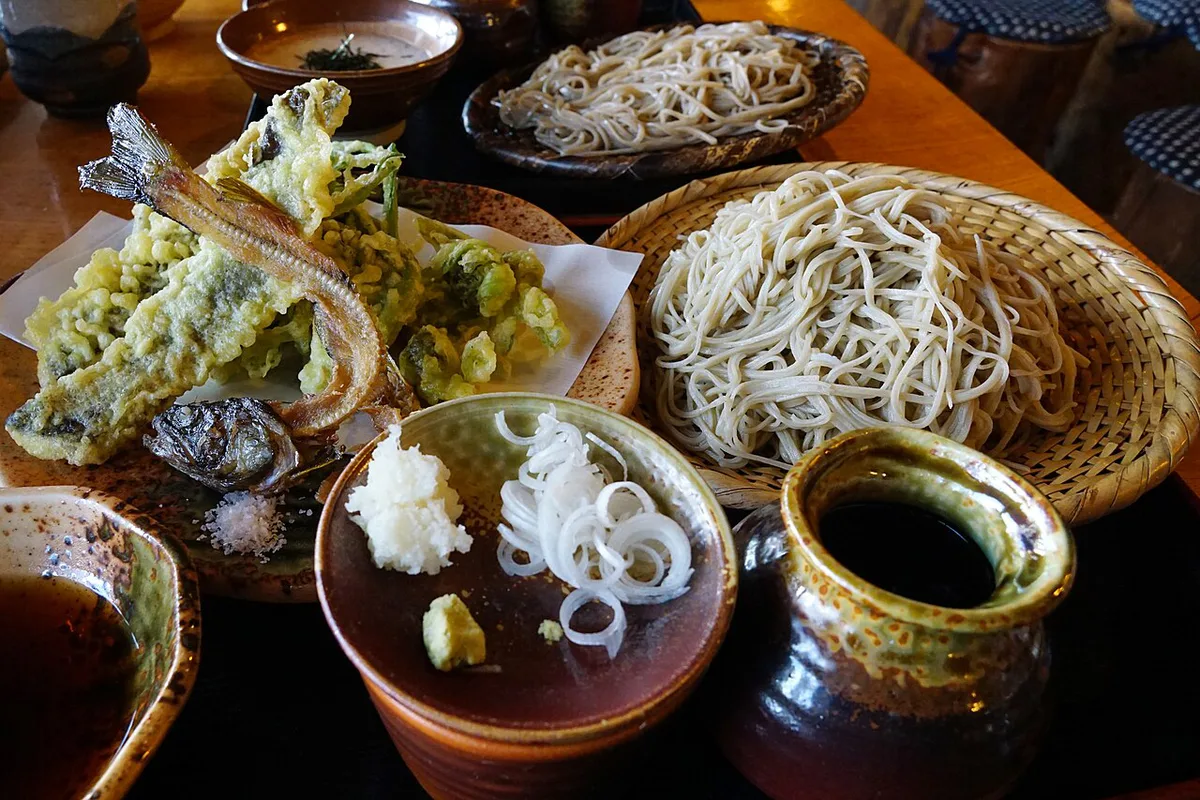
Kurumi-soba is Karuizawa's own take on the noodle: cold soba served with kurumi-dare, a walnut-based dipping sauce. Ground walnuts blend into the usual soy-and-dashi base, softening it into something sweeter and nuttier than a standard dipping sauce. Not every shop offers kurumi-dare alongside the standard dip, so ask when you sit down if it's the version you want to try. Order soba-yu once you finish the noodles: it's the hot, starchy water the noodles were cooked in. Pour it into what's left of your dipping sauce and drink it as a light closing broth, a ritual common across Shinshu soba houses. One practical note before you order: most dipping sauces, kurumi-dare included, are built on a soy-and-dashi base, and both soy sauce and dashi usually contain wheat. A fully gluten-free soba meal takes some checking, even when the noodles themselves are 100% buckwheat juwari.
Karuizawa's Soba Neighborhoods at a Glance
Karuizawa's soba scene splits across three practical hubs, and where you eat shapes both the wait and the mood of the meal. Kyu-Karuizawa leans historic, with small, family-run shops built around walk-in service. Harunire Terrace leans modern and upscale, with a design-forward setting and restaurants more open to reservations. The station area and the Karuizawa Prince Shopping Plaza lean convenient, built for a fast meal between trains or shopping. None of the three hubs sit within easy walking distance of the others, so plan transport time if you want to sample more than one on the same day. Deciding which hub to prioritize often comes down to how much time is available and whether atmosphere or speed matters more for that particular meal.
- Kyu-Karuizawa: historic, family-run, walk-in only
- Harunire Terrace: modern, upscale, reservation-friendly
- Station area / Karuizawa Prince Shopping Plaza: convenient, fast turnover
Soba Houses Around Kyu-Karuizawa
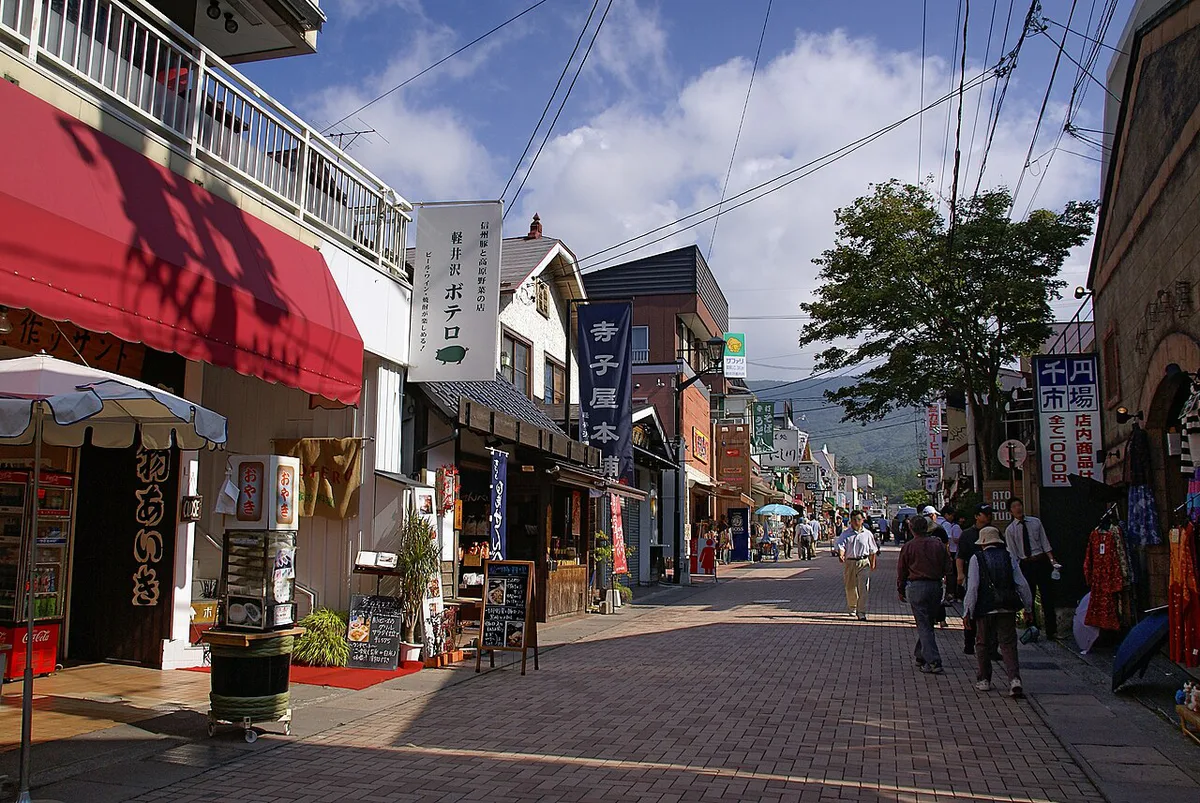
Kyu-Karuizawa, the town's historic core, holds several long-established soba houses. Several are family-run operations that mill their own buckwheat in-house on stone mills. That's worth asking about, since fresh-milled flour changes the noodle's aroma. Shops cluster along and near Kyu-Karuizawa Ginza Street, so a soba lunch pairs easily with a walk through the district's shops and cafes. Expect small dining rooms and a walk-in culture rather than a reservation system at this end of town. Ordering nihachi or inaka-style soba here, alongside the rustic, dark noodle style, fits the setting better than a delicate sarashina preparation. Menus don't always spell out which style is used, so ask if the distinction matters to you. This is also where Karuizawa's Shinshu identity feels most concentrated, since the shops, the stone mills, and the noodle-making happen in the same small footprint.
Harunire Terrace and Modern Soba Dining
Harunire Terrace takes a different approach, with a more design-forward, upscale feel than the historic shops in Kyu-Karuizawa. Kawakami An is one of the soba restaurants operating within the complex, a modern counterpart to the family-run shops in the historic part of town. Destination dining here costs more than a quick lunch near the station, since the setting is part of what the higher price covers. Book ahead if you want a table during peak lunch hours. Sit-down restaurants at Harunire Terrace are more likely to take reservations than the walk-in shops elsewhere in town. Pair a meal here with browsing the wider complex, since Harunire Terrace mixes dining with shopping and cafe stops in one walkable cluster.
Station-Area and Shopping Plaza Options
Travelers arriving via the route from Tokyo land close to the station district, where quick-lunch soba counters are built for turnover rather than lingering. The Karuizawa Prince Shopping Plaza Travel Guide also holds casual dining options, useful if you're combining a soba meal with an afternoon of shopping. Station-area and plaza spots trade some of the atmosphere of Kyu-Karuizawa or Harunire Terrace for speed, which matters if you're short on time between trains. Waits tend to run shorter here than at the busiest stone-mill shops, particularly outside the midday lunch rush. This hub works best as a starting or ending point for a day that also includes Kyu-Karuizawa or Harunire Terrace, rather than a destination on its own. If the goal is simply a fast, reliable soba lunch before continuing on elsewhere in Karuizawa, this hub is the most efficient choice of the three.
Mountain Vegetables and Fermented Sides
Mountain vegetables, often served as small side dishes alongside a soba set, are another pillar of Shinshu cooking. These seasonal greens rotate through the year and typically arrive simply prepared, so the vegetable itself carries the dish rather than a heavy sauce. Fermented foods run through the cuisine too, most visibly in nozawana pickles and in the miso used across oyaki fillings and dashi bases. A soba set with a small pickle plate and a side of simmered vegetables gives a fuller sense of the everyday Shinshu table. The noodles alone only tell part of the story. This category rarely gets its own menu section, so ask your server what's in season if the dish descriptions aren't clear.
Beyond the Noodle: Oyaki, Shinshu Beef, and Local Produce
Shinshu cooking extends well past noodles. Oyaki are steamed or pan-grilled dumplings stuffed with seasonal fillings, and Karuizawa's version draws on the same regional pantry as the rest of Nagano. Common fillings include: Shinshu beef and basashi, thinly sliced raw horse meat, are premium proteins on the menu at some of Karuizawa's sit-down restaurants. Both go beyond the soba-focused spots covered elsewhere in this guide. Local produce shapes the everyday diet too, from highland vegetables grown in Karuizawa's cool climate to the fruit preserves covered in Karuizawa's jam producers. Each traces back to the same volcanic soil and elevation that shape the soba. Ordering a small plate of oyaki alongside a soba set is a practical way to sample both ends of the Shinshu table in one sitting. None of these dishes require advance planning the way some destination restaurants do, which makes them easy to work into a day that's already built around sightseeing.
- Miso eggplant
- Pumpkin (kabocha)
- Nozawana, a pickled leaf green common across Nagano
Timing Your Visit to Avoid the Lunch Rush
Karuizawa's busiest soba shops are known for long waits, sometimes stretching close to two hours at peak times. The core lunch rush runs from about 11:30 a.m. to 1:30 p.m., so arriving right at opening or waiting until mid-afternoon cuts the wait significantly. Late autumn, when shin-soba season brings the year's fresh buckwheat harvest, is also when demand climbs, so factor extra wait time into an October or November visit. Arriving a few minutes before a shop opens is often the most reliable way to avoid the longest waits. If a wait is unavoidable, use the time well. A short walk to Kumoba Pond works well before or after a soba lunch. For more time, a longer trip out to Shiraito Falls works just as well. Travelers building a fuller day around Karuizawa's wider attractions have another option. A stop at Onioshidashi Garden pairs well with a soba meal, since it's a common combination for a full day out.
Station-area soba counters have shorter waits than stone-mill shops, especially before the 11:30 a.m. to 1:30 p.m. lunch rush. Arriving early or planning a late lunch minimizes time spent waiting.
Culinary Experiences and Food Souvenirs
A few operators run hands-on farm food experiences, including soba-making sessions where you roll and cut your own noodles from buckwheat flour. These sessions are useful for understanding the difference between juwari and nihachi with your own hands, not just from a menu description. Checking availability ahead of a trip is worth doing, since hands-on classes and farm visits often depend on the season and on operator scheduling. For food to take home, look beyond soba. Jam and pickles round out the wider Karuizawa food scene alongside soba. Baked goods from Karuizawa's bakery scene add another option for edible souvenirs. Many shops sell dried noodles and other packaged goods to take home, so leave room in a bag if buying soba is part of the plan.
Planning a Karuizawa Food-Focused Stay
For a first visit, keep it simple. Order nihachi or juwari soba at a stone-mill shop in Kyu-Karuizawa, then ask for kurumi-dare if it's on the menu. Finish with soba-yu to complete the course. Add an oyaki or a plate of Shinshu beef for a second course beyond noodles. Staying close to the main dining hubs cuts down on travel time between meals. For options near Kyu-Karuizawa and Harunire Terrace, see this guide to where to stay nearby. Basing a trip around these two districts keeps most of Karuizawa's Shinshu cooking within a short walk. This kind of trip rewards planning meals in advance, even loosely, since the best-known soba houses fill up fastest.
Vegetarian, Vegan, and Gluten-Free Soba Ordering
Juwari soba contains 100% buckwheat, but that does not guarantee a gluten-free restaurant meal. Noodles may share boiling water, strainers, preparation surfaces, or fryers with wheat-based dishes.
Standard soba dipping sauce, called tsuyu, usually combines soy sauce with dashi made from dried bonito. The soy sauce commonly contains wheat, while the bonito makes the sauce unsuitable for vegans and vegetarians. Kurumi-dare often uses the same base despite its prominent walnut flavor.
Ask staff to confirm the noodle flour, sauce ingredients, and shared preparation equipment before ordering. A Japanese allergy card can help at small Kyu-Karuizawa shops where written allergen information may be limited.
- Request plain juwari soba only if the kitchen can manage your required level of cross-contact control.
- Check vegetable tempura for shared frying oil and egg in the batter.
- Confirm whether nozawana, mountain vegetables, and oyaki fillings use fish-based dashi.
Larger restaurants around Harunire Terrace or Karuizawa Station may be easier for detailed ingredient questions, but policies vary by kitchen.
For trip-planning details, see Soba - Wikipedia.
Frequently Asked Questions
Is soba in Karuizawa gluten-free?
Juwari soba made from 100% buckwheat contains no wheat, but many Karuizawa shops serve nihachi soba, an 80% buckwheat and 20% wheat-flour blend. Even fully buckwheat noodles usually come with a dipping sauce built on soy sauce and dashi, and both typically contain wheat. Confirm the flour ratio and sauce ingredients directly with the restaurant if you need a strict gluten-free meal. Smaller, family-run shops may not have a written allergen list, so asking in person before ordering is the more reliable approach.
What is the best time of year for soba in Karuizawa?
Late autumn, around October and November, is shin-soba season, when restaurants serve noodles milled from that year's newly harvested buckwheat. Shin-soba is prized for a stronger aroma and a sweeter flavor than noodles made from stored grain. Karuizawa's cool mountain climate broadly lines up with the wider Shinshu soba harvest across Nagano Prefecture. Outside shin-soba season, the noodles are still made fresh at most shops, just from grain stored earlier in the year.
Do I need reservations for soba restaurants in Karuizawa?
Most everyday soba shops, especially the family-run stone-mill houses, run on a walk-in basis without reservations. Wait times can stretch close to two hours at the busiest spots during peak lunch hours. Higher-end or destination restaurants, particularly around Harunire Terrace, are more likely to accept advance bookings, so call ahead for a guaranteed table. Arriving right at opening, before the main lunch rush builds, is the most reliable walk-in strategy.
What else should you eat in Karuizawa besides soba?
Oyaki, steamed or grilled dumplings stuffed with fillings like miso eggplant, pumpkin, or pickled nozawana greens, are a core Shinshu snack. Shinshu beef and basashi, sliced raw horse meat, also appear on menus at some of the area's sit-down restaurants. Local jam and highland produce round out the picture alongside Karuizawa's bakery culture. Mountain vegetable side dishes are also common, usually served in small portions alongside a larger meal.
What is soba-yu, and why do restaurants serve it after the meal?
Soba-yu is the hot, starchy water the noodles were cooked in. Servers bring it out at the end of the meal. Pour it into the leftover dipping sauce and drink it as a light broth. The ritual is common across Shinshu soba houses, including many in Karuizawa, and it's considered a normal way to finish the course rather than an optional extra.
How far is Karuizawa from Tokyo for a soba-focused day trip?
Karuizawa is close enough to Tokyo to work as a single-day trip built around a soba lunch, with room left over for a short walk or one nearby sight. For exact train options and timing, check a dedicated route guide rather than relying on a general estimate. Building the day around a single hub, rather than trying to cover Kyu-Karuizawa, Harunire Terrace, and the station area all at once, keeps the trip realistic.
Free guide: Japan's Hidden Gems
12 under-the-radar places beyond Tokyo & Kyoto — with the best season to visit each and a local tip you won't find in the guidebooks.
You might also like


Continue reading
More guides you'll find useful


