Kumoba Pond Travel Guide
Plan your kumoba pond visit with timing tips, seasonal highlights, directions, and nearby attractions for a rewarding Karuizawa day out.
On this page
Kumoba Pond sits at around 1,000 metres above sea level in the resort town of Karuizawa, Nagano Prefecture. Its name translates as cloud place pond, a nod to the low mist that drifts across the water on cool mornings. Ringed by larch and maple trees, the pond mirrors the forest so clearly that photographs from its bank look almost symmetrical.
Autumn draws the largest crowds, when maples blaze orange and crimson against the dark water surface. Yet the pond rewards visitors in every season — from cherry blossoms in spring to a frozen, silent landscape in winter. A short walking loop through the adjoining forest means you can circle the entire pond in under 30 minutes, making it an easy addition to any Karuizawa attractions itinerary.
What Makes Kumoba Pond Special
Kumoba Pond earned its poetic name from the ground-level fog that forms over the water, especially at dawn. The frequent fogginess gives the pond an atmospheric quality that photographers and painters have sought for well over a century. Vintage postcards from around 1910 already show visitors strolling its banks, evidence of how long this spot has captivated travellers.

The pond sits inside a natural depression in the larch forest, which creates a sheltered microclimate slightly cooler than the surrounding town. That extra chill amplifies the colour change in autumn, pushing the maples toward deeper reds and golds than lower-altitude spots nearby. In summer, the same forest shade keeps the air noticeably fresher than central Tokyo, which historically made Karuizawa a favourite escape for diplomats and writers.
A flat gravel path encircles the water, wide enough for walkers and strollers side by side. The loop is roughly 1.2 kilometres, with no significant inclines, so almost any visitor can complete it comfortably. Several benches along the south bank face the widest reflection zone, making them popular spots for a quiet rest mid-circuit.
Autumn at Kumoba Pond
The autumn colour season at Kumoba Pond typically peaks between mid-October and early November, though the precise timing shifts by a week or so depending on the year. Maples at this altitude change colour roughly two to three weeks ahead of central Tokyo, making Karuizawa one of the earliest reliable foliage destinations in the Kanto region. Larch trees add a golden-yellow layer above the maples, so the palette around the pond spans yellow, orange, and deep red simultaneously.
Early morning visits produce the clearest reflections because wind is usually calmer before 9 a.m. Arriving at dawn on a weekday gives you the best chance of a quiet, mist-draped surface before tour coaches arrive from Tokyo. The light at that hour is soft and low, ideal for photography without a telephoto lens — the entire reflected tree line fits in a standard smartphone frame from the south bank.
Weekend afternoons in peak autumn see the path crowded enough that walking the loop slowly takes 45 minutes rather than 20. If you visit on a Saturday or Sunday, aim for before 8:30 a.m. or after 4 p.m. when the coach-tour crowds thin out considerably. Weekday visits in mid-October offer the most balanced combination of full colour and manageable footfall.
Visiting in Other Seasons
Spring brings a quieter, greener version of the pond, with fresh larch needles casting a lime-yellow glow over the water from late April. A few cherry trees near the pond's northern entry add short bursts of pink, usually during the first two weeks of May at this altitude. Visitor numbers are lower than in autumn, and the forest floor shows clusters of wildflowers that are easy to miss in the busier seasons.
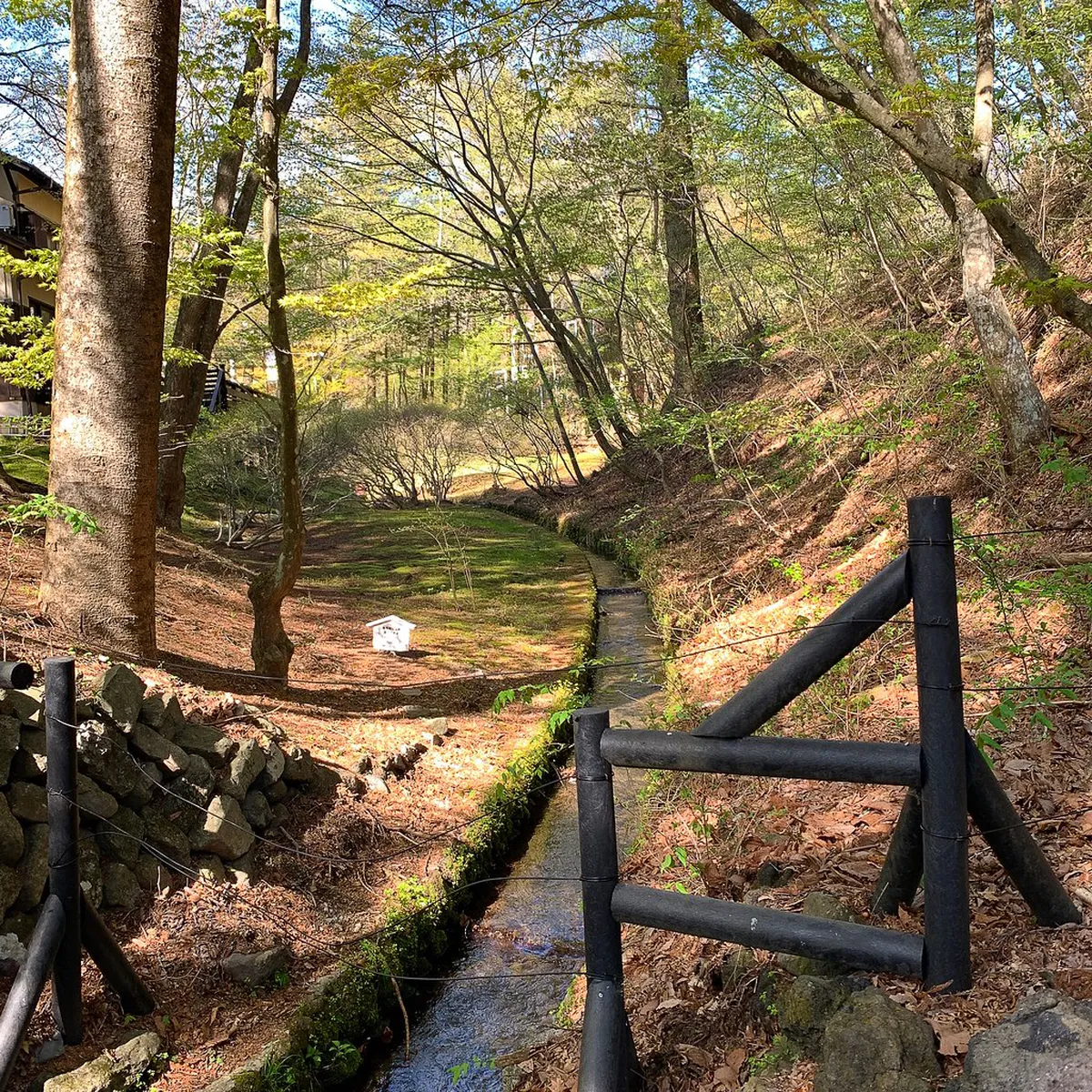
Summer at Kumoba Pond feels genuinely cool compared with the cities below, typically 5–8°C lower than central Tokyo on the same day. The dense larch canopy blocks direct sun along most of the loop, so even a midday walk stays comfortable in breathable layers. Families visiting Karuizawa in July and August often build the pond walk into a morning routine before the afternoon heat builds — even at altitude, July afternoons can reach the mid-twenties.
Winter transforms the pond into a still, grey-white scene, often with thin ice forming on the shallow edges by December. Snow on the surrounding larch branches creates a muted palette that is less photographed than autumn but striking in its own right. The Best Time To Visit Karuizawa Travel Guide depends on your preference, but winter visits carry a contemplative atmosphere the other seasons cannot match.
Getting to Kumoba Pond
The fastest route from Tokyo is the Hokuriku Shinkansen from Tokyo Station to Karuizawa Station, a journey of around 70 minutes on the Kagayaki or Asama services. From Karuizawa Station, the pond is approximately 4 minutes by taxi — an easy fare that most drivers know by name. Shared taxis and local buses also serve the area during peak autumn weekends, reducing wait times at the station taxi rank.
Drivers approaching from the Tokyo direction should take the Usui Karuizawa IC on the Joshinetsu Expressway, which puts the pond roughly 25 minutes away by car. A small car park sits adjacent to the pond's western entrance; it fills quickly on autumn weekends, so arriving before 8 a.m. is strongly advisable. Paid overflow parking operates nearby during peak foliage weeks — check local signage on arrival as locations rotate annually.
Cycling is another practical option: Karuizawa has a well-developed rental network and the pond sits along a flat cycling route from the station. The ride takes roughly 15 minutes each way and connects naturally with other forest paths, making it easy to build a longer Karuizawa cycling route around a pond visit. Most rental shops near the station open from 9 a.m. and stock both standard and e-bikes.
- By Shinkansen from Tokyo
- Take the Hokuriku Shinkansen from Tokyo Station to Karuizawa Station, around 70 minutes on faster Kagayaki services.
- Taxis from the station reach the pond in about 4 minutes and cost roughly 700 to 900 yen.
- By car from the expressway
- Exit at Usui Karuizawa IC on the Joshinetsu Expressway and follow signs toward Karuizawa town centre.
- The pond car park is about 25 minutes from the toll gate and fills early on autumn weekends.
- By rental bicycle from the station
- Karuizawa Station has multiple bike rental shops open from 9 a.m. with standard and e-bike options.
- The flat forest route to the pond takes roughly 15 minutes and connects to wider cycling trails.
What to Do Near Kumoba Pond
Harunire Terrace is a cluster of boutique cafes and restaurants built among native elm trees, about a 10-minute walk from the pond. It opens from around 10 a.m. and works well as a post-walk coffee stop before returning to the station. The terrace stays busy on autumn afternoons, so arriving for a late morning coffee before the lunch crowd is the smarter move.
Kyu Karuizawa Ginza Street Travel Guide is the town's main pedestrian shopping lane, lined with confectionery shops, craft stores, and light-meal restaurants. It sits roughly 20 minutes on foot from the pond or 5 minutes by taxi, and provides a complete contrast to the quiet forest atmosphere. Combining a morning pond walk with an afternoon on Ginza Street gives a good cross-section of what Karuizawa offers.
Shiraito Falls is another natural highlight about 6 kilometres south of the pond, accessible by car or bus in around 15 minutes. The falls cascade over a wide basalt ledge in a curtain effect that is particularly photogenic in summer and early autumn. Pairing Kumoba Pond and Shiraito Falls in one morning makes an efficient nature-focused half-day itinerary.
Planning Tips for Your Visit
Entry to the pond and its walking loop is free at all times, which makes it one of Karuizawa's most accessible attractions for any budget. There are no ticket booths or timed entry systems, so spontaneous visits work as well as pre-planned ones. The only cost to factor in is transport — taxi fares and car park fees during peak autumn weekends.
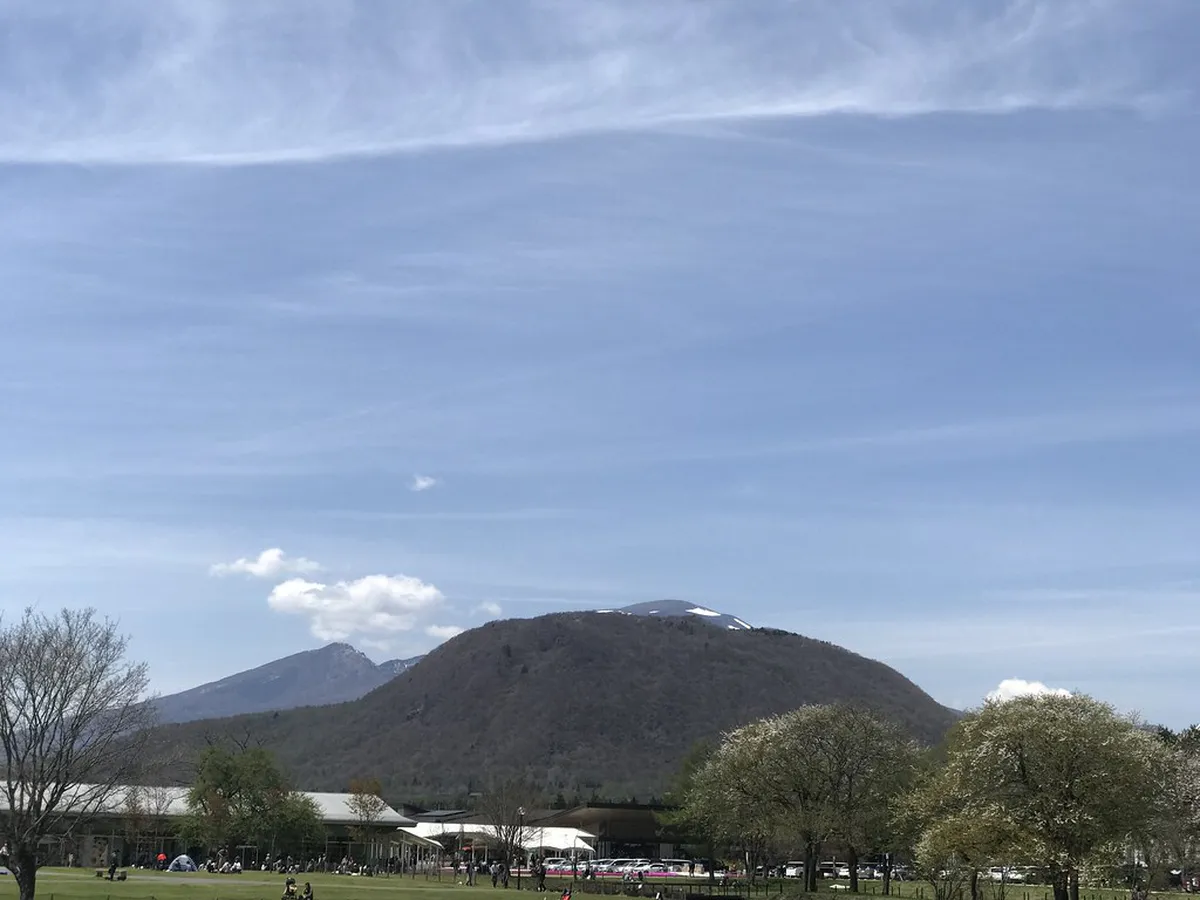
Karuizawa sits at around 1,000 metres, so temperatures run noticeably cooler than Tokyo year-round. Even in August, evenings can drop to 15°C or lower, and a light jacket is sensible whenever you plan to walk the shaded loop. In autumn, morning temperatures around the pond often fall below 10°C, so layering is important even when the afternoon warms up.
The pond has no food vendors or toilets directly on-site, so visiting Harunire Terrace or the station area before heading to the pond is worth the slight detour. Mobile signal is generally reliable around the pond, and several map apps include the walking path with correct routing. For wider context on lodging and transport, the Karuizawa Guide at JapanVisitor covers practical details including current transport schedules.
Frequently Asked Questions
Where exactly is Kumoba Pond in Karuizawa?
Kumoba Pond sits in the forested northern part of Karuizawa town, Nagano Prefecture, at roughly 1,000 metres above sea level. It is about 4 minutes by taxi from JR Karuizawa Station and approximately 25 minutes by car from the Usui Karuizawa IC on the Joshinetsu Expressway. Most navigation apps list it by its Japanese name, 雲場池.
When does autumn foliage peak at Kumoba Pond?
Peak autumn colour at Kumoba Pond typically falls between mid-October and early November, two to three weeks ahead of central Tokyo. Maples turn deep red and orange while larch trees add golden yellow above them. The exact dates shift each year, so checking a local foliage forecast a week before your visit helps you time it well.
Is there an entrance fee for Kumoba Pond?
Entry to Kumoba Pond and its surrounding walking loop is completely free. There are no tickets or advance reservations required at any time of year. The main cost to plan for is transport — a short taxi ride from Karuizawa Station or car park fees on peak autumn weekends.
How long does it take to walk around Kumoba Pond?
The flat gravel path circling Kumoba Pond covers roughly 1.2 kilometres and takes most visitors between 20 and 30 minutes at a leisurely pace. On busy autumn weekends the loop can take 40 to 45 minutes due to crowds. The route has no steep sections, making it accessible for visitors of all ages and fitness levels.
What is Karuizawa famous for?
Karuizawa is known as a historic mountain resort beloved by diplomats, writers, and Tokyo residents escaping summer heat since the late 19th century. It sits at 1,000 metres altitude along the old Nakasendo highway, offering cooler temperatures, forest scenery, and a charming mix of boutique shopping and nature walks. Autumn foliage, particularly at Kumoba Pond, is its most photographed seasonal draw.
Kumoba Pond delivers a rare combination of effortless access and genuine natural beauty within 70 minutes of central Tokyo. Whether you arrive in the mist of an October morning or on a quiet winter afternoon, the forest reflection holds its character across every season. Free entry, a short loop path, and strong connections to the rest of Karuizawa's attractions make it a sensible anchor for any visit to the resort town.
Planning around the early-morning window on a weekday in mid-October gives you the strongest conditions for both photography and a peaceful walk. Pair the pond with Harunire Terrace for coffee and Shiraito Falls for a full nature half-day, then finish on Ginza Street before the Shinkansen back to Tokyo. For a complete overview of how to spend your time in the area, our guide to visiting Karuizawa from Tokyo covers transport, timing, and the full range of day-trip options.
For tickets, hours and visitor details, see our Kumoba Pond Visitor Guide and Karuizawa attractions hub.
Free guide: Japan's Hidden Gems
12 under-the-radar places beyond Tokyo & Kyoto — with the best season to visit each and a local tip you won't find in the guidebooks.
You might also like


Continue reading
More guides you'll find useful