

Karuizawa Cycling Travel Guide
Plan your karuizawa cycling trip with top routes, bike rental tips, the e-bike Nakasendo tour, and the Cycle Train return — all the practical details you need.
On this page
Karuizawa is one of the most enjoyable cycling destinations in Japan, thanks to its flat town centre, cool mountain air, and well-marked bike-friendly roads. The resort town sits at roughly 1,000 metres above sea level, which keeps summer temperatures far more comfortable than Tokyo — typically around 24–26°C even in August. Rental shops cluster near the south exit of Karuizawa Station, so visitors arriving by Hokuriku Shinkansen can be on a bike within minutes of arrival.
Two cycling experiences stand out in Karuizawa: a short in-town loop past historic churches, mossy lanes, and Kumoba Pond, and a longer e-bike day-trip along the ancient Nakasendo and Hokkoku Kaido trade roads. The longer route stretches 35 kilometres through Edo-period post-towns before ending at a train station where you load your bike onto the Cycle Train back. Whether you have two hours or a full day, Karuizawa cycling rewards every time commitment.
Why Karuizawa Is Perfect for Cycling
The town centre roads are largely flat, wide, and lightly trafficked — an unusual combination in Japan's mountain resorts. Most of the main streets follow a gentle grid, which means even first-time visitors can navigate confidently without a detailed map. Dedicated cycling lanes appear on several stretches, and local drivers are accustomed to sharing the road with cyclists.
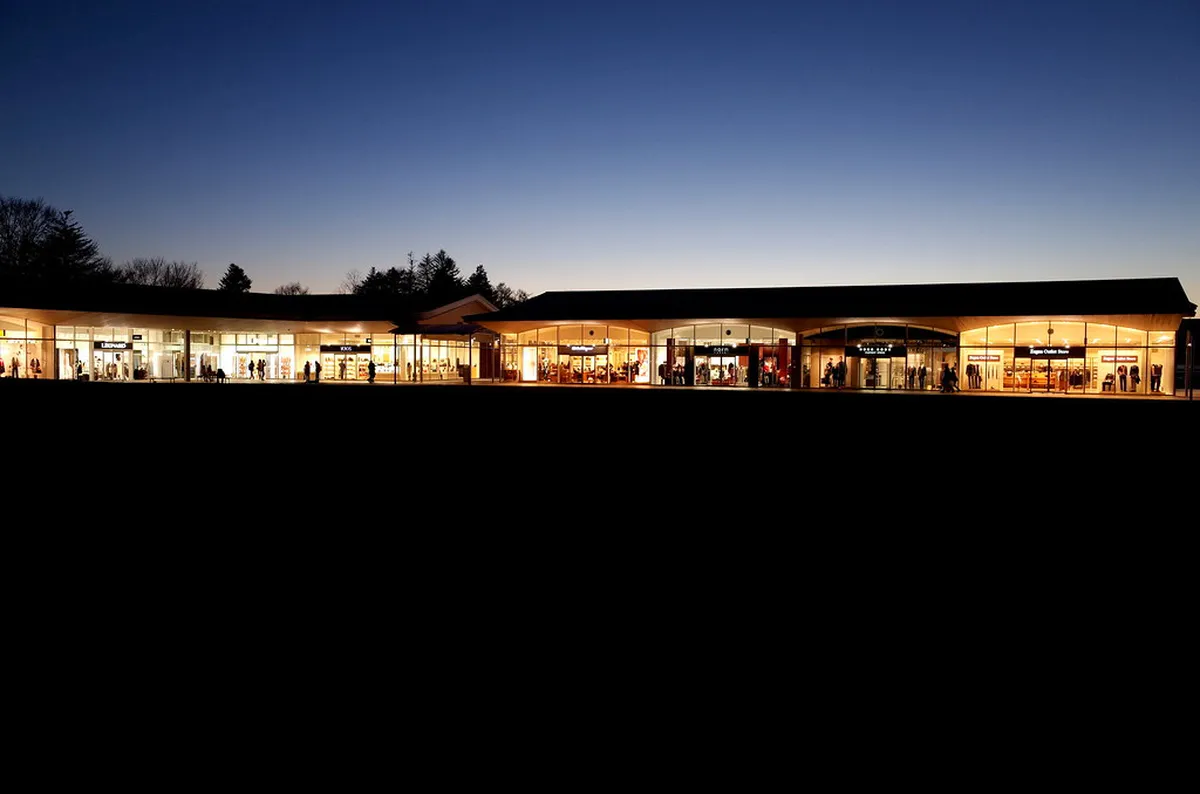
Karuizawa's summer climate makes it genuinely pleasant to pedal where other Japanese destinations feel oppressively humid. The altitude keeps average highs below 27°C from June through August, while the surrounding mixed forests shade many of the quieter back roads. This combination draws cyclists of all fitness levels, from families with young children to riders tackling the longer Nakasendo trail sections.
The town's historical roots also enrich every ride. Karuizawa-juku was once an important resting point on the Nakasendo, one of the two great Edo-period highways connecting Kyoto to Edo. Remnants of that era — stone statues, restored inn buildings, and a rare three-headed batō kannon statue near Kyu-Karuizawa Ginza Street — appear along routes that feel genuinely off the beaten path.
Bike Rental in Karuizawa: What to Know
Several rental shops operate within a short walk of Karuizawa Station's south exit, making it simple to collect a bike right after stepping off the Shinkansen. Standard city bikes typically cost around ¥1,000–¥1,500 for a two-hour rental, while e-bikes run approximately ¥3,000–¥5,000 for a half-day — confirm current prices on the Visitkaruizawa.com cycling page before you go. Most shops supply helmets, baskets, and basic locks as standard equipment.
Choosing between a standard bike and an e-bike depends largely on your planned route. The in-town loop is comfortably flat and suits a standard rental, while the longer Nakasendo route — with its hills departing the plateau — is much easier on an e-bike. E-bikes let you adjust the level of pedal assistance, so even less experienced riders can tackle the occasional incline without fatigue.
Walk-in rentals are generally available on weekdays, but weekends and national holidays see high demand. Arriving before 10:00 gives the best chance of securing your preferred bike type without a wait. Some tour operators include bike rental in a guided package, which is worth considering if you want local expertise along the Nakasendo trail.
- Standard city bike rental
- Typical cost is around ¥1,000–¥1,500 for a two-hour session.
- Best suited for the flat in-town loop and Kumoba Pond route.
- Most shops near the south exit of Karuizawa Station stock these.
- E-bike rental for longer routes
- Expect to pay roughly ¥3,000–¥5,000 for a half-day e-bike hire.
- Adjustable pedal assistance suits riders of varying fitness levels.
- Essential for the 35-kilometre Nakasendo day route with hill sections.
- Guided cycling tour packages
- Packages often bundle bike hire, a knowledgeable guide, and lunch.
- Tours typically depart from the rental plaza in front of Karuizawa Station.
- Book at least 24 hours in advance to secure a spot, especially in summer.
The Classic Karuizawa Town Cycling Route
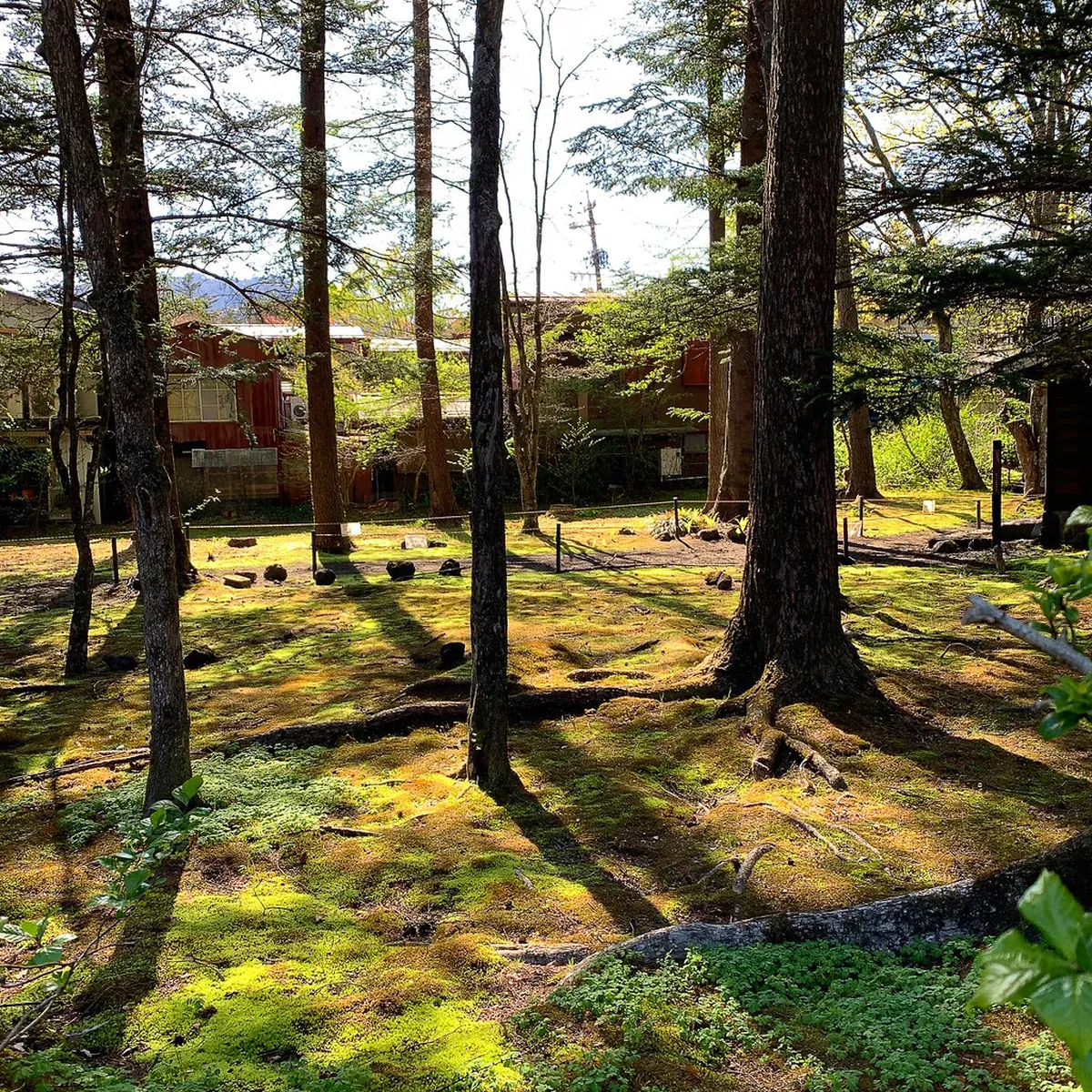
The most popular in-town loop runs from the station area north through Kyu-Karuizawa Ginza, then west along Moss Road, and south to Kumoba Pond before looping back — a circuit of roughly 5–7 kilometres that takes about 90 minutes at a relaxed pace. The route passes St Paul's Church, a distinctive wooden structure built in 1935, and continues through Moss Road, a shaded laneway where tree roots and green moss give the path an almost forest-floor atmosphere. These quiet stretches feel far removed from the busy shopping streets, even though they are only minutes apart by bike.
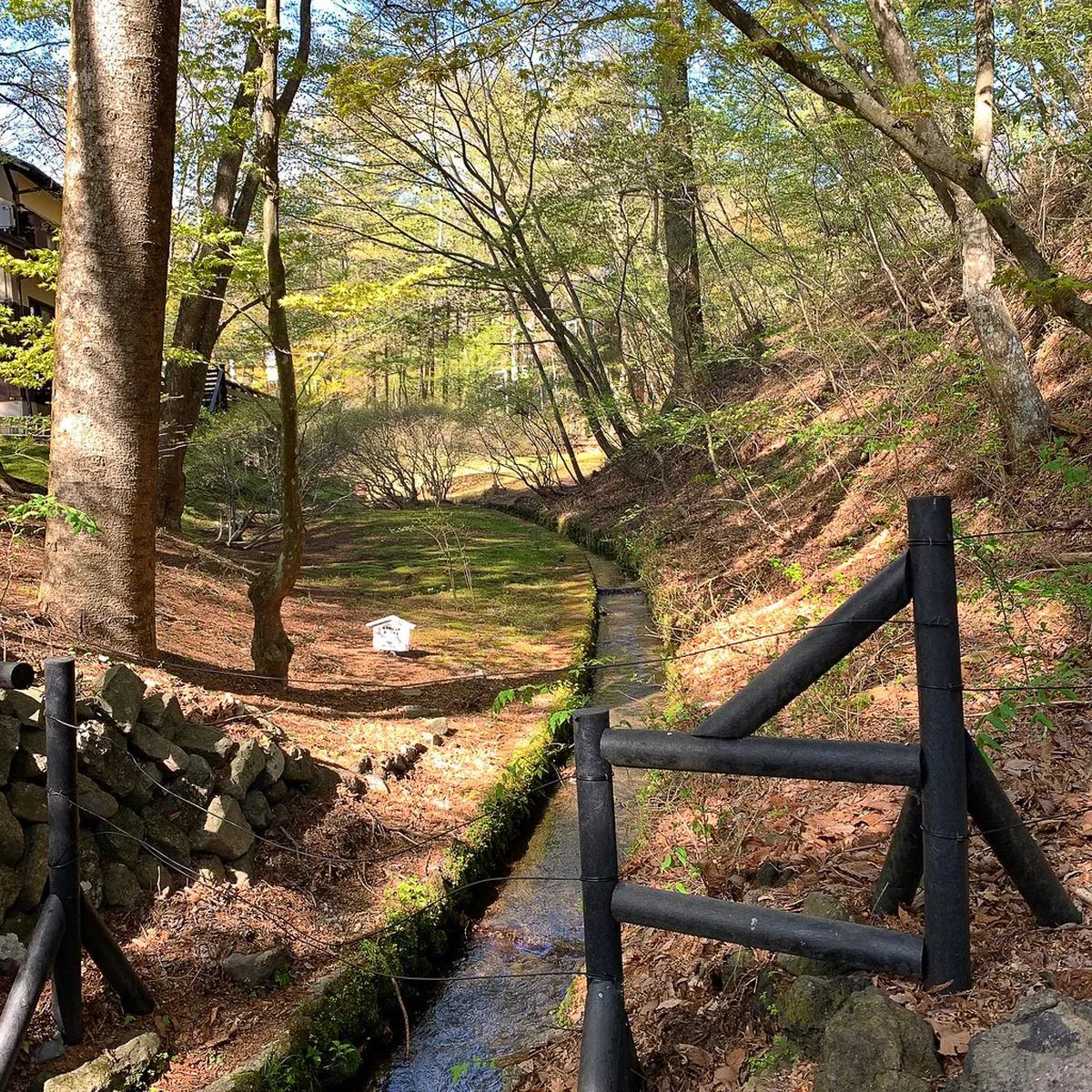
Kumoba Pond, known locally as Swan Lake after the swans that once gathered there in winter, sits at the end of a five-minute ride from the station area. The reflections of the surrounding birch trees make it a popular photography stop, and the path is wide enough to lock a bike safely while you walk the perimeter. From the pond, cyclists can continue a short distance to Harunire Terrace, a cluster of small cafes and boutiques among elm trees — a good spot for a mid-ride break.
Mampei Hotel, established in 1894, sits along the route and carries a notable piece of pop-culture history: John Lennon and Yoko Ono spent several summers in Karuizawa during the late 1970s, and Lennon was known to order apple pie and hot milk at the hotel's café. Stopping here adds a few minutes but provides a genuine local story that most cycling maps leave out. The surrounding streets near the hotel are quiet enough to slow down, appreciate the architecture, and take in the foreign-influenced resort style that defines old Karuizawa.
E-Bike Nakasendo Tour: Oiwake, Komoro, and Unno-juku
The full-day e-bike tour follows the ancient Nakasendo and Hokkoku Kaido trails for 35 kilometres from Karuizawa Station, finishing at Tanaka Station to the southwest. The route is mostly downhill after leaving the Karuizawa plateau, which makes the distance far more manageable than it sounds on paper. Most riders complete the one-way journey in four to five hours including stops, and the Go-Nagano.net trip guide covers the full itinerary in detail.
After leaving Kyu-Karuizawa Ginza, the route follows the old Nakasendo trail through open forest for about 30 minutes to reach Oiwake-juku, the 20th of the 69 post-towns along the Nakasendo. The name Oiwake means junction, because this was the historical diverging point where the Nakasendo continued west toward Kyoto and the Hokkoku Kaido split off heading north toward Zenkoji Temple and Niigata. The Aburaya Wakihonjin inn has been restored at Oiwake and now operates as a gallery and accommodation — a short stop here is worth the time to understand how important this crossroads once was.
The route then descends via the Hokkoku Kaido into Komoro, a castle town whose ruins sit unusually below street level, ringed by cherry blossoms in spring and fiery foliage in autumn. Lunch at Choujian in Komoro is a highlight of guided tours: the restaurant has served buckwheat soba noodles for over 200 years, pairing them with a walnut-tsuyu dipping sauce that is a specialty of neighbouring Tomi City. The final stop before the return train is Unno-juku, the most intact post-town on the Hokkoku Kaido, where 23 inns once operated and traditional lattice-windowed shopfronts of the Edo period still line both sides of the street.
Returning by Karuizawa Cycle Train
The detail that makes the long Nakasendo e-bike route truly practical is the Karuizawa Cycle Train: at Tanaka Station, riders load their bikes directly onto a dedicated train carriage and ride back to Karuizawa Station without disassembly or bike bags. This one-way arrangement means the 35-kilometre route is almost entirely downhill, and there is no need to retrace the full distance back to the start. The journey from Tanaka to Karuizawa by train takes roughly 50–60 minutes and passes through eastern Nagano's terraced rice-field countryside with views of Mount Asama.
During the train ride, guides on organised tours distribute freshly baked oyaki — steamed dumplings filled with vegetables or pickled greens that are one of Nagano's most recognisable local foods. The Cycle Train service is seasonal and operates mainly in spring and autumn when demand is highest; check the Karuizawa Tourism Association for current schedules and booking requirements. Independent travellers should confirm whether the regular Shinonoi Line trains permit bikes on board outside of official Cycle Train periods.
This return logistics setup is the element that most cycling guides fail to explain clearly, and it is the reason the long Nakasendo route works as a day trip rather than an overnight endeavour. Budget for the train fare from Tanaka back to Karuizawa in addition to your bike rental, and factor in roughly 15 minutes at Tanaka Station to load bikes before departure. The whole experience — cycling ancient roads through Edo-period post-towns and returning by a scenic rural train — is genuinely distinctive among day activities in the Nagano region.
Best Time to Cycle in Karuizawa
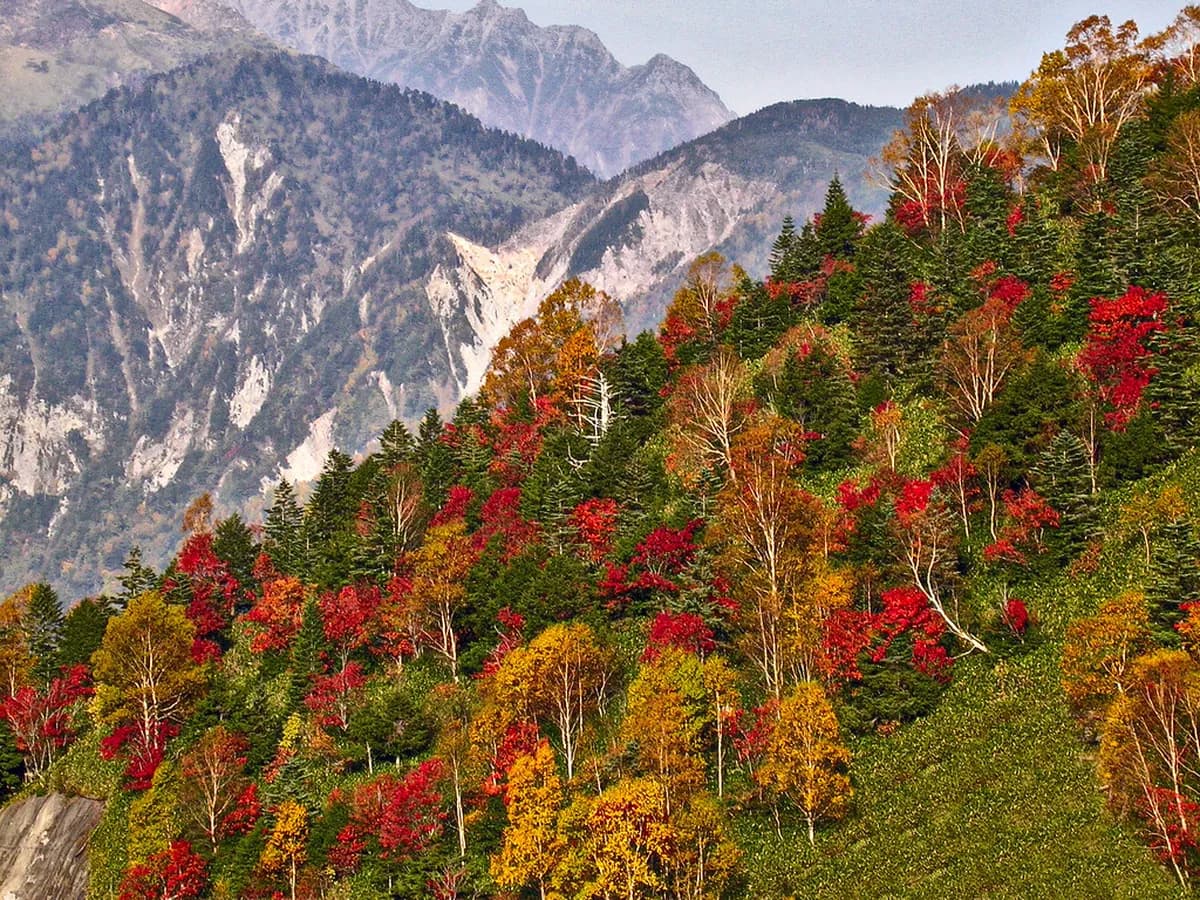
Late spring (May to mid-June) and autumn (late September to early November) offer the most comfortable conditions: temperatures stay in the mid-teens to low twenties and crowds are lighter than the peak summer weeks. Fresh greenery in May and the red-and-gold foliage of October frame both the in-town routes and the Nakasendo trail dramatically. For the cycling option near Onioshidashi-en lava plateau, autumn is particularly scenic with volcanic rock contrasting against coloured trees.
Summer (mid-July to August) is peak season: Karuizawa fills with families and couples escaping Tokyo's humidity, and rental shops can run out of e-bikes by mid-morning on weekends. The cool altitude climate is still a genuine advantage for cyclists compared to riding anywhere in the Kanto plain, but early booking and early starts are essential. Shiraito Falls — a 150-metre-wide curtain of spring water from Mount Asama located 23 minutes from the station by bus — pairs well with a cycling day and is worth adding as a stop on the Shiraito Falls route.
Winter cycling is not practical for most visitors: snow covers roads from December through March and most rental shops either close or operate reduced hours. The town's overall character shifts toward ski season at this time, and the cycling infrastructure that makes warm-season riding so easy simply is not available. Plan your cycling visit between late April and early November to make the most of the routes, the history, and the food stops along the way.
Frequently Asked Questions
Where can I rent a bike in Karuizawa?
Several rental shops operate near the south exit of Karuizawa Station. Standard bikes cost roughly ¥1,000–¥1,500 for two hours, while e-bikes run ¥3,000–¥5,000 for a half-day. Walk-in rentals are usually available on weekdays, but weekend visitors should arrive before 10:00 to avoid queues. Confirm current shop listings on the official Visitkaruizawa website before you arrive.
Is the Karuizawa cycling route suitable for beginners?
The in-town loop — covering Kyu-Karuizawa Ginza, Moss Road, and Kumoba Pond — is flat and genuinely beginner-friendly, covering 5–7 kilometres at a leisurely pace. The longer Nakasendo e-bike route is 35 kilometres and mostly downhill but requires a full day and reasonable fitness. E-bikes with adjustable assistance make the longer route accessible to most casual riders.
What is the Karuizawa Cycle Train?
The Karuizawa Cycle Train lets cyclists load their bikes directly onto a train carriage at Tanaka Station and ride back to Karuizawa Station — no disassembly required. This makes the 35-kilometre one-way Nakasendo e-bike route practical as a single day trip. The service is seasonal, so confirm current dates and booking requirements with the Karuizawa Tourism Association before planning.
How long does the Karuizawa town cycling loop take?
The classic in-town route from the station through Kyu-Karuizawa Ginza, Moss Road, and Kumoba Pond covers roughly 5–7 kilometres and takes about 90 minutes at a relaxed pace. Adding stops at Harunire Terrace or Mampei Hotel for coffee extends the total to around 2.5–3 hours, which is ideal for a morning activity before shopping or lunch.
What are the best cycling routes near Karuizawa?
Two routes stand out: the short in-town loop past historic churches and Kumoba Pond, and the full-day e-bike tour along the ancient Nakasendo trail through Oiwake-juku, Komoro, and Unno-juku post-towns. The Nakasendo route ends at Tanaka Station where you board the Cycle Train back. Both are covered in our complete Karuizawa attractions guide.
Karuizawa cycling rewards every kind of visitor: a 90-minute town loop suits those with just a morning to spare, while the full Nakasendo e-bike day-trip delivers a genuinely immersive journey through Edo-period post-towns and castle ruins. The Cycle Train return from Tanaka Station is the logistical detail that separates a great day from a tiring one, so plan that piece carefully. Check current rental rates and Cycle Train schedules before you arrive, particularly for summer and autumn weekends when demand is highest.
Beyond the bike routes themselves, Karuizawa offers excellent shopping at Karuizawa Prince Shopping Plaza and volcanic scenery at Onioshidashi-en — all easy to fold into a cycling day. Pack light layers for the mountain air, start early to secure the best rental bikes, and leave time for a soba lunch or a slice of apple pie at one of the historic cafes along the route. Few places in Japan combine this level of cycling infrastructure with this depth of history and this quality of food stops.
Free guide: Japan's Hidden Gems
12 under-the-radar places beyond Tokyo & Kyoto — with the best season to visit each and a local tip you won't find in the guidebooks.
You might also like


Continue reading
More guides you'll find useful


