

Karuizawa Travel Guide: Plan Your Trip
Plan your Karuizawa trip with top attractions, cultural spots, seasonal tips, and practical transport advice for a smooth visit from Tokyo in 2026.
On this page
Karuizawa is a highland resort town in Nagano Prefecture, sitting around 1,000 metres above sea level. That elevation gives it a cooler climate than Tokyo, just 70 minutes away by shinkansen. Tokyoites have been escaping here since the Meiji era for the clean mountain air and slower pace.
Today the town draws visitors for cycling through alpine forests, autumn foliage, boutique shopping, and onsen. This guide covers the best attractions, cultural spots, outdoor spaces, and practical planning details. Use it to build a Karuizawa itinerary that actually flows rather than rushing between scattered zones.
Key Takeaways
- Karuizawa sits 1,000 metres above sea level and is about 70 minutes from Tokyo by Hokuriku Shinkansen — the Japan Rail Pass, JR Tokyo Wide Pass, and JR East Nagano-Niigata Pass all cover the fare.
- The town divides into three zones: the station and Prince area, Kyu-Karuizawa old town, and Naka-Karuizawa — plan your itinerary to avoid unnecessary backtracking.
- Autumn foliage arrives earlier than most Japanese cities due to the higher elevation, making late September to early November the most visually rewarding season.
- Many top experiences are free: Kumoba Pond, the Wild Bird Sanctuary walking trails, and Kyu-Karuizawa Ginza Street all cost nothing to enjoy.
- A one-day bus pass at ¥2,500 handles transport efficiently if you plan to combine Shiraito Falls with a Naka-Karuizawa visit on the same day.
Must-See Karuizawa Attractions
Shiraito Falls is about 25 minutes by bus from Karuizawa Station, with buses departing roughly every 30 minutes. The falls are only three metres high but span an extraordinary 70 metres across. Most of the water rises from underground volcanic springs rather than a river above. Alight at the Shiraito no Taki bus stop and walk five minutes; the one-way fare is around ¥720.
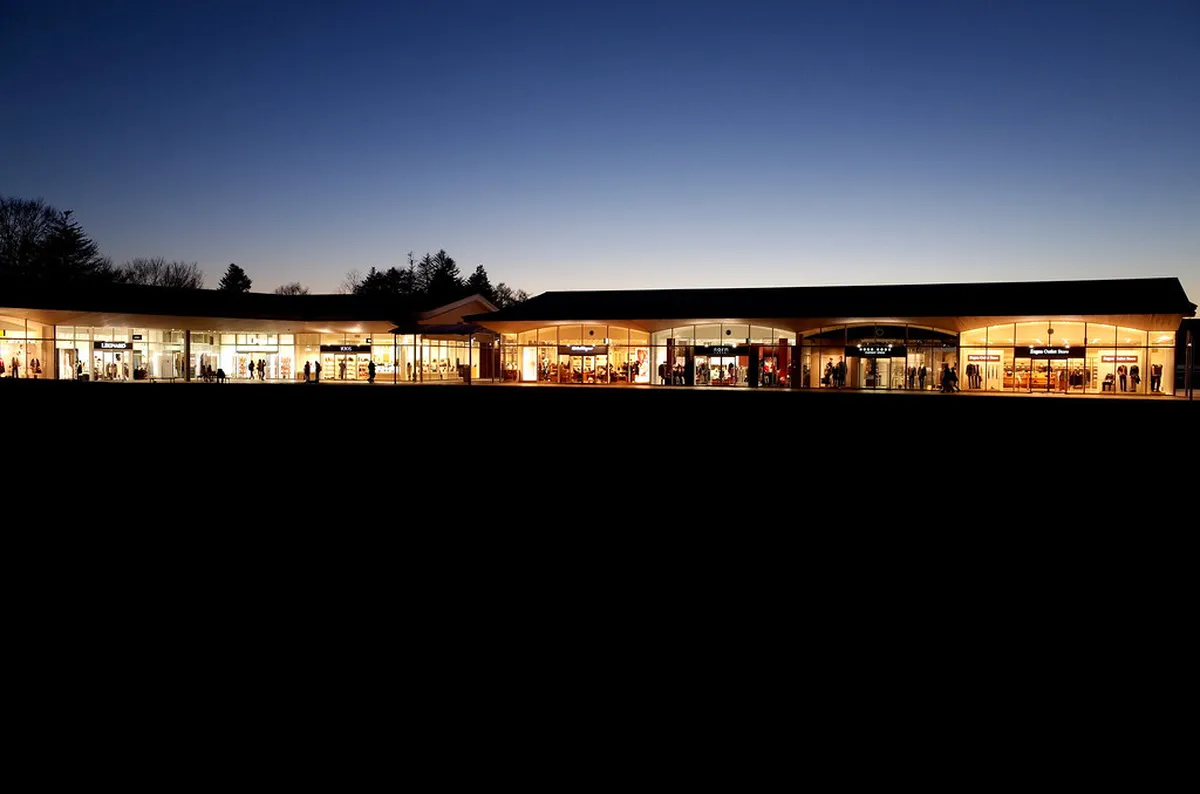
Kyu-Karuizawa Ginza Street is the historic commercial heart of the old town, about 20 minutes on foot from the station. John Lennon visited the street repeatedly during his years living in Japan, cementing its international reputation. Handmade craft shops, local bakeries, and small cafés reward a slow walk rather than a quick pass-through. Street food is worth sampling: look for freshly fried croquettes and soft-serve ice cream near the entrance.
Onioshidashi Volcanic Park preserves the jagged lava landscape left by Mount Asama's 1783 eruption. Cooled flows of ash and molten rock formed a terrain that looks unlike almost anywhere else in Japan. A shrine to the goddess Kannon stands at the park's centre, built to protect locals from future eruptions. Check current volcanic activity advisories before visiting, as Mount Asama remains an active volcano.
Karuizawa Prince Shopping Plaza Travel Guide sits directly beside the station with mountain views from the open-air walkways. International brands and Japanese fashion labels sell alongside souvenir stores, with tax-free shopping for overseas visitors. An on-site currency exchange is useful if you arrive short on yen. The food court covers Chinese, Japanese, and European options in the same space.
Museums, Art, and Culture in Karuizawa
The Hiroshi Senju Museum in Naka-Karuizawa is designed by Pritzker laureate Nishizawa Ryue. Senju is known for large-scale paintings of cascading waterfalls, and the exhibition spaces are bright and contemplative. Natural light flows through the galleries in a way that suits the meditative tone of the work. Even if the artist's style is not to your taste, the building itself makes the visit worthwhile.
Karuizawa has an unusual density of Christian churches, a legacy of the late-19th-century foreign missionary community. The Shaw Memorial Church in central Karuizawa dates to 1895, built by Canadian missionary Alexander Croft Shaw. His nearby former residence is also open to visitors as a small historical museum. In Naka-Karuizawa, the Stone Church and Karuizawa Kogen Church blend stone and glass with the surrounding forest.
The Karuizawa Ando Museum and the Karuizawa New Art Museum are worth adding to a second day. For Edo-period history, the village of Oiwake-juku preserves remnants of a post town where old trade routes met. Small cafés and bakeries near the old road make it a pleasant stop between bigger sights.
Parks, Gardens, and Outdoor Spots in Karuizawa
Kumoba Pond is about 20 minutes on foot from Karuizawa Station. On calm autumn days, the surrounding foliage reflects clearly in the still water. A boardwalk circles the entire pond, and entry is free. The walk from the station passes forested streets lined with old villa gardens, which is half the appeal.
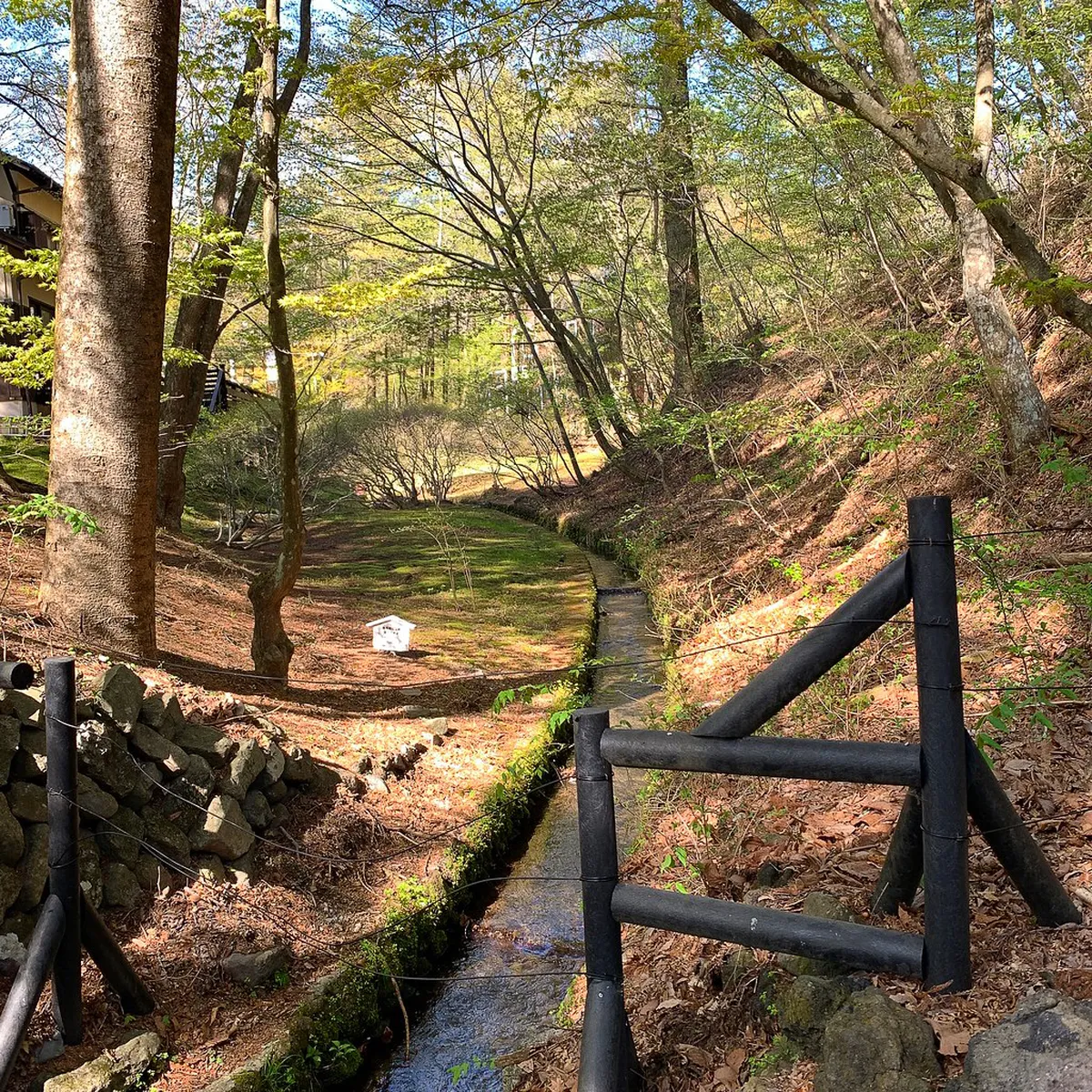
Harunire Terrace sits in the Hoshino area of Naka-Karuizawa, roughly four kilometres west of the town centre. Timber-framed cafés, bakeries, and lifestyle shops run beside a small forest stream. Restaurants here fill up on weekends and public holidays, so arriving before noon helps. Walking trails from the terrace connect to the Wild Bird Sanctuary and Hoshino Onsen.
Next door, Hoshino Onsen Tombo-no-Yu offers indoor and outdoor baths fed by hydrogen carbonate spring water. Admission runs ¥1,350 (December to March) or ¥1,550 (April to November), with last entry at 9:15 pm. Visitors with small tattoos can use the baths after covering them with stickers sold at reception.
The cycling routes around Karuizawa are a practical way to connect the town's scattered zones. Multiple rental shops operate near Karuizawa Station, with hourly and daily rates available. Karuizawa's elevation keeps temperatures cooler than Tokyo even in August, making cycling comfortable. The Karuizawa Wild Bird Sanctuary covers about 100 hectares with free trails and guided evening tours for flying squirrels.
How to Get to Karuizawa from Tokyo
The fastest option is the Hokuriku Shinkansen from Tokyo Station or Ueno Station, arriving in about 70 minutes. Three rail passes cover the fare: the Japan Rail Pass, the JR Tokyo Wide Pass, and the JR East Nagano-Niigata Pass. If none of those passes fit your itinerary, buying a standard shinkansen ticket is often simpler.
Highway buses from Shinjuku or Ikebukuro take around 3.5 hours but cost considerably less than the train. This is a practical trade-off for budget travellers who are not time-constrained. Operators like Willer Express run regular services; book ahead for peak autumn weekends.
Once in Karuizawa, a one-day bus pass at ¥2,500 covers the local network and the Shinano Railway to Komoro. Passes are available at Karuizawa Station, Naka-Karuizawa Station, Miyota Station, and Komoro Station. More transport details for getting to Karuizawa from Tokyo are available for full timetable and fare comparisons.
- Japan Rail Pass (nationwide)
- Covers the Hokuriku Shinkansen from Tokyo to Karuizawa Station.
- Best value if you are visiting multiple regions across Japan on one trip.
- Buy before you arrive in Japan and activate on your first travel day.
- JR Tokyo Wide Pass (3-day regional)
- Covers Karuizawa plus Tokyo-area destinations like Nikko and Kusatsu Onsen.
- Strong value for trips focused on Kanto and Chubu within a long weekend.
- Available to foreign visitors at major JR ticket offices and online.
- JR East Nagano-Niigata Pass (5-day regional)
- Ideal for combining Karuizawa with Nagano city, Snow Monkey Park, or ski areas.
- Covers shinkansen and many local lines across Nagano and Niigata prefectures.
- A strong choice for winter trips pairing Karuizawa with deeper Nagano exploration.
- Highway bus from Tokyo (budget option)
- Departs from Shinjuku or Ikebukuro terminals and takes around 3.5 hours.
- Significantly cheaper than the shinkansen, though the journey time is longer.
- Book ahead on Willer Express or highway-buses.jp for peak autumn weekends.
Family-Friendly and Budget Options
Karuizawa has an upscale reputation, but many of its best experiences cost nothing. Kumoba Pond, the Wild Bird Sanctuary walking trails, and Kyu-Karuizawa Ginza Street are all free to enter. Street food along the Ginza — croquettes, soft-serve, grilled ayu fish near Shiraito Falls — keeps snacking affordable.
Families at Karuizawa Prince Snow Resort benefit from free ski-lift access for children under 13. The resort also offers specialist children's ski lessons for an additional fee. The terrain breaks down as roughly half beginner runs, making it a practical first-ski destination for young families. Book lessons in advance for the busy Christmas and New Year period.
For families using public buses, the one-day pass at ¥2,500 quickly pays for itself. A trip to Shiraito Falls plus a Naka-Karuizawa visit easily covers the cost of individual fares. The food court at Karuizawa Prince Shopping Plaza suits groups where everyone wants a different cuisine.
How to Plan a Smooth Karuizawa Visit
One detail most guides underplay is that Karuizawa divides into three distinct zones. The station and Prince area holds the outlet mall and ski resort near the shinkansen terminal. About 20 minutes north on foot sits Kyu-Karuizawa, with the old Ginza street, Kumoba Pond, and the historic churches. Four kilometres further west, Naka-Karuizawa is home to Harunire Terrace, the Wild Bird Sanctuary, and Tonbo-no-Yu onsen.
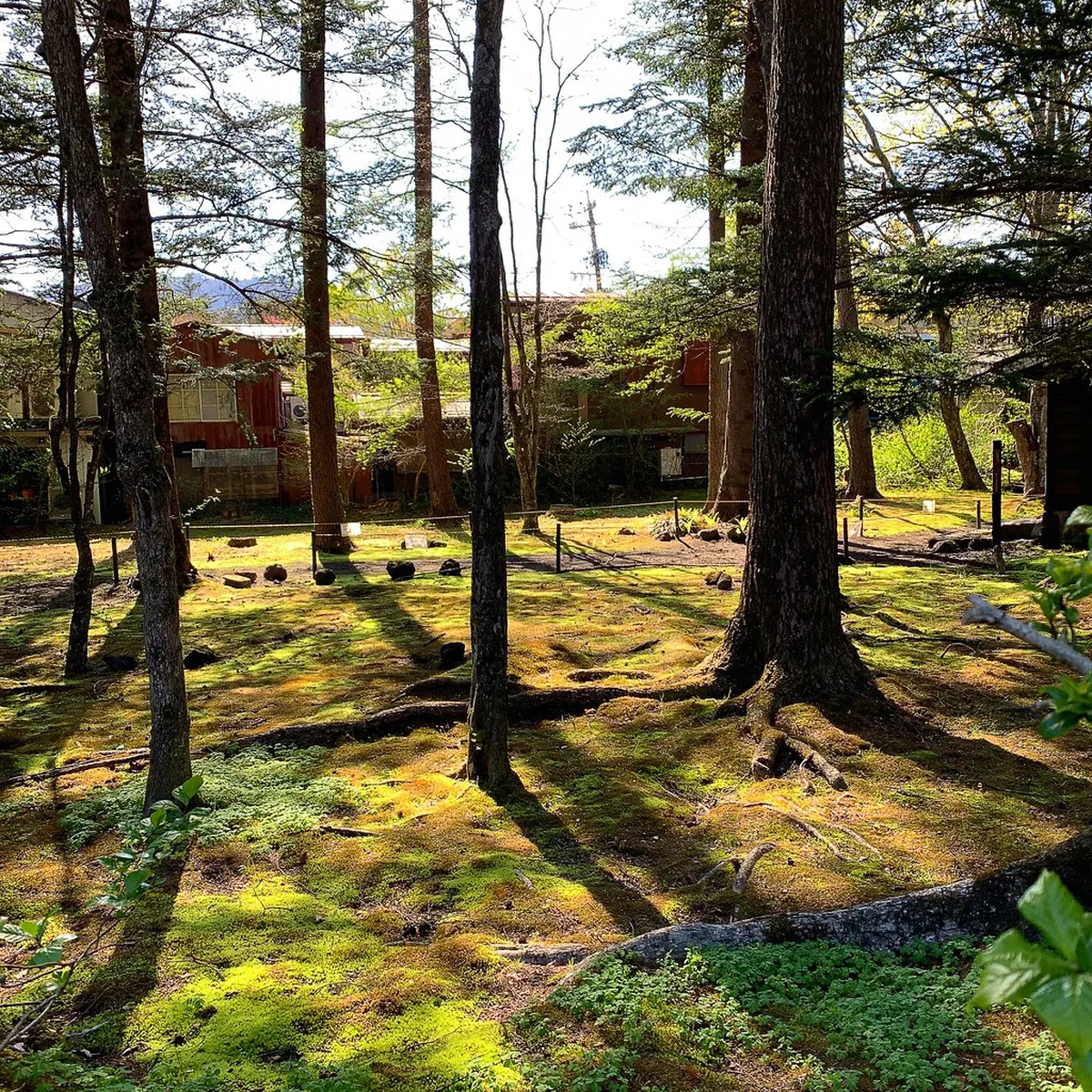
A local Shinano Railway train connects Karuizawa Station to Naka-Karuizawa Station in just a few minutes. Knowing this link exists removes the need for a long bus trip between the western zone and the station area. Planning your day around that rail hop saves significant time and energy.
Summer draws the biggest crowds because the cool mountain air contrasts sharply with Tokyo's humidity. Autumn from late September to early November brings earlier foliage than lower-elevation cities, thanks to the altitude. Winter suits beginners and families at the ski resort, though conditions rely partly on snowmaking machinery. Spring offers cherry blossoms and quiet hiking as the national park reopens after heavy snow.
Most visitors benefit from at least two days in Karuizawa. Day one can cover the Ginza Street, Kumoba Pond, and the outlet mall near the station. Day two allows time for Shiraito Falls, Onioshidashi Park, Harunire Terrace, and an onsen soak. Check the Best Time To Visit Karuizawa Travel Guide to weigh crowd levels, weather, and event timing before booking.
Where you stay shapes the whole trip more than budget alone. Staying near the station suits first-time visitors and ski resort guests. Staying in Kyu-Karuizawa puts the old-town character on your doorstep. Naka-Karuizawa accommodation places you within walking distance of the onsen and forest trails.
- Le Grand Kyu Karuizawa
- A modern boutique hotel with a spa, near Old Karuizawa Ginza Street.
- Mid-range pricing with refined on-site dining in a quiet setting.
- Check availability for Le Grand Kyu Karuizawa on Agoda.
- Karuizawa Prince Hotel
- Located right beside the station, the outlet mall, and the ski resort.
- Convenient base for shopping-focused visits or winter ski trips.
- Check rates for Karuizawa Prince Hotel on Agoda.
- Kyu Karuizawa Hotel Otowa no Mori
- A calm Western-style hotel in a forested setting between the station and old town.
- Good value for travellers who want to walk to both the Ginza and the mall.
- Check availability for Kyu Karuizawa Hotel Otowa no Mori on Booking.com.
- Hotel Cypress Karuizawa
- Comfortable Western-style rooms with some private open-air baths.
- Strong value for families or groups needing space without a luxury price tag.
- Check rates for Hotel Cypress Karuizawa on Booking.com.
Frequently Asked Questions
Is Karuizawa worth visiting for a day trip from Tokyo?
Karuizawa works as a day trip, but two days allows a fuller visit without rushing. The shinkansen takes about 70 minutes each way, leaving a comfortable window for the Ginza Street, Kumoba Pond, and one major sight. A second day unlocks Shiraito Falls, the volcanic park, Harunire Terrace, and an onsen, which is where the town really earns its reputation.
What is the best season to visit Karuizawa?
Autumn from late September to early November is consistently popular for the koyo foliage, which arrives earlier here due to the higher elevation. Summer draws visitors seeking cool mountain air. Winter suits beginner skiers at the Prince resort, while spring offers cherry blossoms with noticeably fewer crowds than the other peak periods.
Is Karuizawa expensive for travellers on a budget?
Karuizawa has an upscale reputation, but many highlights cost nothing — Kumoba Pond, the Wild Bird Sanctuary trails, and the Ginza Street are all free to enter. A one-day bus pass at ¥2,500 manages transport costs effectively. Accommodation ranges from affordable Western-style hotels to high-end resort properties, so the trip can be calibrated to different budgets.
What was John Lennon's connection to Karuizawa?
John Lennon visited Karuizawa regularly during the late 1970s and early 1980s, spending time in the Kyu-Karuizawa area alongside Yoko Ono. His association with the old Ginza street helped cement the town's international reputation beyond standard resort tourism and remains a point of local pride today.
How do I get around Karuizawa without renting a car?
A combination of local buses, the Shinano Railway between Karuizawa and Naka-Karuizawa stations, and bicycle rental covers most attractions. The one-day bus pass at ¥2,500 is cost-effective if you plan to visit Shiraito Falls and Naka-Karuizawa on the same day. Bike rental shops cluster near Karuizawa Station and the Ginza area for easy access.
Karuizawa rewards visitors who take a little time to understand its three-zone layout before arriving. Knowing which zone holds which sights turns a potentially scattered day into a well-paced itinerary. Two days gives you enough time to mix cultural sights, outdoor spots, and an onsen without feeling rushed.
Whether you arrive via shinkansen on a rail pass or by a budget highway bus from Shinjuku, the town is accessible. Book accommodation early if autumn foliage or August weekends are in your plans. Explore our individual guides to Shiraito Falls, Onioshidashi Volcanic Park, and Harunire Terrace for deeper coverage of each area.
Explore More Karuizawa Guides
In-depth guides for planning your Karuizawa trip.
Top Sights
- Shiraito Falls Karuizawa Travel Guide
- Kumoba Pond Travel Guide
- Kyu Karuizawa Ginza Street Travel Guide
- Onioshidashi Park Travel Guide
- Harunire Terrace Travel Guide 2026
Shopping & Activities
Plan Your Trip
Browse the Karuizawa attractions hub for detailed visitor guides:
- Kumoba Pond Visitor Guide
- Shiraito Falls Visitor Guide: Plan Your Trip to Japan's White Thread Falls
- Kyu-Karuizawa Ginza Street Visitor Guide & Itinerary
- Karuizawa Prince Shopping Plaza Visitor Guide: Plan Your Trip to Japan's Scenic Outlet
- Onioshidashi-en Visitor Guide: Explore Mt. Asama's Lava Fields & Gunma
- Harunire Terrace Visitor Guide: Shops, Dining, & Nearby Attractions
- St. Paul's Catholic Church Visitor Guide: Planning Your Visit & What to See
Free guide: Japan's Hidden Gems
12 under-the-radar places beyond Tokyo & Kyoto — with the best season to visit each and a local tip you won't find in the guidebooks.
You might also like


Continue reading
More guides you'll find useful


