

Best Time To Visit Karuizawa Travel Guide
Plan the best time to visit Karuizawa with our seasonal guide covering weather, crowds, prices, and top tips for spring, summer, autumn, and winter.
On this page
Last updated June 2026 — late October to early November is the single best window for most visitors, when autumn foliage peaks and temperatures settle into a crisp 10–20°C / 50–68°F. Shoulder season runners-up are late May to mid-June and early to mid-September, when crowds thin, prices ease, and the mountain air stays refreshing. Karuizawa sits at roughly 1,000 metres / 3,280 feet above sea level in Nagano Prefecture, keeping it 5–8°C cooler than Tokyo throughout the year.
This mountain resort town has drawn Tokyo's elite since the Meiji era, and today it remains one of Japan's most accessible seasonal escapes, just 70 minutes by shinkansen from central Tokyo. Each season brings a genuinely different experience: cherry blossoms in April, green forests and hiking trails in July and August, fiery maples in October, and snow-covered ski slopes from December through February. This guide covers weather data, crowd levels, events, and specific dates so you can choose the season that fits your trip.
Why Visit Karuizawa?
Karuizawa's core appeal is its altitude-driven cool climate in a country where summer heat regularly tops 35°C / 95°F in major cities. The town sits on a volcanic plateau ringed by Mount Asama, giving it dramatic scenery, clean air, and a forested landscape that changes dramatically with every season. For visitors based in Tokyo, few destinations match Karuizawa for effort-to-reward ratio: a single 70-minute shinkansen ride delivers forests, onsen, cycling paths, and high-end shopping.
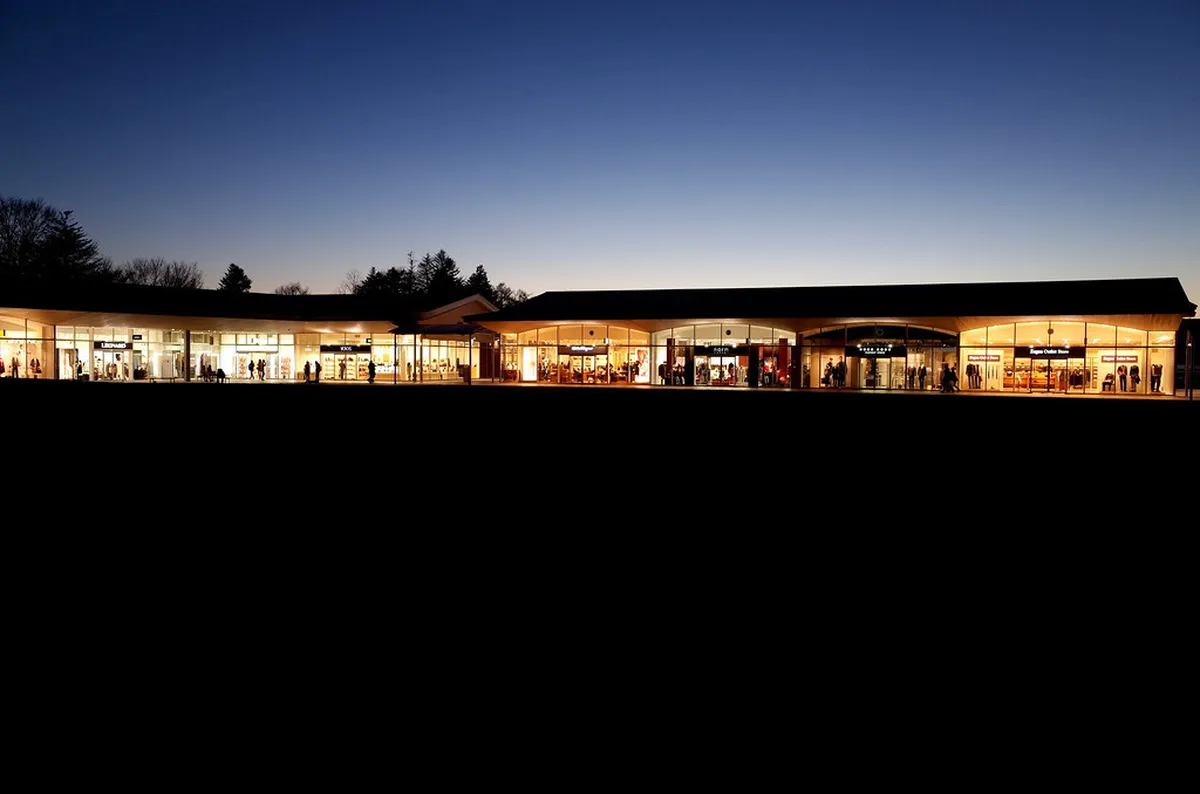
Historically, foreign missionaries and diplomats discovered Karuizawa in the late 1800s, and by the Meiji era it had become the summer retreat of choice for Tokyo's wealthiest families. That legacy survives today in the Western-influenced churches, elegant villas, and boutique streets of Old Karuizawa Ginza. The Karuizawa Ando Museum and several contemporary art galleries add a cultural layer that makes rainy-day visits worthwhile. Browse the full list of sights at Karuizawa's top attractions guide.
Unlike Nikko — another popular fall-foliage destination about 140 km north of Tokyo in Tochigi Prefecture — Karuizawa offers upscale shopping, forest cafes, and easier access on the Hokuriku Shinkansen line. Nikko delivers more dramatic temple architecture and mountain scenery, but it also draws significantly larger crowds during peak foliage. Travelers who prioritise a relaxed, walkable experience consistently prefer Karuizawa for its less congested streets and wider range of onsen options.
Karuizawa Season Comparison
The table below summarises Karuizawa's four seasons using typical climate patterns based on Nagano Prefecture meteorological data. Crowd levels and price ranges reflect standard weekday vs weekend patterns; Golden Week (late April to early May) and August Obon (mid-August) push both to their highest points of the year. Use this as a quick-scan reference before reading the detailed season sections below.
| Season | Months | Daytime Temp | Nighttime Temp | Crowds | Prices | Key Events | Best For |
|---|---|---|---|---|---|---|---|
| Spring | Late March to mid-May | 10–18°C / 50–65°F | 0–10°C / 32–50°F | Medium (very high Golden Week) | Mid (peak Golden Week) | Cherry blossoms late April; hanami at Usui Pass and Kumoba Pond | Blossom viewers, photographers, shoulder seekers |
| Summer | Mid-June to August | 20–26°C / 68–79°F | 12–18°C / 54–64°F | High (peak July–Aug weekends) | High | Outdoor beer gardens; cycling season; Karuizawa Music Festival | Tokyo escapees, hikers, cyclists, families |
| Autumn | Late September to early November | 10–20°C / 50–68°F | 5–10°C / 41–50°F | High (peak late Oct to early Nov) | High (foliage peak) | Fall foliage at Kumoba Pond and Usui Pass; onsen season fully open | Foliage chasers, couples, onsen lovers |
| Winter | December to late February | 0–5°C / 32–41°F | -10 to -5°C / 14–23°F | Low to Medium (high Christmas and New Year) | Low (except holiday weeks) | Shiraito Falls illumination; Christmas markets at Prince Plaza; skiing Dec–Feb | Skiers, onsen seekers, budget travelers, New Year visitors |
Karuizawa in Spring: Cherry Blossoms and Cool Forests
Spring arrives in Karuizawa about two to three weeks later than in Tokyo, typically placing full cherry blossom bloom between late April and early May. Daytime temperatures range from 10–18°C / 50–65°F, while nights can still drop to 0–10°C / 32–50°F, so layered clothing is essential. The later bloom timing is an advantage: visitors who miss Tokyo's peak sakura crowds can extend the season with a weekend trip here.
The most photogenic cherry blossom spot is the Old Usui Pass Gazebo, set at 1,200 metres / 3,900 feet above sea level on the Nagano prefectural border. From this viewpoint, cherry trees frame a panorama of the Gunma plains stretching eastward — an elevation angle that most lower-altitude hanami spots simply cannot match. Karuizawa Prince Shopping Plaza also lines its promenades with cherry trees, offering a convenient blossom stroll before or after outlet shopping.
The one timing trap in spring is Golden Week, Japan's national holiday cluster running late April to early May. Hotels and shinkansen trains book out weeks in advance, and popular spots like Kumoba Pond attract notably larger queues than in any other spring week. Aim for the second week of May if you want blossom remnants with far lighter crowds and lower accommodation rates.
Karuizawa's tsuyu (rainy season) begins in mid-June, technically outside spring, but the final weeks of May offer some of the most comfortable conditions of the entire year. Trails through the Wild Bird Sanctuary and the forested paths around Harunire Terrace are at their greenest and least busy between May 10 and June 5. This late-spring shoulder window is one of the best-kept timing advantages for visitors who want outdoor Karuizawa without peak-season prices.
Karuizawa in Summer: Japan's Coolest Escape
Summer is Karuizawa's peak season, and the reason is straightforward: while Tokyo bakes at 33–38°C / 91–100°F in July and August, Karuizawa stays at a comfortable 20–26°C / 68–79°F during the day. Evenings cool to 12–18°C / 54–64°F, making outdoor dining and forest walks genuinely pleasant long after sunset. For Tokyo residents, the town functions as an unofficial cool retreat — a role it has held since the Meiji era.
June to early July brings Japan's tsuyu rainy season, but Karuizawa's higher altitude means the humidity stays noticeably lower than coastal or lowland cities. Rainfall is frequent in this window, but lighter mountain showers typically clear within a couple of hours, leaving the forest trails freshly washed and uncrowded. Visiting in late June or early July often means lower weekend hotel rates and shorter queues at popular spots compared to peak August.
The best summer activities include cycling Karuizawa's flat forest paths, hiking out to Shiraito Falls — a 70-metre-wide curtain waterfall just 3 metres tall fed entirely by underground volcanic springs — and forest bathing in the Wild Bird Sanctuary. Typhoon season runs from August through September and occasionally brings a day of heavy rain, though Karuizawa's inland mountain position gives it more shelter than coastal resorts. Check weather forecasts 24–48 hours ahead during August and early September before booking any mountain hike.
August weekends are the busiest of the year, with shinkansen trains selling out and hotel prices reaching their annual peak. Book accommodation at least four to six weeks ahead for any Saturday night between late July and mid-August. Weekday visits in August remain significantly quieter and cost less, making Monday-to-Wednesday stays the smart approach for summer.
Karuizawa in Autumn: Peak Foliage from Late October
Autumn is consistently rated the most visually dramatic season in Karuizawa, and the peak window is specific: late October to the first week of November. Daytime temperatures settle into a crisp 10–20°C / 50–68°F range, while evenings drop to 5–10°C / 41–50°F — ideal for walking without breaking a sweat. The combination of cool mountain air, low-angle autumn light, and dense deciduous forest creates a colour saturation that has made Karuizawa one of Japan's top koyo (autumn foliage) destinations.
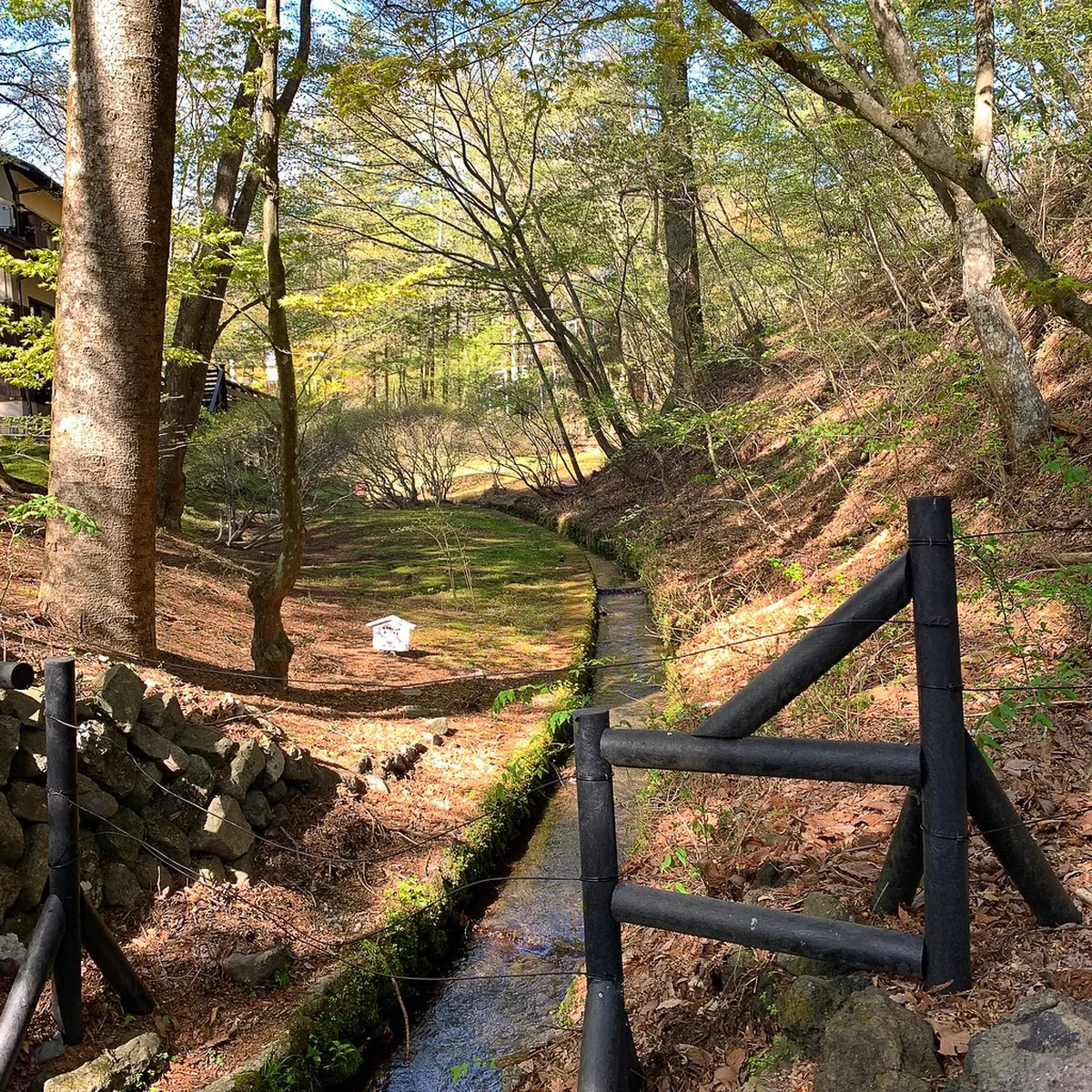
Kumoba Pond is the centrepiece autumn spot: a roughly 400-metre-circumference lake fed by springwater, sheltered by maples and larches that create mirror-like reflections on still mornings. Entry is free, and the 20-minute walk from Karuizawa Station through elegant villa-lined streets is itself worth the effort. Arrive before 9am for the clearest reflections and the smallest crowds — by late morning on weekends, groups from Tokyo day trips fill the paths.
The Usui Pass area, at 1,200 metres / 3,900 feet elevation, typically peaks about a week earlier than the town centre, giving foliage-chasers a two-stage experience across a single weekend. A 15-minute drive from the pass viewpoint brings you down to Kyukaruizawa and the pond area for the lower-elevation colour. Karuizawa Prince Hotel Ski Resort's slopes, not yet open for skiing in October, offer wide elevated views of the surrounding red and amber forest.
Autumn is also the prime onsen season: the cool air makes outdoor hot springs especially restorative. Hoshino Onsen Tombo-no-Yu, located next to Harunire Terrace in the Naka-Karuizawa area, opens daily from 10am to 10pm and charges ¥1,550 (April–November) for entry, with towel rental available separately. Booking accommodation two to four weeks ahead is strongly advised for late October weekends, when Karuizawa is one of the busiest short-break destinations within two hours of Tokyo.
Karuizawa in Winter: Skiing and Hot Springs
Winter transforms Karuizawa into a quieter, more intimate destination, with snow-dusted pines and the smell of woodsmoke from cafe chimneys. Daytime temperatures run 0–5°C / 32–41°F, while nights can fall to -10 to -5°C / 14–23°F — cold but far less extreme than Hokkaido or the Japan Alps. The mild-by-Japanese-standards winter makes Karuizawa a practical first ski destination for Tokyo-based beginners.
Karuizawa Prince Hotel Ski Resort is notable for being one of the earliest ski resorts to open near Tokyo each season, relying on artificial snowmaking to launch slopes from late November. The resort caters primarily to beginners and families, with wide gentle runs, ski and snowboard rental on site, and direct walking access from Karuizawa Station. More advanced skiers looking for powder should plan a longer trip to Niseko or Hakuba, but for a convenient one- or two-day intro to Japan skiing, Karuizawa is hard to beat.
Winter evenings bring two seasonal events: the Shiraito Falls Illumination lights up the 70-metre-wide waterfall from late November, and Karuizawa Prince Shopping Plaza runs a Christmas market and winter illumination through December. Oshogatsu (the New Year period, late December to early January) is one of the most atmospheric times to visit Karuizawa's shrines and is also one of the priciest weeks of the year. If budget is a priority, January through mid-February on weekdays offers the lowest hotel rates of any season.
Which Season Is Right for You?
Every traveler has different priorities, so the list below translates the seasonal data into clear decision guidance. Read across the options and pick the profile that matches your budget, crowd tolerance, and must-do activities. If your schedule is flexible, late October edges out the other options for first-time visitors due to its combination of comfortable weather, spectacular colour, and fully open facilities.
- Pick late October to early November if you want
- Peak autumn foliage at Kumoba Pond and Usui Pass, with comfortable daytime temps around 15°C / 59°F and all facilities fully open.
- Pick July or August if you want
- A cool escape from Tokyo's heat, with full access to cycling paths, Shiraito Falls hikes, and outdoor summer events — book well ahead.
- Pick late May to early June if you want
- The best value shoulder season: green forests, low crowds, reasonable hotel rates, and pleasant hiking weather before rainy season peaks.
- Pick late April if you want
- Cherry blossoms against a mountain backdrop at the Usui Pass Gazebo, with Tokyo's sakura season already over — avoid the Golden Week rush.
- Pick December to January if you want
- Skiing at Karuizawa Prince Hotel Ski Resort, winter onsen soaks, and festive illuminations — with January weekdays offering the lowest prices of the year.
What's Closed or Limited in Low Season
One area where most Karuizawa guides fall short is warning travelers about reduced services in the off-peak months of November through March. Planning around these gaps can save significant time and frustration, especially on a short day trip from Tokyo. The notes below cover the most commonly affected services, based on typical low-season operating patterns.
Bus services between Karuizawa Station and Shiraito Falls run on a reduced timetable in winter, dropping to roughly one or two departures per hour rather than the more frequent summer schedule. The bus ride costs ¥720 one-way, and travellers catching the last return bus of the day must check timetables at the stop on arrival, as schedules shift seasonally. Bicycle rental shops near Karuizawa Station and the Ginza area typically limit hours or close entirely between late November and late March.
Several outdoor cafe terraces along Harunire Terrace and Old Karuizawa Ginza reduce their hours or suspend outdoor seating in the colder months. The popular restaurant Sonmin-Shokudo near Tonbo-no-Yu maintains regular operations year-round but commonly has a 30-minute or longer wait on weekends regardless of season — it operates a ticket-and-call system. Hoshino Onsen Tombo-no-Yu reduces its entry fee to ¥1,350 between December and March (versus ¥1,550 the rest of the year) and remains one of the most reliably open facilities in town during winter.
What to Pack for Karuizawa by Season
Karuizawa's altitude means temperatures consistently run 5–8°C lower than Tokyo, and evenings cool sharply regardless of season. Even in summer, a light fleece or jacket is practical after 6pm when temperatures can drop below 15°C / 59°F. The list below covers the minimum kit for a comfortable two-day stay in each season.
- Spring (March to mid-May)
- Light to mid-weight jacket for daytime walks and a warm layer for evenings when temps drop near freezing.
- Comfortable waterproof walking shoes for forest trails and wet cherry blossom paths.
- Summer (mid-June to August)
- Breathable, light clothing for daytime cycling and hiking, plus a packable windbreaker for mountain showers.
- A light fleece or cardigan for evenings and air-conditioned restaurants — summer nights at 12–18°C / 54–64°F feel cool after Tokyo.
- Autumn (September to early November)
- Mid-weight coat or fleece-lined jacket, especially for early mornings at Kumoba Pond when mist and cold air combine.
- Waterproof ankle boots for wet leaf-covered trails and the walk up to Usui Pass.
- Winter (December to February)
- Heavy down or insulated coat, thermal base layers, and waterproof gloves — nights at -10°C / 14°F demand genuine cold-weather gear.
- Waterproof, insulated boots are essential for ski slopes at Karuizawa Prince Hotel Ski Resort and icy station-area pavements.
Travel Tips for Planning Your Karuizawa Visit
Getting to Karuizawa from Tokyo is straightforward: the Hokuriku Shinkansen from Tokyo or Ueno Station reaches Karuizawa Station in approximately 70 minutes, costing from around ¥5,500 one-way for an unreserved seat. The journey is covered by the Japan Rail Pass, the JR Tokyo Wide Pass, and the JR East Nagano-Niigata Pass — making Karuizawa a natural stop on a wider Nagano circuit. Bus services from Shinjuku or Ikebukuro take around 3.5 hours but cost significantly less, making them worth considering for budget-focused trips.
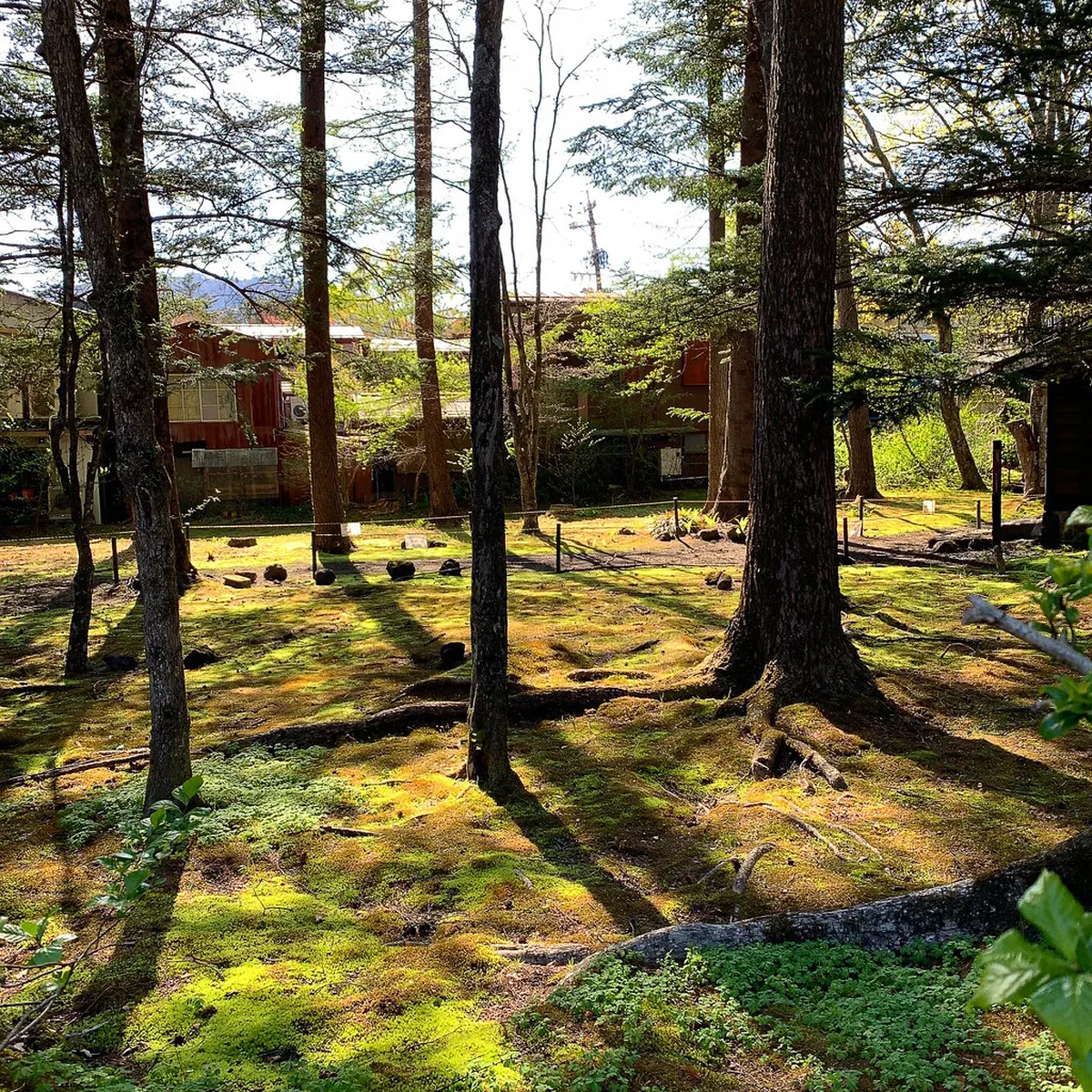
Two nights is the recommended minimum to cover Karuizawa's main areas without rushing: Old Karuizawa Ginza and Kumoba Pond on day one, Naka-Karuizawa (Harunire Terrace, Tonbo-no-Yu, Karuizawa Kogen Church) on day two. A day trip from Tokyo is feasible but tight — most visitors find they only manage two or three locations before the last convenient return shinkansen. For accommodation options and neighbourhood advice, the where to stay in Karuizawa guide covers the main districts from the Prince Hotel area to Naka-Karuizawa.
Getting around within Karuizawa requires some planning, as key attractions are spread across several kilometres. A one-day bus pass costs ¥2,500 and covers services between Karuizawa Station and Komoro Station, making it economical if you plan to visit Shiraito Falls and Naka-Karuizawa on the same day. Bicycle rental near Karuizawa Station is the most flexible option in spring, summer, and early autumn, and most rental shops open from around 9am.
For the full lineup of things to do once you arrive, the Karuizawa from Tokyo day-trip guide covers transport, timing, and itinerary templates. Prices and timetables change seasonally, so checking visitkaruizawa.com before departure is the fastest way to confirm current operating hours for specific attractions. Hotel bookings during autumn foliage peak (late October) and summer weekends (late July to mid-August) should be made at least four to six weeks in advance.
Frequently Asked Questions
Is Karuizawa cooler than Tokyo in summer?
Yes, significantly. Karuizawa sits at roughly 1,000 metres / 3,280 feet above sea level, keeping daytime temperatures at 20–26°C / 68–79°F in July and August, while Tokyo regularly hits 33–38°C / 91–100°F. Evenings in Karuizawa cool to 12–18°C / 54–64°F, making outdoor dining comfortable when Tokyo nights stay muggy.
How many days should I spend in Karuizawa?
Two nights gives enough time to cover the main areas without rushing: Kumoba Pond, Old Karuizawa Ginza Street, Shiraito Falls, Harunire Terrace, and Tonbo-no-Yu hot spring. A single day trip from Tokyo is possible but only allows two or three stops before the last convenient shinkansen back.
When is the cheapest time to visit Karuizawa?
January through mid-February on weekdays offers the lowest hotel rates of the year, followed by late June and early September. Avoid Golden Week (late April to early May), mid-August Obon, and the last week of October, when demand from Tokyo peaks and accommodation prices spike sharply.
Is Karuizawa worth visiting in winter?
Yes, especially for skiers and onsen lovers. Karuizawa Prince Hotel Ski Resort opens from late November using artificial snow, making it one of the earliest ski resorts accessible from Tokyo. Winter entry to Tombo-no-Yu hot spring costs ¥1,350 — lower than any other season — and queues at most attractions are shorter outside holiday weeks.
When do autumn leaves peak in Karuizawa?
Peak foliage typically falls in late October to the first week of November, with higher-elevation spots like Usui Pass (1,200 m / 3,900 ft) peaking roughly one week earlier than the town centre. Arriving on a weekday morning before 9am gives the best light for photos and the smallest crowds at Kumoba Pond.
Karuizawa rewards visitors in every season, but the timing decision matters more here than at most Japanese destinations because crowds, prices, and available activities shift sharply between peak and off-peak windows. For most first-time visitors, late October delivers the highest concentration of colour, comfortable temperatures, and fully open facilities. Shoulder-season travelers who time their visit for late May or early September will find similar natural beauty with a fraction of the weekend crowds.
Whatever season you choose, book the shinkansen and accommodation earlier than feels necessary — Karuizawa's proximity to Tokyo means demand spikes quickly when a perfect-weather weekend forecast appears. Check the Japan Activity blog for seasonal updates on Karuizawa and other Nagano destinations throughout 2026.
Free guide: Japan's Hidden Gems
12 under-the-radar places beyond Tokyo & Kyoto — with the best season to visit each and a local tip you won't find in the guidebooks.
You might also like


Continue reading
More guides you'll find useful


