

Shiraito Falls Karuizawa Travel Guide
Plan your visit to Shiraito Falls in Karuizawa — entry fees, opening hours, transport options, viewing tips, and the best seasons to go in 2026.
On this page
Just 3 kilometres from the boutiques of Karuizawa Ginza, Shiraito Falls unfurls as a wide, whispering curtain of spring water over a curved volcanic cliff. The falls measure roughly 70 metres across and only 3 metres tall, which makes them feel more like a living wall than a traditional plunge waterfall. That distinctive shape — fed entirely by groundwater filtered through the ancient lava of Mount Asama — earns the site its name, Shiraito, meaning "white threads."
Entry to the falls is free, the site is open around the clock, and the walking trail from the car park takes less than 15 minutes. Those facts make Shiraito Falls one of the easiest and most rewarding half-day stops on any Karuizawa attractions itinerary. Whether you arrive on foot, by bicycle, or after a brisk Shinkansen ride from Tokyo, this guide covers everything you need to plan a smooth visit.
What Makes Shiraito Falls Special
Unlike most dramatic Japanese waterfalls, Shiraito Falls does not rely on a river tumbling from a mountain peak. Instead, rainwater and snowmelt percolate for years through the porous volcanic rock of Mount Asama before emerging directly from the cliff face as hundreds of independent streams. The constant filtration keeps the water temperature at roughly 10°C year-round, which means a refreshing cool breeze surrounds the falls even in August. Visitors standing at the basin often comment on that natural air-conditioning effect — one practical bonus most travel guides overlook.

The falls hold dual national designations as a Place of Scenic Beauty and a Natural Monument, forming part of the broader Karuizawa landscape tied to the Asama volcanic zone. Historically, local legend links the site to ascetic Buddhist practitioners who sought out the constant roar of water for meditation. Stone monuments from the Edo period remain on-site near the base trail, giving the visit a quiet layer of cultural depth beyond pure scenery. That combination of geological oddity, cultural heritage, and zero admission cost puts Shiraito Falls in a category of its own.
The water flow varies with the season: snowmelt in spring swells the threads into thicker ribbons, while late summer brings the widest spread across the full 70-metre cliff. Winter visits in cold years reward patient visitors with partial ice formations along the rock edges, creating a glassy contrast against the flowing white water.
Viewing Platforms and the Best Angles
The trail from the main car park leads first to an upper wooden observation deck, which offers a wide-angle panorama of the full 70-metre spread. This platform works well for group photos and for understanding the true scale of the falls against the forested cliff. On clear mornings the canopy behind the falls catches golden light that makes the threads almost luminous — arrive before 9:00 AM for the best effect.
A stone staircase of roughly 100 steps descends to the riverside basin, where a lower viewing path brings you within a few metres of the water. At this level you feel the cool mist on your face and can hear the individual streams striking the rocks below. The lower path is partially wheelchair accessible as far as the first viewing terrace, though the final descent to the basin requires sturdy footwear. Slippery surfaces after rain are a genuine hazard; the steps are mossy and can catch out visitors wearing smooth-soled shoes.
For photographers, the golden hours of mid-October to early November deliver exceptional results: maple and zelkova trees frame the falls in amber and red. A wide-angle lens or a phone camera set to panorama mode works better than a telephoto here, since the appeal of the scene lies in its breadth rather than any single focal point. Long-exposure shots from the upper deck, using a portable tripod, turn the separate threads into a single silky veil — a technique the lower crowds rarely attempt.
Hours, Entry Fees, and Practical Info
Shiraito Falls is a natural open-air site with no gates or fences, so the waterfall itself is accessible 24 hours a day, every day of the year. The staffed car park operates from 9:00 to 17:00 (last entry 16:30), and parking costs approximately ¥500 per car. If you arrive outside those hours, limited roadside space exists further along the approach road, though it fills quickly on busy weekends.
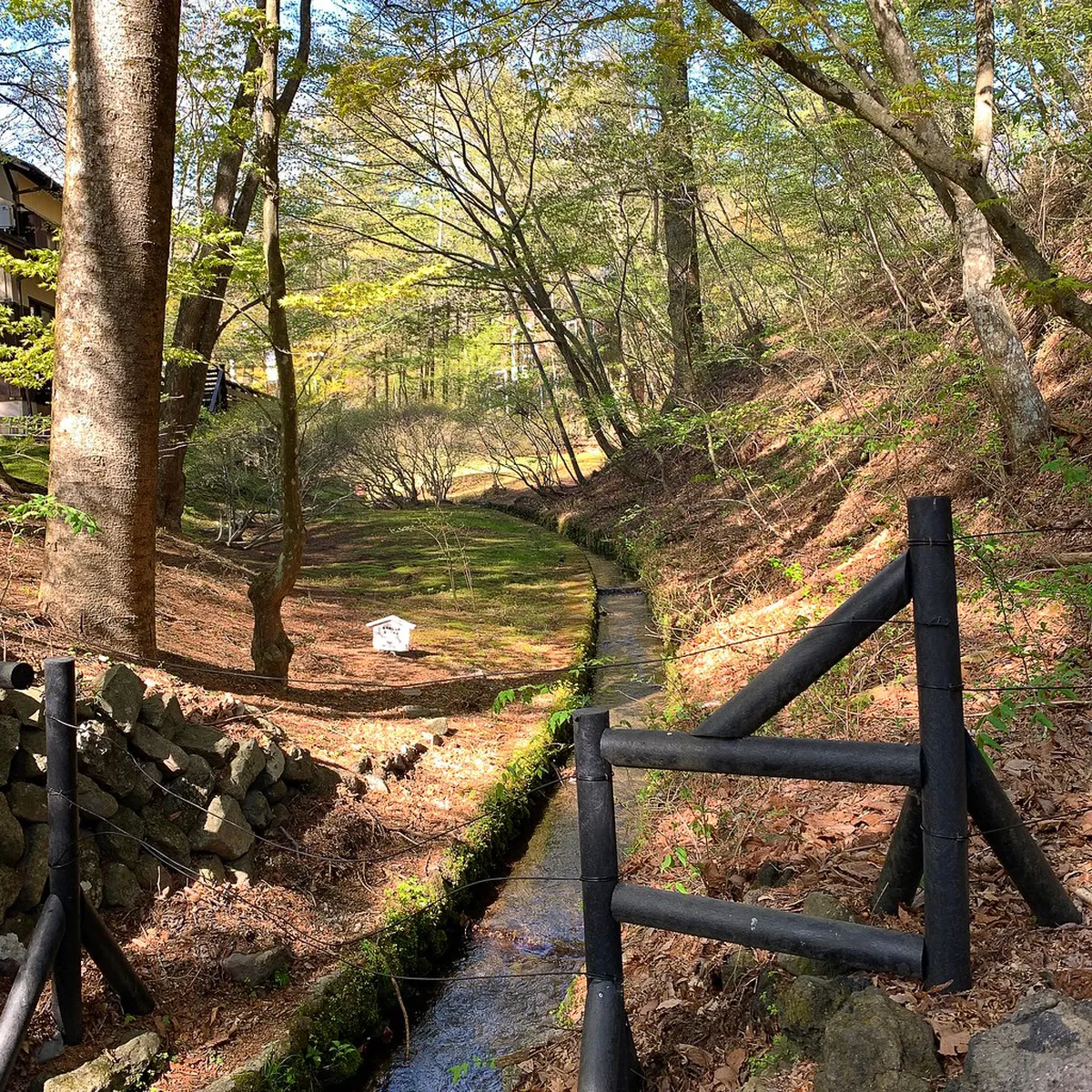
Walking in from the car park, Otodome Falls — a 25-metre-tall, narrower companion waterfall with a famously thunderous roar — appears after roughly 5 minutes on the trail. Shiraito Falls itself is another 5-minute walk beyond Otodome, so budget at least 15 minutes of walking before you begin exploring the viewing platforms. Most visitors spend about one hour at the falls combined; add another 30 minutes if you plan to walk both waterfalls at a leisurely pace.
- Falls access — open 24 hours, no entry fee
- The waterfall is a natural site with no barriers or closing time.
- Admission to the viewing trail and all observation decks is completely free of charge.
- Car park — ¥500, open 9:00 to 17:00
- The official lot holds 105 cars plus 10 large buses; it fills by mid-morning on autumn weekends.
- Private overflow lots nearby charge a similar rate on busy days.
- Otodome Falls — 5-minute walk from the car park
- This companion waterfall stands 25 metres tall and is narrower but dramatically louder than Shiraito.
- Combine both waterfalls in one loop for roughly 90 minutes of relaxed walking and sightseeing.
- Recommended visit time — 1 to 1.5 hours
- One hour covers the upper deck, lower basin trail, and Otodome Falls comfortably.
- Budget an extra 30 minutes if you plan to photograph the falls during changing light.
Getting to Shiraito Falls from Karuizawa
Shiraito Falls sits about 3 kilometres west of Karuizawa Ginza, making it one of the most accessible natural sights in the resort town. The most popular option is cycling in Karuizawa, where rental shops near the station offer a wide range of bikes for around ¥1,000–¥1,500 per day. The ride follows a gently undulating forest road with minimal traffic, and most cyclists cover the distance in 15 to 20 minutes.
A local bus from Karuizawa Station stops at the Shiraito Falls trailhead, with journeys taking approximately 15 to 20 minutes depending on the route. Service frequency varies by season, with additional runs added in autumn and summer peak periods; check the Seibu Bus timetable before you go. Drivers from Tokyo can reach Karuizawa via the Joshinetsu Expressway in about 90 minutes, then follow the well-signposted local road west to the falls car park.
Visitors arriving by Shinkansen from Tokyo to Karuizawa step off at one of Japan's most scenic resort stations in just under 80 minutes. From the station, a bicycle rental shop and the bus stop sit within a 5-minute walk, so transit-dependent visitors have no practical obstacles. Combining the Shinkansen with a bicycle rental is the fastest and most flexible approach for day-trippers from central Tokyo.
What to Do Around Shiraito Falls
The landscape between Karuizawa town and Shiraito Falls rewards visitors who slow down rather than rush back after seeing the waterfall. Kumoba Pond lies about 2 kilometres east on the cycling route and takes roughly 30 minutes to circuit on foot. The pond's reflective surface and surrounding larch trees are at their most photogenic in October, complementing a Shiraito Falls visit neatly in a single half-day loop.
For a longer outing, Onioshidashi volcanic park sits about 20 minutes north by car or bicycle. The park's dramatic lava field dates from Mount Asama's 1783 eruption — the same geological event that created the aquifer feeding Shiraito Falls. Pairing the two sites gives travellers a complete picture of Asama's creative and destructive influence on the Karuizawa landscape.
After returning to town, Harunire Terrace offers a cluster of cafes and restaurants set among birch trees, making it the natural endpoint for a Shiraito Falls day. The terrace is a 10-minute walk from Karuizawa Station and serves everything from freshly baked bread to craft beer, fitting the unhurried pace the area encourages. Picnic areas near the falls car park also offer benches and shade for visitors who prefer a quiet rest before heading back to town.
Best Time to Visit Shiraito Falls
Autumn draws the largest crowds for good reason: mid-October to early November wraps the basalt cliff in red maple and golden zelkova, creating one of the most photographed scenes in the Karuizawa highlands. Weekday mornings during peak foliage can still feel calm, but weekend afternoons in late October regularly see queues at the lower basin path. Book accommodation well in advance for an overnight stay, as hotels and guesthouses in Karuizawa fill up quickly during the foliage window.
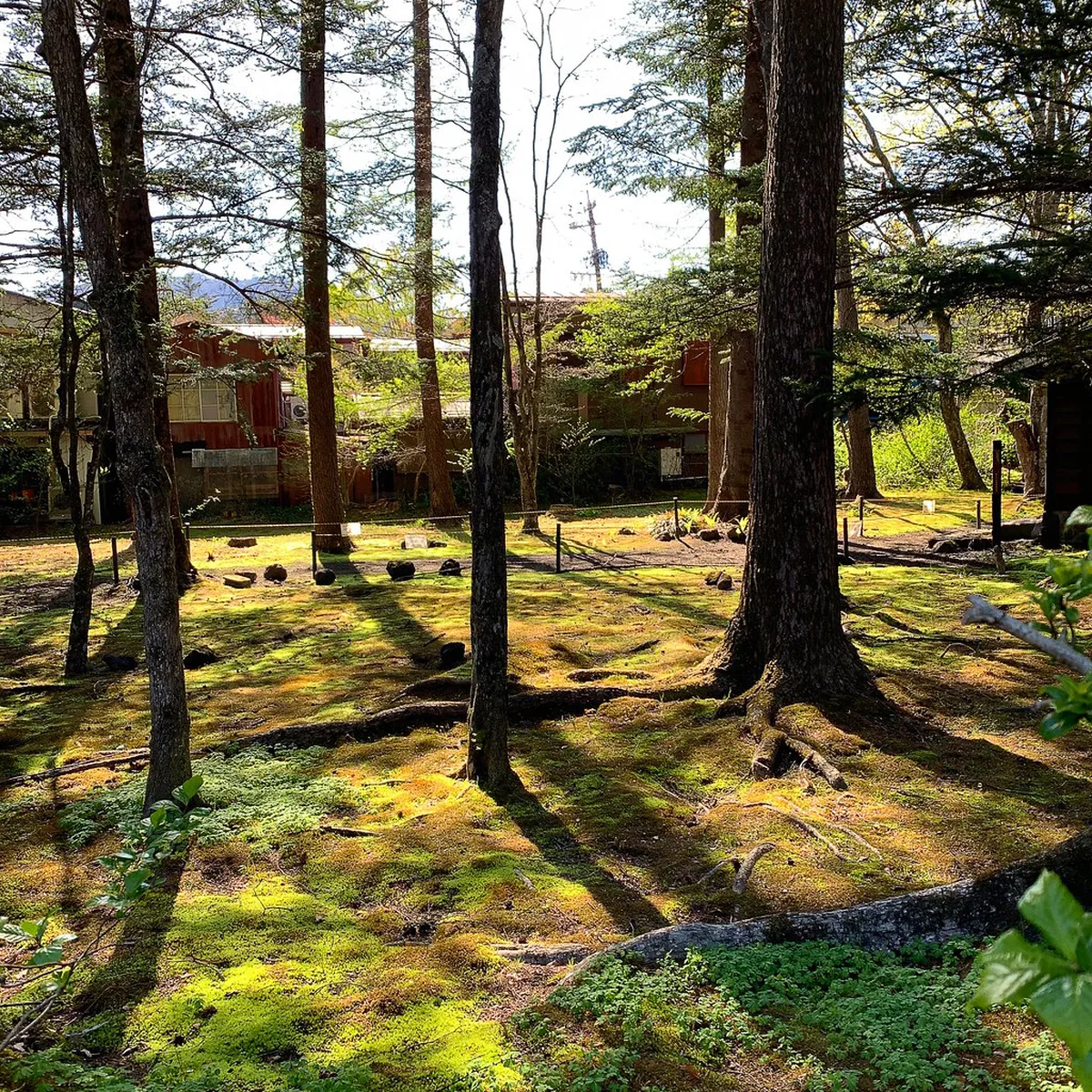
Summer offers a different appeal: the cool mist from the falls provides genuine relief when lowland Japan is at its most humid, and the lush green canopy feels like a natural air-conditioned hall. Early morning visits before 8:30 AM are noticeably quieter even in August, when the falls attract day-trippers from Tokyo escaping the city heat. Spring, from late April through May, brings fresh pale-green foliage and swollen water threads from snowmelt, making it another underrated window.
Winter visits are quieter still and occasionally reward visitors with partial ice formations along the cliff edges, though the falls never freeze entirely due to the constant spring-fed flow. That year-round accessibility — open every day without gates — means there is genuinely no bad season to visit Shiraito Falls. Whatever the season, arriving in the first two hours after the car park opens almost always means fewer visitors and better light.
Frequently Asked Questions
Is Shiraito Falls in Karuizawa free to visit?
Yes, entry to Shiraito Falls is completely free. The waterfall is a natural open-air site with no gates or entry fee. The only cost to budget for is the car park fee of approximately ¥500 if you drive, or a bicycle rental from Karuizawa Station if you cycle the 3-kilometre route to the falls.
How long does it take to walk around Shiraito Falls?
Most visitors spend about one hour at the falls, covering the upper observation deck, the lower basin path, and nearby Otodome Falls. If you walk at a leisurely pace and stop to photograph both waterfalls thoroughly, allow 90 minutes to be comfortable. The trail from the car park to Shiraito Falls takes roughly 10 minutes each way.
Can you see Mount Asama from Shiraito Falls?
Shiraito Falls in Karuizawa is fed by spring water from Mount Asama's volcanic aquifer, but the volcano itself is not directly visible from the falls due to the surrounding forest. Clear views of Asama are better found from Karuizawa town, the Shiraito Kogen plateau, or on the drive toward Onioshidashi volcanic park, roughly 20 minutes north of the falls.
Is Shiraito Falls accessible by public transport from Karuizawa Station?
Yes. A local Seibu Bus route connects Karuizawa Station to a stop near the Shiraito Falls trailhead in around 15 to 20 minutes. Rental bicycles available near the station cover the 3-kilometre distance in about 15 minutes on a gently rolling forest road, and that option gives you the flexibility to stop at Kumoba Pond on the way back.
What is the best season to visit Shiraito Falls in Karuizawa?
Autumn, from mid-October to early November, is widely regarded as the peak season, when maple and zelkova trees frame the falls in red and gold. Summer mornings offer cool relief and lush greenery, while winter occasionally produces partial ice formations along the cliff. Spring snowmelt in late April and May swells the water threads into their broadest display of the year.
Shiraito Falls earns its place on every Karuizawa itinerary not through dramatic height but through a quiet, horizontal beauty that few natural sites in Japan replicate. The volcanic spring water, the wide curtain of white threads, and the gentle forest trail combine into an experience that rewards visitors across every season. Free admission and easy access from the town centre mean there is almost no barrier to adding the falls to any Karuizawa day plan.
Pair the visit with Kumoba Pond and Harunire Terrace for a relaxed morning loop, or extend into a full highland day by continuing to Onioshidashi volcanic park. Whichever combination you choose, arriving early and moving at a slow pace consistently delivers the best version of Shiraito Falls. Season, transport, and nearby stops are already covered here — plan the rest of your time with the full range of things to see and do in the area.
For tickets, hours and visitor details, see our Shiraito Falls Visitor Guide: Plan Your Trip to Japan's White Thread Falls and Karuizawa attractions hub.
Free guide: Japan's Hidden Gems
12 under-the-radar places beyond Tokyo & Kyoto — with the best season to visit each and a local tip you won't find in the guidebooks.
You might also like


Continue reading
More guides you'll find useful

