

Kyu Karuizawa Ginza Street Travel Guide
Plan your visit to Kyu Karuizawa Ginza Street with top picks for shopping, food, history, and practical tips for getting there from Tokyo in 2026.
On this page
Kyu-Karuizawa Ginza Street is the historic heart of Karuizawa's old town, a compact pedestrian lane lined with bakeries, craft shops, and quiet cafes. Locals call it the soul of old Karuizawa, and it feels entirely different from the polished outlet mall near the station. Whether you have two hours or a full afternoon, this street rewards a slow walk more than any rushed tick-off.
The street runs roughly 800 metres from the Karuizawa Kogen Church end down towards the station, so it is entirely walkable. Most visitors arrive from Karuizawa Station on foot in about 20 minutes, which also passes several side-street villas worth a glance. Knowing what to prioritise before you arrive helps you spend time well, especially on busy summer and autumn weekends.
What Makes Kyu-Karuizawa Ginza Special
Kyu-Karuizawa Ginza developed on the site of post-town inns that once served travellers on the Nakasendo highway during the Edo period. When Canadian missionary Alexander Croft Shaw introduced Karuizawa as a summer retreat in the late 19th century, Western residents transformed the old inn district into a shopping and socialising hub. That layered history — highway post-town, Meiji summer colony, modern resort town — gives the street a character no purpose-built shopping district can replicate.
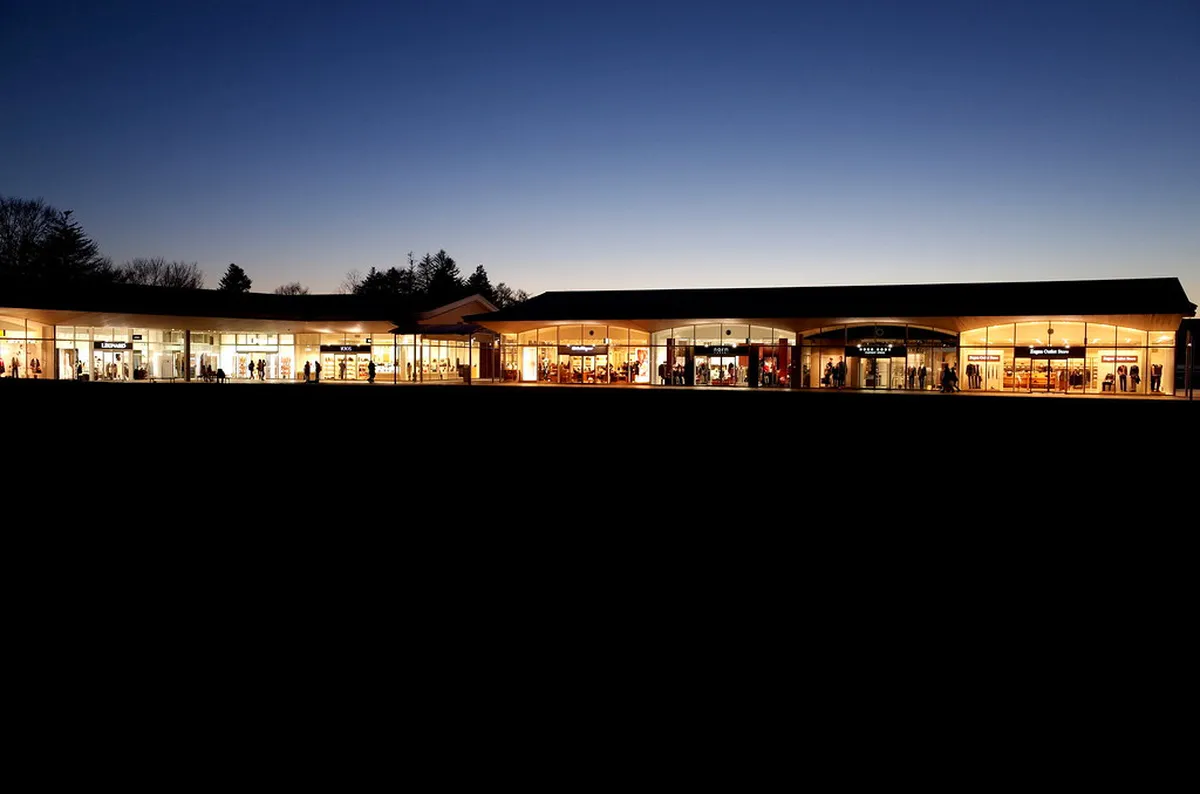
John Lennon and Yoko Ono famously spent several summers in Karuizawa during the late 1970s and early 1980s, often strolling this street and visiting local bakeries. Their connection to the area added an unexpected thread of cultural history to a Japanese mountain town. A few shops still display period photographs, making the street a gentle open-air archive as well as a shopping destination.
The street is compact enough to walk end to end in around 15 minutes at a gentle pace, but most visitors spend 60 to 90 minutes stopping at shops. Early morning, before 10:00, the lanes are nearly empty and the forested backdrop behind the rooflines is most visible. Afternoons on summer weekends bring the most foot traffic, which creates a lively festival atmosphere but also means popular food stalls draw short queues.
Shopping and Food on the Street
Karuizawa is famous across Japan for its fruit jams, and several independent jam shops line Kyu-Karuizawa Ginza selling small-batch preserves made from local plums, apples, and berries. Sawaya is one of the most established names, with jars displayed in rows by fruit type and season. These make compact, well-priced gifts that hold up well on the journey home.
Street food is a genuine draw here, with freshly fried croquettes and soft-serve ice cream among the most popular options. Several stalls sell grilled foods to eat while walking, which suits the unhurried pace of the street. On busy days, a short wait of five to ten minutes is typical at the most popular stalls.
For Studio Ghibli fans, one of Karuizawa's most popular attractions is the Donguri Republic store on this street, which stocks the full range of Ghibli merchandise. Independent boutiques nearby carry Japanese lifestyle goods, leather goods, and locally made ceramics at mid-range prices. The mix of artisan shops and tourist souvenir stalls means the street suits both casual browsers and purposeful shoppers.
Bakeries along the street sell fresh bread and pastries from early morning, which makes the area a good first stop before heading to outdoor spots. Several cafes with forest-facing seating offer a natural pause point after browsing the shops. Prices for coffee and pastries sit broadly in line with Tokyo cafe standards, so nothing here will feel surprising.
- Sawaya Jam Shop
- Sells small-batch fruit jams made from local Nagano produce.
- Compact jars start from around ¥500 and make easy carry-on gifts.
- Look for seasonal varieties like Shinshu apple and plum.
- Donguri Republic (Studio Ghibli Store)
- Stocks the full range of official Ghibli plush toys and stationery.
- Popular with families and fans of all ages visiting the street.
- Worth arriving early on weekends to browse without crowds.
- Street Food Croquette Stalls
- Freshly fried potato croquettes are a Karuizawa Ginza classic.
- Expect a short queue of five to ten minutes on busy afternoons.
- Soft-serve ice cream stalls nearby offer seasonal local milk flavours.
- Local Bakeries
- Several bakeries open from around 08:00 with fresh-baked bread.
- Forest-view seating at adjacent cafes suits a slow morning start.
- Prices match standard Tokyo cafe rates, so no budget surprises.
History and Culture Along Kyu-Karuizawa
Shaw Memorial Church (軽井沢ショー記念礼拝堂) sits at the northern end of the Ginza area and marks the starting point of Karuizawa's transformation into a resort town. Built in 1895, it is one of the oldest Western-style buildings still standing in the area and remains open to visitors outside of service times. The small garden in front and the adjacent Alexander Croft Shaw House offer a quiet five-minute detour into the town's founding story.
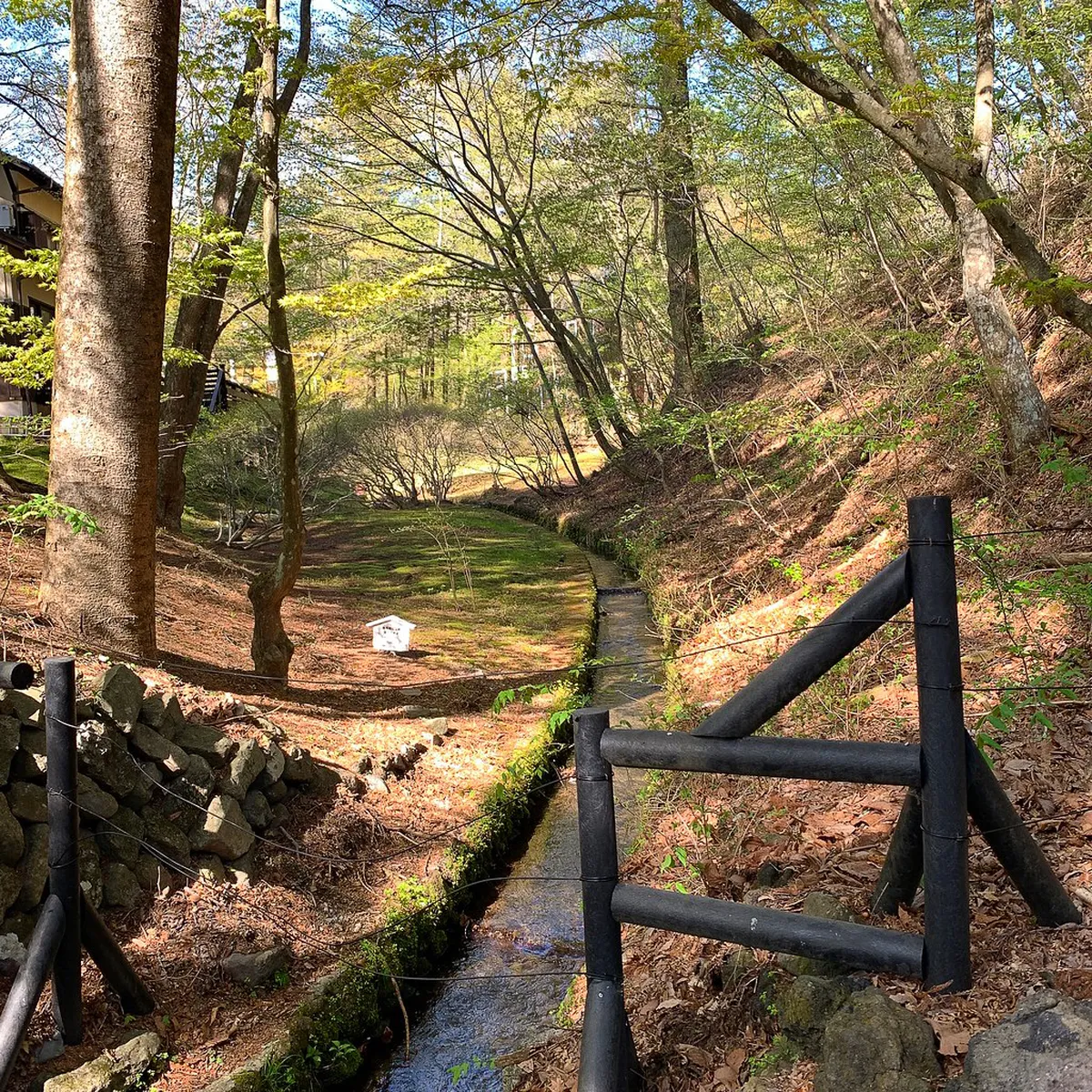
Walking south from the church along the main lane, the architecture shifts between Meiji-era wooden storefronts and later Taisho and Showa-period additions. Side streets branching off the Ginza lead into a residential villa zone where early 20th-century summer houses sit under tall larches. These side streets are rarely crowded and give a strong sense of the original summer-colony atmosphere.
Several small museums are reachable within a ten-minute walk of the street, including the Karuizawa Ando Museum dedicated to architect Tadao Ando. Kumoba Pond, roughly 20 minutes on foot from the northern end of the Ginza, is worth adding as an extension to any cultural walk along the street. The pond is free to visit and its tree-lined perimeter reflects vivid autumn colours from late October through early November.
Parks and Outdoor Spots Near the Street
Kumoba Pond is the most popular natural extension of a Kyu-Karuizawa Ginza visit, roughly 20 minutes on foot from the street's northern end. The pond sits inside a small park with a gravel path circling the water, and the walk itself passes through forested villa streets that feel very different from the main shopping lane. Entry is free and public washrooms are available near the entrance.
The Karuizawa Wild Bird Sanctuary (軽井沢野鳥の森) lies further from the Ginza area but is accessible by local bus from Karuizawa Station. Guided nature walks run from the Picchio Visitor Center in both Japanese and basic English, with sessions covering forest birds and the resident Japanese flying squirrel colony. This is a stronger option for visitors with a full day rather than those combining it with the Ginza street on the same afternoon.
Shiraito Falls is another well-known natural attraction about 25 minutes by bus from Karuizawa Station. The falls are only three metres high but stretch 70 metres wide, fed primarily by underground volcanic springs rather than a surface river. Bus services run roughly once or twice per hour, so checking the timetable before leaving the Ginza area saves a long wait.
How to Get to Kyu-Karuizawa from Tokyo
The Hokuriku Shinkansen from Tokyo Station or Ueno Station reaches Karuizawa Station in about 70 minutes, making this one of the most accessible mountain resort towns in Japan. The ride is covered by the Japan Rail Pass, the JR East Nagano-Niigata Pass, and the JR Tokyo Wide Pass, so travellers already holding one of these passes travel at no extra cost. Without a pass, a single unreserved shinkansen seat typically costs around ¥5,000-6,000 each way; verify the current fare on the JR East website before travel.
Highway buses from Shinjuku or Ikebukuro offer a budget alternative at the cost of time, with the journey running around 3.5 hours. Bus fares are considerably lower than the shinkansen and suit travellers with flexible schedules who want to save on transport. Check operators such as Willer Express for current schedules and seat availability, especially during peak summer and autumn weekends.
From Karuizawa Station, Kyu-Karuizawa Ginza Street is about a 20-minute walk north along a flat road passing several side-street shops. A local bus also connects the station to the Ginza area for visitors who prefer not to walk. Bicycles are available from rental shops near the station and are a practical choice for combining the Ginza with Kumoba Pond in a single outing.
- Hokuriku Shinkansen (Fastest)
- Departs Tokyo or Ueno Station and arrives in about 70 minutes.
- Covered by Japan Rail Pass, JR East Nagano-Niigata Pass, and JR Tokyo Wide Pass.
- Best for travellers prioritising time and holding a rail pass.
- Highway Bus (Budget Option)
- Runs from Shinjuku or Ikebukuro with a journey time of around 3.5 hours.
- Fares are significantly lower than the shinkansen for budget-conscious travellers.
- Check Willer Express or Highway-buses.jp for current schedules and prices.
- Local Access from Karuizawa Station
- Walk north from the station for roughly 20 minutes on a flat road.
- Local buses run between the station and the Ginza area for a short fare.
- Rental bikes near the station make it easy to combine the Ginza and Kumoba Pond.
Tips for Visiting Kyu-Karuizawa Ginza
Morning visits before 10:30 offer the clearest views of the street's architecture and the calmest atmosphere for browsing shops. Most shops open by 09:00 to 10:00, so arriving early also gives first pick of freshly baked goods at the bakeries. By midday on summer weekends the lane fills quickly, and some popular food stalls build short queues that can slow the pace.
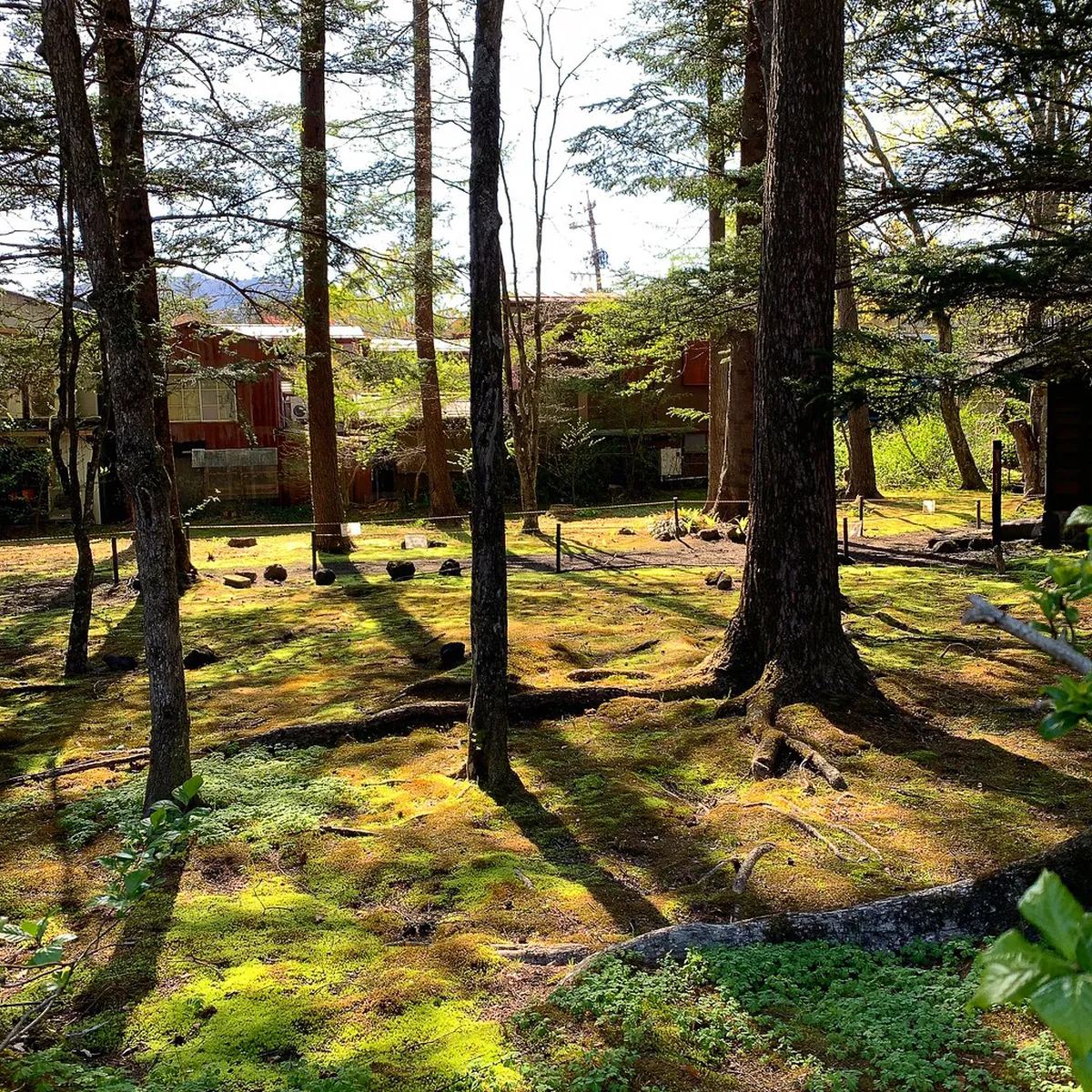
Autumn foliage transforms the walk between Karuizawa Station and the Ginza from late October to early November, with larches and maples turning gold and red along the villa streets. Summer is the busiest season overall, driven by Tokyo residents escaping the city heat to Karuizawa's cooler mountain air. Spring visits are quieter and offer cherry blossoms and wildflowers along the forest paths near Kumoba Pond.
Parking near the street is limited and can fill quickly on peak days, so arriving by train and walking or cycling is more reliable. The cycling routes around Karuizawa include paths that pass the Ginza area, Kumoba Pond, and the Hoshino resort zone in a single loop. Renting a bicycle for a half-day costs approximately ¥500-1,000 at shops near Karuizawa Station.
For accommodation near the street, Le Grand Kyu Karuizawa is a well-positioned mid-range hotel within walking distance of both the Ginza and Kumoba Pond. Budget-friendly options include Kyu Karuizawa Hotel Otowa no Mori, a Western-style property set among trees between the station and the old town. Karuizawa hotels fill fast during autumn foliage weekends and summer peak, so booking several weeks in advance is strongly advisable.
Frequently Asked Questions
What is Kyu-Karuizawa Ginza Street?
Kyu-Karuizawa Ginza Street is the main historic shopping lane in Karuizawa's old town district, running about 800 metres through a pedestrian area lined with craft shops, jam boutiques, bakeries, and cafes. It developed from a Nakasendo post-town and became a social hub when Karuizawa grew into a Meiji-era summer resort. Today it is one of the most popular stops on any Karuizawa sightseeing itinerary.
How long does it take to walk Kyu-Karuizawa Ginza Street?
Walking from end to end at a relaxed pace takes about 15 minutes, but most visitors spend 60 to 90 minutes browsing shops, trying street food, and stopping for coffee. Adding side streets toward the villa zone or continuing to Kumoba Pond can extend the outing to a comfortable half-day. Morning visits before 10:30 tend to be calmer and better for photographs.
Is Karuizawa a good day trip from Tokyo?
Yes. The Hokuriku Shinkansen reaches Karuizawa Station from Tokyo in about 70 minutes, and the journey is covered by the Japan Rail Pass, JR East Nagano-Niigata Pass, and JR Tokyo Wide Pass. A day trip works well if focused on the Ginza area and Kumoba Pond; overnight stays allow time for Shiraito Falls, the Hoshino resort zone, and onsen visits.
What are the opening hours for Old Karuizawa Ginza Street?
The street itself is a public outdoor lane with no set opening hours, so you can walk it at any time. Individual shops typically open between 09:00 and 10:00 and close between 17:00 and 19:00, though hours vary by business and season. Check the official Karuizawa tourism site for current shop listings and seasonal schedules.
Where did John Lennon stay in Karuizawa?
John Lennon and Yoko Ono spent several summers in Karuizawa during the late 1970s and early 1980s, staying at the Mampei Hotel in the Kyu-Karuizawa area. The Mampei is one of Karuizawa's oldest and most iconic hotels, known for its classic Western architecture. The couple frequently strolled Kyu-Karuizawa Ginza Street during those visits, adding to the street's cultural lore.
Kyu-Karuizawa Ginza Street rewards visitors who slow down and treat it as a neighbourhood rather than a checklist item. The combination of post-town history, Meiji resort character, independent food shops, and easy access to forest walks makes it one of the most layered short strolls in the Nagano region. Plan around it rather than slotting it in between other stops, and the street tends to become a highlight of the trip.
For travellers building a broader Karuizawa itinerary, the Harunire Terrace in the Hoshino area offers a complementary experience — chic forest-side cafes and shops with a more contemporary feel. Pairing the old-town Ginza in the morning with Harunire Terrace and the Tonbo-no-Yu onsen in the afternoon makes a well-balanced full-day plan. Check the Best Time To Visit Karuizawa Travel Guide before booking to match your trip to the season that suits you most.
For tickets, hours and visitor details, see our Kyu-Karuizawa Ginza Street Visitor Guide & Itinerary and Karuizawa attractions hub.
Free guide: Japan's Hidden Gems
12 under-the-radar places beyond Tokyo & Kyoto — with the best season to visit each and a local tip you won't find in the guidebooks.
You might also like


Continue reading
More guides you'll find useful
