

Kyu-Karuizawa Ginza Street is the historic heart of Karuizawa — a 500-metre pedestrian lane lined with bakeries, ceramic shops, jam boutiques, and cafes that have anchored the town's identity since the Meiji era. It sits about a 20-minute walk north of Karuizawa Station, or a quick five-minute local bus ride. The street is free to explore and open every day, making it an easy centrepiece for a day trip from Tokyo or the first stop of a longer Nagano prefecture itinerary in 2026.
This guide focuses on practical planning: how to get here from Tokyo, what to do along and around the street, when to come, and how long you actually need.
Why Visit Kyu-Karuizawa Ginza Street?
Karuizawa has been a summer retreat for Tokyo residents since the 1880s, when Canadian missionary Alexander Croft Shaw popularised it among foreigners. That foreign influence left a mark: the old town feels unlike most Japanese resort areas, blending wooden Western-style buildings with craft shops selling local jams, smoked meats, and Meiji-era ceramics. Ginza Street is the concentrated version of that atmosphere.
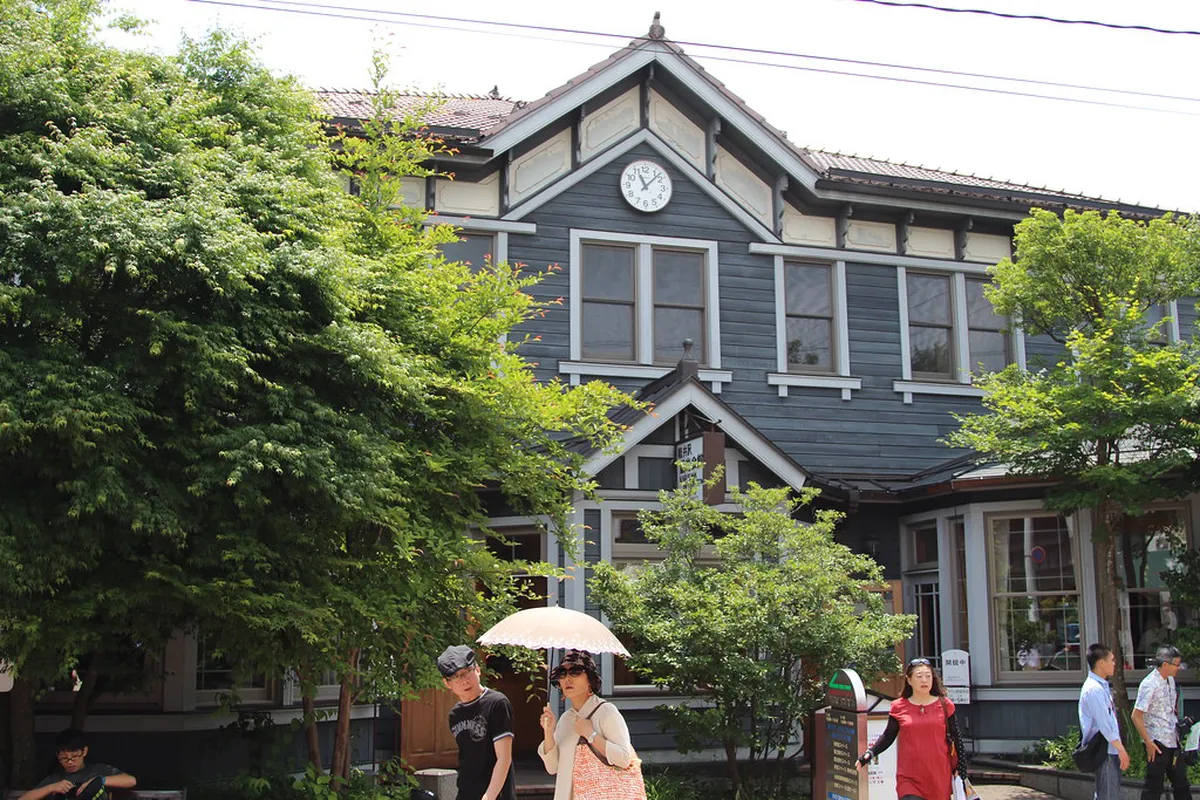
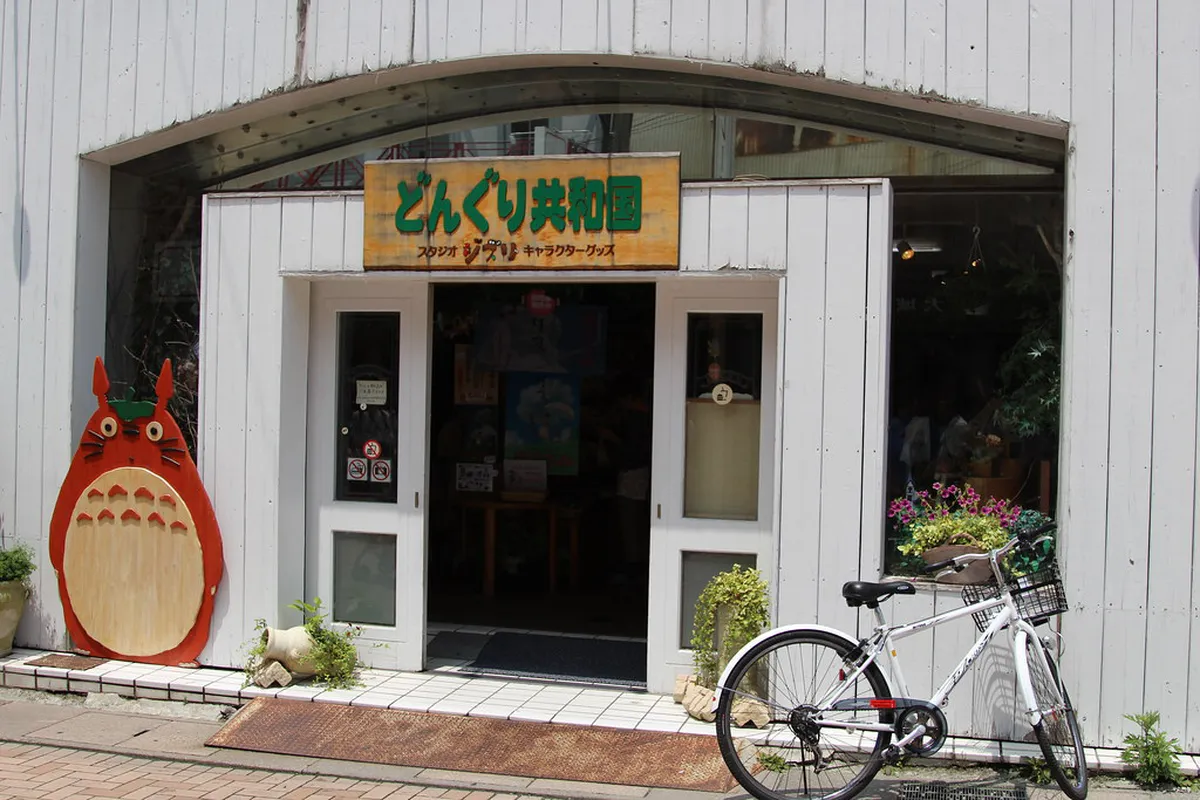
The street also works as a base for the surrounding nature. Kumoba Pond, St. Paul's Catholic Church, and Shaw Memorial Church are all within a 15-minute walk. The cool mountain air (Karuizawa sits at roughly 1,000 metres above sea level) makes wandering comfortable even in midsummer, when Tokyo can be brutal. For families, the Donguri Republic — a Studio Ghibli goods store on the street — is a reliable crowd-pleaser that most general Karuizawa guides overlook entirely.
How to Get to Karuizawa from Tokyo
The Hokuriku Shinkansen from Tokyo Station (or Ueno) reaches Karuizawa Station in about 70 minutes. A standard unreserved seat costs roughly ¥5,000–¥6,000 one-way. The route is fully covered by the Japan Rail Pass, the JR Tokyo Wide Pass, and the JR East Nagano-Niigata Pass. If you already hold one of these passes, the train is unbeatable on value.
Highway buses from Shinjuku or Ikebukuro take about 3.5 hours and cost ¥2,500–¥3,500 one-way. Companies like Willer Express and Highway-buses.jp run frequent services. The bus is the right call if you are on a tight budget and have no JR pass — the cost difference versus the Shinkansen is substantial. Driving from central Tokyo takes 2.5–3 hours one-way under normal traffic, though weekends and holiday periods on the Kan-Etsu Expressway can add significantly to that.
From Karuizawa Station, Ginza Street is a 20-minute flat walk heading north, or a 5-minute ride on the local Kyu-Karuizawa bus (¥200–¥300 per trip). Taxis are available outside the station for around ¥1,000–¥1,200 to the street entrance.
Kyu-Karuizawa Ginza Street: A Day Itinerary
A full day is enough to cover Ginza Street plus the nearby nature and church circuit without feeling rushed. Arrive before 10:00 when the street is quieter, then extend outward as the day progresses.
- 09:30–10:00 — Walk or bus from Karuizawa Station. Stop for a morning coffee or freshly baked bread at one of the bakeries near the street entrance; several open before 10:00.
- 10:00–12:00 — Browse the main stretch of Ginza Street. Allow extra time at the Donguri Republic (Studio Ghibli store) if that interests you or anyone in your group. Pick up local jams, smoked sausages, or ceramic pieces — these are the items Ginza Street does better than any convenience store or airport shop.
- 12:00–13:00 — Lunch on or near the street. Try freshly fried croquettes or soft-serve ice cream from street stalls if you want something quick.
- 13:00–14:30 — Walk 15 minutes south-west to Kumoba Pond. The loop takes 30–40 minutes and is free. The path through the forested residential streets leading to the pond is itself worth the detour.
- 14:30–16:00 — Return toward the station via Shaw Memorial Church (built 1895, free entry) and St. Paul's Catholic Church. Both are short detours on the walk back.
- 16:00–18:00 — Optional: continue to Karuizawa Prince Shopping Plaza near the station for outlet shopping before your return train.
Total active time is roughly 6–7 hours. If you prefer a slower pace, drop the Prince Shopping Plaza leg and spend the afternoon at a Ginza Street cafe instead.
Must-See Attractions Near Kyu-Karuizawa Ginza Street
Kumoba Pond (雲場池) is a 15-minute walk from the street and consistently ranks as one of Karuizawa's most photographed spots, particularly during autumn when red and gold leaves reflect on the still water. Entry is free, the circuit is flat and paved, and public toilets are available near the entrance. A restaurant called Kumobatei at the pond entrance serves Japanese-western dishes including corn soup and local-vegetable curry if you want a light lunch option.
St. Paul's Catholic Church and Shaw Memorial Church are both within easy walking distance of Ginza Street. Neither charges admission when no services or ceremonies are underway. Shaw Memorial Church, built in 1895, directly connects to the history of Karuizawa as a foreign resort — the stone marker out front gives useful context. In Naka-Karuizawa (accessible by the Shinano Railway local train, roughly 8 minutes), Kogen Church and Stone Church are more elaborate architecturally and sit inside the Hoshino resort area, surrounded by forest. Weddings are common on weekends; arrive on a weekday morning if you want the churches to yourselves.
Karuizawa Prince Shopping Plaza sits immediately adjacent to the station and offers both Japanese and international brands at outlet prices. It is a practical last stop before your return Shinkansen — shops are typically open 10:00–19:00, free entry.
Beyond the Street: Other Karuizawa Highlights
Shiraito Falls (白糸の滝) is about 25 minutes by bus from Karuizawa Station (¥720 one-way). The falls are only 3 metres tall but 70 metres wide, fed almost entirely by underground volcanic springs rather than a surface river — which creates the distinctive white-thread curtain effect that gives them their name. Admission is free. The bus runs roughly once or twice an hour, so check the return timetable when you arrive at the stop. Total round-trip time from the station is about two hours. Small food stalls near the car park sell grilled ayu fish and croquettes worth trying.
Hoshino Onsen Tombo-no-yu is a well-regarded hot spring in the Hoshino area, a short free shuttle ride from Karuizawa Station. Entry costs ¥1,350 (December–March) or ¥1,550 (April–November). Opening hours are 10:00–22:00, last entry 21:15. Visitors with small tattoos (under 8×10 cm) can bathe with a purchased cover sticker (¥250); the establishment is notably more tattoo-tolerant than most Japanese onsen. Immediately next door, the restaurant Sonmin-Shokudo serves washoku standards including mushroom hotpot and miso karaage — budget 30+ minutes' wait at busy periods, as entry works by numbered ticket.
Onioshidashi Park is a roughly 30-minute bus ride from Karuizawa Station (¥1,300 one-way, operates hourly). The park covers a field of hardened lava from Mount Asama's 1783 eruption. Admission is ¥600. Allow about an hour for the trekking trails. On clear days Mount Asama is visible from the park; cloudy days obscure the summit but the volcanic rock formations remain striking regardless.
Best Time to Visit and Getting Around
Karuizawa's peak season runs mid-July through late August, when Tokyoites flood the town to escape the city heat. Ginza Street in particular can become extremely crowded on summer weekends — queues at popular bakeries stretch into the street and parking lots fill before 10:00. The sweet spot for visiting Ginza Street is early September through late October. Crowds thin noticeably after the Obon holiday (mid-August), and from late October the autumn foliage at Kumoba Pond reaches its peak. A weekday visit in this window gives you essentially the same experience with a fraction of the foot traffic.
Spring (late April to early May) is pleasant and offers cherry blossoms, though Golden Week brings crowds comparable to midsummer. Winter is quiet and best suited to travellers combining Ginza Street with skiing at the nearby Prince Hotel resorts. Note that some Ginza Street shops reduce hours or close temporarily in January and February.
Within Karuizawa, the most practical options are walking and cycling. Bicycle rental shops cluster around Karuizawa Station and the Ginza Street entrance, with half-day rates around ¥800–¥1,500. If you plan to use local buses heavily, the Karuizawa 1-day bus pass (¥2,500) or 2-day pass (¥3,600) covers unlimited rides on the Karuizawa area network including services to Shiraito Falls and Naka-Karuizawa. Passes are available at Karuizawa Station, Naka-Karuizawa Station, Miyota Station, and Komoro Station. For a one-day visit focused on Ginza Street and Kumoba Pond, the bus pass is probably not worth the cost — individual rides will total less. It pays off once you add Shiraito Falls or the Hoshino area to your day.
How Many Days Should You Spend in Karuizawa?
One day is workable if you are coming from Tokyo purely to see Ginza Street and Kumoba Pond. The Shinkansen makes it a comfortable 70-minute each-way commute, and the itinerary above fits cleanly into a single day without rushing. This suits travellers with limited time who want a taste of the mountain resort atmosphere.
Two days is the better option if you want to add Shiraito Falls, the Hoshino area (onsen, churches, Harunire Terrace), and Onioshidashi Park. These spots are spread around Karuizawa and require bus or bicycle time between them. Staying overnight also allows you to experience the town at quieter times — early morning on Ginza Street before the day-trip crowds arrive from Tokyo is noticeably different from midday.
Three days makes sense if you are combining Karuizawa with a side trip to Kusatsu Onsen (about 80 minutes by bus from Karuizawa) or Nagano City (about 25 minutes on the Shinkansen). Both are realistic add-ons for travellers moving through Nagano Prefecture rather than doing a pure day trip.
Where to Stay in Karuizawa
For proximity to Ginza Street, Kyu Karuizawa Hotel Otowa no Mori sits between the station and the old town and offers a calm, tree-surrounded setting from around ¥20,000 per night. Le Grand Kyu Karuizawa is a mid-range boutique hotel within walking distance of Ginza Street with a spa and on-site restaurant. Both book up early during autumn foliage season and summer weekends — reserve several weeks in advance if travelling in those windows.
For a resort experience closer to the station, the Karuizawa Prince Hotel is directly adjacent to the Prince Shopping Plaza and ski area, with rooms from around ¥15,000. Hotel Cypress Karuizawa is a more affordable option near the station, with some rooms featuring private open-air baths — strong value for families or couples who want onsen access without paying Hoshinoya-level rates.
In the Naka-Karuizawa area, Hoshinoya Karuizawa is the prestige choice: a luxury forest resort where the architecture dissolves into the surrounding trees. It is considerably more expensive, but its location next to Hoshino Onsen and Harunire Terrace is hard to beat if the Hoshino area is a priority.
Nearby Cities and Day Trips from Karuizawa
Nagano City is the easiest extension — about 25 minutes west on the Hokuriku Shinkansen. Zenkoji Temple, one of Japan's most visited Buddhist sites, anchors the visit. The temple precinct and surrounding shopping streets are free to walk; entry to the inner sanctum costs ¥500. A half-day from Karuizawa is enough for Zenkoji and the nearby Monzen-machi streets.
Kusatsu Onsen is accessible by highway bus from Karuizawa Station in about 80 minutes (¥2,300 one-way). It is one of Japan's most famous hot spring towns, centred on the Yubatake — a wooden channel system that cools the scalding spring water before it enters the baths. Day tickets for the main public baths typically run ¥500–¥1,000. The town itself is compact and best explored in half a day, making it practical as a day trip from Karuizawa if you are spending two or more nights.
Matsumoto, about 90 minutes from Karuizawa by car or via the Shinano Railway and Matsumoto Dentetsu lines, offers Matsumoto Castle — one of Japan's original wooden castles and a genuine architectural standout. It pairs well with the Karuizawa area for a multi-day Nagano itinerary.
Frequently Asked Questions
How much time should you plan for Kyu-Karuizawa Ginza Street?
We recommend dedicating at least half a day, or about 3-4 hours, to fully explore Kyu-Karuizawa Ginza Street. This allows time for shopping, enjoying cafes, and visiting nearby sights like St. Paul's Catholic Church.
What should travelers avoid when planning a visit to Kyu-Karuizawa Ginza Street?
Avoid visiting only on national holidays or peak weekends without booking accommodation and transport in advance, as it gets very crowded. Also, do not expect late-night entertainment; most shops close by 5:00 PM or 6:00 PM.
Is Kyu-Karuizawa Ginza Street worth including on a short itinerary?
Yes, Kyu-Karuizawa Ginza Street is definitely worth including, even on a short Karuizawa itinerary. It offers a concentrated experience of local charm, unique shopping, and dining, making it a perfect half-day stop.
Kyu-Karuizawa Ginza Street rewards unhurried visitors — the best moments come from wandering into a small ceramics shop, stopping for a freshly baked roll, or catching the pond at golden hour. The street itself is the anchor, but Karuizawa's real appeal is what surrounds it: the forest paths, the onsen, the unusual churches, and the quiet that descends once the day-trip crowds head back to Tokyo. Use this guide as a starting point, then let the pace of the town take over.
For authoritative information, refer to the Kyu-Karuizawa Ginza Street on Wikipedia and Kyu-Karuizawa Ginza Street official site.


