

Karuizawa From Tokyo Travel Guide
Plan your trip karuizawa from tokyo with shinkansen tips, top attractions, getting-around options, and day-trip vs overnight advice for 2026.
On this page
Karuizawa sits roughly 170 km north-west of Tokyo in Nagano Prefecture, and the Hokuriku Shinkansen puts it just 70 minutes from the capital. At around 1,000 metres above sea level, the town enjoys a cool alpine climate that has made it a popular escape since the Meiji era. Whether you have one day or a full weekend, this guide covers every practical detail — from catching the right Shinkansen to choosing between a day trip and an overnight stay.
Use the Tokyo–Karuizawa train or rental-car comparison if your plan includes countryside stops where the fast station-to-station answer may not tell the whole story.
How to Get to Karuizawa from Tokyo
The fastest and most convenient way to make the journey is the Hokuriku Shinkansen, departing from Tokyo Station or Ueno Station. Karuizawa is the fourth stop on the line from Tokyo, and the ride takes roughly 70 minutes on the Hakutaka or Asama services. One important note: not all Shinkansen trains stop at Karuizawa, so always confirm the service on the platform display before boarding.

Three rail passes cover this route, and the right choice depends on how much of Japan you plan to explore. The Japan Rail Pass works well for multi-city itineraries across Japan, covering Karuizawa as part of a broader Shinkansen journey.
The JR East Nagano-Niigata Pass suits a regional Nagano-focused trip at a lower price than the full JR Pass. This regional pass is often the most cost-effective choice if Karuizawa is your primary destination outside Tokyo.
For a short Tokyo-centred trip, the JR Tokyo Wide Pass typically offers the best value since it covers the Karuizawa route at a lower price than the full Japan Rail Pass. All three pass types can be purchased in advance online, which is strongly recommended during autumn foliage season and summer.
Buses offer a budget-friendly alternative, with highway coaches running from Shinjuku and Ikebukuro to Karuizawa in around 3.5 hours. Operators such as Willer Express list schedules and fares online, and prices are considerably lower than the Shinkansen unreserved fare. The trade-off is time: the bus suits overnight travellers with a flexible schedule, not those squeezing Karuizawa into a single day.
- Hokuriku Shinkansen (Hakutaka / Asama)
- Journey time is roughly 70 minutes from Tokyo Station.
- Not every service stops at Karuizawa, so check the destination board before boarding.
- Covered by Japan Rail Pass, JR East Nagano-Niigata Pass, and JR Tokyo Wide Pass.
- Highway Bus from Shinjuku or Ikebukuro
- Journey takes around 3.5 hours depending on traffic and service.
- Fares are significantly cheaper than the Shinkansen unreserved seat price.
- Best for overnight stays where travel time is less critical.
Top Karuizawa Attractions Worth Your Time
Shiraito Waterfall (白糸の滝) is one of the most distinctive natural sights in the area, spreading 70 metres wide while standing only three metres high. Rather than fed by a river above, the water seeps up from a volcanic underground layer and cascades as hundreds of fine threads over a curved rock face. The bus from Karuizawa Station costs ¥720 one-way and takes about 25 minutes, but services run infrequently — around once or twice per hour — so check the return timetable as soon as you arrive.
Kyu-Karuizawa Ginza Street is the historic commercial strip of old Karuizawa, lined with local bakeries, jam shops, and craft stores. It sits about 1.6 km from Karuizawa Station, a pleasant 20-minute walk through tree-shaded villa streets, or a short bus ride if you prefer. Street food like freshly fried croquettes and soft-serve ice cream make the stroll worthwhile on their own. Fans of Studio Ghibli should look out for the Donguri Republic store tucked along the route.
Kumoba Pond (雲場池) is a free-entry park roughly 20 minutes on foot from Karuizawa Station, best known for its mirror-like reflections during autumn foliage. The walk to the pond passes elegant holiday villas surrounded by forest, making the journey itself part of the experience. Spring and summer visits are quieter and still rewarding, with the forested path offering a calm escape from the town's busier shopping areas.
Karuizawa Prince Shopping Plaza sits right next to Karuizawa Station, making it an effortless stop whether you arrive or depart. The outlet mall carries both Japanese and international brands at discounted prices, and the mountain backdrop gives the open-air complex an unusually relaxed atmosphere for an outlet centre. A large food court provides a convenient lunch option for day-trippers who want to save time for sightseeing.
Museums, Art, and Culture in Karuizawa
Karuizawa has a deeper cultural layer than its reputation as a shopping and nature destination might suggest. The town's history as a summer retreat for foreign missionaries in the late 19th century left an unusual concentration of Western-influenced churches. Shaw Memorial Church (軽井沢ショー記念礼拝堂), built in 1895 by Canadian missionary Alexander Croft Shaw, stands in central Karuizawa and is free to visit when no ceremonies are in progress. The adjacent Shaw House is also open to the public and gives useful context about how Karuizawa developed into the resort town it is today.
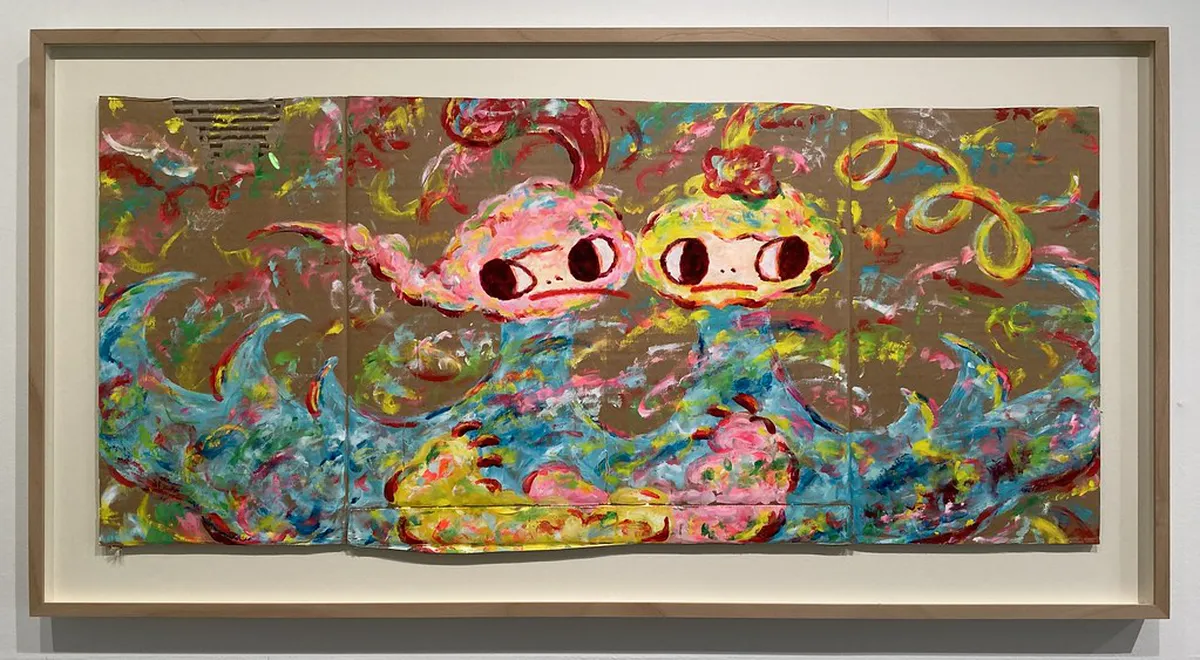
In the Naka-Karuizawa area, Karuizawa Kogen Church and the Stone Church (石の教会 内村鑑三記念堂) are particularly worth a visit for their striking architecture. The Stone Church blends stone and glass in an organic design that merges with the surrounding forest, while Karuizawa Kogen Church features warm timber interiors under a dramatic triangular roofline. Both are within easy walking distance of Harunire Terrace, making them natural additions to an afternoon in the Naka-Karuizawa area.
Karuizawa Taliesin is a cultural theme park set around a lake about 4.6 km from the station, with small museums, libraries, and a rose garden spread across its grounds. Admission is ¥900, and the park closes during winter. The rose garden reaches its peak in late June during the annual Rose Festival, though early October visitors can catch the first hints of autumn colour in the surrounding trees.
Art lovers should also consider the Karuizawa New Art Museum and the Karuizawa Ando Museum, which focuses on the work of architect Tadao Ando. Both are concentrated in the central Karuizawa area and can be combined with a walk along Ginza Street on the same afternoon. For current opening hours and admission fees, check the official Karuizawa tourism website before your visit.
Parks, Gardens, and Outdoor Spots
Harunire Terrace (ハルニレテラス) is a modern wooden terrace built along a stream in the Hoshino area, roughly 5.2 km from Karuizawa Station. Stylish cafés, a local bakery, and lifestyle boutiques sit under a canopy of hareniretrees, making it a popular stop for a coffee break or souvenir hunting. From Naka-Karuizawa Station the terrace is only 1.4 km away, which makes it the practical base for an afternoon in the western part of town.
Right next door, Tonbo-no-Yu (星野温泉 トンボの湯) offers an onsen experience with spacious outdoor baths fed by a natural spring. Admission runs ¥1,350 from December through March and ¥1,550 from April through November, with towel rental available at reception. Entry hours run 10:00 to 22:00 (last entry 21:15), making it a fitting end to a long day on foot.
For a quieter outdoor experience, the Karuizawa Wild Bird Sanctuary (軽井沢野鳥の森) offers shaded forest trails ideal for shinrin-yoku, the Japanese practice of forest bathing. The Picchio Visitor Center runs guided nature tours where you may spot Japanese flying squirrels and various woodland birds. Tours operate in Japanese with basic English support, and the centre is set within the same forested corridor as Harunire Terrace.
For those combining cycling in Karuizawa with their outdoor itinerary, the flat paths between the station and the Ginza area are the most manageable stretch. Rental shops cluster near Karuizawa Station and around the Ginza shopping street, with several hotels also offering bikes for an additional fee. Cycling extends your range considerably without adding cost or waiting for buses.
Getting Around Karuizawa Without a Car
Karuizawa's attractions spread across several distinct zones, and the gaps between them can catch first-time visitors off guard. The central area around Karuizawa Station, old Ginza Street, and Kumoba Pond is entirely walkable; the station-to-Ginza walk takes about 20–25 minutes on flat, pleasant streets. Naka-Karuizawa and the Hoshino area, however, sit about 5 km west and require either a bus, train, or taxi.
Local buses serve the main corridors, and the Karuizawa 1-day pass costs ¥2,500 while the 2-day pass costs ¥3,600. The pass covers the route between Karuizawa Station and Komoro Station via the Shinano Railway zone and can be purchased at Karuizawa Station, Naka-Karuizawa Station, Miyota Station, or Komoro Station. For Shiraito Falls specifically, the bus from the station costs ¥720 one-way and runs roughly once or twice per hour — check the return schedule on arrival to avoid a long wait.
Taxis are more flexible but noticeably more expensive, particularly if you want to cover multiple scattered spots in one trip. A chartered private taxi running 2.5 hours typically starts from around ¥15,000 for two to four passengers; a 5-hour charter generally runs ¥25,000 to ¥30,000. The Karuizawa Station Tourist Information Center (open 09:00–17:30) can assist with taxi bookings and bus timetables for international visitors. Bicycle rental is the most cost-effective option for the station-to-Ginza corridor, with shops concentrated near both the station and the Ginza area.
- Walking (station area and Ginza corridor)
- Karuizawa Station to Ginza Street takes roughly 20–25 minutes on foot.
- Kumoba Pond is also reachable on foot in about 20 minutes from the station.
- Best for visitors focused on central Karuizawa without time pressure.
- Local Bus (main sightseeing network)
- 1-day pass costs ¥2,500; 2-day pass costs ¥3,600, purchasable at four stations.
- Shiraito Falls single fare is ¥720 one-way from Karuizawa Station.
- Services run infrequently outside peak season — confirm timetables in advance.
- Taxi or Private Charter
- A 2.5-hour private charter starts from around ¥15,000 for up to four passengers.
- Strongly recommended in winter when snowy roads make self-driving risky.
- Book via the Karuizawa Station Tourist Information Center if needed.
- Bicycle Rental
- Rental shops cluster near Karuizawa Station and the Ginza shopping street.
- Several hotels offer bikes for an additional daily fee.
- Ideal for the flat central area; less practical for the hilly Naka-Karuizawa roads.
Day Trip vs Overnight: What to Prioritise
A well-planned day trip from Tokyo to Karuizawa can comfortably cover Kyu-Karuizawa Ginza Street, Kumoba Pond, and the shopping plaza, all within walking distance of the station. Shiraito Waterfall adds roughly two hours including the bus ride each way, which fits a day trip only if you leave Tokyo early and skip the Naka-Karuizawa area entirely. Day-trippers should also note that popular restaurants along Ginza Street can involve waits of 30 minutes or more during peak autumn weekends.
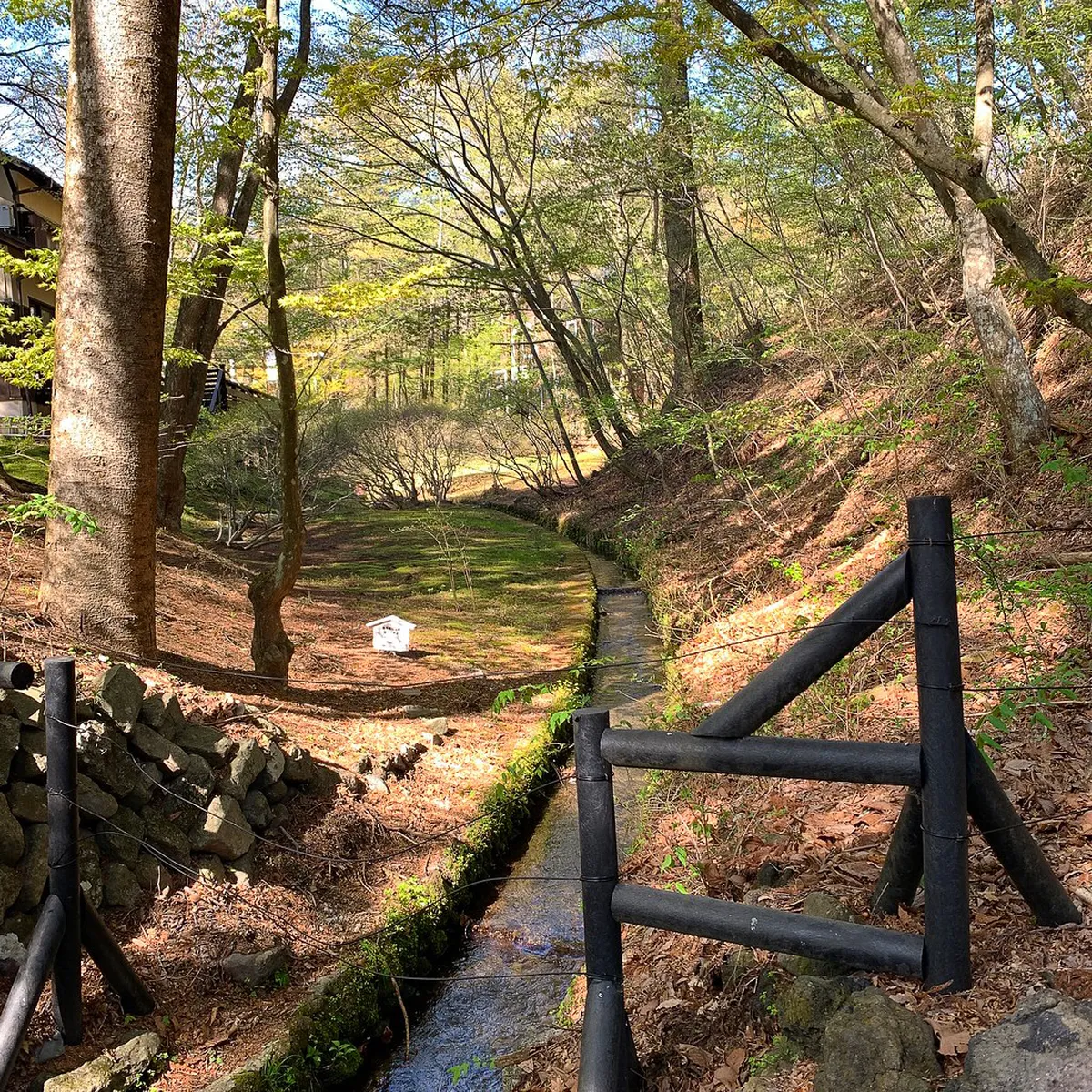
An overnight stay unlocks a different rhythm — Naka-Karuizawa, the Hoshino area, and an evening soak at Tonbo-no-Yu onsen all become practical once you're not racing the last train. Autumn foliage (late October to early November) and summer weekends are the two periods when accommodation books out farthest in advance. Booking several weeks ahead during these windows is advisable, particularly for the well-regarded properties near Naka-Karuizawa.
Accommodation ranges from budget-friendly options in Kyu-Karuizawa to high-end forest retreats in the Hoshino area. Near central Karuizawa, the Kyu Karuizawa Hotel Otowa no Mori offers a calm Western-style stay between the station and old town, suited to travellers wanting easy access to both the shopping plaza and Ginza Street.
Hotel Cypress Karuizawa provides good value with several rooms featuring private open-air baths, making it a practical choice for families or small groups. Both hotels sit within a short walk of central Karuizawa and offer a comfortable base for exploring the station area on foot.
For a mid-range stay close to Ginza Street, Le Grand Kyu Karuizawa combines a refined on-site restaurant with an easy walk to the main sights. Its contemporary rooms and in-house spa make it a popular choice for couples seeking a balance between comfort and convenience.
For those prioritising nature and convenience together, the Karuizawa Prince Hotel sits directly next to the station and the shopping plaza. Guests benefit from immediate access to the outlet mall and ski slopes, making it a strong choice for winter visits as well.
Consider reading the full Karuizawa accommodation guide to compare all zones, price tiers, and proximity to specific sights before booking. Whichever length you choose, arriving with a rough sequence of stops planned in advance will make the most of Karuizawa's spread-out geography.
Frequently Asked Questions
Is Karuizawa a good day trip from Tokyo?
Yes, Karuizawa works well as a day trip from Tokyo for most travellers. The Hokuriku Shinkansen takes roughly 70 minutes from Tokyo Station, leaving plenty of time to walk Kyu-Karuizawa Ginza Street, visit Kumoba Pond, and browse the shopping plaza. A day trip is less suited to Shiraito Falls and the Naka-Karuizawa area, which benefit from an overnight stay. Check the full Karuizawa attractions guide to help plan the best order for your sights.
How long is the Shinkansen ride from Tokyo to Karuizawa?
The Hokuriku Shinkansen takes approximately 70 minutes from Tokyo Station to Karuizawa Station on the Hakutaka or Asama services. Karuizawa is the fourth stop on the route from Tokyo. Not every Shinkansen service calls at Karuizawa, so always verify the destination on the platform display before boarding to avoid riding past the stop.
How do you get from Tokyo to Karuizawa by train?
Board the Hokuriku Shinkansen at Tokyo Station or Ueno Station and ride to Karuizawa Station, roughly 70 minutes away. The Japan Rail Pass, JR East Nagano-Niigata Pass, and JR Tokyo Wide Pass all cover this journey. If you do not hold a rail pass, purchasing a reserved seat in advance is recommended on busy weekends and during the autumn foliage season.
What is the best time of year to visit Karuizawa from Tokyo?
Autumn (late October to early November) draws the most visitors for the vibrant foliage at Kumoba Pond and the forest paths. Summer is the traditional peak season for Tokyoites escaping the city heat, as Karuizawa sits at roughly 1,000 metres above sea level. Spring brings cherry blossoms and quieter crowds, while winter suits skiers and those seeking a snowy onsen retreat. Each season has a distinct character, so the best time depends on whether your priority is foliage, cool summer air, or mountain snowfall.
Karuizawa rewards both the day-tripper and the overnight guest, but the two experiences are genuinely different. A focused day trip covers the station area, Ginza Street, and Kumoba Pond with ease; a longer stay unlocks the Naka-Karuizawa forest zone, the onsen, and the cultural parks. Matching your itinerary to the time you have is the single most useful thing you can do before the journey.
The Hokuriku Shinkansen makes getting here straightforward, and the rail passes mean the cost is often lower than visitors expect. Plan your transport options in advance, check the Shiraito Falls bus schedule if that stop is on your list, and book accommodation well ahead for autumn weekends. Karuizawa's appeal is its balance of ease and elegance — a mountain town that genuinely delivers on the promise of escaping Tokyo for a few hours.
Free: The Tokyo Essentials guide
Top things to do, where to stay, a perfect day plan, getting around, and the best time to go — a Tokyo mini-guide you can take offline.
You might also like


Continue reading
More guides you'll find useful


