

Shinshu Salmon and River Fish in Nagano: A Complete Guide
A practical guide to Shinshu salmon and river fish in Nagano, from Azumino trout farms to Kamikochi's grilled iwana and the prefecture's sashimi-safe mountain seafood.
On this page
Last updated August 2026. Shinshu salmon and river fish in Nagano remain one of Japan's more surprising regional food stories, built by a landlocked prefecture with no coastline of its own. Shinshu Salmon, a sterile hybrid trout raised in Azumino's spring water, anchors that reputation and is safe to eat raw as sashimi. Wild river fish like iwana and yamame carry a longer history in Nagano, once serving as core protein for mountain villages far from the sea.
Shinshu Salmon and River Fish in Nagano: The Basics
Nagano sits inland, ringed by the Japanese Alps, without a coastline anywhere in the prefecture. For generations that geography pushed mountain communities toward rivers, lakes, and cold spring-fed streams for protein instead of the sea. Iwana and yamame came out of those streams long before refrigerated trucks linked the region to coastal fish markets. That same landlocked problem gets a modern answer in Shinshu Salmon. The name Shinshu refers to Nagano's historical regional name, still used commonly as a branding term for local products. Nagano's own fisheries department developed the fish specifically to thrive in this cold, mineral-rich water, drawn from snowmelt in the surrounding mountains. It reads as salmon on a menu, but its origin runs through generations of freshwater trout breeding rather than an ocean migration. Local menus now group these dishes under the label mountain seafood, a term that only makes sense once the breeding story behind it is clear. Every fillet on a Nagano river-fish menu grew up in fresh water, never salt water, which is the detail separating this cuisine from anything trucked in from a coast. Understanding that split also explains why river fish shows up on Nagano menus with the same confidence as ocean fish does in a coastal port town.
Shinshu Salmon: The King of Alpine Fish
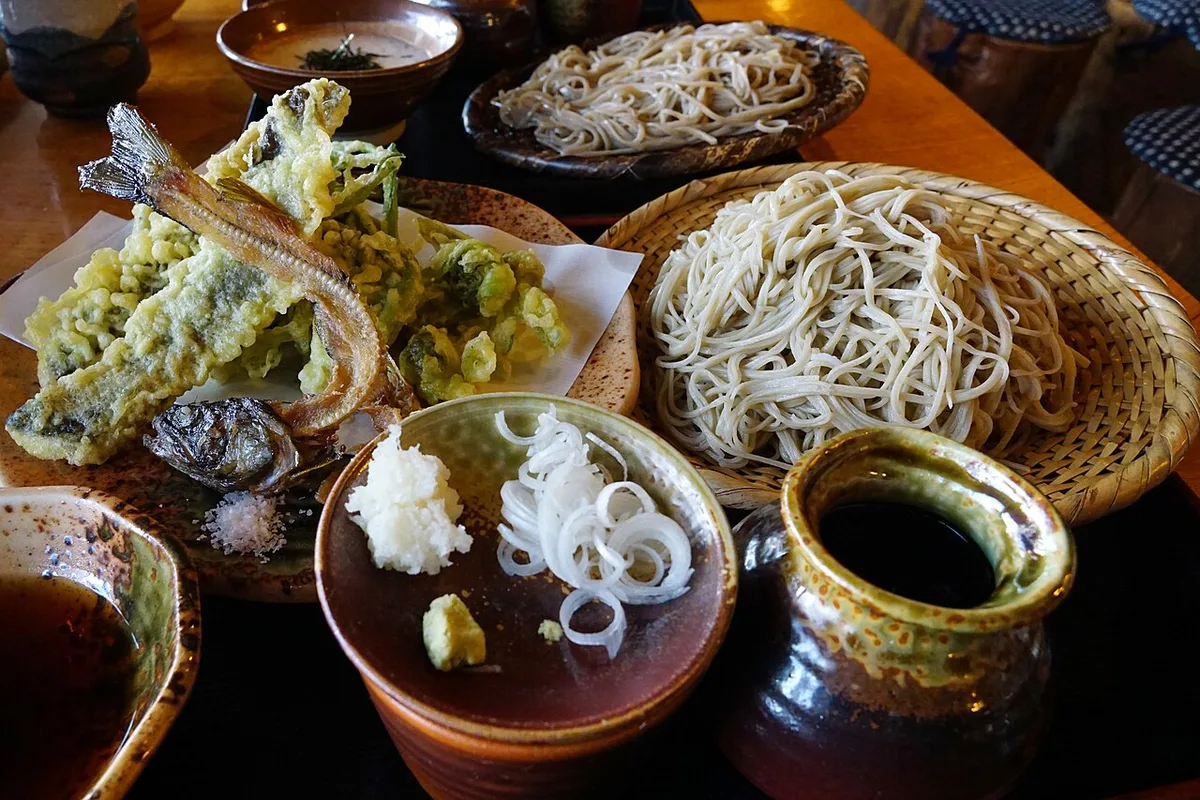
Shinshu Salmon is a sterile triploid hybrid, bred from brown trout and rainbow trout rather than any ocean species. Sterility redirects the fish's energy into growth instead of spawning, building the fine-grained texture and high fat content it is known for. It also carries more protein than many comparably sized servings of ocean fish, which is part of why a Shinshu Salmon plate reads as a full dish rather than a light starter. The flesh runs a deep orange, closer in color to true salmon than to most freshwater trout. Farms raise the fish in the cold, filtered spring water around Azumino. Consistent water quality there keeps it free of the parasites that make wild river fish risky raw. That farm-controlled environment lets Shinshu Salmon appear as sashimi and sushi across Nagano, a use wild iwana or yamame rarely get. Expect a silky, almost buttery bite, rather than the firmer flake typical of ocean salmon. That clean finish also solves a problem some wild freshwater fish have, since certain river fish can carry a muddy taste depending on the water they grew up in. A controlled diet and constantly flowing spring water keep Shinshu Salmon clear of that issue. Order it as sashimi, nigiri, or a carpaccio plate, and expect the kitchen to treat it the same way it would treat a premium ocean-raised salmon.
Iwana, Yamame, Ayu, and Saku-Goi: Nagano's River Fish Varieties
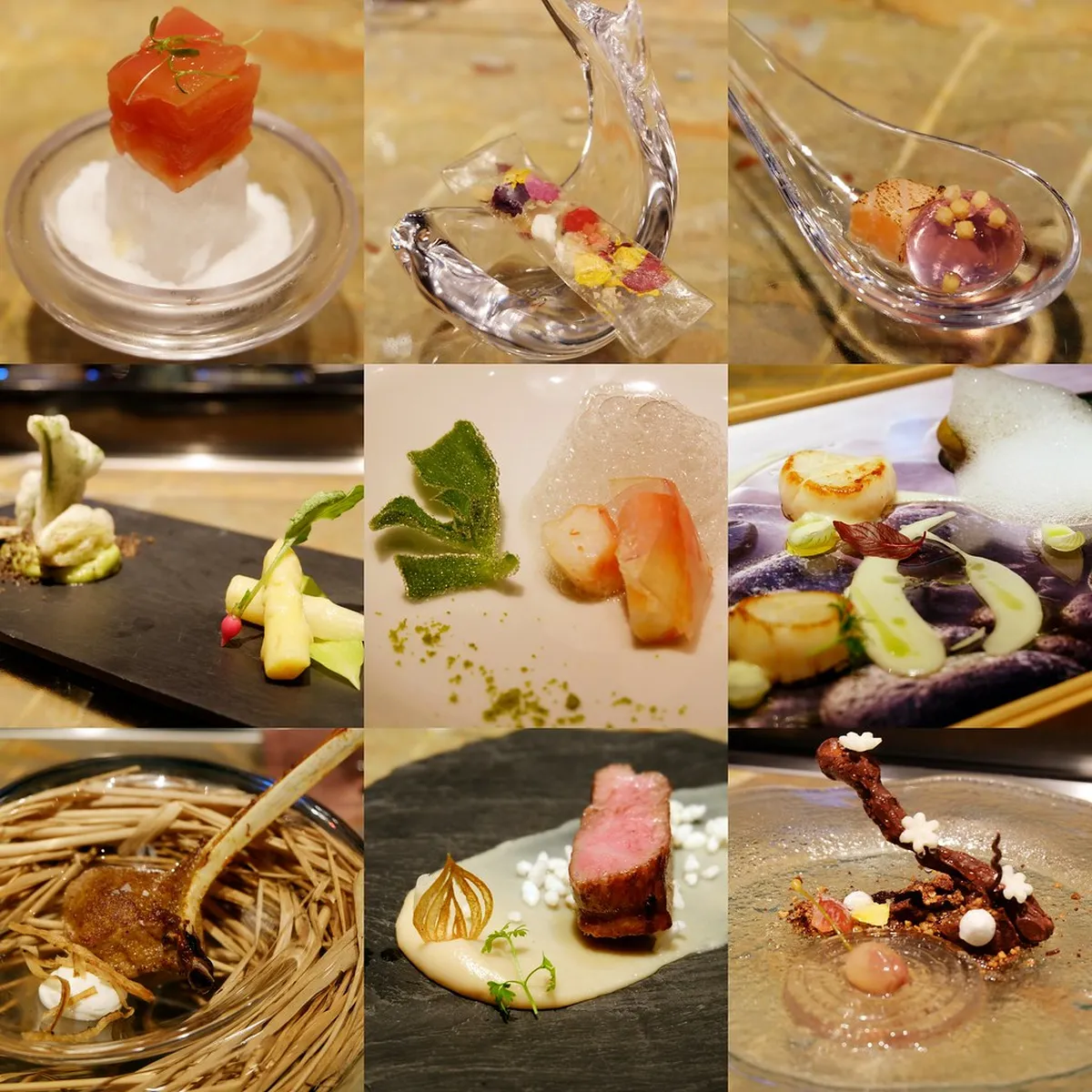
Beyond Shinshu Salmon, four wild and semi-wild fish define river-fish dining across Nagano, each tied to a distinct season or preparation. Menus rarely carry all four fish at once, so asking what's fresh that week is a reasonable approach at most river-fish restaurants in Nagano. Each fish also tends to track a specific region, which is part of why Azumino, Kamikochi, and the Saku area each built a distinct reputation around a different catch.
| Fish | Raw-Safe? | Typical Preparation | Best Season |
|---|---|---|---|
| Shinshu Salmon | Yes | Sashimi, sushi, carpaccio | Year-round |
| Iwana (char) | No, grilled | Shioyaki | Best in warmer months |
| Yamame (trout) | No, grilled or simmered | Shioyaki, clear soup | Warm months |
| Ayu (sweetfish) | No, grilled | Shioyaki, sugata-zushi | Early summer to autumn |
| Saku-goi (carp) | Occasionally, as sashimi | Koi-koku, sashimi | Year-round at Saku specialists |
- Iwana (char): typically salt-grilled as shioyaki, skewered into an S-curve and cooked whole over charcoal until the skin blisters. It's closely associated with high-altitude streams around Kamikochi.
- Yamame (landlocked cherry salmon): called the queen of the stream locally for a delicate, mild flavor that suits both grilling and clear soup preparations.
- Ayu (sweetfish): a summer specialty prized for a melon-like aroma in the flesh, served whole and salt-grilled from early summer into autumn.
- Carp (Saku-goi): a Saku-area specialty served simmered in sweet soy as koi-koku, or occasionally as sashimi, a more adventurous order for travelers new to river fish.
How Nagano Prepares Shinshu Salmon and River Fish
Preparation names matter as much as the fish itself when reading a menu in Nagano, and three terms come up often. Sashimi and nigiri sit alongside these three preparations at most restaurants serving Shinshu Salmon, since its farm-controlled safety record makes raw service straightforward. Wild iwana and yamame stay in the grilled or simmered category on most menus, which keeps raw preparations mostly reserved for the farmed fish. Reading a menu with these three terms in mind makes it easier to order with intent instead of pointing at a photo.
- Sugata-zushi: a whole small fish, often ayu or a young trout, pressed into a sushi shape so its silhouette stays visible on the plate.
- Shioyaki: salt-grilling over charcoal, the standard treatment for iwana, with the fish skewered into an S-curve before it goes over the coals.
- Carpaccio: a modern, thin-sliced raw preparation built for Shinshu Salmon specifically, dressed with oil and citrus rather than served as plain sashimi.
Where to Find Nagano's River Fish: Azumino, Kamikochi, and Matsumoto
Three hubs anchor most river-fish dining in Nagano, each suited to a different kind of visit. Pricing for river fish in Nagano splits mainly by format rather than by species. A lunch teishoku built around grilled iwana or a Shinshu Salmon rice bowl costs noticeably less than a multi-course kaiseki dinner featuring several river-fish preparations in one sitting. Menu boards at Azumino trout ponds and Nagano City ryotei list same-day pricing, since neither format holds a fixed rate across the prefecture. Check those boards directly when planning a specific stop, and treat a kaiseki-style river-fish dinner as the higher-end version of the same ingredients served at lunch.
- Azumino: the center of Shinshu Salmon and trout farming, fed by spring water clean enough to also support the Daio Wasabi Farm's crops nearby. Trout ponds here let visitors see the source before eating it, and some ponds let visitors catch or select a fish before it goes to the grill.
- Kamikochi: the setting for riverside iwana, grilled whole and sold from streamside stalls near the valley's walking trails, with the char aroma from the grills carrying along the path.
- Nagano City and Matsumoto: home to ryotei and izakaya serving Shinshu Salmon platters. Ryotei settings tend toward multi-course kaiseki service, while izakaya menus offer river fish alongside a wider list of small plates.
Pairing Shinshu Salmon with Nagano's Wider Food Scene
Sashimi made from Shinshu Salmon pairs naturally with the prefecture's own drinks. The local sake and craft beer scene built its reputation on the same cold mountain water that raises the fish. A crisp, dry sake tends to suit the fattier cuts of Shinshu Salmon sashimi, while a lighter craft beer complements grilled iwana's smokier char. A river-fish meal also fits well around other Nagano staples. Grilled iwana or a Shinshu Salmon set works as a savory follow-up to Nagano's oyaki dumplings. River fish also shares table space with Togakushi soba noodles at mountain-area restaurants. For a full sense of how these dishes fit together, the broader Nagano food guide maps the prefecture's food scene beyond river fish. A sweeter finish shows up in Nagano's apple desserts, served across the same region. Ordering river fish alongside these dishes, rather than as a stand-alone meal, is the more typical way locals build a Nagano food itinerary.
Seasonality and Access for River-Fish Trips in Nagano
Shinshu Salmon runs year-round, since farms control breeding and harvest rather than depending on a wild spawning cycle. Wild river fish follow the water instead. Ayu peaks from early summer into autumn, and iwana and yamame fishing season concentrates in the warmer months when mountain streams run clear. Winter narrows the wild-fish menu at streamside spots, though farm-raised Shinshu Salmon stays available everywhere. Reaching the source often takes more than a train ticket. Farm visits around Azumino and riverside dining in Kamikochi typically call for a rental car or a specific bus connection, rather than a direct rail line. The Nagano attractions guide covers the transit hubs that connect to these areas, useful for building a route around a river-fish stop. Building in extra time also helps, since Azumino's ponds and Kamikochi's streamside stalls get busiest when ayu season overlaps with autumn foliage travel. Confirm bus schedules and rental-car availability a day or two ahead during peak travel weeks, since both can book up faster than a train seat.
Frequently Asked Questions
Is Shinshu Salmon actually salmon?
Not in the strict biological sense. Shinshu Salmon is a sterile triploid hybrid of brown trout and rainbow trout, developed by Nagano's fisheries department rather than caught from an ocean-salmon run. The name reflects its color, texture, and market role as a salmon substitute, not its species.
Can you eat river fish raw in Nagano?
Shinshu Salmon is the standard raw option, since farm conditions in Azumino keep it free of the parasites found in wild fish. Wild iwana, yamame, and ayu are usually grilled or simmered instead, most often as shioyaki. Treat wild river fish as a cooked dish unless a specific restaurant states otherwise.
Where can you buy Shinshu Salmon or river fish as a souvenir?
Vacuum-sealed smoked versions of Shinshu Salmon and other river fish show up at gift shops in major stations, including Nagano Station and Matsumoto Station. These packs travel well and need no refrigeration until opened, which makes them a practical pick for a longer trip home.
What is the best season for river fish in Nagano?
Farm management keeps Shinshu Salmon available all year. Wild river fish peaks from early summer through autumn, with ayu at its best in that window and iwana and yamame following a similar warm-season pattern.
Do you need a car to visit Azumino or Kamikochi for fish dining?
A rental car makes farm visits around Azumino more flexible, since trout ponds sit outside the main train network. Kamikochi is typically reached by bus rather than a private car. Check current access rules for the approach road before a visit.
Is Shinshu Salmon farmed or wild?
Shinshu Salmon is entirely farmed, raised in Azumino's spring-fed ponds rather than caught from a river or ocean. That controlled setting is what allows it to be served raw safely, unlike most wild river fish from the same prefecture.
How much does a Shinshu Salmon meal typically cost?
Expect a lunch teishoku with grilled iwana or a Shinshu Salmon bowl to cost less than a multi-course kaiseki dinner built around several river-fish courses. Menu boards at Azumino trout ponds and Nagano City restaurants show same-day pricing, so check locally rather than relying on a fixed figure.
What does Shinshu Salmon taste like compared to ocean salmon?
Color and fat content in Shinshu Salmon look similar to ocean salmon, though the texture is softer and silkier rather than a firm flake. Its flavor reads clean and mild, without the muddier notes sometimes found in wild freshwater fish.
Is Shinshu Salmon available outside Nagano?
Shinshu Salmon is grown and marketed specifically as a Nagano product, so it shows up most reliably on menus within the prefecture. Some vacuum-sealed or smoked versions travel to shops elsewhere in Japan, but fresh sashimi-grade cuts are most consistent close to Azumino.
Free guide: Japan's Hidden Gems
12 under-the-radar places beyond Tokyo & Kyoto — with the best season to visit each and a local tip you won't find in the guidebooks.
You might also like


Continue reading
More guides you'll find useful


